
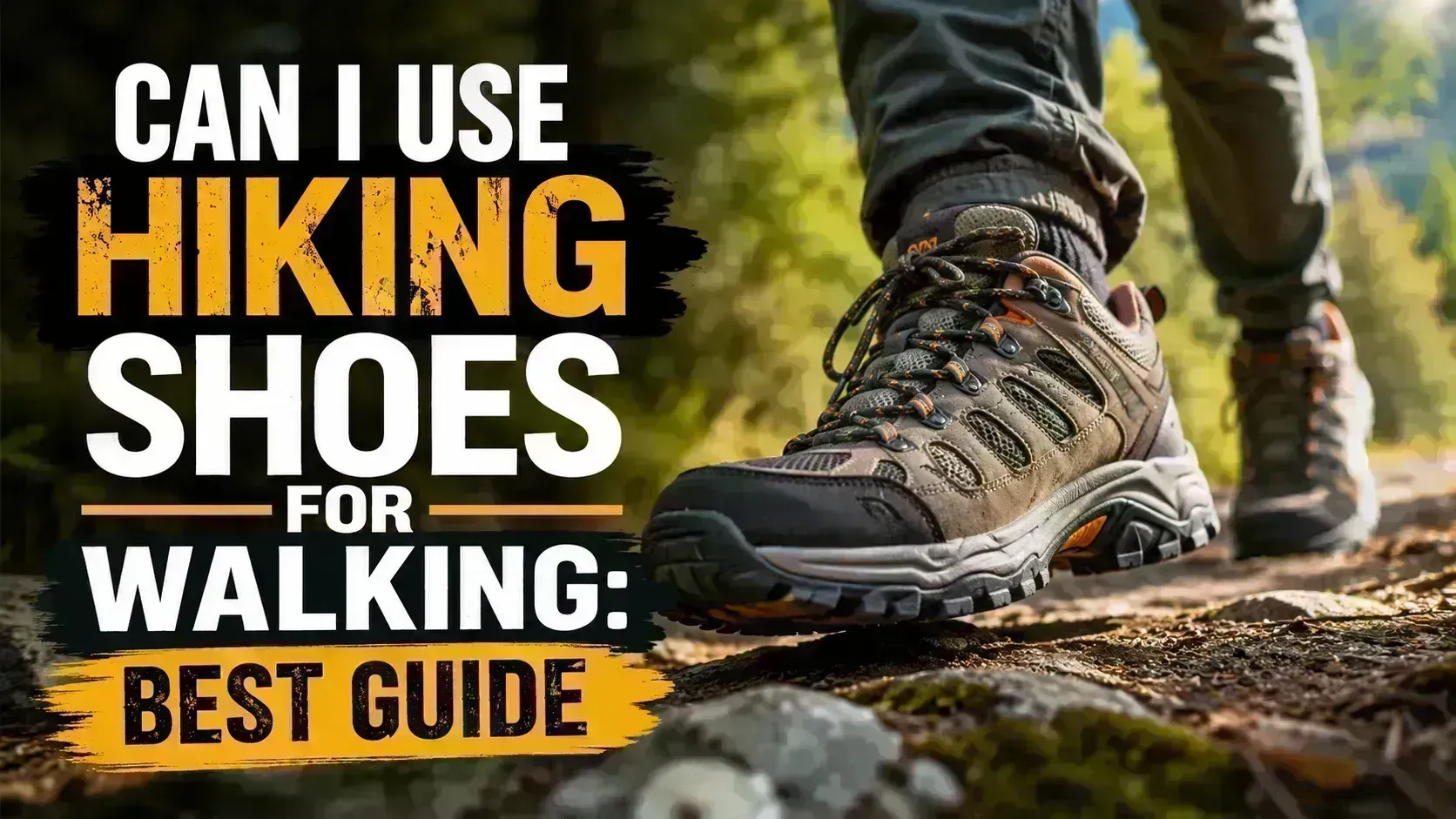
Yes, hiking shoes can work for walking, especially on rougher routes and longer days.
If you’ve ever wondered whether one pair of shoes can handle both the trail and your daily stroll, you’re not alone. I’ve spent a lot of time comparing hiking shoes and walking shoes in real life, and the answer is more nuanced than a simple yes or no. The right choice depends on comfort, terrain, fit, and how you walk.
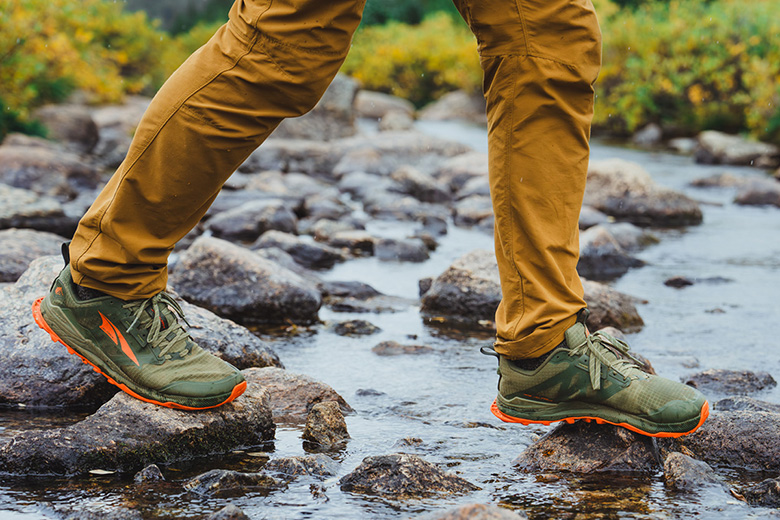
Source: switchbacktravel.com
Can I Use Hiking Shoes for Walking?
Yes, you can use hiking shoes for walking. In many cases, they are a smart choice because they offer support, grip, and durability. For city walks, park paths, light trails, and travel days, hiking shoes often feel more stable than regular sneakers.
That said, hiking shoes are built for mixed terrain, not just pavement. So while they can absolutely be used for walking, they may feel firmer and heavier than shoes made only for daily strolls. If you walk mostly on sidewalks, a lighter walking shoe may feel softer and more natural.
What Makes Hiking Shoes Different from Walking Shoes?
Hiking shoes are made to protect your feet on uneven ground. They usually have stronger outsoles, more traction, and better side support. Many also have tougher uppers that resist scuffs, dirt, and moisture.
Walking shoes, on the other hand, are designed for smooth surfaces and repetitive forward motion. They often have more cushioning, lighter materials, and more flexible soles. That makes them feel easier on long pavement walks.
Here’s the main difference in simple terms:
• Hiking shoes focus on stability, grip, and protection
• Walking shoes focus on flexibility, light weight, and comfort on flat ground
• Hiking shoes often last longer in harsh use
• Walking shoes often feel softer right away
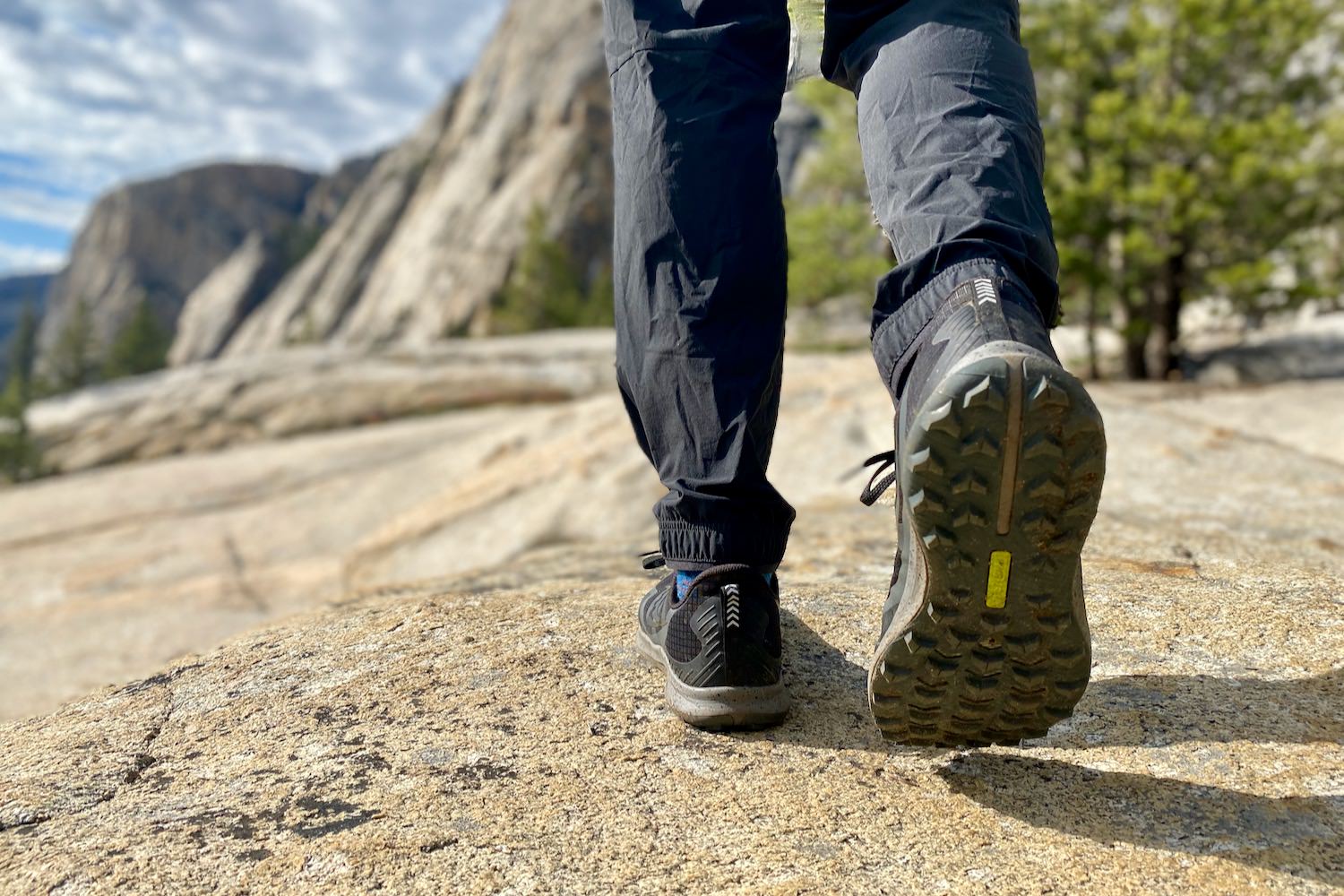
Source: cleverhiker.com
When Hiking Shoes Are a Good Choice for Walking
Hiking shoes make a lot of sense if your walking routine is not limited to smooth sidewalks. I’ve worn them on travel days, gravel paths, and long neighborhood walks where the ground changed often. They felt steady, especially when the route included wet leaves, uneven curbs, or loose dirt.
They are a good fit when you need:
• Better traction on slick or uneven ground
• Extra support for ankles and arches
• A tougher shoe for long-term wear
• One pair that can do more than one job
• More confidence on rainy or rough routes
If your walks happen in parks, suburbs, trails, or mixed terrain, hiking shoes can be a very practical choice.
When Hiking Shoes May Not Be Ideal for Walking
Hiking shoes are not always the most comfortable option for daily urban walking. If you mostly walk on pavement, tile, or treadmills, they may feel stiffer than you want. That stiffness can be helpful on trails, but on flat roads it sometimes feels like wearing a backpack to pick up groceries.
You may want to skip hiking shoes if:
• You want a very soft, cushioned feel
• You walk mostly on smooth roads
• You prefer a lighter, more flexible shoe
• You need a shoe for all-day office wear
• You are sensitive to shoe weight or stiffness
For some people, the extra structure feels great. For others, it becomes tiring after a few miles.
Comfort Factors to Check Before You Walk in Hiking Shoes
Comfort matters more than the label on the shoe box. A hiking shoe that fits badly will feel bad no matter how good the design is. I’ve seen people blame the shoe style when the real problem was toe pinch, wrong sizing, or a heel that slid too much.
Check these points before using hiking shoes for walking:
• Fit: Your toes should have room to move
• Heel hold: Your heel should not slip
• Arch support: It should match your foot shape
• Cushioning: Enough for your walking distance
• Break-in time: Some hiking shoes need a few wear sessions
• Breathability: Important for warm weather and long walks
A good fit makes hiking shoes feel like a tool. A bad fit makes them feel like a chore.
Terrain Matters More Than People Think
The ground under your feet changes everything. Hiking shoes shine when the surface is rough, wet, or unpredictable. On gravel, dirt, cobblestone, and root-filled paths, they often feel safer than standard sneakers.
On smooth pavement, though, their rugged build can feel unnecessary. The grip that helps on a trail may feel a little “sticky” on a sidewalk, and the firmer sole may not flex as naturally. So the question is not just “Can I use hiking shoes for walking?” but “Where will I be walking?”
Benefits of Using Hiking Shoes for Walking
There are real benefits to choosing hiking shoes for walking. They can make your steps feel more secure, especially when the ground changes suddenly. That can be helpful for commuters, travelers, dog walkers, and anyone who splits time between city streets and light trails.
Main benefits include:
• Strong traction on slippery or rough surfaces
• Better protection from rocks and debris
• More durability than many casual shoes
• Good support for longer outings
• Versatility for travel and mixed use
For me, one of the biggest wins has been durability. A solid pair of hiking shoes can take a lot more abuse than a typical everyday sneaker.
Drawbacks to Keep in Mind
No shoe is perfect for every use. Hiking shoes can be heavier than walking shoes, and that extra weight can matter over time. If you are used to light sneakers, hiking shoes may feel a bit bulky at first.
Other possible drawbacks include:
• Less flexibility than walking shoes
• More break-in time
• Can run warmer in hot weather
• May feel too rugged for casual everyday wear
• Not always the best choice for very long pavement walks
This is why it helps to think about your real routine, not just the name of the shoe.
How to Choose the Right Hiking Shoes for Walking
If you want hiking shoes mainly for walking, choose with comfort first. A trail-ready shoe that feels great on the rack can still be wrong for your feet. I always suggest trying them on later in the day, when feet are a little swollen, because that gives a more realistic fit.
Look for these features:
• Lightweight construction
• Moderate cushioning
• Flexible enough for natural stride
• Breathable upper material
• Good grip without being overly stiff
• Enough toe box room for swelling
If you walk in hot weather, ventilation matters a lot. If you walk on wet streets, traction matters more. Match the shoe to your environment.
Tips for Making Hiking Shoes More Comfortable for Walking
If your hiking shoes feel stiff at first, there are a few easy ways to improve comfort. A little adjustment can make a big difference, especially during the first week. I’ve done this myself when a pair felt almost right but not quite.
Try these tips:
• Wear them for short walks first
• Use moisture-wicking socks
• Adjust lacing to reduce heel slip
• Replace thin factory insoles if needed
• Break them in before a long walk or trip
• Keep them clean so the outsole stays effective
The break-in period matters. Think of it like a handshake, not a race. The shoe and your foot need a little time to get used to each other.
Hiking Shoes vs Walking Shoes: Which Is Better for You?
The better shoe depends on your walking habits. If you walk mostly on pavement and want soft comfort, walking shoes often win. If your walks include uneven ground, weather changes, or mixed terrain, hiking shoes may be the smarter pick.
Choose hiking shoes if you want:
• More grip
• More support
• More durability
• Better performance on rough ground
Choose walking shoes if you want:
• Lighter weight
• Softer cushioning
• More flexibility
• A smoother feel on pavement
There is no universal winner. The best shoe is the one that fits your feet and your routine.
Real-Life Example from My Experience
I once used a pair of hiking shoes for a week of city walking during a rainy trip. They were not as soft as my usual walking sneakers, but they handled wet sidewalks, long days, and a few surprise park paths really well. My feet felt stable, and I never worried about slipping on damp ground.
Later, I tried the same pair on a week of mostly pavement walking. That’s when I noticed the tradeoff. They were still fine, but they felt heavier than I wanted by the end of the day. That experience taught me something simple: hiking shoes are excellent for walking, but the type of walking matters.
Frequently Asked Questions of Can I use hiking shoes for walking
Are hiking shoes good for everyday walking?
Yes, hiking shoes can be good for everyday walking if you want more support and traction. They work especially well for mixed terrain, travel, or wet weather.
Can I use hiking shoes for long-distance walking?
Yes, but comfort depends on the shoe and the surface. If the route is mostly pavement, a lighter walking shoe may feel better over very long distances.
Do hiking shoes need a break-in period for walking?
Many do, yes. It’s smart to wear them for short walks first so the materials can soften and your feet can adjust.
Are hiking shoes better than sneakers for walking?
Not always. Hiking shoes are better for rough or slippery ground, while sneakers are usually better for soft, casual comfort on flat surfaces.
Can I wear hiking shoes all day?
You can, if they fit well and feel comfortable. Still, if you spend most of the day on hard floors or pavement, a walking shoe may feel less tiring.
Conclusion
So, can you use hiking shoes for walking? Absolutely, and in many situations they are a great choice. They offer support, traction, and durability that can make walking feel safer and more confident, especially on uneven or wet ground.
At the same time, the best shoe depends on where you walk and how your feet feel. If you want one pair that can handle both daily walks and light outdoor use, hiking shoes are often a solid pick. Try them on, test them for a few walks, and see how they fit your routine.
If this helped, keep exploring shoe fit tips, compare your options, and choose the pair that makes walking feel easy, steady, and comfortable.
