
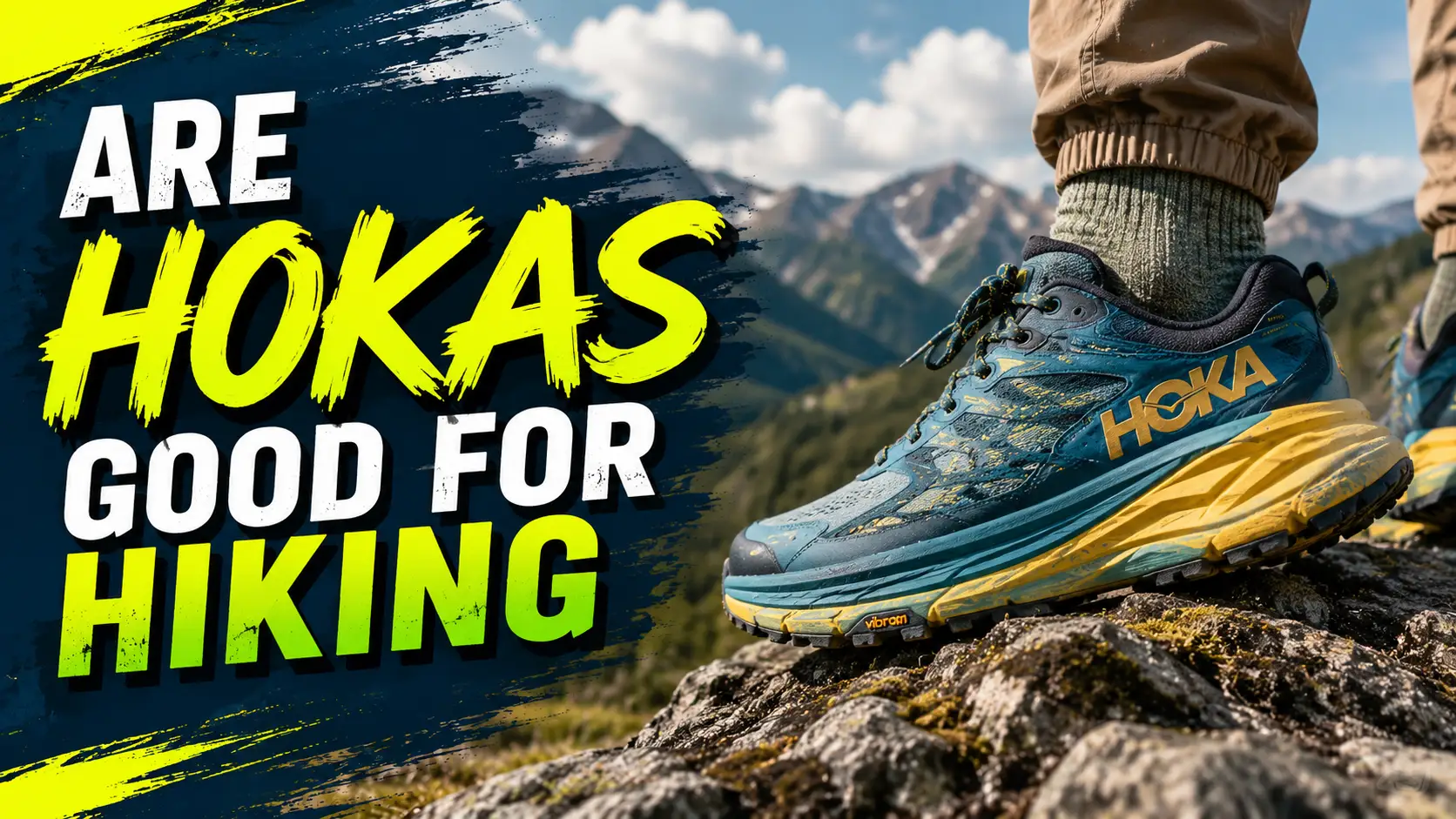
So, you’re eyeing those big, cushioned Hoka shoes and wondering if they’re up to the task of hitting the trails. It’s a good question because not all footwear is created equal when it comes to hiking. The truth is, for many hikers, Hokas can be a surprisingly comfortable option, but they aren’t a one-size-fits-all solution for every path you might encounter.
Our research indicates that while Hoka’s signature max cushioning is a huge plus for comfort and shock absorption, its effectiveness on the trail really depends on the specific model and the type of terrain you’ll be tackling. For instance, aggregate reviews report that Hoka’s dedicated trail running shoes, often featuring a midsole stack height of over 30mm, can provide exceptional comfort for long distances, but might lack the stability some hikers need on technically demanding routes.
Quick Answer: Hokas for Hiking – Yes, But It Depends
Can you hike in Hoka shoes? Yes, absolutely. Many hikers find them extremely comfortable, especially for specific types of trails and hiking styles. However, whether they should be your go-to hiking shoe depends heavily on your hiking habits and the terrain you usually navigate.
It’s not a simple “yes” for everyone on every trail.
What Makes Hoka Shoes Different in Hiking?
Hokas stand out on the trail primarily because of their distinctive, generous cushioning. This isn’t just a little extra padding; we’re talking about noticeably thicker soles compared to most conventional hiking footwear. Manufacturer specifications often point to midsole stack heights that can exceed 30mm, sometimes reaching over 40mm in their most cushioned models. This design aims to absorb impact, which can significantly reduce fatigue on your joints during long hikes.
Hoka’s Signature Features: Pros and Cons for the Trail
Hoka’s defining characteristic is its “maximalist” cushioning, but this comes with both significant advantages and potential drawbacks when you’re out on the trail.
-
Pros:
- Superior Shock Absorption: The thick, soft midsole is excellent at absorbing impact from hard surfaces like rocks and roots. This can be a game-changer for reducing stress on your knees, ankles, and hips, especially on longer treks.
- Enhanced Comfort: For many, the plush feel of a Hoka is simply more comfortable than firmer, more traditional hiking shoes, particularly on well-maintained trails or for day hikes.
- Smooth Ride: Many Hoka models feature a “rocker” geometry. This design helps your foot roll smoothly from heel strike to toe-off, promoting a more efficient and less jarring stride.
-
Cons:
- Reduced Ground Feel: The thick sole can sometimes create a disconnect from the terrain, making it harder to feel subtle changes underfoot. This can be a concern on highly technical or uneven trails where precise foot placement is critical.
- Potential for Instability: On very uneven, rocky, or off-camber surfaces, the high stack height and soft cushioning can sometimes lead to a feeling of instability or wobbliness for some hikers.
- Weight and Water Absorption: While not all models are heavy, the sheer volume of foam can sometimes add weight compared to minimalist trail shoes. Additionally, some of that thick foam can retain water, potentially making the shoes feel heavier and take longer to dry if you encounter deep puddles or stream crossings.
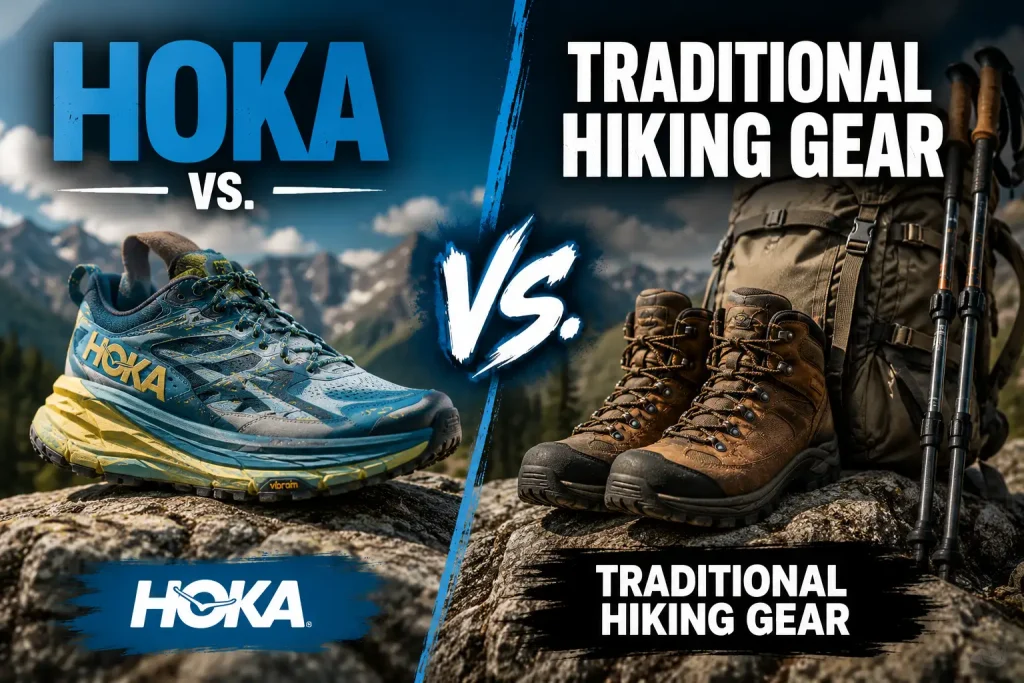
Hoka vs. Traditional Hiking Gear: A Side-by-Side Look
When we compare Hokas to other common hiking footwear, a few key distinctions emerge that help clarify where they fit best. It’s less about one being inherently “better,” and more about suitability for different needs.
Traditional Hiking Boots
These are typically characterized by their sturdy construction, often with mid- or high-cut uppers for ankle support and a stiffer sole designed for durability and protection on rugged terrain. Manufacturer specifications often emphasize features like waterproof membranes (e.g., Gore-Tex), robust rubber outsoles with deep lugs for traction, and supportive footbeds. They are built for carrying heavier loads and navigating challenging, unpredictable environments where ankle stability and protection are paramount. You’ll commonly see these for multi-day backpacking trips or on trails known for sharp rocks and steep ascents.
If you’re choosing between trail runners vs hiking boots, this is the primary distinction.
Trail Running Shoes (Including Hoka’s Trail Models)
Trail running shoes, including Hoka’s dedicated trail models like the Speedgoat or Challenger ATR, offer a lighter, more flexible alternative to traditional boots. They aim to provide a balance of cushioning, agility, and grip for off-road running and faster-paced hiking. Aggressive outsole lugs are common for traction on dirt, mud, and rock. While they offer more foot protection than road shoes, they generally provide less ankle support and underfoot protection than hiking boots.
Hoka’s specific trail offerings integrate their signature cushioning into this lighter, more agile platform, focusing on absorbing impact over long distances while maintaining reasonable trail performance. As of 2026, many trail runners prioritize breathability and quick-drying materials. How to choose hiking boots often involves these trade-offs.
When Hokas Shine on the Trail
Hokas really come into their own when used for the right type of hiking. Think of them as your comfortable cruisers for certain outdoor excursions.
- Groomed and Moderate Trails: If your typical hike involves well-maintained paths, forest service roads, or relatively smooth dirt trails without excessive obstacles, the ample cushioning of a Hoka can be a genuine benefit. It helps reduce the repetitive impact from each step.
- Long-Distance Day Hikes: For those aiming to cover a lot of ground on flatter or rolling terrain, Hokas can significantly enhance comfort over many miles. Their shock absorption may help prevent foot fatigue and joint pain that can arise from sustained impact.
- Carrying Lighter Loads: When you’re not burdened with a heavy backpacking pack, the inherent stability of a Hoka is usually sufficient. The need for extreme ankle support is lessened, making the comfort benefits of their cushioning more appealing. For beginners, understanding what to wear hiking for beginners often leads to prioritizing comfort.
- Hikers Seeking Joint Relief: If you have a history of joint pain, plantar fasciitis, or other foot-related ailments, the substantial cushioning found in Hokas can provide much-needed relief. This is often the primary reason individuals discover and appreciate Hokas for any activity involving prolonged walking or standing.
- Hoka’s Specific Trail Models: While any Hoka offers cushioning, their shoes specifically designed for trail running, like the Hoka Speedgoat, are engineered with more aggressive outsoles for better grip and more durable uppers for trail abuse. These models often represent the best integration of Hoka’s comfort technology with trail-specific needs.
Who Should Consider Hokas for Hiking?
If you’re a hiker who prioritizes comfort and wants to minimize impact on your joints, Hokas are definitely worth considering. They can be a fantastic choice for individuals who:
- Experience foot or joint pain: If you suffer from conditions like plantar fasciitis, arthritis, or general knee/hip discomfort, the extensive cushioning can make a significant difference in alleviating these issues on the trail.
- Prefer milder terrain: Hikers who frequent well-maintained trails, dirt paths, or less technical routes will benefit most from the plush ride without sacrificing too much stability or ground feel.
- Go on long day hikes: For extended treks with minimal elevation gain and moderate terrain, the shock absorption can help you stay comfortable for longer periods. A beginner hiking checklist might not always include specific shoe advice, but comfort is key for new hikers.
- Carry light to moderate loads: Backcountry trips with heavy packs generally require more robust support than most Hoka models offer. However, for lighter loads, they can provide a comfortable alternative. This is where understanding hiking backpack essentials becomes crucial.
- Are already fans of Hoka cushioning: If you’ve enjoyed the comfort of Hoka running shoes for road running or daily wear, their trail-specific models might offer a similar enjoyable experience on less demanding trails. Many users find that Hoka’s trail running shoes provide a smooth transition for their feet.
When to Look for Alternatives to Hokas
While Hokas offer excellent comfort, they aren’t the best fit for every hiking scenario. Our research and aggregate user feedback suggest that if your hiking involves significant challenges, you might want to explore other options.
- Highly Technical Trails: For routes packed with loose scree, sharp rocks, large roots, and steep, uneven ascents or descents, the thick, soft sole of a Hoka can feel unstable. You might want a shoe with a firmer sole and a larger contact patch for better grip and a more secure feel. For context, waterproof hiking boots worth it often prioritizes this kind of ruggedness.
- Backpacking with Heavy Loads: When you’re carrying a substantial backpack (over 30 lbs), the demands on your feet and ankles increase significantly. Traditional hiking boots, often with higher cuffs for ankle support and stiffer shanks for load-bearing, are generally recommended for this type of activity. The cushioning in Hokas, while comfortable, may not provide the necessary structural support for heavy packs.
- Very Wet or Muddy Conditions: While some Hoka trail models feature decent traction, the sheer volume of foam can sometimes absorb a lot of water. This can make them feel heavy and slow down drying time. If you frequently hike through bogs, deep mud, or across many water crossings, footwear designed specifically for aggressive grip in wet conditions might be a better choice. Consider exploring options like best hiking sandals review if extreme water scenarios are common.
- When Ground Feel is Crucial: For experienced hikers who rely on feeling the terrain underfoot to make precise movements, the significant stack height of many Hokas can be a drawback. A lower-profile shoe offers more direct feedback, allowing for quicker adjustments on tricky terrain.
