
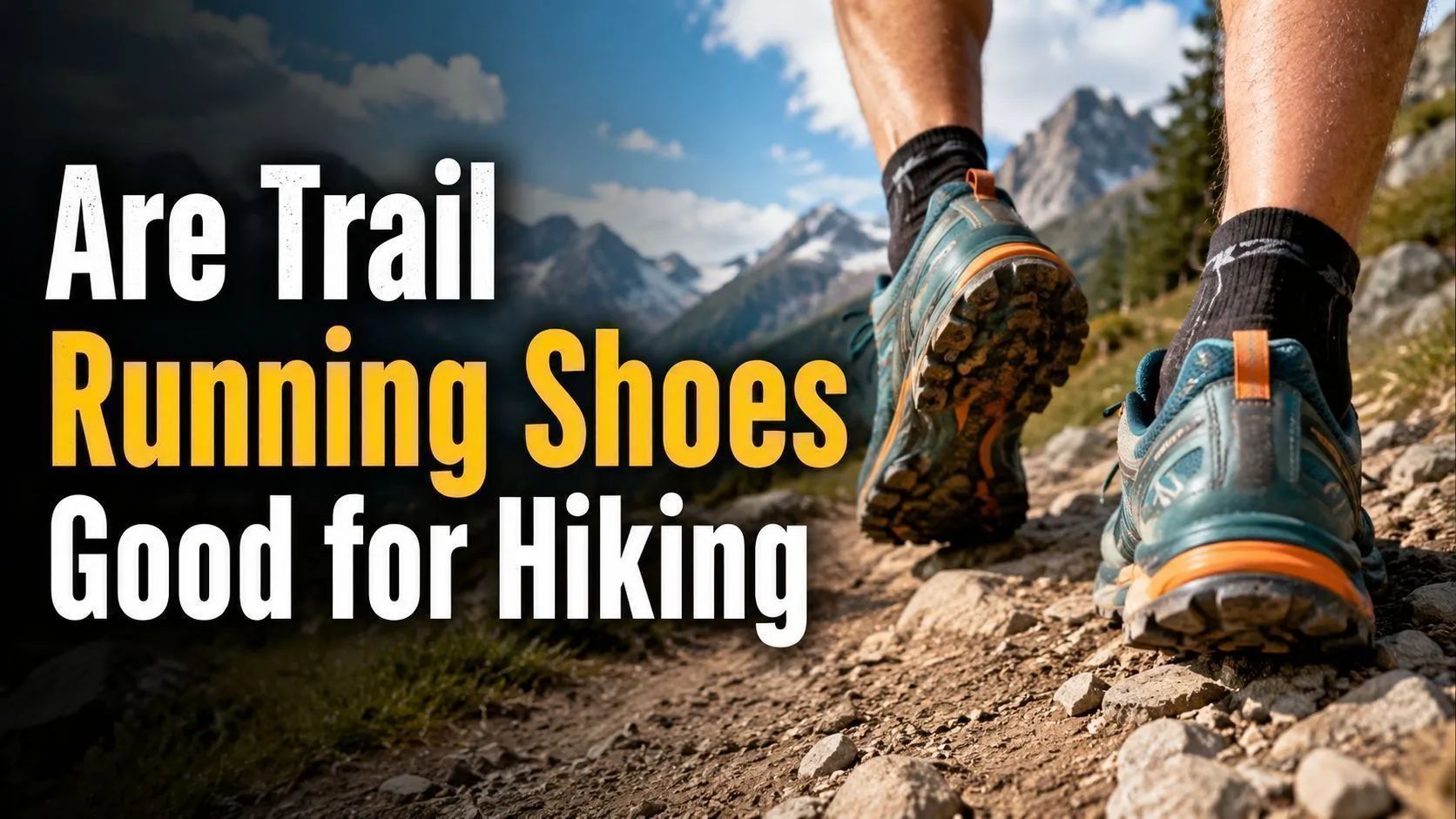
So, are trail running shoes really up for the hiking challenge? It’s a question that pops up a lot, especially since trail runners look so quick and nimble. You’ve seen them out there, and you’re probably wondering if they’ll save your feet on the trail versus a more traditional hiking boot.
In our research, we’ve found that while they share some DNA with outdoor footwear, they’re built with distinct purposes in mind. Manufacturer specifications often highlight their lightweight construction, with many models weighing under 12 ounces per shoe, making them appealing for endurance over ruggedness. So, let’s break down when these shoes shine and when you might want a different kind of support.
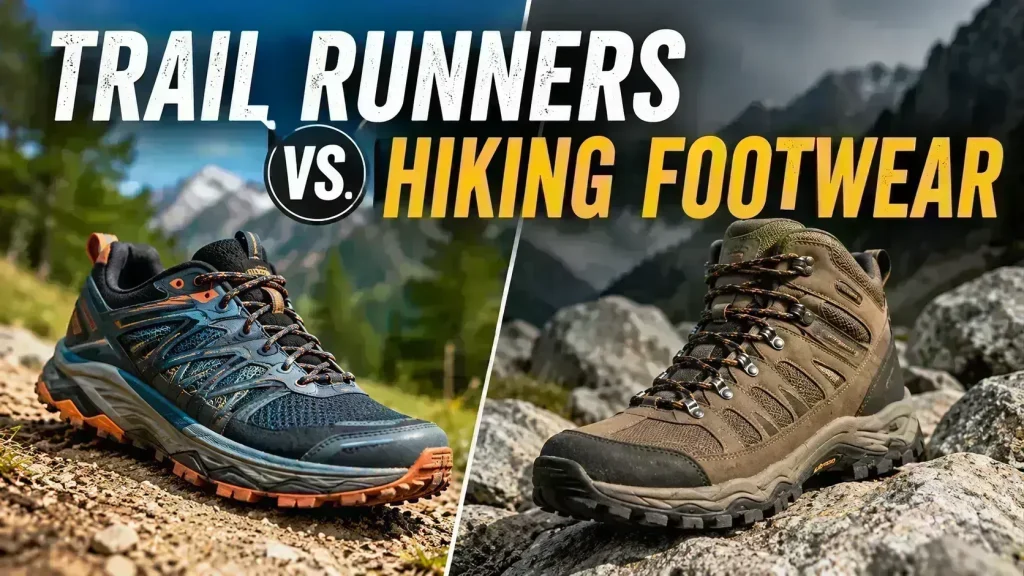
Trail Runners vs. Hiking Footwear: What’s the Real Difference?
When you’re trying to decide if trail running shoes can handle your hike, it helps to understand what sets them apart from dedicated hiking shoes and boots. It’s not just a matter of style; it’s about design philosophy and intended use. Think about the primary goal: speed and agility on varied terrain for runners, versus support and protection for hikers carrying loads over longer distances or tougher ground.
Grippy Lugs and Lightweight Feel: Trail Runner Strengths
The appeal of trail running shoes for hiking often starts with their most obvious advantage: their sheer lightness. This weight savings isn’t just a subtle perk; it can significantly impact your energy expenditure over miles. Aggregate reviews report that runners often choose these shoes for their responsive feel, allowing them to “feel the trail” more directly, which can be a positive for some hikers.
- Reduced Fatigue: Less weight on your feet means less work for your legs and a lower overall energy cost. This is particularly noticeable on longer day hikes or if you’re moving at a brisk pace.
- Agility and Responsiveness: Their flexible design and lighter build allow for quicker footwork and a more natural stride. You can pivot and adjust your footing more easily.
- Superior Traction: The outsoles are engineered with aggressive lug patterns, deep, widely spaced rubber cleats. These are designed to bite into dirt, mud, and loose gravel, providing excellent grip on ascents and descents. For example, many trail runner outsoles exceed 5mm in lug depth, specifically to enhance this grip in varied conditions.
Ankle Support and Toughness: Hiking Boot Strengths
In contrast, hiking boots are built with a different set of priorities. Their construction emphasizes stability and protection, especially if you’re venturing onto more challenging terrain or carrying a significant load. While they might feel heavier and less nimble, this is a trade-off for increased security and comfort on demanding excursions.
- Enhanced Ankle Stability: This is a defining characteristic. Most hiking boots feature a higher cut, wrapping around and above the ankle. This provides crucial support to help prevent sprains and twists, especially when navigating uneven or rocky surfaces or when fatigue sets in. This higher collar is a key differentiator from most trail running shoes.
- Robust Protection: Hiking boots typically incorporate thicker midsoles and often have rock plates embedded within them. These features shield your feet from sharp rocks, roots, and other trail debris. The uppers are also frequently made from more durable materials like leather or reinforced synthetics, offering better abrasion resistance.
- Load-Bearing Capability: They are designed to comfortably carry heavier loads associated with backpacking. The stiffer sole and supportive structure help distribute weight evenly and reduce pressure points when you’re carrying a fully packed hiking backpack essentials.
When Trail Running Shoes Can Be Your Hiking Buddy
So, does this mean trail running shoes have absolutely no place on hiking trails? Not at all. In specific scenarios, they can be a surprisingly comfortable and effective choice, especially if your hiking style leans more towards agility and speed on less demanding terrain. It really comes down to matching the footwear to the activity.
Day Hikes on Well-Maintained Trails
For shorter excursions on clearly marked, relatively smooth paths, trail running shoes can perform admirably. Think of a pleasant walk through a park, a gentle forest trail, or a well-trodden path with minimal technical challenges. In these situations, the primary benefits of trail runners, their lightness and flexibility, translate directly into comfort and ease of movement. You won’t necessarily need the rugged support of a heavy boot if the ground is even and predictable.
- Low Strain: You’re not carrying a heavy pack, and the terrain doesn’t demand constant ankle bracing.
- Comfort for Miles: The cushioning, though different from hiking boots, can be sufficient for several hours of walking on softer surfaces.
Faster-Paced Hikes and Light Loads
If your idea of hiking involves covering ground quickly, almost like a brisk walk on trails, then trail running shoes are a natural fit. They encourage a more dynamic stride. This is also true if you’re sticking to day trips and aren’t laden with a significant amount of gear. For instance, if you’re following a hiking workout plan for beginners that emphasizes getting miles in rather than technical challenges, these shoes can support that goal.
Warm, Dry Conditions
Breathability is a major plus for trail running shoes, often achieved through mesh uppers. This is fantastic when you’re hiking in warmer climates or during summer months. It allows air to circulate freely, helping to keep your feet cooler and drier, reducing the risk of blisters caused by sweat. Manufacturer specifications for many modern trail runners indicate water-resistance ratings below industry standards for full waterproof hiking boots, prioritizing vapor transpiration over complete water immersion defense.
When Trail Runners Might Fall Short on the Trail
While convenient for some adventures, there are definite situations where trail running shoes aren’t the ideal choice, and wearing them could lead to discomfort or even injury. Understanding these limitations is crucial for making the right equipment decision for your specific outing.
Technical Terrain and Rocky Paths
When the trail gets seriously rugged, think scrambling over boulders, navigating loose scree, or crossing areas with lots of exposed roots, trail running shoes can start to feel inadequate. Their lower-cut design offers minimal ankle support, making you more vulnerable to twists and sprains on unstable ground. Furthermore, their cushioning is optimized for responsiveness, not necessarily for absorbing the repeated impact of sharp rocks underfoot for extended periods. You might find yourself feeling every sharp edge, which can be painful and fatiguing.
- Ankle Vulnerability: A twisted ankle on a steep, rocky section can turn a fun hike into a serious problem.
- Foot Fatigue: Feeling every root and rock can be exhausting over time.
Long Backpacking Trips with Heavy Packs
If you’re heading out for an overnight or multi-day adventure where you’ll be carrying a substantial amount of gear, food, shelter, sleeping bag, the demands on your feet and body increase dramatically. The added weight, often 20-40 pounds or more, puts extra pressure on your joints and requires more ankle stability. Trail running shoes, with their limited support, are generally not designed to handle this sustained load. Dedicated waterproof hiking boots worth it consideration for such trips because they are built for this specific kind of stress.
Wet, Muddy, or Unpredictable Conditions
Many trail running shoes prioritize breathability over waterproofness. This means that while they might dry quickly if they get splashed, they also let water in easily. If you anticipate crossing streams, hiking through muddy sections, or facing unexpected rain, your feet could become damp quite rapidly. For serious wet-weather hiking, footwear with sealed seams or dedicated waterproof membranes, like those found in many hiking boots, would be a better option to keep your feet drier and warmer.
Matching Shoes to Your Hike: Key Considerations
Deciding whether trail running shoes are suitable for your hike isn’t a one-size-fits-all answer. It’s about looking closely at your personal needs and the specific conditions you expect to encounter. Think of it as building a profile for your ideal hiking footwear.
Your Ankle Strength and History
This is a big one. If you have naturally strong ankles and a history of never experiencing sprains or instability, you might be comfortable in lower-cut footwear like trail runners on a wider variety of trails. However, if you’ve ever rolled an ankle, or if your ankles feel weak or prone to giving out, then the added stability provided by mid- or high-cut hiking boots becomes a critical factor. Our research indicates that for individuals with a history of ankle injuries, prioritizing footwear that offers robust ankle support significantly reduces the risk of re-injury.
The Type of Trails You’ll Tackle
Be honest about the terrain. Are you sticking to nicely groomed paths in local parks or forests? Or are you planning to tackle mountainous regions with loose gravel, steep ascents, and technical descents? The latter demands more protection and stability, which trail runners typically don’t provide as well as hiking-specific shoes or boots.
For example, on trails with lots of sharp rocks, you’d want a shoe with a stiff sole and possibly a rock plate for underfoot protection.
The Weight of Your Pack
Your overall load acts as an amplifier for any deficiencies in your footwear. If you’re packing light for a short day hike, the extra weight won’t put much additional stress on your feet or ankles, making trail runners a viable option. However, as soon as you start adding significant weight for overnight trips, or even heavy day packs containing extra layers, water, and food, the need for supportive hiking footwear becomes much more pronounced. This is a key point when comparing trail runners vs hiking boots.
Common Mistakes When Choosing Footwear for Hiking
When folks opt for trail running shoes for hiking without fully understanding the implications, they often make a few common missteps. These errors usually stem from overlooking key differences in design and intended use, leading to discomfort or even injury on the trail. Being aware of these pitfalls can help you make a more informed decision.
Overestimating Trail Runner Versatility
One of the biggest mistakes is assuming that because trail running shoes are built for off-road, they’re automatically suitable for all types of hiking. While they excel on many trails, they aren’t designed to offer the same level of ankle support, underfoot protection, or long-term durability that dedicated hiking footwear provides for tougher conditions. This overestimation can lead to disappointment on challenging terrain.
Ignoring Ankle Support Needs
Many hikers, especially those new to the activity or switching from different footwear, underestimate the importance of ankle support. Trail running shoes are almost universally low-cut, offering minimal to no lateral ankle stability. If you’re hiking on uneven ground, loose surfaces, or carrying a pack, a lack of ankle support can lead to frequent wobbles and increase the risk of painful sprains. This is particularly true if you’re not accustomed to the demands of hiking or have had previous ankle issues.
Underestimating Terrain Demands
It’s easy to look at a trail on a map and underestimate its difficulty or the specific challenges it presents. A trail might appear straightforward but could have hidden roots, sharp rocks, or steep, slippery sections that are far more punishing on footwear than a running path. If your chosen shoes lack adequate cushioning or protection, you’ll feel every impact, leading to sore feet and a significantly less enjoyable experience. For example, a trail that looks smooth can have significant embedded rocks that a trail runner’s thinner sole won’t fully shield you from.
Trail Running Shoes vs. Dedicated Hiking Shoes/Boots: A Quick Take
To quickly summarize, the choice between trail running shoes and dedicated hiking footwear boils down to your specific hiking plans. It’s about aligning the shoe’s features with the demands of your intended adventure. If your hikes are generally shorter, on less technical terrain, and you prioritize speed and agility, trail runners might be your go-to.
Trail Running Shoes: Best For…
- Day hikes on well-maintained, moderate trails.
- Faster-paced hiking or running.
- Warmer, dry weather.
- Hikers with strong ankles prioritizing agility.
- Carrying lighter day packs.
Hiking Shoes/Boots: Best For…
- Technical trails with rocks, roots, and uneven surfaces.
- Longer hikes and backpacking trips with heavier loads.
- Wet, muddy, or unpredictable weather conditions.
- Hikers needing significant ankle support and protection.
- Those seeking maximum durability for rugged use. This is where materials like full-grain leather, common in many hiking boot designs, offer superior abrasion resistance compared to the mesh uppers of most trail running shoes.
The Final Verdict: Making Your Gear Choice
The decision ultimately rests on your personal hiking style, the types of trails you frequent, and the weight you typically carry. While trail running shoes can be a tempting, lightweight option, especially for casual day hikes on easier terrain, they come with inherent trade-offs in ankle support and protection. For anything more demanding, or if you have concerns about ankle stability, investing in proper hiking shoes or boots is usually the safer and more comfortable bet. Remember, the goal is to enjoy your time outdoors, and the right footwear is a huge part of that.
