
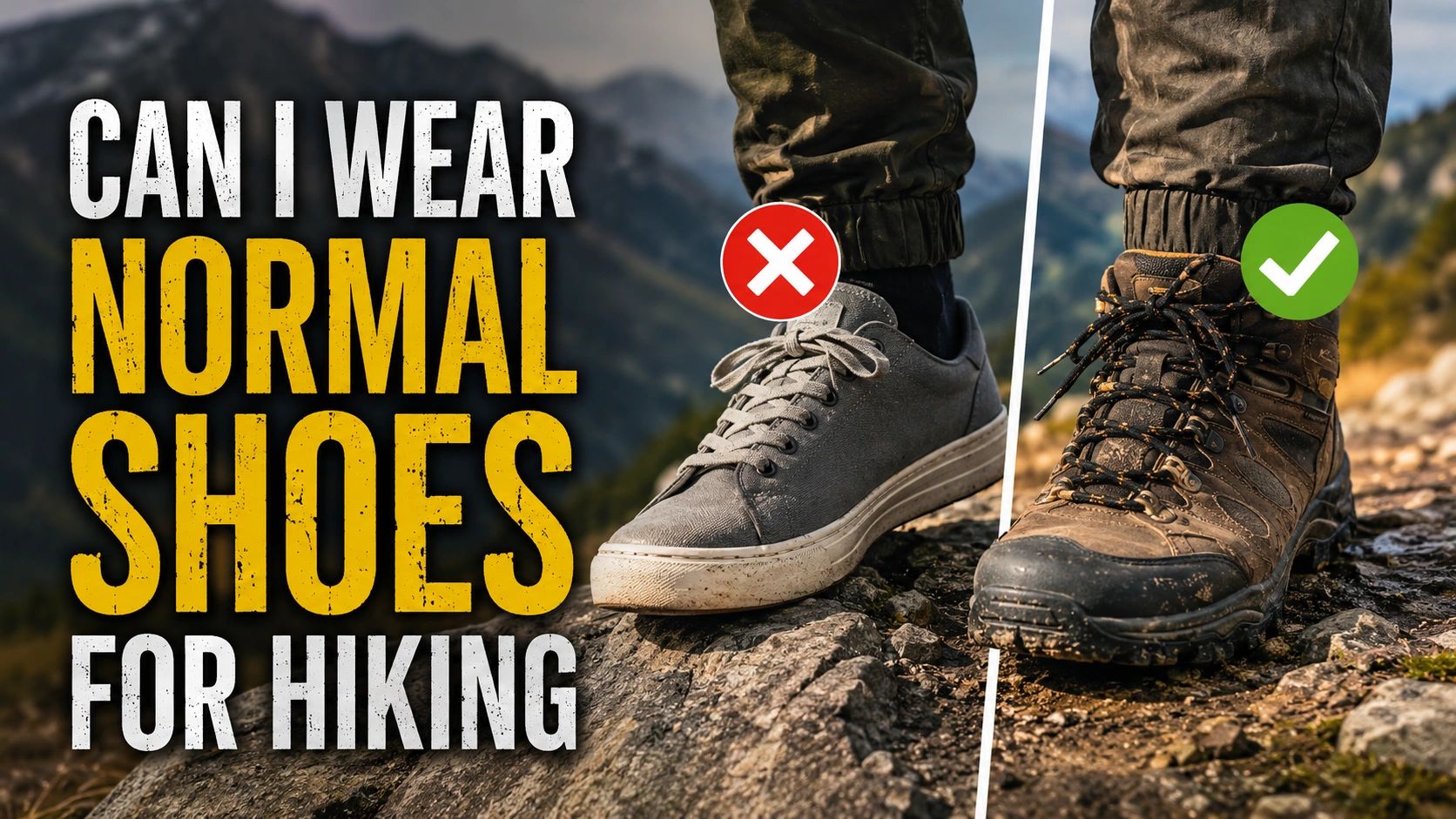
Can I wear normal shoes for hiking? It’s a question many beginners ponder before hitting the trail, and the straightforward answer isn’t always clear-cut. While you might get away with your everyday sneakers on a paved park path, they often fall short when the terrain gets rougher.
Our research indicates that the type of hike dictates the best footwear. For instance, a simple stroll on a flat, manicured trail might be manageable in casual shoes, but tackling rocky, uneven ground requires specialized gear. According to ISO 20344:2021 standards for protective footwear, specific features like slip resistance and shock absorption are paramount for ensuring safety during physically demanding activities, as of 2026.
When Your Normal Shoes Might Be Okay
So, can you wear normal shoes for hiking? Sometimes, yes, but with serious caveats. This really boils down to the type of “hiking” you’re planning. If your idea of a hike is more of a gentle wander through a city park or a nature reserve with perfectly smooth, paved paths, your regular sneakers or comfortable casual shoes might just do the trick.
Think of these as short, accessible “walks” rather than strenuous treks into the wilderness. For these sorts of easy outings, the lack of demanding terrain means you probably won’t encounter the issues that plague more ambitious hikes.
Casual Walks on Paved Trails
If you’re heading out for a short, easy jaunt on a path that’s been paved or very well-maintained, the kind you might find in a local park or a botanical garden, your everyday fashion sneakers or casual shoes are likely adequate. These surfaces offer consistent footing and minimal obstacles, so intense grip or substantial ankle support isn’t typically needed. The primary goal here is comfort for a leisurely pace on predictable ground.
Short, Easy, Well-Maintained Paths
This category often overlaps with paved trails but can include lightly compacted dirt paths that are free of significant roots, rocks, or steep inclines. If you’re embarking on a brief excursion on such a trail, perhaps as part of a beginner hiking checklist, your familiar casual shoes might suffice. They’ll probably get you through without incident for an hour or two, as long as the conditions remain dry and the path is forgiving.
The Real Factors: What Kind of Hike Are You Doing?
Here’s where we get down to brass tacks. Whether your regular shoes can handle the trail depends far more on the trail itself than on the shoes you’re wearing. It’s about matching the environment to your gear. If you plan on any sort of serious walking in nature, you’ll quickly discover that the ground beneath your feet rarely stays level or predictable.
This is why understanding the demands of the hike is the crucial first step.
Terrain: Rocks, Roots, and Hills
The ground you walk on is the biggest determining factor. Rocky terrain means your feet can land on sharp, uneven surfaces, demanding shoes with sturdy soles that can protect your arches and provide stability. A path riddled with roots presents a similar challenge, where you might twist an ankle if your shoes lack adequate support or grip. Then there are hills; going uphill requires good traction to prevent slipping, and going downhill demands cushioning and support to control your descent.
Without proper footwear designed for this kind of variable ground, you’re inviting trouble.
Surface Conditions: Mud, Dry, Wet
Weather plays a massive role, directly impacting the trail surface. Dry, packed dirt is one thing, but add a bit of rain, and that same path can become a slick surface. Mud often clings to smooth soles, reducing grip to almost zero, while wet rocks or roots can be treacherous. If you’re expecting wet conditions, water-resistant or waterproof footwear becomes essential to keep your feet dry, preventing blisters and discomfort.
Manufacturer specifications typically detail water-repellency ratings, ensuring they can withstand certain levels of moisture exposure during activity.
Distance and Duration
How long you’ll be on the trail significantly amplifies any issues caused by improper footwear. Even a slightly uncomfortable shoe can become agony after several hours of continuous walking. For shorter outings, minor discomfort might be tolerable, but for longer day hikes or multi-day treks, the repetitive impact and constant stress on your feet, ankles, and legs will make themselves known. Aggregate reviews of long-distance hiking equipment consistently highlight the critical importance of well-fitting, supportive footwear for sustained comfort and performance.
What Exactly Are “Normal Shoes”?
When we talk about “normal shoes,” we’re usually referring to footwear designed for everyday wear, not for the specific demands of outdoor trails. These shoes prioritize style, casual comfort, or everyday office/school use. They generally lack features that are essential for hiking, which can lead to problems when taken out of their intended environment. Understanding the primary design of these shoes helps explain why they’re often unsuitable for hiking.
Fashion Sneakers and Canvas Shoes
Fashion sneakers and classic canvas shoes are designed primarily for aesthetics and light, casual use. Their soles are often thin and flat, offering minimal protection from sharp objects on the trail and providing very little traction on loose or slippery surfaces. They typically lack any significant arch support or heel cushioning, meaning your feet and legs absorb most of the impact. Furthermore, materials like canvas quickly become waterlogged if they get wet, leading to discomfort and increasing the risk of blisters when these shoes are subjected to the regular demands of hiking.
Other Everyday Footwear
This group includes a wide array of shoes not built for hiking: dress shoes, casual loafers, everyday slip-ons, and even some types of work boots that aren’t specifically designed for outdoor excursions. Dress shoes are usually too stiff and offer poor flexibility, while their soles are ill-suited for varied terrain. Casual loafers and slip-ons might lack secure lacing, meaning they can easily come off or cause friction points. While some work boots might appear robust, their weight, stiffness, and tread patterns may not be optimized for the dynamic movements and varied surfaces encountered on a hike, unlike specialized hiking boots for beginners.
The Risks: What Can Go Wrong?
Taking your normal shoes onto hiking trails can lead to a cascade of uncomfortable and even dangerous issues. It’s not just about a minor inconvenience; it’s about your physical well-being and safety while you’re out exploring. The lack of proper support, protection, and traction in casual footwear directly increases your susceptibility to common hiking injuries and discomforts that can quickly turn a pleasant outing into a painful ordeal. This is why understanding these risks is so crucial before making the decision to hike in non-specialized footwear.
Blisters, Sprains, and Falls
One of the most immediate and common problems is the development of blisters. Casual shoes often rub in ways that specialized hiking shoes are designed to prevent, especially when your feet swell from exertion and heat. Beyond blisters, the lack of ankle support in most normal shoes makes you far more vulnerable to ankle sprains. When your foot lands awkwardly on an uneven surface or a loose rock, your ankle can roll dangerously if it’s not properly stabilized.
This lack of stability, combined with smooth soles that offer poor grip, significantly increases the risk of slips and falls, which can result in bruises, scrapes, or more serious injuries like fractures.
Foot Fatigue and Pain
When you’re hiking, your feet endure continuous impact and pressure. Normal shoes typically lack the advanced cushioning and structured support that hiking-specific footwear provides. Without these features, your feet, arches, and even your legs have to work much harder to absorb shock and maintain stability. This increased effort leads to rapid foot fatigue, aching arches, and potentially shin splints.
Over an extended period, this sustained strain on your musculoskeletal system can make even short hikes feel exhausting and painful, impacting your overall enjoyment and ability to continue. Research into biomechanics shows that inadequate support during prolonged activity directly contributes to these issues.
Poor Traction on Slippery Surfaces
Traction is paramount when navigating unpredictable trail surfaces. Most casual shoes feature relatively smooth or minimally treaded soles designed for pavement or indoor use. As a result, when faced with wet leaves, muddy patches, loose gravel, or damp rocks, these soles offer very little grip. This drastically increases your chances of slipping, especially on descents or angled slopes.
Aggressive, deep lugs found on hiking footwear are engineered to bite into various terrains, providing the necessary friction to keep you upright and moving safely, a feature conspicuously absent in typical sneakers.
When You Absolutely Need Proper Hiking Footwear
There comes a point where “good enough” with your everyday shoes simply isn’t good enough for the trail. If your hiking plans involve any degree of challenge, investment in dedicated hiking footwear isn’t just recommended; it’s practically essential for safety, comfort, and enjoyment. This isn’t about making hiking inaccessible; it’s about equipping yourself appropriately so you can confidently explore the outdoors without unnecessary risk or discomfort.
Regular Trail Use
If you anticipate hitting trails more than just once in a blue moon, it’s time to consider proper gear. Consistent use, even on moderate trails, will highlight the shortcomings of casual shoes. You’ll begin to notice the faster fatigue, the increased risk of blisters, and the less confident footing. For anyone planning to make hiking a regular hobby, having a reliable pair of hiking shoes or boots is a foundational piece of equipment, akin to needing proper workout gear for sports.
Exploring resources like What To Wear Hiking For Beginners can offer guidance on building your kit.
Challenging Terrain or Elevation
Are you eyeing trails with significant hills, rocky scrambles, or root-laden paths? If the answer is yes, ditch the notion of using normal shoes. These conditions demand specialized footwear. Hiking boots and shoes offer superior ankle support to prevent rolls on uneven ground, reinforced toe caps to protect against stubs, and outsoles with aggressive treads designed to grip rock, dirt, and mud.
Without this gear, you’re putting yourself at a much higher risk of injury, like a sprained ankle due to poor stability or a twisted knee from a slip.
Longer Hikes
Once your hikes extend beyond an hour or two, or if you plan to carry a larger pack, the strain on your feet intensifies. Proper footwear underpins the entire experience. Extended time on your feet in shoes lacking adequate cushioning and support will lead to significant fatigue, pain, and discomfort. Dedicated hiking shoes are designed with thicker midsoles and more robust insoles to provide lasting comfort and shock absorption, making longer distances feasible and enjoyable.
Consider looking into resources for hiking meal prep ideas to fuel these extended adventures.
Unpredictable Weather
If your hiking adventures might take you out in less-than-ideal weather, especially rain, snow, or damp conditions, using normal shoes is a recipe for misery and potential danger. Many casual shoes are made from materials like canvas or mesh that absorb water rapidly, leaving your feet cold, heavy, and prone to blistering. Waterproof or water-resistant hiking footwear, often featuring technologies like Gore-Tex, is crucial. This keeps moisture out from the outside while allowing some perspiration to escape, keeping your feet drier and more comfortable, which significantly impacts overall well-being on the trail.
Waterproof hiking boots worth it is a good related topic to explore if this is a concern.
Key Features of Proper Hiking Shoes and Boots
When you step away from casual footwear and into the world of specialized hiking gear, you’ll notice a distinct set of features. These aren’t just marketing buzzwords; they are functional design elements that directly improve your experience and safety on the trail. Manufacturers invest heavily in these attributes to ensure their footwear can withstand the rigors of outdoor exploration.
Traction and Grip
The most visually obvious feature of good hiking footwear is its sole. Proper hiking shoes and boots are equipped with deep, aggressive lugs made from specialized rubber compounds. This tread pattern is designed to bite into various surfaces, providing superior grip on dirt, mud, gravel, and even rock. For example, Vibram compounds are widely used in the industry, and their specifications often detail their grip characteristics on dry, wet, and mixed terrain.
This enhanced traction is critical for preventing slips, especially on declines or when navigating loose surfaces, offering a significant safety advantage over the smooth soles of sneakers.
Ankle Support
Casual shoes typically offer very little to no ankle support, leaving your joints vulnerable. Hiking footwear, particularly hiking boots (which are mid- or high-cut), provides crucial ankle support. This is achieved through the boot’s construction, which wraps securely around the ankle area, helping to stabilize the joint. This added support is invaluable when walking on uneven ground, stepping over obstacles, or carrying a heavy backpack, as it significantly reduces the risk of ankle rolls and sprains.
Manufacturers often use stiffened collars and lacing systems that allow for a customized, secure fit around the ankle bone.
Protection and Durability
Hiking can expose your feet to a lot of hazards, from sharp rocks and roots to unexpected impacts. Good hiking shoes and boots are built with durability and protection in mind. This includes reinforced toe caps to prevent stubbing injuries, protective randing (a rubber strip around the lower part of the shoe) to shield against abrasion from rocks and debris, and sturdy uppers made from materials like leather or durable synthetics. These components are designed to withstand the wear and tear of trail use, offering a robust shield for your feet over extended periods and varied conditions.
Water Resistance
For hikers venturing into wet environments or unpredictable weather, water resistance is a key feature. Many hiking shoes and boots incorporate waterproof and breathable membranes, such as Gore-Tex or similar proprietary technologies. These materials create a barrier against external moisture, like rain or puddles, while still allowing sweat vapor to escape. This keeps your feet dry from the outside in and helps manage internal moisture, preventing the discomfort and blisters associated with persistently wet socks and feet.
A properly waterproofed boot can often withstand submersion in shallow water without immediate leakage, a critical spec for many trail conditions.
Mistakes to Avoid When Choosing Hiking Footwear
Many people make common errors when selecting footwear for the trail, often leading to discomfort or even injury. Understanding these pitfalls can help you steer clear of them. It’s easy to overlook key details when you’re excited about your next adventure.
Ignoring Trail Conditions
A frequent mistake is assuming any sturdy shoe will work regardless of the trail. This oversight is particularly problematic when it comes to selecting shoes for varied terrain. Forgetting to consider whether the trail is rocky, muddy, or steep means you might end up with shoes that can’t cope, leading to slips or foot strain. Always researching the trail conditions beforehand is paramount.
Forgetting About Fit
Even the most high-tech hiking shoe won’t perform well if it doesn’t fit properly. Many users focus on looks or brand name, neglecting crucial fit aspects. Overly tight shoes cause immediate pain and blisters, while shoes that are too loose allow your foot to slide, leading to friction and instability. Proper fit means there’s enough room for your toes to wiggle freely, especially when walking downhill, and the heel shouldn’t lift excessively with each step.
Trying shoes on later in the day, when your feet are slightly swollen, can provide a more accurate fit assessment.
Assuming All “Shoes” Are the Same
Some beginner hikers believe that all outdoor footwear is interchangeable. This is far from true. A casual sneaker, a running shoe, and a dedicated hiking shoe are designed with fundamentally different purposes in mind. For instance, while trail runners vs hiking boots offer some overlap in capability, they target different levels of support and protection.
A running shoe prioritizes lightweight flexibility for forward motion, whereas a hiking boot offers stiffness and ankle support for stability on uneven ground.
Your Hiking Footwear Decision Guide
Making the right choice about your hiking footwear comes down to a few key considerations. It’s not about picking the most expensive option, but rather the one that best matches your planned activities and personal needs. Think of this as a mini-workflow to help you decide.
Assess Your Hike
First, honestly assess the type of hiking you’ll be doing. Are these short, well-maintained local trails, or are you planning multi-day backcountry trips with unpredictable terrain? Consider the typical weather conditions in your area as well. This assessment forms the foundation of your footwear decision.
For instance, if you’re leaning towards challenging, multi-day treks, you’ll likely need something more robust than a casual day hike. Resources like Hiking Workout Plan For Beginners can help you prepare for various levels of activity.
Evaluate Your Shoes
Take a close look at the shoes you already own. Do they have a thick, grippy sole with deep treads? Do they offer decent ankle support, or are they soft and flexible around the ankle? Are they made from materials that can handle getting wet, or will they soak through instantly?
For example, canvas sneakers offer almost no water resistance, a major drawback for any damp conditions.
Make Your Choice
Based on your hike assessment and shoe evaluation, you can make an informed decision. If your planned hikes are very casual and on paved paths, your current comfortable shoes might suffice. However, if your adventures lean towards more natural trails, inclines, varied terrain, or longer distances, investing in proper hiking shoes or boots is advisable. For those who find themselves frequently heading out, exploring options like those in our guide on how to choose hiking boots becomes essential.
