
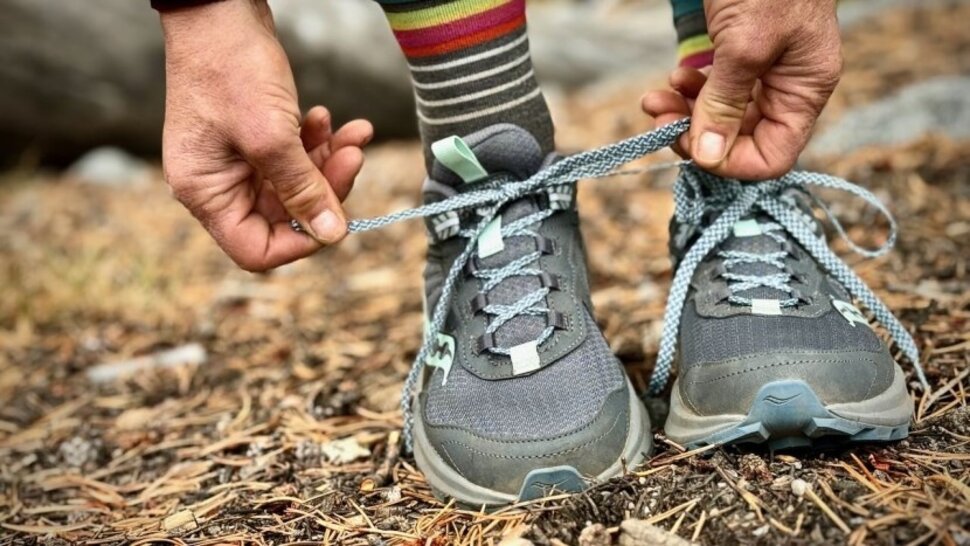
The right hiking shoes match your terrain, fit your foot shape, and support your hike style.
Choosing the right hiking shoes can make the difference between a great day on the trail and a miserable one. I’ve learned that the hard way after a few trips with shoes that looked fine in the store but left my feet sore, hot, and unhappy by mile three. The good news is that how to choose the right hiking shoes is not guesswork when you know what to look for, and that is exactly what this guide will walk you through.

Source: alpenglowgear.com
How to choose the right hiking shoes for your next trail
The best way to choose the right hiking shoes is to start with the trail, then match the shoe to your foot and pack load. A smooth local path does not need the same shoe as a rocky mountain climb. When you understand the basics, you can shop with confidence and avoid the most common mistakes.
Hiking shoes come in a few main types, and each one serves a different purpose. Trail runners are light and flexible. Hiking shoes are a middle ground. Hiking boots offer more support and protection. The right choice depends on where you hike, how far you go, and how much weight you carry.
A lot of people focus on looks or brand names first. That usually leads to regret. The smarter move is to think about fit, traction, support, waterproofing, and breathability before anything else. That is the real formula for how to choose the right hiking shoes.
Start with your hiking style and terrain
Your hiking style shapes everything else. A weekend walker on groomed trails has different needs than someone scrambling over wet rocks or carrying a heavy overnight pack. If you pick shoes without thinking about terrain, you may end up with the wrong level of support or grip.
Here is a simple way to narrow it down:
- Day hikes on easy trails often work well with trail runners or light hiking shoes
- Mixed terrain with roots, mud, and rocks usually calls for hiking shoes with better grip and protection
- Steep or rough trails with a heavy pack may call for hiking boots with more ankle support
- Wet, cold, or snowy conditions may require waterproof materials and better insulation
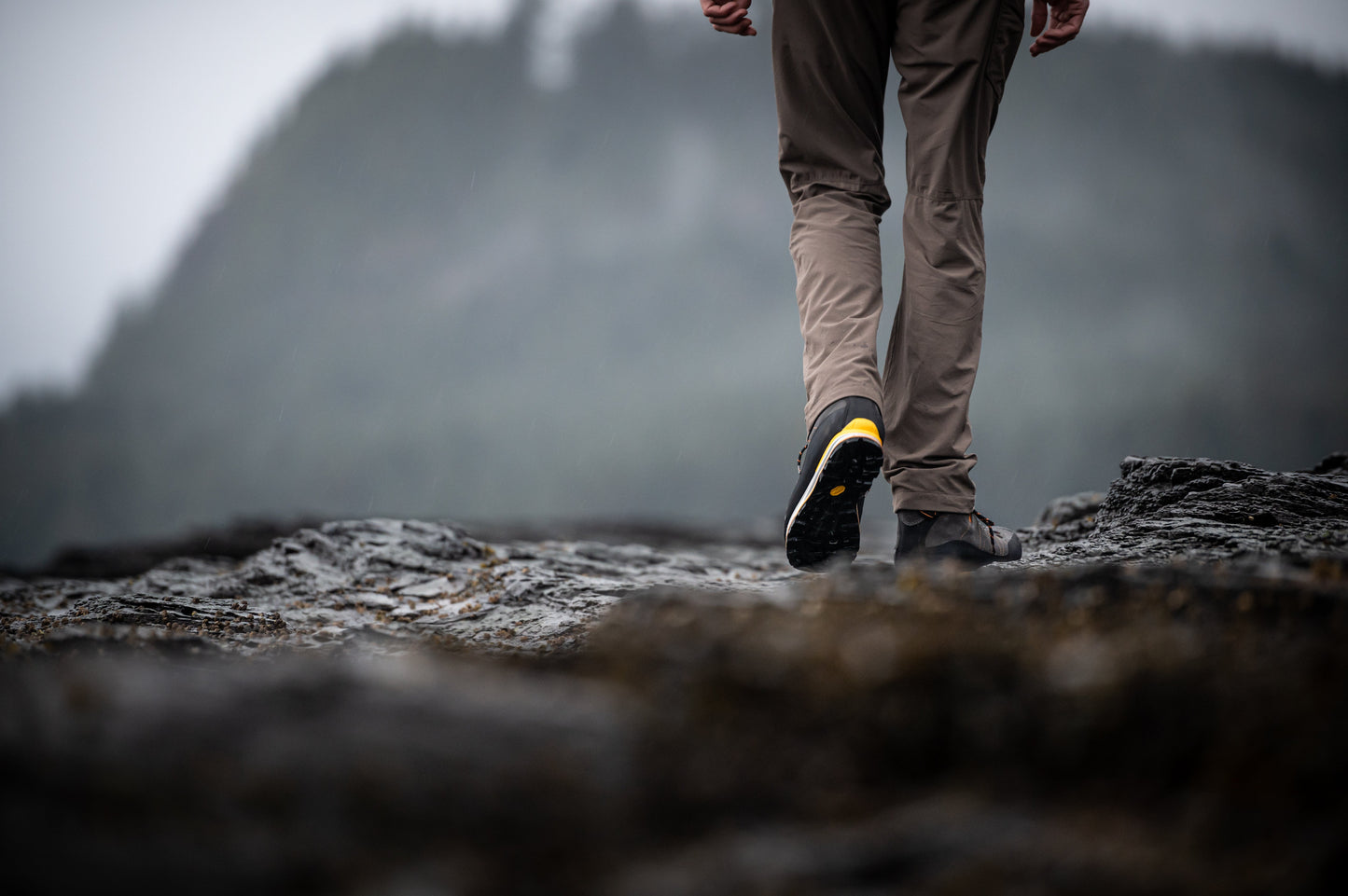
I once wore light, flexible shoes on a rocky trail in the mountains because I thought “lighter is better.” My feet felt every sharp edge. That trip taught me a simple truth: how to choose the right hiking shoes starts with the trail, not the shelf display.
Source: meindlusa.com
Know the main types of hiking footwear
The three most common categories are trail runners, hiking shoes, and hiking boots. Each one has strengths, and none is perfect for every hiker. The trick is to match the shoe to the job.
Trail runners
Trail runners are light, flexible, and fast-feeling. They are a good fit for hikers who value speed, low weight, and less break-in time. Many long-distance hikers like them because they reduce fatigue over many miles.
They do have limits. They usually offer less ankle support and less protection from sharp rocks. If your trails are rough or your pack is heavy, they may feel too soft.
Hiking shoes
Hiking shoes are the middle option. They give more protection and structure than trail runners, but less bulk than boots. For many people, they are the best balance of comfort, support, and versatility.
If you are new to hiking, this category is often the safest place to start. It is one of the most practical answers to how to choose the right hiking shoes because it works well for many trail types.
Hiking boots
Hiking boots are built for more support and protection. They are useful on rugged terrain, in bad weather, or when carrying heavy gear. The higher cut can help some hikers feel more stable.
Still, boots are not always better. They can be heavier, warmer, and slower to break in. If you mostly hike easy trails, a boot may be more shoe than you need.
Get the fit right first
Fit matters more than almost anything else. A great hiking shoe with a poor fit will still cause blisters, toe pain, or heel slip. In my experience, many “bad shoes” are really just bad fits.
When trying on hiking shoes, pay attention to these points:
- Your toes should have room to wiggle
- Your heel should feel secure with little slipping
- The midfoot should feel snug, not tight
- There should be no pinching across the forefoot
- You should feel stable when walking downhill
A useful test is the downhill check. Stand on an incline or ramp if the store has one. If your toes slam forward, the shoe is too small or shaped wrong for your foot. That small test can save you a lot of pain later.
Also remember that foot shape matters. Some people need a wide toe box. Others need more arch support. The best hiking shoe for your friend may be wrong for you.
Choose the right size with hiking in mind
Hiking shoes often fit differently than everyday sneakers. Your feet swell on the trail, especially during long hikes or in warm weather. That means your hiking size may need a little extra room.
A few smart sizing tips:
- Try shoes on later in the day when your feet are slightly swollen
- Wear the socks you plan to hike in
- Leave about a thumb’s width of space in front of your longest toe
- Test both feet, since one foot is often slightly larger
- Walk around long enough to notice pressure points
This is one area where rushing hurts. I have bought shoes that felt fine for two minutes in the store, then turned painful after an hour on the trail. When people ask how to choose the right hiking shoes, I always say: size them for the hike, not for the parking lot.
Pay attention to support and cushioning
Support and cushioning are not the same thing. Support helps control foot movement and adds stability. Cushioning softens impact. The right mix depends on your body, your load, and your trail.
If you carry a heavy backpack, more structure can help. If you hike fast and light, you may prefer less shoe and more ground feel. Some hikers with foot pain like extra cushioning, while others feel more stable in a firmer shoe.
Here is a simple guide:
- More cushioning can help on long miles and hard-packed ground
- More support can help when you feel unstable or carry weight
- Too much cushioning can feel sloppy on technical terrain
- Too little cushioning can feel harsh on rocky trails
There is no perfect amount for everyone. The best shoe is the one that helps your feet stay fresh without making the shoe feel clumsy.
Look at traction and outsole grip
The outsole is the bottom of the shoe, and it is where grip happens. Good traction matters on wet rocks, loose dirt, mud, and steep slopes. It can make a trail feel much safer and more controlled.
Rubber type and tread pattern both matter. Deep lugs tend to work better in mud and soft ground. Flatter, tighter tread patterns can be better on hard trails and rock. A sticky rubber compound often helps on slick surfaces.
Think about where you hike most:
- Muddy trails need deeper, more aggressive lugs
- Rocky trails need durable rubber and confident edge grip
- Mixed trails need a balance of traction and durability
- Dry, hard trails can work well with less aggressive tread
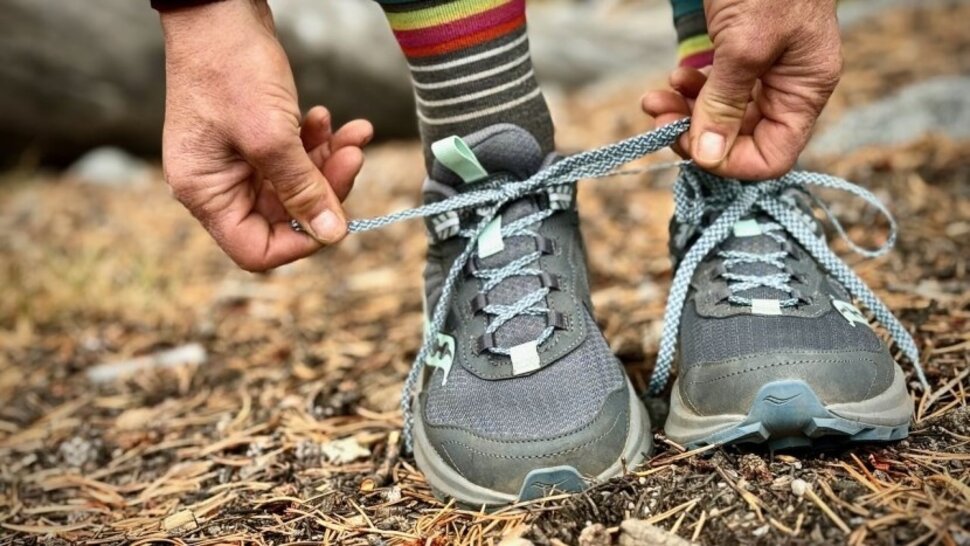
One mistake I made early on was buying shoes with deep lugs for every hike. They were great in mud, but they felt awkward on smooth paths and wore faster than I expected. That taught me that how to choose the right hiking shoes includes choosing the right outsole for your terrain.
Source: alpenglowgear.com
Decide whether waterproofing is worth it
Waterproof hiking shoes can be useful, but they are not always the best choice. Waterproof membranes help block water from puddles, wet grass, and light rain. They can also keep your feet warmer in cold, damp weather.
The downside is breathability. Waterproof shoes often trap more heat and dry more slowly once water gets inside. That matters a lot if you hike in hot weather or cross streams often.
A simple rule helps:
- Choose waterproof shoes for cold, wet, or shoulder-season hiking
- Choose breathable shoes for hot, dry weather and faster drying
- Think about whether you hike through wet grass more than actual deep water
It is worth noting that no waterproof shoe is truly “waterproof forever.” Seams, wear, and time can all reduce performance. That is why it helps to think about conditions honestly instead of choosing waterproof just because it sounds safer.
Consider weight and flexibility
Lighter shoes usually feel easier on the feet, especially on long hikes. Heavier shoes often give more protection and durability. The right balance depends on how you move.
If you like a fast, natural stride, lighter footwear may feel better. If you often kick rocks, hike in rough terrain, or carry a loaded pack, extra protection may be worth the weight. In the real world, the best shoe is not always the lightest one. It is the one you can wear comfortably for the whole day.
Flexibility matters too. Some shoes bend easily and feel natural right away. Others are stiffer and better for support. If the trail is technical, a slightly stiffer shoe can help your feet work less hard on uneven ground.
Match the shoe to your foot shape
Foot shape is one of the most overlooked parts of how to choose the right hiking shoes. Two people can wear the same size and still need different shoes because of width, arch height, heel shape, and toe box shape.
Think about these common needs:
- Wide feet often do better in wide-size options or roomier toe boxes
- Narrow feet may need a snug heel cup to prevent slipping
- High arches may need more underfoot support
- Flat feet may prefer a stable platform and less arch pressure
- Bunions or toe pain may require extra forefoot space
If a shoe feels great in the heel but cramped in the toes, keep looking. Forcing your feet into the wrong shape usually leads to blisters, numbness, or hot spots. Comfort should feel immediate, not something you hope will improve later.
Break them in the right way
Some hiking shoes need a short break-in period, while many trail runners need very little. Even so, it is smart to test them before a big trip. A new shoe on a multi-day hike is a gamble I would never recommend.
Try this approach:
- Wear them around the house for short periods
- Take them on short walks before a long hike
- Use the same hiking socks you plan to wear outdoors
- Watch for hot spots, rubbing, or heel slip
- Stop using them if pain gets worse, not better
A little break-in can reveal problems early. If the shoe still feels bad after a few wears, it probably is not the right match. The best hiking shoes should become easier to trust, not harder to wear.
Think about sock choice and foot care
Your socks are part of the system. Even the best hiking shoes can feel off if the socks are too thick, too thin, or hold moisture. Merino wool and synthetic hiking socks are popular because they manage sweat better than cotton.
Good socks can help with:
- Moisture control
- Blister prevention
- Temperature control
- Better fit inside the shoe
I have seen people blame the shoe when the real issue was cotton socks and poor fit. That is why how to choose the right hiking shoes should always include how you plan to wear them. Shoes and socks work together like a team.
Common mistakes to avoid
A lot of shoe problems come from simple mistakes. The good news is that they are easy to prevent once you know what to watch for.
Avoid these common errors:
- Buying by brand alone
- Ignoring terrain
- Choosing the wrong size
- Skipping the downhill fit test
- Picking waterproof shoes for hot summer hikes without a reason
- Assuming boots are always better than shoes
- Wearing the wrong socks during the fitting
I have made several of these mistakes myself. The biggest one was assuming more protection always meant more comfort. Usually, the opposite was true. Comfort comes from the right match, not the heaviest build.
A simple step-by-step way to choose hiking shoes
If you want a fast method, use this:
- Start with your terrain
- Decide between trail runners, hiking shoes, or boots
- Measure your feet later in the day
- Try on several pairs with hiking socks
- Check toe room, heel hold, and width
- Walk on an incline if possible
- Ask yourself how the shoe feels after 10 to 15 minutes
- Buy the pair that feels right now, not the one you hope will improve later
This process sounds simple, but it works. It cuts through the noise and helps you focus on the few things that really matter. If you remember only one thing about how to choose the right hiking shoes, remember this: fit and trail use beat hype every time.
Frequently Asked Questions of how to choose the right hiking shoes
How do I know if hiking shoes fit properly?
A proper fit leaves room for your toes, keeps your heel from slipping, and avoids pressure points on the sides of your foot. You should be able to walk downhill without your toes hitting the front of the shoe.
Should hiking shoes be a size bigger than regular shoes?
Often, yes, but not always. Many hikers need a little extra room because feet swell on the trail, yet the exact size depends on brand, shape, and sock choice.
Are hiking boots better than hiking shoes?
Not always. Boots give more support and protection, but hiking shoes are often lighter and more comfortable for day hikes or moderate trails.
Do waterproof hiking shoes make my feet sweat more?
They can, especially in warm weather. Waterproof materials usually breathe less than non-waterproof options, so they may feel hotter during summer hikes.
How long do hiking shoes usually last?
It depends on trail conditions, body weight, and how often you hike. Many hiking shoes last several hundred miles, but the outsole, cushioning, and upper may wear out at different speeds.
Conclusion
Choosing the right hiking shoes comes down to a few core things: your terrain, your hiking style, your foot shape, and the fit you feel on the trail. When you take time to compare support, traction, cushioning, waterproofing, and size, you give yourself a much better chance of staying comfortable and safe.
The best advice I can give is simple: test carefully, trust your feet, and do not buy on looks alone. If you are learning how to choose the right hiking shoes, start with one honest question: what kind of hiking am I really doing? Answer that well, and the right pair becomes much easier to find.
Try the tips in this guide on your next shoe fitting, and if you have a favorite hiking shoe lesson of your own, share it or keep exploring until you find the pair that feels made for your trail.
