
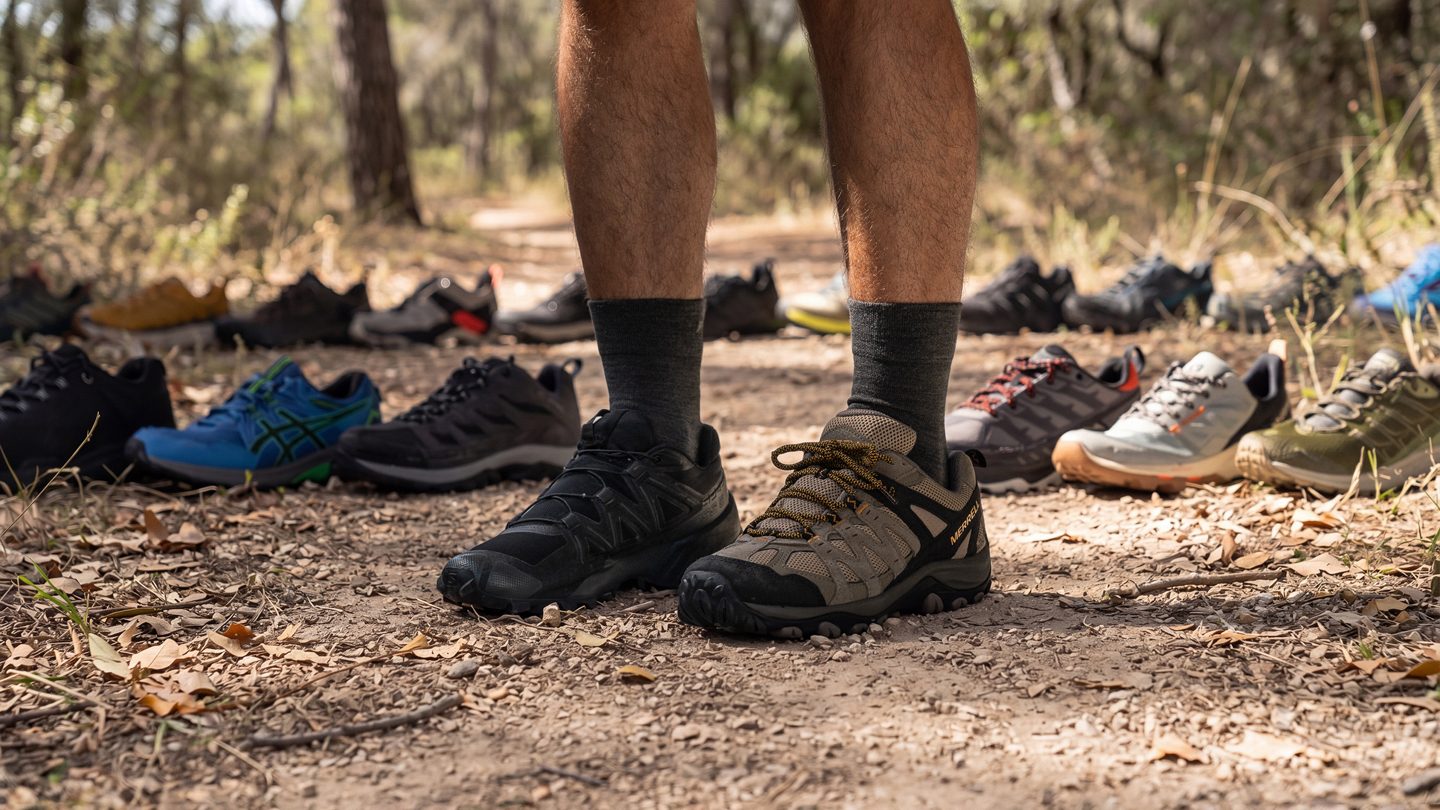
Expensive hiking shoes can be worth it if you hike often, want better support, and value long-term comfort.
Choosing the right hiking shoe is a lot like choosing the right tool for a job. If you walk easy trails once a year, you may not need a premium pair. But if you spend real time on rocks, mud, steep climbs, and long miles, the difference between cheap and expensive hiking shoes can be huge.
I’ve learned that the best hiking shoes are not always the priciest ones, but the wrong cheap pair can ruin a trip fast. Blisters, sore feet, bad grip, and weak support can turn a fun day outdoors into a miserable one. Let’s break down when expensive hiking shoes are worth it, when they are not, and how to choose a pair that truly fits your needs.
:max_bytes(150000):strip_icc()/tal-hiking-boots-for-wide-feet-tout-974e368eeff34691a3e8e6a5a1acef04.jpg)
Source: ddlaccounting.com
What makes expensive hiking shoes different?
Expensive hiking shoes usually cost more because of better materials, stronger design, and more testing. Brands often use higher-grade leather, more durable mesh, better midsoles, and grippier outsoles. They may also invest more in fit, waterproofing, and long-term comfort.
Here is what you are often paying for:
- Better durability: The upper, stitching, and sole often last longer on rough trails.
- Improved traction: Premium rubber compounds can grip wet rocks and loose dirt better.
- More comfort: Better cushioning and foot shape design can reduce hot spots and fatigue.
- Stronger support: Some shoes offer more stable midsoles and heel structure.
- Weather protection: High-end waterproof membranes and seals can help in rain and snow.
That said, a high price does not always mean a perfect shoe. Some expensive hiking shoes are heavy, overbuilt, or simply designed for a different kind of hiker. The key is matching the shoe to your trail use, not just your budget.
:max_bytes(150000):strip_icc()/tl-cross-retailer-comfy-sneaker-hiking-boots-tout-b08887b69fca459580f2ac7a7594df24.jpg)
Source: envirotechgeo.com
Are expensive hiking shoes worth it for most hikers?
For many hikers, expensive hiking shoes are worth it if they hike regularly and care about comfort, support, and durability. If you are on the trail a lot, a better shoe can save money over time because it lasts longer and performs better.
I have seen this play out on real trips. A cheaper shoe may feel fine on a short walk, but after a few hours on uneven ground, the weak cushioning and poor fit start to show. A well-made pair can feel like it disappears under your feet, which is exactly what you want on long hikes.
They are especially worth it if you:
- Hike more than a few times a month
- Carry a backpack on longer trails
- Walk on rocky, muddy, or steep terrain
- Need extra arch support or stability
- Want waterproof protection that actually works
If you only hike a few easy trails each year, expensive hiking shoes may not be necessary. In that case, a solid mid-range pair may give you better value.
When expensive hiking shoes are a smart buy
There are times when paying more makes a lot of sense. If you spend long hours on your feet, small comfort gains can matter a lot by mile five, mile eight, or mile ten.
Expensive hiking shoes are often worth it when:
- You hike in varied weather: Better waterproofing and outsole grip help in wet and dry conditions.
- You have foot issues: Plantar fasciitis, wide feet, or low arches may need a more precise fit.
- You hike often: More use means more wear, so durability matters.
- You want fewer blisters: Better fit and padding can reduce friction.
- You carry weight: A loaded pack puts more stress on your feet and ankles.
A good shoe is like a well-balanced chair. You may not notice it much at first, but after hours of use, the difference is obvious.
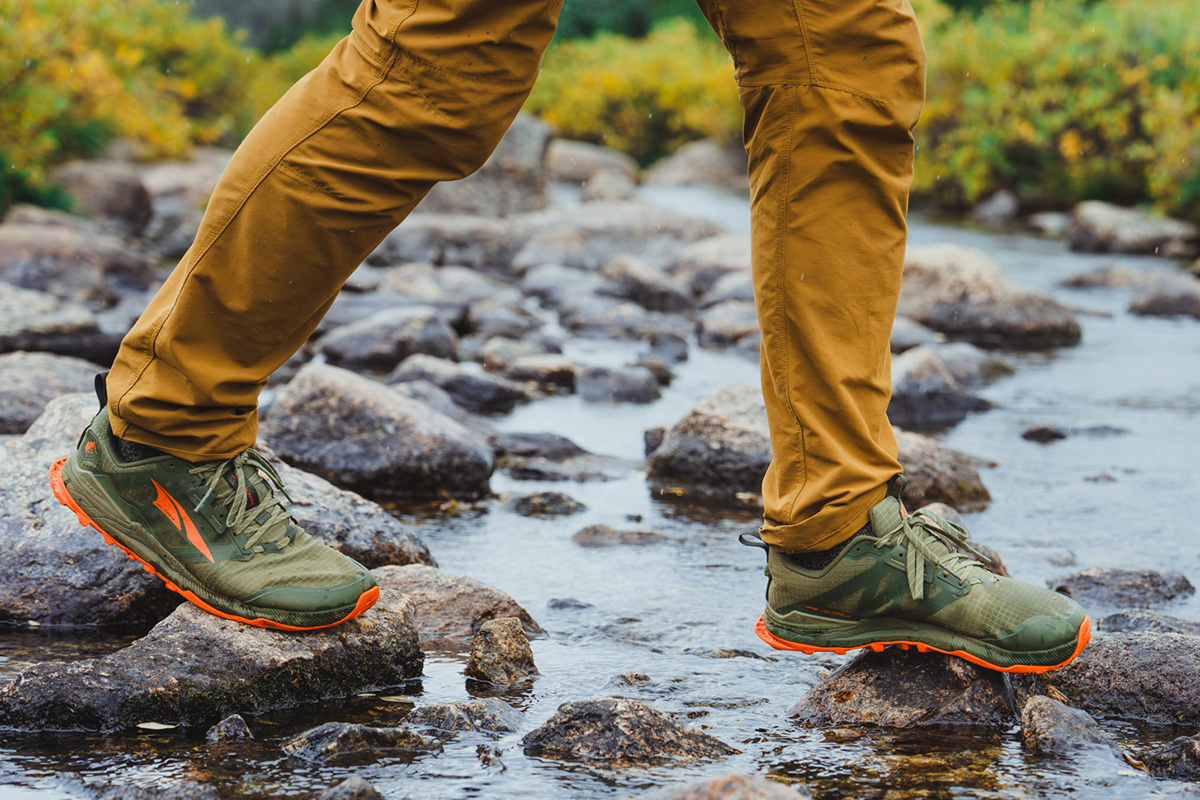
Source: switchbacktravel.com
When expensive hiking shoes are not worth it
Sometimes the expensive option is just more shoe than you need. If your hikes are short, flat, and dry, a premium model may not add much value.
You may not need expensive hiking shoes if:
- You mostly walk on paved paths or light dirt trails
- You hike only a few times per year
- You do not mind replacing shoes more often
- You already know a cheaper brand fits you well
- You prefer lighter gear with less structure
I once made the mistake of buying a top-tier boot because I assumed “more expensive” meant “better for everything.” It was sturdy, yes, but also heavier than I needed for simple day hikes. I paid extra for performance I never used.
How to judge value beyond the price tag
Price alone does not tell you whether hiking shoes are good. The real value comes from fit, performance, and how long the shoes last.
A smart way to judge value is to ask:
- How many miles will these shoes handle before wearing out?
- Do they fit my foot shape well?
- Will they keep my feet comfortable on long hikes?
- Do they match the terrain I usually hike?
- Will they reduce the chance of pain or injury?
A $180 shoe that lasts 600 miles may be a better deal than a $90 shoe that falls apart after 200 miles. That is why hikers often think in terms of cost per mile instead of sticker price.
For example:
- $90 shoe lasting 200 miles = $0.45 per mile
- $180 shoe lasting 600 miles = $0.30 per mile
That simple math can change the whole conversation.
Features that can justify the higher cost
Not every expensive feature is useful, but some really do matter.
Better materials
Premium leather, reinforced mesh, and stronger overlays often hold up better in rough conditions. They can resist abrasion from rocks and roots more effectively than cheaper materials.
Better outsole rubber
The outsole is your contact point with the trail. Better rubber often means better grip on wet rock, loose gravel, and slippery ground.
Better fit and shape
Some expensive hiking shoes are built with more attention to foot shape. That can help reduce pressure points, heel slip, and toe jam on descents.
Better midsole design
The midsole affects cushioning and stability. A well-designed midsole can help your feet feel less tired after long miles.
Better waterproofing
If you hike in wet places, a premium waterproof membrane and better seam sealing can be a big win. Still, no waterproof shoe is perfect forever, and breathability often drops when waterproofing goes up.
What the research and industry data suggest
Outdoor gear testing and foot comfort studies generally point to the same idea: fit and function matter more than price alone. In many cases, the best shoe is the one that matches your foot, terrain, and hiking style.
Industry testing also shows that shoe durability and traction vary a lot by model, even within the same brand. That means a lower-cost shoe can outperform a more expensive one if it is better built for your use.
A few common findings across hiking footwear reviews and performance testing:
- Traction matters most on wet or loose terrain.
- Fit is one of the biggest predictors of comfort.
- Waterproof shoes can be useful, but they may run hotter.
- Heavier shoes often feel more stable, but less agile.
- Durable outsole and upper materials can extend shoe life.
The lesson is simple. Do not shop by price first. Shop by use case first.

Source: ddlaccounting.com
How to choose the right hiking shoe for your needs
The best hiking shoe is the one that fits your trail, your foot, and your budget.
Use this simple approach:
- Match the shoe to your terrain
Choose lighter trail shoes for easy, fast hikes. Choose more supportive shoes for rough ground or heavier packs. - Check the fit carefully
Your toes should have room to move, but your heel should not slide. Try them on with the socks you hike in. - Think about weather
Waterproof shoes help in wet climates, but non-waterproof shoes often breathe better in hot weather. - Look at weight
Lighter shoes can feel faster and easier on your legs. Heavier shoes may offer more structure and protection. - Read durability signs
Reinforced toe caps, solid stitching, and dense outsole rubber usually signal better wear.
One of the biggest mistakes hikers make is assuming they need the most rugged shoe available. If your local trails are mild, you may just need a comfortable, stable pair that fits well.
Cheap vs expensive hiking shoes: the real tradeoff
The tradeoff usually comes down to comfort, durability, and performance versus cost.
Cheap hiking shoes may offer:
- Lower upfront cost
- Good performance for light use
- Less risk if you hike only occasionally
Expensive hiking shoes may offer:
- Longer life
- Better support
- Better grip
- Better long-distance comfort
- More reliable weather protection
The better question is not “Are expensive hiking shoes worth it?” It is “Are they worth it for my hikes?” For the right hiker, yes. For the casual weekend walker, maybe not.
Personal lessons from using hiking shoes
One thing I have learned is that fit beats hype every time. I have worn shoes from well-known brands that looked great on paper but gave me heel rub after two hours. I have also worn mid-priced shoes that were not flashy but felt right from the first mile.
A few lessons stand out:
- Break them in before a big trip: Even great shoes can rub if you wear them cold straight out of the box.
- Test them on real terrain: A shoe that feels fine in a store may feel different on steep ground.
- Do not ignore sock choice: Good hiking socks can prevent blisters and improve fit.
- Replace them before they fail: Worn tread and crushed cushioning can quietly ruin a hike.
The best upgrade I ever made was not buying the most expensive shoe. It was buying the shoe that matched my foot shape and the trails I actually hike.
Frequently Asked Questions of are expensive hiking shoes worth it
Are expensive hiking shoes better than cheap ones?
Not always, but they are often better built and more comfortable for frequent hikers. The biggest advantages are usually durability, traction, and support.
How long should expensive hiking shoes last?
Many premium hiking shoes can last several hundred miles, sometimes more, depending on the terrain and how often you use them. Rough trails, heavy packs, and poor care can shorten their life.
Do expensive hiking shoes prevent blisters?
They can help if the fit is better and the materials reduce friction. But no shoe guarantees blister prevention, especially if the size, socks, or lacing are wrong.
Should I buy waterproof hiking shoes?
Buy them if you often hike in rain, mud, snow, or wet grass. If you hike mostly in hot, dry weather, breathable non-waterproof shoes may feel better.
What matters more, price or fit?
Fit matters more. A well-fitting mid-range shoe usually beats an expensive shoe that rubs, slips, or causes pain.
Conclusion
Expensive hiking shoes can be worth it, but only when they fit your hiking style, terrain, and comfort needs. If you hike often, carry weight, or deal with rough weather, the extra cost can pay off in better support, longer life, and fewer foot problems.
If you hike only now and then, a good mid-range shoe may give you all the value you need. Focus on fit, traction, and comfort first, then decide if the higher price is truly justified. Take what you learned here, compare a few models, and choose the pair that makes your next hike feel easier from the first step.
