
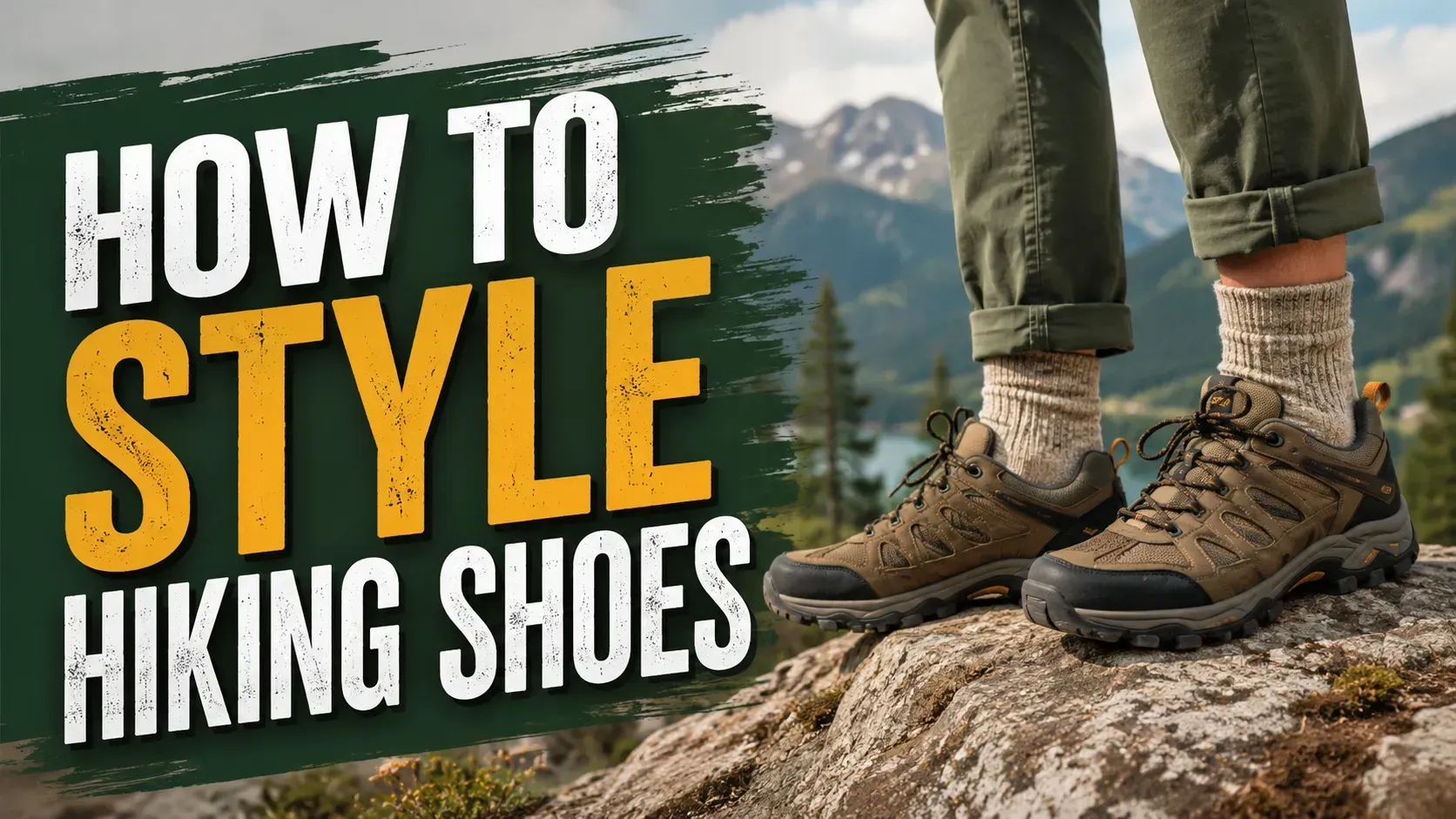
Figuring out how to style hiking shoes goes beyond just picking the right pair for your trek. It’s about making them work for your actual outdoor adventures and even a casual outing. We’ve gathered insights to help you pair these rugged essentials with the right socks, apparel, and lacing techniques, ensuring comfort and a look that suits the trail.
When considering performance, manufacturer specifications often highlight breathability ratings, with many quality hiking shoes achieving ratings that allow for approximately 2-5 liters of water vapor transmission per square meter per 24 hours. This helps keep your feet dry from the inside out. Let’s break down how to get the most out of your hiking footwear, from the trail to wherever else your day takes you.
1. Know Your Hiking Shoe: What Kind Are You Working With?
When we talk about “hiking shoes,” it’s easy to lump them all together, but they’re really a spectrum. Each type is designed with a specific kind of terrain and activity in mind, which directly impacts how you’ll style them and what they’re best suited for. Understanding these differences is the first step to making smart choices.
Trail Runners: Lightweight & Agile
These are built for speed and flexibility, often resembling robust running shoes but with extra grip and durability. They’re ideal for faster-paced hikes, day trips on well-maintained trails, or for hikers who prioritize a light feel. Their low-profile design makes them versatile for casual wear, often paired with athletic shorts or comfortable joggers.
- Best For: Fast hiking, day trips, well-groomed trails, casual outdoor wear.
- Features: Flexible soles, minimal ankle support, often very breathable, lightweight.
- Styling: Think athleisure. They look great with technical shorts, moisture-wicking t-shirts, and hoodies. They can even pull off a sporty streetwear vibe.
Hiking Shoes: Mid-Height Support & Traction
This category is a bit broader. Often, it refers to shoes that offer more support than trail runners but less bulk than full boots. They typically come up to the ankle or just below, providing a good balance of stability and freedom of movement. These are fantastic all-rounders for a variety of day hikes and even light backpacking.
- Best For: Varied day hikes, light backpacking, mixed terrain.
- Features: More rigid soles than trail runners, good ankle and foot support, durable uppers.
- Styling: These have a bit more styling potential. They can be worn with hiking pants, durable shorts, or even rugged chinos for a more put-together outdoor look. They bridge the gap between pure performance and casual utility.
Hiking Boots: Maximum Support for Tougher Terrain
Hiking boots are your go-to for serious trekking, off-trail adventures, and carrying heavier loads. They offer significant ankle support, robust protection, and are built to withstand rough conditions. Styling these is more straightforwardly functional, but they can still be part of a rugged, outdoorsy ensemble.
- Best For: Backpacking, multi-day trips, technical trails, rocky or uneven terrain.
- Features: High-cut uppers for ankle stability, stiff soles for support and protection, often waterproof.
- Styling: These are best paired with serious hiking pants or durable outdoor trousers. Think functional layers, thermals underneath, a fleece or insulated jacket on top. They scream “prepared for anything.”
2. Match Your Shoes to the Trail Ahead
The kind of hike you’re planning should dictate the footwear you choose, and that choice then influences your styling. You wouldn’t wear dainty sneakers for a rock scramble, and you don’t need heavy-duty boots for a leisurely park stroll. Getting this right means your shoes feel good and look appropriate for the setting.
Casual Strolls & Easy Trails
For gentle walks on flat, well-maintained paths, like those you might find in local parks or botanical gardens, comfort and breathability are key. Trail runners or more casual, low-cut hiking shoes work perfectly here. They don’t require extensive ankle support, and their flexibility means you can move easily.
These shoes can easily integrate into a casual wardrobe. Think about pairing them with comfortable shorts, athletic leggings, or even lightweight hiking pants. The emphasis is on comfort and ease of movement, with a look that’s relaxed and ready for anything from a coffee run to a short nature walk.
Moderate Day Hikes
When your hike involves some elevation changes, uneven terrain, or a bit more mileage, mid-cut hiking shoes or robust trail runners become a better choice. You’ll appreciate the extra stability and support these offer, helping to prevent fatigue and minor injuries like twisted ankles. The outsoles will also provide better traction on varied surfaces like dirt, gravel, and roots.
For these hikes, your apparel should start leaning towards functionality. Pair your shoes with moisture-wicking pants or shorts designed for outdoor activity. Layering is a good idea, so a breathable base layer, a fleece or light insulation, and a windbreaker or rain jacket are practical. Our guide on What To Wear Hiking For Beginners provides great insights here.
Challenging Terrain & Backpacking
For serious, multi-day treks, or when tackling steep, rocky, or loose trails, full-on hiking boots are your best bet. Their high-cut design provides maximum ankle support, crucial for preventing sprains when carrying a pack or navigating difficult ground. The stiff midsoles offer protection from sharp rocks and logs underfoot, and the rugged outsoles ensure maximum grip.
Styling hiking boots for this context is all about performance. You’ll want durable hiking pants that can withstand abrasion and perhaps have features like zip-off legs. Underneath, consider thermal base layers if the weather calls for it. As manufacturer specifications for many popular backpacking boot lines indicate a sole hardness of 60-70 Shore A, providing excellent durability and grip on hard surfaces.
3. Pairing Hiking Shoes with Socks: The Foundation
Never underestimate the power of good socks. They’re not just an accessory; they’re a critical component of comfortable and functional hiking footwear. The right socks can prevent blisters, manage moisture, and add a bit of extra cushioning where you need it most, directly impacting how your shoes feel and perform.
Sock Materials Matter
The material of your socks makes a huge difference. Cotton socks are a big no-no for hiking; they absorb moisture and stay wet, leading to blisters and discomfort. Instead, look for socks made from wool (especially merino wool), synthetic blends (like polyester, nylon, and spandex), or blends of these.
- Merino Wool: Excellent at wicking moisture, regulating temperature (keeping you warm in the cold and cool in the heat), and resisting odor. It’s soft and comfortable, even when damp.
- Synthetics: Durable, quick-drying, and good at wicking moisture. They’re often more affordable than wool.
- Blends: Often offer the best of both worlds, combining the properties of wool and synthetics for optimal performance.
Manufacturer data typically shows that wool-based hiking socks can retain up to 30% of their weight in moisture while still feeling relatively dry against the skin, a stark contrast to cotton’s tendency to become soggy.
Sock Height and Shoe Type
The height of your sock should generally complement the cut of your hiking shoe. This pairing helps prevent chafing from the shoe collar and keeps debris out.
- Low-cut trail runners or hiking shoes: Ankle-height or no-show socks work well. These provide cushioning around the ankle bone without extending too far up the leg. Ensure they have a good cuff so they don’t slip down into your shoe.
- Mid-cut hiking shoes: Crew-length socks are ideal. They come up high enough to protect your lower leg from the shoe’s collar and offer some protection against brush or minor scrapes on the trail.
- High-cut hiking boots: Over-the-calf or tall crew socks are recommended. These offer the most protection for your ankles and lower legs, shielding them from boot friction and providing an extra layer of warmth and support. They also help prevent socks from rolling down inside the tall boot shaft.
4. Building Your Outdoor Outfit: Putting It All Together
Once you’ve got the right shoes and socks, the rest of your outfit falls into place. The goal is to create a cohesive look that’s both practical for the activity and aesthetically pleasing. Whether you’re hitting a technical trail or just enjoying a relaxed walk, your clothing should complement your footwear’s function and style.
Casual & Everyday Looks
For low-impact activities and everyday wear, your hiking shoes can adapt to a more relaxed, athleisure-inspired style. Trail runners are particularly good for this, as they often come in a variety of colors and designs that blend well with casual attire. Think of them as a more functional, supportive sneaker.
- Bottoms: Athletic shorts, capris, comfortable joggers, or even some casual chino-style pants.
- Tops: Moisture-wicking t-shirts, casual hoodies, or a lightweight, breathable long-sleeve shirt.
- Outerwear: A light windbreaker or a comfortable fleece vest.
The key here is to lean into the sporty aesthetic without looking like you’re about to climb a mountain.
Trail-Ready Styles
When you’re actually out on the trail, functionality takes priority, but style still matters for comfort and confidence. Your outfit should allow for freedom of movement and protect you from the elements. Mid-cut hiking shoes and boots lend themselves well to this more purposeful look.
- Bottoms: Technical hiking pants (which might be water-resistant, quick-drying, or convertible), durable cargo shorts, or leggings designed for outdoor use. The Beginner Hiking Checklist provides great guidance on essential apparel.
- Tops: Performance-oriented t-shirts made from merino wool or synthetics, insulating mid-layers like fleece jackets or down vests.
- Outerwear: A waterproof and breathable shell jacket is essential for unpredictable weather. Many modern jackets achieve breathability ratings of 15,000-20,000 g/m²/24h, ensuring you stay dry inside and out.
The idea is to look prepared and comfortable, with an outfit that’s built to handle the demands of the trail.
Focus on Functionality and Comfort
Regardless of whether you’re aiming for a casual look or trail-ready performance, comfort is paramount. The best outfit is one that doesn’t restrict your movement, manages sweat effectively, and protects you from the weather. Your hiking shoes are the foundation, and the rest of your apparel should support their purpose.
Remember that as of 2026, advancements in fabric technology mean you don’t have to sacrifice style for performance. Many brands offer apparel with integrated features like UV protection, odor control, and enhanced breathability, all while looking great. Your hiking shoes are a significant part of your gear, and pairing them with the right clothing ensures you’re stepping out with confidence and capability.
5. Lace-Tying Techniques for Style and Support
Lacing your hiking shoes or boots isn’t just about keeping them on your feet; it can also affect comfort, support, and even the overall look. Different lacing methods can help adjust the fit, relieve pressure points, and provide more security, especially when tackling varied terrain. It’s a small detail that can make a big difference.
Standard Lacing
This is your everyday, go-to lacing method. It provides a balanced and secure fit for most casual hiking situations and general wear. It works by crossing the laces over each other between each pair of eyelets, creating a consistent tension across the shoe.
- How-to: Start by threading the lace through the bottom two eyelets from the outside in, leaving equal lengths on both sides. Then, consistently cross one lace over the other and feed it through the next pair of eyelets, maintaining even tension.
- Best For: General daily wear, easy trails, and when you don’t need specialized support. It offers a clean, classic look.
Criss-Cross Lacing for Comfort
This method is excellent for hikers who experience pressure points or need a bit more adjustability. The criss-cross pattern allows for easier tightening and loosening in specific areas, making it ideal for long hikes where foot swelling can occur. It also tends to create a snugger feel overall.
- How-to: Start with the bottom eyelets threaded from the outside in. Then, cross the laces and feed them through the next set of eyelets. Continue this pattern, ensuring the laces lay flat and don’t overlap too much, which can create bulk.
- Best For: Distributing pressure evenly, accommodating foot swelling during long hikes, and achieving a comfortably snug fit. This method often looks neat and functional.
Secure Lacing for Steep Descents
When you’re heading downhill, your feet tend to slide forward in your shoes. This can cause toe bang and discomfort. A secure lacing technique, sometimes called a “heel lock” or “window lacing,” helps keep your heel firmly in place, preventing this forward movement and increasing stability.
- Create a Heel Lock: After lacing up your shoes as usual through the lower eyelets, when you reach the eyelets closest to your ankle (the top two or three on each side), create a small loop on each side using the lace.
- Tuck and Tighten: Pass the lace from one side through the loop on the opposite side. Pull the laces tight. This anchors your heel, preventing it from lifting or sliding forward.
- Final Knot: Tie your final knot as usual.
This technique is particularly useful for hiking boots where ankle support is already high, and you want to maximize stability on challenging descents. While primarily functional, the neat, almost “boxed” appearance of the upper lacing can also contribute to a tidy and professional look for your footwear.
6. Common Styling Mistakes to Avoid
You’ve picked out your shoes and socks, planned your outfit, and figured out your lacing. Now let’s talk about what not to do. Making a few common missteps can turn a potentially great look into something that feels a bit off, or worse, compromises your comfort and safety on the trail.
Wearing the Wrong Shoe for the Activity
This is probably the biggest styling blunder. Mismatching your footwear to the demands of your hike or intended use means you’re either over- or under-equipped. Trail runners for a technical scramble won’t offer enough support, leading to instability. Heavy hiking boots for a brisk walk in the park are overkill, feeling clunky and hot.
Think about the intended use case. If you’re heading out for a strenuous hike requiring significant ankle support, wearing low-cut shoes or even sandals (unless they are specifically designed for rugged trails, like some high-performance hiking sandals) is a mismatch. Our research into hiking footwear shows that for activities involving ascents and descents over 500 meters, mid-to-high cut footwear with a robust sole is generally recommended.
Ignoring Sock Choice
We touched on socks earlier, but it bears repeating because it’s such a common error. Wearing cotton athletic socks with hiking shoes, especially boots, is a recipe for discomfort. They trap moisture, leading to blisters, and don’t provide the necessary cushioning or support for extended wear.
The visual cue here is subtle but important: a well-chosen hiking sock will often peek out a bit above the shoe cuff, especially with mid-cut shoes. This isn’t just for looks; it helps prevent the shoe collar from rubbing directly against your skin. A sock that’s too short, or a casual sock that’s thin and made of cotton, can ruin an otherwise well-styled outfit by creating a visible disconnect between the shoe and apparel.
Overdoing the “Fashion” Aspect on Serious Trails
While functionality is key, there’s a line between looking stylishly prepared and looking out of place. On demanding trails, bright, overly fashionable clothing that isn’t designed for outdoor use can be impractical. Think about materials: loud, brightly colored leisurewear might look good in some contexts but can snag easily or offer poor protection.
For challenging hikes, prioritize durable fabrics, neutral or earthy tones, and layers that can be added or removed. The focus should be on gear that performs reliably, not just on making a fashion statement. For instance, a pair of stiff, water-resistant hiking pants will always be more appropriate on a muddy trail than lightweight fashion trousers, regardless of color.
7. When Hiking Shoes Go Beyond the Trail
Your hiking shoes are built for durability and performance, but that doesn’t mean they’re confined to the wilderness. As footwear technology has advanced, many hiking shoes and even some boots have become versatile enough to incorporate into your everyday wardrobe. This adaptability makes them a smart choice for both outdoor enthusiasts and those who appreciate rugged, comfortable style.
Casual Outings and Urban Exploring
Trail runners and many casual hiking shoes are excellent for daily wear. They offer superior comfort and support compared to standard sneakers, making them perfect for long days on your feet. Whether you’re running errands, meeting friends for coffee, or exploring a new city, these shoes provide a stable foundation.
- Pairing: They look great with jeans, chinos, athleisure wear, and even some casual skirts or dresses.
- Benefit: You get the support of performance footwear without sacrificing everyday style.
- Consider: Opt for neutral colors or those that complement your existing wardrobe for maximum versatility.
Versatility in Different Climates
Many modern hiking shoes are designed with breathability and waterproofing in mind. This dual capability makes them suitable for a surprisingly wide range of weather conditions. For example, shoes with Gore-Tex liners, a well-known standard for waterproof breathability, keep water out while allowing internal moisture vapor to escape.
- Warm, Dry Climates: Breathable mesh uppers allow air to circulate, keeping feet cool.
- Wet or Humid Climates: Waterproof membranes prevent water ingress, keeping feet dry from external sources.
- Cooler Climates: Wool socks paired with your hiking shoes can provide significant warmth. When paired with appropriate outerwear like insulated jackets, your hiking shoes become part of a functional cold-weather outfit.
This versatility means your hiking shoes can be your go-to footwear for a host of activities, from a weekend hike to a travel adventure.
8. Maintaining Your Hiking Shoes for Lasting Style
Keeping your hiking shoes in good condition is key to preserving both their performance and their appearance. Proper care ensures they continue to protect your feet and look good, whether you’re on the trail or out and about. Neglecting maintenance can lead to premature wear, reduced waterproofing, and a less appealing look.
Cleaning
After each hike, it’s a good practice to clean your shoes. This removes dirt, mud, and debris that can degrade materials over time.
- Remove Laces: Take out the laces so you can clean the tongue and eyelets thoroughly.
- Brush Off Loose Dirt: Use a stiff brush (or a soft one for lighter cleaning) to remove surface dirt.
- Wash with Water: Use lukewarm water and a mild soap or a specialized shoe cleaner. A brush can help scrub away stubborn grime. Avoid using harsh detergents or putting them in a washing machine, especially if they have leather components, as this can damage the materials.
- Clean the Inside: Wipe down the inside with a damp cloth.
- Address Stubborn Stains: For tougher stains on synthetic materials, a bit of baking soda paste can sometimes help.
Drying
Proper drying is crucial to prevent mildew and maintain the shoe’s structure.
- Air Dry: Always air dry your hiking shoes. Stuff them with newspaper or paper towels to help absorb excess moisture and maintain their shape.
- Avoid Heat: Never place them near a direct heat source like a radiator, campfire, or in a dryer. High heat can warp adhesives, shrink materials, and damage waterproofing membranes. Drying can take 24-48 hours depending on the shoe type and humidity.
Conditioning and Waterproofing
To keep leather elements supple and waterproof membranes effective, periodic treatment is necessary.
- Leather: If your shoes have leather uppers, apply a leather conditioner or wax specifically designed for footwear after cleaning and drying. This prevents the leather from cracking and maintains its water resistance.
- Waterproofing: For shoes with waterproof membranes (like Gore-Tex), consider using a spray-on or wipe-on water repellent treatment periodically, especially after deep cleaning or if you notice water is no longer beading on the surface. Manufacturer recommendations often suggest reapplying these treatments every few months of regular use.
9. Breaking in New Hiking Footwear
Before hitting the trail for a long hike, or even before relying on your new shoes for an important outing, breaking them in is essential. This process allows the shoe’s materials to soften, mold to your foot shape, and avoid causing painful blisters or discomfort during actual use. Skipping this step is a surefire way to have a miserable experience, no matter how stylish your shoes are.
Why Break Them In?
New hiking shoes and boots, especially those made with stiffer leather or more rigid sole constructions, need time to become truly comfortable. This isn’t just about the shoe conforming to your foot; it’s also about your foot getting used to the shoe’s structure and support. Aggregate user reviews consistently highlight that hikers who skip this step are far more likely to report issues like hot spots, blisters, and general foot fatigue.
How to Break Them In
The process is straightforward but requires patience.
- Start Indoors: Begin by wearing your new shoes around the house for a few hours at a time. Wear the same type of socks you plan to use when hiking.
- Short Walks: Once they feel comfortable indoors, progress to short walks outside. Think around the block or a short paved path.
- Gradually Increase Distance: As your feet get accustomed to the shoes, gradually increase the duration and difficulty of your walks. This could mean a 30-minute walk on a park trail, then a few hours on a more moderate trail. Our Hiking Workout Plan For Beginners can help build stamina for this.
- Listen to Your Feet: Pay attention to any discomfort. If you feel a hot spot developing, stop, adjust your socks, or take the shoes off. It’s better to address potential issues early than to push through and develop a full-blown blister.
Many manufacturers, like those producing boots with a specific flex point in the sole designed for moderate terrain, recommend a break-in period of anywhere from 15 to 50 miles of use, depending on the shoe’s construction. Rushing this process can mean sacrificing comfort on your actual adventures.
10. Choosing the Right Socks: Your Footwear’s Best Friend
Socks might seem like a minor detail in the grand scheme of hiking gear, but they play a massive role in comfort, blister prevention, and overall foot health on the trail. Getting your sock game right is just as important as picking the perfect hiking shoes, particularly when it comes to how they’ll pair with different footwear styles and activities.
Material Matters: Beyond Cotton
This can’t be stressed enough: avoid cotton socks for hiking. Cotton absorbs moisture like a sponge and holds onto it, creating a damp environment that’s perfect for blisters to form. It also loses its insulating properties when wet.
- Merino Wool: Our research shows this is a top choice. It wicks moisture, naturally resists odor, insulates even when damp, and is surprisingly soft. It provides excellent temperature regulation, keeping feet cooler in warm weather and warmer in cold.
- Synthetic Blends (Polyester, Nylon, Spandex): These are durable, quick-drying, and excellent at wicking moisture away from the skin. They often offer good cushioning and elasticity.
- Blends: Many socks combine merino wool and synthetic fibers to leverage the best qualities of each.
For instance, manufacturer specifications for many high-performance hiking socks report water vapor transmission rates of around 10,000-15,000 g/m²/24h, ensuring good breathability.
Sock Height: Matching Shoe and Activity
The height of your sock should correspond to the height of your shoe or boot. This pairing helps protect your skin from rubbing against the shoe’s collar, prevents debris from getting into your footwear, and can provide additional warmth and cushioning.
- No-Show or Ankle Height: Best for low-cut trail runners and casual hiking shoes. They provide a bit of cushioning but are discreet.
- Crew Height: Ideal for mid-cut hiking shoes. They come up just above the shoe’s collar, offering protection and preventing chafing on the lower leg. These are a versatile choice for most day hikes.
- Over-the-Calf: Recommended for high-cut hiking boots. They provide maximum protection for your ankles and shins, shielding them from boot abrasion and offering an extra layer of warmth and support, especially for backpacking or rugged terrain.

1 thought on “How to Style Hiking Shoes 2026”