
Ever find yourself scratching your head about what’s what when it comes to hitting the trails? If you’ve ever asked “what is the difference between hiking and trekking?”, you’re definitely not alone. Most of us picture walking in nature, but these terms often describe experiences of vastly different scope and challenge. Understanding these distinctions can really help you pick the right adventure for your next outing.
When we look at popular outdoor pursuits, a quick search shows that hiking is generally considered a shorter activity, typically completed within a single day, with distances around 5 to 10 miles being common. Trekking, by contrast, implies a longer, more committed journey, often spanning multiple days and covering significantly more ground, sometimes hundreds of miles. Let’s break down what that actually means.
What Exactly Is Hiking?
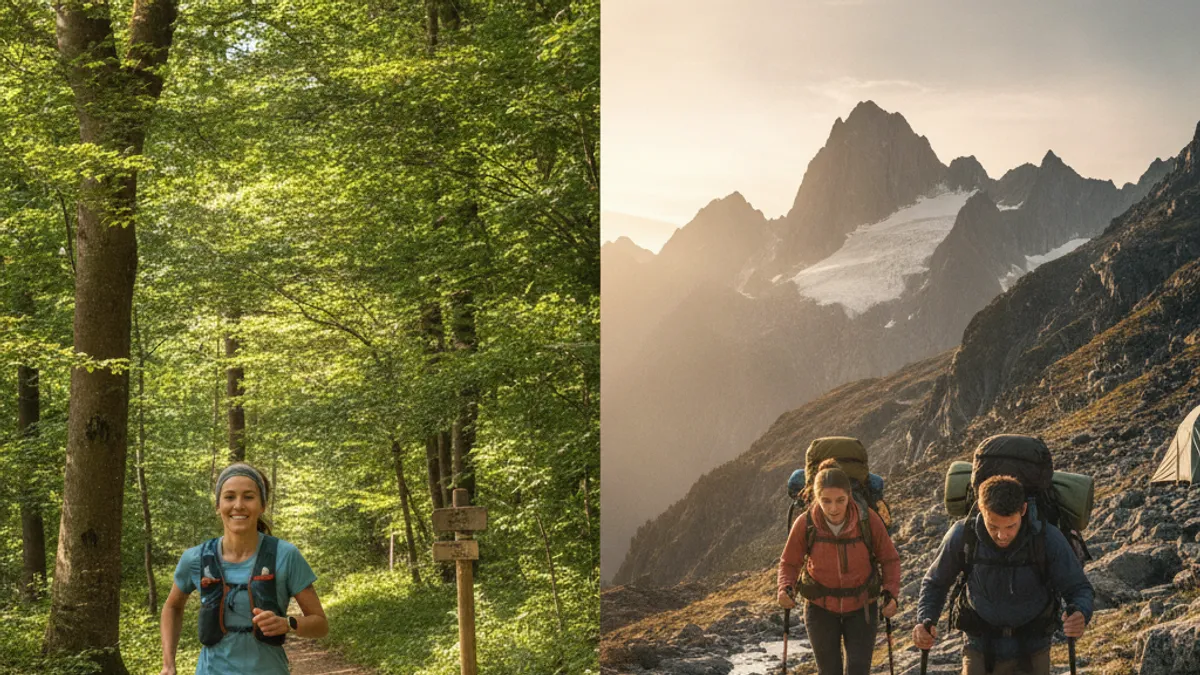
Hiking is probably what most people think of when they imagine a pleasant day out in nature. It’s essentially walking on a trail, usually in a natural environment like a park, forest, or mountain. When you’re hiking, the primary goal is often to enjoy the scenery, get some exercise, or reach a specific viewpoint, all within a timeframe that allows you to be back home by the end of the day. Think of it as an extended walk with a bit more purpose and a bit more nature.
Day Hikes and Casual Walks
A day hike is the quintessential hiking experience. These are walks that you can complete and return from within the same day. We’ve seen that distances can vary wildly, from a short, couple-mile loop to a more ambitious 10-mile round trip into the backcountry. The key is that you’re not spending the night out.
- Duration: Typically ranges from a couple of hours to a full day (up to around 8-10 hours).
- Terrain: Most common on maintained, well-marked trails. You’ll encounter varied topography, including inclines and declines, but these are usually manageable for someone with average fitness.
- Logistics: You don’t need to carry extensive supplies. A medium-sized backpack with water, snacks, a basic first-aid kit, and layers of clothing is usually sufficient.
- Objective: Enjoying a specific natural feature, getting exercise, or simply experiencing the outdoors for a limited time.
These are the kinds of outings perfect for a weekend afternoon or a spontaneous escape from the city.
What Is Trekking All About?
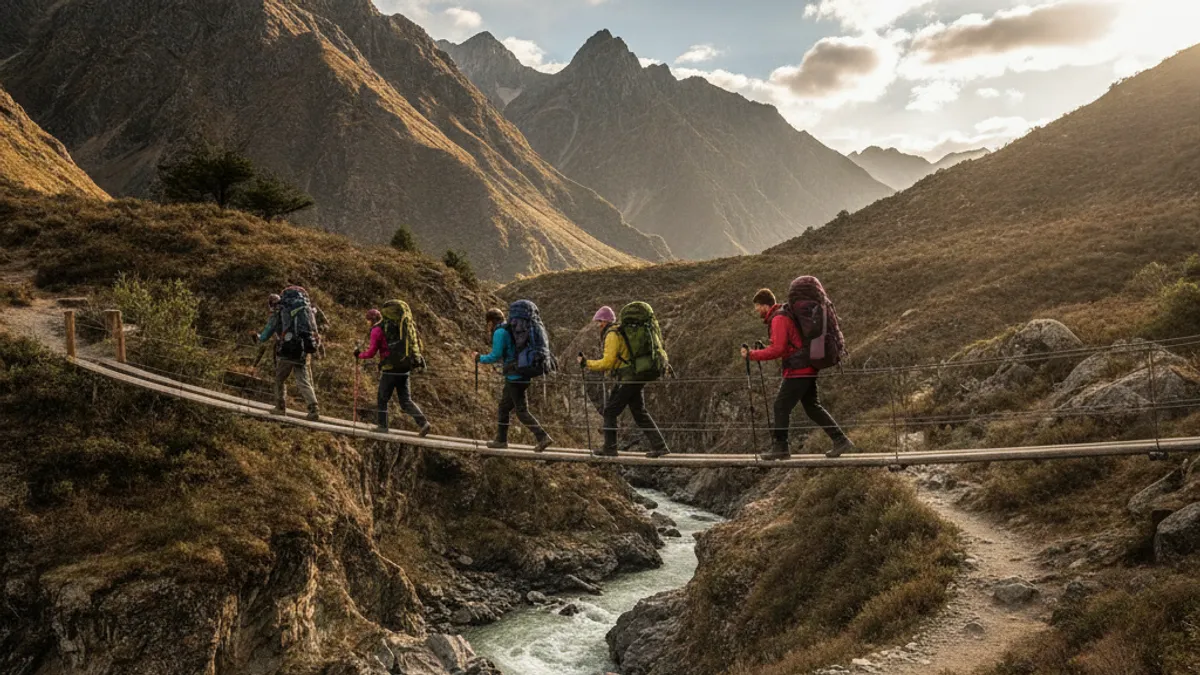
Trekking is a step up in commitment and often in challenge from hiking. It’s typically a multi-day journey, where the act of walking and moving through a landscape is the primary focus of the experience. When someone mentions trekking, envision a longer expedition that might take you through remote areas, often requiring overnight stays in tents, huts, or lodges along the route. It’s about immersing yourself in the journey itself.
Multi-Day Journeys and Immersive Experiences
The defining characteristic of trekking is its duration. These aren’t quick jaunts; they are journeys that unfold over several days, and frequently, over weeks. This extended timeframe means you’ll be carrying more gear, managing food and shelter for multiple nights, and potentially navigating more diverse or challenging conditions.
- Duration: Usually spans multiple days, often from 3 days to several weeks. Some epic treks can last months.
- Terrain: Can be significantly more varied and demanding than typical hiking trails. This includes rugged, uneven ground, river crossings, high mountain passes, and potentially off-trail navigation.
- Logistics: Requires carrying more substantial gear, including shelter (tent), sleeping system, cooking equipment, and sufficient food supplies for the duration. Navigation tools and advanced safety equipment become more critical.
- Objective: Experiencing remote wilderness, achieving a significant physical challenge, exploring a specific region in depth, or undertaking a long-distance pilgrimage.
Trekking is an adventure that demands more planning and self-sufficiency.
Hiking vs. Trekking: The Key Differences
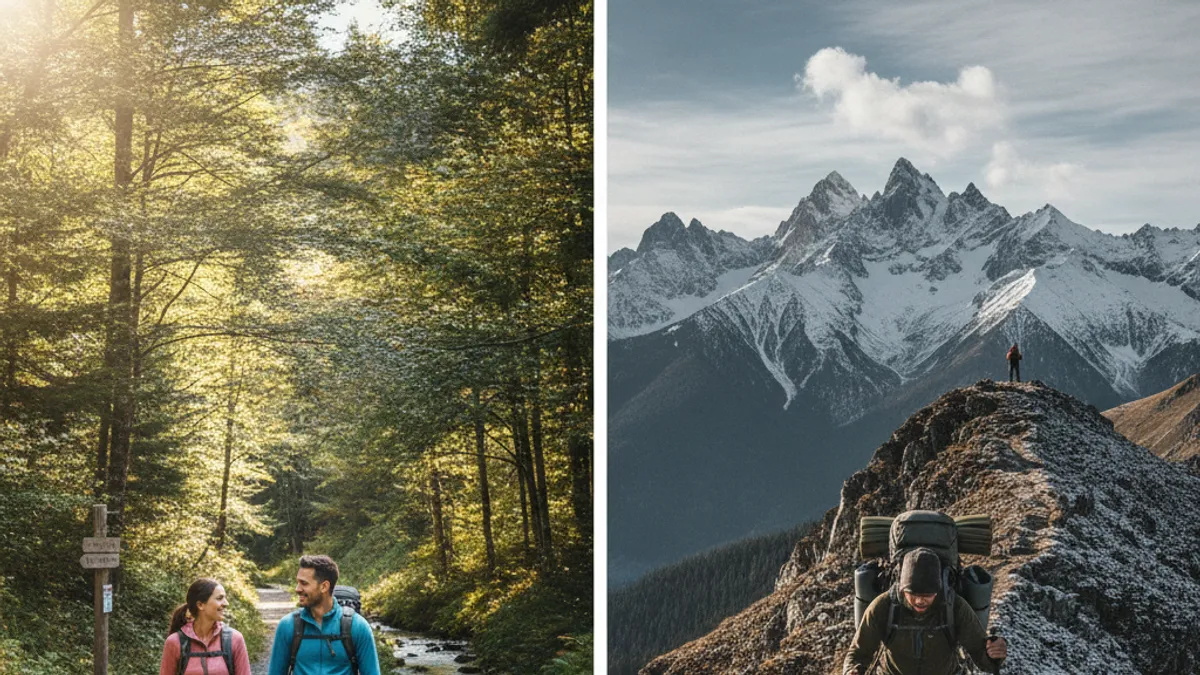
While both hiking and trekking involve walking outdoors, they are distinct in several key ways that affect planning, gear, and the overall experience. The primary differences often come down to the duration, the remoteness, and the level of commitment required. It’s like the difference between a brisk walk around the block and a cross-country road trip; both involve moving on foot, but the scope is entirely different.
It’s not always a hard line, but generally, if your adventure ends back at your starting point or vehicle within daylight hours, it’s likely a hike. If it involves sleeping under the stars or in a village across the mountains, you’re probably trekking.
Duration and Distance
The most obvious distinction lies in how long each activity takes and how far you’re expected to travel. As of 2026, typical hiking excursions are comfortably completed within a 24-hour period. Think a few hours to a full day of exertion.
Distances for a hike might range from a gentle 3 miles (4.8 km) to a more strenuous 15 miles (24 km), depending on the terrain and ascent. Trekking, however, is defined by its multi-day nature. A trek implies you’ll be on the move for at least two consecutive days, and often for much longer durations.
- Hiking: Short-term commitment, usually ending within a single day.
- Trekking: Long-term commitment, multi-day or multi-week journeys.
This difference in duration directly impacts every other aspect of planning, from the gear you need to the physical and mental preparation required.
Terrain and Remoteness
The environments you’ll typically encounter also play a significant role. Hiking often takes place on established, well-maintained, and clearly marked trails. These trails are usually designed for accessibility and safety, minimizing unexpected hazards. You might encounter uneven ground, roots, rocks, and inclines, but these are generally part of a predictable path.
Trekking, conversely, often ventures into wilder, more remote, and less defined territories. Trails might be faint, non-existent, or challenging to follow, requiring a higher degree of navigation skill. You could be crossing rivers without bridges, navigating scree slopes, or traversing areas far from any immediate help.
- Hiking Terrain: Generally on established, marked trails; often within accessible natural areas.
- Trekking Terrain: Can be rugged, remote, less defined; may involve off-trail navigation and variable conditions.
This means that while a hike might present a physical challenge, a trek often presents a broader challenge encompassing navigation, self-reliance, and adaptability to unpredictable environments.
Gear and Preparation
Because of the difference in duration and terrain, the gear required for hiking and trekking diverges significantly. For a day hike, you can usually get by with a relatively light backpack.
This pack might contain essentials like plenty of water, snacks, a map and compass (though often GPS on a phone suffices for marked trails), a basic first-aid kit, sunscreen, insect repellent, and perhaps a rain jacket and an extra layer of clothing.
Trekking demands a more comprehensive gear list. You’ll need a larger, more robust backpack capable of carrying everything for multiple days, including shelter, a sleeping bag, cooking equipment, enough food for the entire journey, and more specialized clothing for a wider range of potential weather conditions. Navigation tools are absolutely critical, and a satellite communication device might be a wise addition for remote treks.
- Hiking Gear: Focus on day essentials, lighter and more accessible.
- Trekking Gear: Comprehensive kit for multi-day self-sufficiency (shelter, sleeping, cooking, more food, robust navigation).
The preparation for trekking often involves more in-depth logistical planning, potentially including permits, route research, and informing someone of your detailed itinerary.
Who Is Hiking Best For?
Hiking, in its essence, is an accessible and versatile outdoor activity. It’s fantastic for people who want to enjoy the natural world without a massive time or gear commitment. If you’re looking for a refreshing break from your routine, a way to get some exercise, or a chance to explore a local park or scenic area, hiking is likely your ideal choice.
Day Trip Enthusiasts
If your schedule is tight or you simply prefer not to be away from home for extended periods, hiking is perfect. The shorter duration means you can fit it into a weekend, a long afternoon, or even a vacation day. You get all the benefits of being outdoors, fresh air, exercise, beautiful views, without the complexities of overnight stays. Many people find that a well-chosen day hike can be just as rewarding as a longer expedition.
Casual Outdoor Explorers
For individuals and families who appreciate nature but aren’t necessarily seasoned adventurers, hiking offers a gentle introduction. Trails are often designed with broad appeal, featuring clear signage and manageable terrain. This makes it ideal for picnics, family outings, or simply a peaceful walk to decompress. The focus is on enjoyment and connection with the environment at a comfortable pace.
- Fitness Level: Accessible to a wide range of fitness levels, from beginner to advanced.
- Time Commitment: Fits easily into short windows, from a few hours to a full day.
- Gear Simplicity: Requires less specialized equipment, making it more affordable and easier to pack.
Hiking is the entry point to appreciating the outdoors for many, offering a direct connection to nature without demanding extensive planning.
Who Is Trekking Best For?
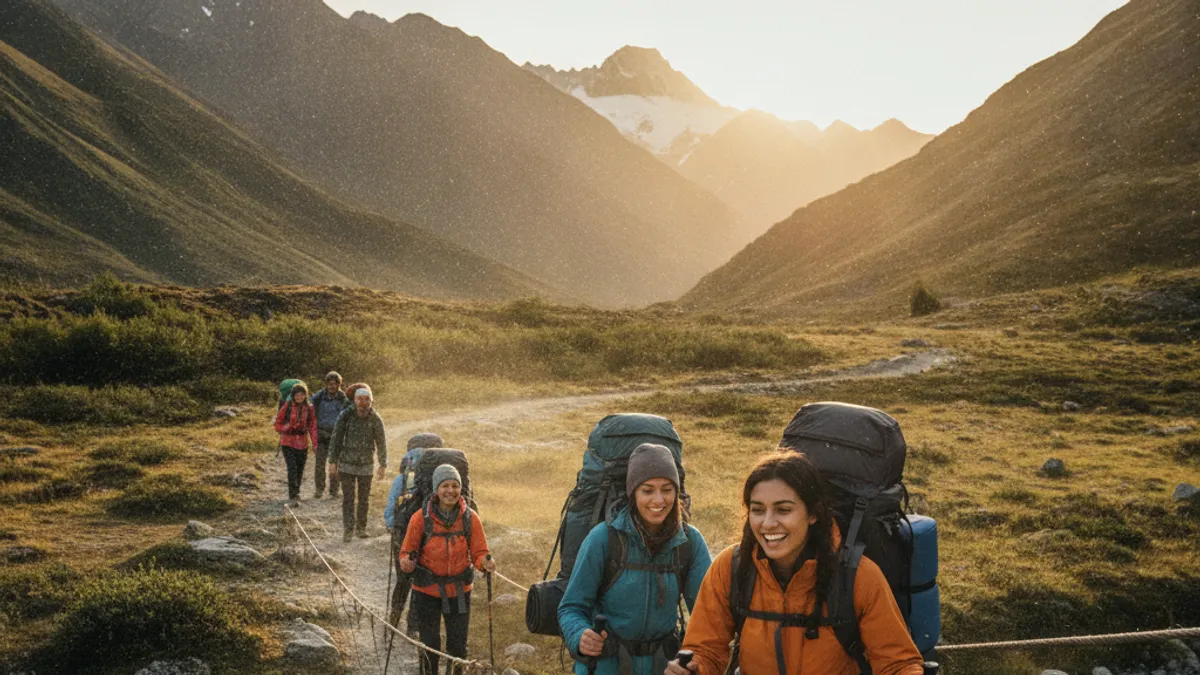
Trekking calls to those who crave deeper immersion and a more substantial connection with the outdoors than a day hike typically offers. It’s for the adventurer who sees the journey itself as the destination, pushing physical and mental boundaries for the sake of unique experiences. This isn’t just a walk; it’s often an expedition that requires significant preparation and resilience.
Adventure Seekers
If you’re drawn to the idea of exploring remote landscapes, experiencing different cultures along the way, or simply challenging yourself on a grand scale, trekking is for you. It offers the chance to disconnect from the everyday and engage with the environment in a way that’s impossible on shorter excursions. Many trekkers seek the solitude and raw beauty of places far from paved roads and bustling towns.
Those Planning Multi-Day Expeditions
For individuals who enjoy the planning and logistics of extended trips, trekking provides a rich canvas. This includes mapping out routes, strategizing food and water supplies, understanding potential weather patterns, and selecting appropriate gear. It appeals to a sense of self-reliance and capability, rewarding the effort with unforgettable vistas and a profound sense of accomplishment.
- Fitness Level: Generally requires a higher level of cardiovascular fitness and endurance than hiking.
- Time Commitment: Demands a significant block of time, from a long weekend to several weeks or more.
- Gear Complexity: Necessitates specialized and often heavier equipment for overnight stays and varied conditions.
Trekking is for those who embrace the challenge and are prepared for the commitment involved in undertaking a substantial outdoor journey.
Hiking vs. Trekking: Common Mistakes to Avoid
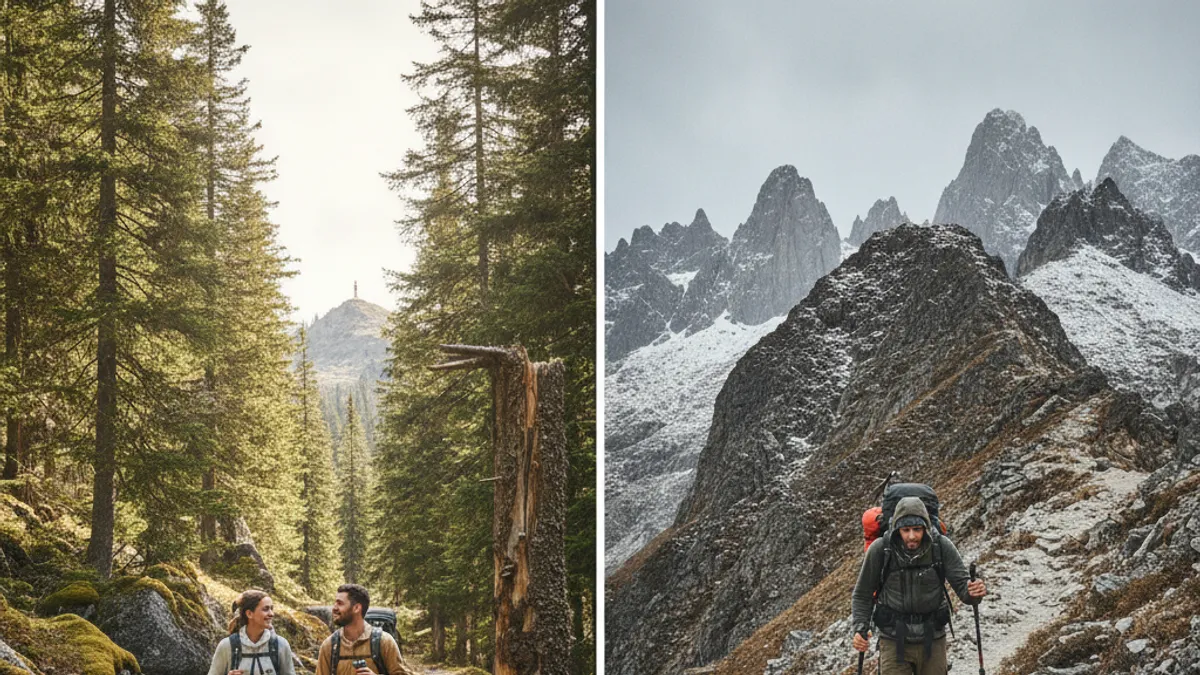
Even for experienced outdoors people, there are pitfalls when planning or executing trips that are labeled as either hiking or trekking. Often, the misjudgment comes from not fully appreciating the scale of the undertaking or the specifics of the environment. Mistaking a demanding hike for a casual walk, or a simple overnight trek for a light backpacking trip, can lead to discomfort, frustration, or even safety issues.
Underestimating Difficulty
A common mistake is to underestimate the challenge of a particular trail or route, regardless of its label. A “hike” might have significant elevation gain that is more taxing than expected, or a “trek” might consist of surprisingly technical terrain that demands more than basic walking skills. It’s crucial to research the specific route, not just the general category of activity.
- Example: A 12-mile hike in the desert with no shade and high temperatures can be far more demanding than a 20-mile hike in cool, forested mountains.
- Example: A multi-day trek that looks straightforward on a map might involve frequent, knee-jarring descents or require significant wading through streams.
Always look at detailed route descriptions, elevation profiles, and recent trail conditions when available.
Packing Inappropriately
Packing too little or too much is another frequent error. For hiking, people might overpack, carrying unnecessary items that weigh them down, or underpack, forgetting essentials like sufficient water or sun protection for a longer-than-anticipated outing. For trekking, the opposite problem can arise: not packing enough food, water purification, or warm layers for extended periods in the wilderness.
- Hiking Packing Error: Bringing a tiny daypack that doesn’t fit a rain jacket, extra snacks, and a full water bottle for an 8-hour hike.
- Trekking Packing Error: Forgetting a water filter or purification tablets on a week-long trek where water sources are plentiful but untreated.
Reading gear lists specific to the type of expedition and the expected conditions is invaluable. Manufacturer specifications for gear, such as backpack volume (often measured in liters) or bag insulation ratings, can guide your choices. For example, a 30-liter backpack might be sufficient for a strenuous day hike, but you’ll likely need a 50-70 liter pack for a multi-day trek.
Planning Your Next Outdoor Adventure: Hiking or Trekking?
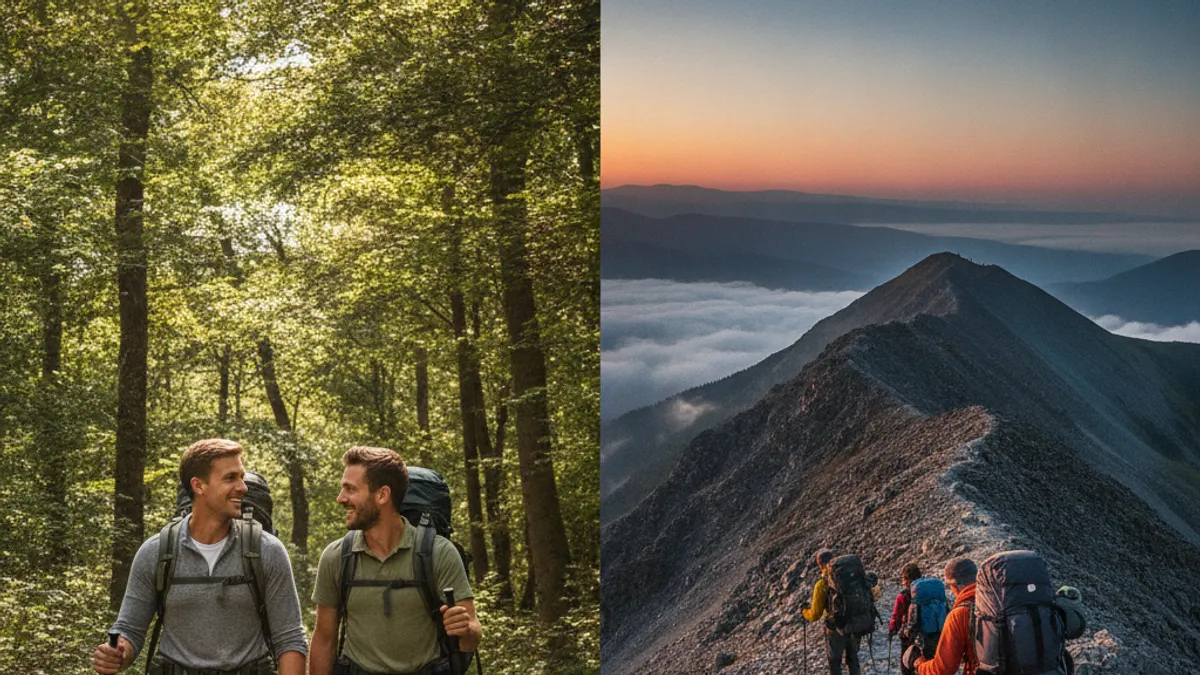
Deciding whether your next outing will be a hike or a trek is the first crucial step in planning. It dictates everything from the physical training you’ll need to the specific gear you’ll carry. If you’re short on time or prefer a less involved excursion, a hike is likely your best bet. You can enjoy nature’s beauty without a significant logistical burden.
However, if you’re seeking a more profound connection with the natural world, a genuine challenge, and an immersive experience that lasts multiple days, then trekking is what you’ll aim for. This choice isn’t just about labeling an activity; it’s about setting the right expectations for yourself and preparing adequately.
When to Choose a Hike:
- You have a few hours or a full day available.
- You want a less gear-intensive outing.
- You prefer well-marked and established trails.
- You’re looking for exercise and scenic views without an overnight commitment.
When to Choose a Trek:
- You have multiple days to dedicate to your adventure.
- You enjoy planning and preparing for extended expeditions.
- You want to explore remote or wilder areas.
- You are looking for a significant physical and mental challenge.
By understanding the fundamental differences between hiking and trekking, you can better tailor your adventures to your available time, desired experience, and personal capabilities.
