
Deciding how to hike Mount Washington in winter is a serious undertaking, one that absolutely requires an honest assessment of your skills and your gear. This isn’t just another challenging hike; it’s an alpine environment where weather can change from severe to unsurvivable in minutes, making it one of the most dangerous winter mountains in North America. Prepare poorly, and you risk more than just a tough day out.
Our research shows that unprepared individuals can face hypothermia, frostbite, or get stranded by whiteout conditions. The Mount Washington Observatory reports that sustained winds often exceed 100 mph, with wind chill factors frequently dropping below -50°F. If you’re contemplating this summit, understanding the extreme risks and preparing meticulously is non-negotiable.
Why Winter on Mount Washington Demands Expert Respect
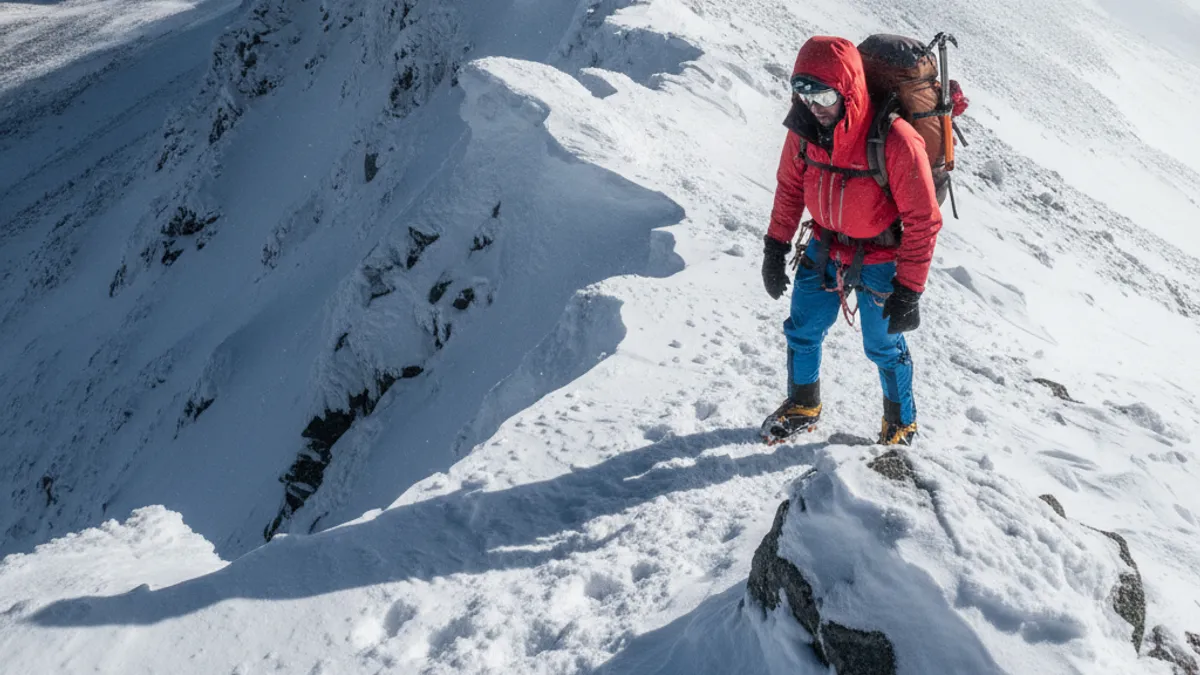
The Mountain’s Reputation: More Than Just a Challenge
Mount Washington is infamous, and its reputation as a formidable peak is well-earned, especially when winter descends. It’s not merely about the elevation gain; it’s about the relentless, often violent, weather systems that converge at its summit. This isn’t the place for a casual stroll or a test run for new boots.
This peak is known for experiencing some of the most extreme weather on the planet. The summit is frequently buffeted by hurricane-force winds, even on days that seem calm at lower elevations. The combination of intense cold, powerful winds, and unpredictable snow can make navigating the established trails incredibly difficult and dangerous.
The True Risks: Extreme Weather, Real Danger
The primary danger on Mount Washington in winter is the extreme weather. Consider this: the summit’s average annual wind speed is over 35 mph, and records show gusts exceeding 230 mph. When you factor in temperatures often well below freezing, the wind chill can quickly drop to life-threatening levels.
These conditions aren’t just uncomfortable; they rapidly escalate into serious risks like hypothermia and frostbite. The Mount Washington Observatory consistently documents these dangerous conditions, highlighting the potential for rapid incapacitation if one is not properly equipped and experienced.
Assessing Your Readiness: Are You Prepared for the Arctic?
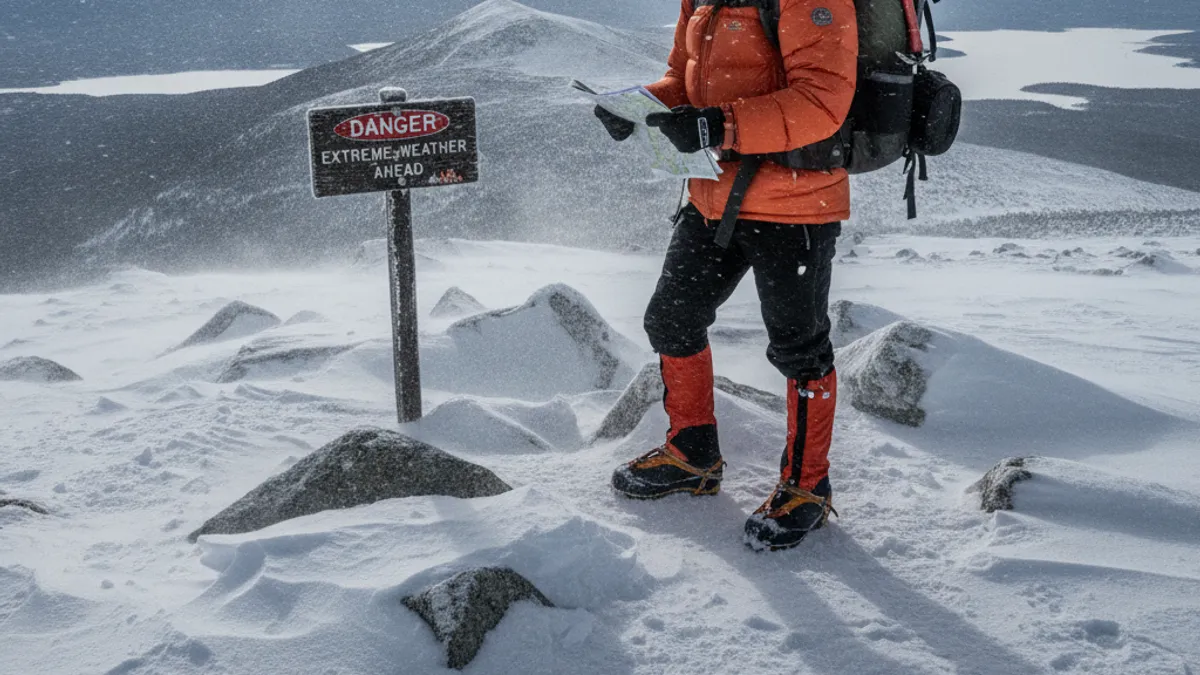
Before you even think about packing crampons, you need to honestly evaluate your own capabilities. Hiking Mount Washington in winter isn’t for beginners, or even for intermediate hikers who haven’t specifically trained for alpine, cold-weather conditions. This mountain demands respect and preparedness at a level far beyond a typical day hike.
Experience Matters: What Level of Winter Hiking Skills Do You Need?
If you’re picturing a pleasant snow walk, stop right there. Expert YMYL (Your Money or Your Life) advice dictates that winter mountaineering on peaks like Mount Washington requires significant prior experience. This includes not just hiking in snow, but specifically extended exposure to high winds, extreme cold, and whiteout conditions.
Our research indicates that solid experience with winter camping, navigating in low visibility, and using specialized winter equipment is a prerequisite. If your hiking background primarily involves trails like those found on what is hiking, you’re likely not ready for Mount Washington in winter. Consider gaining more experience on less severe winter hikes first.
Physical and Mental Fortitude: Beyond Just Being Fit
Being physically fit is crucial, but it’s only part of the equation. Winter hiking on Mount Washington is an extreme endurance test that demands robust mental toughness. You need to be able to make critical decisions under duress, stay focused through discomfort, and push past exhaustion when necessary, but also know when to stop.
A demanding physical regimen is essential. Our editorial analysis of training plans for similar expeditions suggests a strong emphasis on cardiovascular endurance, leg strength, and core stability. This is where a plan like a Hiking Workout Plan For Beginners needs to be significantly intensified. Mentally, you must be prepared for challenging conditions, potential setbacks, and the possibility of an aborted summit attempt.
Gear Up for the Conqueror: Essential Winter Equipment
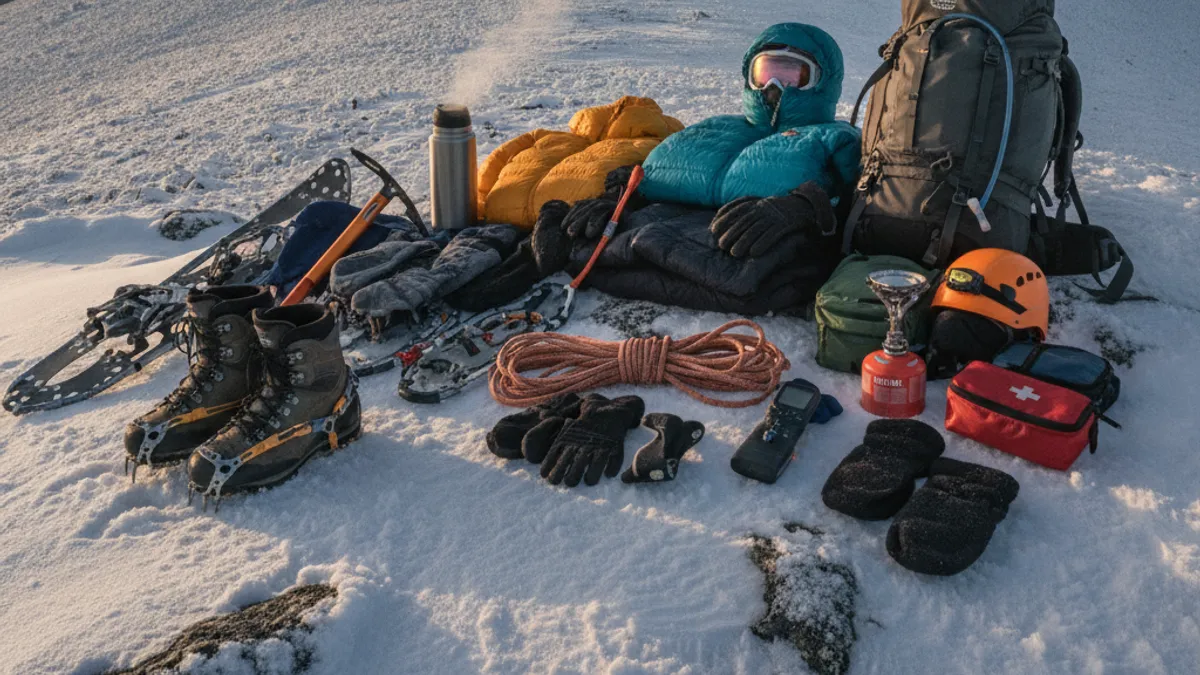
Skimping on gear on Mount Washington in winter isn’t just unwise; it’s potentially fatal. This is where your equipment acts as your primary defense against the elements. Every item you carry must be chosen for its reliability and performance in extreme cold, high winds, and icy conditions.
Layering is Life: Clothing Systems for Extreme Cold
The fundamental principle for staying warm and dry is a superior layering system. This means having multiple, adjustable layers that you can shed or add as your exertion level and the external conditions change. This system is designed to manage perspiration and retain body heat effectively.
The core layers are:
- Base Layer: Wicks moisture away from your skin. Materials like merino wool or synthetic fabrics are preferred over cotton, which absorbs sweat and loses its insulating properties.
- Mid Layer: Provides insulation to trap body heat. Fleece jackets, down vests, or synthetic insulated jackets are common. You might need multiple mid-layers for varying temperatures.
- Outer Shell: This is your primary defense against wind and precipitation. It must be waterproof and windproof, with good breathability to prevent internal condensation. Look for features like adjustable cuffs and a storm hood.
Footwear and Traction: Navigating Ice and Snow
Your feet need to stay warm, dry, and provide reliable grip. This is where many winter hikers experience problems if they haven’t prepared properly with the right footwear combined with traction devices.
- Insulated, Waterproof Boots: Standard hiking boots won’t cut it. You need insulated, waterproof boots specifically designed for winter conditions. These offer better warmth and support on uneven terrain. Consider something akin to what’s described in Waterproof Hiking Boots Worth It, but with significant insulation.
- Traction Devices: Ice and hard-packed snow are treacherous. You’ll need to equip yourself with appropriate traction.
- Microspikes/Crampons: These steel-toothed devices attach to your boots and provide excellent grip on sheer ice and hard snow. They are essential for most winter ascents of Mount Washington in winter.
- Snowshoes: While useful in deep, soft snow, they are often less practical on the icy, exposed sections commonly found on Mount Washington’s trails.
Navigation Tools: Staying Found When Visibility Fails
When a whiteout descends, the trail can disappear, and the landscape can become a uniform expanse of white. Reliable navigation is absolutely critical, and relying solely on a GPS device can be risky.
- Map and Compass: Always carry a detailed topographic map of the area and a reliable compass. Know how to use them proficiently, even in windy conditions.
- GPS Device or Smartphone App: A GPS device or a downloaded offline map on your smartphone can be a valuable secondary tool. Ensure it has a long battery life and consider a portable power bank, as cold significantly drains electronics. Features useful for navigation devices are often covered in reviews for Hiking Headlamp Reviews.
- Personal Locator Beacon (PLB) or Satellite Messenger: Given the potential for lost cell service, a PLB or satellite messenger is a critical safety device. It allows you to send an emergency signal with your location to rescue services.
Safety Essentials: The Must-Have Emergency Gear
Beyond your clothing and navigation, a robust set of emergency gear is non-negotiable. This gear is your lifeline if something goes wrong.
- First-Aid Kit: A comprehensive kit specifically for cold-weather emergencies, including treatments for hypothermia and frostbite.
- Headlamp with Extra Batteries: Even if you plan a day hike, conditions can delay your return, making a reliable light source essential. Ensure it’s rated for cold temperatures.
- Emergency Shelter: A lightweight, emergency bivy sack or tarp can provide crucial protection from the elements if you need to stop unexpectedly.
- Fire Starter: Waterproof matches or a reliable lighter, along with tinder, can be life-saving in an emergency.
- Knife or Multi-tool: Useful for countless small tasks that can arise.
- Extra Food and Water: Pack significantly more than you think you’ll need. Cold weather burns more calories, and emergencies can extend your time out. Brands like those reviewed for Best Food To Bring On A Long Hike are a good starting point.
Planning Your Winter Ascent: Strategy and Route Selection
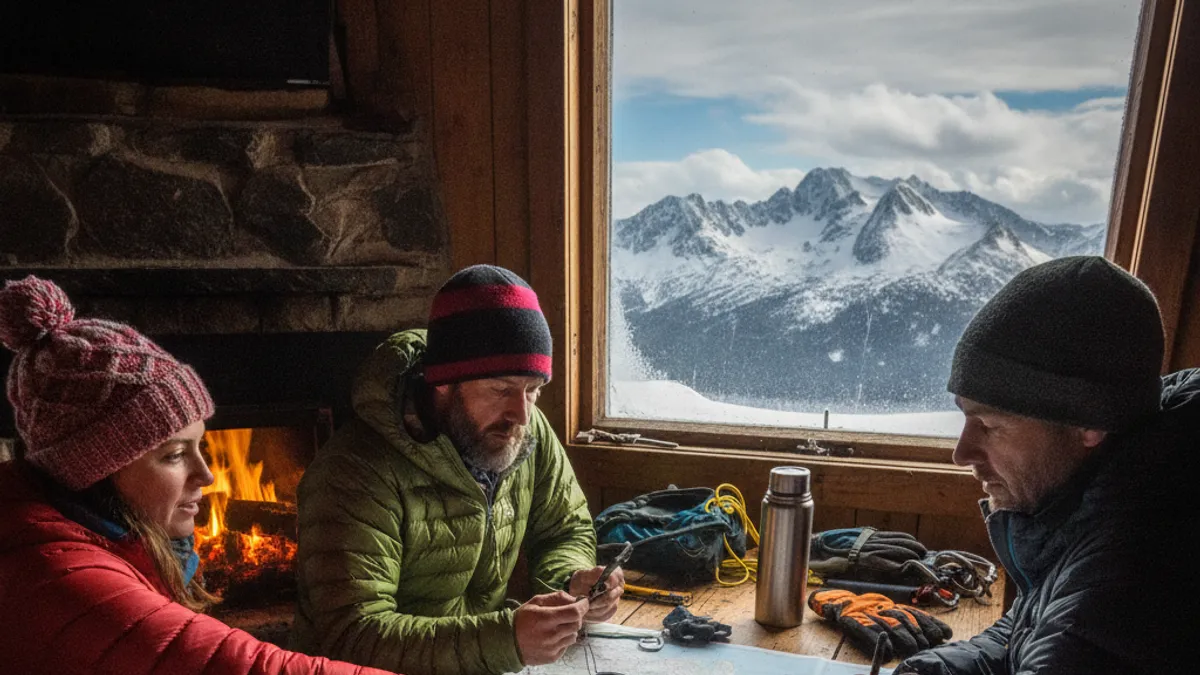
The planning stages for a winter hike on Mount Washington are as critical as the climb itself. This isn’t a mountain you can “wing.” Diligent preparation minimizes risks and maximizes your chances of a safe and successful (or safely aborted) ascent.
Route Options: Cog Railway, Auto Road, and Trails in Winter
There are typically three main ways people ascend Mount Washington: the trails, the Cog Railway, and the Auto Road. In winter, these options present vastly different challenges and accessibility.
- Trails (Tuckerman Ravine, Boott Spur, Lion Head): These are traditional hiking routes. In winter, they become treacherous alpine climbs. Tuckerman Ravine, while popular, is known for avalanche risk and extreme terrain. Lion Head and Boott Spur are alternatives that may offer slightly different challenges. Ascending via trail requires full winter mountaineering gear and skills.
- Mount Washington Auto Road: This road is generally closed to public vehicles from mid-October to mid-May. Even when closed, it can be used by hikers if conditions allow, though it’s a long, exposed, and often icy slog. It’s a less technical but more physically demanding route in terms of sheer distance and exposure.
- Mount Washington Cog Railway: The Cog Railway operates year-round for passengers, offering a way to reach the summit without hiking. This is a viable option for those who want to experience the summit but lack the skills or gear for a winter climb. It provides a safe, reliable route with incredible views, making it accessible for a broader audience.
Weather Forecasting: Your Most Crucial Planning Tool
Understanding the weather forecast for Mount Washington is paramount, and you need to look beyond the general forecast for nearby towns. The summit’s weather can be drastically different.
- Mount Washington Observatory: This is your go-to source for hyper-local, real-time, and forecasted weather for the summit. They provide detailed information on temperature, wind speed, wind chill, and precipitation. Always check their data right up until you head out.
- Triple Check Conditions: Don’t rely on a single forecast. Cross-reference information from multiple reliable sources. Pay close attention to wind speed and wind chill forecasts. An average wind speed of 50 mph with gusts over 100 mph is not uncommon.
- Be Prepared for Rapid Change: Even a seemingly clear forecast can change dramatically and quickly. Build contingency into your plans and be ready to turn back if conditions deteriorate unexpectedly.
Understanding Snow Conditions and Avalanche Awareness
While the primary trails on Mount Washington are generally not prone to major avalanche events like some larger mountain ranges, understanding snow conditions and basic avalanche awareness is still important, especially if venturing off the most commonly used routes.
- Snowpack Stability: Be aware of how the snowpack has formed. Rapid temperature fluctuations, heavy snowfall, or wind can create unstable layers.
- Avalanche Zones: Areas like Tuckerman Ravine can experience avalanches. Knowing how to identify potential avalanche terrain and what warning signs to look for can prevent a serious accident. Resources from the U.S. Forest Service (https://www.fs.usda.gov/) often provide safety guidelines, though specific avalanche advisories are best sought from local mountain rescue or avalanche centers if available for the region.
Check-Ins and Communication Plans
A well-thought-out communication plan is a vital safety net.
- Inform Someone: Always tell a reliable person where you are going, your intended route, all planned return times, and when they should expect to hear from you. Provide them with contact information for local search and rescue.
- Regular Check-Ins: Plan to check in with your designated contact at set intervals, especially if using a satellite messenger. If you miss a check-in, they know to initiate contact and potentially alert authorities. This practice is standard for most serious backcountry trips.
The Ascent: Safe Practices on the Mountain
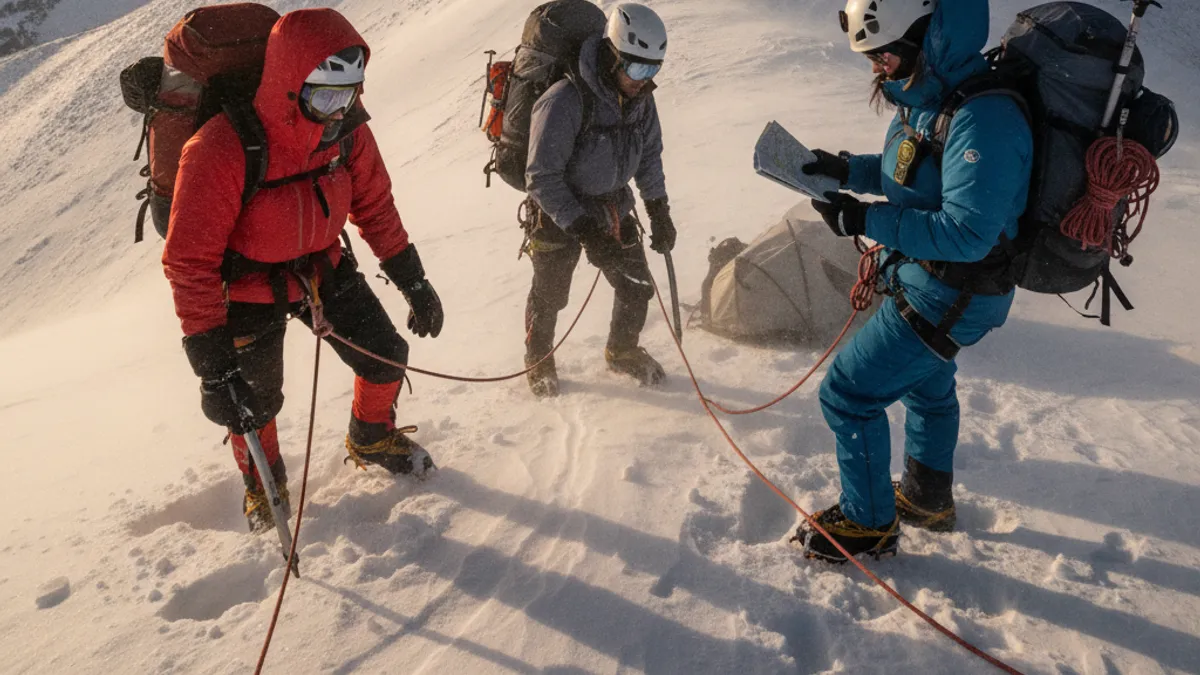
Successfully summiting Mount Washington in winter is less about brute force and more about controlled execution of safe practices. Every decision, from your starting time to your pace, directly impacts your safety. These aren’t suggestions; they’re critical steps to manage the inherent risks of this alpine environment.
Starting Smart: Early Departure and Pace Setting
The earliest possible start is your best friend on a winter ascent. Sunrise is late, and daylight hours are limited, making an early departure crucial. Aim to be on the trail well before dawn, giving yourself ample time to climb, enjoy the summit (briefly), and descend safely before darkness falls.
Your pace should be consistent and sustainable. Avoid bursts of speed that lead to overheating and excessive sweating, which can lead to chilling later. Think of it as a controlled march, not a race. If you’re using How To Use Hiking Poles, practice using them effectively to conserve energy and maintain balance.
Hydration and Nutrition: Fighting Cold and Fatigue
It’s easy to forget about staying hydrated and fueled when it’s freezing, but these needs are more critical than ever in winter. Your body burns more calories to stay warm, and the cold air can be dehydrating. As of 2026, understanding winter hydration has become a key focus for outdoor safety.
- Hydration: Keep water in an insulated bottle or a hydration pack with an insulated hose to prevent freezing. Sip frequently, even if you don’t feel thirsty. Consider adding electrolytes for sustained energy. For more on this, check out Electrolytes For Hiking and How To Stay Hydrated On A Hike.
- Nutrition: Pack high-energy, easy-to-eat foods that won’t freeze solid. Think dense energy bars, nuts, dried fruit, and jerky. Avoid things that require significant preparation or can become unmanageable in gloves. Best Food To Bring On A Long Hike and Best Hiking Snacks For Energy offer great ideas.
Staying Aware: Recognizing Hypothermia and Frostbite
Constant self-awareness and monitoring of your hiking partners are essential. Hypothermia and frostbite symptoms can be subtle at first but develop rapidly. Catching them early is key to effective treatment.
- Hypothermia: This occurs when your body loses heat faster than it can produce it. Symptoms include uncontrollable shivering, confusion, slurred speech, drowsiness, and loss of coordination. If you notice these signs in yourself or a partner, immediate action is required.
- Frostbite: This happens when skin and underlying tissues freeze. It most often affects extremities like fingers, toes, nose, and ears. Signs include numbness, tingling, white or grayish skin, and a waxy feeling.
Making the Call: When to Turn Back
The most experienced hikers know that turning back is often the bravest and wisest decision. Mount Washington doesn’t care about your goals; it cares about the conditions.
- Weather Deterioration: If the weather forecast changes drastically, or if current conditions are worse than predicted (higher winds, rapidly dropping temperatures, whiteout), it’s time to descend.
- Physical State: If you or a partner are showing signs of excessive fatigue, hypothermia, or frostbite, an immediate descent is necessary.
- Group Consensus: If there’s doubt or concern among the group, it’s usually best to err on the side of caution and turn around. Continuing can put everyone at greater risk.
Critical Mistakes to Avoid on Your Winter Hike
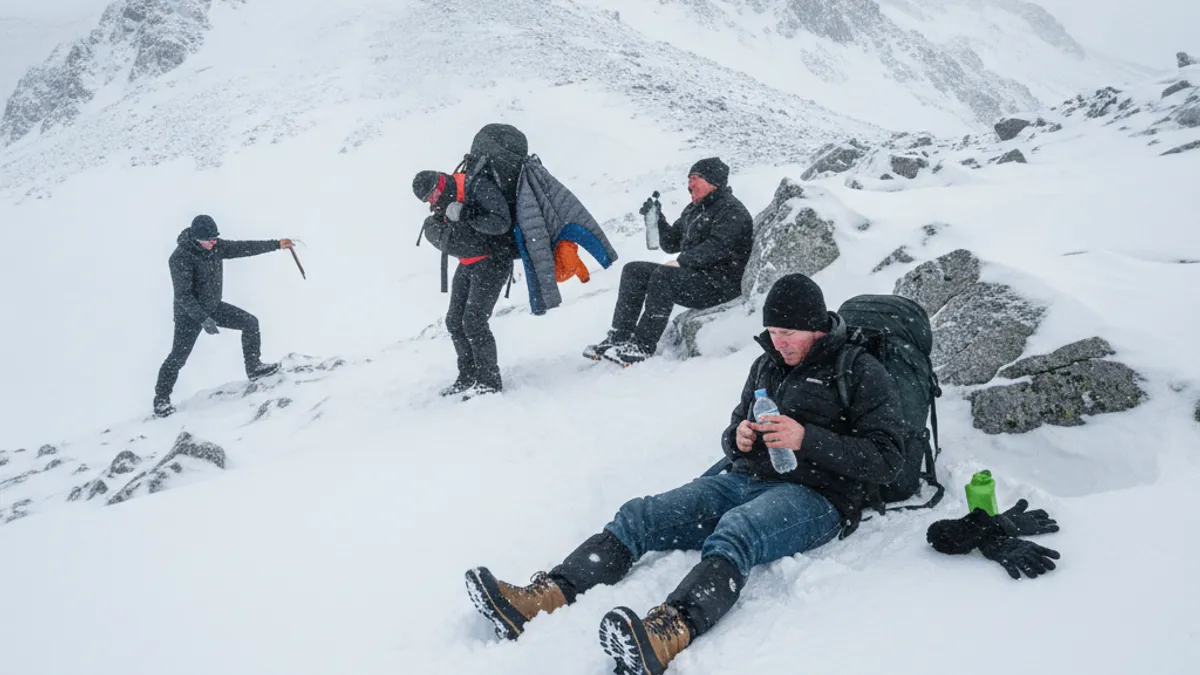
Avoiding common errors is just as important as packing the right gear. Many serious incidents on Mount Washington happen because of preventable mistakes, often stemming from underestimating the mountain’s power.
The Top 5 Ways Winter Hikes Go Wrong
Based on incident reports and expert analysis, these are the most frequent missteps:
- Underestimating the Weather: Relying on a general forecast instead of summit-specific data from the Mount Washington Observatory.
- Inadequate Gear: Wearing cotton, not having enough layers, insufficient insulation, or lacking proper traction devices.
- Poor Navigation: Getting lost due to whiteouts, equipment failure, or lack of skill with map and compass.
- Lack of Experience: Attempting the hike without prior solid experience in severe winter mountain conditions.
- Ignoring Warning Signs: Pushing on despite worsening weather, physical exhaustion, or early signs of cold injuries.
Overconfidence vs. Calculated Risk
A common pitfall is overconfidence, often born from previous successful hikes in less severe conditions or on other mountains. Mount Washington in winter demands a constant balance between calculated risk and prudent decision-making. It’s never about conquering the mountain, but about safely interacting with it.
Dealing with the Unpredictable: Contingency and Emergency Preparedness
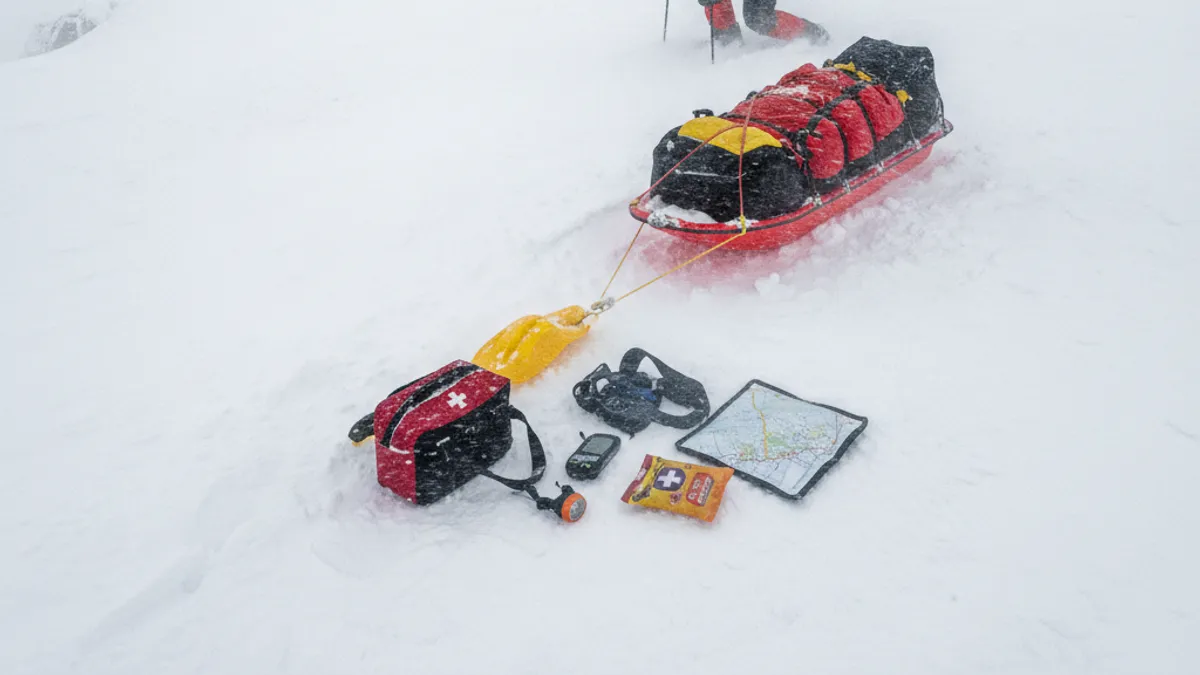
Even with meticulous planning, something can always go wrong on a winter mountain. Having clear contingency plans and being prepared for emergencies can literally be the difference between a minor setback and a life-threatening situation.
What to Do If You Get Lost
If you realize you’ve lost your bearings, stop moving immediately. This prevents you from getting further lost and conserves energy. Try to use your map, compass, and GPS to reorient yourself.
If you cannot relocate your position, consider finding a sheltered spot to wait. Deploy your emergency shelter if necessary, and use your cold-weather survival skills. Conserve your phone’s battery for emergency calls if you have service, or use your PLB. Prioritize staying warm and visible.
Basic Cold Injury First Aid
Knowing how to administer basic first aid for hypothermia and frostbite is a non-negotiable skill for anyone venturing into winter alpine environments.
- Hypothermia Treatment: Move the person to a warmer location if possible. Remove wet clothing and replace it with dry layers or blankets. Provide warm, non-alcoholic fluids if they are conscious and able to swallow.
- Frostbite Treatment: Gently rewarm the affected area with lukewarm water (not hot). Do not rub or massage the frostbitten area, as this can cause further damage. Protect the area from re-exposure and further injury. Seek professional medical attention for any significant cold injury.
When to Seek Expert Guidance or Reconsider
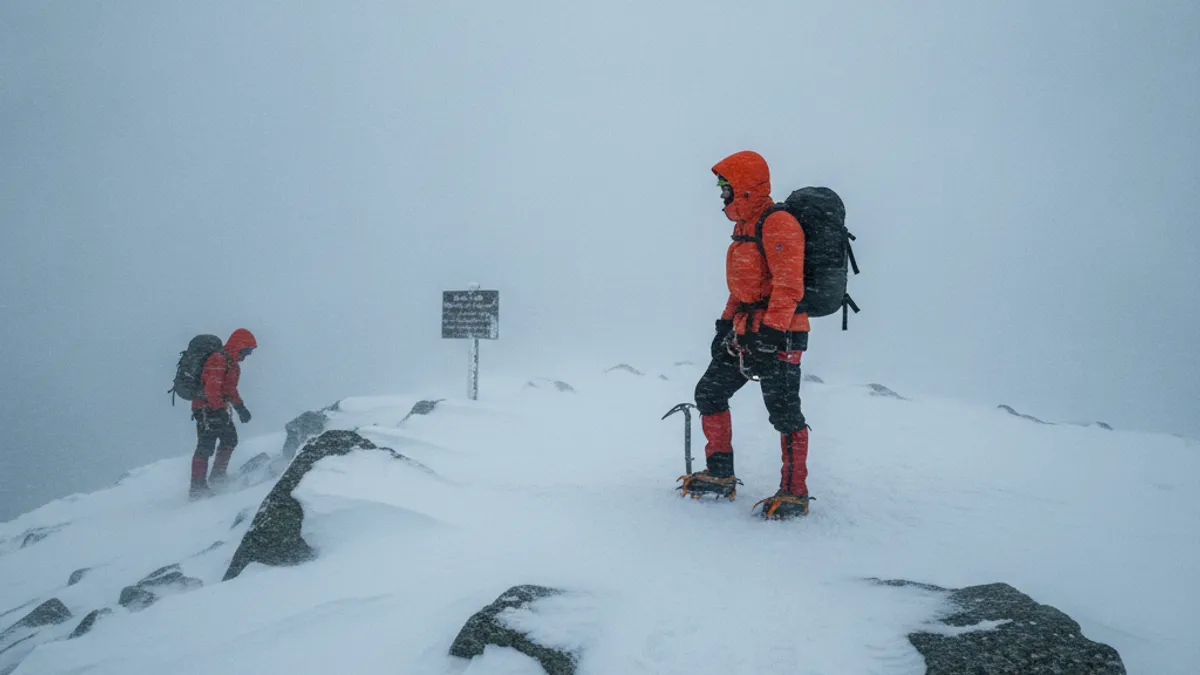
The decision to hike Mount Washington in winter is serious, and sometimes, the smartest path is to acknowledge your current limitations and seek external help or choose a different objective. This is about self-preservation and respecting the mountain’s power.
Recognizing Your Limits
Be brutally honest with yourself about your experience level, your physical conditioning, and your gear. If you lack specific winter mountaineering experience, haven’t practiced with your gear in cold, windy conditions, or feel any doubt about your readiness, it’s a clear sign to reconsider.
This mountain is not the place to learn fundamental winter survival skills on the fly. The consequences of mistakes are too severe. If you find yourself questioning your preparedness, take a step back and gain more experience elsewhere.
The Value of a Guided Winter Expedition
For those who aspire to conquer Mount Washington in winter but lack the requisite experience, hiring a certified guide is an excellent option. Professional guides bring a wealth of knowledge, specialized equipment, and experience managing the risks associated with extreme conditions.
A guided trip allows you to focus on the experience while the expert handles critical safety decisions and navigation. It’s a fantastic way to learn what winter mountaineering entails and to build the skills necessary for future independent expeditions. You gain invaluable knowledge under the safest possible circumstances.
