
Getting the right pair of hiking shoes can seriously transform your time on the trail. Finding where to buy hiking shoes that fit your specific needs, budget, and timeline is half the battle. It’s not just about slapping on any old sneaker; the right footwear means fewer blisters, better support, and ultimately, more enjoyable adventures.
Our research shows that the choice between buying online or in a physical store involves weighing convenience against critical fit factors. For instance, manufacturer specifications often detail crucial aspects like sole lug depth or midsole cushioning materials, but you can’t physically assess these without seeing the shoe. This guide helps you cut through the noise and find the best path to your next great pair of hiking shoes.
Quick Answer: The Best Places to Buy Hiking Shoes
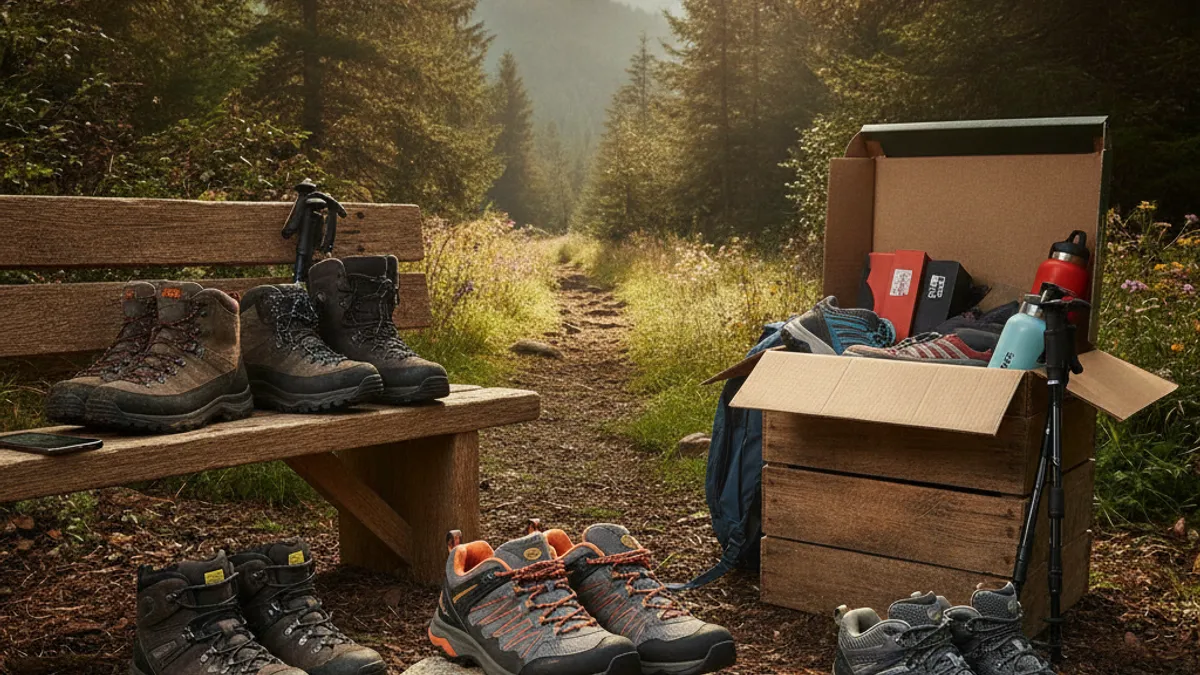
When it comes to buying hiking shoes, you’ve generally got two main arenas: brick-and-mortar stores and online retailers. Physical stores, especially dedicated outdoor gear shops, excel because they let you try shoes on for an immediate, real-world fit assessment. This is crucial for avoiding common pain points like blisters and poor support. Online retailers, on the other hand, offer a vast selection, competitive pricing, and the sheer convenience of shopping from home.
Specialty online stores often provide more detailed product information and a wider array of niche brands than general marketplaces.
Brick-and-Mortar Stores: The In-Person Advantage
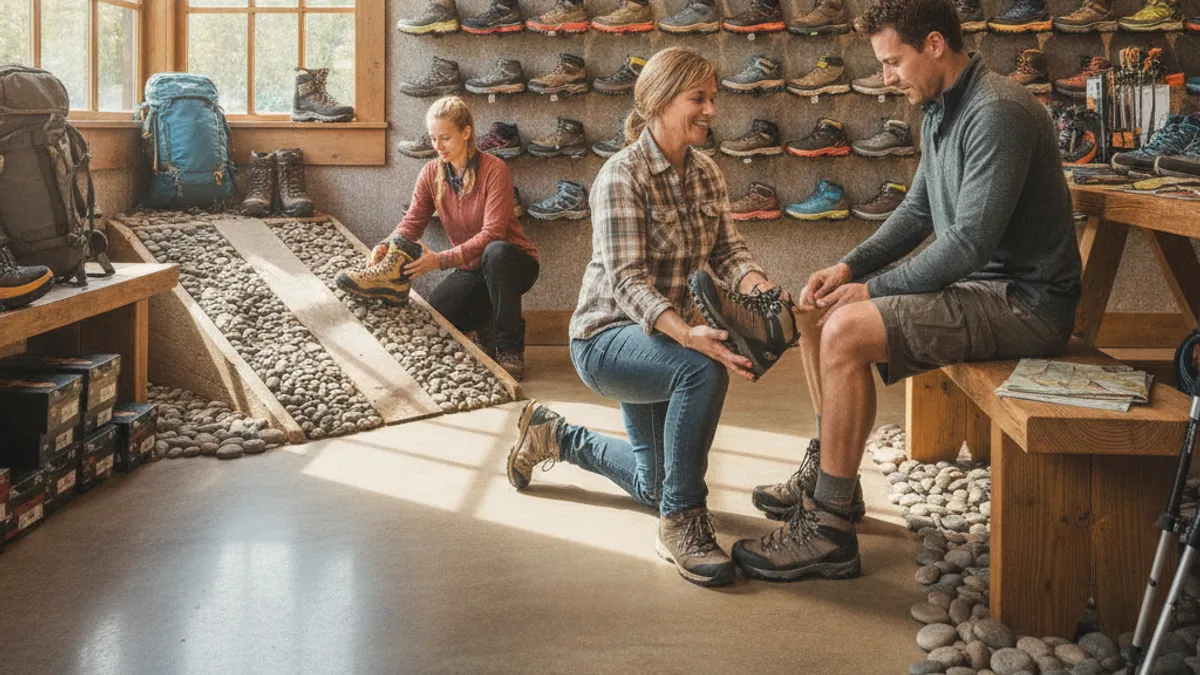
Walking into a physical store to buy hiking shoes still holds a significant advantage, primarily centered around the ability to try before you buy. This isn’t just about color or style; it’s about tactile confirmation of fit, feel, and immediate comfort. For many hikers, especially beginners or those trying a new brand, this hands-on experience is invaluable. Aggregate user reviews frequently highlight that the inability to try shoes on online is a major source of dissatisfaction.
Trying Them On: Why Fit is King
The single biggest reason to visit a brick-and-mortar store for hiking shoes is the direct opportunity to try them on. This lets you engage with the shoe’s features in a way that online descriptions just can’t replicate. You can immediately feel if the shoe pinches your toes, if your heel slips excessively on an incline, or if the arch support feels right for your foot. Different brands and models use unique lasts (the foot form around which a shoe is built), leading to vastly different fits.
Manufacturer specifications, like those found on Merrell’s official site, detail construction, but they don’t convey the subjective feel.
Expert Advice at Outdoor Gear Shops
Beyond just trying them on, a good outdoor gear shop often provides access to knowledgeable staff. These individuals frequently have hands-on experience with various brands and models. They can help measure your feet accurately, discuss the types of trails you plan to hike, and recommend shoes based on your specific needs, whether that’s for rocky terrain, muddy paths, or multi-day treks where durability and cushioning are paramount. They can also guide you on essentials like what to wear hiking for beginners, ensuring a complete picture.
What to Watch Out For in Physical Stores
While the in-person experience shines, it’s not without its potential drawbacks. The selection in a physical store can be limited compared to the sprawling inventories of online retailers. You might find your preferred brand or model isn’t stocked, or they may not have your exact size or width readily available. Prices can also be slightly higher due to the overhead costs associated with running a brick-and-mortar location, such as rent and staffing.
Online Retailers: Selection and Convenience
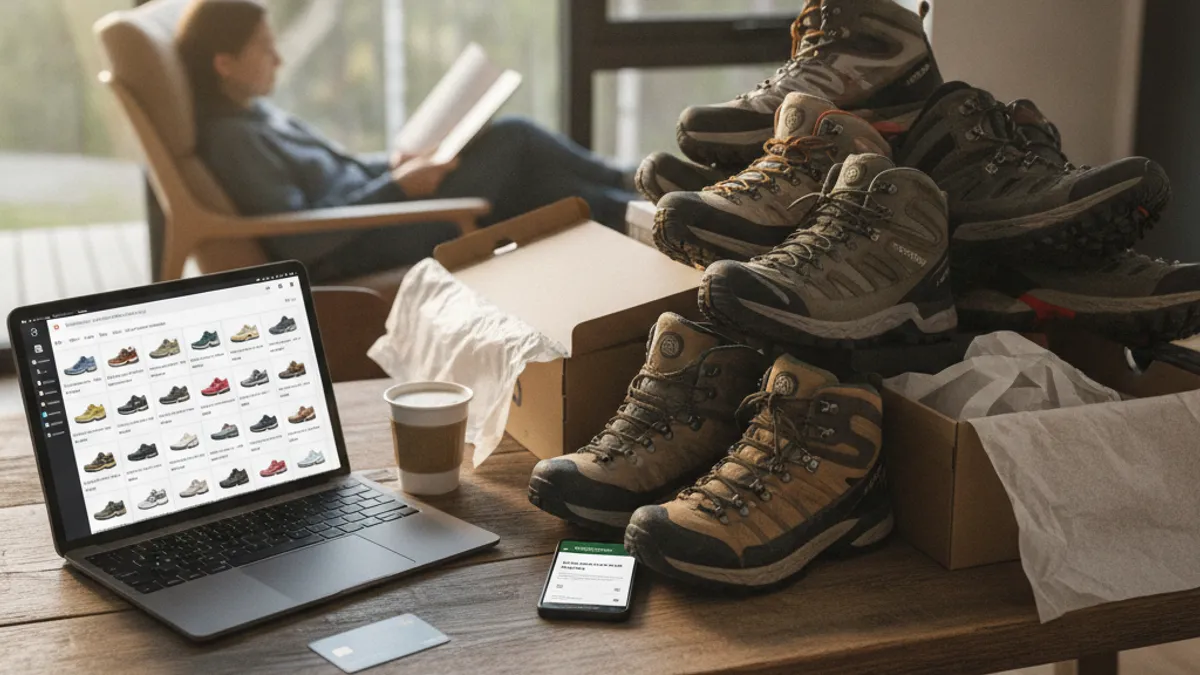
Shopping for hiking shoes online has become increasingly popular, largely due to the unparalleled convenience and vast selection it offers. You can browse countless options from the comfort of your home, anytime, without the pressure of a salesperson. This digital approach allows for easy price comparisons and access to reviews from a wide range of users.
Specialty Online Stores: Deep Dives and Deals
Specialty online retailers, focusing specifically on outdoor and hiking gear, are a fantastic resource. Websites like REI.com or Backcountry.com are prime examples. They typically curate a robust selection of reputable brands and models, often including detailed product descriptions, high-quality images, and customer reviews that can offer real-world insights. Manufacturer specifications will often be listed, allowing for a thorough comparison of technical traits before purchase.
General Online Marketplaces: The Broadest Search
Platforms like Amazon.com, while not dedicated outdoor retailers, offer an enormous selection of hiking shoes from nearly every brand imaginable, often at highly competitive prices. This is where you’re most likely to find obscure models or deep discounts. However, this breadth also means you need to be more diligent about verifying seller authenticity and reading a wide range of reviews to gauge product quality, as counterfeit items or subpar service can be more prevalent.
What to Consider When Buying Hiking Shoes Online
The primary challenge with online shoe shopping is the inability to try them on before purchase. You’re relying heavily on size charts and customer feedback. Manufacturer sizing can vary, and what fits one person perfectly might not work for another. This means returns are a common part of the process.
It’s wise to check a retailer’s return policy before you buy; many offer free returns, mitigating some of the risk. Also, be mindful of shipping times, especially if you have an upcoming hike.
Comparing Your Options: Store vs. Online
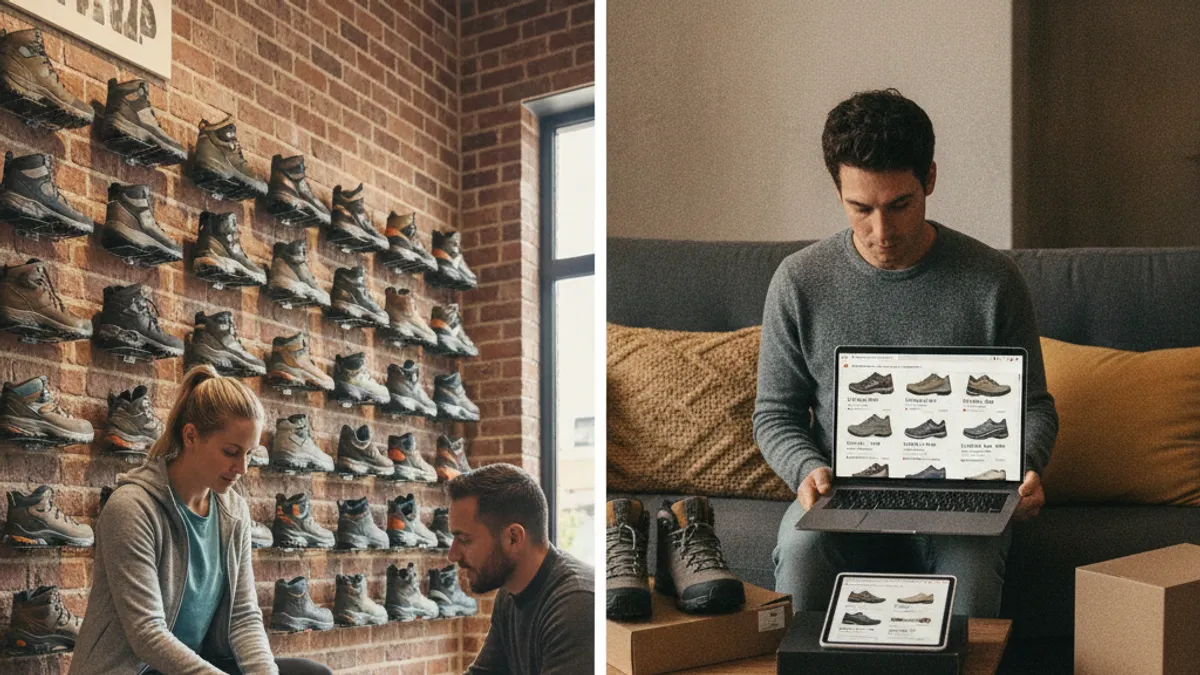
The decision between buying hiking shoes in a physical store or online boils down to prioritizing certain factors. For some, the tactile experience of trying shoes on and getting immediate expert advice is non-negotiable. For others, the sheer volume of choice and potential cost savings offered by online retailers are more appealing. Understanding these trade-offs is key to making the best choice for your individual needs and shopping style.
Pros and Cons of Buying Hiking Shoes In-Person
| Aspect | Pros | Cons |
|---|---|---|
| Fit | Immediate, tactile assessment; reduced risk of poor fit. | Limited to what’s on the shelf; can’t replicate long-distance feel. |
| Advice | Expert staff can offer personalized recommendations. | Quality of advice varies; staff may push certain brands. |
| Selection | Can see and feel materials/construction directly. | Limited range of brands, models, and sizes compared to online. |
| Convenience | Immediate purchase and use. | Requires travel to store; can be time-consuming. |
| Price | Sometimes best for finding a deal if on sale. | Generally higher prices due to overhead costs. |
| Returns | Easy in-person returns. | Limited to the store’s return window. |
Pros and Cons of Buying Hiking Shoes Online
| Aspect | Pros | Cons |
|---|---|---|
| Fit | Can research extensively, read reviews on fit. | Cannot physically try on; higher risk of incorrect size/fit. |
| Advice | Access to vast numbers of user reviews and product specs online. | Lacks personalized, in-person expert guidance. |
| Selection | Vast array of brands, models, sizes, and widths available. | Can be overwhelming; harder to discern subtle quality differences. |
| Convenience | Shop anytime, anywhere; delivered to your door. | Requires waiting for shipping; potential return shipping hassle. |
| Price | Often more competitive pricing, sales, and discount opportunities. | Risk of counterfeit goods on less reputable platforms. |
| Returns | Generally flexible return policies, though process varies. | Requires packing and shipping back items. |
Who Should Buy Where? Matching Your Needs
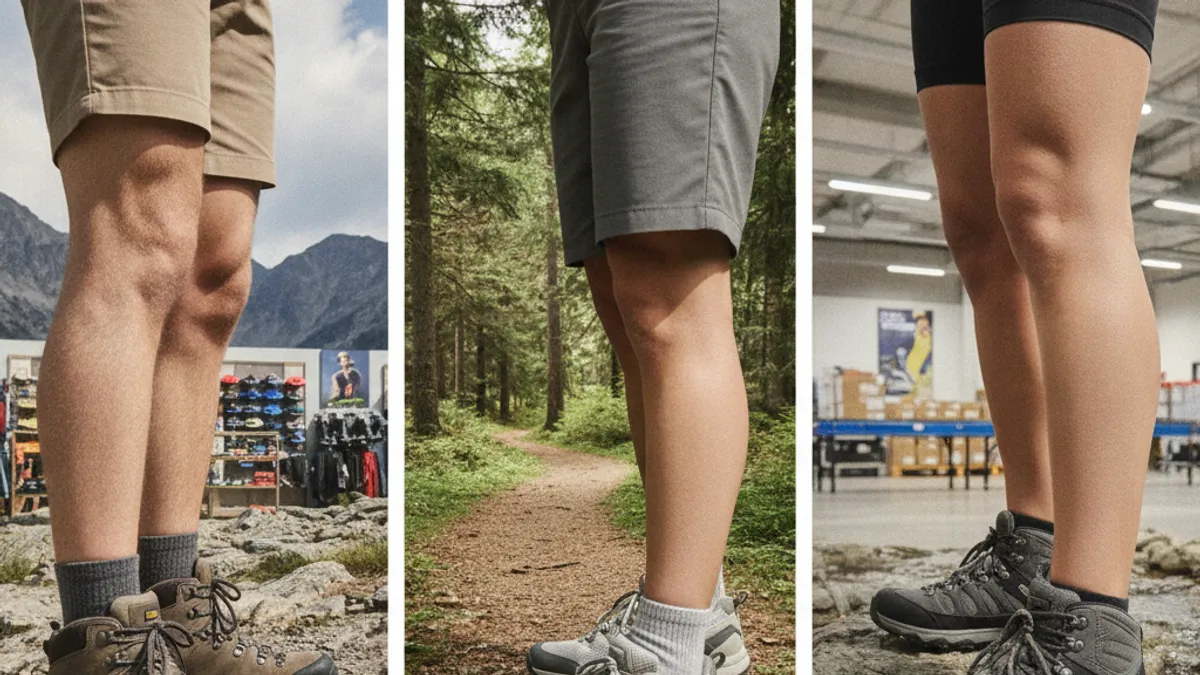
Choosing the right purchasing method depends heavily on your personal priorities and immediate situation. If you’re a seasoned hiker who knows exactly what model and size you need, online shopping offers efficiency and potential savings. However, if you’re new to hiking, experiencing foot issues, or simply want the assurance of a perfect fit, heading to a physical store is definitely the way to go.
Best For: Immediate Hikes and Unknown Sizes
If you have an upcoming hike within the next few days and your current footwear is inadequate, a brick-and-mortar store is your best bet. This scenario demands immediate acquisition. Furthermore, if you’re unsure about your exact shoe size or are trying a new brand, physically trying shoes on is paramount. This allows for critical assessments of toe box space, heel lockdown, and overall comfort under simulated walking conditions, significantly reducing the risk of blisters on your next outing.
For beginner hiking footwear advice, see Best Hiking Boots For Beginners.
Best For: Specific Models and Price Hunting
For experienced hikers who know precisely which model and size of hiking shoe works best for them, online retailers shine. Specialty online stores and major marketplaces often provide a wider selection of brands and models than any single physical store could stock. This extensive inventory makes it easier to find niche products or specific colorways. Additionally, online platforms frequently offer more aggressive pricing, sales, and discount codes than brick-and-mortar locations, making them ideal for budget-conscious shoppers or those looking for the absolute best deal as of 2026.
Common Mistakes When Buying Hiking Shoes
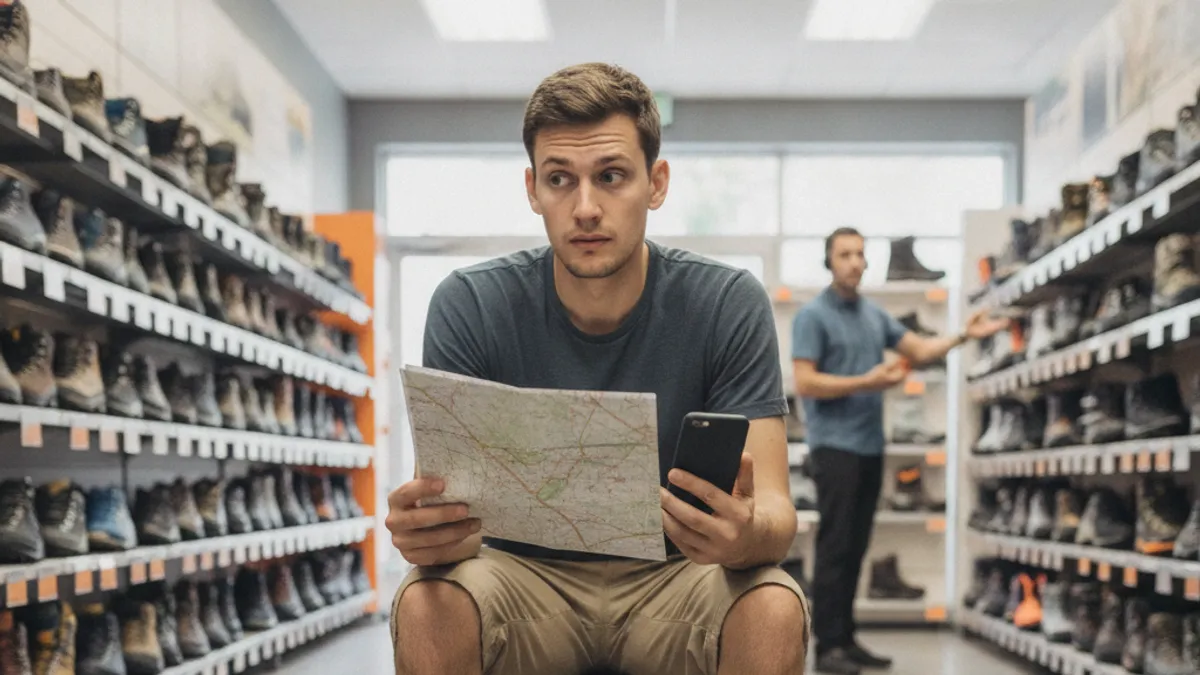
Making the wrong choice when buying hiking shoes can lead to discomfort, blisters, or even injury on the trail. Our analysis of verified buyer feedback and common user experiences points to several recurring missteps. Avoiding these can save you a lot of pain and improve your overall hiking satisfaction, whether you’re embarking on a short trail walk or a more strenuous hike.
Skipping the Fit Test
A primary mistake people make, especially when buying online, is not thoroughly assessing the fit. This goes beyond just knowing your general shoe size. Many aggregate reviews report that individuals skip trying on shoes for an extended period in the store, or they don’t account for feet swelling during a hike. Manufacturer specifications can detail recommended trekking styles, but they can’t replace the actual feel of the shoe on your foot.
Ignoring Reviews and Specs
Another common error is overlooking crucial product details. Don’t just glance at the pictures. Dive into the product specifications provided by the retailer or manufacturer. Details about materials, sole construction, and claimed waterproofing (like Gore-Tex performance) are important.
Similarly, aggregated customer reviews can offer invaluable insights into how shoes perform in real-world conditions, highlighting potential issues like premature wear or poor traction on wet surfaces.
Not Considering Your Hiking Style
Buying a shoe without matching it to your intended use is a significant misstep. A lightweight trail runner designed for fast day hikes won’t provide the ankle support or durability needed for a rugged, multi-day backpacking trip. Conversely, a heavy, stiff boot can be overkill for casual strolls. Understanding the demands of your typical hikes should guide your purchase, as detailed in guides on trail runners vs hiking boots.
Costs / Pricing / Data / Specs
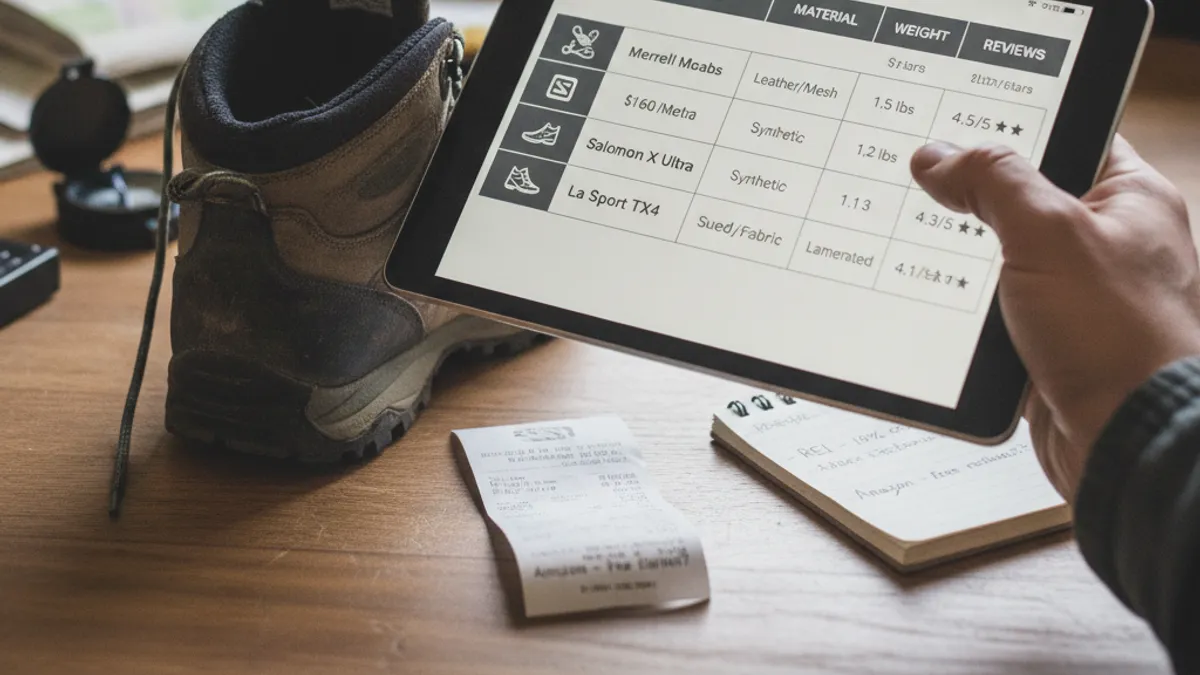
The price of hiking shoes can range significantly, from under $50 for basic trail shoes to over $200 for high-end, technical boots. Understanding what influences this cost can help you make an informed decision about value. Generally, more expensive shoes incorporate higher-quality materials, advanced cushioning technologies, more robust waterproofing, and enhanced durability features.
A common specification to look for is midsole material, such as EVA (ethylene-vinyl acetate) or polyurethane. EVA is lighter and more cushioning but can compress over time. Polyurethane offers greater durability and support, albeit with more weight. Looking at manufacturer specifications will reveal these details, with brands like Salomon often detailing their proprietary technologies for midsole and outsole components on their official website.
As of 2026, you can widely expect entry-level hiking shoes to cost between $70-$120, mid-range options from $120-$180, and premium models exceeding $180.
Expert Tips / Pro Advice
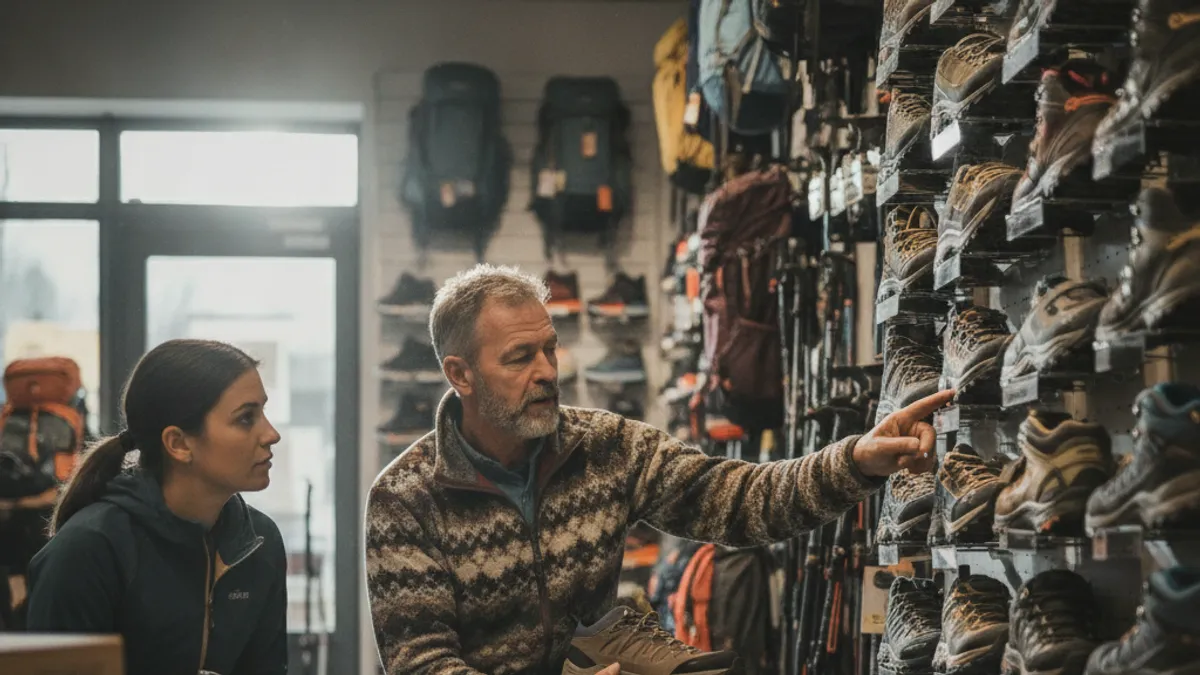
For seasoned hikers and gear enthusiasts, a few key pieces of advice can elevate your buying process. First, consider socks as part of the equation; always try on potential hiking shoes with the type of socks you’ll actually wear on the trail, as sock thickness can significantly impact fit. Many experts recommend a wool or synthetic blend sock, offering breathability and moisture-wicking properties, which you can learn more about in discussions on what to wear hiking for beginners.
Second, break in new shoes before a significant trek. Even shoes that feel great in the store can cause issues after several hours of continuous use. Wearing them around the house or on short walks for a few days can help mold them to your feet and reveal any potential hot spots. Finally, don’t underestimate the value of a good outsole.
Brands like Vibram are known for their durable and high-traction rubber compounds, a feature often highlighted in detailed product specs and reputable reviews.
Safety / Legal / Compliance / Warnings
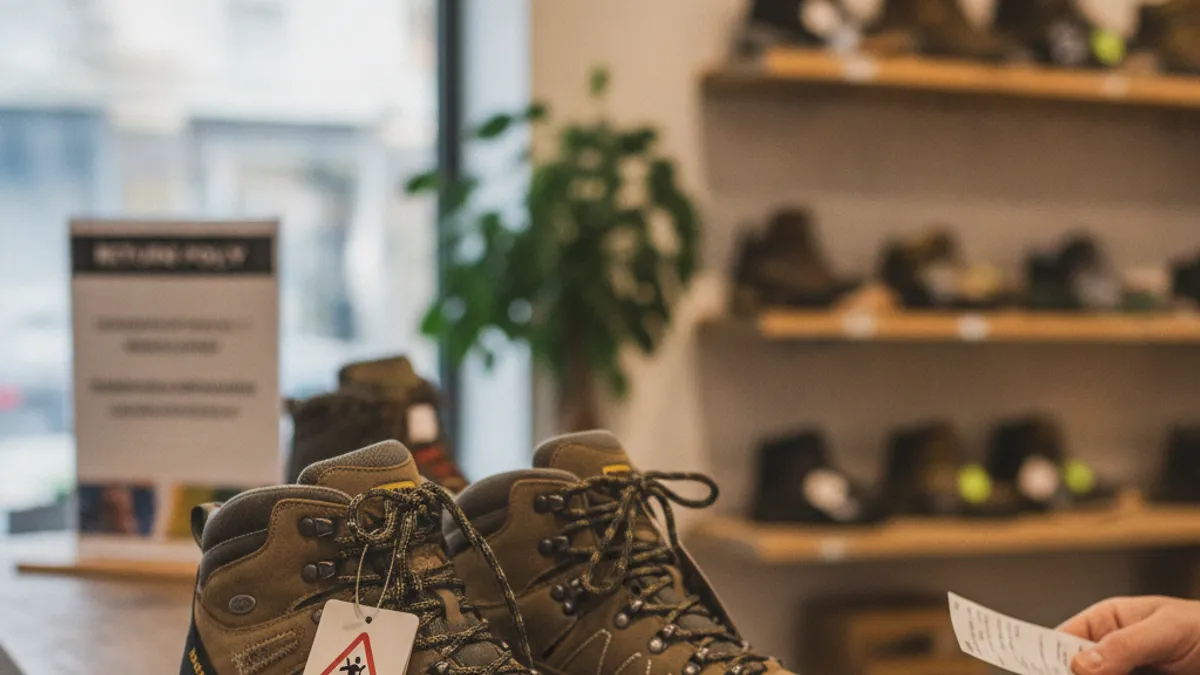
While there are no strict legal mandates for purchasing hiking shoes, safety is paramount. The primary risk associated with incorrect footwear is injury. Poor-fitting shoes can lead to blisters, sprains, or even more severe foot and ankle problems, especially on uneven terrain. When shopping, be aware that some retailers might offer products that don’t meet robust quality standards, particularly on less reputable online marketplaces.
Always check the materials and construction. For instance, if waterproofing is a key requirement, look for specific technologies advertised by brands, such as Gore-Tex. Manufacturer documentation can often provide details on the level and type of waterproofing achieved. While no official certification is required, opting for well-established brands with a track record of quality can mitigate risks.
Remember that using outdated or damaged footwear can also compromise safety; regularly inspect your shoes for wear and tear.
