
Curious about when is National Hiking Day? Mark your calendars for the first Saturday in June. This special day encourages everyone to get outside and appreciate the trails. If you’ve got a favorite path or are looking for an excuse to explore somewhere new, this is the perfect opportunity.
The event, celebrated most prominently in the United States, aims to foster a greater connection with nature and promote physical activity. For reference, official standards for trail safety, such as those promoted by the U.S. Forest Service, emphasize preparedness and responsible use, concepts that align perfectly with observing National Hiking Day. So, let’s dive into how you can best celebrate.
Why Celebrate National Hiking Day?
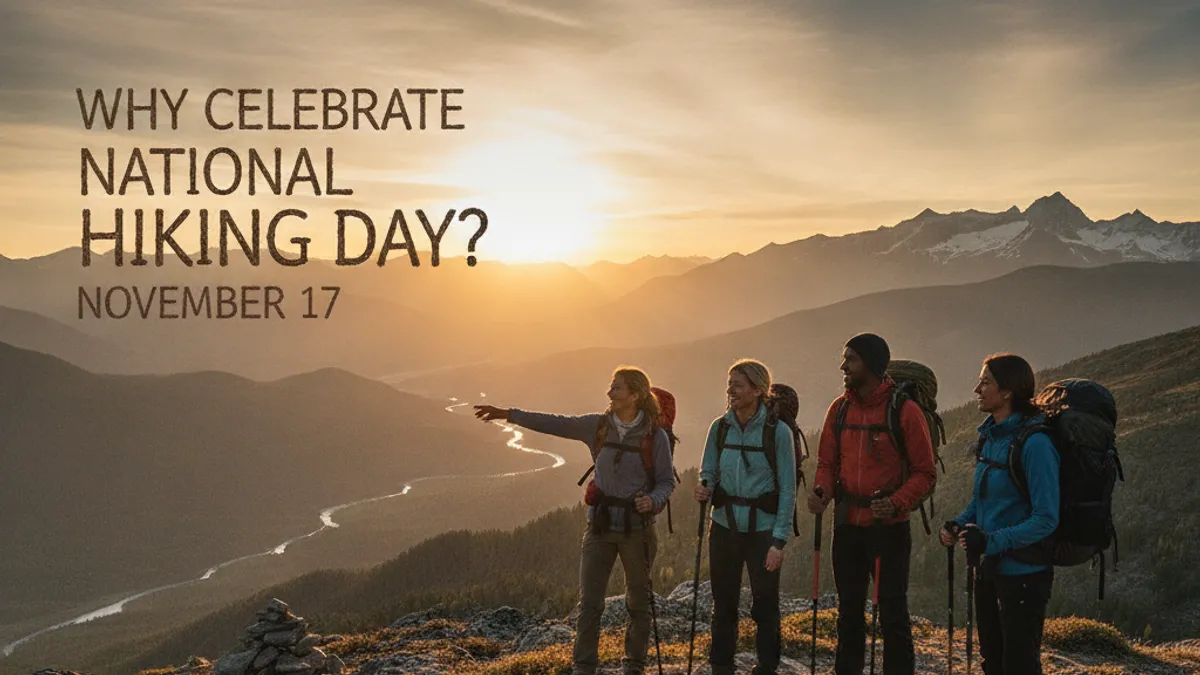
This day isn’t just another date on the calendar; it’s a meaningful push to embrace the outdoors and the countless benefits that come with it. Celebrating National Hiking Day serves multiple purposes, acting as a catalyst for personal well-being and environmental consciousness. It’s a chance to disconnect from the daily grind and reconnect with the natural world that sustains us.
Our research indicates that regular hiking significantly contributes to both physical and mental health. It’s a fantastic way to boost cardiovascular fitness, strengthen muscles, and improve balance. Beyond the physical, spending time in nature is known to reduce stress, improve mood, and enhance cognitive function. This aligns with the principles of conservation that organizations like the National Park Service champion.
How to Make the Most of National Hiking Day
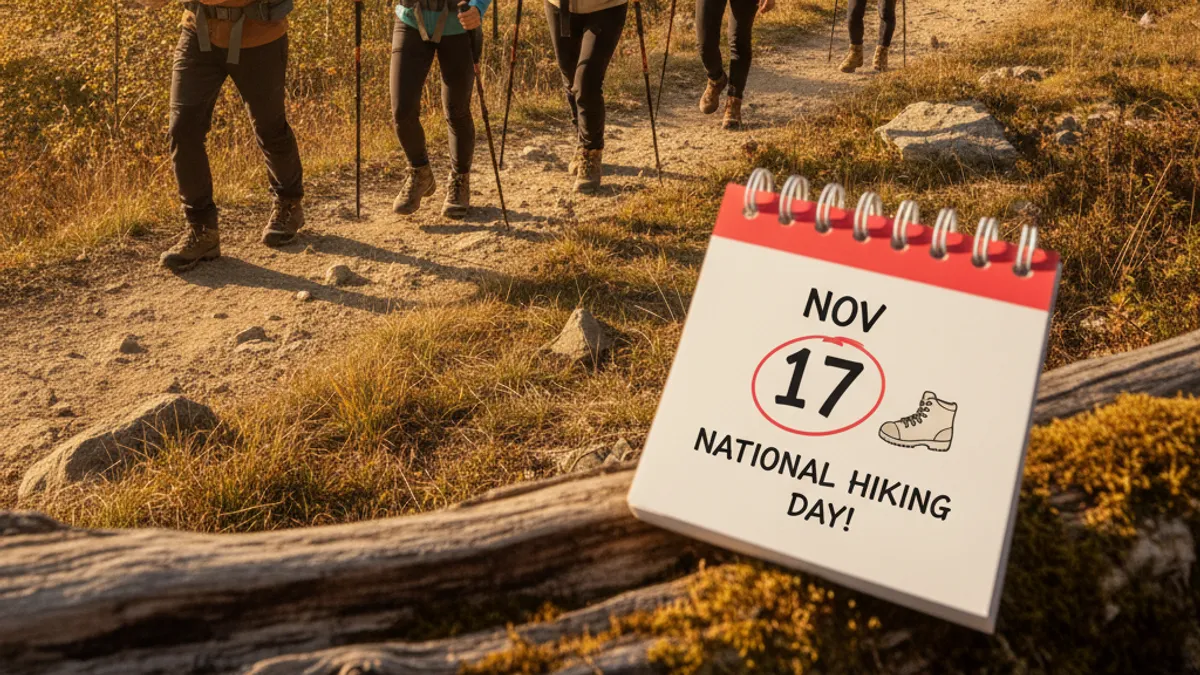
To truly embrace National Hiking Day, a little preparation goes a long way. It’s about more than just lacing up your boots; it’s about planning an experience that’s safe, enjoyable, and meaningful for you and whoever you’re hiking with. Whether you’re a seasoned trekker or just starting out, thinking ahead ensures you can focus on the scenery and the satisfaction of being on the trail.
Think of it as crafting your ideal outdoor adventure. This involves considering where you’ll go, what you’ll need, and how you’ll keep yourself and others safe and comfortable. By following a few key steps, you can transform a simple walk into a memorable celebration of nature and movement.
Planning Your Perfect Hike
The first step in a great National Hiking Day is choosing the right trail for your skill level and desired experience. Consider factors like distance, elevation gain, and terrain difficulty. For beginners, shorter, flatter trails are ideal. Experienced hikers might opt for more challenging routes with significant elevation changes or longer distances.
- Assess Your Fitness: Be honest about your current physical condition. A strenuous hike isn’t enjoyable if you’re left exhausted. Our research into beginner hiking practices suggests starting with trails that are 3-5 miles long with minimal elevation gain.
- Research Trail Conditions: Check recent trail reports for any closures, maintenance, or hazardous conditions. Websites for national and state parks often provide this information.
- Consider the Scenery: Are you looking for panoramic views, a peaceful forest walk, or a trail alongside a creek? Knowing your preference helps narrow down your options.
- Think About Companions: If you’re hiking with family, friends, or pets, select a trail that accommodates everyone’s needs and abilities.
For those new to hiking, resources like our guide on What To Wear Hiking For Beginners can offer valuable advice on selecting appropriate clothing and footwear for your chosen trail.
Gear Up for the Trail
Once your trail is picked, gathering the right gear is crucial. The essentials can vary based on the hike’s length and complexity, but some items are universally important. Proper gear not only enhances your comfort but also ensures your safety on the trail.
Here’s a breakdown of must-have items:
- Footwear: Sturdy hiking boots or trail runners with good traction are essential. In our research on footwear, we’ve found that Trail Runners Vs Hiking Boots can be a good option for many, especially on well-maintained paths. If you’re unsure about choosing boots, check out our guide on How To Choose Hiking Boots.
- Clothing: Dress in layers using moisture-wicking fabrics. Avoid cotton, as it retains moisture and can lead to chilling. Consider a waterproof or windproof outer layer. Our article on What To Wear Hiking For Beginners covers this in detail.
- Navigation: A map and compass, or a GPS device/app, are vital, especially on unfamiliar trails. Ensure you know how to use them.
- Hydration: Carry plenty of water. A good rule of thumb is about one liter per two hours of hiking, but this can vary based on exertion and weather. Staying hydrated is key; see our tips on How To Stay Hydrated On A Hike.
- Nutrition: Pack high-energy snacks. We recommend Best Hiking Snacks For Energy for sustained fuel.
- Safety Kit: Include a first-aid kit, sun protection (sunscreen, hat, sunglasses), a headlamp (even for day hikes, see Hiking Headlamp Reviews), and a multi-tool or knife.
A comprehensive Beginner Hiking Checklist can ensure you haven’t overlooked any critical items.
Trail Etiquette and Safety First
Being a responsible hiker is just as important as enjoying the scenery. Practicing good trail etiquette and prioritizing safety ensures a positive experience for everyone and helps protect the natural environment. These aren’t strict rules, but rather common-sense guidelines that make the trails better for all users.
- Leave No Trace: Pack out everything you pack in, stay on marked trails, and respect wildlife. This core principle is vital for preserving the areas we love to explore.
- Yield Appropriately: Hikers going uphill generally have the right of way. Cyclists and equestrians should yield to hikers.
- Control Your Pets: If pets are allowed, keep them leashed and clean up after them.
- Minimize Your Impact: Avoid loud noises that can disturb wildlife and other hikers.
- Tell Someone Your Plans: Always let a friend or family member know where you’re going and when you expect to be back. This is a critical safety step.
- Check the Weather: Weather can change rapidly in the outdoors. Be prepared for different conditions, including sudden rain or temperature drops.
Following these simple practices ensures that National Hiking Day is a safe and enjoyable occasion for everyone involved. Relevant guidance on trail preparation can be found in our article on What To Bring On A Day Hike.
Avoiding Common Hiking Day Fumbles
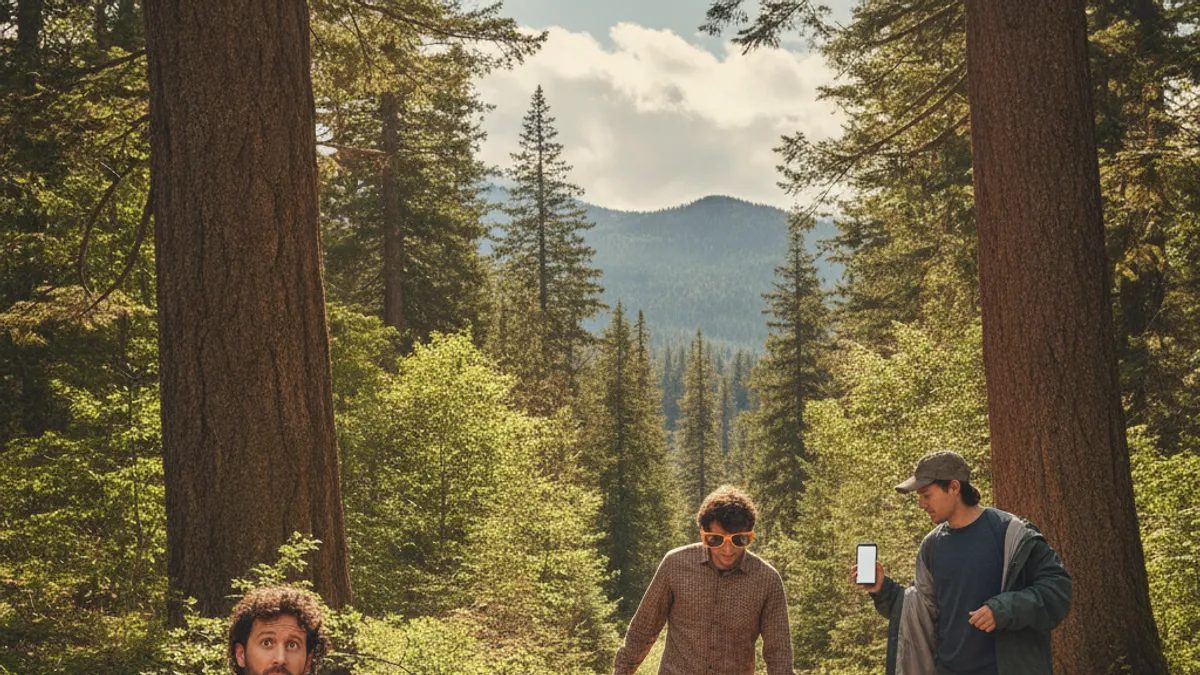
Even on a day dedicated to enjoying the outdoors, a few common mistakes can turn a great hike into a frustrating one. Being aware of these pitfalls beforehand allows you to sidestep them and ensure your National Hiking Day is a success. Most of these have simple solutions if you know what to look for.
Here are some common fumbles to avoid:
- Underpacking Water: This is a big one. Dehydration can happen quickly, especially on warmer days or during strenuous hikes. It’s always better to have a little extra water than not enough. Ensure you’re following recommendations like How Much Water To Drink Hiking.
- Wearing the Wrong Shoes: Cotton socks or unsupportive shoes can lead to blisters and discomfort. Our research on Waterproof Hiking Boots Worth It and Are Army Boots Good For Hiking highlights the importance of proper footwear.
- Ignoring the Weather Forecast: A sunny morning can quickly turn into a rainy afternoon. Failing to check the forecast or prepare for potential changes can lead to an uncomfortable or even dangerous situation.
- Getting Lost: Not having a map, compass, or GPS, or not knowing how to use them, can quickly lead to trouble. Wandering off-trail is also a common way to become disoriented.
- Forgetting Snacks: Hunger can sap your energy and ruin your mood. Relying on just one type of snack can also be a mistake; a variety of energy-boosting options is best. For ideas, explore our Hiking Meal Prep Ideas or Best Food To Bring On A Long Hike.
- Overestimating Your Abilities: It’s tempting to aim for a challenging route, but starting too big can lead to fatigue, injury, or a negative experience. Building up your stamina with a Hiking Workout Plan For Beginners is a smart approach.
By keeping these common mistakes in mind, you can plan and execute a National Hiking Day that’s both enjoyable and safe.
Who Should Celebrate National Hiking Day?
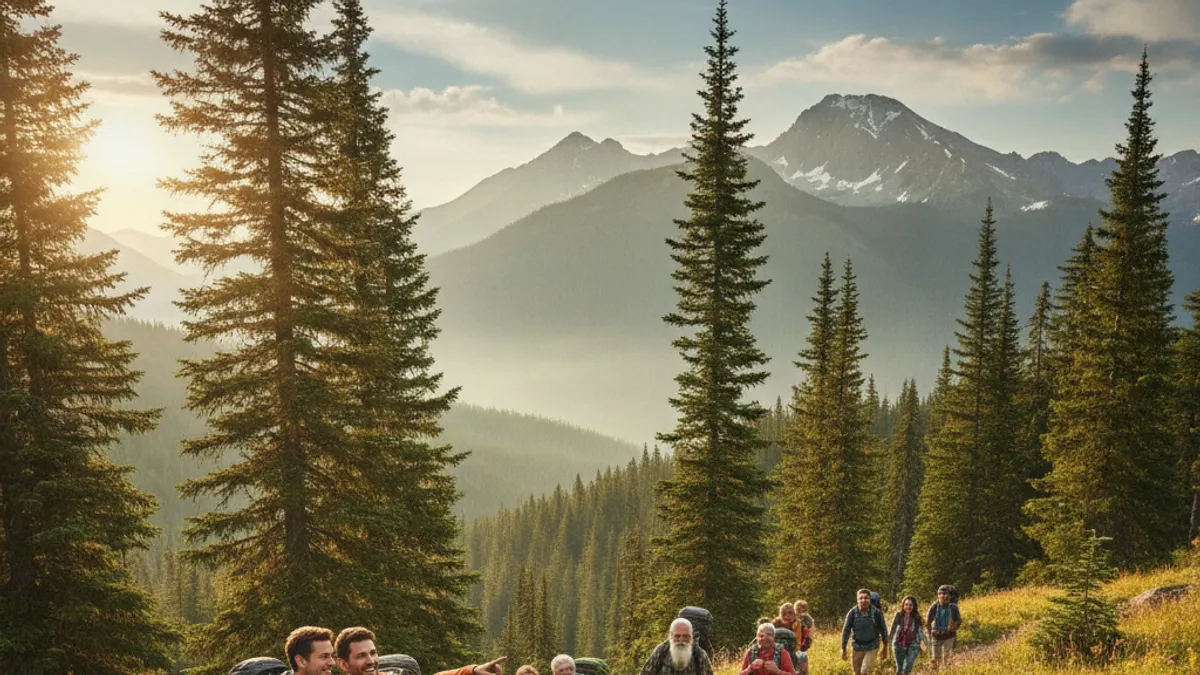
The beauty of National Hiking Day is its inclusivity. This celebration is for absolutely anyone who has an appreciation for the outdoors, a desire to move their body, or simply wants an excuse to explore. You don’t need to be a hardcore mountaineer or an experienced backpacker to participate.
Essentially, if you can walk, you can likely enjoy a hike. This includes individuals looking for solitary reflection, families seeking quality time together, groups of friends wanting an adventurous outing, and even dog owners eager to share the trail with their canine companions. These principles hold true as of 2026, with the emphasis continuing to be on making nature accessible.
Consider these groups who have specific reasons to celebrate:
- Beginner Hikers: It’s the perfect low-pressure opportunity to try out local trails and test beginner gear. Our guides on Best Hiking Boots For Beginners and What To Wear Hiking For Beginners are excellent starting points.
- Experienced Hikers: Use the day to tackle a new challenge trail, revisit a beloved classic, or organize a group outing. It’s a chance to share your passion and perhaps introduce someone new to the joys of the trail.
- Families with Children: Hiking is a fantastic way to get kids outdoors, connect them with nature, and teach them about the environment in a fun, active way.
- Fitness Enthusiasts: Incorporating hiking into your fitness routine is a great way to vary your workouts and build strength and endurance. See our article on Hiking Workout Plan For Beginners for ideas.
- Nature Photographers & Wildlife Watchers: The day provides prime opportunities to capture stunning landscapes or observe local fauna in their natural habitat.
Ultimately, National Hiking Day is for anyone who wants to experience the simple pleasure of walking through nature.
