
So, you’re on the hunt for new hiking boots. That’s a fantastic move towards your next outdoor escapade! When it comes to where to buy hiking boots, the options can feel overwhelming, but they really boil down to a couple of core approaches. Getting this right means happy feet on the trail, avoiding the dreaded blisters and discomfort that can ruin a good hike.
Our research shows that the most crucial factor in buying hiking boots is ensuring a proper fit coupled with the right boot for your intended use. For instance, manufacturer specifications for many mid-weight hiking boots indicate a need for .75 inches of space between your longest toe and the front of the boot when your heel is firmly seated. This article will guide you through the best places to find that perfect pair.
The Big Decision: Where to Buy Hiking Boots?
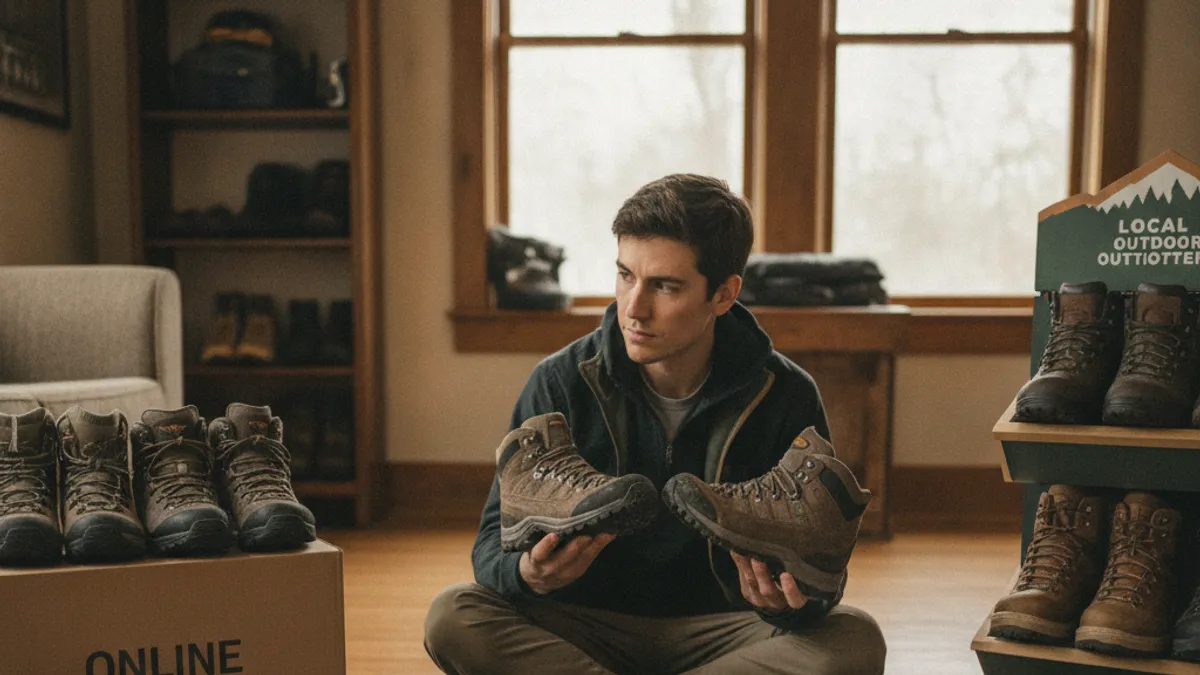
This is where you decide the path you’ll take to acquire your new hiking footwear. It’s not just about convenience; it’s about what kind of experience you want and what you prioritize. Do you value expert advice and the ability to physically try before you buy? Or are you comfortable hunting for deals online, trusting reviews and return policies?
The choice significantly impacts your chances of walking away with boots that will become your trusted companions on the trail, rather than a source of regret. Understanding the differences between outdoor gear stores and online retailers is your first major step.
Physical Stores vs. Online Shopping
This is your primary fork in the road. Both have distinct advantages and disadvantages, and knowing them will steer you toward the right choice for your specific needs and preferences as a hiker. Think about the kind of support and experience you want. Are you a seasoned pro who knows exactly what brand and model to get?
Or are you newer to hiking and need guidance on what features matter most for your planned adventures?
Hitting Up Your Local Gear Shop: The In-Person Advantage
For many, the local outdoor gear store is the gold standard when it comes to purchasing hiking boots. There’s an almost tangible benefit to the human element involved. You can tap into the knowledge of people who spend their own time hiking and climbing, and who get trained on the products they sell. This hands-on, expert-driven experience is hard to replicate, and it often leads to a better final purchase.
It’s about more than just a transaction; it’s about getting fitted for an essential piece of your outdoor kit.
-
What’s Great About It:
- Expert Advice: This is the MVP. You get to talk to people who live and breathe this stuff. They can look at your feet, talk about the kind of hiking you do, and recommend boots that’ll actually work. They’ll probably ask about terrain, load you’ll carry, and how often you hike. This personalized interaction is invaluable, especially if you’re unsure about what features you need.
- Trying Them On for Real: You can actually put them on, walk around the store, maybe even on a little ramp if they have one. You get a tangible feel for the boot fit, support, and how your heel feels. No guesswork here; you feel it directly. This ability to perform a mock hike in the store is crucial for assessing comfort and potential hot spots.
- See and Feel the Boots: You can touch the materials, check out the tread, and get a tactile sense of the quality and construction. This is important because subtle differences in leather grain or synthetic weave can impact durability and water resistance, as discussed in guides like Waterproof Hiking Boots Worth It.
- Easier Returns/Exchanges: If something feels off even after you leave the store, or if you encounter a defect, returning to a physical location is typically a more straightforward process than dealing with online returns.
-
The Downsides:
- Pricey Sometimes: You might pay a bit more than you would online for the same boot. This premium often covers the cost of expert staff, store overhead, and the immediate availability of the product.
- Selection Might Be Limited: While good shops have a decent range, they can’t stock every single model and brand out there like a massive online retailer can. You might find your dream boot isn’t carried locally.
Shopping Online: The Digital Trailhead
Online shopping has revolutionized how we buy almost everything, and hiking boots are no exception. It’s a powerful option, especially if you’re on a budget or have a specific boot in mind. The sheer volume of products available through online retailers is unmatched by any physical store. However, this convenience comes with its own set of challenges, primarily centered around the inability to physically assess the product before purchasing.
-
What’s Great About It:
- Huge Selection: You’ve got pretty much every brand, model, color, and size imaginable at your fingertips. This breadth of choice can be a lifesaver if you have specific needs or are looking for a particular niche boot that local stores don’t carry.
- Price Wars: You’ll often find much better deals and sales online. It’s easier to compare prices across different online retailers, potentially saving you significant money. As of 2026, online platforms frequently offer discounts that are hard to find in brick-and-mortar stores.
- Convenience: Shop from your couch, anytime. No need to drive to a store, find parking, or deal with crowds, especially convenient if store hours don’t match your schedule.
-
The Downsides:
- No Trying Them On: This is the big one. You cannot truly know how a boot will feel on your foot until you try it on. Reading reviews is helpful, but everyone’s feet are different, and a tiny variation in boot fit can be the difference between comfort and agony.
- Fit Issues & Returns: If they don’t fit, you’re dealing with the hassle of packing them up, shipping them back, and waiting for an exchange or refund. It can be a real pain, and sometimes there are restocking fees or return shipping costs that eat into your savings.
- Lack of Expertise: You’re on your own for advice. You have to be your own expert, which isn’t ideal if you’re new to this or unsure about which boot features will best suit your hiking style.
So, Where Should YOU Actually Go?
Honestly, for most people, especially if you’re not a seasoned boot-buyer, starting at a reputable outdoor gear store is usually the best bet. The ability to get fitted by knowledgeable staff and actually feel the boot fit is unparalleled. You get to test out different brands and models, feel the materials, and get immediate feedback on how the boot interacts with your foot’s unique shape. This is crucial for preventing common problems and pain points like blisters or heel slippage, which can arise from an ill-fitting boot.
It’s an investment in your comfort and a proactive step against future foot ailments on the trail.
Here’s what our editorial analysis suggests you do:
- Do Some Homework First: Browse online a bit to get an idea of brands and models you’re interested in. Look at what different types of hiking boots are out there (e.g., light hikers, mid-weight boots, heavy-duty mountaineering boots) and what they’re good for. Think about your typical hike. Are you doing short day hikes on well-maintained trails? Or are you planning on multi-day trips with a heavy backpack over rough terrain? Understanding these aspects will help you narrow down your options before you even step into a store. For beginners, checking out guides on How To Choose Hiking Boots can be incredibly helpful for this initial research phase.
- Head to a Store: Find a local shop that specializes in outdoor gear. Talk to the staff. Tell them what you learned about your needs and what you’ve seen online. They are your primary source of personalized advice and can help translate your requirements into specific boot recommendations.
- Try ‘Em On (and Mock Hike!): This is crucial. Put on the socks you’d normally wear hiking. Try on several pairs from different brands. Walk around. Go up and down stairs if they have them. Wiggle your toes. Check for any pinching or rubbing. A good salesperson will watch how you walk and give feedback on your gait and any potential pressure points. This hands-on assessment is the key to avoiding future issues.
- If You Must Buy Online: Only do this if you are absolutely certain about the specific boot model and size, perhaps because you’ve already tried it on at a store. Many online retailers have generous return policies, but it’s still a gamble. Be prepared to go through the return process if the fit isn’t quite right, and always check the retailer’s specific policy on exchanges and refunds before you commit.
Hiking Boot Buying: Key Pros and Cons
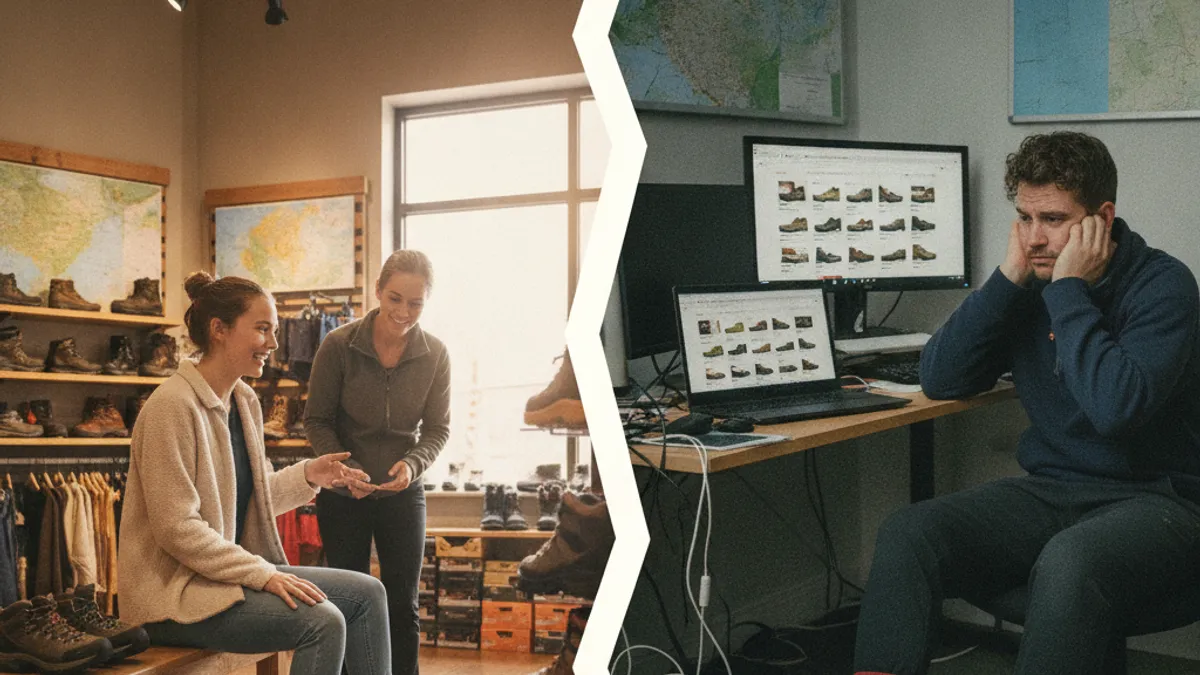
Understanding the trade-offs between different purchasing methods is essential for making a smart decision. Each approach offers unique benefits, but also presents potential drawbacks that could impact your overall satisfaction with your new footwear. Think of this as weighing the convenience of immediate acquisition against the certainty of a perfect fit.
| Feature | Outdoor Gear Store | Online Retailer |
|---|---|---|
| Fit & Feel | Excellent: You try before you buy, walk around, and get immediate feedback on boot fit. | Poor: You’re guessing based on size charts and potential material feel. No true test possible until boots arrive. |
| Expert Advice | Excellent: Staff are knowledgeable guides. They help assess your needs and recommend appropriate boot features. | None: You rely on reviews or your own research. This can be insufficient for complex needs or if you’re a beginner. |
| Selection | Good, but can be limited compared to online. You might find the best brands and models for your region. | Vast: Almost every option is available. You can find niche boots or compare specific models from a wide array of vendors. |
| Price | Often higher, but reflects service and immediate availability. You might pay more for the expertise. | Often lower: Good for finding deals. Price ranges can vary wildly, so comparison shopping is key to saving money. |
| Convenience | Immediate gratification, but requires a trip. You can walk out with boots the same day. | Shop anytime, anywhere. However, waiting for delivery and potential return process can reduce overall convenience. |
| Returns/Exchanges | Generally easier and more direct in-store. Less time spent packing and shipping. | Can be a hassle (packing, shipping, waiting). Policies vary; some may charge restocking fees or return shipping costs. |
| Risk of Error | Lower, due to expert fitting and physical try-on. | Higher, especially regarding incorrect boot fit and suitability for intended use cases. |
How to Ensure the Perfect Fit When You Buy
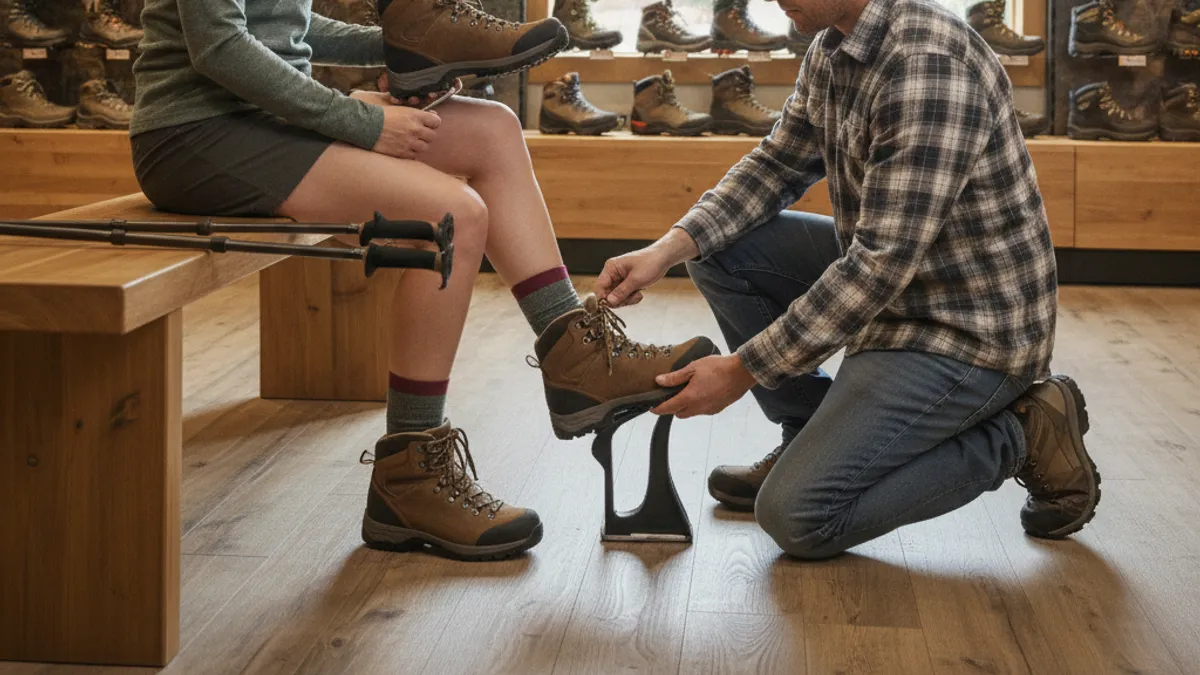
Getting the right fit is the absolute most critical element when buying hiking boots. This isn’t just about comfort; it’s about preventing injuries, blisters, and fatigue that can shorten your hikes. A boot that pinches, rubs, or feels too loose can quickly turn an enjoyable outing into a miserable experience. Therefore, prioritizing the fitting process is paramount.
Trying On Boots Properly
Manufacturer specifications and expert recommendations consistently highlight the importance of a thorough try-on. Here’s how to approach it:
- Wear Your Hiking Socks: Always wear the thickest socks you intend to hike in. These can significantly affect the boot fit. They add bulk and can alter how a boot feels on your foot compared to wearing thin everyday socks.
- Go Later in the Day: Your feet swell throughout the day, especially after activity. Trying on boots in the afternoon or evening mimics how your feet will feel after hiking for a few hours. Many retail associates will advise you to do this.
- Check Toe Room: With your heel pushed firmly back into the boot, you should be able to comfortably wiggle all your toes. There should be about a finger’s width (roughly 0.5 to 1 inch, or 1.25 to 2.5 cm) of space between your longest toe and the front of the boot. This prevents your toes from jamming into the front on descents.
- Assess Heel Lock: Your heel should not lift excessively when you walk. Some slight lift is normal in new boots, but significant movement can lead to blisters. Pay attention to any rubbing or hot spots around your ankle and heel cup.
- Walk Around: Don’t just stand there. Walk around the store, ascend and descend any ramps or stairs available. Pay attention to how the boot flexes with your foot and where any pressure points might occur.
- Consider Arch Support: While insoles can be replaced, the built-in support of the boot is important. Does it feel like it complements your natural arch, or is it poking or uncomfortable? How To Choose Hiking Boots discusses this in more detail.
- Try Multiple Pairs: Never settle for the first pair. Try on different brands and models. Even within the same brand, different boot models can have vastly different fits due to variations in last shape and construction.
Common Mistakes When Buying Hiking Boots
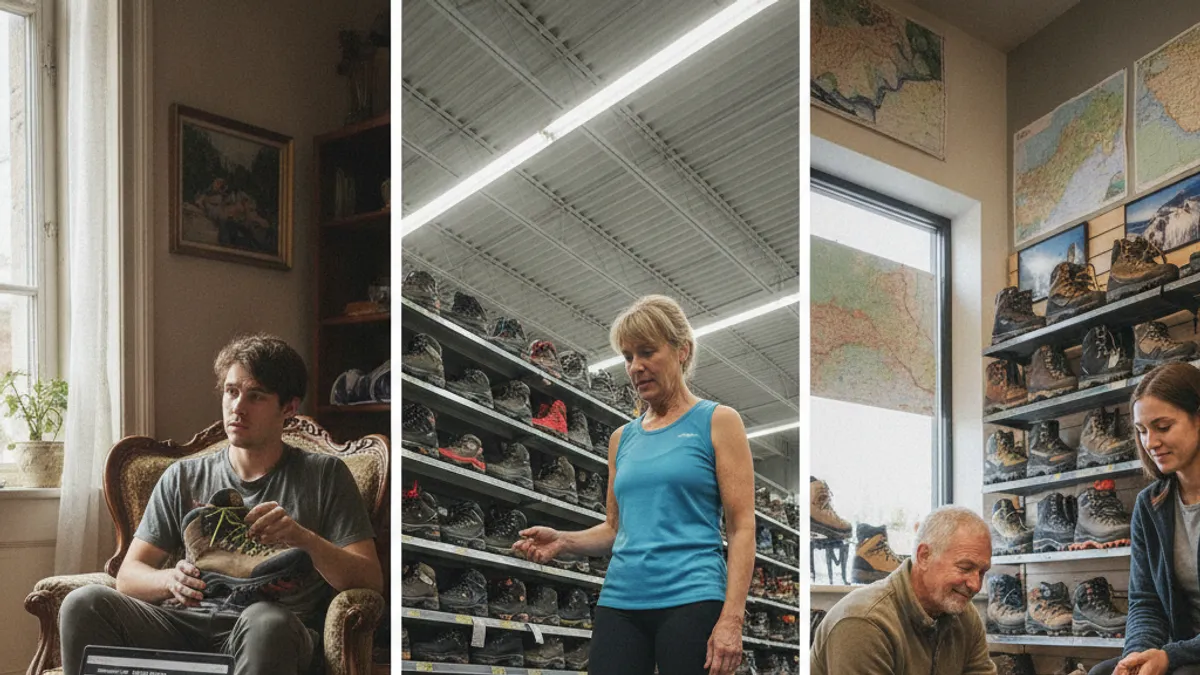
Many hikers, especially those new to the sport, make a few common errors that can lead to poor boot selection and subsequent discomfort on the trail. Avoiding these pitfalls is crucial for ensuring you invest in footwear that will serve you well. The goal isn’t just to buy boots, but to buy the right boots for your feet and your adventures.
- Prioritizing Price Over Fit: The cheapest pair is rarely the best long-term value if they don’t fit correctly. An ill-fitting boot can cause pain, blisters, and even lead to more serious injuries, costing you more in the long run through medical attention or simply the inability to hike.
- Ignoring Sock Choice: Wearing thin dress socks or no socks at all when trying on boots is a classic mistake. The impact of good-quality hiking socks on fit and comfort can be immense, and failing to account for them can lead to boots feeling too tight or too loose once you’re on the trail.
- Not Testing on Inclines/Declines: Many people just walk on a flat surface. However, hiking involves varied terrain. Testing boots by walking up and down stairs or ramps in the store mimics crucial hiking movements and reveals potential issues with toe-jamming on descents or heel-slippage on ascents.
- Rushing the Process: Hiking boots are an investment. Spending only a few minutes trying on a pair, or buying impulsively online without prior in-person experience with the model, significantly increases the risk of a poor purchase. Allow ample time for thorough evaluation.
- Assuming Size Translates Directly: Different brands and even different models within a brand can have slightly different sizing. A “size 10” in one boot might feel like a 9.5 or a 10.5 in another. Never assume your usual shoe size will be a perfect fit for a hiking boot without trying it on.
Hiking Boot Buying: Expert Tips for Finding the Right Retailer
To ensure you get the most out of your boot-buying experience, consider these tips from experienced outdoors enthusiasts and retail professionals. These insights go beyond the basic “try before you buy” advice and help you leverage the strengths of different purchasing environments. It’s about being a smart consumer and making an informed decision that benefits your hiking endeavors.
- Seek Out Specialty Stores: Look for dedicated outdoor gear shops rather than general sporting goods stores. Specialists often have better trained staff, a wider selection of reputable hiking-specific brands, and are more likely to offer services like in-store boot fitting.
- Talk About Your Hiking Habits: Be prepared to tell the salesperson about the type of trails you hike, the weight you typically carry, the climate you hike in, and how often you plan to use the boots. This information is vital for them to recommend appropriate boot features and materials.
- Don’t Be Afraid to Ask Questions: If you’re unclear about a feature, like the difference between a full-grain leather boot and a synthetic one, or the benefits of a specific lacing system, ask! Knowledgeable staff are there to educate you.
- Understand Return Policies Thoroughly (Especially Online): Before purchasing online, scrutinize the retailer’s return policy. Know the timeframe, if there are any restocking fees, and who pays for return shipping. For in-store purchases, clarify the policy on returning used boots if they don’t perform as expected on an initial outing.
- Consider the Brand’s Reputation: Some brands have a long-standing reputation for quality and durability in hiking footwear. While not a guarantee, researching brands with a proven track record can be a good starting point. For example, brands known for their reliable waterproof membranes often use materials certified to meet standards like ISO 20345 regarding protective footwear.
- Test with Insoles if You Use Them: If you regularly use aftermarket supportive insoles like Superfeet or Powerstep for your feet, bring them with you to try in the boots. They can significantly alter the internal volume and arch support of a boot.
- Read Recent Reviews: While online reviews can be subjective, aggregated feedback, especially from numerous buyers on reputable sites, can offer insights into common satisfaction levels or recurring problems and pain points associated with specific models or retailers.
Final Verdict: My Recommendation
When you’re weighing where to buy hiking boots, the data and expert consensus point strongly towards a balanced approach that prioritizes fit and expert guidance. For the vast majority of hikers, and especially for beginners, the most reliable path to a satisfying purchase is to start with a visit to a specialty outdoor gear store. The ability to get expert advice and physically try on different boots, assessing the critical boot fit and materials, significantly reduces the risk of buying unsuitable footwear.
While online retailers offer attractive pricing and selection, they introduce a substantial risk of incorrect fit. This risk is only mitigated if you are already intimately familiar with the exact model and size you need. Therefore, our editorial analysis concludes that for obtaining hiking boots that will genuinely support your adventures and prevent discomfort, the synergy of a knowledgeable salesperson and a hands-on try-on experience at a reputable outdoor gear store is hard to beat. This method maximizes your chances of a successful purchase and minimizes the common problems and pain points associated with buying hiking footwear.
