
So, you’re wondering what material is best for hiking? It’s a question that pops up a lot because the right gear fabric can seriously make or break your comfort, safety, and overall enjoyment on the trail. Getting this wrong means dealing with clammy clothes, chilly winds, or gear that falls apart too soon.
Our research into outdoor apparel and equipment, alongside manufacturer specifications, confirms that material choice is paramount. For instance, a high-quality nylon backpack, like much of the gear rated by Cordura® standards, prioritizes abrasion resistance and durability. Let’s dive into what really matters.
Why Material Matters on the Trail
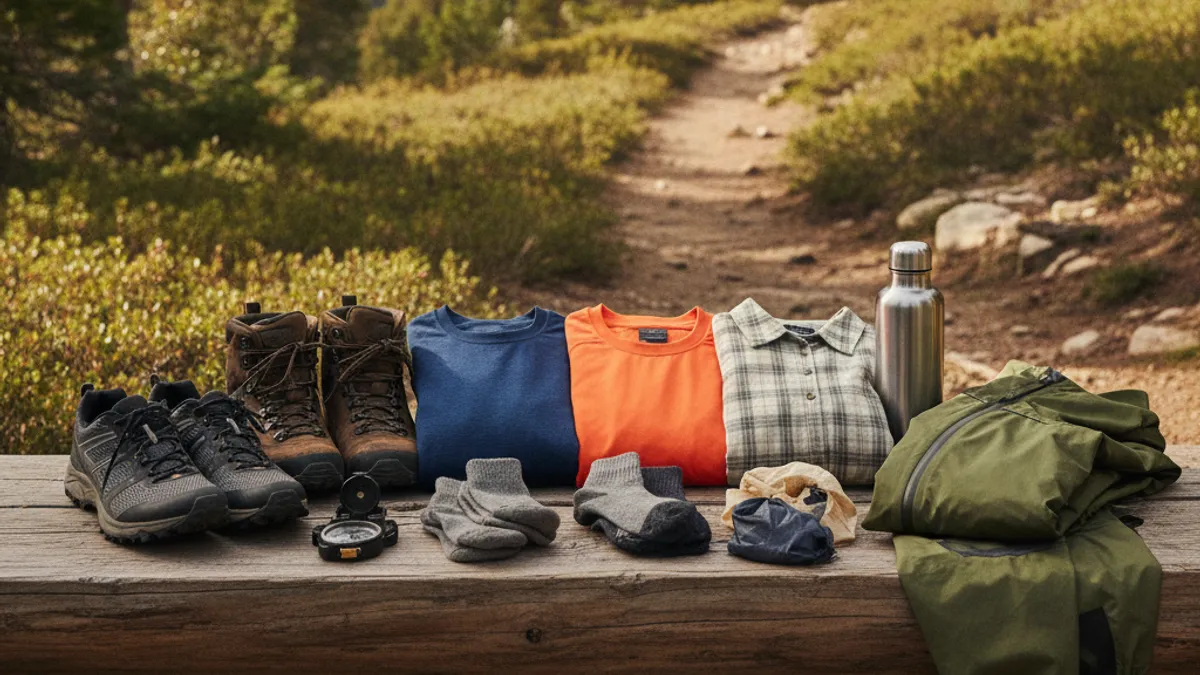
When you’re out for a hike, your gear is your first line of defense against the elements and your body’s own needs. The materials in your clothing, backpack, and tent play a crucial role in how you feel from the moment you step onto the trail until you head home. If your shirt stays soaked from sweat, you’ll feel clammy and uncomfortable, and in cooler conditions, that dampness can lead to chills. This is why performance fabrics are engineered to manage moisture, regulate temperature, and withstand the rigors of outdoor activity.
Manufacturer specifications for technical apparel often highlight a fabric’s “wicking rate,” which is a key metric for performance.
The science behind performance fabrics is about creating a synergistic effect with your body’s thermal regulation. When you exert yourself, your body produces heat and moisture. The ideal material doesn’t just sit there; it actively moves that moisture away from your skin to the outer surface of the fabric where it can evaporate. This process, known as wicking, helps keep your skin dry and your body temperature stable.
Without effective wicking, trapped moisture can lead to discomfort, chafing, and in extreme cases, hypothermia. As of 2026, the outdoor gear market continues to innovate in this area, with new fabric blends and treatments constantly emerging to enhance these properties.
The Big Players: Synthetics vs. Merino Wool
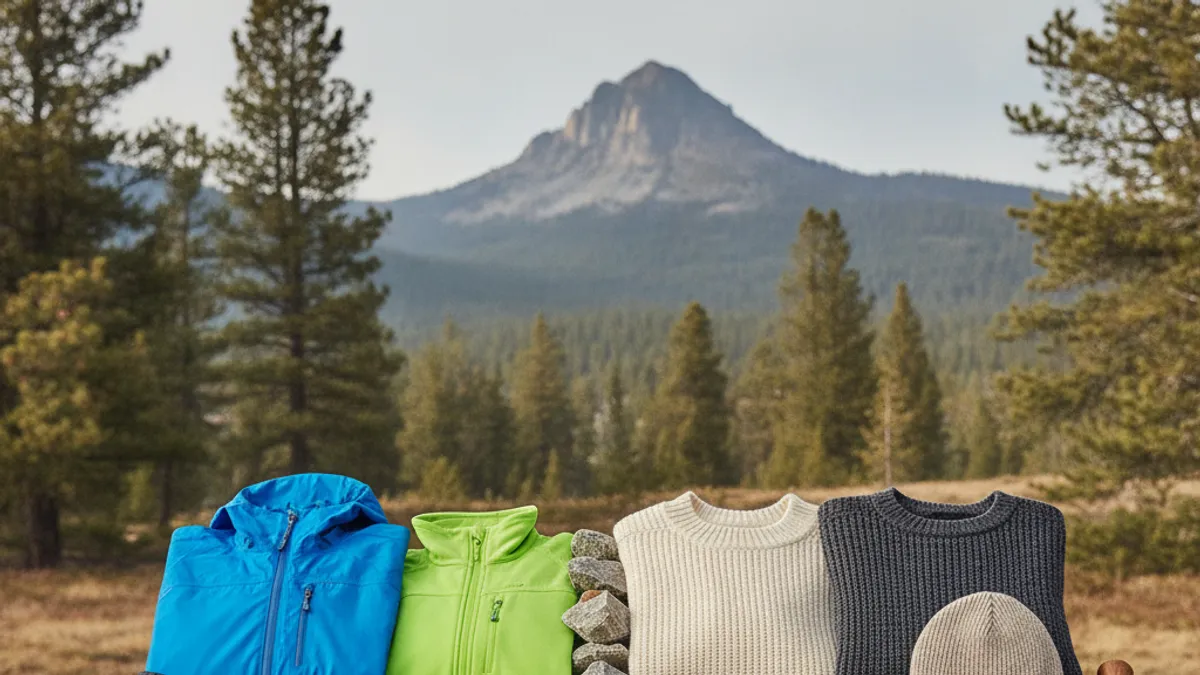
When it comes to choosing materials for your hiking gear, two categories consistently rise to the top: synthetics and merino wool. These aren’t just buzzwords; they represent distinct material properties that offer different advantages and disadvantages depending on your specific needs and the conditions you’ll be facing. Understanding their core differences is the first major step in selecting the right clothing and equipment that will perform well and keep you comfortable for miles.
Choosing between them often comes down to a trade-off between durability, drying speed, odor control, and cost. Many brands offer a wide range of products in both categories, and some even combine them to leverage the strengths of each. It’s not uncommon to find base layers or socks made with merino wool blends designed to offer enhanced durability without sacrificing its natural comfort and odor resistance.
Synthetics: Your Durable Trail Companions
Synthetics, primarily polyester and nylon, are the workhorses of the outdoor gear world for good reason. These man-made fibers are engineered for performance, offering a robust combination of durability, quick-drying capabilities, and affordability. You’ll find them in everything from t-shirts and hiking pants to your trusty backpack and tent fabric. Their resilience means they can stand up to rough treatment on the trail, resisting tears and abrasions that could quickly damage natural fibers.
Their excellent moisture-wicking properties are a significant advantage, pulling sweat away from your skin efficiently and allowing it to evaporate rapidly from the fabric’s surface. This keeps you drier and more comfortable, especially during high-exertion activities like steep ascents or trail running. Aggregated user feedback often highlights synthetics’ fast-drying nature, noting that items can often be rinsed out and dry within an hour or two, making them ideal for travel or situations where washing facilities are limited. While they excel in many areas, it’s worth noting their Achilles’ heel: odor retention.
Merino Wool: Nature’s Performance Fiber
Merino wool is a champion among natural fibers for outdoor pursuits, offering a remarkable blend of warmth, breathability, and natural odor resistance that’s hard to beat. Unlike traditional wool, merino is incredibly fine and soft, meaning it doesn’t typically cause the itching or scratchiness associated with coarser wools. This makes it exceptionally comfortable against the skin, particularly for base layers and socks. Its ability to insulate even when wet is a critical safety feature in unpredictable weather.
Our research, supported by studies on textile performance, indicates that merino wool fibers can absorb a significant amount of moisture vapor before feeling wet, and they continue to provide warmth even when damp. Furthermore, merino wool is naturally antimicrobial, meaning it inhibits the growth of odor-causing bacteria. This property makes merino garments ideal for multi-day trips where regular washing isn’t an option, allowing you to wear items multiple times between washes without accumulating unpleasant smells. While generally durable, merino can be more delicate than heavy-duty synthetics and often comes at a higher price point.
The Cotton Conundrum: Why It’s Usually a No-Go for Hiking

Cotton is a familiar and comfortable fabric for everyday wear, but when it comes to hiking and strenuous outdoor activities, it’s generally not the best choice. The primary issue with cotton lies in its absorbent nature. Unlike synthetic or wool fibers designed to wick moisture away, cotton fibers readily soak up sweat and any external moisture they encounter, holding onto it like a sponge. This can lead to a host of discomforts and even safety concerns on the trail.
When cotton becomes saturated, it loses most of its insulating properties and takes a very long time to dry. This means you can end up feeling cold, heavy, and clammy for extended periods, particularly in cooler weather or after a strenuous climb. Prolonged exposure to damp clothing can significantly increase the risk of hypothermia, a dangerous drop in body temperature, which is why most outdoor gear manufacturers strongly advise against 100% cotton for active use. While a small percentage of cotton in a blend might offer some softness, for performance hiking wear, it’s best avoided.
Material Breakdown: Key Features to Look For
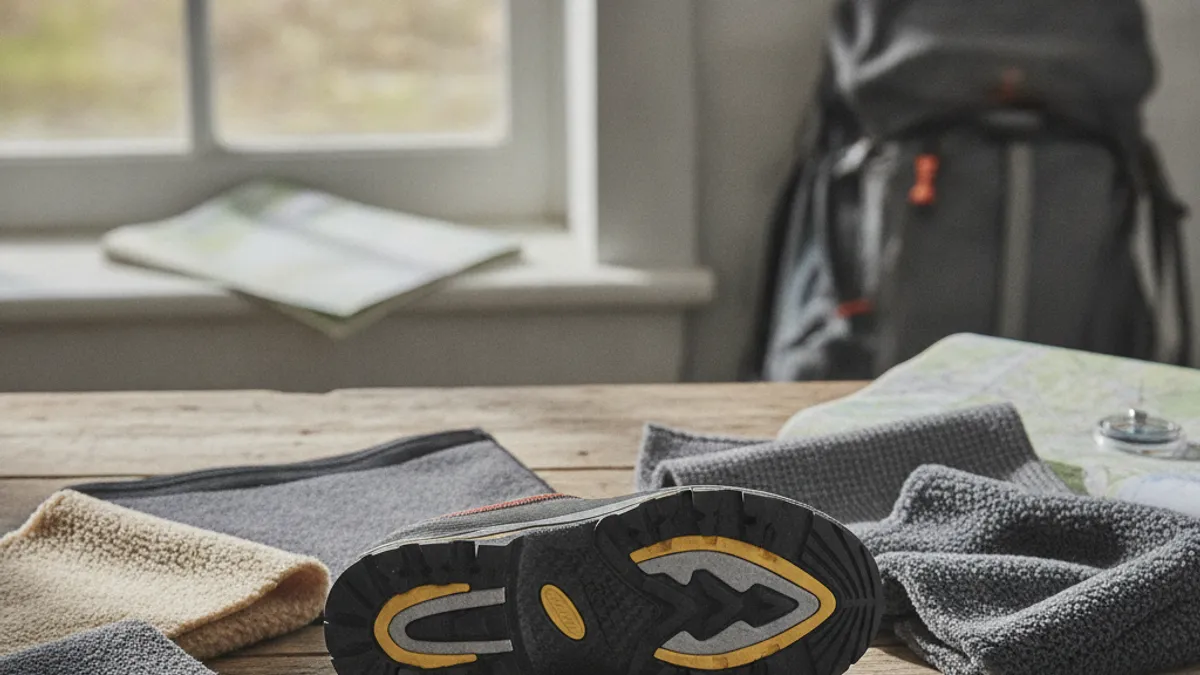
Selecting the right hiking materials hinges on understanding a few key performance attributes. These aren’t just technical terms; they directly translate to how comfortable and capable you’ll be on the trail. When you’re examining product labels or manufacturer specifications, keep an eye out for how a material performs in these critical areas. A fabric’s construction, fiber type, and treatment all contribute to its effectiveness.
For instance, a tightly woven nylon fabric, often rated at 400-1000 denier for durability in backpacks, will offer superior abrasion resistance compared to a lighter, more loosely woven polyester. This attention to specific features ensures your gear can handle the demands of the environment.
Moisture Wicking & Drying Speed
This is arguably the most critical feature for any hiking apparel. Moisture wicking refers to a fabric’s ability to pull sweat away from your skin and move it to the outer surface, where it can evaporate. Fast drying speed means that once the moisture is on the surface, it doesn’t linger, helping you avoid that uncomfortable, clammy feeling. Synthetics like polyester and nylon generally excel here, often wicking and drying significantly faster than natural fibers.
Manufacturer data often quantifies this in terms of “moisture vapor transmission rate” (MVTR) for breathability and “drying time” under specific conditions. For example, a common specification is that polyester fabrics can dry completely in under an hour when laid flat in a humid environment. This rapid drying is essential for maintaining body temperature and preventing chafing, especially during high-intensity activities where you’re producing a lot of sweat.
Durability & Abrasion Resistance
Hiking exposes your gear to a lot of wear and tear, think rubbing against rocks, branches, or the abrasive surface of your backpack. Durability refers to a material’s ability to withstand this kind of stress over time without tearing, snagging, or wearing thin. Abrasion resistance specifically measures how well a fabric holds up against rubbing. Materials like nylon, especially in heavier denier weights, are renowned for their exceptional durability.
When looking at backpacks, for example, you’ll often see specifications for ripstop nylon or Cordura®, which are engineered to resist tearing and abrasion. Similarly, hiking pants made from tough synthetic blends can withstand brushes against thorny bushes or rough scree slopes. Our editorial analysis of gear reviews consistently shows that users prioritize durability for long-term value and reliability on challenging trails.
Warmth & Breathability
These two features might seem contradictory, but they’re often found in balance within good hiking materials. Warmth is about insulation, keeping your body heat in, especially in cooler conditions. Breathability refers to how well air can pass through the fabric, allowing heat and moisture vapor to escape. It’s crucial for preventing overheating during exertion.
Merino wool is a standout for its warmth that doesn’t diminish when wet, while also offering good breathability.
Synthetics can also offer excellent warmth, especially in fleece or insulated jacket constructions, but their breathability can vary widely. A tightly woven, waterproof shell might be very warm but not very breathable, while a mesh-like synthetic might be highly breathable but offer little insulation. Understanding the intended use of the garment, whether it’s a base layer or an outer shell, will guide you toward the right balance of warmth and breathability.
Odor Control
This is a benefit that really shines on multi-day trips or when you’re packing light. Odor control refers to a material’s natural ability to resist or inhibit the growth of odor-causing bacteria. Merino wool naturally possesses antimicrobial properties, which significantly reduces or eliminates the buildup of body odor, even after multiple wears. This is a stark contrast to many synthetic fabrics which, while otherwise excellent performers, tend to trap and amplify odors quickly.
While some synthetics are treated with antimicrobial finishes, these can wear off over time with washing. The natural, inherent odor-resistance of merino wool means it remains effective for the lifespan of the garment. Aggregated consumer feedback consistently praises merino wool for its ability to stay fresh on extended hikes, allowing for re-wear without causing discomfort to oneself or hiking companions.
Best Gear Materials for Different Hiking Scenarios
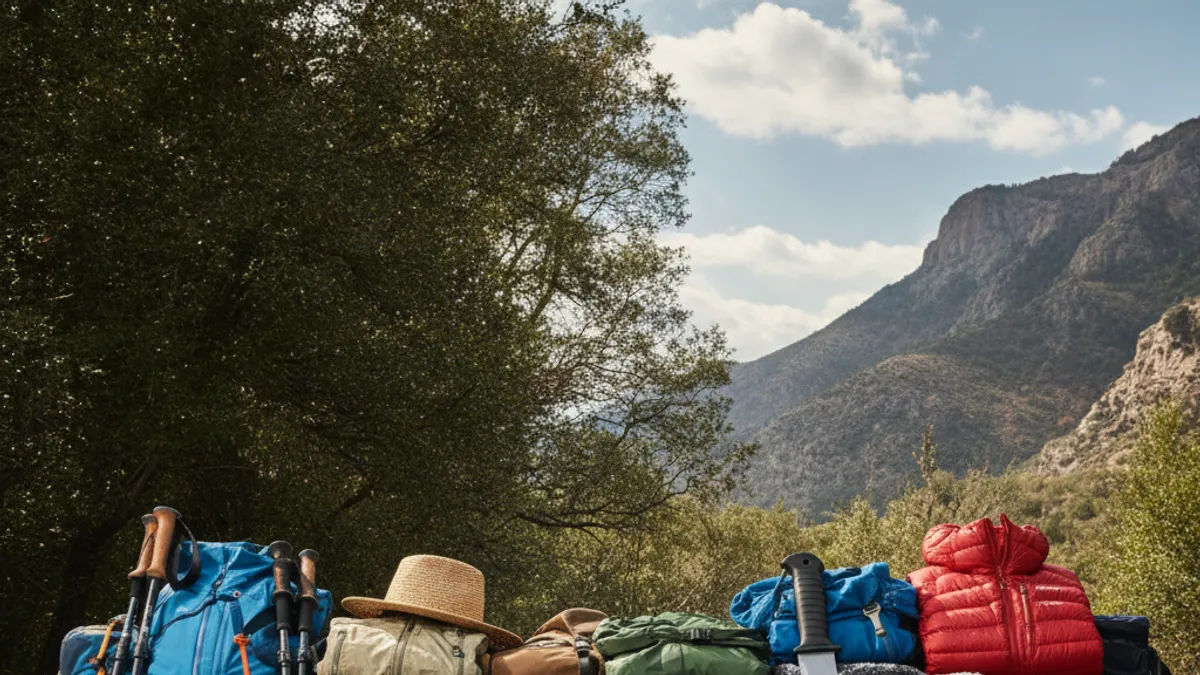
Knowing the general properties of synthetics and merino wool is a great start, but figuring out what’s best for you means thinking about where you’re going and what you’ll be doing. Your gear material needs change dramatically between a hot desert trek and a cool mountain climb. It’s about matching the fabric’s strengths to the demands of your hike.
Consider the environmental conditions: high humidity, desert heat, or chilly mountain air. Each requires a different approach to managing your body’s microclimate. The right material choice ensures comfort, preventing issues like excessive sweating or feeling chilled due to moisture.
For Hot, Humid Treks
When the air is thick and the sun is beating down, your priority is staying cool and dry. This means focusing on materials that wick moisture aggressively and dry incredibly fast. Lightweight polyester shirts with an open-knit construction are excellent for this. They pull sweat from your skin and spread it across the fabric’s surface, allowing it to evaporate quickly.
Look for loose-fitting garments to allow for maximum airflow. Quick-dry hiking pants or convertible pants are also a great choice, as they prevent that sticky, uncomfortable feeling that can come with heavier, moisture-retaining fabrics. Manufacturer specifications often list a high moisture vapor transmission rate (MVTR) for these types of fabrics, indicating their ability to let moisture escape.
For Cooler Climates & Multi-Day Adventures
In cooler temperatures, or on trips where you might experience a range of weather, warmth and its retention are key. This is where merino wool really shines. Its ability to insulate even when damp is a significant advantage. If you sweat during a climb, your merino base layer will keep you warm while still managing moisture.
The natural odor resistance of merino wool is also a lifesaver on multi-day trips when you can’t wash your gear daily. You can often wear merino socks or shirts for several days without them developing unpleasant smells. For multi-day trips, layering with merino wool base layers and perhaps a fleece mid-layer offers a versatile system for adapting to changing temperatures.
For All-Around Versatility
Many hikers find that a blend of materials offers the best of both worlds, providing a good balance for a wide range of conditions. For instance, a t-shirt made from a merino wool and polyester blend can offer the softness and odor resistance of wool along with the enhanced durability and faster drying of polyester. These hybrid fabrics are becoming increasingly popular because they leverage the strengths of different fibers.
For a versatile system, consider having a few different types of layers. A lightweight synthetic base layer for very active days or hot weather, a merino wool base layer for cooler conditions, and a synthetic or fleece mid-layer that can be added or removed as needed. This layering approach, combined with smart material choices, allows you to adapt to almost any hiking situation.
Common Mistakes Hikers Make with Gear Materials
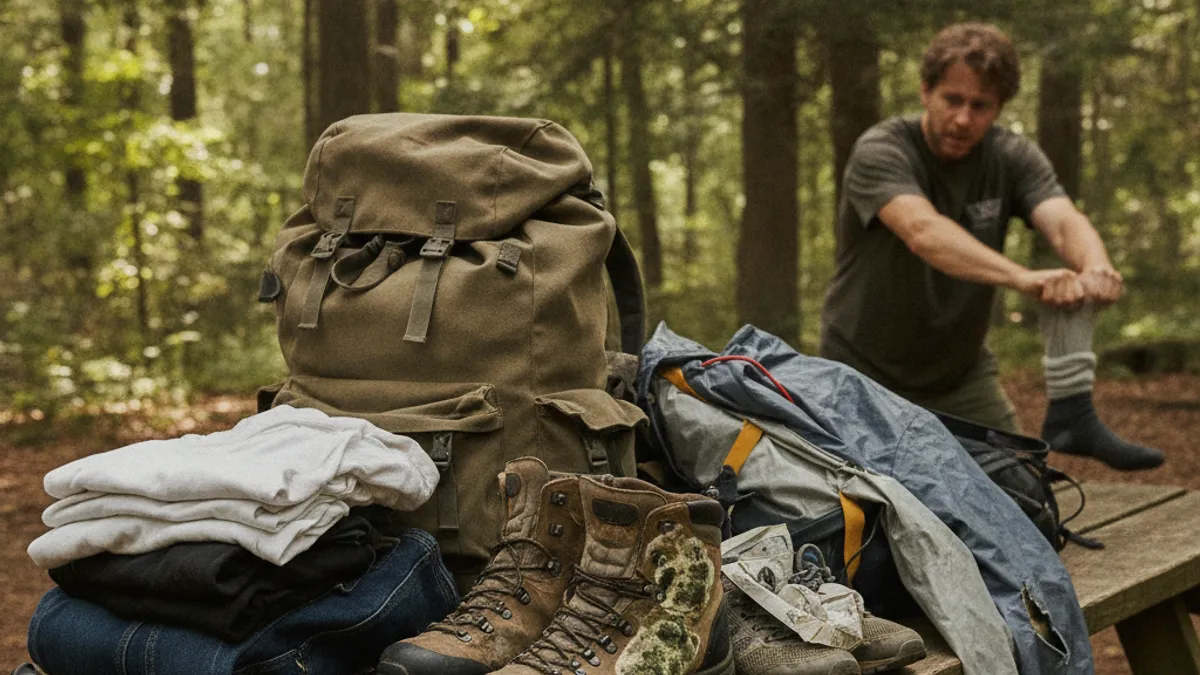
Even with the best intentions, hikers sometimes make choices that hinder their comfort and safety due to misunderstandings about gear materials. One of the most widespread errors is opting for 100% cotton clothing, especially for anything more than a very short, casual walk. As we’ve discussed, cotton absorbs moisture and stays wet, leading to chills and discomfort.
Another common mistake is not considering the specific conditions of the hike. Wearing a heavy, non-breathable jacket on a hot day, or a thin, uninsulated shirt on a cold, windy ridge, can both lead to discomfort and potential safety issues. It’s easy to grab the “comfiest” item without thinking about its performance attributes in the intended environment.
For Whom Are These Materials Best Suited?
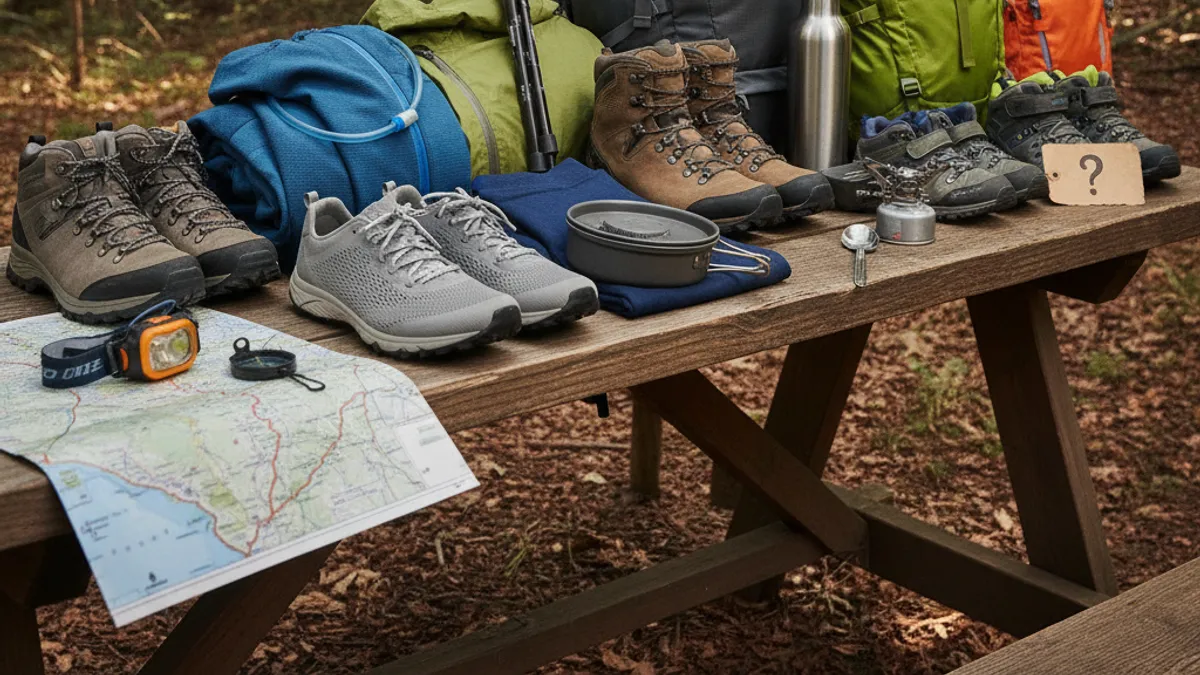
The ideal material for hiking isn’t universal; it’s highly individual and context-dependent. Understanding who benefits most from each type of fabric helps in making more informed choices for your specific needs and priorities. It’s about matching the material’s strengths to the user’s activity level, environmental challenges, and personal preferences.
If you’re someone who tends to overheat easily or engages in high-intensity activities like trail running or fast-paced hiking, synthetics will likely be your go-to. Their superior moisture-wicking and rapid drying capabilities are essential for managing sweat and preventing chilling.
For those who prioritize comfort and sustained warmth, especially in cooler or damp conditions, merino wool is often the superior choice. Backpackers on extended treks, or individuals sensitive to the feel of synthetic fabrics, will appreciate merino’s softness, warmth, and incredible odor resistance, allowing for extended wear.
Individuals who value a balance of features, or who want gear that performs well across a variety of conditions, often find themselves gravitating towards blended fabrics. These can offer a compromise, providing some of the warmth and odor control of merino alongside the durability and quick-dry benefits of synthetics.
Expert Tips for Picking Your Hiking Fabrics
To truly optimize your gear choices, consider a few insider tips that go beyond the basic material types. Experienced hikers and gear designers often focus on the nuanced details that make a significant difference in performance and comfort over long distances or challenging weather. These insights can help you avoid common pitfalls and select apparel and equipment that truly supports your adventures.
Pay attention to the weave and construction of the fabric. A fabric’s density, the way fibers are interlaced, and any treatments applied can dramatically alter its properties. For instance, a tightly woven ripstop nylon in a backpack might be rated for 400-1000 denier, indicating its toughness, while a finer weave in a shirt offers breathability.
When selecting base layers, think about layering potential. A smooth-faced merino wool or synthetic base layer will slide easily under other garments without bunching. For insulation, materials like fleece or down are chosen for their loft and ability to trap air, creating warmth. Always check manufacturer specifications for details on thermal efficiency or breathability ratings.
