
Hiking’s Muscle Mileage: Which Muscles Are You Really Working?
You might think hiking is just a leisurely stroll through nature, but your body is actually performing a complex, full-body workout with every step. Understanding what muscles do hiking work can help you appreciate the physical demands and optimize your training. Our research indicates that a typical moderate hike engages over 100 muscles, acting as functional units to propel you over varied terrain.
When you hit the trail, you’re not just moving forward; you’re constantly stabilizing, balancing, and adapting to the environment. This intricate coordination builds functional strength and endurance far beyond what a simple walk might offer. As of 2026, studies continue to highlight the significant lower-body and core activation that occurs during sustained hiking activity.
Hiking’s Core Power Players: What Your Trunk and Abs Are Doing
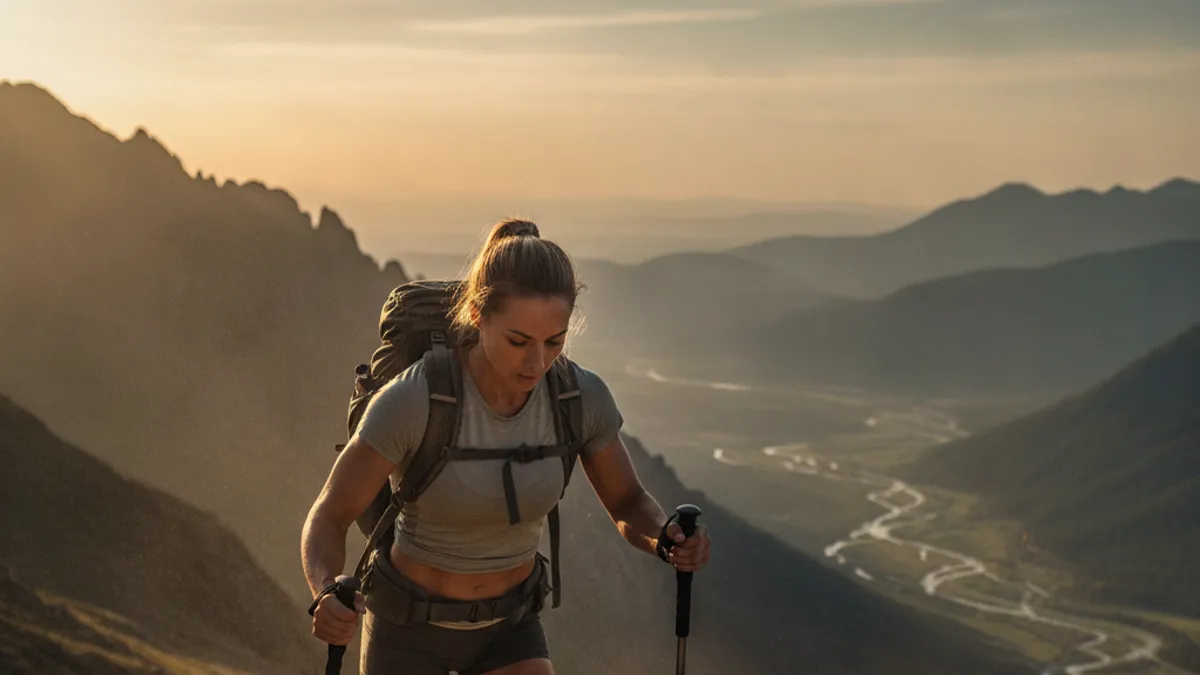
Your core muscles are the unsung heroes of any hike, providing the stability and balance needed to navigate challenging paths. These muscles work continuously to keep your torso upright and aligned, allowing your limbs to move efficiently. Without a strong core, you’d find yourself wobbling and expending much more energy.
Stabilizing Your Stride: How Your Core Keeps You Upright
These essential muscles act like a natural weight belt, bracing your spine and pelvis with every step. Your rectus abdominis (the “six-pack” muscles) and obliques (the muscles along your sides) are constantly engaged, preventing your torso from rotating too much and maintaining an upright posture. The transverse abdominis, your deepest abdominal muscle, acts like an internal corset, stabilizing your spine. Muscles like the erector spinae run along your spine and are crucial for extending your back, counteracting the pull of your abdominal muscles to keep you from hunching over.
They work in tandem with your abs to create a rigid, stable core. When you’re carrying a backpack, these core muscles work even harder to manage the shifting weight and maintain your center of gravity. This consistent engagement is why hiking is so effective for building functional core strength that translates to everyday activities.
The Engine Room: How Your Legs Drive the Hike
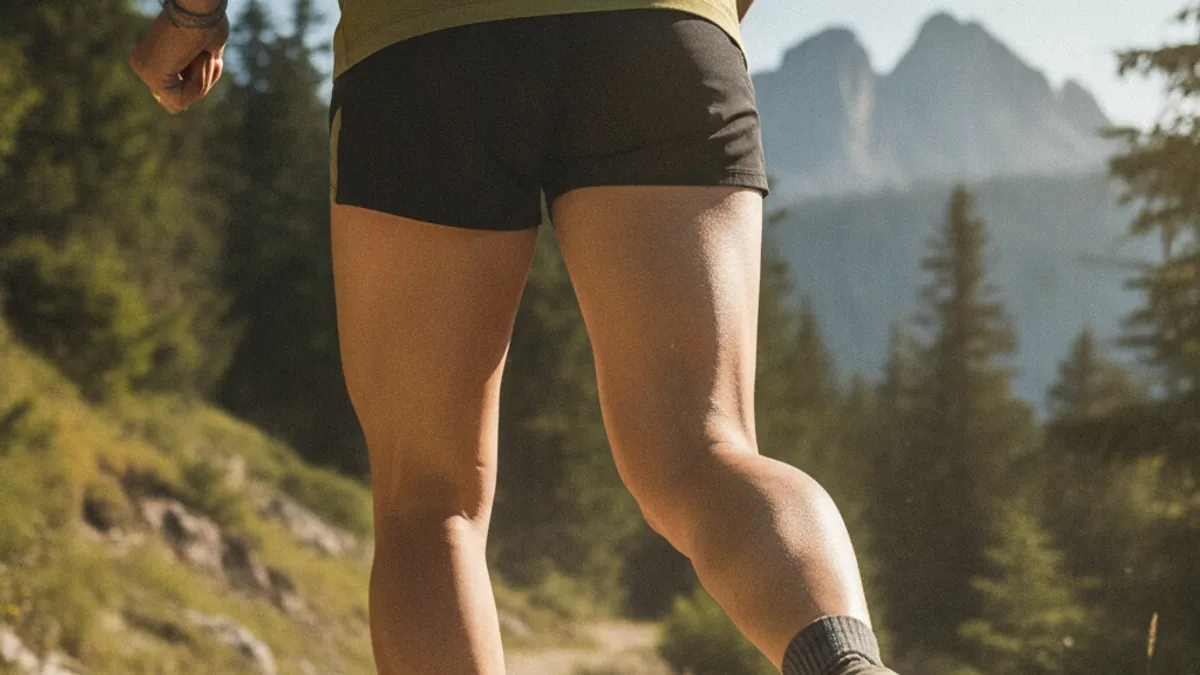
Your legs are, of course, the primary movers on a hike, handling the work of propulsion and support. Different muscle groups within your legs are activated depending on whether you are ascending, descending, or traversing.
Quad Power: The Ups and Downs
The quadriceps (quads), located on the front of your thighs, are instrumental in both climbing and descending. When you push off the ground while walking, your quads extend your knee, propelling you forward. On downhill sections, they act as powerful brakes, controlling the speed of your descent and absorbing impact forces to prevent injury. Their strength is vital for sustained uphill climbs and managing steep declines without losing control.
Hamstring Hustle: Control and Propulsion
Sitting at the back of your thighs, your hamstrings play a dual role. They assist in extending your hip, helping to drive you forward with each stride, similar to your glutes. Simultaneously, they help to bend your knee, which is crucial for bringing your leg through the stride cycle and controlling your leg’s movement as it lands. Their flexibility and strength are particularly important when taking long strides or navigating uneven ground.
Calving It: Pushing Off Every Step
Your calf muscles, primarily the gastrocnemius and soleus, are engaged with every push-off, especially on flatter terrain or when initiating movement. They work to plantarflex your foot, which is the action of pointing your toes downward. This provides the final burst of power to lift your heel off the ground and launch you into your next step. On inclines, they contribute significantly to lifting your body weight upward.
Glute Gains: Your Hips’ Mighty Movers
The gluteal muscles, or glutes, are arguably the most powerful muscles in your body and are heavily utilized during hiking. The gluteus maximus is the primary muscle responsible for hip extension, driving your leg backward to propel you forward with each step. Its activation is particularly high during uphill climbs, as it works to lift your entire body weight against gravity. The gluteus medius and minimus, located on the sides of your hips, are crucial for stabilizing your pelvis and preventing your opposite hip from dropping when you lift one leg.
This stabilization is key for maintaining balance on uneven surfaces.
Arms and Shoulders: More Than Just Balance
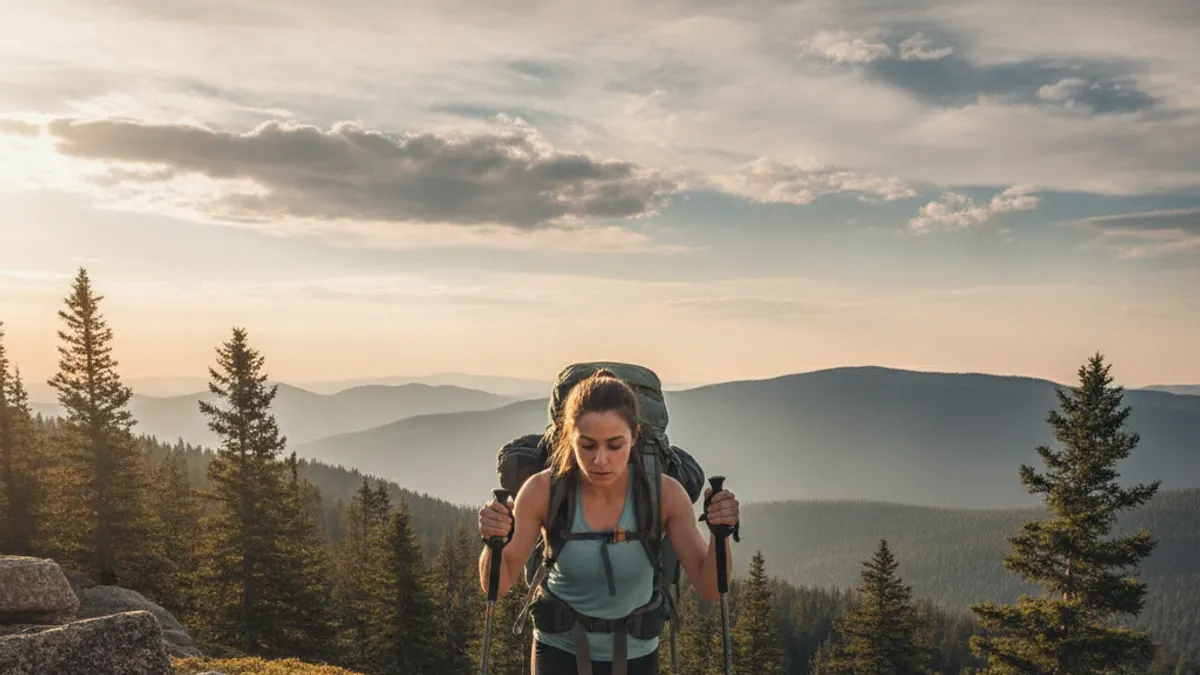
While your legs and core do the heavy lifting, your upper body muscles play a significant role in maintaining balance and efficiency during a hike. Their engagement becomes more pronounced if you use trekking poles, but they’re working even without them. Your deltoids (shoulder muscles) help with the rhythmic arm swing that counterbalances your leg movements and keeps your stride smooth. If you’re using trekking poles, your biceps and triceps are also actively engaged as you push and pull with the poles, adding an element of upper-body conditioning to your hike.
These muscles also contribute to your overall postural stability, helping you stay erect and balanced when navigating tricky sections of trail.
Ankles and Feet: The Foundation of Every Step
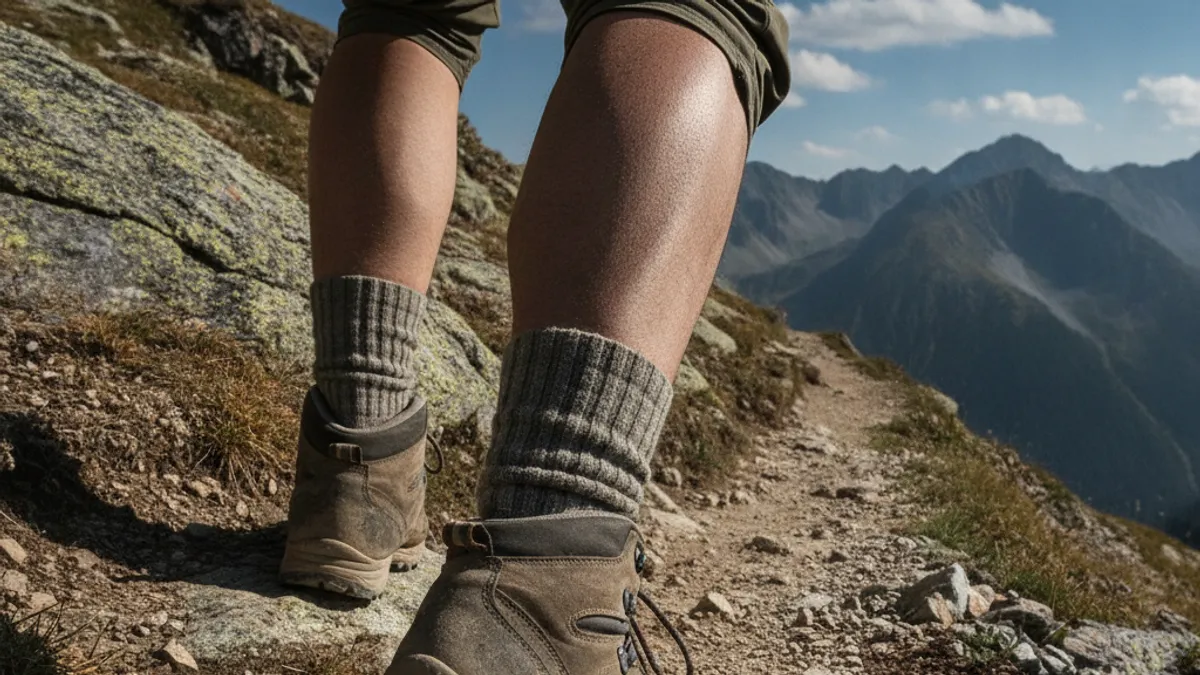
Don’t underestimate the work your ankles and feet do! These smaller muscles are constantly engaged in stabilization and adaptation. The tibialis anterior, located on the front of your shin, helps lift your foot as you swing your leg forward, preventing your toes from dragging. On the sides of your ankle, muscles like the peroneals (or fibularis muscles) work to stabilize your ankle joint, preventing twists and rolls on uneven ground.
Your feet themselves contain numerous small intrinsic muscles that adjust to the contours of the trail, distributing your weight and providing grip. This continuous micro-adjusting makes hiking an excellent activity for improving proprioception and ankle strength, which can help prevent common hiking injuries like sprains.
Navigating Terrain: How Different Stretches Train Different Muscles
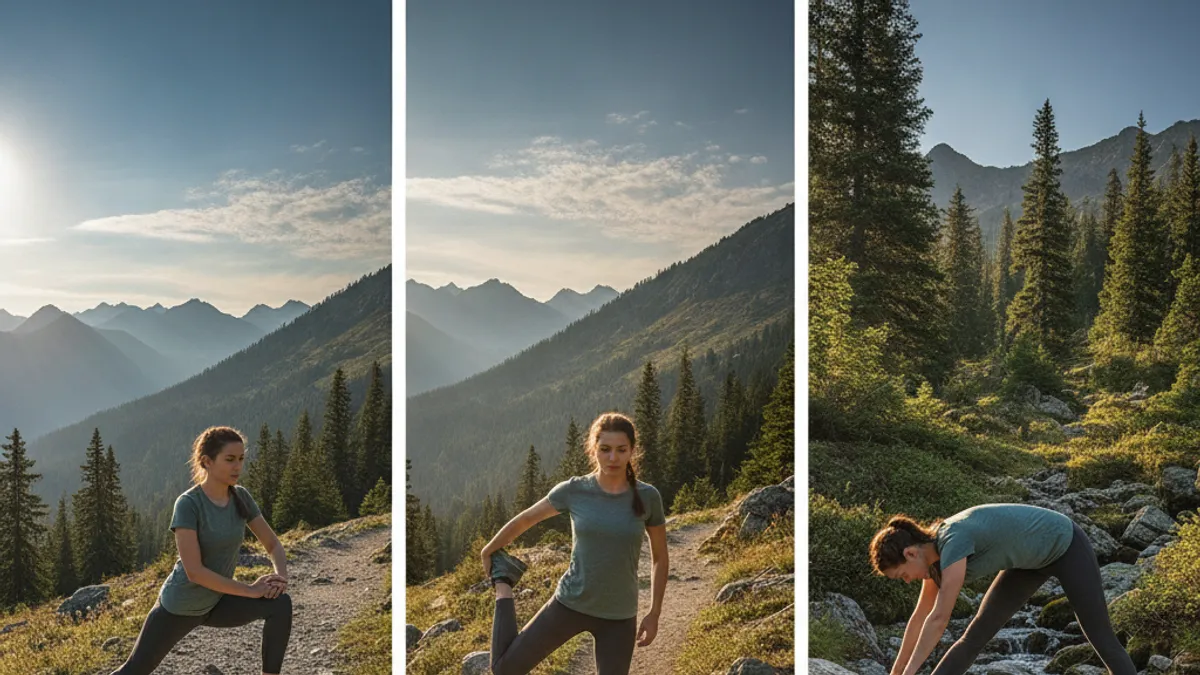
The specific muscles hiking works can shift depending on the terrain. A gentle, flat trail is quite different from a steep, rocky ascent or a slippery descent, and your muscles adapt accordingly. This dynamic engagement is a key reason hiking is such a comprehensive workout.
- Ascending Inclines: When you climb, your quadriceps and gluteal muscles (especially the gluteus maximus) are engaged heavily to lift your body weight against gravity. Your calf muscles are also working hard to push off the ground and maintain momentum. Your core tightens to keep you stable and prevent you from leaning too far forward.
- Descending Declines: Going downhill requires different effort. Your quadriceps act as powerful brakes, eccentrically contracting to control your speed and absorb shock. This can lead to significant muscle soreness later. Your hamstrings also help control knee flexion as you step down. Your gluteus medius and minimus work overtime to stabilize your pelvis and prevent your knee from collapsing inward.
- Traversing/Side-Hills: Walking across a slope constantly challenges your balance muscles. Your peroneals and other ankle stabilizers work to keep you from rolling your ankle. Your gluteus medius and minimus are again highly active to keep your hips level. Your core engages to counteract any rotational forces.
Even subtle shifts in the trail surface, like loose gravel or tree roots, force smaller stabilizing muscles in your feet and ankles to work harder, improving their strength and resilience.
Real-World Hiking Muscle Use: A Scenario
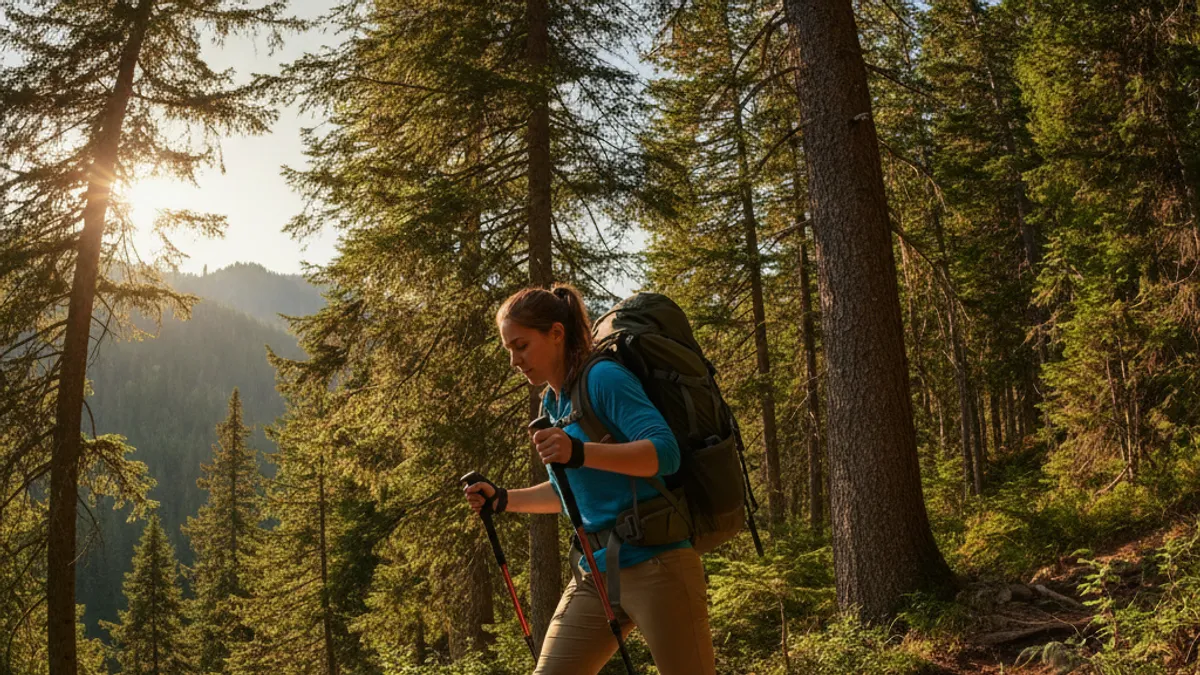
Let’s picture a common hiking scenario: a 5-mile trail with a total elevation gain of 1,500 feet, featuring both rocky ascents and some scree downhill sections. As early as mile 1 approaching the first major climb, your quads and glutes are firing intensely with each step uphill. Your calves are burning as you push off, and your core is braced to keep you steady.
By mile 3, you’ve hit a significant downhill stretch. Your quads are now doing the controlled braking, feeling the strain. Your gluteus medius and minimus are working furiously to keep your knees from caving inwards on the loose gravel. Your tibialis anterior in your shins is lifting your feet higher to avoid tripping on rocks.
By the time you reach the end of the hike, even muscles you didn’t consciously think about, like those in your forearms from simply holding your trekking poles, will feel the effort. This demonstrates how diverse terrain triggers a wide range of muscle engagement.
Beyond the Basics: Bonus Muscles and What They Do
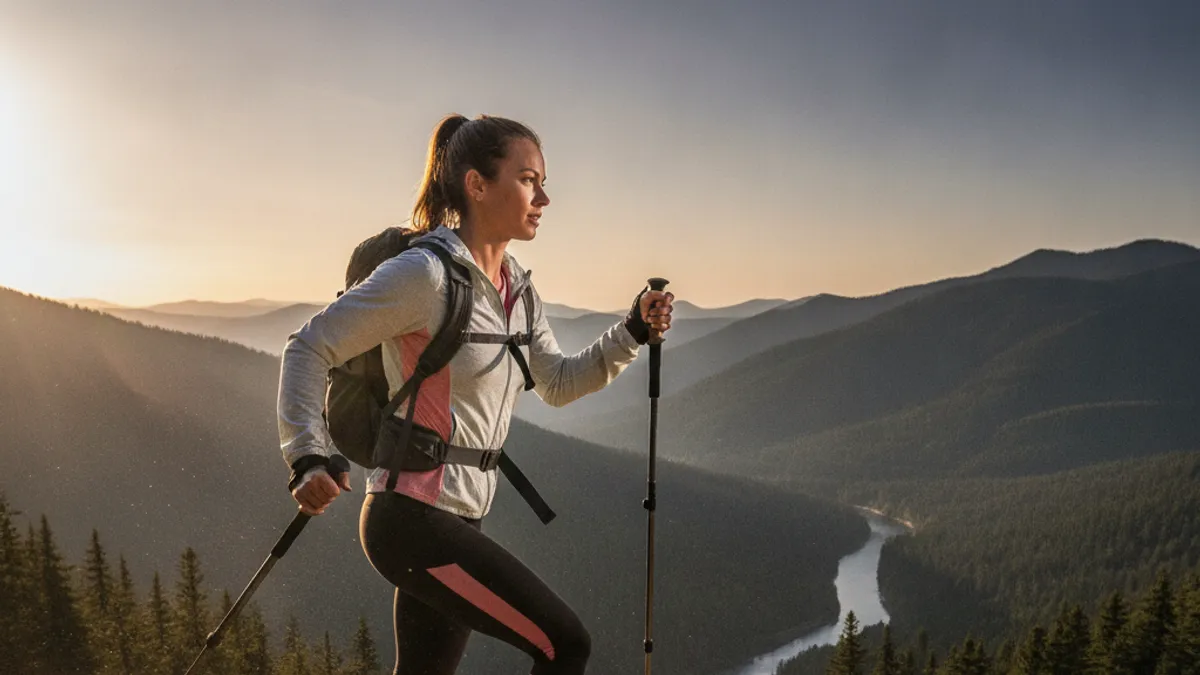
While the major muscles of your legs and core get most of the attention, hiking also engages many smaller, often overlooked, muscle groups. These muscles are critical for fine-tuning your balance and adapting to the natural environment.
- Foot Intrinsic Muscles: These are the small muscles located within your feet. They help you grip uneven surfaces, adjust to bumps and dips in the trail, and distribute your weight effectively with each step. Their constant work is essential for foot health and preventing fatigue.
- Peroneal Muscles (Fibularis Muscles): Located on the outside of your lower leg, these muscles are vital for everting your foot (turning it outward) and stabilizing your ankle joint. They are crucial for preventing ankle sprains when stepping on uneven or unstable ground, especially on rocky or root-filled trails.
- Tibialis Anterior: Found on the front of your shin, this muscle is responsible for dorsiflexion, which is lifting your foot and toes upward. It plays a key role in taking “high steps” to clear obstacles and prevents your toes from dragging on the ground, particularly during descents or when stepping over roots.
Developing strength in these smaller muscles contributes significantly to overall hiking stability, efficiency, and injury prevention. They are often the muscles that announce your hard work the day after a hike.
Common Hiking Muscle Challenges and How to Prepare
Even experienced hikers can face muscle-related challenges if they aren’t prepared. The most common issue is muscle soreness, often referred to as Delayed Onset Muscle Soreness (DOMS). This typically occurs 24-72 hours after a strenuous hike, particularly after downhill sections which heavily work the quads eccentrically.
- DOMS: This soreness is a normal response to microscopic tears in muscle fibers, a sign of adaptation and growth. Adequate hydration and proper nutrition can aid recovery.
- Muscle Fatigue: As muscles become tired, their ability to function effectively diminishes. This can lead to a breakdown in form, poor balance, and an increased risk of trips and falls. Pacing yourself and taking short breaks are crucial.
- Muscle Imbalances: If certain muscles are significantly stronger or tighter than others due to other activities or lack of specific preparation, it can lead to inefficient movement patterns and potential injury. For instance, very tight hamstrings can affect hip mobility and lower back posture.
To prepare, a consistent fitness routine that includes strength training for legs, core, and glutes, as well as cardiovascular endurance, is highly recommended. Dynamic stretching before a hike and static stretching afterward can also help.
The Full-Body Hike: Recap of Benefits
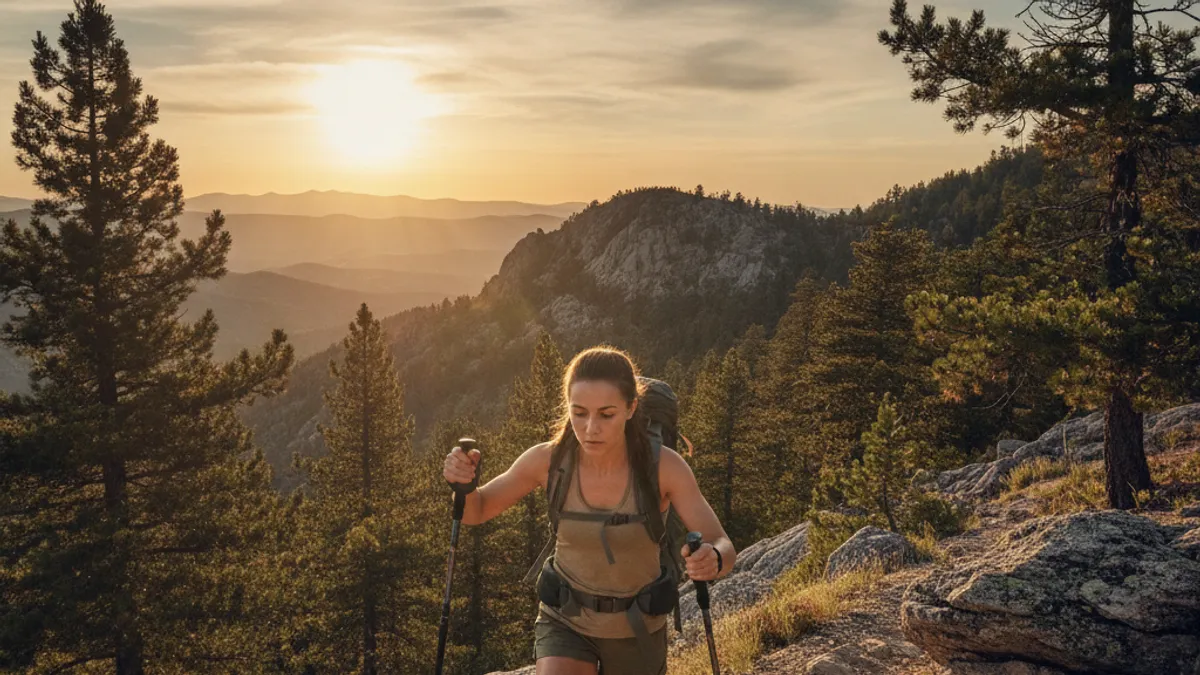
Hiking truly is a holistic activity, engaging a vast network of muscles throughout your body. It’s not just about leg strength; it’s about building functional fitness that supports stability, endurance, and overall well-being. The consistent, varied demands placed on your musculoskeletal system contribute to:
- Increased Lower Body Strength: Targets quads, hamstrings, calves, and glutes.
- Enhanced Core Stability: Engages abdominals and lower back muscles.
- Improved Balance and Proprioception: Develops smaller muscles in feet and ankles.
- Upper Body Conditioning: Especially when using trekking poles.
- Cardiovascular Health: Sustained effort elevates heart rate.
By understanding which muscles do hiking work, you can better prepare your body and appreciate the full physical benefits of hitting the trail. It’s a fantastic way to stay strong and healthy while enjoying the great outdoors.
