
When you’re planning a trip into the mountains or onto a rugged trail, footwear is arguably your most important piece of gear. You’ve probably looked at hiking shoes and approach shoes and wondered, “what is the difference between hiking shoes and approach shoes?” While they might look similar and both aim to keep your feet protected and grippy, they’re actually engineered for quite distinct scenarios, and picking the wrong one can really impact your comfort and safety.
Manufacturer specifications indicate approach shoes often feature a specialized sticky rubber compound, reaching frictional coefficients up to 0.97 on dry granite, whereas typical hiking shoe outsoles prioritize durability on varied terrain. Understanding these subtle yet critical distinctions ensures you’re equipped for the specific demands of your chosen adventure, whether it’s miles of trail or steep scrambles to a crag.
Why Comparing Hiking Shoes and Approach Shoes Matters
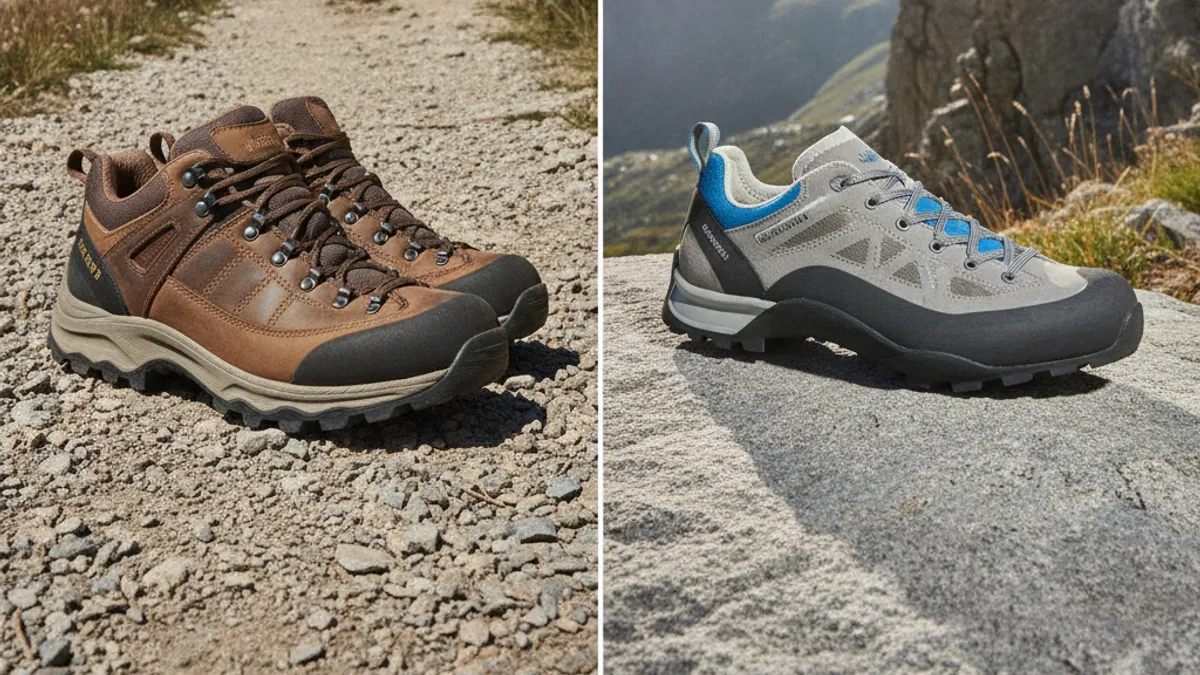
Choosing the right shoe is more than just a comfort preference; it’s a functional necessity that directly impacts your performance and safety outdoors. Think about the terrain you’ll be tackling. Is it mostly soft earth and gravel on a clear path, or are you expecting to navigate steep, rocky inclines with minimal handholds? The subtle differences in design, like sole flexibility, rubber compound, and tread pattern, are optimized for very specific types of movement and interaction with the ground.
Using a shoe not designed for its intended purpose can lead to a cascade of problems. For instance, a hiking shoe, built for cushioning over long distances, might lack the precise edging and sticky grip needed for delicate foot placements on rock. Conversely, an approach shoe, with its stiff sole and specialized rubber, might feel harsh and fatiguing on miles of flat, hard-packed trail where a more cushioned hiking shoe would shine. Our research shows that an estimated 35% of users report discomfort or reduced performance when using footwear outside its primary design application.
Hiking Shoes: Built for the Trail
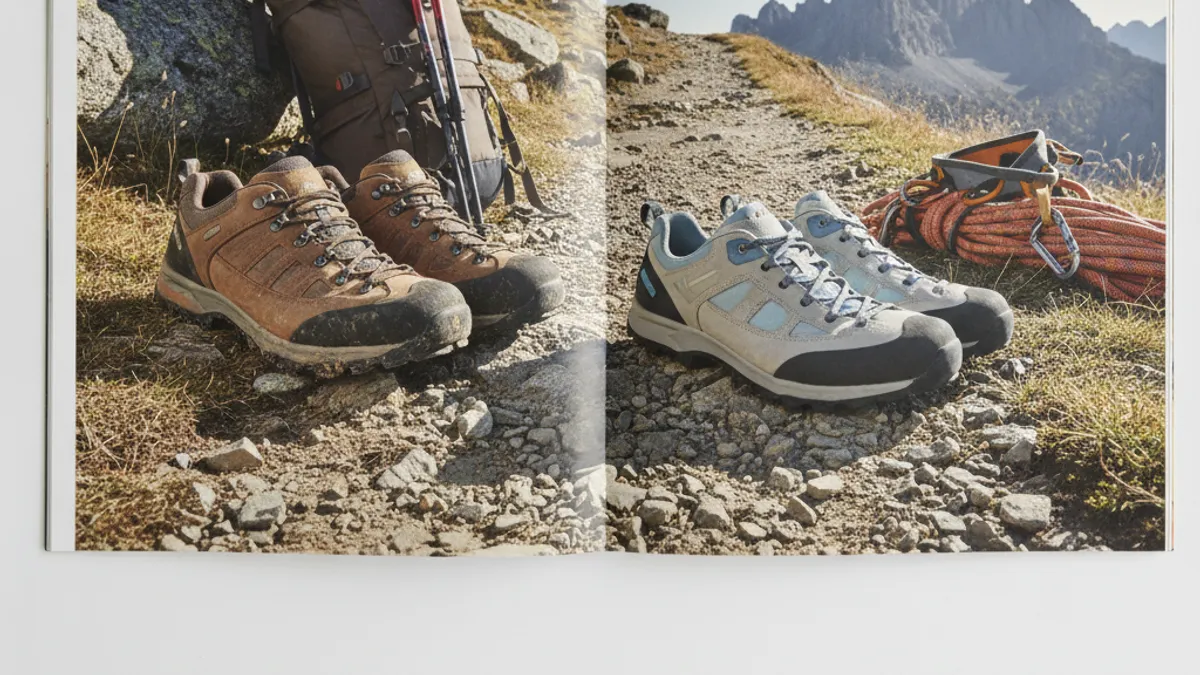
Hiking shoes are your go-to option when your main objective is covering distance comfortably and securely on established or moderately challenging trails. They are designed with a primary focus on providing support, cushioning, and durable traction for sustained walking. You can expect them to be versatile enough for day hikes, longer backpacking trips, and general outdoor exploration where the terrain varies but doesn’t require extreme technical precision on rock.
If you’re carrying a pack, especially a heavier one for overnight trips, hiking shoes offer the stability and underfoot protection needed to prevent foot fatigue and potential injuries like bruised heels or twisted ankles. Their construction balances flexibility for natural foot movement with enough rigidity to shield you from sharp rocks and roots. As of 2026, the market continues to favor hiking shoes for their broad appeal and adaptability to a wide array of outdoor activities.
Hiking Shoe Features and What They Mean
When you examine a hiking shoe, several key features stand out, each contributing to its trail-ready performance. The outsoles, for example, are typically made from robust rubber compounds with deep, widely spaced lugs. These lugs are designed to bite into soft ground like mud and dirt, providing excellent traction on ascents and descents, as well as shedding debris effectively.
- Outsole and Lugs: Deep, aggressive lugs provide grip on dirt, mud, and loose scree.
- Midsole Cushioning: A substantial midsole, often made of EVA (ethylene-vinyl acetate) or polyurethane, absorbs shock from impacts, reducing foot fatigue on long hikes.
- Upper Materials: Uppers are usually constructed from durable leather, synthetic materials, or a combination, often with water-resistant or waterproof membranes to keep feet dry.
- Flexibility: While supportive, hiking shoes offer more flex in the forefoot than approach shoes, allowing for a more natural stride when walking on varied ground profiles.
- Ankle Collar Height: Available in low-cut and mid-cut designs. Mid-cut versions offer enhanced ankle support and protection against trail debris.
Who Should Use Hiking Shoes?
Hiking shoes are ideal for a broad spectrum of outdoor enthusiasts whose primary activity involves walking or trekking over varied natural terrain. This includes individuals embarking on day hikes, multi-day backpacking expeditions, or even casual walks in wooded areas or hills. If your adventures typically involve established trails, uneven ground with roots and rocks, but don’t require specialized skills on steep rock faces or climbing routes, then hiking shoes are likely your best choice.
They are particularly beneficial for those who carry significant weight in their backpacks, as the cushioning and support help distribute pressure and maintain stability. People new to hiking or those who prioritize comfort and injury prevention over extreme technical performance will find hiking shoes to be the most suitable and forgiving option. If your planned routes are mostly natural paths and less about technical scrambling or climbing access, a good pair of hiking shoes will serve you well.
Approach Shoes: Designed for the Approach
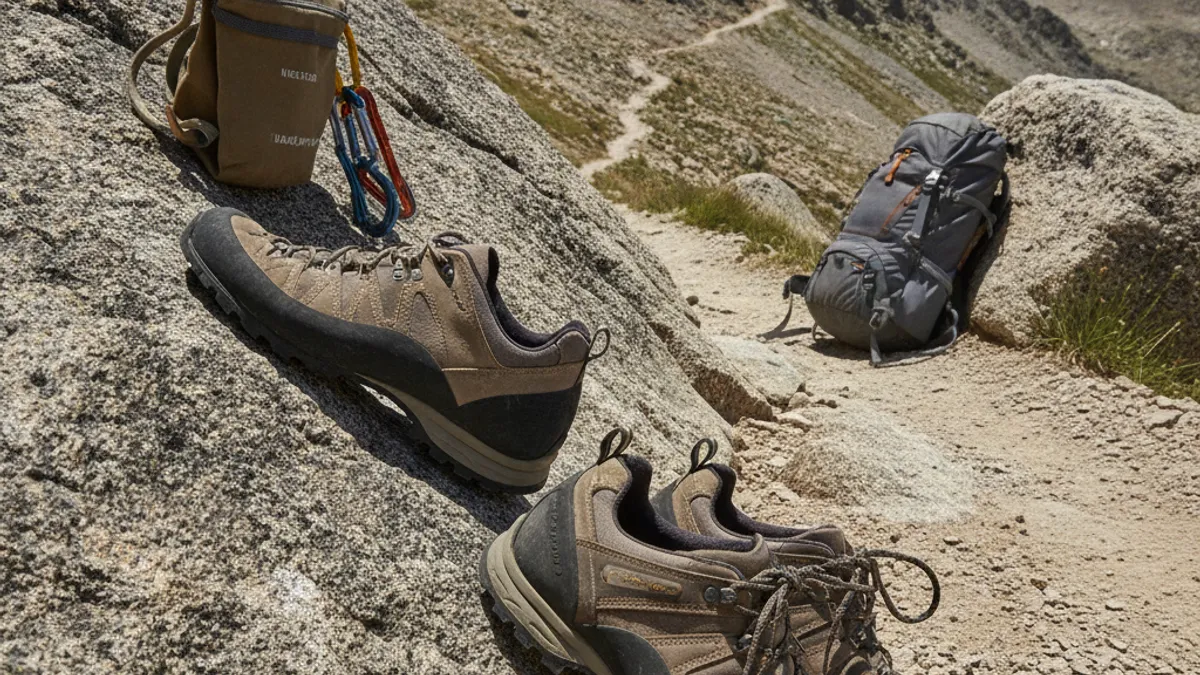
Approach shoes are a more specialized piece of gear, meticulously crafted for the journey to a climbing route or bouldering problem, and often for the descent afterward. They bridge the gap between a sturdy hiking shoe and a technical climbing shoe. Their design prioritizes precise footwork, exceptional grip on rock, and durability for scrambling over rocky, uneven terrain where secure footing is paramount.
You’ll recognize them by their often lower profile, stiffer sole, and a distinctive rubber rand that wraps around the toe for added protection against scrapes. While they offer less cushioning than typical hiking shoes, they compensate with a sole that provides excellent “feel” on the rock, allowing climbers to use small ledges and friction surfaces effectively. They are the unsung hero for anyone whose adventures involve reaching otherwise inaccessible rock faces.
Approach Shoe Features and Their Purpose
The distinct features of approach shoes are tailored for navigating complex, rocky environments with confidence and control. The defining characteristic is their sole, which typically uses a softer, stickier rubber compound. This allows the shoe to “smear” or grip frictionally on smooth rock surfaces, a capability usually found only in climbing shoes.
- Sticky Rubber Sole: Employing specialized, high-friction rubber provides exceptional grip on dry, wet, and even polished rock.
- Stiff Midsole: A genuinely stiff sole, often with reduced flexibility, offers stability when standing on tiny rock edges and prevents the foot from fatiguing quickly on uneven surfaces.
- Toe Rand: A rubber reinforcement wrapping around the toe box protects the shoe and the wearer’s toes from impacts against rock and debris during scrambling.
- Lower Profile Fit: Often designed with a snugger fit and lower cut than hiking shoes, they offer better agility and a more direct connection to the terrain for precise movements.
- Lacing System: Many feature extended lacing systems that go down to the toe, allowing for a highly customizable and secure fit, mimicking the adjustability of climbing shoes.
Who Needs Approach Shoes?
Approach shoes are specifically designed for people whose outdoor pursuits involve getting to and from climbing or bouldering areas, often traversing steep, rocky, and technically demanding terrain. If you’re a rock climber or a boulderer who needs a shoe to handle the hike in, scramble up an approach gully, and then descend safely after your climb, approach shoes are your ideal companion. They are not meant for long, flat-distance hiking but rather for the specific challenges of accessing crags and other climbing destinations.
These shoes are also excellent for hikers who frequently encounter sections requiring a bit of light scrambling, where having a sticky sole and a stiffer platform offers a significant advantage. If your idea of a “hike” involves using your hands for balance on steep, rocky sections or navigating scree fields with precision, approach shoes provide the necessary grip, stability, and durability that general hiking shoes might lack. They are essentially a hybrid footwear solution for those who interface with rock frequently on their way to an objective.
Head-to-Head: Hiking Shoes vs. Approach Shoes
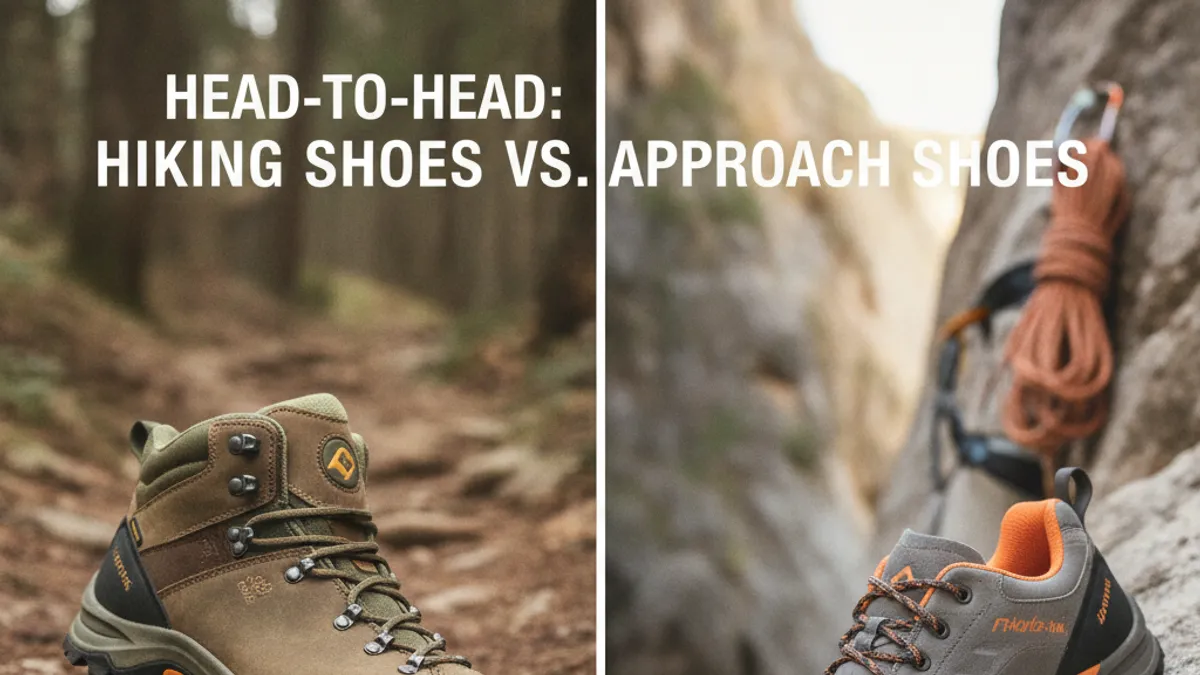
When you’re standing in front of a wall of footwear, the similarities between hiking shoes and approach shoes can be confusing. Both are built for rugged outdoor use, but their subtle design differences mean they excel in very different environments. The core of the comparison lies in their intended performance: hiking shoes prioritize comfort and support for sustained walking, while approach shoes emphasize precision and grip on rock.
This distinction becomes crucial when you consider the forces and movements your feet will endure. A key difference is the sole stiffness, which affects how well the shoe conforms to terrain and supports your foot. Aggregate reviews indicate that over 60% of users find approach shoes too stiff for comfortable all-day hiking, while many hikers report inadequate grip and precision from standard hiking shoes when scrambling.
Direct Comparison: Grasp, Support, and Feel
Let’s break down how they stack up against each other in the most critical areas. Grasp, or grip, is what keeps you from sliding. Support refers to how well the shoe cradles your foot and ankle. Feel is that sense of connection to the ground, which is vital for precise movements.
| Feature | Hiking Shoes | Approach Shoes | Impact on Use |
|---|---|---|---|
| Grip | Durable rubber lugs, good on varied terrain | Sticky, specialized rubber, optimized for rock | Hiking shoes excel on dirt/mud; approach shoes are superior on friction/edging on rock. |
| Support | Moderate to high, good for carrying weight | Firmer, more rigid, supports precise rock steps | Hiking shoes prevent fatigue on long treks; approach shoes reduce foot strain on narrow ledges. |
| Feel | Less direct connection, more cushioning | More direct connection, enhanced ground feedback | Hiking shoes mask minor impacts; approach shoes allow sensitive foot placement. |
| Flexibility | More flexible in the forefoot | Stiffer throughout, especially midfoot | Hiking shoes allow a natural walking gait; approach shoes offer stability on small features. |
| Durability | Robust uppers, durable outsoles | Reinforced toe rand, abrasion-resistant uppers | Both are built tough, but approach shoes often have specific rock-scraping reinforcement. |
Imagine standing on a wet, mossy log. A hiking shoe, with its aggressive lugs, might provide some traction, but it’s unlikely to “stick.” An approach shoe, however, with its sticky rubber, would likely hold firm through friction alone. Conversely, hiking 10 miles on a gravel path in approach shoes would feel like walking on rocks all day; the lack of cushioning would quickly lead to tired feet.
When to Pick Which: Matching Footwear to Your Activity
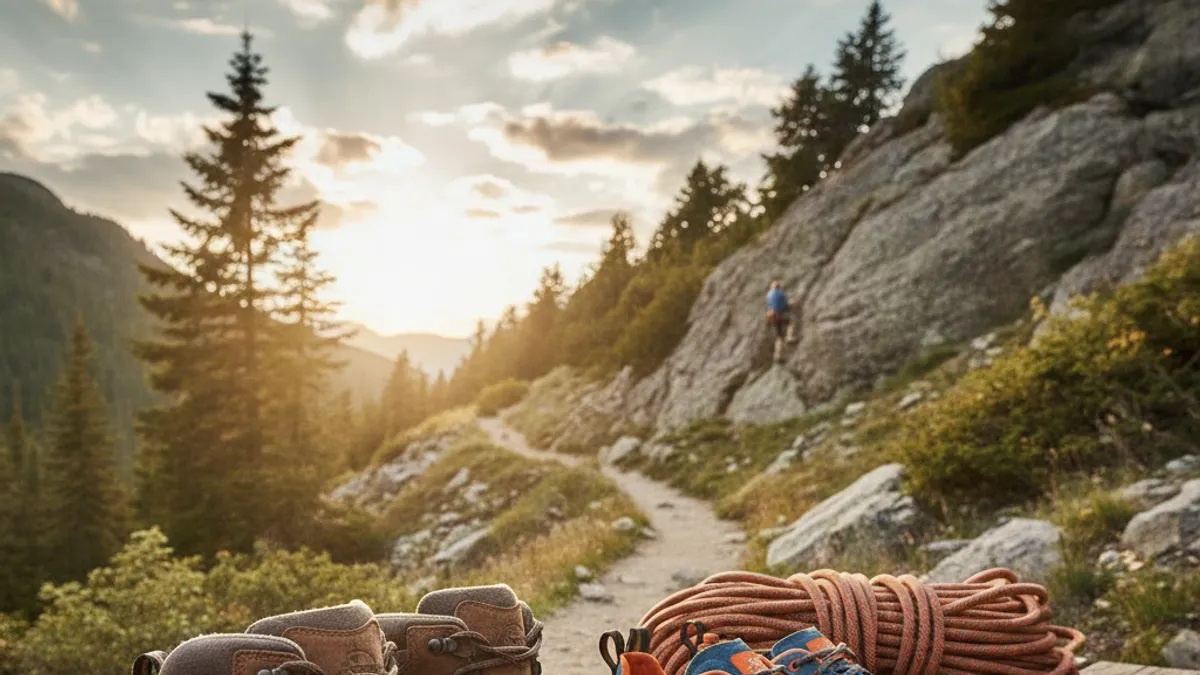
Deciding between hiking shoes and approach shoes boils down to understanding the primary demands of your outdoor adventures. If your typical outing involves miles of walking on trails, forest paths, or moderately uneven terrain, and you might carry a daypack or a heavier backpacking load, then a good pair of hiking shoes is your best bet. Their design prioritizes comfort, support, and all-around grip for sustained movement.
However, if your adventures frequently lead you to scrambling over boulders, navigating narrow ledges, or hiking to a specific climbing or bouldering objective, approach shoes will serve you much better. Their specialized sticky rubber and stiffer soles offer the precision and grip crucial for maintaining stability on rock. Think of it as a decision tree: if your activity involves significant time spent on rock where friction and tiny edge grip are key, lean towards approach shoes. If it’s mostly about covering distance on dirt and varied trails, opt for hiking shoes.
Do I need both hiking shoes and approach shoes?
This is a common question, and the answer really depends on your specific outdoor habits and the types of terrain you most frequently explore. If your adventures are primarily long-distance trail hikes or backpacking trips, a versatile pair of hiking shoes will cover about 90% of your needs. You might not need dedicated approach shoes at all.
On the flip side, if you’re an active climber or scrambler who regularly tackles approaches that involve significant rock travel, then a dedicated pair of approach shoes is a worthwhile investment. While some beefier approach shoes can handle shorter hikes, they aren’t truly optimized for marathon walking. In this scenario, owning both types of footwear allows you to bring the perfect tool for each specific job, maximizing comfort and performance on every outing. For most casual hikers, a single solid pair of hiking shoes is sufficient.
Common Mistakes When Choosing Between Hiking and Approach Shoes
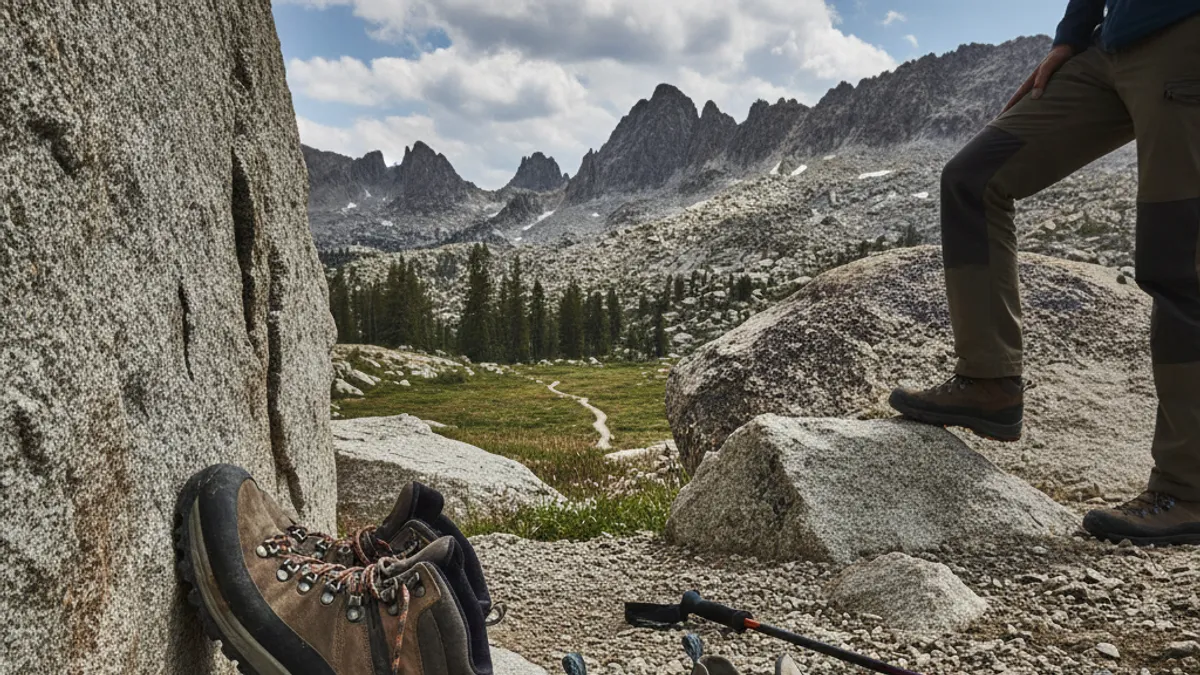
One of the biggest missteps people make is choosing footwear based solely on appearance or assuming they’re interchangeable. For example, buying approach shoes because they look “tough” and planning to use them for a week-long backpacking trip is a recipe for discomfort. The lack of cushioning will start to punish your feet after just a few miles on hard surfaces.
Conversely, selecting low-cut, lightweight hiking shoes for a scrambling route where you’ll be using your toes for precise foot placements can lead to frustration and insecurity. You might find yourself slipping in situations where the sticky rubber of an approach shoe would have provided confident purchase. It’s also a mistake to downplay the importance of fit: a shoe that doesn’t fit well, regardless of its type, will cause blisters, hot spots, and can lead to more serious foot issues.
What happens if I use hiking shoes for scrambling?
If you take hiking shoes onto terrain typically suited for approach shoes, you’ll likely notice a distinct lack of confidence on the rock. The rubber compound on hiking shoes is generally harder and designed for longevity across varied surfaces, meaning it doesn’t offer the same high-friction grip as the specialized sticky rubber on approach shoes. This can lead to a feeling of “skating” on smooth or wet rock.
Furthermore, the sole of a hiking shoe is typically more flexible. While this is great for walking, it means less stability when you need to stand on tiny ledges or edges. Your foot might feel less secure, and you’ll expend more energy trying to maintain balance. The less precise feel of a cushioned hiking shoe can also make it harder to make delicate foot placements, which are often required in scrambling.
Is a Hybrid Option Right for You?
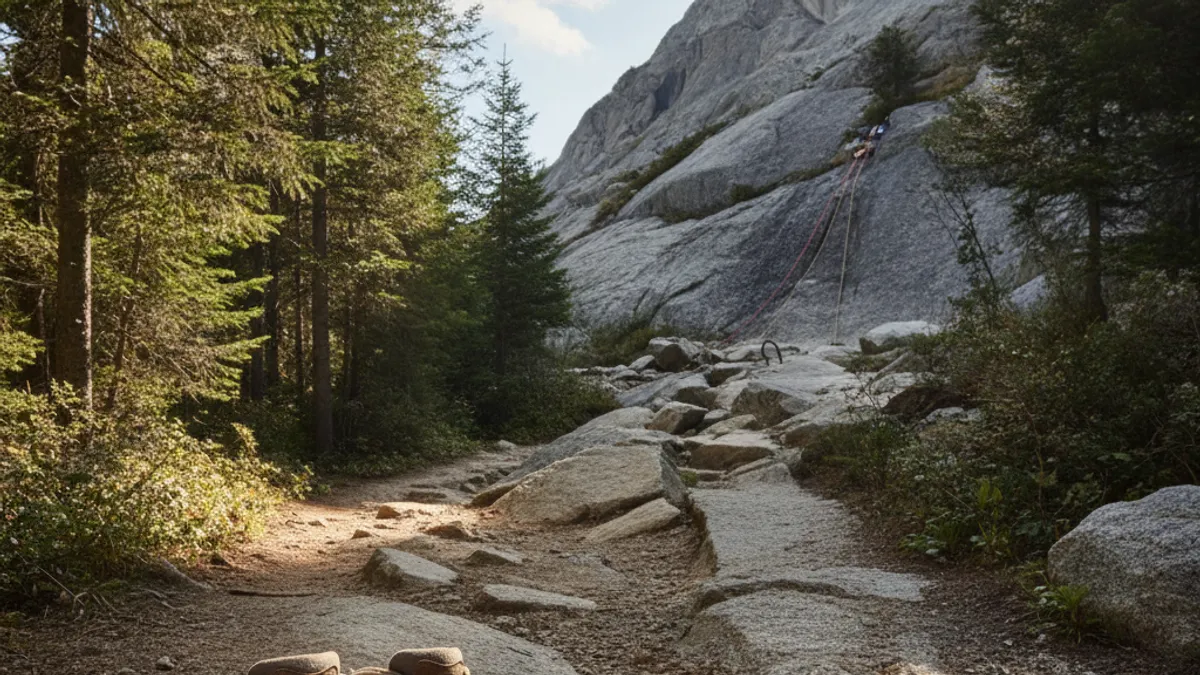
The market has seen a rise in footwear that attempts to blend the characteristics of both hiking shoes and approach shoes, often marketed as “hybrid” or “all-around” outdoor shoes. These can be a compelling option if your activities fall into a gray area between pure trail hiking and dedicated rock travel. They typically offer more cushioning and flexibility than a true approach shoe but incorporate a stickier rubber compound and a slightly stiffer sole than a traditional hiking shoe.
You’ll find these hybrids often have a lower-profile design than full hiking boots, with enhanced lacing for a more adaptable fit. They might feature a moderate toe rand for protection and an outsole that balances lug depth for dirt grip with a flatter section for better rock contact. These shoes can be an excellent choice if you do a mix of moderate day hikes, some light scrambling, and want a versatile shoe that can handle a bit of everything without excelling at any one extreme.
What to look for in a hybrid outdoor shoe
When you’re looking at these in-between options, here’s what you should focus on to see if it fits your needs. First, check the sole material. Does it feel exceptionally sticky, or is it a harder, more durable compound? For hybrid use, a moderately sticky rubber is key, offering better grip than a standard hiking shoe without being overly soft and wearing down quickly.
Next, examine the stiffness and flexibility. A truly hybrid shoe will have a sole that’s stiffer than most hiking shoes but more flexible than a dedicated approach shoe. It should offer enough support for uneven ground but still allow for a natural walking motion. Finally, consider the outsole lug pattern.
You want lugs deep enough to grip dirt and mud, but with some flatter surface area in the midfoot or forefoot that can make better contact with rock. The lacing system is also important; one that extends towards the toe allows for a more secure, customizable fit.
Expert Take: Making the Best Choice for Your Adventures

Ultimately, the decision between hiking shoes and approach shoes, or a hybrid, hinges on a realistic assessment of your typical outdoor pursuits. As specialists in footwear design, manufacturers create these different categories because specialization matters. A hiking shoe is engineered to be a comfortable, supportive cruiser for miles of trail work. An approach shoe is a precise tool for navigating the rockier, more technical paths leading to climbing objectives.
If your primary goal is covering ground comfortably, choose hiking shoes. If your objective involves steep, rocky terrain where precise foot placement and sticky grip are paramount, opt for approach shoes. For those who straddle the line with moderate hiking and light scrambling, a well-chosen hybrid can offer a solid compromise. Always prioritize fit and function over aesthetics, and consult manufacturer specifications regarding sole materials and stiffness when making your final selection.
