
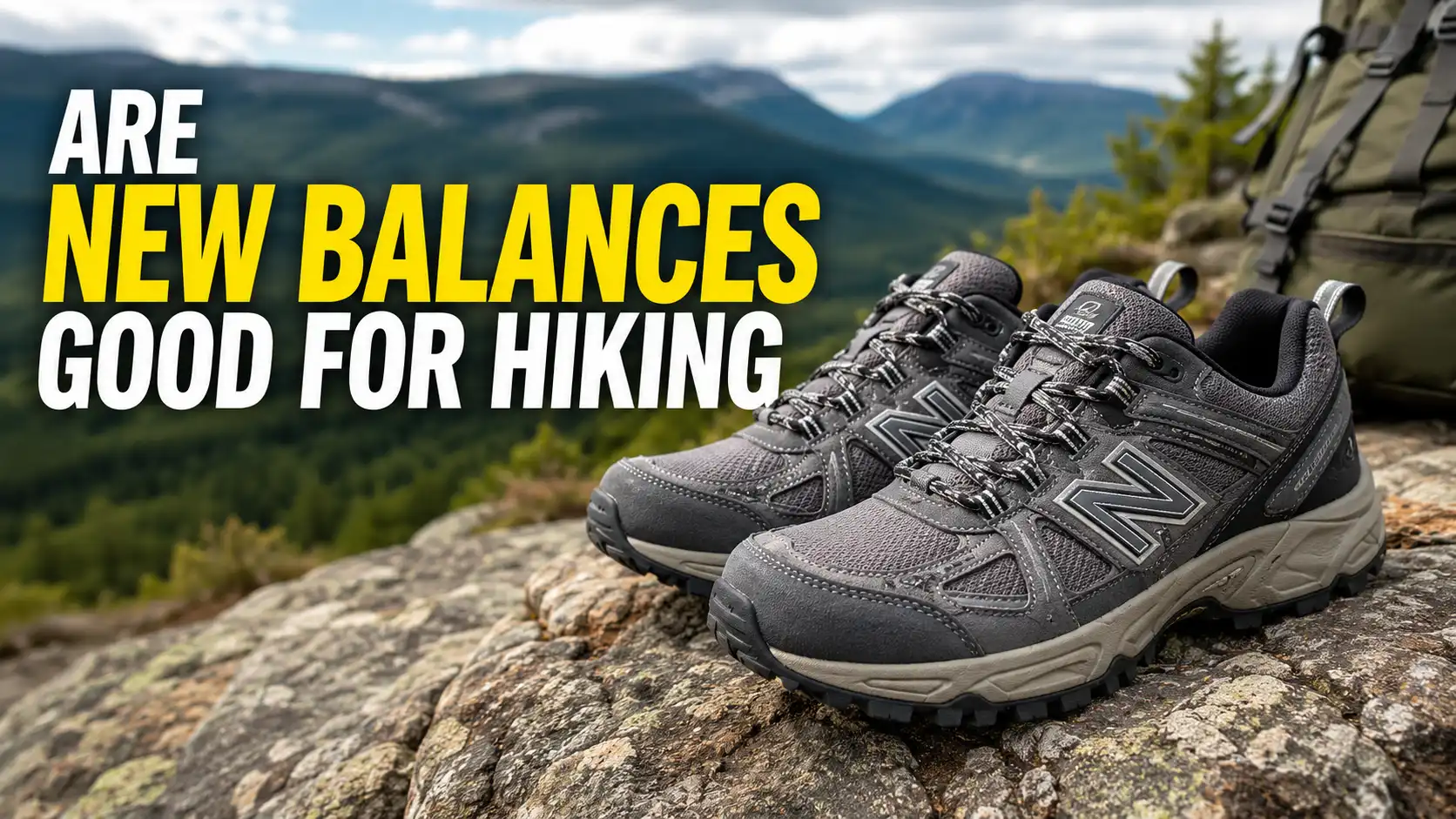
You’re wondering if your comfortable New Balance sneakers can double as hiking shoes. It’s a common question, especially when you want to simplify your gear or already own a pair you love. While New Balance makes excellent shoes for running and everyday wear, their suitability for hiking depends heavily on the trail and the type of New Balance shoe you have.
Our research indicates that not all New Balance models are built to withstand the rigors of hiking. Key distinctions exist in features like sole traction and ankle support, critical for varied terrain. Manufacturer specifications for their trail running models often list features like enhanced grip and cushioned midsoles, but these may not fully equate to the robust design found in specialized hiking footwear.
What Makes a Hiking Shoe Different from Your Everyday Sneakers?
Hiking requires footwear that can perform under much tougher conditions than a typical walk. You’re contending with unpredictable surfaces, think loose gravel, submerged roots, or slick mud, all of which demand a shoe that hooks in and provides stability. This isn’t just about comfort; it’s about safety and efficiency on the trail. Without the right features, even a short hike can become a frustrating or even dangerous experience.

Traction and Grip: Staying On Your Feet
The sole of a hiking shoe is arguably its most critical component for performance on the trail. You need a tread pattern designed to bite into various surfaces, preventing slips and slides. Aggressive, deep lugs, often V-shaped or multi-directional, are a hallmark of good hiking shoe traction. These are engineered to shed mud and debris while maximizing contact with the ground.
Manufacturer specifications for dedicated hiking boots often detail multi-directional lug patterns for optimal grip on inclines and descents, a level of detail typically absent in standard athletic shoe designs.
Support for Your Body: Ankles, Arches, and Beyond
Beyond the immediate grip, proper hiking footwear provides essential support to protect your body from strain and injury. Good arch support is crucial, especially on longer hikes, to prevent foot fatigue and the onset of conditions like plantar fasciitis. Furthermore, shoes offering ankle support, typically higher-cut hiking boots, help stabilize your foot and prevent rolls on uneven ground. Aggregate reviews often report increased ankle stability with footwear featuring reinforced ankle collars, a feature generally missing in low-cut casual sneakers.
Built Tough: Durability for the Trail
Hiking trails are abrasive environments. Rocks, roots, and rough ground can quickly wear down less robust materials. Dedicated hiking shoes and boots are constructed with tougher, more abrasion-resistant materials in the uppers and soles to withstand this constant punishment. This means a shoe that can last for many miles and multiple seasons, rather than breaking down after a few outings.
Per standard durability testing for outdoor gear, reinforced stitching and thicker outsole rubber compounds are key indicators of longevity suitable for trekking.
Protection from the Elements and Obstacles
Your feet are on the front lines of any hike, encountering hazards that urban walking doesn’t present. This includes stubbing toes on rocks, sharp branches, or even the impact of landing heavily on uneven terrain. Hiking footwear often incorporates protective features like reinforced toe caps and durable uppers that shield your feet from these impacts. Additionally, for hikes in wet conditions or across streams, features like waterproof membranes or quick-drying materials can significantly enhance comfort and prevent issues like blisters caused by prolonged moisture.
New Balance Shoes: What They Offer for Outdoor Activity
New Balance is widely recognized for its dedication to comfort and a broad spectrum of athletic and lifestyle footwear. While this broad appeal makes them a go-to for many activities, understanding their performance for hiking requires a closer look at specific model types. Their product lines generally cater to everyday wear, road running, and specialized sports, with a segment that overlaps into trail use.
New Balance’s Strengths for Casual Trails and Walks
When considering New Balance for outdoor excursions, their trail running shoes often come up. These models are designed with more grip than typical road running shoes, incorporating lug patterns aimed at providing traction on dirt paths and light gravel. Many New Balance shoes are also praised for their excellent cushioning, which can make a significant difference in comfort during prolonged periods of standing or walking. If you’re embarking on a light day hike on well-maintained, mostly flat terrain, and you’re not carrying a heavy pack, a New Balance trail runner might indeed offer sufficient comfort and a degree of suitability.
For instance, their Fresh Foam cushioning technology is often highlighted in product specifications for its shock absorption. For those interested in maximizing comfort on gentle paths, exploring options within their hiking workout plan for beginners can help build foundational fitness.
Where New Balance Often Falls Short for Real Hiking
However, for more demanding hiking scenarios, New Balance shoes generally lack the specific engineering found in dedicated hiking footwear. The traction on many New Balance trail models, while improved over their road counterparts, may not be aggressive enough for steep, slippery, or rocky trails. Ankle support is another area where they typically fall short; most New Balance shoes are low-cut, offering minimal stability for the ankle joint, which is crucial for preventing sprains when navigating uneven ground. Furthermore, the durability of materials used in many lifestyle or even standard athletic models might not withstand the constant abrasion and stress of off-trail conditions over the long term.
This distinction is vital when comparing to specialized hiking boot constructions, which often feature reinforced sidewalls and thicker, more rugged outsole compounds. For a deeper dive into the differences, comparing trail runners vs hiking boots provides crucial context.
New Balance for Hiking: A Use Case Breakdown
Deciding if New Balance is the right choice for your hiking adventures really comes down to the specifics of your planned excursions. It’s not about whether the brand is inherently “good” or “bad,” but rather whether its features align with the demands of the trail ahead. We’ve analyzed how different types of New Balance footwear perform against the requirements for hiking.
When a New Balance Trail Runner Might Be Okay
A New Balance trail runner can serve you well in certain hiking scenarios, particularly those that lean more towards brisk walking on easier terrain. If your idea of hiking involves exploring local parks, walking well-maintained nature paths, or covering relatively flat ground with a predictable surface, a strong contender from their trail line might suffice. These shoes often feature decent cushioning for comfort and a tread pattern that can handle dry dirt and light gravel. For example, if you’re following a route similar to the paved and gravel paths found in some national parks, and the weather is dry, a shoe like the New Balance Fresh Foam Arishi Trail could work for you.
This type of shoe is also a good option if you’re already active and have strong ankles, as they require less external support.
When You Absolutely Need Dedicated Hiking Footwear
There are clear situations where opting for footwear specifically designed for hiking is non-negotiable. This includes tackling steeper inclines, navigating rocky or scree-covered slopes, or hiking in wet, muddy, or unpredictable conditions. For these types of hikes, dedicated hiking boots or shoes offer superior traction with deeper, more aggressive lugs that bite into soft earth and provide grip on hard rock. They also provide essential ankle support through higher collars, acting as a crucial defense against sprains when carrying a pack, as detailed in guides on how to choose hiking boots.
Furthermore, the robust construction and abrasion-resistant materials found in specialized hiking footwear are built to endure the constant stress of challenging terrain, unlike many casual or even trail running shoes. If you are planning any overnight trips or carrying substantial weight, the difference is significant.
Common Mistakes When Using New Balance for Hiking
One of the most frequent missteps people make is assuming their regular New Balance sneakers are suitable for any hike. This often leads to discomfort, blisters, or even more serious injuries like ankle sprains. Another common error is overlooking the importance of the outsole’s tread pattern; a smooth or lightly lugged sole, common on many New Balance lifestyle shoes, can be dangerously slippery on wet rocks or loose dirt. People also sometimes underestimate the need for ankle support, especially when hiking on uneven ground or carrying a backpack, a low-cut shoe offers very little protection against twists and rolls.
Making Your Footwear Choice: A Final Decision Guide
Deciding on the right footwear for your hike hinges on matching the shoe’s capabilities to the trail’s demands. If your hikes are consistently light, on well-maintained paths, and in dry weather, a New Balance trail runner might offer adequate comfort and functionality. However, for any trekking that involves significant elevation changes, challenging terrain, wet conditions, or carrying a load, we strongly recommend opting for footwear specifically engineered for hiking. Brands that specialize in outdoor gear typically offer superior traction, durability, and support, features that play a vital role in ensuring a safe and enjoyable experience on the trail.
Always consider the type of hike you’ll be doing most often when making your purchase.
