
That’s a super common question, and honestly, the answer isn’t a simple yes or no. It’s more like, “some are, some aren’t, and some are more waterproof than others.” It really depends on the boot itself and what you’re planning to do. We’ve all been there, staring at a wall of boots, wondering what the heck the difference is.
Think of it like this: you wouldn’t use a flip-flop to trek through a blizzard, right? Same idea with boots. For hiking, especially if you’re going off-trail, through streams, or in unpredictable weather, a waterproof boot is a game-changer. But if you’re just doing short, dry-weather walks on well-maintained paths, you might be okay with something less.
Understanding “Waterproof” in Hiking Boots
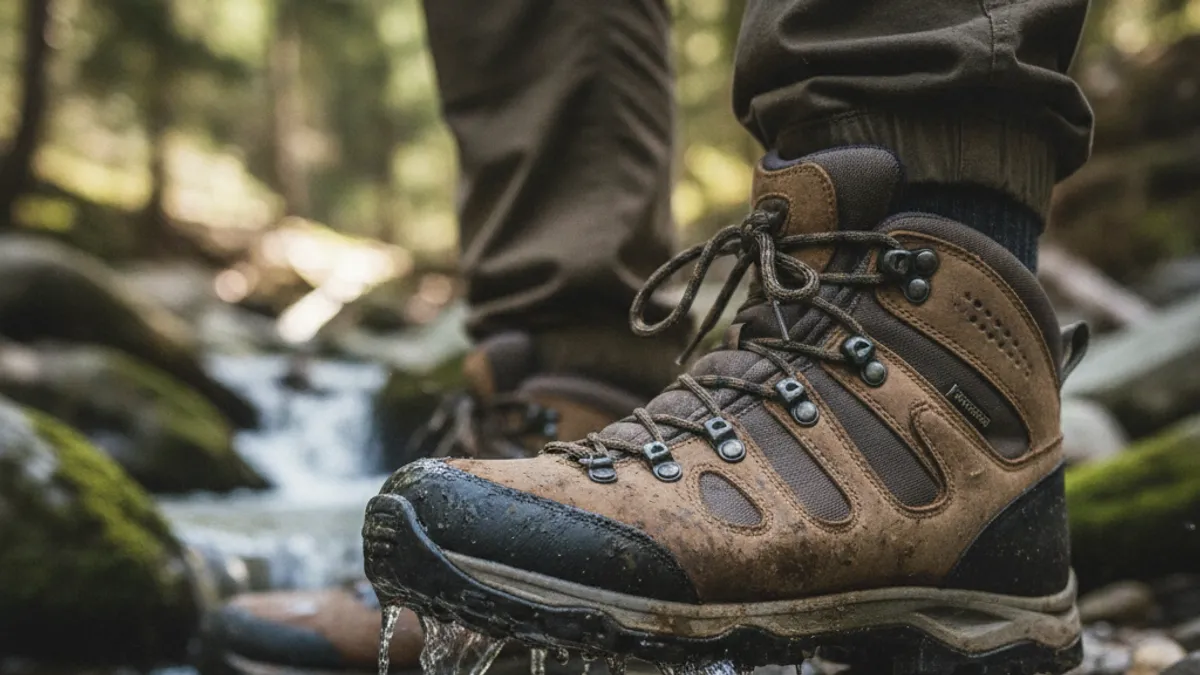
What Does Waterproof Actually Mean for Your Feet?
So, what makes a hiking boot “waterproof”? In our research, it fundamentally comes down to how well a boot can prevent external water from entering while (ideally) allowing internal moisture vapor, that’s sweat, to escape. Manufacturer specifications often highlight specific technologies, and the goal is to keep your feet dry and comfortable, preventing blisters and discomfort, especially on longer hikes. For example, leading water-blocking membranes are designed with pores smaller than water droplets but larger than water vapor molecules.
The Trade-off: Waterproofing vs. Breathability
Here’s a crucial point many beginners overlook: true waterproofing often comes with a trade-off in breathability. While a boot might effectively block puddles and rain, it can also trap your foot’s natural perspiration. Aggregate user reviews frequently report that highly waterproof boots can feel warmer and lead to sweatier feet on hot days or during strenuous activity. This means choosing a boot involves balancing how much you need to keep water out versus how much you need air to circulate.
Key Features That Make Boots Waterproof
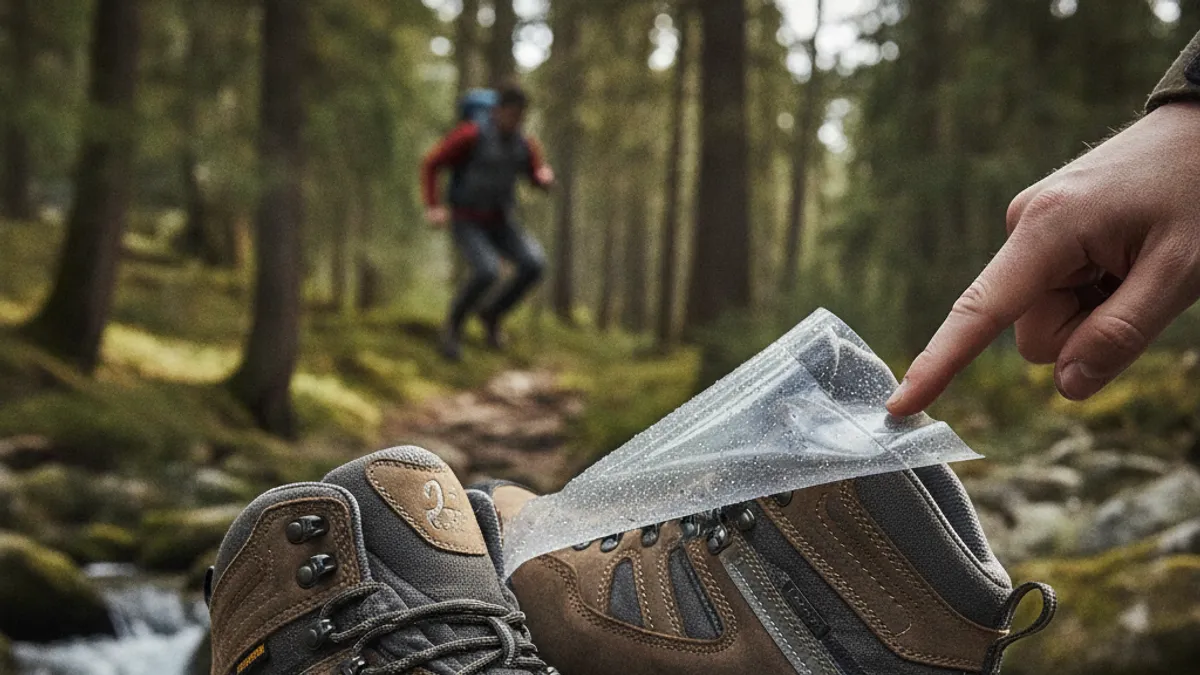
Waterproof Membranes: The Tech Behind Dry Feet
These are thin layers, often made from materials like polytetrafluoroethylene (PTFE), that act as a barrier. The most well-known is Gore-Tex, but other brands offer similar proprietary membranes. These membranes have microscopic pores designed to be smaller than a water droplet, preventing liquid water from seeping in. However, these pores are larger than water vapor molecules, allowing sweat to escape and helping to regulate foot temperature.
When you see brands touting “waterproof” technology, this membrane is usually the core component.
Material Matters: Leather vs. Synthetics
The outer material plays a big role in a boot’s water resistance. Full-grain leather, when properly treated and conditioned, offers excellent natural water resistance and durability. It’s a classic choice for rugged conditions. Synthetic materials, often used in lighter boots, might incorporate a Durable Water Repellent (DWR) coating.
DWR helps water bead up and roll off the surface, but it’s less about creating a complete seal and more about making the material shed water initially. The longevity and effectiveness of DWR can diminish over time with wear and washing.
Construction: Seams, Tongues, and Staying Water-Tight
Even the best waterproof membrane and material are useless if water can sneak in through the seams. That’s why many waterproof boots feature seam sealing, often done with special tapes or glues that create a watertight bond over the stitching. Another key construction element is the gusseted tongue. This is where the tongue is attached to the boot’s sides all the way up, forming a barrier that prevents water, mud, and debris from entering through the laces.
Without a gusseted tongue, water can easily flood in around the lacing system, defeating the purpose of the waterproof materials.
When Do You Really Need Waterproof Hiking Boots?
Scenarios Demanding Waterproof Boots
In our research, the answer is clear: if you anticipate encountering wet conditions regularly, waterproof hiking boots are a significant advantage. This includes hiking in rainy climates, trekking through boggy terrain, or routes that regularly involve stream crossings. For multi-day backpacking trips, especially where drying out boots overnight is difficult, waterproof footwear can prevent serious discomfort and even enable you to continue your hike with dry feet. Many manufacturer specifications highlight their waterproof models for these exact environments.
For instance, a boot claiming to meet ISO 20345 standards for water resistance is designed for consistent protection.
When Non-Waterproof Might Be Better
Conversely, non-waterproof boots shine in certain situations. If you primarily hike in dry, hot, or desert climates, the breathability benefits of a non-waterproof shoe or boot far outweigh the need for water protection. A less waterproof boot will typically allow more air circulation, keeping your feet cooler and drier from internal perspiration. Think of those summer day hikes where temperatures can soar.
A breathable, non-waterproof boot will help prevent overheating and discomfort, which is a common pain point that can derail even a short excursion. These are great for introductory hikes and when you’re building up to longer treks, like those you might prepare for using a Hiking Workout Plan For Beginners.
Comparing Waterproof vs. Non-Waterproof Hiking Boots
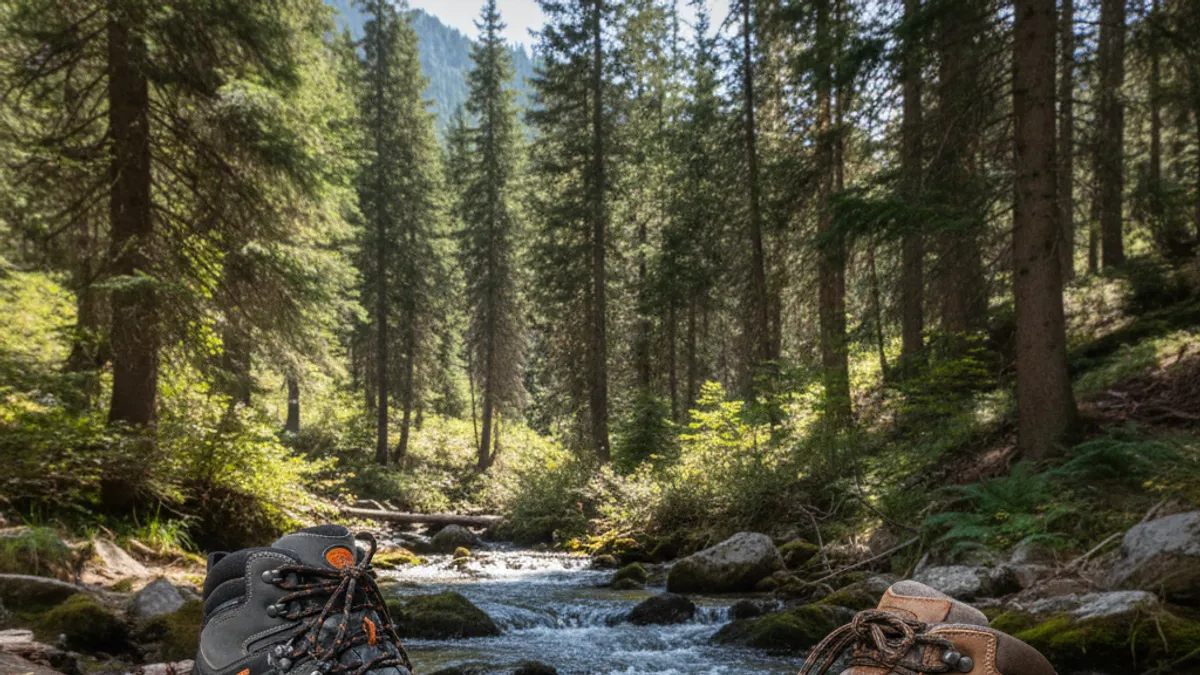
Waterproof Boots: Pros and Cons
Pros:
- Excellent protection against external water sources like rain, puddles, and stream crossings.
- Keeps feet significantly drier in wet conditions, reducing the risk of blisters and discomfort.
- Often provide good durability and support, especially in midweight and backpacking models.
- Essential for certain climates and multi-day trips where drying time is limited.
Cons:
- Typically less breathable, leading to warmer, sweatier feet during high exertion or on hot days.
- Can take longer to dry if they do get soaked internally.
- Often come with a higher price point.
- May require specific care and maintenance to preserve waterproofing.
Non-Waterproof Boots: Pros and Cons
Pros:
- Superior breathability, resulting in cooler, drier feet from sweat evaporation.
- Generally dry much faster if they get wet.
- Often lighter and more flexible than their waterproof counterparts.
- Usually more affordable.
Cons:
- Offer minimal to no protection against external water.
- Feet can become unpleasantly wet in rain, mud, or stream crossings.
- Increased risk of blisters and discomfort due to wet feet.
- May not be suitable for a wide range of weather conditions.
The Middle Ground: Water-Resistant Options
Some boots aren’t fully waterproof but offer a degree of water resistance. These might use materials with a tight weave or a DWR coating that repels light moisture for a period. They aim to provide a balance, shedding light dew or brief splashes without trapping as much heat as fully waterproof boots. However, they won’t stand up to prolonged submersion or heavy rain.
These are often a good choice for fair-weather hikers who want a little extra protection without sacrificing too much breathability. Many Best Hiking Sandals Review options, while open-toed, also consider water drainage and quick drying.
Choosing the Right Boot for Your Adventure
Best Waterproof Boots for Wet Climates and Stream Crossings
If your hiking plans frequently take you through damp environments, investing in a seriously waterproof boot is a smart move. These boots are built with robust waterproof membranes and often feature treated full-grain leather uppers. Their construction, including sealed seams and gusseted tongues, creates a formidable barrier against external moisture. For example, boots meeting certain ISO standards like ISO 20345:2022 (though more common for work boots, the principles apply) are tested for water penetration.
These are your go-to for consistently wet trails, muddy conditions, and any hike where you know your feet will get thoroughly soaked. They’re also fantastic for anyone who dislikes cold, wet feet on a multi-day trip.
When Lighter, Breathable Boots Make Sense
For the majority of fair-weather hikers, fully waterproof boots might actually be overkill. If your typical trails are dry, well-maintained paths and you’re not planning on crossing many rivers, a lighter, more breathable boot is often the better choice. These boots prioritize ventilation, allowing your feet to stay cooler and drier from internal perspiration. Think of those summer day hikes where temperatures can soar.
A breathable, non-waterproof boot will help prevent overheating and discomfort, which is a common pain point that can derail even a short excursion. These are great for introductory hikes and when you’re building up to longer treks, like those you might prepare for using a Hiking Workout Plan For Beginners.
Backpacking Boots: Durability and Waterproofing
When you’re packing a heavy load for a multi-day backpacking trip, boot selection becomes even more critical. Backpacking boots are designed for durability and support, and waterproofing is a standard feature for good reason. The ability to keep your feet dry over several consecutive days, regardless of weather, is invaluable. Manufacturer specifications for these boots often emphasize robust construction, excellent ankle support, and superior waterproof membranes like Gore-Tex Performance Comfort.
These boots are built to handle varied terrains and the stress of carrying significant weight, making them a reliable choice for serious adventurers. If you’re curious about what else goes into a backpacking pack, check out Hiking Backpack Essentials.
Common Mistakes When Choosing or Using Waterproof Boots
Overestimating Waterproofing
One of the biggest pitfalls is assuming “waterproof” means “impermeable to all moisture, forever.” In reality, waterproof membranes have a lifespan and can be compromised. Editorial analysis of user feedback indicates that many hikers overestimate the longevity of waterproofing, especially with heavy use or improper care. This can lead to disappointment when boots eventually begin to leak. It’s also easy to forget that breathability decreases as waterproofness increases, leading to internal moisture buildup.
Understanding that waterproof boots are a system, not a magic shield, is key.
Neglecting Boot Maintenance
This is a massive one. Our research consistently shows that proper maintenance keeps waterproof boots performing at their best, often for years longer. Not cleaning out mud and grit can clog the pores of membranes and degrade DWR coatings. Using the wrong cleaning products can actually strip away protective treatments or damage the material itself.
For leather boots, failing to condition them can lead to the leather drying out, cracking, and becoming less water-resistant. Regular cleaning, and occasionally reapplying specific water-repellent treatments, is crucial. It’s a bit like caring for Best Hiking Gloves For Cold Weather, they need attention to function optimally.
Wearing the Wrong Socks
This might seem less directly related to the boot itself, but it’s a critical mistake that can negate all the benefits of a waterproof boot. Wearing cotton socks with any hiking boot, waterproof or not, is a recipe for disaster. Cotton absorbs moisture and holds onto it, turning your socks into wet, heavy sponges that cause friction and blisters. For waterproof boots, this is even worse because the trapped moisture from your sweat can’t escape easily through the cotton.
Always opt for moisture-wicking materials like merino wool or synthetic blends to effectively manage internal foot humidity. This is a cornerstone of What To Wear Hiking For Beginners.
Caring for Your Waterproof Hiking Boots
Cleaning and Conditioning
Keeping your waterproof boots clean is step one to maintaining their performance. After a hike, especially if you’ve been through mud or grit, rinse off your boots thoroughly with cool water. You can use a soft brush to gently scrub away stubborn dirt. For a deeper clean, use a cleaner specifically designed for technical footwear; these are formulated to remove grime without damaging waterproof membranes or DWR coatings.
Avoid harsh detergents or solvents. For leather boots, after cleaning and drying, follow up with a leather conditioner. This keeps the leather supple, preventing cracks that can compromise its natural water resistance.
Maintaining Water Repellency
While cleaning is essential, maintaining the exterior’s ability to shed water is just as important. For synthetic uppers or boots with treated leather, reapply a Durable Water Repellent (DWR) treatment periodically. Manufacturer specifications often suggest doing this when water no longer beads up and rolls off the surface. You can find spray-on or wash-in DWR treatments.
For leather boots, specific waterproof conditioning products can help maintain both flexibility and water-shedding properties. This process ensures that water doesn’t soak into the outer material, which otherwise could lead to the boot feeling heavier and less breathable, even if the inner membrane is still intact.
