
Thinking about your next adventure and wondering, “Can you bring hiking poles in a carry-on?” It’s a practical question for any traveler planning to hit the trails right after landing. Many hikers rely on their poles to ease joint strain and improve balance, so knowing how to pack them is crucial for a smooth travel experience.
Most of the time, the answer is a resounding yes, especially if you’ve got collapsible poles. The Transportation Security Administration (TSA) and most major airlines allow collapsible trekking poles in carry-on luggage. However, there are specific conditions and packing methods that help ensure you don’t face any last-minute hold-ups at the airport security checkpoint.
The Quick Answer: Usually, Yes, But Here’s What to Know
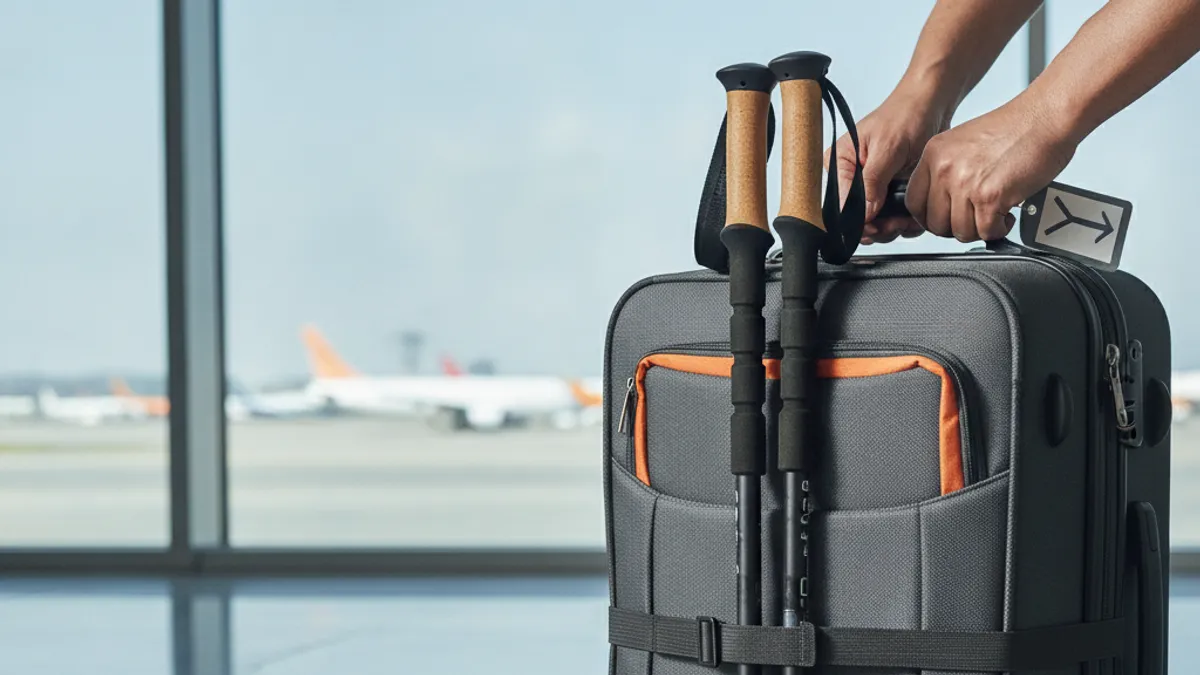
Generally speaking, you can bring your hiking poles with you in your carry-on bag. That’s great news for anyone who prefers not to check luggage or doesn’t want to risk their essential gear getting lost. The key to this all working out smoothly is having poles that can fold down. Rigid, one-piece poles are almost always a no-go for carry-on.
Think of it like bringing a tennis racket or a golf club; while they’re sports equipment, their size and rigidity dictate whether they fly in the cabin or need to be stowed below. For hiking poles, it’s the ability to collapse them to a more manageable size that makes them airport-friendly.
What Makes Hiking Poles Carry-On Friendly?
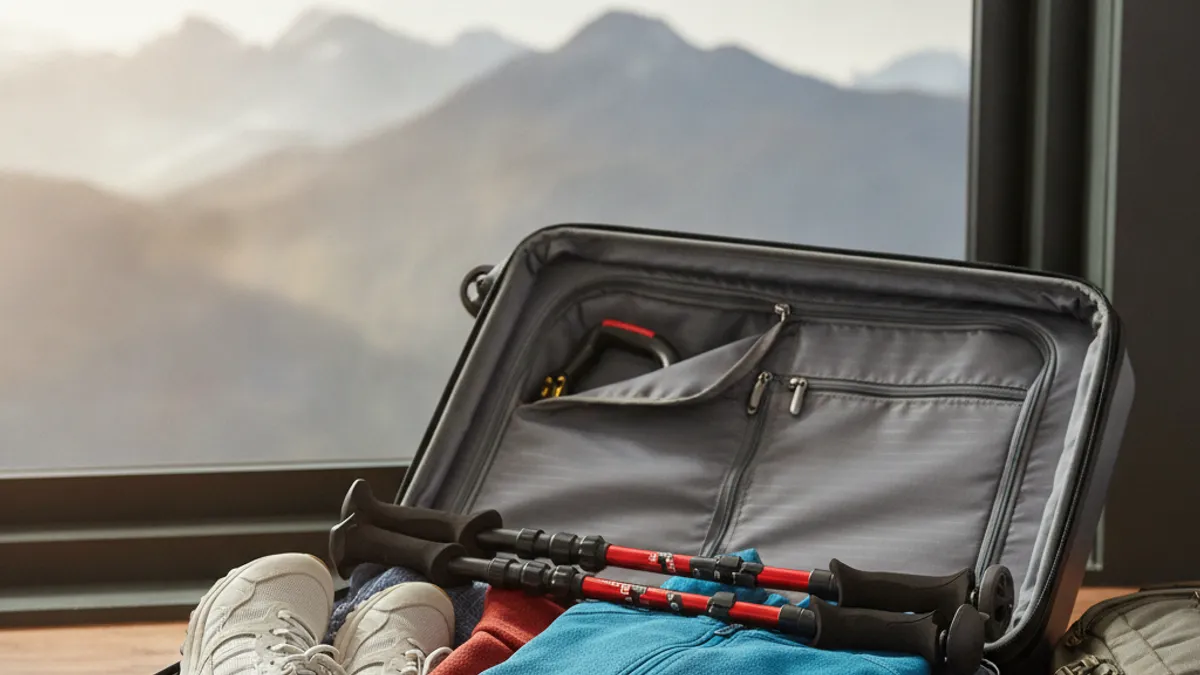
So, what actually separates a carry-on-approved set of hiking poles from a set that might get flagged? It mostly boils down to their physical form and intended design. It’s less about what they are and more about how they are shaped when you’re heading through security.
Collapsible Design is Key
This is the absolute non-negotiable factor. Poles that can collapse, fold, or telescope down to a significantly smaller size are your best bet for carry-on travel. Most modern hiking poles are designed with a locking mechanism that allows them to be shortened; this is what makes them fit within the typical carry-on size restrictions. Manufacturer specifications for most popular collapsible models indicate a folded length typically ranging from 24 to 30 inches, which easily fits into most standard carry-on suitcases.
Look at the Material and Attachments
The material your poles are made from, like aluminum or carbon fiber, is rarely an issue for carry-on. Instead, security agents look at the overall shape and any potential for misuse. Poles should not have extremely sharp or unusually designed tips that could be perceived as weapons. Standard pole tips, especially rubberized ones used for general trail walking, are generally not a concern.
Many hikers use them to protect sensitive trail surfaces.
When Might You Hit a Snag with Carry-On Poles?
While the news is mostly good, there are a few specific scenarios where bringing your hiking poles in a carry-on might cause you to pause. It’s always better to be prepared and know the potential pitfalls before you reach the airport.
Rigid Poles: The No-Go Zone
If your hiking poles are fixed in length and do not collapse or fold, they are highly unlikely to be permitted in your carry-on bag. These rigid poles often exceed standard carry-on dimensions and can be more easily mistaken for walking sticks that might be prohibited. For travelers with rigid poles, checking them as baggage is the only reliable option.
Packing Them Properly Matters
Even with collapsible poles, how you pack them is important. If they are sticking out of your bag or are loosely packed where they could snag or appear threatening, they might be questioned. Keeping them neatly secured and fully inside your carry-on is crucial for a smooth security screening.
How to Pack Your Hiking Poles for Carry-On Success
Following a few simple packing strategies can significantly increase your chances of getting your hiking poles through airport security without any issues. Think of this as an essential part of your pre-flight checklist, just like making sure you have your passport.
Step 1: Collapse Them Fully
This is the most critical step. Ensure your poles are fully collapsed down to their shortest possible length. If your poles have a twist-lock or lever-lock system, make sure they are securely locked in their shortest configuration. Do not leave them extended even partially.
Step 2: Secure and Stow Neatly
Once collapsed, use any straps that came with your poles to keep them bundled together. If they didn’t come with straps, a simple Velcro wrap or even a rubber band can do the trick. Then, place them inside your carry-on bag. Try to tuck them along the inside walls of your suitcase or into a side pocket if you have one.
Avoid letting them stick out or protrude from the top opening.
Step 3: Consider a Protective Sleeve
Many hiking poles come with a soft carrying sleeve, or you can purchase one separately. Using this sleeve can add an extra layer of protection for your poles and your other belongings. It also helps to present the poles as a single, tidy item to security personnel, which can make the screening process go more smoothly.
What About the Pole Tips?
Those little rubber caps on the ends of your hiking poles? You generally don’t need to worry about them for carry-on. These are standard accessories designed to protect both the pole tip and the surfaces you hike on. Security personnel understand their purpose.
If their primary function is to prevent scuffing on hard surfaces like asphalt or wooden decks, they’re usually considered harmless.
They are crucial for protecting trails, especially in sensitive natural areas. Many manufacturers, like Leki or Black Diamond, include these rubber tips as a standard feature on their poles, particularly for use on paved paths or in urban environments where a metal tip would be inappropriate or damaging.
Safety and Compliance: What the Rules Say
When traveling by air, understanding the rules set by security agencies and airlines is paramount. These guidelines are in place to ensure the safety of all passengers and crew, and knowing them can save you a lot of hassle.
Understanding TSA Guidelines
The Transportation Security Administration (TSA) in the United States provides clear directives on what can and cannot be brought through security checkpoints. For sporting goods and camping equipment, which includes hiking poles, the TSA’s website states that collapsible poles are generally permitted in carry-on baggage. According to TSA guidelines for sporting goods, items that are not specifically prohibited and do not resemble weapons are usually allowed. The final decision, however, always rests with the individual security officer.
They assess each item based on threat potential, and while collapsible poles are usually fine, anything that looks unusual or could be misused might be subject to further inspection or confiscation. It is important to remember that the TSA’s Secure Flight program, as of 2026, requires passengers to present valid identification for all travel.
Airline Policies to Keep in Mind
While the TSA sets federal guidelines for security, individual airlines also have their own policies regarding carry-on baggage size, weight, and prohibited items. Most airlines align with TSA’s general rulings on sporting goods, but it is always a good idea to check your specific airline’s website for their most up-to-date carry-on restrictions before you fly. Some airlines, particularly international carriers, may have slightly different interpretations of the rules or more stringent requirements on the dimensions of carry-on bags. For example, a European airline might have stricter size limits for carry-on bags than a domestic US carrier, which could indirectly affect whether your packed poles fit comfortably within their accepted dimensions.
Mistakes to Avoid When Packing Hiking Poles

Navigating airport security can be tricky, and a few common slip-ups with hiking poles can turn a smooth transit into a frustrating delay. Awareness of these frequent errors can help you pack smarter and avoid preventable problems when flying with your gear.
- Forgetting to Collapse Them: This is probably the most common mistake. Travelers sometimes forget to fully collapse their poles, leaving them too long to fit neatly or at all within carry-on dimensions. Always double-check that they are as short as they can go before packing them away. This oversight can lead to having to check your bag at the gate, incurring extra fees.
- Leaving Them Loose: Simply tossing your collapsed poles into your bag without securing them can lead to them shifting and potentially protruding from your bag, or just looking messy to security. Use straps or sleeves to keep them contained and tidy. A loose pole might get snagged during screening or appear as a collection of small parts rather than one coherent item.
- Assuming All Poles Are Equal: Not all hiking poles are designed for travel. Rigid, non-folding poles are almost certainly not going to pass as carry-on items due to their size and shape. Always check if your poles are specifically collapsible travel poles. If your poles are fixed-length, they will likely need to be checked as baggage.
- Ignoring Airline-Specific Rules: While federal regulations exist, airlines can have their own addendums. A quick peek at your airline’s website for their carry-on rules can prevent surprises. For instance, some budget airlines might have more restrictive measurements for personal items versus standard carry-ons, which could impact how and where you store your poles.
Final Verdict: Carry-On or Check Your Poles?
Ultimately, the decision to pack your hiking poles in a carry-on versus checking them depends on your specific gear and your travel preferences. If you have collapsible hiking poles and pack them mindfully, you’ll likely have no issues bringing them into the cabin. This offers the most convenience, allowing you immediate access to your poles upon arrival.
If, however, you own rigid, non-folding poles, or if you’re someone who prefers to avoid any possibility of airport scrutiny, checking your luggage is the way to go. Checking your poles also gives you peace of mind knowing they’re handled by baggage services, though it does introduce the risk of lost or delayed luggage. For most frequent travelers with collapsible poles, the carry-on route is efficient and effective.
