
Have you ever finished a steep trail climb feeling completely soaked in your own sweat? I know I have, and it makes every remaining mile feel twice as hard. When you browse the outdoor aisle or look through gear catalogs, almost every shirt, fleece jacket, and pair of trail pants seems to be made of synthetic fabric. That leaves many hikers asking a fair question: Is polyester good for hiking, or is it just a cheap material companies use to save money?
Choosing the right clothing layers can mean the difference between a breezy day on the trail and a cold, damp hike back to your car. In this guide, we are going to look closely at how polyester performs on the trail. I will explain why it is one of the most popular hiking fabrics available, where it shines, where it falls short, and how to use it safely in your layering system.
Quick Answer: Is Polyester Good for Hiking?
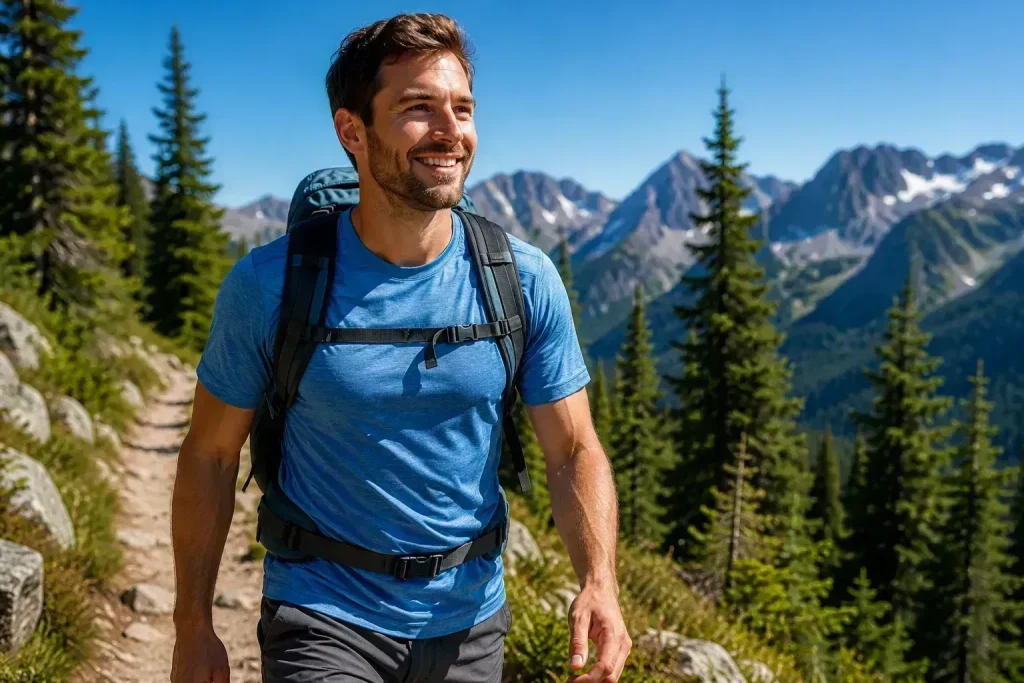
Yes, polyester is an excellent fabric for hiking. It is lightweight, durable, highly moisture-wicking, and dries very quickly when you sweat or get caught in light rain. Unlike cotton, polyester does not hold onto water, which keeps your skin dry and prevents uncomfortable chafing or dangerous chills. While it can trap body odor over long trips and melts easily near open fire sparks, it remains one of the best and most affordable materials for outdoor clothing.
What Hikers Should Know About Polyester
Let’s talk about why synthetic fabrics dominate the outdoor gear world. When you are hiking uphill, your body works hard and generates a lot of heat and moisture. The main job of your trail clothes is to move that sweat away from your skin so it can evaporate into the open air.
Polyester is a synthetic fabric made from plastic polymers. Because these synthetic fibers are hydrophobic, meaning they naturally repel water, polyester absorbs less than 1 percent of its weight in water. Instead of soaking up moisture like a sponge, the fabric pulls liquid through the spaces between its fibers to the outside layer. Once sweat reaches the outer surface of the shirt, the breeze and ambient air dry it rapidly.
Here are the key benefits that make polyester a top choice for trail gear:
- Rapid Drying Speed: Polyester dries far faster than natural plant fibers, helping you stay comfortable after working up a heavy sweat.
- Lightweight Feeling: Shirts and jackets made of fine polyester threads feel almost weightless on your back and pack down small in a daypack.
- High Durability: The strong synthetic fibers resist tearing, snagging, and abrasion from thick brush, sharp rocks, and heavy backpack straps.
- Budget-Friendly Price: Compared to high-end Merino wool, polyester offers outstanding trail performance at a price that fits almost any budget.
- Shape Retention: Polyester does not stretch out of shape easily or shrink when washed, keeping its comfortable fit over years of use.
To understand why polyester is so popular, it helps to see how it compares to other common fabrics like cotton and Merino wool.
First, cotton is something you should generally avoid on the trail. Hikers often use the phrase “cotton kills,” and while that sounds dramatic, there is a real safety reason behind it. Cotton holds onto water for hours. When a cool breeze hits a damp cotton shirt, it pulls heat away from your body quickly, which can lead to hypothermia even in mild weather.
Second, Merino wool is a wonderful natural fiber that regulates temperature well and naturally resists odor. However, Merino wool is expensive and wears out faster under friction. For most everyday hikers, polyester gives you almost the same moisture-wicking benefits at a much lower price tag.
Is Polyester Good for Hiking in Different Seasons?
One of the best things about polyester is its versatility across all four seasons. Depending on how the fabric is woven or brushed, gear manufacturers can design polyester clothes for hot summer days or freezing winter trips.
Here is how polyester performs across different weather conditions:
- Warm Weather and Summer Trails: In summer, lightweight polyester short-sleeve shirts and sun hoodies pull sweat away from your skin instantly. Look for loose-fitting polyester knit garments that let air flow freely across your chest and back.
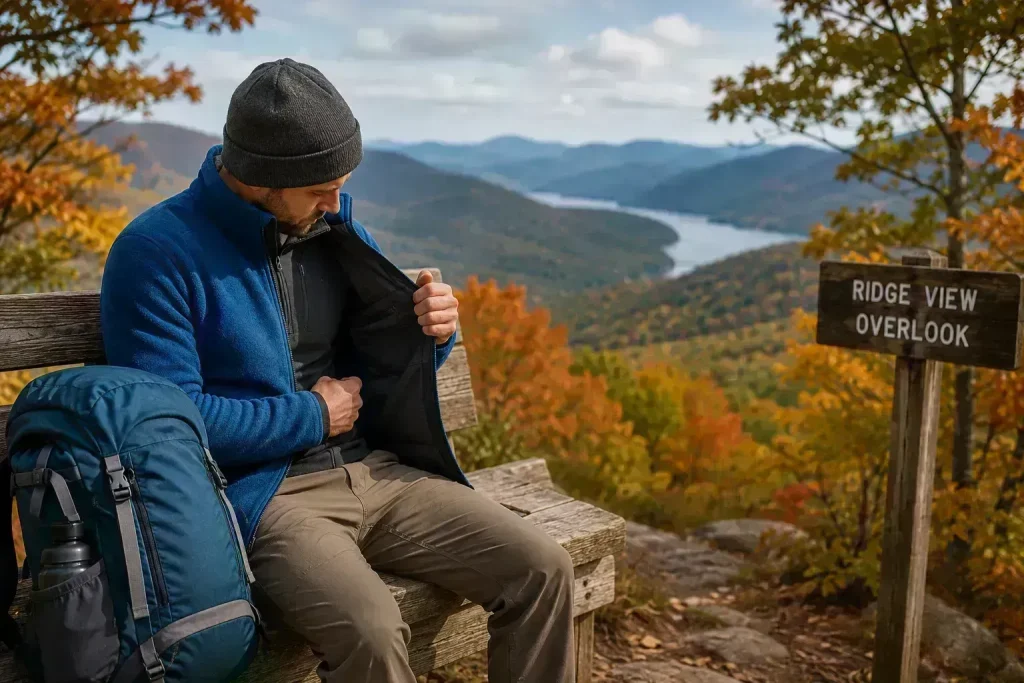
- Cool Weather and Spring/Fall Hiking: Polyester fleece jackets make fantastic mid-layers. The brushed fibers trap pockets of warm air created by your body heat while letting sweat vapor escape so you do not get soggy inside your clothes.
- Cold Weather and Winter Backpacking: Mid-weight and heavy polyester thermal base layers fit snug against your skin under winter shells. They keep cold air off your skin while managing the dampness that builds up when hiking in snow or cold wind.
No single fabric solves every trail problem, so paying attention to your environment is critical. To help you choose the right fabric for your next trip, here is a breakdown comparing common outdoor materials:
| Fabric Type | Drying Speed | Odor Control | Durability | Best Hiking Application |
|---|---|---|---|---|
| Polyester | Very Fast | Low to Moderate | High | Base layers, fleeces, hiking shirts, sun hoodies |
| Merino Wool | Moderate | Very High | Moderate | Multi-day backpacking, base layers, socks, cold weather |
| Nylon | Fast | Moderate | Very High | Hiking pants, windbreakers, rain jackets, outer shells |
| Cotton | Very Slow | Moderate | Moderate | Casual indoor wear (Not recommended for hiking trails) |
How to Choose and Use Polyester Hiking Gear Step by Step
If you want to build an effective outfit using polyester, following a simple layering routine is the best approach. Here is how you can use polyester to build a comfortable outfit for almost any trail trip:
- Pick a Lightweight Polyester Base Layer: Choose a thin, soft polyester t-shirt or long-sleeve sun hoody that sits directly against your skin. This layer works as your primary moisture manager to catch sweat immediately.
- Add a Breathable Mid-Layer for Warmth: When hiking in chilly air, slip a polyester fleece jacket or grid-fleece pullover over your shirt. Fleece traps warmth without trapping dampness inside your clothing.
- Pack a Weather Shell in Your Bag: Plain polyester shirts and fleeces will not stop strong wind or rain on their own. Carry a light windbreaker or waterproof jacket in your pack to put on over your fleece when the wind picks up or clouds roll in.
- Look for Durable Pants or Shorts: Many good trail pants use a blend of durable nylon or polyester with a tiny amount of elastane or spandex. These dry quickly if you walk through wet morning grass or wade across shallow streams.
- Wash Your Clothes Correctly After Each Trip: Clean your synthetic trail gear using mild liquid laundry detergent in cool or warm water. Hang your clothes to line dry or use low dryer heat to preserve the synthetic fibers.
Common Mistakes to Avoid With Polyester Hiking Gear
Even high-quality gear will fail to perform if it is not used or cared for properly. Here are a few common mistakes hikers make when wearing polyester on the trail:
- Using Fabric Softener in the Laundry: Liquid fabric softeners and dryer sheets leave a waxy coating on synthetic fibers. This clogs the tiny pores in the fabric and completely stops its ability to wick moisture away.
- Getting Too Close to Campfires: Flying embers and sparks from an open fire will quickly melt small holes into synthetic fleece jackets, polyester shirts, and nylon down jacket shells.
- Assuming Plain Polyester is Rainproof: Standard polyester wicks moisture, but it is not waterproof by itself unless it has a special waterproof coating or membrane built into the jacket.
- Wearing the Same Unwashed Shirt for Days: Synthetic fibers tend to harbor odor-causing bacteria faster than natural wool. If you wear the same shirt on a multi-day trip, expect it to smell pretty strong by day two.
- Forgetting an Extra Layer for Trail Breaks: Because polyester dries so fast through evaporation, it can cool your skin quickly when you stop moving. Put on a dry warm layer as soon as you stop for lunch on a chilly summit.
Practical Tips from Oscar
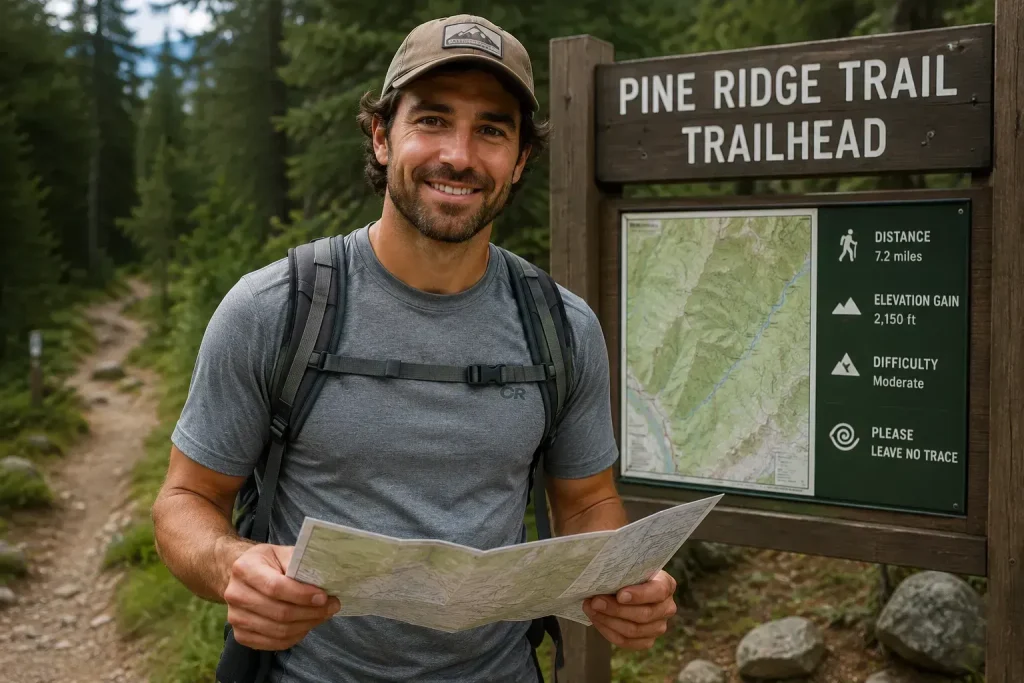
Over my years on the trail, I have worn almost every type of fabric imaginable. Polyester is easily my default choice for 80 percent of my day hikes simply because it is affordable, tough, and stress-free to wash. You do not have to worry about shrinking it in the washing machine like wool, and it handles the friction of backpack straps without wearing thin.
When shopping for summer gear, I also recommend picking polyester shirts with a UPF (Ultraviolet Protection Factor) rating of 30 or higher. Synthetic fabrics are woven tightly, which naturally blocks harmful sun rays better than thin cotton. Wearing a light polyester sun hoodie protects your arms, neck, and ears without forcing you to reapply sticky sunscreen every two hours.
Practicing good judgment and following basic Leave No Trace principles helps keep our public lands safe and enjoyable for everyone. Staying comfortable in fast-drying gear allows you to focus on trail safety, navigation, and enjoying the great outdoors.
Key Takeaways
- Polyester is lightweight, durable, and one of the fastest-drying fabrics available for outdoor gear.
- It wicks sweat away from skin much better than cotton, preventing uncomfortable chafing and dangerous chills.
- Polyester is budget-friendly, making it an ideal choice for beginner and intermediate hikers.
- Keep polyester clothes away from campfire embers and avoid using fabric softeners when washing them.
- Pair polyester base layers with wind and rain protection to create a safe, versatile trail clothing system.
Frequently Asked Questions
Is polyester better than cotton for hiking?
Yes, polyester is much better than cotton for hiking. Cotton absorbs sweat and stays damp for hours, which can cause chafing and lower your body temperature quickly in cool weather. Polyester wicks moisture away from your skin and dries rapidly to keep you comfortable and safe.
Does polyester make you stink when hiking?
Polyester can retain body odor more than natural fibers like Merino wool because odor-causing bacteria thrive on synthetic fibers. However, washing your clothes after every hike or buying polyester gear treated with anti-odor technology easily manages this issue for day hikes.
Is 100% polyester good for warm weather hiking?
Yes, 100% polyester works great in warm weather as long as it is a lightweight, breathable knit. It pulls sweat away from your body and allows air breeze to dry the shirt quickly, keeping you cool on sun-exposed trails.
Can you wear polyester fleece for winter hiking?
Polyester fleece is one of the absolute best mid-layers for winter hiking. The brushed fleece fibers trap pockets of warm air close to your body while allowing moisture vapor from sweat to pass through so you do not freeze.
How should you wash polyester hiking clothes?
Wash your polyester gear in cold or warm water using normal liquid laundry detergent. Avoid fabric softeners and dryer sheets, as they coat the synthetic fibers and ruin their moisture-wicking ability.
Is polyester waterproof?
Standard polyester fabric is water-resistant and quick-drying, but it is not waterproof on its own. For true rain protection, you need a jacket made of polyester or nylon that features a waterproof membrane or surface coating.
Conclusion
Choosing the right shirt or jacket for your trail adventures does not need to feel complicated. The good news is that polyester is one of the most reliable, practical, and affordable materials you can wear on any outdoor trail. It handles sweat easily, dries fast after a light shower, and stands up to rough rocks and thick brush.
Whether you are planning a quick weekend afternoon loop or getting ready for your first backpacking trip, stocking your closet with basic polyester base layers and fleeces will keep you comfortable without draining your budget. Pair your synthetic layers with a good beginner hiking clothing guide and a solid layering system for backpacking to ensure you are ready for whatever weather comes your way.
Remember to check weather forecasts before leaving home, pack your trail essentials, and wear layers that match the conditions. Have fun out there, and I will see you on the trail!
