
Have you ever looked at your closet while packing your backpack and wondered, is cotton good for hiking? When I first started hitting the local trails, I wore my favorite everyday cotton t-shirt and regular blue jeans. It was a sunny summer morning, so I figured I was totally fine. But by the time I reached the windy ridge, things changed fast.
My shirt was soaked in sweat. The wind picked up, and suddenly that wet shirt clung to my back like a cold, damp towel. I started shivering uncontrollably, even though it was July. I ended up turning around early, miserable and cold. That was my first real lesson in choosing the right hiking gear.
Here is the thing. Choosing the right hiking clothes is not about looking like a professional mountaineer. It is about staying safe, comfortable, and warm when the weather suddenly changes. In this guide, I will share exactly why your favorite t-shirt might be the wrong choice for the trail, when it actually might be okay, and what you should wear instead to have a great time outdoors.
Quick Answer
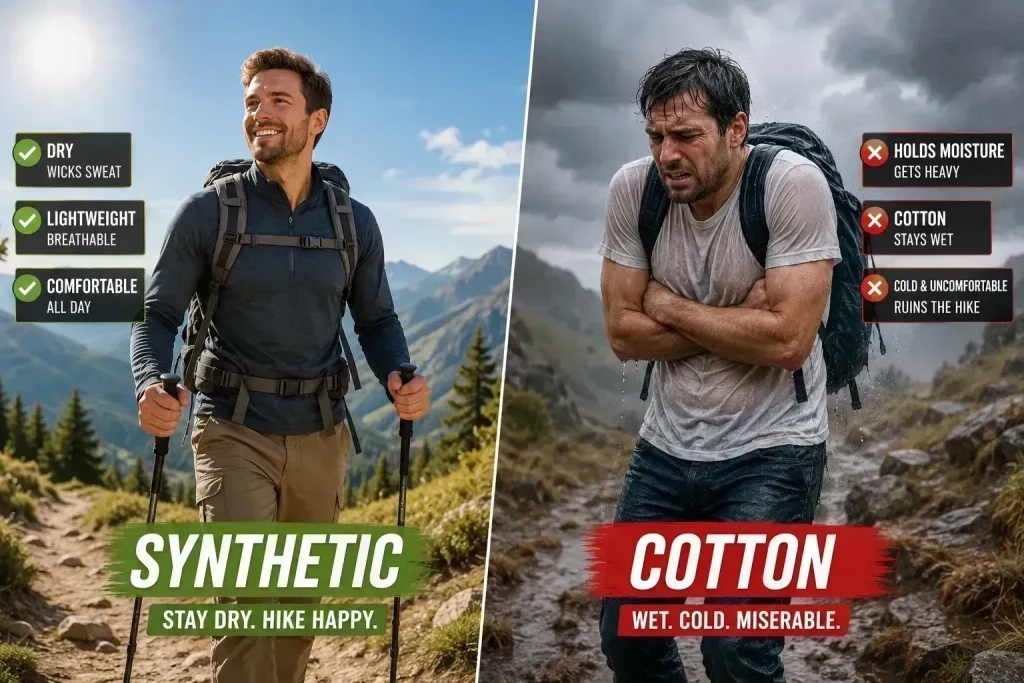
So, is cotton good for hiking? In most cases, no. Cotton is a highly absorbent fabric that holds onto sweat and rain like a sponge. Once it gets wet, it loses its ability to insulate your body and takes a very long time to dry. This can lead to painful chafing, blisters, and in cold or windy weather, a serious risk of hypothermia. For almost all hiking, synthetic fabrics or merino wool are much safer, more comfortable choices.
What Hikers Should Know About Cotton on the Trail
If you hang around experienced backpackers long enough, you will eventually hear the phrase, “cotton kills.” While that sounds extreme for a simple day hike in the local woods, the science behind the saying is completely true. Let me explain what happens when you wear cotton outdoors.
Cotton fibers are naturally hydrophilic. That is just a fancy way of saying they love water. A cotton shirt can absorb up to 27 times its weight in water. When you hike, you sweat. Your body sweats to cool you down. But instead of letting that sweat evaporate into the air, a cotton shirt traps it right against your skin.
Once cotton gets wet, it loses all of its thermal resistance. It stops trapping your body heat and instead starts pulling heat away from your body rapidly. This is called conductive heat loss. If a cold wind hits that wet shirt, you also experience evaporative cooling. You get cold very fast, even on days that seem mildly warm.
Here are the main problems with wearing cotton while hiking:
- It stays wet forever: Unlike polyester or wool, cotton does not dry quickly. If you sweat through it, it stays damp for the rest of your trip.
- It causes terrible chafing: Wet cotton creates high friction. This leads to painful chafing under your arms, between your legs, and under your backpack straps.
- It causes severe foot blisters: Cotton socks trap foot sweat. Wet skin becomes soft, and the friction from your hiking shoes will quickly tear that skin into painful blisters.
- It is heavy when wet: A sweat-soaked cotton hoodie or pair of jeans becomes heavy, bulky, and incredibly uncomfortable to carry.
Signs You Should Adjust Your Hiking Plan, Gear, or Trail Choice
Sometimes you might find yourself on a trail wearing cotton because you did not plan to hike long, or the weather shifted unexpectedly. It is vital to know when your clothing is putting you at risk so you can make smart decisions. Do not let pride keep you on a trail if your gear is failing you.
Always check the NOAA Weather forecast before you leave the house. Look for wind chill, incoming rain, and sudden temperature drops in the afternoon. If you see bad weather coming, it is time to rethink your outfit or your route.
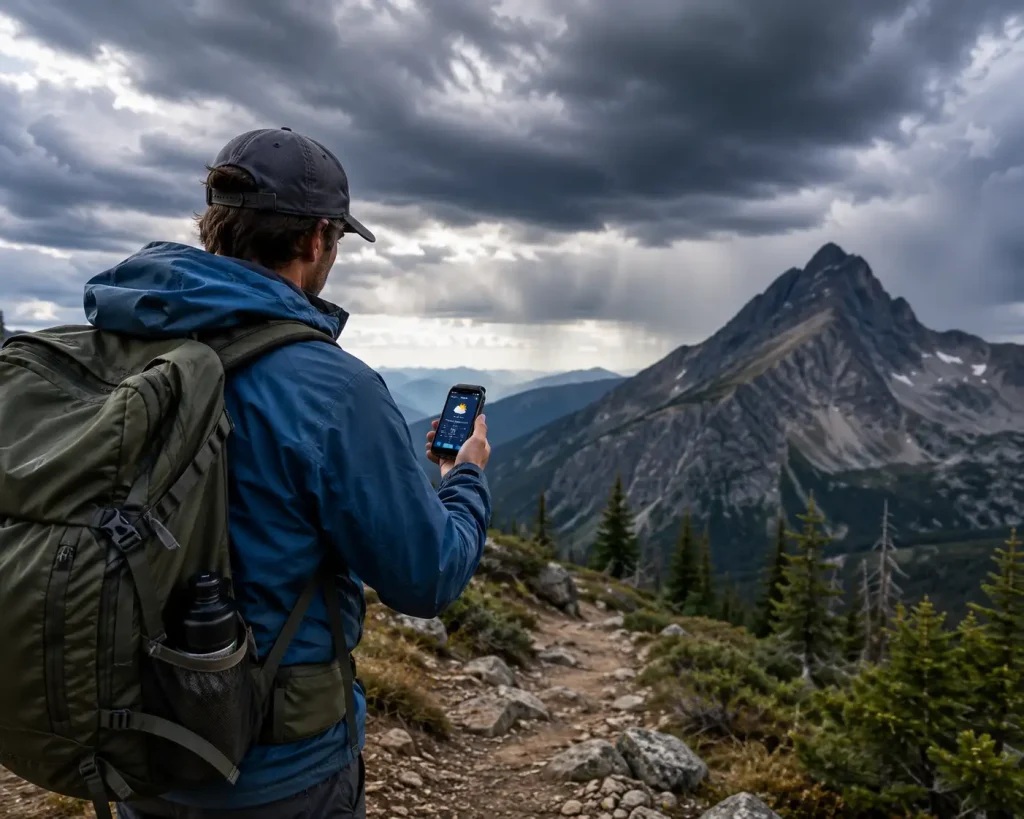
Watch out for these warning signs that you need to turn back or change your clothing:
- You feel a cold chill that does not go away when you stop walking.
- Your shirt is completely soaked with sweat and the wind is picking up.
- You feel a “hot spot” forming on your heel or toes (this means a blister is coming).
- Your legs feel heavy and cold because your jeans are wet from walking through damp brush.
- You start shivering. Shivering is your body’s first major warning sign that your core temperature is dropping.
| Trail Situation | Is Cotton Safe Here? | Better Alternative |
|---|---|---|
| Hot, dry desert hiking (over 90°F) | Yes, sometimes. The cooling effect can actually prevent overheating. | UPF-rated synthetic sun hoodie. |
| Cool fall morning hike in the woods | No. Sweat will freeze you when you stop for lunch. | Merino wool or synthetic base layer. |
| Rainy or misty day hike | Absolutely not. You risk hypothermia. | Polyester shirt under a waterproof rain jacket. |
| Casual paved park walk (1 mile) | Yes. You are close to your car and not exerting much effort. | Whatever is comfortable! |
How to Handle Your Hiking Layers Step by Step
The best way to stay safe and comfortable on the trail is to use a layering system. Instead of wearing one thick cotton sweatshirt, you wear multiple thin layers made of the right materials. This lets you add or remove clothing as you get hot or cold. Here is the best way to handle your hiking clothing step by step.
- Start with a wicking base layer. This is the shirt and underwear that touches your skin. Choose materials like polyester, nylon, or merino wool. These materials pull (or “wick”) sweat away from your skin to the outside of the fabric where it can dry quickly.
- Add an insulating mid-layer. If it is cold, put on a layer that traps your body heat. A classic fleece jacket or a lightweight puffy down jacket works perfectly here. Avoid cotton hoodies, as they trap moisture instead of heat.
- Carry a protective outer shell. Always pack a windproof and waterproof rain jacket in your backpack, even if the sky is blue. Weather changes fast in nature. This layer blocks cold wind and keeps your inner layers dry during a storm.
- Choose the right hiking pants. Leave the jeans at home. Wear nylon or polyester hiking pants, or comfortable athletic leggings. They dry fast, stretch when you climb over rocks, and keep your legs safe from scratching branches.
- Protect your feet with wool socks. Your feet work harder than any other body part on a hike. Wear merino wool hiking socks. Wool regulates temperature, manages sweat beautifully, and fights off the bacteria that causes smelly feet. Pair them with proper hiking shoes or trail runners.
If you want a deeper dive into building out your backpack, check out my beginner hiking gear checklist for a full rundown of the essentials.
Common Mistakes to Avoid
We all make mistakes when we are learning how to hike. I certainly did. But avoiding these common clothing errors will make your outdoor adventures much safer and way more fun.
- Wearing denim jeans: Jeans are made of heavy cotton. They restrict your movement, cause terrible inner-thigh chafing, and take hours to dry if you step in a puddle.
- Bringing a cotton towel: If you plan to swim in a trail lake, pack a microfiber camp towel. A regular cotton bath towel will soak your backpack and weigh you down.
- Assuming summer means cotton is fine: Even in summer, mountain peaks can be windy and near freezing. A wet cotton shirt at a high elevation is a recipe for a bad afternoon.
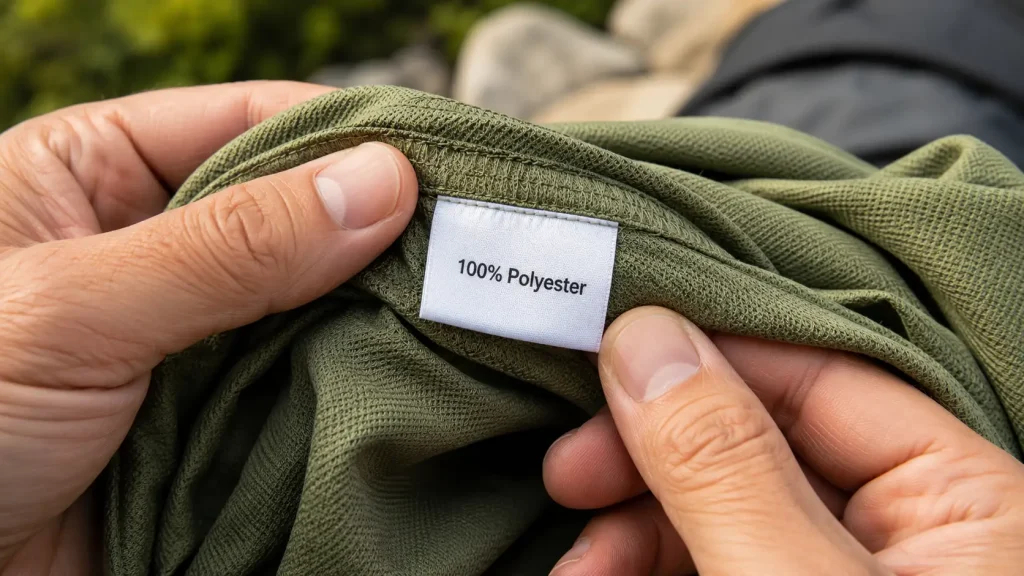
- Forgetting to check the tags: Many “workout” shirts in stores are actually 50% cotton blends. Always check the label before you buy it for the trail.
- Ignoring the 10 Essentials: Clothing is just one part of outdoor safety. Always pack extra water, snacks, navigation, and a first-aid kit, as recommended by the American Hiking Society.
Practical Tips from Oscar
Over the years, I have dialed in my hiking wardrobe through trial and error. You do not need to spend hundreds of dollars on fancy name-brand gear to be safe. You just need to be smart about fabrics. Here are a few practical tips from my own backpack.
Key Takeaways
- Cotton is generally a poor choice for hiking because it absorbs sweat, stays wet, and drains your body heat.
- Wet cotton clothing causes friction, leading to severe skin chafing and painful foot blisters.
- Always choose synthetic fabrics (polyester, nylon) or merino wool for your base layers, pants, and socks.
- Use a layering system with a wicking base layer, an insulating mid-layer, and a waterproof outer shell.
- The only time cotton might be acceptable is in extreme, dry desert heat where evaporative cooling is helpful, but even then, synthetics with UPF ratings are usually better.
Frequently Asked Questions
Can I wear jeans hiking?
No, you should avoid wearing jeans on a hike. Jeans are made of heavy cotton denim. They limit your mobility, cause painful chafing, and if they get wet from rain or sweat, they stay wet and heavy for the rest of your trip.
Are cotton socks bad for hiking?
Yes, cotton socks are one of the leading causes of hiking blisters. They trap foot sweat against your skin, which softens the skin and causes friction tears. Always choose merino wool or synthetic hiking socks instead.
Is cotton ever okay for hiking?
Cotton can occasionally be acceptable for short, casual walks in local paved parks where you are close to safety. It is also sometimes used in very hot, dry desert environments because the wet fabric keeps you cool, though modern synthetic sun-shirts are still widely preferred.
What is the best fabric for hiking?
The best fabrics for hiking are merino wool, polyester, and nylon. These materials wick moisture away from your skin, dry very quickly, and help regulate your body temperature in both hot and cold weather.
Does a cotton blend work for hiking?
A cotton blend (like 50% cotton and 50% polyester) is slightly better than pure cotton, but it is still not recommended for serious hiking. It will still hold moisture and dry slowly. It is always safest to stick to 100% synthetic or wool garments.
Conclusion
So, there you have it. The next time you are laying out your clothes for a weekend adventure, leave the cotton t-shirts and denim jeans in the closet. The phrase “cotton kills” might sound a bit dramatic for a sunny Saturday stroll, but nature is unpredictable. A sudden rainstorm or a drop in temperature can quickly turn a damp cotton shirt into a serious safety hazard.
The good news is that dressing for the trail is incredibly easy once you know the basics. Stick to polyester, nylon, and merino wool. Embrace the layering system so you can adjust to the weather as you hike. And always pack that emergency rain jacket.
If you are looking to upgrade your trail wardrobe without breaking the bank, take a look at my hiking footwear guide for tips on keeping your feet blister-free. Plan ahead, pack smart, respect the trail principles of Leave No Trace, and I will see you out there on the trails!
