
Hi, I’m Oscar. If you have ever stood in an outdoor store looking at rack after rack of trail shirts and pants, you know how confusing synthetic fabrics can be. You turn over a tag, see “100% nylon,” and wonder: Is nylon good for hiking, or will it leave you sweaty, chafed, and uncomfortable three miles up the trail?
When I first started day hiking, I assumed any athletic shirt would do the job. It did not take long to realize that wearing the wrong fabric makes a huge difference in how much you enjoy your time outdoors. Choosing the right clothes keeps you comfortable, protects your skin, and helps you stay safe when conditions change.
In this guide, we will break down everything you need to know about nylon hiking gear. We will look at why it is one of the most popular trail fabrics, where it works best, when to choose another material, and how to care for your clothes so they last season after season.
Quick Answer
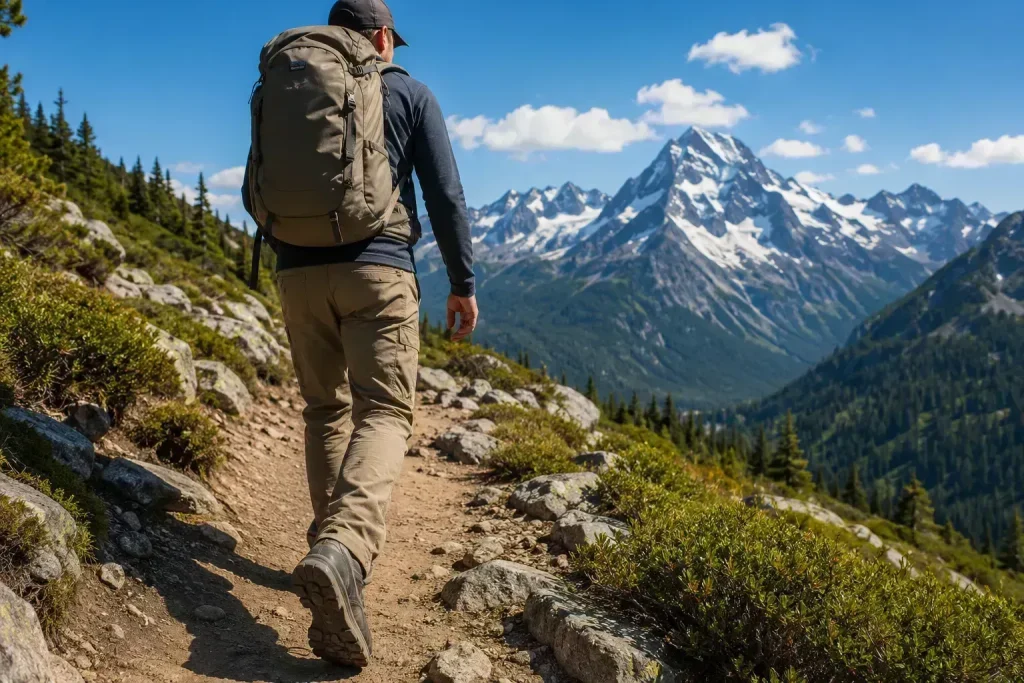
Yes, nylon is an excellent fabric for hiking clothing, backpacks, and outdoor gear. It is exceptionally durable, lightweight, abrasion-resistant, and quick-drying. Nylon handles rough terrain, sharp rocks, and heavy pack straps far better than cotton or polyester. While it absorbs slightly more moisture than polyester and can feel warm in extreme humidity, high-quality nylon remains a top choice for trail pants, jacket shells, and durable daypacks.
What Hikers Should Know About Nylon Fabric
Nylon is a synthetic fiber made from petroleum polymers. Outdoor gear makers love it because it is light, strong, and flexible. When you scrape against a sharp rock or brush past low branches, nylon holds up without tearing easily. That toughness makes it a staple material for trail pants, windbreakers, and backpack bodies.
To understand why nylon works so well on the trail, let us look at its primary benefits for day hikers and backpackers:
- Exceptional Durability: Nylon fibers are remarkably tough. It resists tearing and scraping better than almost any other standard outdoor clothing fiber.
- Quick Drying: While it holds a tiny bit more water than polyester, nylon dries far faster than cotton, helping you avoid staying damp after light rain or sweat.
- Lightweight Comfort: Modern woven nylon is thin and light, giving you full protection without adding unnecessary weight to your daypack.
- Wind and Weather Resistance: Tight nylon weaves block cold gusts effectively, making it great for wind jackets and outer pants.
Of course, no single fabric is perfect for every single trail condition. Nylon does have a few quirks you should know about before stocking your closet.
Nylon absorbs a tiny bit of water—roughly 4% of its weight—which is slightly more than polyester. In hot, humid conditions, heavy nylon can sometimes feel a bit warm or hold onto sweat a little longer. It can also melt if exposed to high heat or campfire sparks, so keep your nylon jackets a safe distance from open flames.
Signs You Should Adjust Your Hiking Plan, Gear, or Trail Choice
Every hiker needs to stay flexible. No fabric can keep you safe if you ignore dangerous weather or trail signs. Knowing when your gear choice or hiking plan needs tweaking is a core part of outdoor safety.
Here is a quick breakdown of trail conditions, how nylon behaves, and when you should adjust your strategy:
| Trail Condition | How Nylon Performs | Recommended Hiker Action |
|---|---|---|
| Rough, Rocky Trails | Excellent protection against scrapes and tears. | Wear nylon pants to protect knees and shins. |
| Cold Heavy Rain | Untreated nylon gets wet over time; dries fairly fast. | Layer a true waterproof hardshell over your nylon clothing. |
| High Heat & Humidity | Can trap heat if fabric weave is heavy or thick. | Switch to thin polyester shirts or lightweight vented nylon. |
| Campfire Cooking | Melts easily when exposed to direct heat or sparks. | Keep distance from sparks or wear wool/cotton near flames. |
Pay attention to early warning signs on the trail. If your clothes become completely soaked during a sudden downpour, your body temperature can drop fast—even in mild weather. Hypothermia is a real risk on cold, wet days. If you start shivering, feel exhausted, or notice bad weather rolling in, turn back or seek shelter.
How to Choose and Wear Nylon Hiking Gear Step by Step
Building a comfortable clothing system does not have to be expensive or complicated. Follow these straightforward steps to pick the right nylon gear for your next day hike or backpacking trip.
- Start with Nylon Hiking Pants: Look for lightweight woven nylon pants with built-in stretch. Pants protect your legs from sun, ticks, poison ivy, and scratchy bushes far better than shorts.
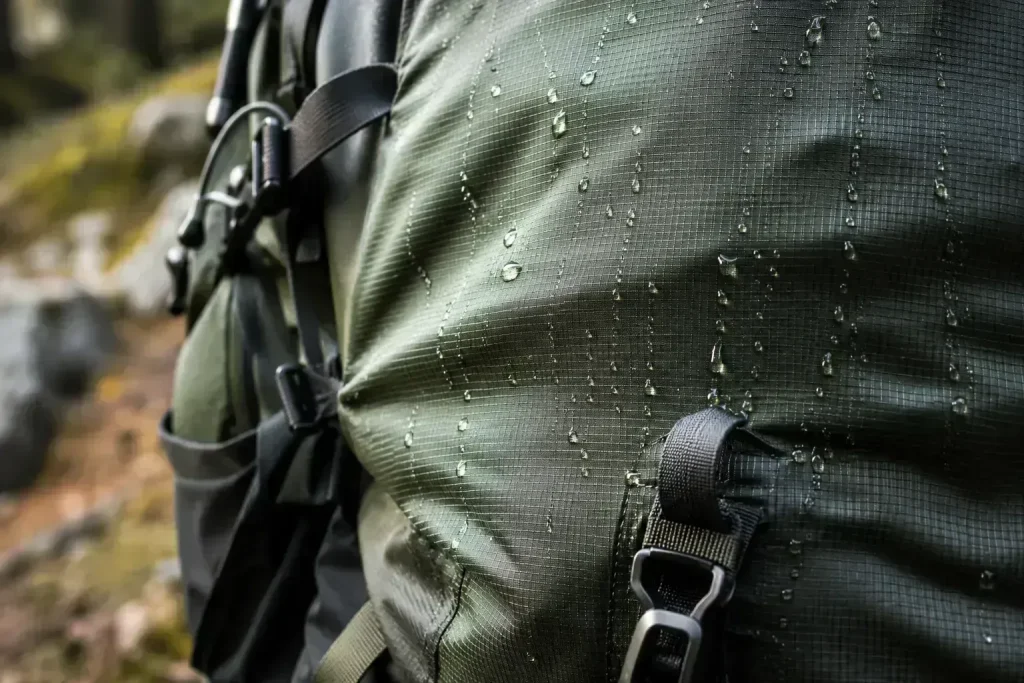
- Check for Water-Repellent Coatings: Many nylon pants and wind jackets feature a Durable Water Repellent (DWR) coating. This coating allows light rain and dew to bead off the surface rather than soaking in.
- Pick the Right Base Layers: For base layer shirts worn right against your skin, compare your options. Nylon works well, but thin polyester or merino wool shirts often feel softer and manage heavy sweat slightly better on hot climbs.
- Pack a Compact Nylon Shell: Carry a light nylon windbreaker or rain jacket in your backpack. It takes up very little space and provides instant protection if the wind picks up on a ridge.
- Protect Your Gear with a Nylon Pack: Make sure your daypack is made from high-density nylon (like ripstop or Cordura). It will resist tears when tossed onto rocks or pushed through brush.
Whenever you head into the woods, remember to pack your essential safety items. Bring a trail map, offline navigation app, extra water, snacks, a headlamp, a basic first-aid kit, and an emergency whistle. Being prepared makes every hike more enjoyable.
Common Mistakes to Avoid
Even experienced hikers make mistakes with their wardrobe choices. Here are a few common errors to avoid when selecting and wearing nylon gear:
- Mixing Nylon with Cotton Base Layers: Wearing a nylon jacket over a cotton t-shirt traps moisture. Cotton holds water like a sponge, leaving you cold and clammy. Keep your whole layer system synthetic or wool.
- Sitting Too Close to Campfires: Floating embers will burn tiny holes right through your favorite nylon jacket or pants in seconds.
- Ignoring UPF Sun Ratings: Not all thin nylon blocks harmful ultraviolet light. Look for gear with an explicit UPF 30+ or UPF 50+ rating for long days in full sun.
- Washing Gear with Fabric Softener: Fabric softeners coat synthetic fibers, clogging breathable weaves and ruining water-repellent coatings.
- Assuming Nylon is Completely Waterproof: Plain nylon is water-resistant, not waterproof. Rain will eventually soak through unless the garment has a waterproof membrane and sealed seams.
Practical Tips from Oscar
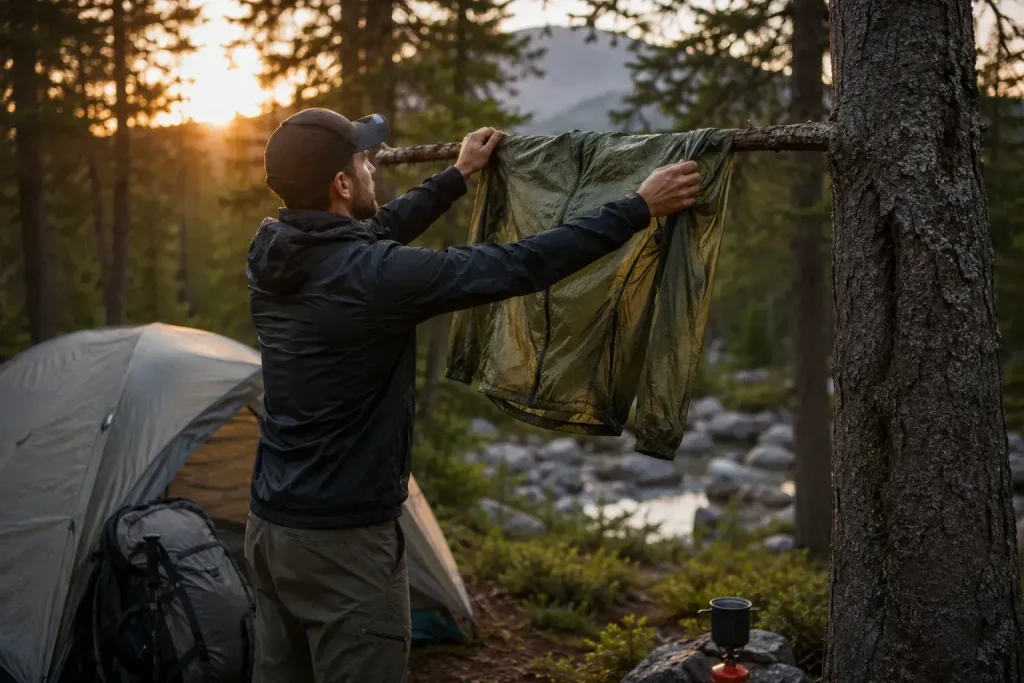
Over the years, I have worn through my fair share of trail gear. Here are a few practical lessons I have learned from my own time out on the trail.
Focus Nylon on Your Lower Body
If you are deciding where to invest in nylon, start with your pants. Your legs take the most abuse on a trail from rocks, brush, and mud. Nylon trail pants withstand years of scrambling and bushwhacking where polyester pants might snag or pill.
Know the Difference Between Nylon and Polyester
People often lump nylon and polyester together as “synthetics,” but they feel and act a bit differently. Nylon is stronger, softer, and more abrasion-resistant. Polyester dries slightly faster and resists UV degradation a bit better over long exposure. I prefer nylon for pants and backpacks, while I often choose polyester or merino wool for my summer hiking shirts.
Reapply DWR Coatings Regularly
If you notice water stopping to bead up on your nylon rain jacket or pants, do not throw them away. Wash them with a dedicated technical cleaner and spray them with an aftermarket DWR treatment. It restores water resistance in minutes and extends the life of your gear.
Key Takeaways
- Nylon is exceptionally strong, lightweight, and quick-drying, making it ideal for hiking pants, jackets, and backpacks.
- It offers superior resistance to abrasion and tearing compared to cotton or standard polyester.
- Nylon can melt near open flames and absorbs slightly more water than polyester, so choose your layers based on weather and activities.
- Avoid cotton underlayers, skip fabric softeners when washing, and reapply DWR spray to keep your gear weather-ready.
Frequently Asked Questions
Is nylon better than polyester for hiking?
Neither is strictly better; they excel in different areas. Nylon is stronger, softer, and much more durable against scrapes, making it the top choice for hiking pants and backpacks. Polyester dries slightly faster, absorbs less moisture, and resists sun damage better, making it ideal for shirts and base layers.
Does nylon keep you warm while hiking?
Nylon itself is not an insulating fabric like wool or fleece. However, tightly woven nylon acts as an excellent windbreak, trapping warm air near your body when worn over insulating layers.
Is 100% nylon breathable for hot weather hiking?
Standard 100% nylon can feel warm in high humidity if the weave is thick. However, lightweight, loosely woven, or vented nylon clothing provides plenty of breathability while protecting your skin from the sun.
Does nylon shrink when washed?
Nylon resists shrinking under normal washing conditions. To keep your gear in great shape, wash it in cold or warm water on a gentle cycle and dry it on low heat or hang it up to air dry.
Is nylon waterproof for hiking in heavy rain?
Standard nylon fabric is water-resistant, not waterproof. Rain jackets made of nylon rely on a waterproof internal membrane and a Durable Water Repellent (DWR) outer coating to keep heavy rain out.
Can you wear nylon clothes near a campfire?
You should be cautious. Synthetic fabrics like nylon melt quickly when exposed to open flames or stray embers. Keep a reasonable distance from campfires while wearing nylon jackets or pants.
Conclusion
So, is nylon good for hiking? Absolutely. It remains one of the most reliable, durable, and versatile fabrics you can wear on the trail. Whether you are scrambling over granite boulders on a weekend day hike or carrying a heavy pack on a multi-day trip, nylon gear gives you the protection and freedom of movement you need.
By pairing tough nylon pants with breathable upper layers and keeping your weather shell handy, you build a versatile system ready for almost anything the trail throws your way. Make sure to check local weather forecasts and park conditions before heading out, pack your essential supplies, and enjoy your time outdoors.
If you are building out your trail wardrobe, check out our guide on beginner hiking clothing layers to learn how to combine fabrics for year-round trail comfort.
