
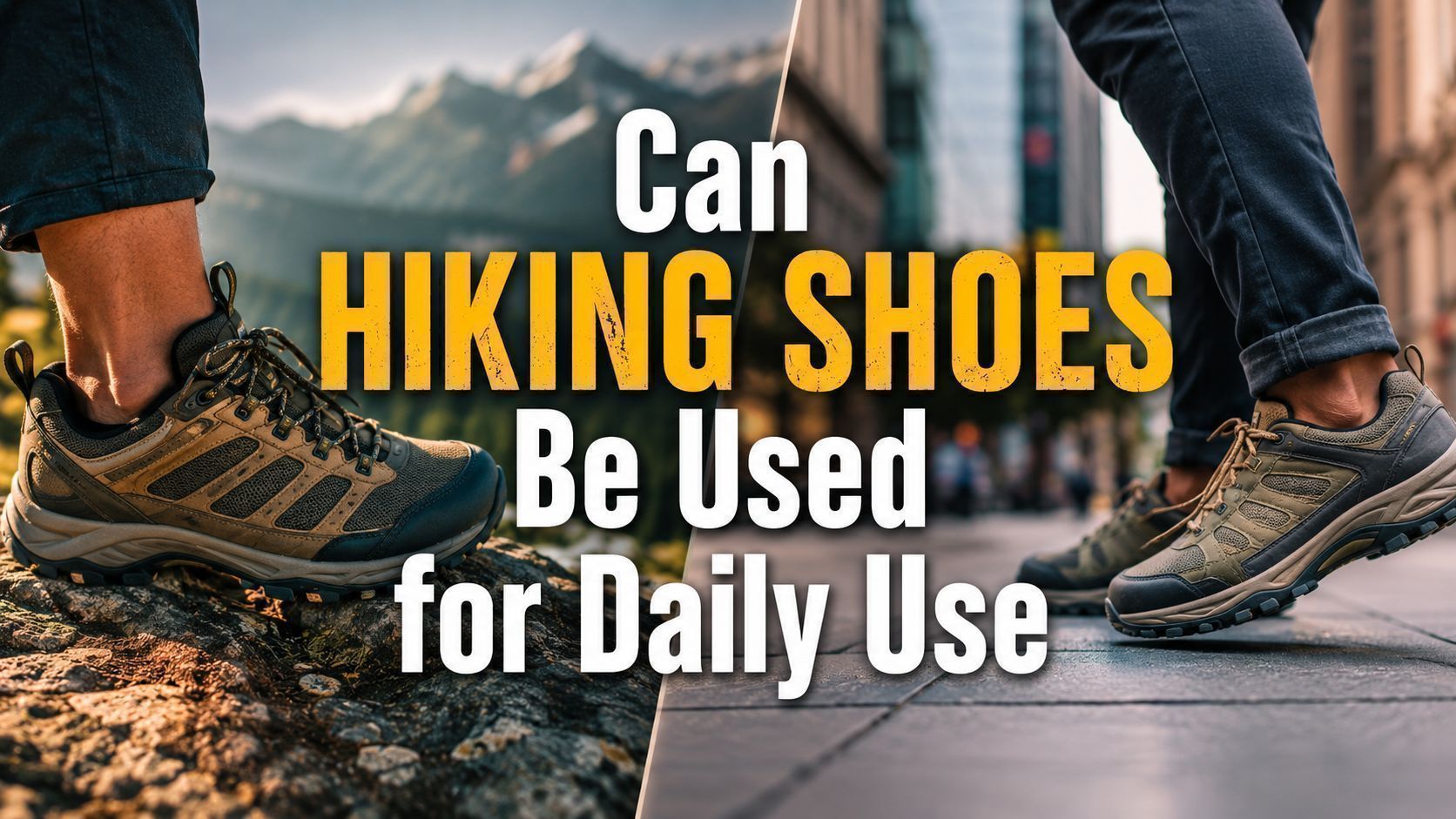
Hey there, I’m Oscar. A question I get asked all the time by new hikers is about footwear. You just dropped some serious cash on a great pair of hiking shoes. They feel amazing. They look pretty cool. Now you are wondering, can hiking shoes be used for daily use?
Here’s the thing. It is incredibly tempting to wear your favorite trail shoes everywhere. From running errands at the grocery store to walking the dog around the neighborhood, a good shoe is a good shoe. But there are a few things you need to know before you make them your everyday sneakers.
Let me explain how pavement affects trail rubber, how your feet might feel after a long day on concrete, and what to watch out for. Whether you are a weekend warrior or just someone who loves the outdoor look, let’s dive into the pros and cons of wearing your hiking shoes every single day.
Quick Answer
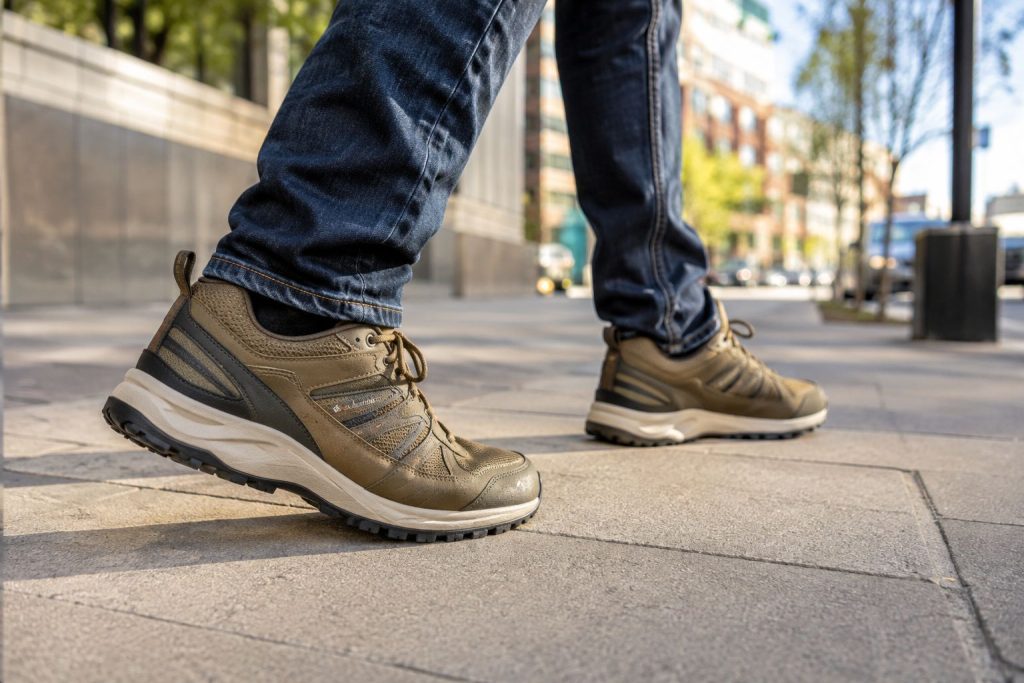
Can hiking shoes be used for daily use? Yes, absolutely. Hiking shoes offer excellent arch support, durable materials, and great traction, making them very comfortable for everyday tasks. However, the soft rubber on the bottom of hiking shoes will wear down much faster when walking on hard pavement instead of dirt trails. If you don’t mind replacing them a bit sooner, they are perfectly safe and comfortable for daily wear.
What Hikers Should Know About Wearing Trail Shoes Every Day
Before you lace up your trail shoes for a trip to the mall, it helps to understand how they are built. Hiking shoes are designed for dirt, mud, rocks, and uneven ground. Everyday sneakers are designed for flat, hard concrete.
Here are the main differences you will notice if you wear hiking shoes daily:
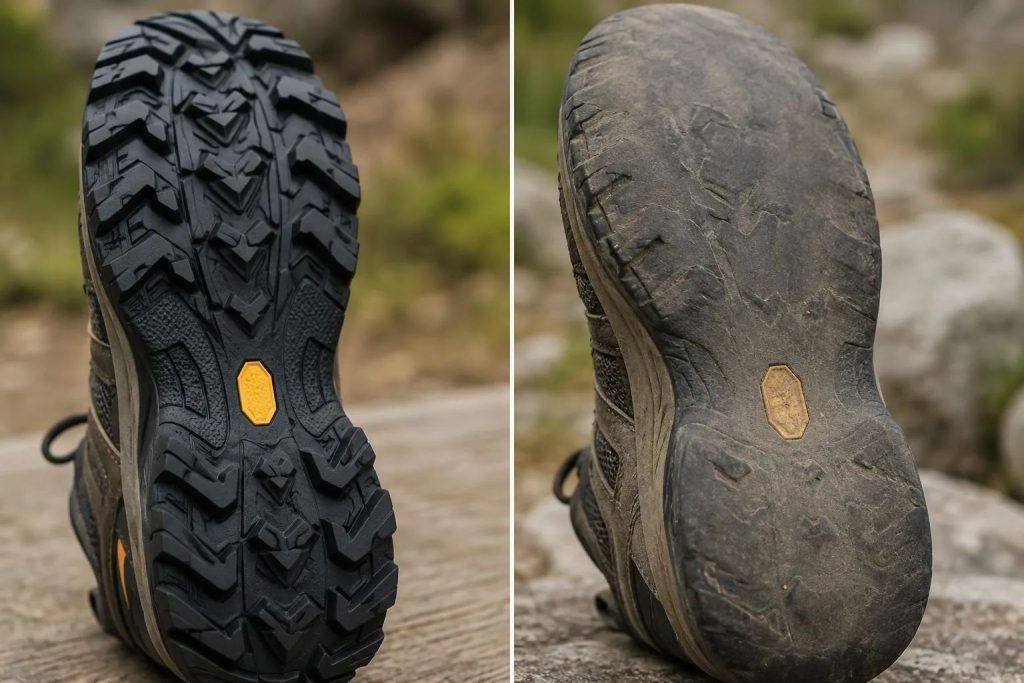
- The tread wears down faster: Hiking shoes use a special, grippy rubber. It grabs onto wet rocks perfectly. But on rough concrete, this soft rubber acts like an eraser. Pavement will chew through your trail tread much faster than dirt will.
- They feel heavier: Even lightweight hiking shoes pack more protection than a standard running shoe. They have reinforced toes and thick midsoles. You might feel a little more tired after a full day of city walking.
- They are stiffer: To protect your feet from sharp rocks, trail shoes do not bend as easily as gym shoes. This stiffness is great for foot support, but it can feel clunky on flat floors.
- Your feet might get hot: Many hiking shoes are waterproof. Waterproof membranes keep rain out, but they also trap heat in. If you wear them indoors or on hot summer days, your feet will sweat more.
The good news is that the extra support can be great for your feet. If you struggle with foot fatigue, the stiff arch support in a hiking shoe might actually feel better than a flimsy sneaker. Organizations like the American Hiking Society always recommend finding footwear that matches your specific foot shape and support needs, whether you are on the trail or the sidewalk.
Signs You Should Adjust Your Everyday Footwear
Not every hiking shoe is a good fit for daily life. Sometimes, wearing them every day does more harm than good. You need to listen to your body and look at your shoes to know when it is time to switch back to normal sneakers.
If your feet ache at the end of the day, the shoe might be too stiff for flat ground. If you are slipping on smooth indoor floors, your outdoor tread might not be gripping right. Wet hiking boots can actually be surprisingly slippery on tile floors!
Here is a quick guide to help you decide when to wear your hiking shoes and when to leave them in the closet.
| Situation | Are Hiking Shoes a Good Idea? | Why? |
|---|---|---|
| Walking the dog in the park | Yes | Grass and dirt paths are perfect for trail tread. |
| Working an 8-hour shift on concrete | Maybe | Great support, but the tread will wear out very quickly. |
| Running errands in the rain | Yes | Waterproof hiking shoes will keep your feet perfectly dry. |
| Going to the gym | No | Too stiff for treadmills and too heavy for weightlifting. |
| Walking on icy city sidewalks | Yes, with caution | Better grip than sneakers, but ice is always dangerous. |
How to Transition Your Hiking Shoes for Daily Use, Step by Step
If you have decided to make your hiking shoes your daily drivers, you should follow a few simple steps. You want to keep them clean, comfortable, and ready in case you actually do hit the trail on the weekend.
- Clean off the trail dirt: Before wearing them around town, brush off the mud. You do not want to track invasive plant seeds from the forest into your neighborhood. Practicing Leave No Trace means cleaning your gear so you don’t spread weeds.
- Loosen the laces: When hiking, you lock your laces down tight for ankle support. For daily use, loosen them up a bit. This gives your feet room to breathe and makes taking them off much easier.
- Check the weather: If it is 90 degrees outside, leave the waterproof shoes at home. Pick a breathable, non-waterproof pair if you have them.
- Rotate your shoes: Try not to wear them two days in a row. Letting the foam midsole rest for 24 hours helps it bounce back. It also lets the shoe dry out from your foot sweat.
- Inspect the tread monthly: Keep an eye on the bottom of the shoe. If the rubber lugs are getting flat, they will no longer be safe for slippery hiking trails. At that point, they become permanent city shoes.
Common Mistakes to Avoid
I have seen a lot of hikers ruin good gear by treating it poorly. If you are going to wear your hiking shoes to the office or the store, try to avoid these common beginner mistakes.
- Wearing heavy backpacking boots daily: Low-top hiking shoes or trail runners are great for daily use. Heavy, high-top leather backpacking boots are overkill. They will make your legs tired and look a bit out of place.
- Ignoring foot pain: If the stiff sole is making your heels or arches hurt, stop wearing them on concrete. Flat ground impacts your feet differently than uneven dirt.
- Using worn-out shoes on the trail: If you wear your trail shoes on pavement for six months, the tread will be flat. Do not take those flat shoes on a steep, muddy hike. You will slip and fall.
- Leaving them muddy: Dried mud ruins the fabric of the shoe over time. Always brush them off before wearing them out in public.
- Driving long distances in stiff boots: Very stiff hiking shoes can make it hard to feel your car pedals. This can be unsafe. Switch to a softer shoe for long drives.
Practical Tips from Oscar
Over the years, I have ruined plenty of expensive trail runners by walking miles on city sidewalks. But I also love the support they give me. Here are a few practical tips I use to get the best of both worlds.
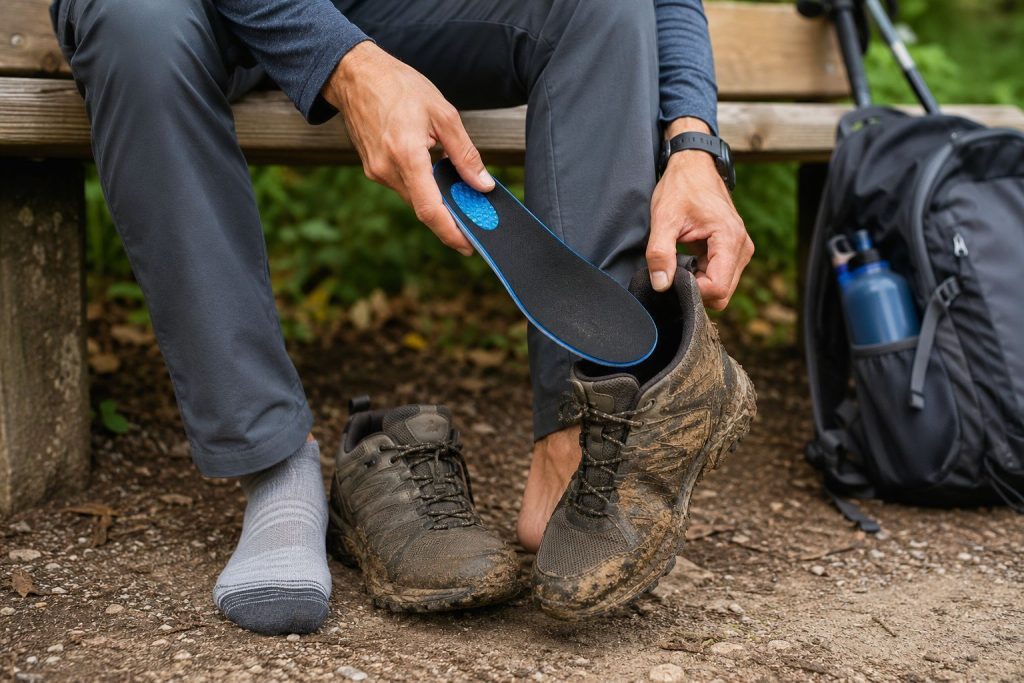
Another thing to think about is the insoles. The insoles that come inside most hiking shoes are pretty thin. Since pavement is much harder than dirt, you might want a little extra cushion.
Finally, let’s talk about safety. Concrete doesn’t have roots or rocks to trip over, but it does get slick. Wet metal grates, painted crosswalks, and smooth tile floors can be incredibly slippery when wearing hard rubber outdoor outsoles.
Key Takeaways
- You can absolutely use hiking shoes for daily activities, errands, and walking.
- Walking on pavement will wear down the soft rubber tread much faster than hiking on dirt.
- Hiking shoes offer great arch support, which can help with foot fatigue on hard floors.
- Waterproof hiking shoes can make your feet hot and sweaty indoors.
- Once you wear the tread down on concrete, the shoes are no longer safe for steep, muddy hiking trails.
Frequently Asked Questions
Are hiking shoes good for walking on concrete?
Yes, they can be very comfortable for concrete walking because of their strong arch support and thick midsoles. However, the rough concrete will wear down the grippy rubber tread much faster than normal walking shoes.
Can I wear trail running shoes for everyday use?
Trail runners are an excellent choice for everyday use. They are lighter and more breathable than traditional hiking shoes, making them very comfortable for daily wear. Just expect the bottom tread to wear out quickly on pavement.
Do hiking shoes look weird with jeans?
Not at all. Modern low-top hiking shoes often look just like sporty sneakers. Earth tones like brown, grey, and olive green pair perfectly with casual clothing like jeans and t-shirts.
Are hiking boots okay for standing all day at work?
Hiking shoes can be great for standing all day because they offer stiff support that keeps your feet from flattening out. However, heavy, high-top backpacking boots might feel too clunky and heavy for an indoor job.
Will wearing my hiking shoes daily ruin them?
It will not ruin the structure of the shoe, but it will ruin the bottom tread. Once the tread is flat, the shoes will lose their grip on dirt trails, meaning you will need to buy a new pair for actual hiking.
Conclusion
So, can hiking shoes be used for daily use? The answer is a clear yes. They are supportive, durable, and weather-ready. Just remember that the pavement will eat up that nice, expensive rubber tread. If you are okay with buying new shoes a little more often, go ahead and rock that outdoor style every day.
Before you hit the trail again, make sure your daily walking hasn’t worn your shoes totally flat. Having good grip is one of the most important parts of outdoor safety. If you need help figuring out what else you need for your next adventure, be sure to check out our beginner hiking gear checklist.
Stay safe, take care of your feet, and I’ll see you out on the trail!
