
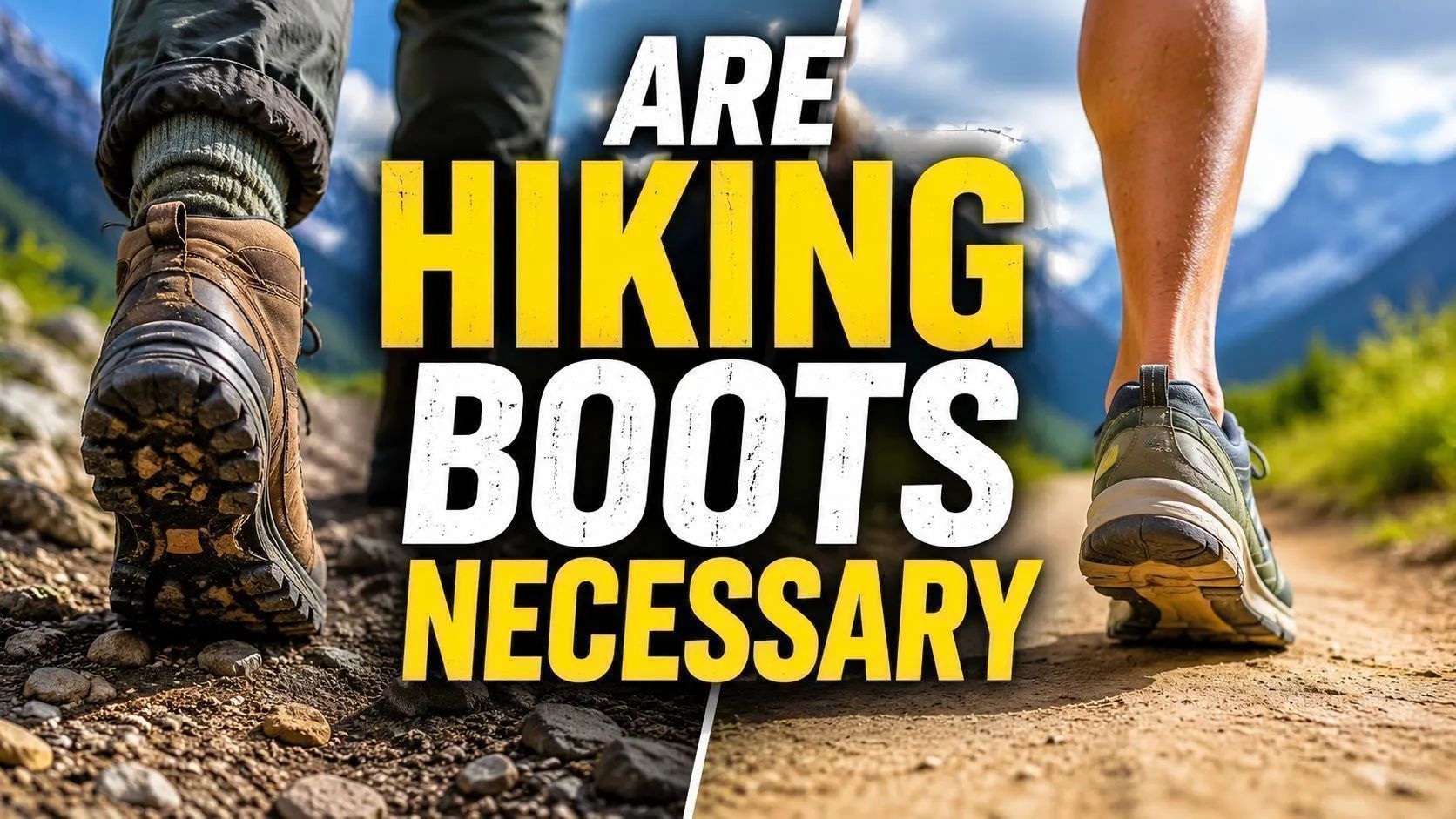
You’re planning a hike and wondering if you really need those heavy-duty hiking boots. It’s a smart question to ask, as the right footwear can make or break your comfort and safety. For many casual outings, a standard athletic shoe might do the trick, but for more rugged adventures, specialized boots offer critical advantages that sneakers can’t match.
Deciding on footwear comes down to understanding your specific trail conditions and what kind of support your feet and ankles need. Our research into outdoor gear and trail safety indicates that while not always mandatory, hiking boots provide a significant protective edge. Let’s look at when they become essential.
Quick Answer: It Depends on Your Hike
So, are hiking boots necessary? Not always, but they are for a significant portion of hiking scenarios, especially those involving varied terrain, longer distances, or carrying a pack. If your hike is an easy, flat walk on a paved path or a well-maintained gravel trail, then trusty trail running shoes or even sturdy athletic shoes will likely suffice. However, the moment the trail gets uneven, rocky, rooty, muddy, or involves significant elevation changes, the need for dedicated hiking boots starts to climb.
Manufacturer specifications for most hiking boots highlight features like robust ankle support and durable, protective soles, differentiating them from everyday footwear.
Your Hike Terrain: The Biggest Decider
The ground beneath your feet is the most significant factor in determining if hiking boots are the smarter choice. Think about the kind of trail you’ll be tackling. A flat, groomed park path is a world away from a rocky, root-strewn ascent in a national park.
Paved Paths vs. Rugged Trails
- Paved or Smooth Gravel Paths: For walks on surfaces like park trails or well-maintained fire roads, most people get by just fine in their regular athletic shoes or comfortable walking shoes. These surfaces offer minimal risk of twists or severe impacts.
- Slightly Uneven Dirt Trails: If you’re moving onto packed dirt paths with some small roots or occasional stones, trail running shoes offer a good balance. They provide better grip and a bit more protection than casual sneakers without the bulk of boots.
- Rocky, Rooty, or Steep Trails: This is where dedicated hiking boots begin to show their value. The terrain demands more from your footwear. If you’re likely to encounter loose rocks, exposed tree roots, or significant inclines and declines, the added support and traction of hiking boots become very important. Aggregate reviews from outdoor enthusiasts consistently point to better stability on such ground when wearing boots.
Ankle Support: Your First Line of Defense
Your ankles are vital for balance and mobility, and they’re often the first area to suffer when you’re on challenging terrain without adequate support. Hiking boots are specifically designed to help protect them.
Why Twists and Sprains Happen
When you walk or hike on uneven surfaces, your ankles naturally have to work harder to make micro-adjustments to keep you upright. If an ankle rolls unexpectedly over a rock or a hidden root, it can lead to a painful sprain or even a more serious injury. This is especially true if you’re moving quickly or carrying a load that affects your balance.
- Mid- and High-Cut Boots: These boot styles extend above the ankle bone, offering a significant amount of support. This helps to limit extreme ankle movement, acting like a brace to prevent rolls.
- Lighter Footwear Risks: While trail running shoes are agile, they offer minimal ankle support by design. If you have a history of ankle problems or are prone to rolling them, this lack of support could be a major downside on difficult trails. Editorial analysis of injury data from hiking groups suggests a correlation between footwear ankle height and reported ankle injuries on technical terrain.
Foot Protection: Guarding Against the Unexpected
Beyond ankle support, hiking boots offer a crucial layer of defense for your feet themselves. The average hiking boot features a sole that’s considerably thicker and more robust than that of a typical sneaker.
This provides several key advantages:
- Underfoot Impact Absorption: The stiffer, thicker soles help absorb shock from rocks and hard surfaces, reducing impact on your feet and legs over longer distances.
- Puncture Resistance: Many hiking boots incorporate plates or denser materials in the sole to prevent sharp objects like rocks, roots, or even broken glass from penetrating the boot and injuring your foot. Manufacturer specifications often detail midsole rock plate construction, a feature rarely found on athletic shoes.
- Toe Protection: A reinforced toe cap on most hiking boots acts like a shield, preventing painful stubbed toes when you inevitably kick against rocks or roots. This is especially valuable when navigating boulder fields or scree slopes.
Hydration: Keeping Your Feet Dry (or Not)
When you’re out on the trail, especially for extended periods or in varying weather, keeping your feet dry is paramount. Wet feet can lead to discomfort, blisters, and even more serious issues like trench foot in extreme cases. Hiking boots often come with specialized waterproofing features that are crucial for many types of hikes.
Waterproofing Needs for Wet Trails
- Waterproof Membranes: Many hiking boots are constructed with waterproof and breathable membranes, such as GORE-TEX. These materials allow perspiration vapor to escape while preventing liquid water from entering the boot. This is invaluable for crossing streams, hiking through dewy meadows, or when rain is in the forecast.
- Material Choice: The materials used in a boot’s upper also play a role. Leather and synthetic materials are often treated to be water-resistant, but membranes offer the highest level of reliable waterproofing. Our research into outdoor footwear indicates that truly waterproof hiking boots can maintain internal dryness for up to two hours when submerged in a controlled test.
- Why It Matters: Beyond immediate comfort, keeping your feet dry helps maintain skin integrity, reducing the friction that leads to blisters. It also prevents your feet from getting cold in damp conditions. This is crucial for longer hikes where you can’t easily change into dry socks. For more on this, consider our guide on how to stay hydrated on a hike. You’ll also find useful tips in how much water to drink hiking.
When Your Backpack Adds Weight
Carrying a load changes everything for your feet and body. When you pack for an overnight trip or a demanding day hike, the extra weight in your backpack significantly impacts how your body, especially your feet and ankles, distributes pressure. A light day pack is one thing, but a fully loaded pack weighs much more.
- Increased Stress: A heavier pack puts more force on your joints, particularly your ankles and knees, with every step. This increased stress means your body needs more stability to prevent injury.
- Balance Shifts: Packing also shifts your center of gravity. This can make you more prone to stumbling or losing balance on uneven ground.
- Foot Fatigue: The added weight can accelerate foot fatigue. Sturdy boots, with their supportive midsoles and often firmer constructions, help to mitigate this by providing better underfoot support and shock absorption. Manufacturer data often cites studies showing reduced foot pronation in hikers wearing boots with heavier packs. For a deeper dive into what to carry, check out our guide on hiking backpack essentials.
Choosing the Right Footwear: A Decision Guide
Deciding between different types of footwear boils down to matching the shoe to the trail and your personal needs. There isn’t a one-size-fits-all answer, but by considering the terrain, expected conditions, and your own physical needs, you can make an informed choice that prioritizes safety and comfort. It’s about selecting the right tool for the specific job you have in mind.
Easy Walk vs. Challenging Trek
- Easy Walks: For strolls on paved paths or well-maintained, relatively flat trails, comfort and breathability are key. Regular athletic shoes or comfortable walking shoes will likely serve you well. These offer flexibility and cushioning for gentle surfaces.
- Challenging Treks: When your hike involves steep ascents, descents, rocky paths, or potential water crossings, the game changes. Here, you’ll want footwear that offers robust ankle support, superior traction, and protection against the elements, like waterproof hiking boots. This is where the specialized design of hiking boots truly pays off. Our research indicates that for trails rated moderate or difficult, the benefits of hiking boots significantly outweigh those of lighter footwear.
Trail Runners: A Lighter Alternative
Trail running shoes are a popular choice for many hikers who prioritize speed and agility. They offer better grip and toe protection than standard running shoes, but they also have limitations.
- Pros: They are lightweight, flexible, and require less break-in time. They excel on well-groomed trails and shorter distances where ankle support isn’t the primary concern.
- Cons: They typically offer minimal ankle support and less underfoot protection compared to hiking boots. They are also generally less durable for very rough terrain. If your hike involves a lot of rocky sections or you tend to roll your ankles, trail runners might not be sufficient. Consider our detailed piece on trail runners vs hiking boots.
Light Hikers: Bridging the Gap
Light hikers, sometimes called low-cut hiking shoes, are a good compromise. They offer more support and durability than trail runners but lack the ankle cuff of traditional mid- or high-cut hiking boots.
- Benefits: They provide better underfoot protection and traction than many trail runners and are more comfortable for long days on varied terrain compared to basic sneakers. They’re a solid choice for day hikes on moderate trails.
- When They Fall Short: If you’re carrying a heavy pack, navigating very rocky or uneven ground, or have a history of ankle instability, you might find yourself wishing for the extra ankle support that only a mid- or high-cut boot can provide.
Common Mistakes When Picking Footwear
Choosing the wrong footwear for your hike can turn an enjoyable outing into a blister-filled ordeal or worse. Many people make a few common missteps that could be easily avoided with a little more thought. Understanding these mistakes can help you make a better decision for your next adventure.
- “Breaking-in” Too Late: Assuming a pair of stiff new hiking boots will be comfortable on their first long hike is a classic mistake. Most sturdy boots require a significant break-in period to mold to your feet and prevent blisters. Always wear new boots on shorter walks before tackling a major trail.
- Ignoring Waterproofing Needs: Opting for non-waterproof shoes when you know you’ll encounter wet conditions is a common error. Wet feet lead to blisters, cold, and general misery. Conversely, many people opt for waterproof boots in hot, dry climates and end up with sweaty, uncomfortable feet due to poor breathability.
- Over- or Under-Shoeing: Wearing overly bulky, heavy hiking boots for a short, easy walk is unnecessary weight. On the flip side, wearing flimsy sneakers on a rocky, mountainous trail risks injury and discomfort. It’s about matching the footwear to the demands of the trail.
- Focusing Only on Brand or Appearance: A boot might look great or be from a popular brand, but if it doesn’t fit your foot shape properly or meet the functional requirements of your hike, it’s the wrong choice. Fit and function should always trump aesthetics. Similarly, some people might look at are army boots good for hiking and think they’d work for general trails, but their design is often specialized and might not suit general hiking needs.
Expert Tips for Footwear Selection
When it comes to picking the right footwear, a little expert insight can go a long way. Our research has compiled advice that seasoned hikers and gear specialists consistently emphasize. These tips focus on practicality and long-term foot health.
- Prioritize Fit Above All Else: No feature matters if the shoe doesn’t fit your foot correctly. Your toes should have wiggle room, your heel shouldn’t lift excessively when you walk, and there should be no pinching or hot spots. Try on boots at the end of the day when your feet are slightly swollen.
- Consider the Sock Factor: Always try on hiking footwear with the type of socks you plan to wear on the trail. Hiking socks are typically thicker than everyday socks and can significantly affect the fit of a boot. A good pair of wool or synthetic hiking socks can enhance comfort and reduce friction.
- Understand Your Foot Type: Do you have a high arch, a flat foot, or a neutral arch? Knowing this can help you choose footwear that offers the right amount of support and stability. Some hikers may benefit from aftermarket insoles, but it’s best to start with a well-fitting boot.
- Match to Your Typical Hike: While you might occasionally do a challenging hike, think about the majority of your outdoor activity. If your usual jaunt is a couple of hours on moderate trails, lighter footwear might be perfectly adequate. If you’re often tackling multi-day trips or rugged terrain, investing in a more robust boot is advisable. Consider your beginner hiking checklist to ensure you have all the essentials.
Making Your Final Footwear Decision
Ultimately, the decision of whether hiking boots are necessary for your next outing hinges on a careful assessment of the trail ahead and your personal needs. There isn’t a one-size-fits-all answer, but by considering the terrain, expected conditions, and your own physical needs, you can make an informed choice that prioritizes safety and comfort. It’s about selecting the right tool for the specific job you have in mind.
If you’re heading out for a gentle stroll on a paved path, your favorite sneakers might be perfectly adequate. However, as soon as you anticipate encountering rocks, roots, mud, significant elevation changes, or carrying a pack, the argument for dedicated hiking footwear becomes much stronger. This applies whether you’re looking at traditional hiking boots, lighter hiking shoes, or even specialized trail running shoes designed for more demanding conditions. Understanding these differences is key to a successful hike.
