
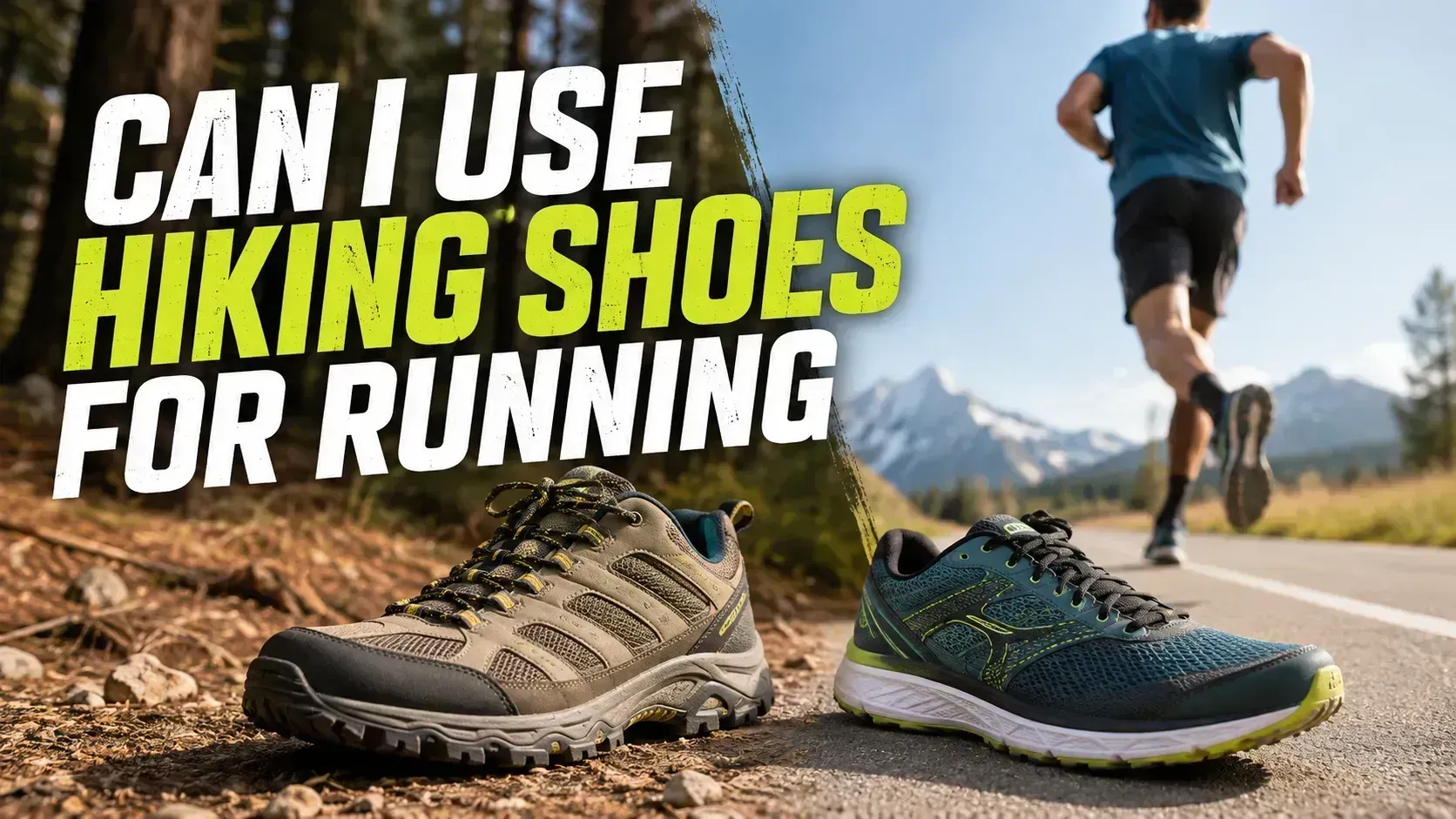
You can use hiking shoes for running sometimes, but they are not ideal for regular runs.
If you have ever laced up a pair of hiking shoes and wondered whether they could double as running shoes, you are not alone. I have tested this idea myself on trails, park paths, and short emergency jogs, and the short answer is yes, but with limits. The real question is not whether you can do it once or twice, but whether hiking shoes give your feet the right mix of comfort, protection, and efficiency for running.
Can you use hiking shoes for running?
Yes, you can use hiking shoes for running in certain situations, but they are usually a poor long-term choice for most runners. Hiking shoes are built for support, grip, and protection on rough ground, while running shoes are made for forward motion, lighter weight, and shock absorption.
In simple terms, hiking shoes are like a sturdy pickup truck, while running shoes are more like a lightweight sports car. Both move, but they are designed for very different jobs. If you plan to run a short distance on a trail or walk-run on uneven terrain, hiking shoes may work. If you want to run often, go faster, or protect your joints over time, running shoes are the better tool.
From personal experience, the biggest difference shows up after the first mile. Hiking shoes feel solid at first, but they often become heavy and stiff when your pace picks up. I have felt that extra weight in my calves and noticed less natural foot movement, which is why I only use them for short, casual runs when I do not have my running shoes with me.

Source: treelinereview.com
What makes hiking shoes different from running shoes?
Hiking shoes and running shoes may look similar from far away, but their design goals are very different. The differences matter a lot once your feet start taking hundreds or thousands of steps.
Here are the main differences:
- Weight: Hiking shoes are usually heavier because they use more durable materials and stronger soles.
- Cushioning: Running shoes usually have more cushioning for repeated impact.
- Flexibility: Running shoes bend more easily at the forefoot for a smoother stride.
- Traction: Hiking shoes have deeper lugs for dirt, rocks, and mud.
- Stability: Hiking shoes often have a firmer platform to help on uneven ground.
- Breathability: Running shoes are often more breathable and better for heat management.
If you run in hiking shoes, your feet may work harder with each step. That does not always mean immediate pain, but it can mean more fatigue over time. For casual movement, that may be fine. For regular training, it usually is not.
When can hiking shoes work for running?
Hiking shoes can be useful for running in a few specific situations. The key is to match the shoe to the terrain and the distance.
Good situations include:
- Short emergency runs when you do not have running shoes
- Trail runs on rugged, rocky paths where extra grip helps
- Walk-run workouts at a slow pace
- Easy jogs during hikes or outdoor adventures
– Occasional runs for beginners who are not yet buying a second pair of shoes
I have found them most useful on mixed outdoor days, when I start with a hike and then jog a short section back to the car. On rough ground, the extra grip can feel reassuring. But once the run gets longer, the extra stiffness starts to show.
When should you avoid running in hiking shoes?
You should avoid using hiking shoes for running if the run is long, fast, or frequent. That is where the mismatch becomes more obvious.
Avoid it when:
- You run on pavement or treadmill often
- You want speed work, intervals, or tempo runs
- You have sensitive knees, ankles, or arches
- The hiking shoes are heavy or stiff
- The shoe rubs your heel or toes
- You are training for a race or building mileage
Running is repetitive. Small problems become big problems when repeated over and over. A shoe that feels okay for 10 minutes may feel very wrong after 30 or 40 minutes.
Benefits of using hiking shoes for running
There are a few real benefits to using hiking shoes for running, especially in the right setting. They are not perfect for running, but they do have strengths.
Better grip on rough terrain
Hiking shoes often have aggressive outsoles. That helps on loose dirt, gravel, mud, and wet rocks. If your run includes slippery or uneven ground, that grip can help prevent slips.
More foot protection
Many hiking shoes have tougher uppers and stronger toe protection. That can be useful if you run on rocky trails or in areas with roots and debris.
Added stability
Hiking shoes often feel stable because they have firmer midsoles and wider bases. Some runners like that feeling on technical trails where balance matters more than speed.
Good for mixed outdoor use
If you are someone who walks, hikes, and jogs in one outing, hiking shoes can be a practical compromise. They are not perfect, but they can serve more than one purpose.
Downsides of using hiking shoes for running
The drawbacks matter more than the benefits for most runners. This is why many shoe experts and sports medicine professionals recommend running shoes instead.
Heavier feel
Hiking shoes usually weigh more than running shoes. That extra weight adds up with every step and can make running feel harder than it should.
Less shock absorption for running
Running shoes are designed to handle repeated impact. Hiking shoes may not cushion that motion as well, especially on hard surfaces like pavement.
Reduced running efficiency
A stiffer shoe can change your stride. You may not notice it at first, but your form can get less smooth, especially on longer runs.
Possible blister or hot spot issues
Because hiking shoes are built differently, they may rub in places where running shoes would not. This can lead to blisters, especially if the fit is not ideal.
Not ideal for speed
If you are trying to run faster, hiking shoes usually slow you down. They are built for control and durability, not quick turnover.
Is it bad for your feet or joints?
Using hiking shoes for running is not automatically harmful, but it can increase discomfort and strain if you do it often. The risk depends on the shoe, the distance, your running style, and your body.
For short, easy efforts, many people are fine. For regular running, though, the wrong shoe can contribute to:
- Foot fatigue
- Calf tightness
- Arch soreness
- Shin discomfort
- Knee irritation
- Hot spots and blisters
Sports medicine and footwear research generally support the idea that shoes should match the activity. That does not mean one shoe is “dangerous” for everyone. It means the mismatch can make running less comfortable and sometimes less safe over time.
How to tell if your hiking shoes are okay for a run
Not all hiking shoes are equally bad for running. Some lightweight hiking shoes or trail-style hikers may work better than heavy boots or stiff backpacking shoes.
Check these things before you run:
- Flexibility: Bend the shoe with your hands. It should flex somewhat at the forefoot.
- Weight: If they feel heavy in your hands, they will feel heavier on the run.
- Fit: Your heel should stay secure, and your toes should have room.
- Cushioning: There should be enough padding to soften impact.
- Sole shape: A smoother heel-to-toe transition is better for running.
- Terrain match: Trail-friendly hiking shoes work better than rigid boots.
A simple test I use is the “10-minute comfort check.” If the shoes already feel awkward during a short brisk walk, they are probably not a good running option.
Best types of hiking shoes for occasional running
If you must run in hiking shoes, some are better than others.
Better choices include:
- Light hiking shoes
- Trail hikers with moderate cushioning
- Low-cut hiking shoes with flexible soles
- Hybrid trail shoes designed for hiking and light running
Less suitable choices include:
- Heavy backpacking boots
- Very stiff mountaineering-style footwear
- Waterproof shoes that trap heat on warm days
- Shoes with chunky, rigid soles made for climbing terrain
The lighter and more flexible the shoe, the better it will feel for running. Still, even a good hiking shoe is usually a compromise.
Tips if you must use hiking shoes for running
If you do not have running shoes and need to use hiking shoes, a few smart habits can reduce discomfort.
- Keep the run short
- Stick to soft ground when possible
- Slow down your pace
- Check the fit before heading out
- Wear moisture-wicking socks to reduce friction
- Stop if you feel rubbing, numbness, or sharp pain
- Do not use stiff hiking boots for repeated runs
I learned the hard way that socks matter just as much as shoes. A good sock can reduce friction, while a bad one can turn a short jog into a blister story you do not want to repeat.
Better alternatives to hiking shoes for running
If you want one shoe that can handle both hiking and running, there are better options than standard hiking shoes. These usually fall into the trail running category.
Better alternatives include:
- Trail running shoes for dirt paths and light trails
- Hiking shoes labeled as lightweight or fast-hiking
- Road-to-trail shoes for mixed surfaces
- Walking shoes for short, very casual jogs
Trail running shoes are the closest match if your route includes rocks, dirt, roots, and some pavement. They offer more running comfort while still giving traction and protection.
What experts generally recommend
Footwear experts and running organizations usually recommend using shoes made for the activity you are doing. That is because shoe shape, cushioning, weight, and grip all affect how your body absorbs impact.
The common expert view is simple:
- Use hiking shoes for hiking
- Use running shoes for running
- Use trail running shoes for rough outdoor runs
- Use hybrid shoes only when you need one pair for mixed use
That advice is not about being fancy. It is about reducing stress on your feet and making movement feel easier and safer.
Frequently Asked Questions of Can i use hiking shoes for running
Can I run a 5K in hiking shoes?
Yes, you can run a 5K in hiking shoes if needed, but it may feel heavier and less smooth than running shoes. If the terrain is rough and the pace is easy, they can work for a one-time effort.
Are hiking shoes better than running shoes for trails?
Not usually. Trail running shoes are often better because they are lighter, more flexible, and still offer good grip on dirt and rocks.
Can wearing hiking shoes for running cause injury?
It can contribute to discomfort, blisters, or strain if used often, especially on hard surfaces. The risk is lower for short, occasional runs and higher for regular training.
Can I use waterproof hiking shoes for running?
You can, but they often trap heat and feel less breathable. That can make your feet hot and sweaty, which is not ideal for running.
What is the best shoe if I hike and run?
Trail running shoes or light hybrid trail shoes are usually the best choice. They balance grip, cushioning, and flexibility better than most hiking shoes.
Conclusion
If you are asking, can i use hiking shoes for running, the honest answer is yes, but only in the right situations. For short, occasional, or trail-based runs, they can do the job. For regular running, longer distances, or faster training, running shoes are the smarter choice.
The main thing to remember is simple: match your shoe to your activity. Your feet will thank you, your stride will feel smoother, and your runs will usually be more comfortable. If you are still unsure, compare your shoes, test them on a short route, and choose the pair that feels best for your body and your goals. Explore more footwear guides, try a short test run, and leave a comment with your own experience.
