
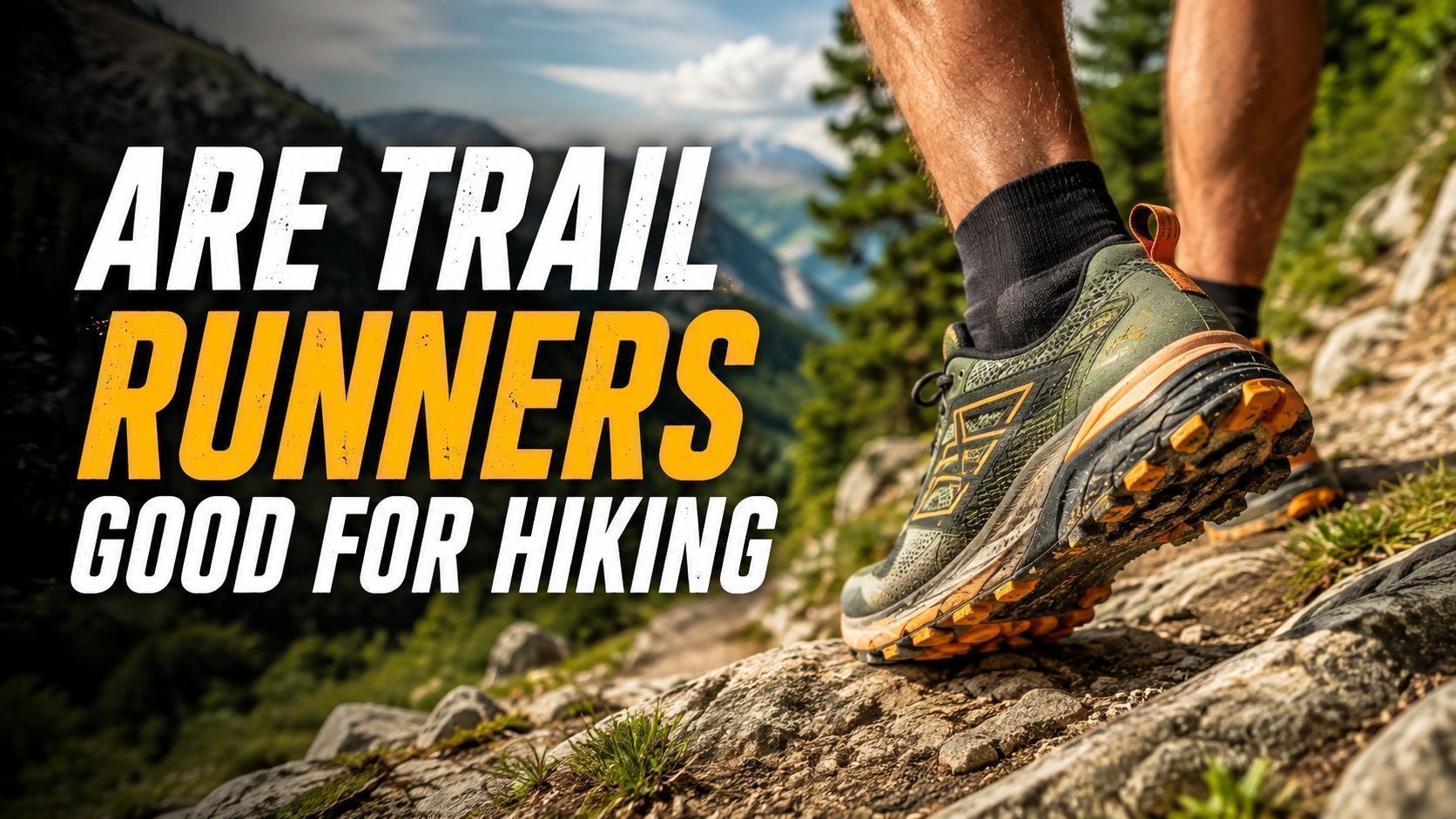
Yes, trail runners can be great for hiking, especially on light to moderate trails.
If you have ever wondered whether one pair of shoes can handle both fast walks and day hikes, you are not alone. I have tested trail runners on rocky paths, muddy forest trails, and long uphill days, and the answer is usually yes, but with a few smart caveats. Trail runners can be a smart hiking choice when you want lighter weight, better breathability, and a more natural feel underfoot.
Source: treelinereview.com
What Trail Runners Are and Why Hikers Use Them
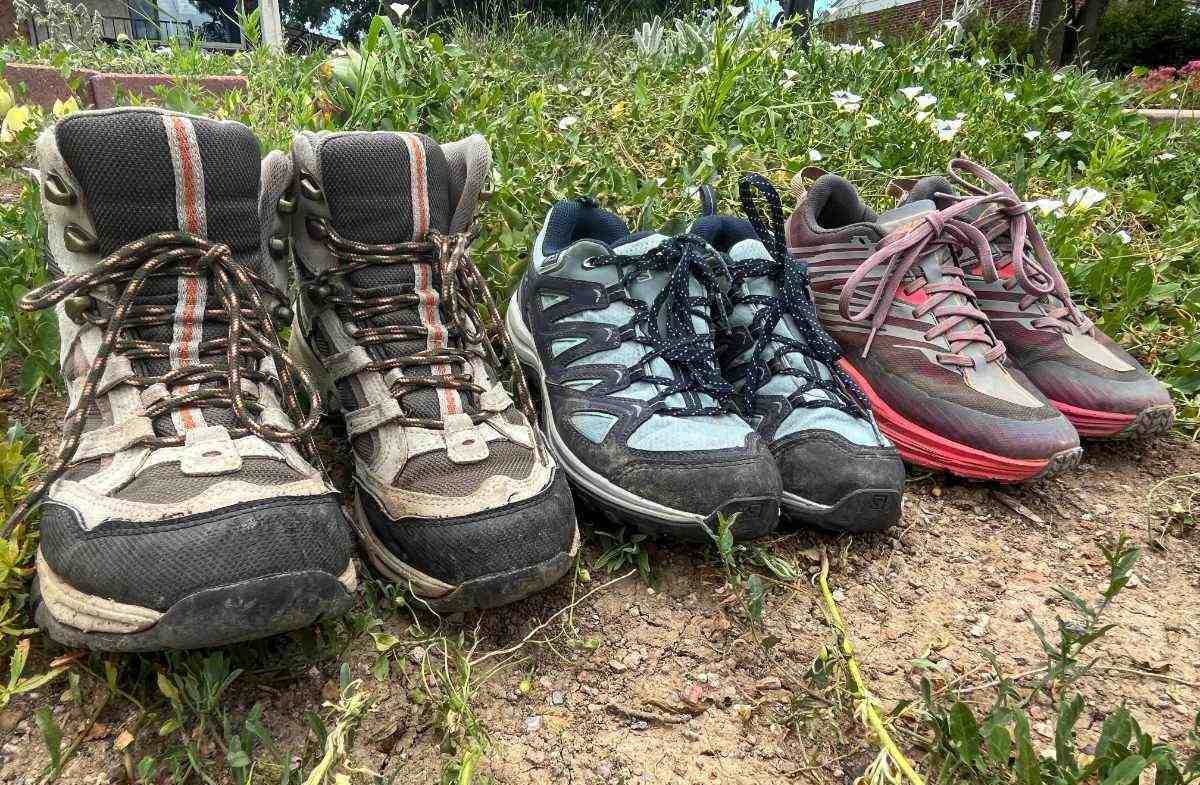
Trail runners are lightweight shoes made for running on dirt, rocks, and uneven ground. They sit between road running shoes and hiking boots in terms of grip, protection, and support. That balance is exactly why many hikers now choose them for day hikes and even some backpacking trips.
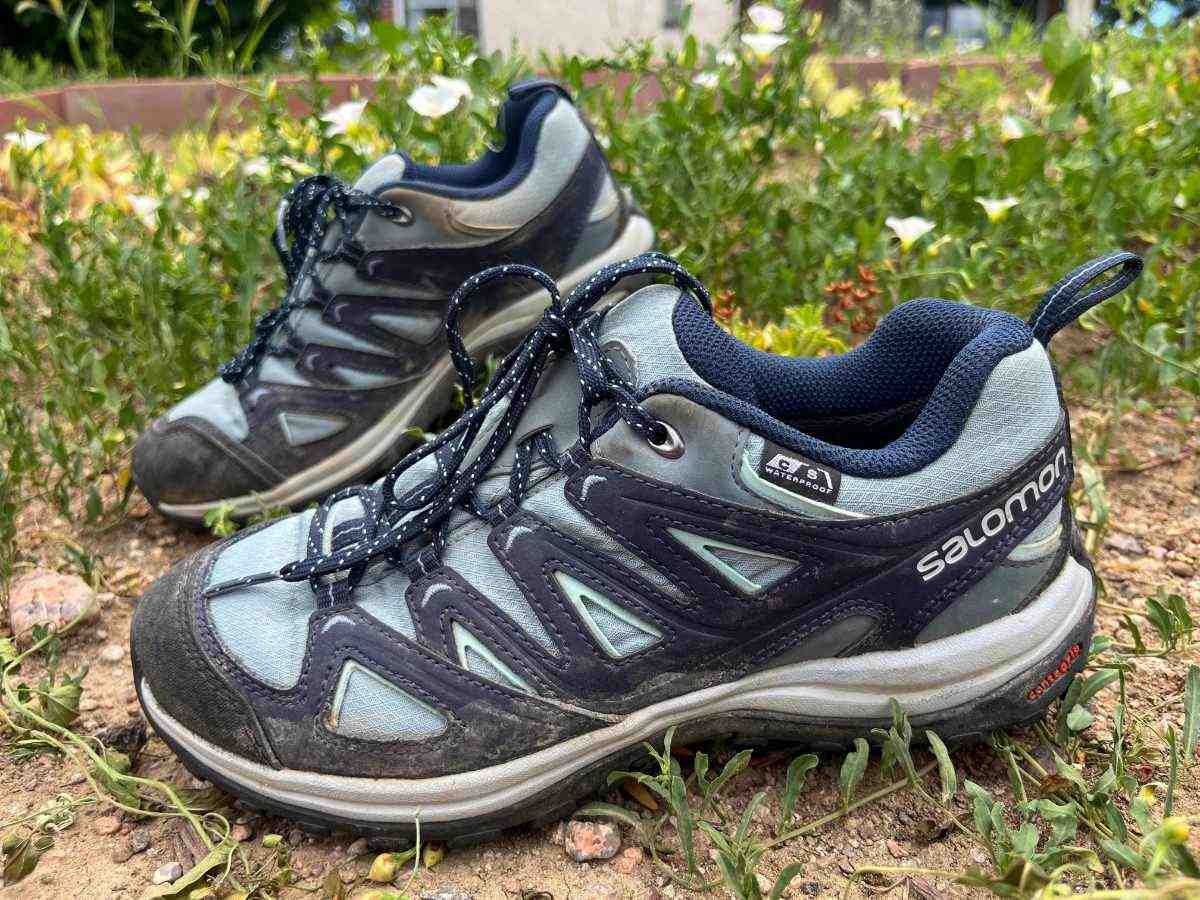
Compared with hiking boots, trail runners usually feel softer, lighter, and less bulky. They often have sticky rubber outsoles, toe protection, and tread that grips well on dirt and loose rock. In my own use, the biggest difference was how much less tired my feet felt after a long day on the trail.
Many hikers like trail runners because they work well when the trail is not too extreme. If you hike often on packed dirt, rolling hills, and moderate terrain, trail runners can feel like a natural fit. They are also easier to wear for long miles when you care more about comfort than ankle stiffness.
Source: treelinereview.com
Are Trail Runners Good for Hiking in Most Conditions?
Yes, trail runners are good for hiking in many everyday conditions. They shine on day hikes, warm weather hikes, and trails that are not super technical. For a lot of hikers, they are the best mix of comfort and performance.
They are especially useful if you hike fast or cover a lot of ground in one day. The lighter weight can reduce leg fatigue, and the lower profile often makes each step feel more natural. I have found that on long summer hikes, trail runners feel a lot less tiring than stiff boots.
That said, they are not perfect for every trail. If you hike in deep snow, heavy mud, sharp scree, or very wet and cold weather, trail runners may not give enough protection or warmth. The real answer depends on your trail, your pack weight, and how much support you need.
Benefits of Trail Runners for Hiking
Trail runners offer several real advantages for hikers. These are the main reasons so many people have switched from boots to trail shoes.
Lightweight Feel
Trail runners are much lighter than most hiking boots. That lower weight can make a big difference over a full day on the trail.
Less weight on your feet means less energy spent with each step. Over miles of hiking, that can add up to less fatigue and better comfort. It is a simple idea, but it matters a lot when you are climbing hills or moving quickly.
Better Breathability
Most trail runners use mesh uppers and lighter materials. This helps your feet stay cooler and drier on warm hikes.
If you hike in hot weather, this can be a huge plus. Less heat buildup often means fewer hot spots and less sweat. In my experience, breathable shoes are much easier to live with on summer trail days.
Faster Drying Time
Trail runners usually dry faster than leather hiking boots. That is useful if you cross streams, hike in rain, or step through mud.
When shoes dry faster, they are less miserable the next day. It also helps lower the chance of blisters from staying wet too long. I learned this the hard way on a trip where wet boots stayed soggy all afternoon while my trail runners were ready much sooner.
Good Traction
Many trail runners have aggressive outsoles made for dirt, loose gravel, and rock. This can give you solid grip on a wide range of terrain.
Some models even use sticky rubber for better contact on slabs and slick stone. That kind of traction can feel just as useful as a boot on many hikes. The key is choosing the right outsole pattern for the terrain you hike most.
More Natural Movement
Trail runners flex more than traditional hiking boots. This can let your feet move in a more natural way.
For hikers who like a ground feel and less stiffness, this can be a big win. It may also help your stride feel smoother on rolling terrain. Many people find that this softer ride feels easier on the legs over time.

Source: andrewskurka.com
When Trail Runners May Not Be the Best Choice
Trail runners are not always the right answer. There are some situations where boots or more protective shoes may be better.
Heavy Backpacking Loads
If you carry a very heavy pack, trail runners may not give enough support for some hikers. A heavier load can increase stress on your feet, ankles, and calves.
In that case, a sturdier shoe or boot may feel more stable. This is not just about comfort. It is also about reducing strain over long days.
Very Rocky or Technical Trails
On sharp, rugged terrain, trail runners can wear down faster than boots. Their lighter build may also mean less foot protection from rock edges.
If you hike in places with lots of scree, jagged stone, or constant scrambling, you may want more armor. I have had days where trail runners felt great on the approach, then a bit too soft on rough, knife-edge rock.
Cold, Wet, or Snowy Conditions
Trail runners usually are not the best choice for cold weather hiking. They often provide less insulation and let in water more easily than winter hiking footwear.
If the ground is snowy, icy, or freezing, you may need warmer and more protective footwear. Cold toes can ruin a hike fast, so conditions should always guide the decision.
Those Who Need More Stability
Some hikers prefer the extra support of a hiking boot. This is common for people with weak ankles, certain foot issues, or very uneven terrain.
Trail runners can still work for some of these hikers, but not always. A better fit, a more stable midsole, or a more structured shoe may be more helpful.
Trail Runners vs Hiking Boots
The trail runners vs hiking boots debate is not really about which is better for everyone. It is about which is better for your kind of hiking.
Trail runners are usually better if you want:
• Lower weight
• Better breathability
• Faster drying
• A more flexible feel
• Comfort on day hikes and moderate trails
Hiking boots are usually better if you want:
• More ankle coverage
• More structure
• Better protection in rough terrain
• Extra warmth in cold weather
• More support for heavy loads
One useful way to think about it is this: trail runners are like a sports car, while boots are more like a truck. The sports car is faster and lighter, but the truck handles rougher work more easily.
How to Choose the Right Trail Runners for Hiking
Not every trail runner is a good hiking shoe. Some are built for speed, while others are made with more protection and durability.
Look at the Outsole
A good hiking trail runner should have a reliable outsole with deep lugs. This helps with grip on dirt, roots, and loose ground.
If you hike on wet rock, look for sticky rubber. If your trails are muddy, deeper tread can help more than a smooth sole. The outsole is one of the most important parts of the shoe.
Check Cushioning and Midsole Support
Cushioning affects how the shoe feels on long hikes. More cushioning can help on hard ground, while firmer midsoles can feel more stable.
The best choice depends on your comfort and the trail. Too much softness can feel unstable on rocky terrain, while too little can feel harsh over long miles. Try to match the cushioning to your terrain and hiking style.
Pay Attention to Fit
Fit matters more than brand names. A trail runner should feel snug in the heel, roomy in the toe box, and secure through the midfoot.
Your toes should have enough space to swell a little on long hikes. If the fit is too tight, blisters can show up fast. I always tell people to test shoes later in the day, when feet are naturally a bit larger.
Think About Toe Protection
Trail runners with reinforced toe caps can help protect against stubs and rock strikes. This is especially useful on rough trails.
A little extra protection goes a long way when you are hiking over roots and stones. It can also make the shoe last longer. If you kick rocks often, this feature is worth caring about.
Real-World Hiking Scenarios Where Trail Runners Work Well
Trail runners are often a smart choice in everyday hiking situations. Here are some examples where they tend to work especially well.
• Short day hikes on maintained trails
• Long hikes in warm weather
• Fast hiking or trail walking
• Weekend trips with light packs
• Mixed trails with dirt, roots, and moderate rock
They also work well for hikers who want one shoe for both travel and trail use. I have used them on trips where I needed to walk around town, then head straight to a trail the next morning. That kind of versatility is hard to beat.
How to Break In Trail Runners for Hiking
Most trail runners need less break-in time than boots, but you should still test them before a big hike. Even a comfortable shoe can cause trouble if you jump straight into a long day.
Start with a short walk or an easy local trail. Then increase distance little by little. Watch for rubbing, heel slip, or toe pressure.
A simple break-in plan looks like this:
• Wear them around the house for an hour
• Take a short neighborhood walk
• Try a 2 to 3 mile hike
• Test them on similar terrain to your real hike
• Use them on a longer hike only after they feel stable
This step may sound basic, but it saves a lot of pain later. Trust me, it is much better to find a fit problem on a short walk than halfway up a mountain.
Care Tips to Make Trail Runners Last Longer
Trail runners can wear out faster than boots, but good care helps a lot. If you use them well and clean them often, they can last through many hikes.
Here are a few easy habits:
• Brush off dirt after each hike
• Remove insoles so they can dry fully
• Avoid storing them in direct sun for long periods
• Let them air dry naturally
• Check tread and upper fabric for early wear
I have noticed that shoes last longer when they are not left wet and stuffed in a bag. Small habits make a bigger difference than most people think.
Are Trail Runners Good for Hiking for Beginners?
Yes, trail runners are often a very good choice for beginners. They are usually easier to wear, lighter on the feet, and less intimidating than bulky boots.
For someone just getting into hiking, comfort matters a lot. If shoes feel too stiff or too heavy, a new hiker may dread the next outing. Trail runners can make the sport feel easier and more fun right away.
The main thing beginners should remember is to match the shoe to the hike. A beginner on easy local trails will likely do fine in trail runners. A beginner heading into rough alpine terrain may need something sturdier.
Frequently Asked Questions
Are trail runners better than hiking boots for hiking?
Trail runners are often better for light to moderate hiking because they are lighter and more comfortable. Hiking boots are usually better for heavy loads, cold weather, or very rough terrain.
Can I use trail runners for backpacking?
Yes, many people use trail runners for backpacking, especially with lighter packs. They can be a great option if you value comfort and speed more than maximum support.
Do trail runners cause more ankle injuries?
Not necessarily. Research has not clearly shown that high-top boots always prevent ankle sprains better than low shoes, especially when other factors like terrain, fatigue, and balance matter too. Good footing and smart hiking often matter more than shoe height.
How long do trail runners last for hiking?
It depends on the brand, terrain, and how often you hike, but many trail runners last around 300 to 500 miles. Rough rocks, heavy use, and wet conditions can shorten that lifespan.
Should I size up for trail runners used for hiking?
Many hikers size up a little to allow for foot swelling and downhill comfort. A small amount of extra room in the toe box can help prevent bruised toes and blisters.
Conclusion
Trail runners are a strong hiking option for many people, especially if you hike in warm weather, on moderate trails, or with a light pack. They offer comfort, traction, and a lighter feel that can make long hikes easier on your body.
They are not the perfect choice for every trail, though. Cold weather, heavy loads, and very rugged terrain may call for more protection and support. The best choice is the one that matches your trail, your feet, and your hiking style.
If you are still deciding, try a pair on a few real trails and pay attention to how your feet feel after the hike. That hands-on test will tell you more than any product page ever could. If you found this guide helpful, explore more hiking gear advice and share your own trail runner experience in the comments.
