
Yes, hiking shoes can work in snow, but only for light, short walks on packed ground.
If you’ve ever stood at the door wondering whether your regular hiking shoes are enough for a snowy walk, you are not alone. I’ve tested this in real winter conditions, and the answer depends on snow depth, temperature, traction, and how long you plan to be out. In this guide, I’ll break down when hiking shoes are a smart choice, when they fall short, and what small changes can make them work much better in snow.
Source: runrepeat.com
Are hiking shoes good for walking in snow?
Hiking shoes are good for walking in snow when the snow is shallow, firm, and not too cold. They can handle quick errands, packed trails, and light winter walks if they have solid grip and decent water resistance.
But they are not the best choice for deep snow, icy sidewalks, or long winter hikes. In those situations, boots with more insulation, higher ankle support, and better waterproofing usually perform better.
The short version is this:
• Hiking shoes are fine for light snow and packed paths
• They are less reliable in slush, deep powder, and ice
• They work best when paired with the right socks and traction aids

Source: amazon.com
What makes hiking shoes usable in snow?
A hiking shoe is built for outdoor walking, uneven ground, and traction. That helps in snow, especially if the outsole has deep lugs and the upper resists water.
The main features that matter are simple:
• Grip: A rubber outsole with deeper tread helps on packed snow
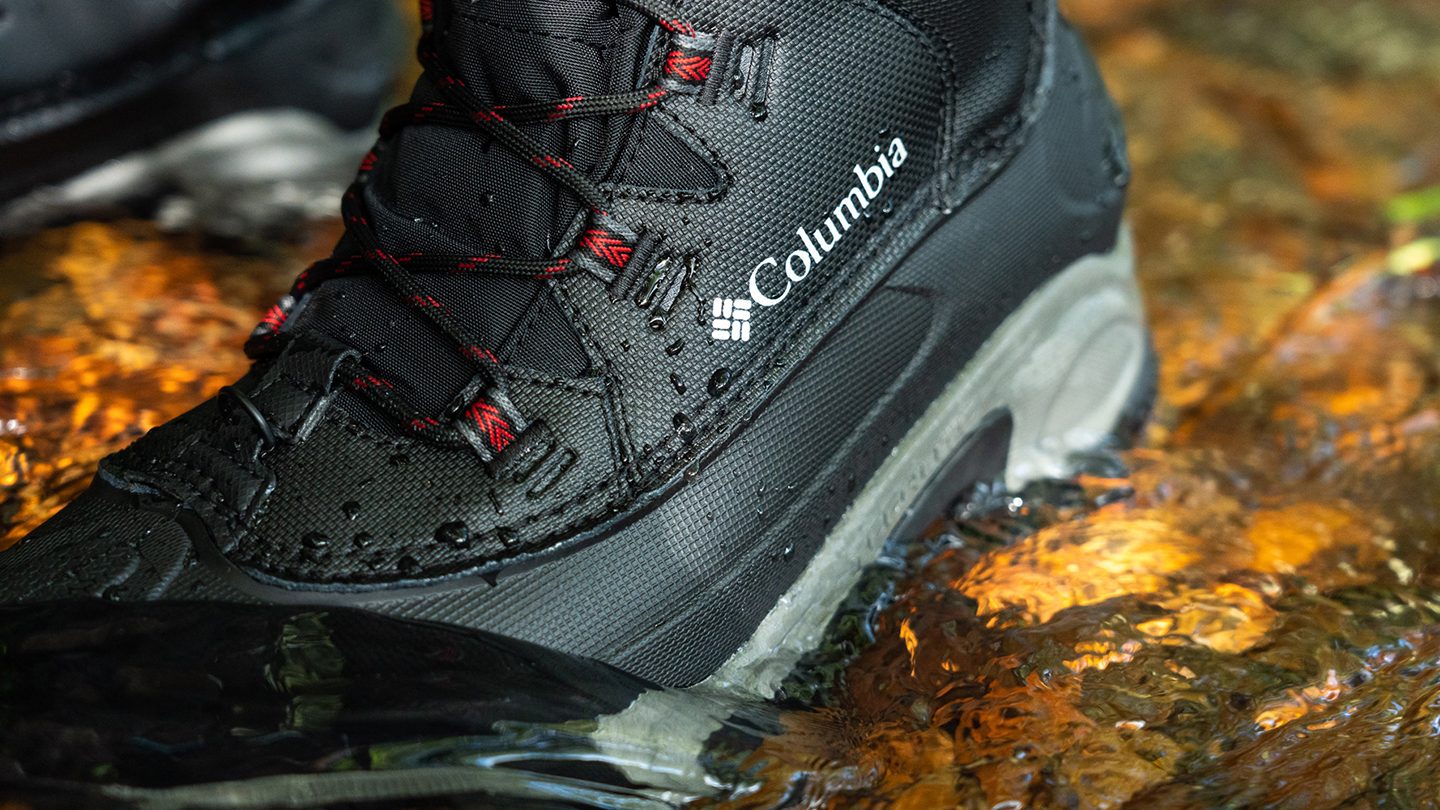
• Water resistance: Water-resistant or waterproof shoes keep feet drier longer
• Fit: A snug fit helps reduce slipping inside the shoe
• Warmth: Thin shoes lose heat faster than insulated boots
From experience, the tread is often the biggest factor. I once wore a pair of lightweight trail shoes on a snowy neighborhood walk, and they felt fine until I hit a shaded patch of ice. That was the moment I learned that traction matters more than style or brand name.
When hiking shoes are a good choice for snow
Hiking shoes can be a practical option in a few common winter situations. The key is that the snow should be mild, not messy, and not too deep.
They are usually a good fit for:
• Packed snow on city sidewalks
• Short winter walks on maintained trails
• Cold weather with dry snow and low moisture
• Travel days when you need one shoe for mixed conditions
If the snow is just dusting the ground, or if the trail has already been packed down by others, hiking shoes can feel comfortable and stable. They are also lighter than boots, which many people prefer for casual walking.
When hiking shoes are not enough
There are clear limits to what hiking shoes can do in winter. Once conditions turn rough, they stop being the best tool for the job.
Avoid relying on hiking shoes for:
• Deep snow above the ankle
• Slippery ice or black ice
• Long walks in freezing rain or slush
• Wet snow that can soak through the upper
• Very cold conditions where warmth matters most
This is where people often make a mistake. They assume “outdoor shoe” means “winter shoe,” but those are not the same thing. A hiking shoe may keep you moving, but it may not keep you warm or dry for long.
Hiking shoes vs winter boots
If you are deciding between hiking shoes and winter boots, the difference is mostly about protection.
Hiking shoes usually offer:
• Less insulation
• Lower ankle coverage
• Less snow protection
• More comfort for mild conditions
Winter boots usually offer:
• Better insulation
• More waterproof coverage
• Better warmth in cold weather
• Better performance in deep snow
For light snow, hiking shoes are often enough. For real winter weather, boots are the safer and more comfortable choice.
How to make hiking shoes better in snow
If hiking shoes are what you have, you can still improve their performance in winter. A few small choices can make a big difference.
Here are the most useful upgrades:
• Wear wool socks: They help with warmth and moisture control
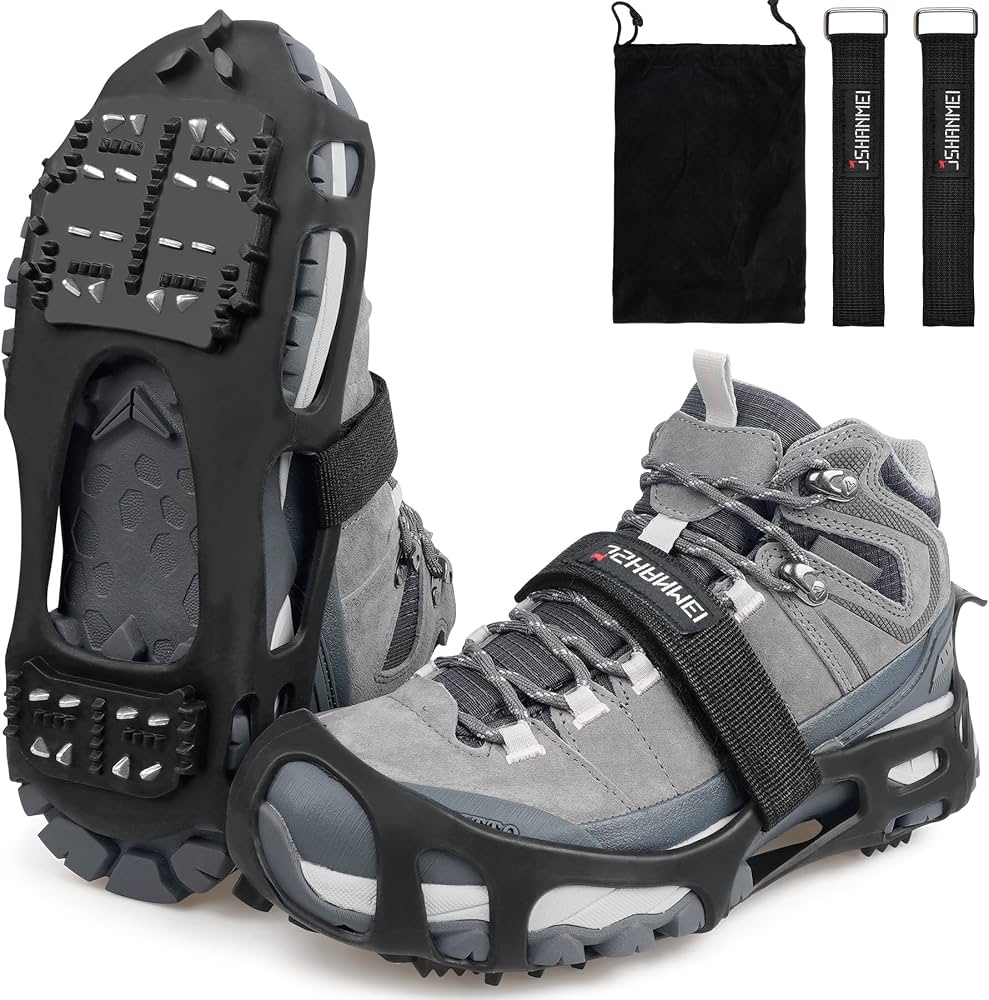
• Add traction devices: Microspikes or slip-on cleats help on ice
• Choose thicker insoles: They can improve comfort and warmth
• Use waterproofing spray: This helps with light moisture resistance
• Tighten the laces well: A secure fit reduces foot movement inside the shoe
I’ve found that wool socks are one of the easiest wins. They do not turn hiking shoes into boots, but they do help keep feet more stable and warm during cold walks.
What to look for in hiking shoes for snow
Not all hiking shoes perform the same way. If you plan to wear them in snow, look for features that help in cold, wet conditions.
Good winter-friendly hiking shoes often have:
• Waterproof membranes like Gore-Tex or similar materials
• Aggressive tread patterns for better grip
• Durable midsoles for uneven, frozen ground
• Closed mesh or synthetic uppers that dry faster
• Enough room for thicker socks without squeezing your toes
The outsole is especially important. Deep lugs can bite into packed snow better than flat, smooth soles. That small design detail can change how safe the shoe feels.
Common mistakes people make
People often expect hiking shoes to behave like winter boots, and that leads to problems. The biggest mistakes are easy to avoid once you know what to watch for.
Common mistakes include:
• Wearing mesh hiking shoes in wet snow
• Ignoring traction on icy sidewalks
• Choosing a size that is too tight for winter socks
• Assuming waterproof means fully snowproof
• Walking too far in shoes that are not insulated
One of the most common issues I’ve seen is cold toes from poor sock choice. Even a decent hiking shoe can feel miserable if you wear thin cotton socks in freezing weather.
Best use cases for hiking shoes in snow
Hiking shoes are most useful when winter is mild and predictable. They shine in situations where you need flexibility, not maximum protection.
Best use cases include:
• Dog walks after a light snowfall
• Short errands in packed snow
• Travel with mixed indoor and outdoor walking
• Easy winter trails with little elevation change
They are a good middle-ground option. Think of them like a light jacket: great for some weather, not enough for a storm.
Safety tips for walking in snow with hiking shoes
Safety matters more than comfort in winter. Snow can hide ice, cracks, and uneven ground.
Use these simple tips:
• Walk slower than usual
• Take shorter steps for better balance
• Avoid shady spots where ice forms fast
• Keep your weight centered over your feet
• Check your soles often for packed snow buildup
If snow starts balling under your sole, stop and clear it. Packed snow can reduce traction fast and make the shoe feel unstable.
Are waterproof hiking shoes worth it for snow?
Yes, waterproof hiking shoes are usually worth it if you expect wet snow or slush. They help keep your feet dry longer, which is important because wet feet get cold fast.
That said, waterproof does not mean perfect. If snow gets over the top of the shoe or water pools around the ankle, moisture can still get in. Waterproof shoes are helpful, but they are not a full winter system by themselves.
How long can hiking shoes last in snow?
That depends on the shoe quality, the weather, and how often you wear them. A well-made pair can handle occasional winter use for many seasons, but daily snow use will wear them faster.
Snow can affect hiking shoes in a few ways:
• Repeated soaking can weaken materials
• Salt and slush can stain or damage the upper
• Freezing and thawing can stress seams
• Grip can wear down faster on abrasive winter surfaces
If you use hiking shoes in snow often, clean and dry them after each wear. That habit can greatly extend their life.
Frequently Asked Questions of Are hiking shoes good for walking in snow
Can I wear hiking shoes in fresh snow?
Yes, hiking shoes can work in fresh snow if it is shallow and not too wet. They are best for short walks or packed paths, not deep or slushy conditions.
Are hiking shoes warmer than sneakers in snow?
Usually, yes. Hiking shoes tend to have sturdier materials and better structure than regular sneakers, but they are still not as warm as insulated winter boots.
Do I need waterproof hiking shoes for snow?
Waterproof hiking shoes are strongly recommended for snow. They help keep your feet dry in wet snow and slush, which makes winter walking much more comfortable.
Can hiking shoes handle ice?
They can help with light traction, but they are not ideal on ice. If you expect icy surfaces, adding microspikes or using winter traction devices is much safer.
What socks should I wear with hiking shoes in snow?
Wool or wool-blend socks are the best choice. They hold warmth well, manage moisture, and work better than cotton in cold weather.
Are hiking shoes better than boots for snow?
Not usually. Hiking shoes are lighter and more flexible, but boots offer better warmth, height, and protection in serious winter conditions.
Conclusion
Hiking shoes can be good for walking in snow, but only in the right conditions. They work well for light snow, packed trails, and short winter walks, especially when they have good tread and water resistance.
If you plan to walk often in deep snow, slush, or ice, winter boots will give you more comfort and protection. The best choice depends on your weather, your route, and how long you will be outside. If this guide helped, check your shoes before the next snowfall and choose the setup that keeps you safe, warm, and steady on your feet.
