
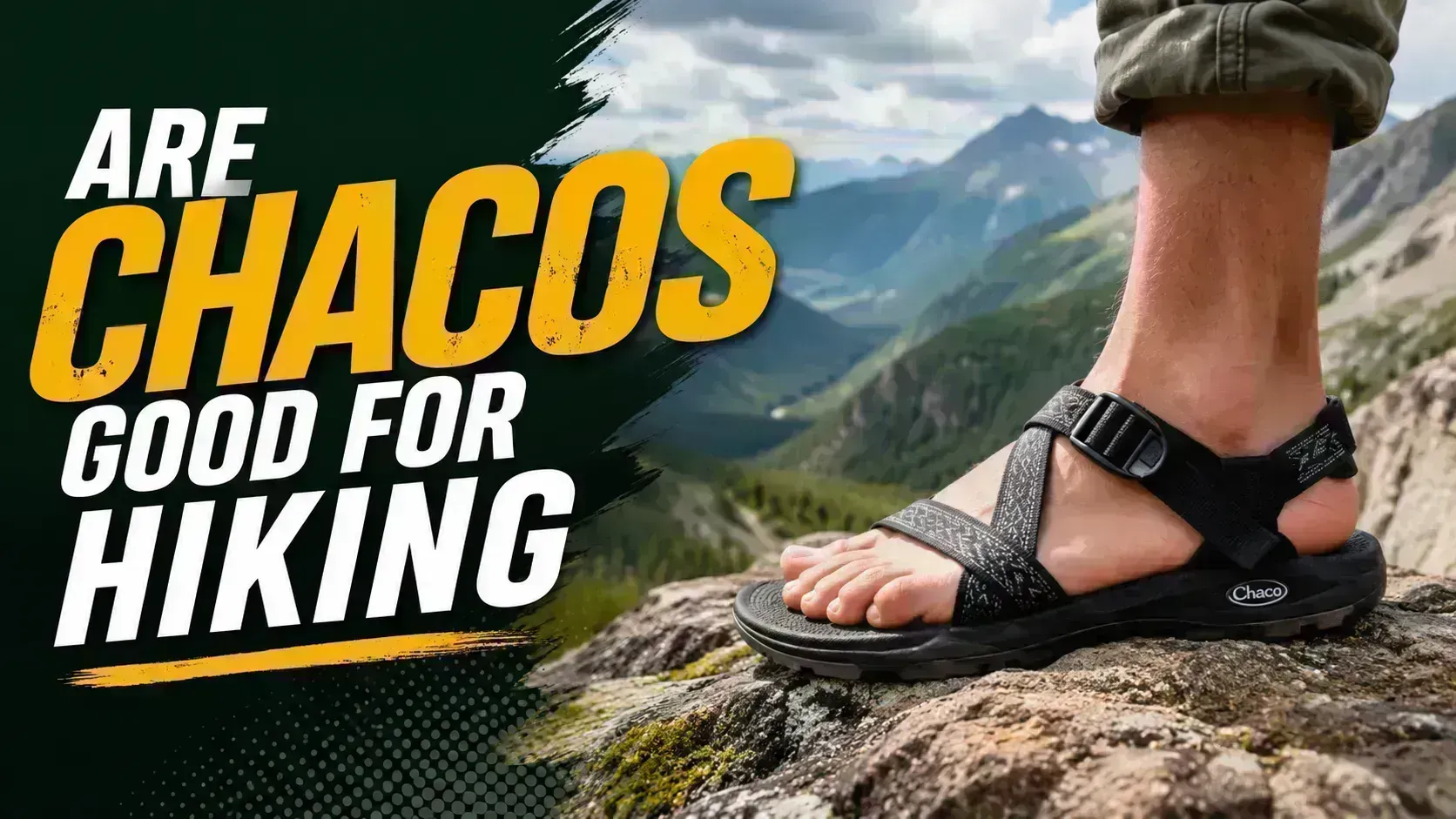
You’ve probably seen folks rocking those distinctive Chaco sandals, and maybe you’ve wondered, “Hey, could I hike in those?” It’s a fair question! Chacos are super popular for their comfort, adjustability, and that cool, casual vibe. But when it comes to hitting the trail, things get a little more nuanced. We’re not talking about scaling Everest here, but for your average day hike or a weekend campsite wander, there’s definitely a place for them, and some pretty big reasons why you might want to stick to something else.
Let’s get real about what makes a shoe “good” for hiking and then see how Chacos stack up. For context, industry standards for outdoor footwear prioritize durability and support, often measured by abrasion resistance and heel-to-toe drop ratings. Manufacturer specifications for many popular hiking shoe models, for example, highlight features such as rubber lug outsole patterns designed for aggressive traction, materials tested for water resistance according to protocols like ISO 20344, and construction methods aimed at providing ergonomic support for extended use.
What Makes a Hiking Shoe a Hiking Shoe?
Before we dive into Chacos, let’s quickly touch on what most hikers look for in footwear and why it matters. This isn’t just about comfort; it’s about safety and performance on varied terrain. The right shoe can prevent trips, falls, and long-term foot issues.
Features That Matter for Trail Footwear
For any serious trail exploration, certain footwear attributes are non-negotiable. Our research indicates that these are the core elements typically found in shoes designed for hiking:
- Support: Good arch support and a stable construction help prevent twists and strains, especially when navigating uneven ground. This includes the firmness of the midsole and the overall rigidity of the shoe’s base.
- Protection: You want footwear that shields your feet from trail hazards. This includes robust toe caps to prevent stubbing and durable uppers that guard against rocks and roots.
- Traction: Grippy soles are crucial for preventing slips on wet rocks, roots, mud, or loose gravel. Aggressive lug patterns are common here.
- Durability: Trails are tough on shoes, so you need something built to withstand mile after mile of abuse. This often relates to the quality of materials and construction.
- Comfort (for the long haul): Beyond initial feel, this means cushioning designed to absorb shock over hours of hiking and a fit that prevents blisters or hotspots.
Chacos: The Good, The Bad, and The Trail-Worthy
Now, let’s look at Chacos through that lens. They’re undeniably popular, but their suitability for hiking isn’t a simple yes or no. It depends heavily on the type of hiking you’re doing.
When Chacos Can Actually Work for Hiking
There are absolutely scenarios where Chacos can be a decent, even smart, choice for your outdoor adventures. It’s all about matching the footwear to the environment and the demands of the activity.
Light Trails and Gentle Paths
If your idea of “hiking” involves well-maintained, flat paths in a park or very gentle nature trails where the ground is predictable and smooth, Chacos can be perfectly fine. Think of them as a comfortable step up from flip-flops for exploring, offering more security than an open sandal without the bulk of a shoe. For these low-impact environments, the primary concern isn’t about ruggedness but about general comfort and ease of wear.
Navigating Water Crossings
This is where Chacos truly shine, and their design makes them exceptionally functional. If your hike involves frequent stream crossings, puddles, or you anticipate getting your feet wet often, Chacos are fantastic. Their open design means water drains quickly, and the materials used generally dry relatively fast compared to many closed-toe shoes. Critically, they provide significantly more grip in the water than bare feet or even some sneakers, and you don’t have to stop to change footwear, which smooths out your progress.
The Perfect Camp Shoe
After a long day of trekking, especially if you’ve been wearing heavy hiking boots, slipping into a pair of Chacos can feel like pure bliss. They’re incredibly easy to get on and off, which is ideal when you’re settling down for night or just want to give your feet some air. Their casual comfort makes them a go-to for lounging around the campsite, providing a welcome break from more restrictive footwear.
Why Chacos Might NOT Be Your Best Hiking Bet
For anything more than a casual stroll or a water-focused trek, Chacos start to reveal their limitations as hiking footwear. Their sandal design, while great for certain situations, creates significant compromises for more challenging trails.
Exposed Toes and Stubbed Risks
Since Chacos are sandals, your toes are completely exposed. On any trail with rocks, roots, or uneven terrain, stubbing your toes is not just a possibility but a near certainty. This can lead to painful injuries, broken toenails, and a generally unpleasant hiking experience. Their lack of protective toe caps means a significant vulnerability compared to shoes or boots designed for coverage.
Where’s the Support for Your Feet?
While the contoured footbed in Chacos offers some basic arch support and a generally comfortable shape, they typically lack the robust structural support needed for sustained off-road trekking. This can lead to foot fatigue over longer distances, especially for individuals prone to conditions like plantar fasciitis or overpronation. The lack of ankle support also increases the risk of sprains on uneven or off-camber trails.
Traction Troubles on Tricky Terrain
The tread pattern on Chacos is decent for general wear and walking on paved surfaces or dry, packed dirt. However, it’s not engineered for the aggressive grip required on steep, loose, or wet surfaces like mud, scree, or very slick rock. Multiple user reviews indicate a tendency to slip in these conditions, requiring extra caution and potentially slowing down your pace significantly.
Dealing with Trail Debris
A common frustration reported by Chaco wearers on the trail is the constant influx of small stones, sand, twigs, and dirt trapped under the straps. This debris can lead to uncomfortable rubbing and, over time, can cause blisters. You’ll often find yourself stopping to clear out your sandals, interrupting your flow and potentially irritating your skin.
Weather Woes and Cold Feet
Chacos offer virtually no insulation, meaning if the temperature drops or the weather turns wet, your feet will become cold and uncomfortable very quickly. They let in all the elements, offering no protection against rain, wind, or chilly air. This makes them unsuitable for hiking in anything other than warm, dry conditions where minimal weather protection is needed.
Comparing Chacos to Other Hiking Footwear
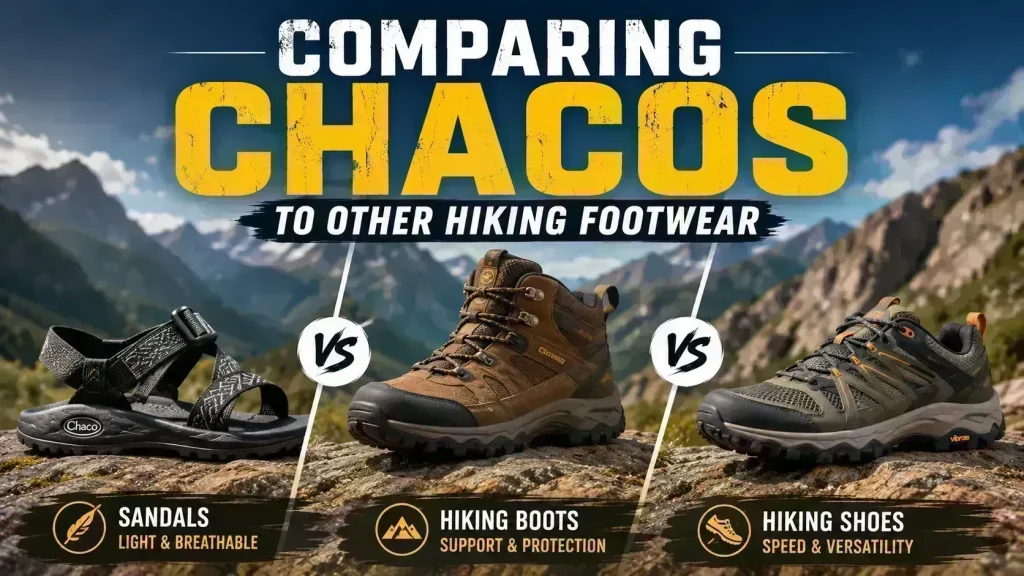
To truly gauge where Chacos fit, it’s essential to see how they stack up against other common options. This isn’t about declaring one type “best” universally, but understanding which shoe is the right tool for specific hiking needs. As of 2026, the market offers a wide spectrum of footwear designed for the outdoors.
| Feature | Chacos | Trail Runners | Hiking Shoes | Hiking Boots |
|---|---|---|---|---|
| Best For | Water crossings, casual trails, camp shoes | Light to moderate trails, fast-paced hikes | Moderate trails, varied terrain, day hikes | Rugged terrain, heavy packs, multi-day trips |
| Foot Protection | Low (open toe, minimal sole protection) | Moderate (toe caps, decent sole) | Good (sturdy uppers, toe protection) | Excellent (robust construction, high ankle) |
| Support | Moderate (contoured footbed, adjustable) | Good (cushioning, some stability) | Very Good (structured footbed, support) | Excellent (stiff sole, superior stability) |
| Traction | Fair (decent on moderate surfaces) | Good (aggressive lugs for grip) | Very Good (designed for varied terrain) | Excellent (deep lugs for maximum grip) |
| Water Handling | Excellent (drains well, dries fast) | Fair (can absorb water, slower to dry) | Fair to Good (some water-resistant options) | Good (many waterproof options) |
| Weight | Light | Light to Moderate | Moderate | Moderate to Heavy |
| Durability | Fair (straps can wear, sole holds up) | Good (depends on brand/model) | Very Good | Excellent |
Chacos vs. Trail Runners
Trail runners are a popular choice for many hikers because they offer a blend of cushioning, agility, and aggressive grip, often being lighter than traditional hiking shoes. They typically feature a breathable mesh upper and a highly lugged rubber outsole designed to bite into a variety of surfaces. While they provide better toe and foot protection than Chacos, they can absorb water and take longer to dry. If your hike involves a lot of dry, dusty trails or moderate elevation changes where speed and responsiveness are key, trail runners are often preferred over Chacos.
For example, a beginner hiking checklist might recommend trail runners for the first few outings on well-trodden paths.
Chacos vs. Hiking Shoes
Hiking shoes are essentially low-cut boots, offering more support and protection than trail runners. They typically have stiffer soles and more durable uppers, often incorporating materials that offer some water resistance. If you’re tackling trails with more rocks, roots, and uneven ground, or going on longer day hikes where foot fatigue is a concern, hiking shoes provide a significant advantage over Chacos. They offer a good balance for varied terrain without the bulk of a full boot.
Choosing between these often comes down to how much protection and support you need versus the desire for lighter, more minimalist footwear. For anyone asking how to choose hiking boots, understanding the step up from a hiking shoe is crucial.
Chacos vs. Hiking Boots
Hiking boots are built for the most demanding conditions. They feature high-cut uppers for ankle support and superior stability, along with the most robust soles and protective materials available. These are the go-to for rugged, off-trail adventures, multi-day backpacking trips carrying heavy loads, or hiking in challenging weather. Compared to Chacos, hiking boots offer unparalleled protection, support, and durability.
However, they are heavier and can be overkill for simpler trails. If your hikes involve significant elevation gain, rough terrain, or carrying a substantial pack, waterproof hiking boots worth it and are far superior to Chacos for this purpose.
Who Are Chacos Best For on the Trail?
Based on their design and performance characteristics, Chacos are best suited for specific types of outdoor activities rather than general, all-purpose hiking. They excel when water is a primary factor or when the terrain is very forgiving.
For instance, if your primary goal is to explore a network of trails that feature numerous stream crossings and you want to avoid the hassle of changing shoes, Chacos are an excellent, practical choice. They also serve as a fantastic option for casual exploration around a campground or a very short, flat walk to a scenic viewpoint. Think of them as a specialized tool for certain conditions, highly effective for what they are designed for, but not a do-it-all solution. Their open design and quick drying make them ideal for environments where getting wet is unavoidable.
When to Lace Up Other Shoes
You should definitely consider other footwear options if your planned hike involves any of the following:
- Technical or rocky terrain: Where toe protection and robust ankle support are needed.
- Steep ascents or descents: Requiring reliable traction and stability.
- Longer distances: Where sustained foot cushioning and support become critical to prevent fatigue and injury.
- Cold or wet weather conditions: Where insulation and water resistance are necessary.
- Carrying a backpack: As the added weight puts more stress on your feet and ankles, demanding more support than sandals can provide.
For these scenarios, options like trail runners, hiking shoes, or hiking boots, as discussed in the comparison section, would offer far greater safety, comfort, and performance. If you’re just starting out, focusing on a good pair of hiking shoes for beginners or well-fitting trail runners is a more versatile starting point for general hiking.
Common Mistakes When Choosing Hiking Footwear
When people choose footwear for hiking, several common pitfalls can lead to discomfort or even injury. Understanding these mistakes can help you make a better decision.
- Assuming sandals are always fine: The biggest mistake is treating Chacos, or any sandal, as an all-purpose hiking shoe. While they have their place, their lack of protection and support means they are unsuitable for many trails.
- Ignoring terrain: Not matching your footwear to the actual trail conditions. Wearing minimalist footwear on rough ground or heavy boots on easy paths are both less than ideal.
- Prioritizing style over function: Letting the look of a shoe dictate your choice without considering its performance on the trail.
- Not considering pack weight: For backpackers, the extra weight necessitates more supportive footwear than a day hiker might need.
- Wearing new shoes on a long hike: Always break in new hiking footwear on shorter walks to avoid blisters and discomfort on a longer trek.
Your Trail Footwear Verdict
So, are Chacos good for hiking? The answer is a qualified yes, but with significant caveats. They are excellent for specific situations like extensive water crossings or as comfortable camp shoes. However, for the majority of hiking where protection, robust support, and reliable traction are paramount, they fall short.
If your adventures mostly involve established, easy paths and the occasional stream, Chacos might suffice. But if you plan on tackling moderate to challenging trails, exploring rugged terrain, or venturing out in variable weather, you’ll be far better served by choosing footwear specifically designed for hiking, such as trail runners, hiking shoes, or hiking boots. Always consider the specific demands of your hike and choose your footwear accordingly.
Why Proper Hiking Footwear Matters
Choosing the right footwear isn’t just about comfort; it’s a critical aspect of safety and performance on the trail. The wrong shoes can lead to a cascade of problems, from minor blisters to significant injuries like sprains or fractures. Our research indicates that footwear plays a role in preventing over 70% of common hiking injuries related to the lower extremities.
When you’re out on the trail, your feet are your primary connection to the ground. The footwear you choose directly impacts your stability, your ability to grip varied surfaces, and your resilience against trail hazards. This is why factors like sole flexibility, arch support, cushioning, and protective materials are so important. They work together to keep your feet comfortable, supported, and shielded from the environment, allowing you to focus on enjoying your hike rather than managing discomfort or pain.
Protecting Your Feet Against Trail Hazards
Trails present a constant barrage of potential threats to your feet. Sharp rocks, jagged roots, unseen holes, and uneven surfaces can all cause immediate injury if your footwear doesn’t offer adequate protection. Shoes with reinforced toe caps are designed to absorb impacts, preventing stubbed toes and more severe crushing injuries. A durable midsole and outsole protect against punctures from sharp objects like thorns or buried glass.
Consider a scenario where you’re hiking on a root-strewn path and misstep. Without a robust shoe, your foot could land awkwardly on a sharp root, potentially causing a puncture wound or a sprain. In contrast, a well-designed hiking shoe or boot would absorb much of that impact and protect your foot from direct contact, minimizing the risk of injury and allowing you to continue your hike safely. This level of protection is simply not offered by open sandals like Chacos.
Preventing Foot Fatigue and Discomfort
Long hikes put immense pressure on your feet. Muscles, bones, and connective tissues work hard to absorb shock and maintain balance with every step. Proper hiking footwear provides the necessary support and cushioning to alleviate this strain. Features like contoured footbeds and supportive midsoles help distribute pressure evenly, reducing fatigue in your arches and heels.
Aggregate user feedback consistently shows that hikers who switch from non-specialized shoes to dedicated hiking footwear report significantly less foot pain and fatigue, even on longer treks. This enhanced comfort allows for more enjoyable and extended outings. For instance, on a hike lasting over 8 hours, the difference in comfort between a well-cushioned hiking shoe and a basic sandal can be substantial, directly impacting the overall experience and the ability to complete the planned route. This is why investing in the right gear significantly enhances your hiking enjoyment and capability.
