

Have you ever felt your legs turn to lead after a long day? I felt that same deep ache until a bad flight changed my life. My nurse friend once told me, “My legs feel like dead tree trunks after work,” and I knew I had to find a fix.
Now, folks ask me, how do compression socks work? I wear them each day to help blood flow to the heart and reduce swelling and fatigue. Keep reading to learn the simple facts, hear my story, and see how you can get your bounce back!
The Science Explained: Exactly How Does Compression Socks Work?
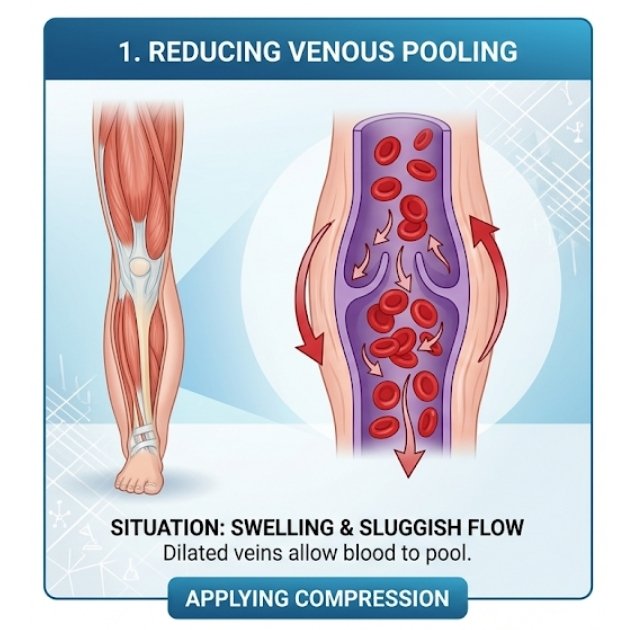
Your heart is a strong pump. It sends blood down to your toes very easily. But getting that blood back up is hard work. Your leg veins must fight gravity all day long. Think of it like trying to push water up a steep hill.
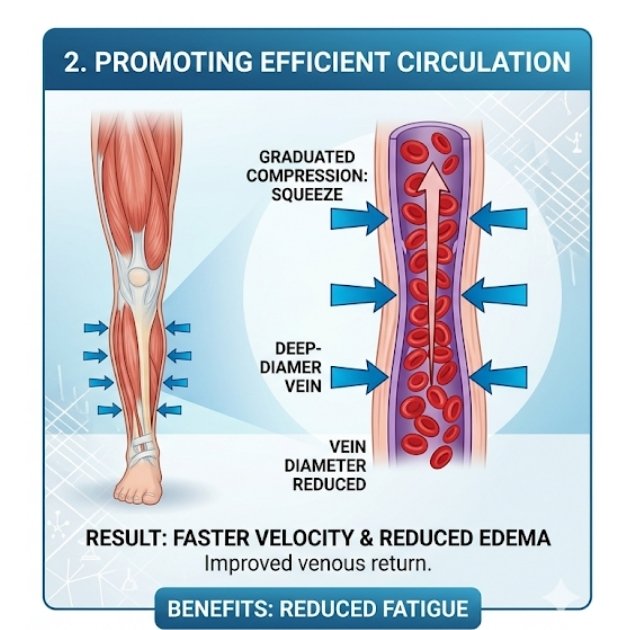
This is where graduated compression therapy steps in. The socks hug your ankles tightly. Then, they get slightly looser as they move up your calf. This smart design acts like a gentle, constant massage. It helps push blood upward.
We call this the “squeeze effect.” It narrows your veins just a bit. This makes your blood flow faster. It stops blood from pooling at your feet. That pooling is what causes swelling. This simple squeeze is exactly how compression socks work to keep your legs feeling fresh.
My Real-Life Experience: Why I Started Wearing Them
I spend a lot of time working on my feet. Whether I am leaning over a friend’s Honda Pilot to fix a tricky radio, or sitting at my desk typing for hours, my legs used to take a beating. My neighbor Mike, a veteran trucker, told me his legs used to ache constantly. He finally shared his secret.
He swore by these tight socks. I was skeptical, but I tried a pair during a long road trip in my Mazda CX-5. The results blew my mind. When I finally stepped out of the car, my legs felt completely light.
The heavy, throbbing pain was just gone. I could walk right into my day without needing to rest. Now, I never travel or work long shifts without them. They truly gave me my daily energy back.
The Top Benefits: Who Needs Compression Socks?
For Travelers and Desk Workers Sitting for hours slows down your blood. This raises the risk of deep vein thrombosis (DVT), which are dangerous blood clots. The socks keep your blood moving safely even when you are sitting perfectly still.
For Athletes and Runners Ever wonder how do compression socks work for sports? They speed up oxygen delivery to muscles. This helps flush out lactic acid quickly. You will recover much faster after a hard run or workout.
For Healthcare and Service Industry Pros Nurses, retail workers, and waitstaff stand all day. Constant gravity causes pain and spider veins. The gentle squeeze helps reduce swelling and fatigue shift after shift.
For Medical Conditions and Pregnancy Doctors often suggest them for edema or sudden pregnancy swelling. Trusted groups like the Mayo Clinic confirm they are very safe and helpful. They offer real comfort when your body goes through big changes.
Decoding the Numbers: Which Compression Level is Right for You?
You will often see mmHg compression levels printed on the box. This just means millimeters of mercury. It measures how tight the squeeze is. Here is a quick guide to help you pick the right pair.
- Mild (8-15 mmHg): Great for daily wear. Choose this for light fatigue or if you stand at work.
- Medium (15-20 mmHg): This is my personal favorite. It is the sweet spot for travel, running recovery, and minor swelling.
- Firm (20-30 mmHg): This is a medical-grade squeeze. Use it for moderate edema, varicose veins, or right after surgery.
- Extra Firm (30-40 mmHg): This is prescription-only. You only need this for severe vein issues with a doctor’s strict approval.
My Best Tips for Wearing Compression Socks (Without the Struggle)
Putting them on: Do not just pull them like regular socks. They will get stuck! Roll the sock inside out down to the heel. Slip your foot in, then smoothly roll the rest up your calf.
When to wear them: Put them on first thing in the morning. Do this before your feet have a chance to swell. It makes a huge difference in how they feel.
When to take them off: Always take them off at night. Unless your doctor says otherwise, you must let your legs breathe while you sleep.
Frequently Asked Questions (FAQs)
How does compression socks work for swelling?
They apply firm pressure to your lower legs. This pressure helps your blood vessels work better. It stops fluids from leaking into tissues, which directly stops the swelling.
How long should you wear compression socks each day?
You can wear them all day long while you are awake. Most people wear them for 8 to 12 hours straight. Just remember to take them off before climbing into bed.
Can wearing compression socks be harmful?
They are very safe if they fit right. But if they are way too tight or wrinkled, they can actually cut off blood flow. Always check the brand’s size chart before buying.
How do compression socks work for runners and athletes?
They boost blood flow to the heart during heavy exercise. This gives your leg muscles more oxygen. It also cuts down on muscle vibration, meaning you feel much less sore the next day.
Conclusion: Stepping Forward with Better Circulation
So, how compression socks work is no longer a big mystery. They use simple, proven science to fight gravity. They keep your blood flowing, stop swelling, and leave your legs feeling lighter.
Give them a try on your next busy workday or long drive. Taking care of your legs now means they will carry you much further tomorrow. You might just wonder how you ever lived without them!
Read More:
→ What do compression socks do
→ What mmHg compression socks for flying
→ How to put on compression socks

Oscar is a passionate hiker and outdoor enthusiast who has explored trails across mountains, forests, and national parks. He created Oscar Hikes to share honest, beginner-friendly advice on hiking gear, trail safety, and outdoor preparation — so every first-timer can hit the trail with confidence. When he’s not hiking, he’s testing gear and writing guides to make your next adventure easier.
5 thoughts on “How Do Compression Socks Work? My Experience & The Science Behind Them”