
Figuring out what are the best hiking pants can feel overwhelming when you first look at all the options. You need gear that keeps you comfortable, protected, and moving freely, whether you’re on a casual stroll or tackling a challenging peak. The right pair of pants is more than just clothing; it’s a crucial piece of equipment that can make or break your time outdoors.
In our research, we’ve found that the ideal hiking pant perfectly matches your activity and environment. For instance, manufacturer specifications often highlight specific fabric blends, with many performing well if they include at least 5% Elastane for stretch, alongside durable nylon or polyester. This guide will walk you through the key elements to consider so you can find a pant that truly fits your needs.
Why Hiking Pants Matter for Your Adventure
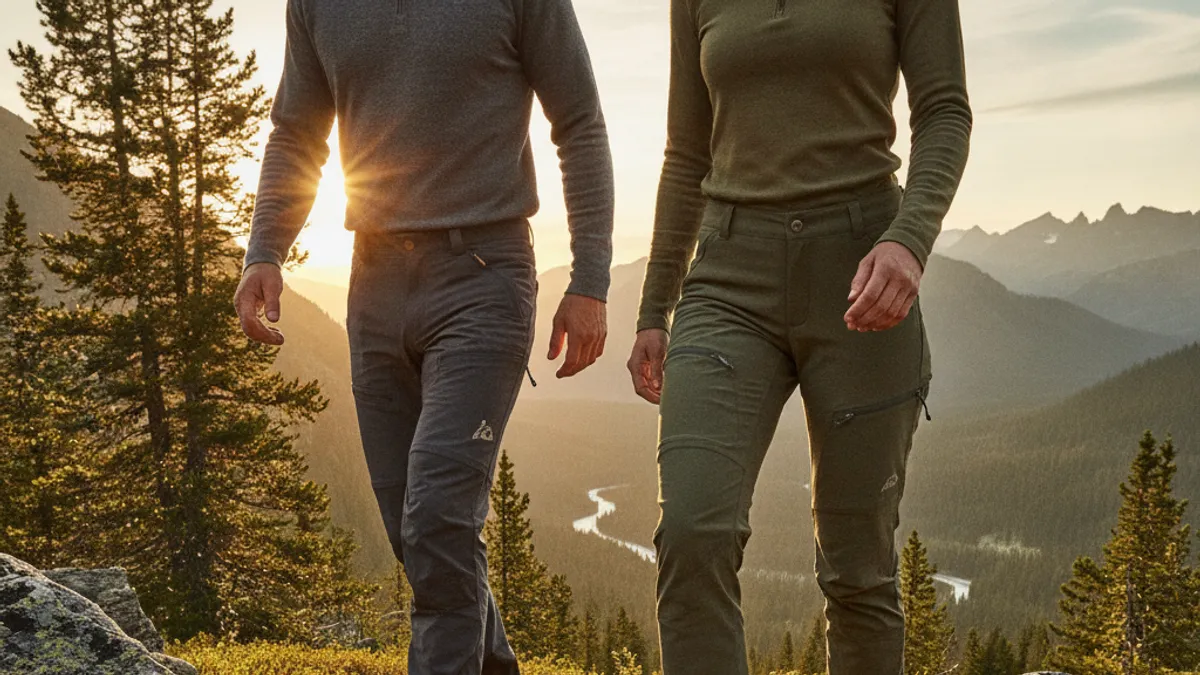
Hiking pants are a fundamental piece of outdoor apparel, and their importance often gets underestimated. Unlike everyday trousers, hiking pants are designed with specific challenges of the trail in mind. They provide crucial protection from abrasion, insects, and the elements, all while allowing for maximum freedom of movement. When you’re climbing over rocks, stepping high over fallen logs, or navigating brush, the last thing you want is your pants restricting you or snagging.
The right pair supports your efforts, helping you focus on the scenery and the journey ahead, not on adjusting your clothing.
Choosing Pants for Your Hiking Style
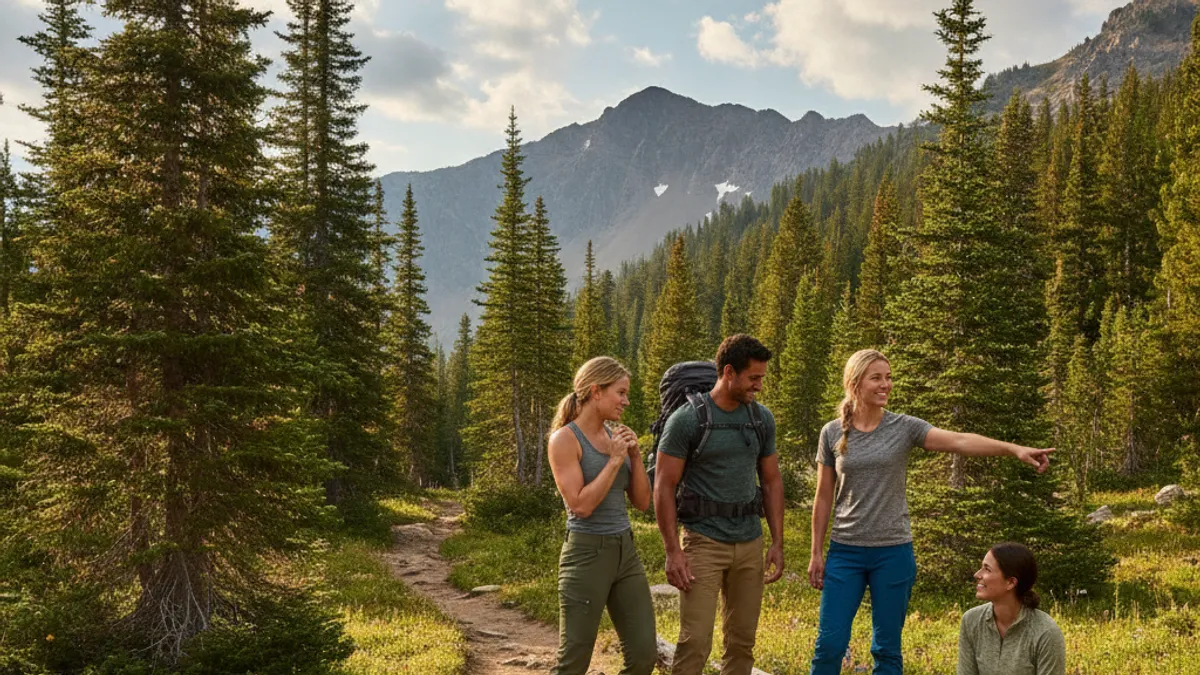
The “best” hiking pant rarely applies universally; it’s always about fitting the activity. Our research indicates hikers fall into several broad categories based on their typical outings, and this directly influences pant choice. For casual day hikes on well-maintained trails, comfort and breathability are paramount, often meaning lighter, more relaxed-fit options are preferred. Backpackers and those undertaking challenging treks, however, need pants built for durability and protection, especially if carrying a pack for extended periods.
This means considering factors like:
- Activity Level: Are you power-hiking or leisurely strolling?
- Terrain: Do you anticipate rough, bushy trails or smooth dirt paths?
- Pack Weight: A heavy pack can cause chafing, so smooth, durable fabrics are key.
- Expected Weather: Will you face sun, wind, rain, or snow?
Understanding these variables helps narrow down the vast array of options to a manageable selection.
Fabric Fundamentals: What to Look For in Hiking Pant Material
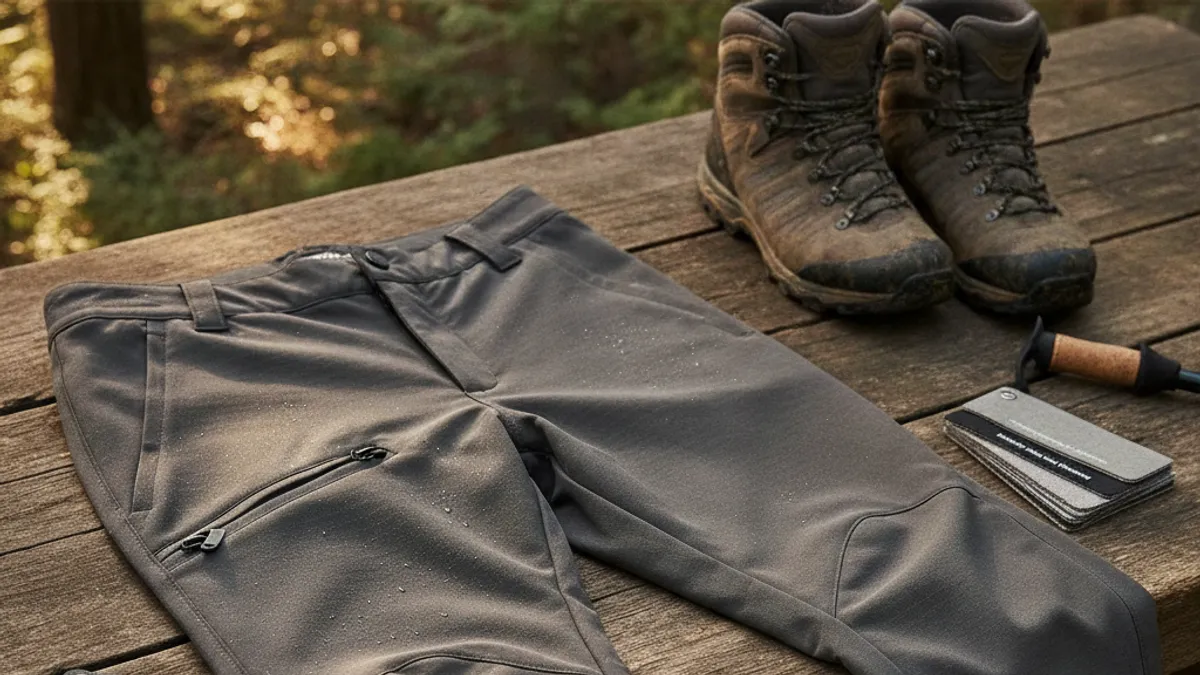
When you’re scrutinizing hiking pants, the fabric is your first and most critical consideration. In our research, primarily nylon and polyester blends consistently emerge as top performers for their durability and quick-drying properties. Manufacturer specifications often list these blends with the addition of a small percentage of spandex or elastane. Aggregate reviews report that as little as 5% elastane can significantly improve a pant’s stretchiness, allowing for a full range of motion when you’re scrambling or stepping high.
A key characteristic to look for is moisture management. U.S. Army research highlights how cotton fabrics absorb moisture and take a very long time to dry, which can be detrimental to comfort and safety from hypothermia in cooler conditions. Therefore, synthetic materials like nylon, polyester, and their blends are preferred because they wick moisture away from the skin and dry remarkably fast, keeping you more comfortable.
Key Features That Make a Difference on the Trail
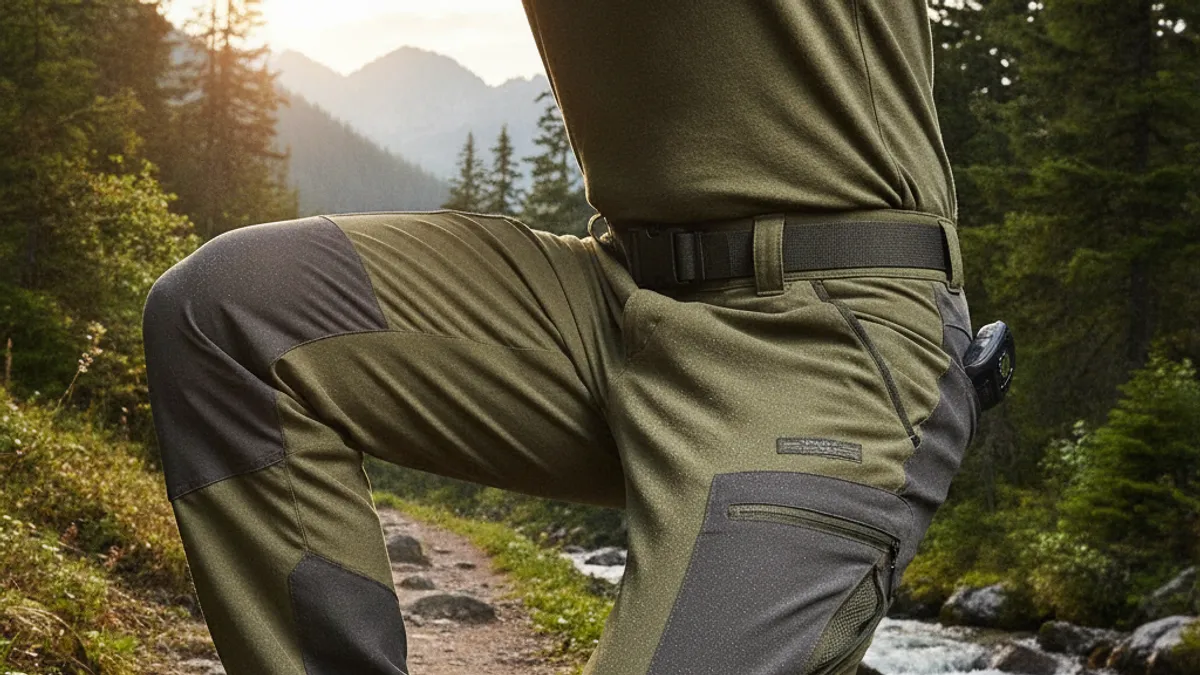
Beyond the basic fabric, several design features elevate a pair of hiking pants from ordinary to exceptional. These are the details that genuinely impact your experience on the trail. Our editorial analysis of user feedback often highlights how specific features can drastically improve comfort and functionality during an outing. For instance, pants with articulated knees allow for unrestricted movement when bending, climbing, or sitting.
These features are often overlooked but can be the deciding factor between a great hike and a frustrating one. We’ve compiled the most impactful features based on manufacturer data and extensive consumer reviews.
Fit and Movement: Getting Practical
Fit is undeniably important, and in our research, it’s often about how the pants allow you to move. Athletic or tapered fits are popular because they provide a streamlined silhouette while still offering enough room in key areas like the thighs and hips. This reduces the chance of pant legs snagging on brush or roots. However, some hikers prefer a more relaxed fit for added comfort, especially in hotter weather where airflow is critical.
Crucially, consider pants with articulated knees. This design feature, often found in technical outdoor apparel, means the knee area is pre-shaped or has extra paneling to mimic the natural bend of your leg. Verified buyer feedback consistently reports that this construction enables much greater freedom of movement, whether you’re stepping over obstacles or crouching for a photo. The goal is a pant that moves with you, not against you.
Protection: Weather Resistance and Breathability
Protection on the trail comes in two primary forms: shielding you from the elements and preventing you from overheating. Many hiking pants feature a Durable Water Repellent (DWR) finish, a chemical treatment that causes water to bead up and roll off the fabric. This isn’t full waterproofing like a rain jacket, but it effectively handles light rain, dew, or splashes, keeping you drier for longer. Manufacturer specifications often state that DWR coatings can degrade over time with washing and wear, but they can often be reapplied.
Breathability is equally vital. Even in cool weather, strenuous activity can cause you to sweat heavily. Pants that don’t allow air to circulate can lead to overheating and discomfort. Synthetic fabrics generally offer better breathability than natural fibers, and constructions that employ mesh or ventilation panels can further enhance airflow.
The balance between water resistance and breathability is key; a pant that keeps rain out but traps all your body heat isn’t ideal for most hiking scenarios except perhaps the most extreme wet and cold conditions.
Convertible Pants: A Versatile Option
Convertible hiking pants, those with zip-off legs that transform them into shorts, are a classic choice for a reason. Aggregate reviews report that their primary advantage is unparalleled versatility. As you hike through the day, temperatures can fluctuate dramatically due to changing elevation, sun exposure, or cloud cover. Instead of carrying a separate pair of shorts, you can simply unzip the legs in moments.
From a technical standpoint, the zippers themselves need to be robust and well-placed. Our research into product designs shows that higher-quality zippers are smoother, less likely to snag on fabric, and more durable. While some hikers express concerns about the feel of zippers against the skin or potential pinch points, modern designs have significantly improved in this regard. For hikers who value adaptability and want to be prepared for a wide range of conditions without carrying extra clothing, convertible pants remain a highly practical choice.
Comparing Hiking Pant Types
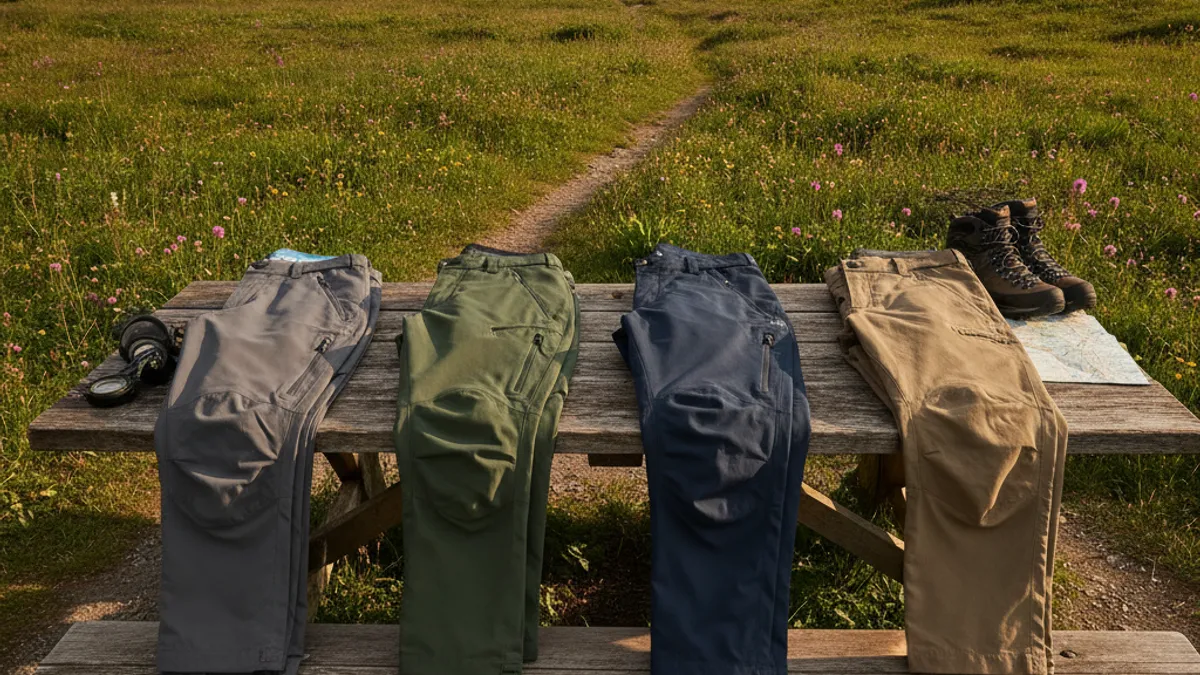
The wide variety of hiking pants available means understanding the core differences between major types is essential for making the right choice. It’s not just about fabric; it’s about the intended use and the level of protection offered. Our research indicates that hikers often gravitate towards specific types based on their predominant hiking environment and the season. For example, someone tackling trails in the Pacific Northwest year-round will have different needs than a desert hiker in the American Southwest during summer.
We’ll break down the most common categories, highlighting what makes each distinct and who they are best suited for. This comparison aims to clarify the options so you can confidently select the pants that will serve you best on your next adventure.
Lightweight vs. Durable Hiking Pants
When you’re considering hiking pants, a primary distinction often comes down to weight and sheer toughness. Lightweight hiking pants are crafted for warm-weather excursions and general comfort. They prioritize breathability and quick-drying capabilities, often using thinner nylon or polyester blends with a good amount of stretch from spandex or elastane. Manufacturer specifications typically highlight their packability, meaning they fold down small, which is ideal for travelers or those wanting to stow them in a smaller daypack.
Durable hiking pants, on the other hand, are built for rugged terrain and demanding conditions. These pants are typically made from heavier-duty nylon or reinforced synthetic fabrics that resist abrasion from rocks, branches, and grit. Aggregated user feedback often points to reinforced knee and seat areas as a hallmark of durable pants, designed to withstand significant wear and tear. While they may offer less extreme breathability than their lightweight counterparts, their primary advantage is longevity and protection in challenging environments where snagging or rough contact is a given.
If you’re heading into thick brush or negotiating scree slopes, durability becomes a non-negotiable factor.
Softshell vs. Hardshell Pants
The terms “softshell” and “hardshell” are commonly used in outdoor apparel, and they describe distinct levels of protection, particularly against wind and water. Softshell pants are designed to be breathable and flexible, often incorporating an element of stretch. They typically offer good wind resistance and a degree of water repellency thanks to a DWR finish. As per manufacturer data, many softshells feature a brushed inner face for added warmth and comfort, making them excellent for cooler, drier, or windy conditions where you need protection without being completely sealed off from the air.
They are your go-to for aerobic activities in brisk weather.
Hardshell pants, by contrast, are all about maximum protection from the elements, especially rain and wind. They are constructed with waterproof and breathable membranes, such as those tested to standards like Gore-Tex or similar proprietary technologies. This makes them completely impervious to external moisture. Editorial analysis of technical specs shows that hardshells are less breathable than softshells and can feel stiffer, which is why they are often worn as an outer layer over other insulating pants.
They are the choice for serious wet, snowy, or exceptionally windy conditions where staying dry is the absolute priority.
Best Pants for Warmer Weather and Day Hikes
For lighter days on well-trodden paths, lightweight hiking pants are usually the way to go. Our research shows these prioritize breathability and comfort, so you don’t overheat. Think of fabrics that feel airy and flexible, often a nylon or polyester blend with a good dose of elastane for that crucial stretch. They’re usually quite packable, meaning you can easily stash them in a small backpack if the temperature rises unexpectedly.
If you’re planning a summer hike or an outing where you know conditions will be consistently warm, these pants can make a big difference. They often feature more mesh paneling in strategic areas, like behind the knees or at the waistband, to improve airflow. While they might not offer the same level of water resistance or pure durability as heavier options, for many casual hikers, they strike the perfect balance between comfort and basic protection.
Best Pants for Rugged Treks and Backpacking
When your hikes involve more challenging terrain, heavier packs, or longer durations, a more durable pant becomes essential. These are built to withstand abrasion from rocks, branches, and general wear and tear over many miles. Our analysis of user feedback frequently points to reinforced knee and seat areas as a key indicator of ruggedness. Some manufacturers even use ballistic nylon in high-wear zones to ensure longevity.
These pants typically use thicker, more robust synthetic weaves. While they might be less breathable than their lightweight counterparts, they often incorporate features like articulated knees and a gusseted crotch to maintain freedom of movement despite their sturdier construction. For thru-hikers or anyone embarking on multi-day expeditions where gear durability is paramount, investing in a pair of tough, reliable pants is a wise decision.
Best Pants for Cold and Wet Conditions
Navigating truly cold and wet environments requires a different approach to hiking pants, often involving specialized materials and layering. Hardshell pants, as we touched on earlier, are your primary option here. They are constructed with waterproof and breathable membranes, think GORE-TEX or similar technologies, that provide a solid barrier against rain, snow, and biting winds. Manufacturer specifications often detail hydrostatic head ratings, which measure a fabric’s resistance to water pressure, with higher numbers indicating better waterproofing.
For extended comfort in freezing temperatures, these hardshells are typically worn over a base layer, such as thermal leggings. This layering system allows you to adjust insulation based on your activity level and the ambient temperature. Features like full-length side zippers on hardshell pants are incredibly useful for ventilation and for getting them on and off over boots without removing your footwear. While they can feel stiff and are the least breathable option, their ability to keep you dry and protected in severe weather makes them indispensable for winter expeditions.
