
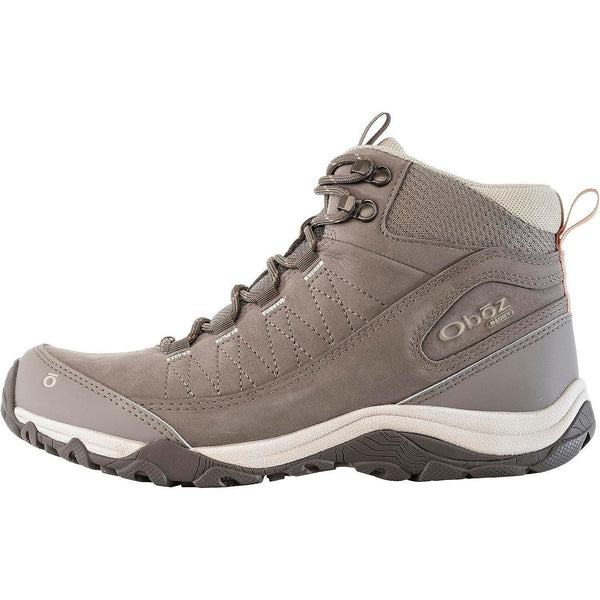
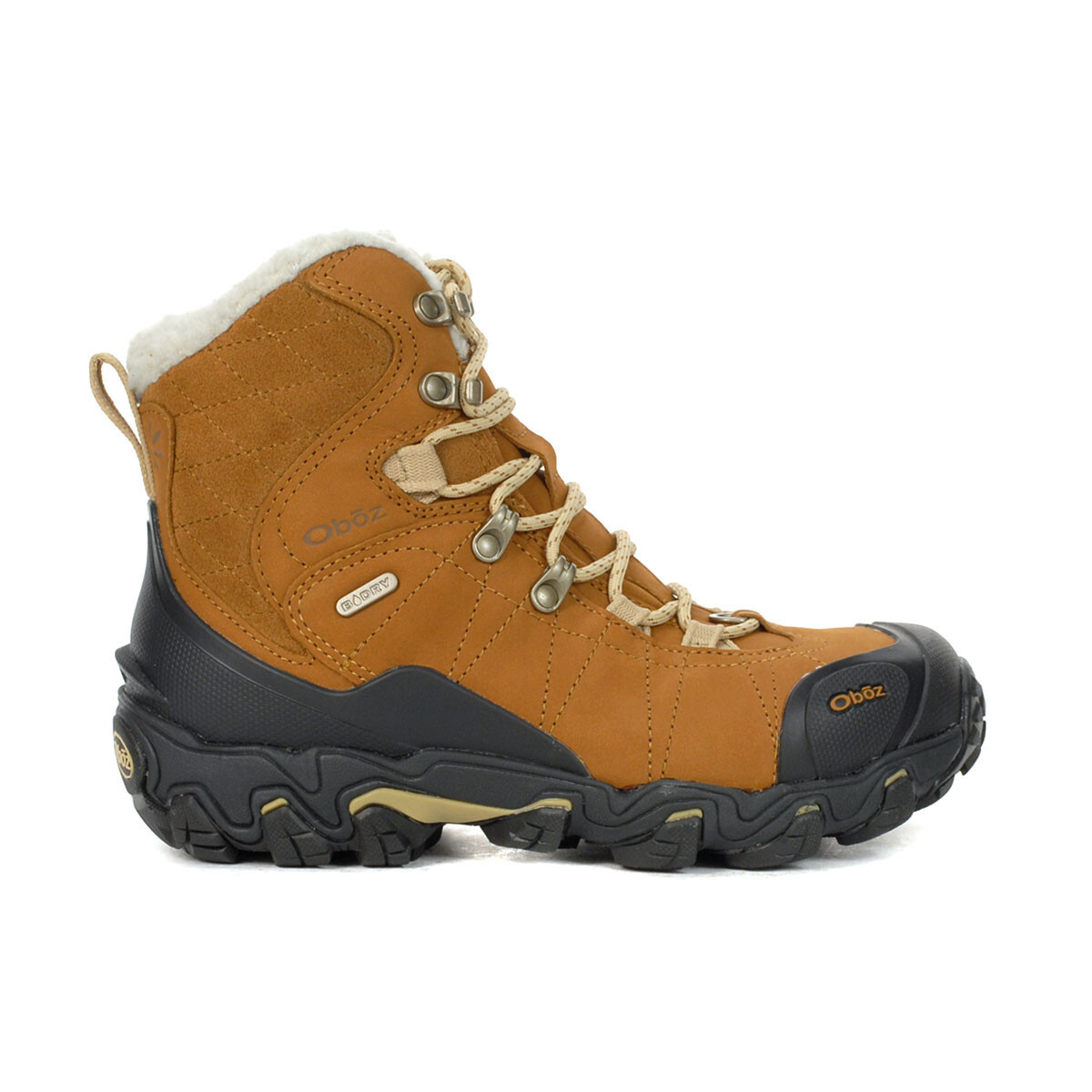
For women hiking in the United States, the Oboz Ousel Mid Waterproof hiking boots are built for day hikes, park trails, light backpacking, and wet conditions. Their mid-height design gives more ankle coverage than a hiking shoe, while the waterproof liner helps keep feet dry on damp trails, shallow puddles, and wet grass.
They are a good fit for hikers who want one boot for mixed terrain and changing weather. They are less suited to technical mountain routes, deep snow, very hot climates, or trips that require a heavy-duty backpacking boot.
This guide explains the boot’s main features, fit, waterproof limits, trail use, care needs, and the trade-offs to consider before buying.
Source: grivetoutdoors.com
What Are the Oboz Ousel Mid Waterproof Hiking Boots?
The Oboz Ousel Mid Waterproof is a women’s mid-height hiking boot made for moderate outdoor use. It sits between a low hiking shoe and a stiff backpacking boot.
The boot is designed around four main needs:
- Wet-weather protection
- Ankle coverage
- Grip on natural trails
- Comfort for day-long walking
Oboz uses its own waterproof membrane in this type of footwear. The membrane is intended to block outside water while allowing some moisture vapor to move out. This can help in rain and wet grass, but no waterproof hiking boot stays dry in every situation.
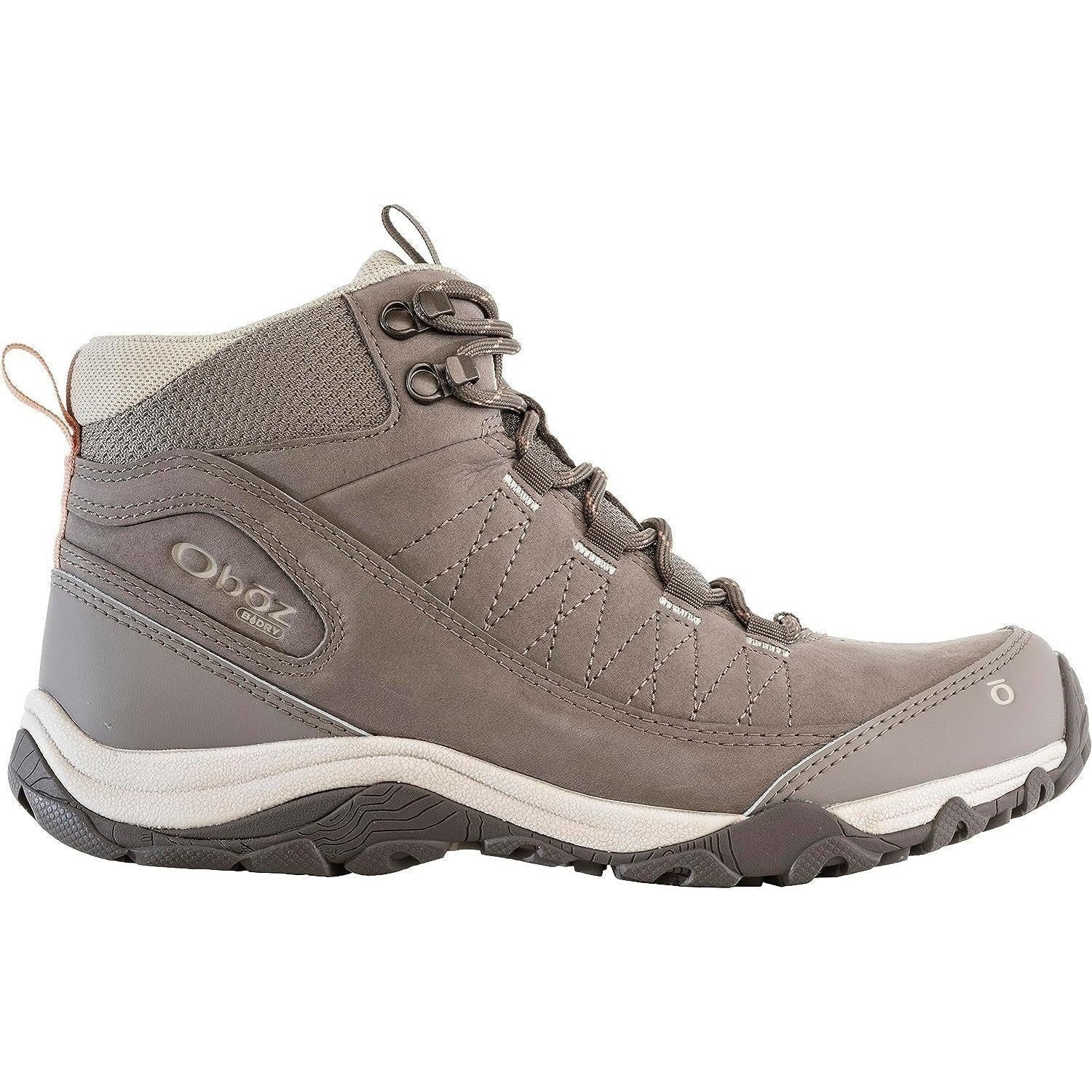
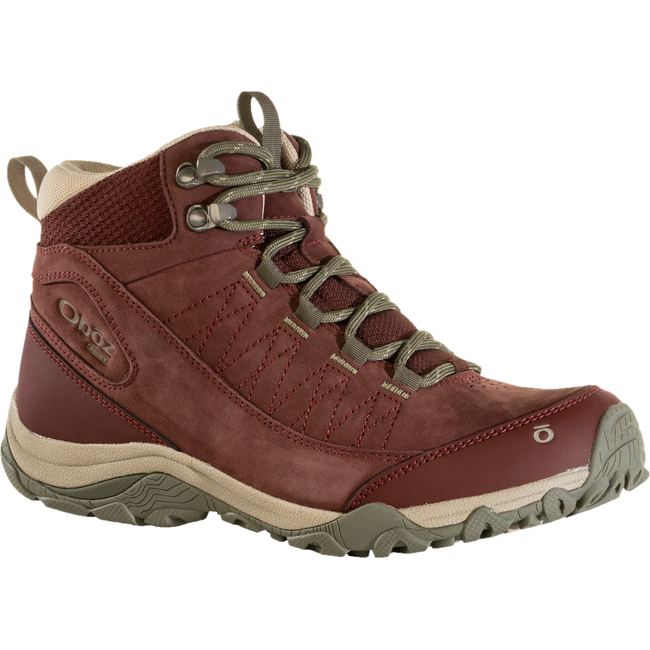
The upper commonly combines leather and textile panels. Leather can add structure and abrasion resistance. Mesh or fabric areas can reduce bulk and help the boot flex. Exact materials, colors, and small design details may change by model year or retailer, so check the current product listing before ordering.
What “mid waterproof” means
- Mid: The boot rises above the ankle and gives more coverage than a low shoe.
- Waterproof: A membrane helps stop liquid water from passing through the boot.
- Hiking boot: The sole, upper, and midsole are made for uneven outdoor ground rather than pavement alone.
A waterproof membrane does not make the boot a rain boot. Water can still enter over the collar, through the tongue area, or through a damaged seam.
Source: grivetoutdoors.com
Key Features That Matter on the Trail
The Ousel Mid Waterproof combines a waterproof upper, a lugged hiking outsole, and a supportive footbed. These parts work together, but each solves a different problem.
Waterproof construction
The waterproof layer is useful for:
- Wet leaves
- Light to moderate rain
- Damp grass
- Muddy trail edges
- Shallow stream crossings
It is less useful when water reaches above the boot collar. If you walk through deep water, the boot can fill from the top even when the membrane is working correctly.
Waterproof boots also tend to feel warmer than non-waterproof shoes. That can be helpful in cool weather but uncomfortable during hot summer hikes in places such as Arizona, Texas, or the Southeast.
Mid-height ankle design
The Ousel’s mid cut gives more coverage than a low hiking shoe. It may also help keep trail debris out.
However, the boot does not replace careful foot placement. A taller collar cannot prevent every ankle roll. Fit, lacing, trail conditions, and the weight of your pack all affect stability.
Hiking outsole
The outsole uses a lugged pattern for traction on natural surfaces. Lugs can help the boot grip dirt, roots, gravel, and light mud.
Traction still has limits. Wet rock, smooth roots, ice, and polished surfaces can be slippery. A hiking outsole is not the same as a winter ice outsole, and the boot should not be treated as a substitute for traction aids in icy conditions.
Footbed and underfoot support
Oboz hiking boots are known for removable, shaped footbeds on many models. A removable footbed can make it easier to:
- Replace a worn insole
- Use a compatible custom orthotic
- Adjust volume inside the boot
- Dry the insole separately
Check the current model details before assuming a particular footbed is included. If you use orthotics, test the boot with those inserts before a long hike.

Source: pinterest.com
How the Ousel Mid Waterproof Fits Women’s Feet
The best hiking boot is the one that holds the heel firmly while leaving the toes room to move. Size alone does not determine fit.
Try the boots with the socks you plan to hike in. Your feet often swell during a long walk, so a boot that feels just right in the morning may feel tight later.
Check these fit points
- Heel: Your heel should stay mostly in place when you walk uphill. A small amount of movement during initial break-in can be normal, but repeated rubbing is a warning sign.
- Midfoot: The laces should hold the foot securely without creating pressure or numbness.
- Toe box: Your toes should not touch the front when walking downhill.
- Width: Your little toe should not press against the sidewall.
- Ankle collar: The collar should feel secure but should not dig into the ankle bone.
Walk up and down stairs before wearing the boots outdoors. Downhill movement often reveals a poor fit faster than level walking.
Sizing tips
Consider going up a half size only when you need extra length for hiking socks or foot swelling. Do not size up simply to gain width. A boot that is too long can cause heel slip and toe impact.
If the boot feels narrow across the forefoot, a larger size may not solve the problem. Look for a wide version if the manufacturer offers one, or choose a different last shape.
Break-in advice
Wear the boots around the house first. Then use them for short walks on easy ground. Increase distance only after you find no hot spots.
Stop if you feel:
- Burning or sharp rubbing
- Numb toes
- Persistent heel lift
- Pressure over the top of the foot
- Pain at the ankle collar
A blister is not a normal part of a successful break-in. It often points to fit, sock, lacing, or moisture problems.

Source: ebay.com
Are These Boots Good for Hiking?
The Oboz Ousel Mid Waterproof is best for day hikes and moderate trails where wet-weather protection and comfort matter more than maximum stiffness.
Good uses
These boots can make sense for:
- Day hikes on maintained trails
- Forest paths
- Rolling hills
- Gravel and dirt routes
- Wet spring and fall walks
- Light overnight trips with a small pack
- Travel where one outdoor shoe must handle mixed weather
They are especially useful for hikers who prefer a boot over a low shoe and want more protection from puddles, mud, and trail debris.
Situations that need caution
Choose a more specialized boot when you expect:
- Heavy backpacking loads
- Long talus routes
- Technical scrambling
- Deep snow
- Frequent ice travel
- Very rough off-trail use
- Extended desert hikes in hot weather
A softer, more flexible hiking boot may feel comfortable on a day hike but may not provide enough structure under a heavy pack. A waterproof liner may also feel too warm in a dry, hot climate.
Ousel Mid Waterproof versus a low hiking shoe
| Need | Ousel Mid Waterproof | Low hiking shoe |
|---|---|---|
| Ankle coverage | More coverage | Less coverage |
| Water protection | Usually stronger when properly maintained | Depends on model |
| Weight and flexibility | Often more boot-like | Usually lighter and more flexible |
| Warm-weather comfort | May feel warmer | Often cooler |
| Trail debris protection | Better around the collar | Lower coverage |
| Technical support | Moderate, model dependent | Often lower |
The main trade-off is simple: the Ousel favors coverage and weather protection, while a low shoe often favors light weight and airflow.

Source: campsaver.com
Waterproof Performance: What to Expect
The Ousel Mid Waterproof can help keep feet dry, but waterproofing is a system. The membrane is only one part of that system.
Water can enter from the top
If water rises above the collar, it can run inside the boot. Gaiters can help in wet brush, snow, and deep mud. They cannot make the boot fully waterproof above its designed height.
Seams and tongue areas matter
Water may enter through worn seams, damaged fabric, or gaps around the tongue. Keep the tongue centered and lace the boot well. Inspect the upper after hikes through sharp rocks or dense brush.
Breathability has limits
A waterproof membrane does not move moisture as freely as open mesh. Your feet can still sweat from heat, pace, socks, or poor ventilation.
For hot conditions, consider a non-waterproof hiking shoe. For cool rain, wet grass, and shoulder-season trails, waterproof boots may be more comfortable overall.
Test the boots before a trip
Do not make a major trip the first test. Wear them on short walks in the conditions you expect. Check whether your socks stay dry and whether your feet become too warm.
Avoid putting the boots under a faucet or soaking them just to test them. Home tests may not reflect normal trail use and can wet the inside through the collar.
Source: rieglpalate.com
Traction, Support, and Trail Safety
The Ousel Mid Waterproof is designed for walking on uneven ground, but safe use still depends on the trail and the hiker.
Traction on common surfaces
The outsole may provide useful grip on:
- Dry soil
- Loose gravel
- Packed dirt
- Forest duff
- Moderate mud
Use extra care on:
- Wet rock
- Wooden bridges
- Smooth roots
- Loose scree
- Frozen mud
- Ice
Slow down on downhill sections. Short steps and a planted foot usually provide better control than long strides.
Ankle support is not ankle protection
A mid boot can cover the ankle and reduce some exposure to brush and debris. It may also feel more secure than a low shoe.
Still, ankle support varies with the boot’s stiffness, collar shape, lacing, and fit. No hiking boot can prevent all sprains. On steep or technical routes, trekking poles and careful route choices may help more than boot height alone.
Pack weight changes the decision
A small day pack places less demand on a boot than a loaded backpack. If you carry a heavy load, test the boots with that pack before committing to a long trip.
Watch for:
- Foot fatigue
- Sole flex that feels unstable
- Heel movement
- Toe pressure on descents
- Arch discomfort
If these problems appear early, the boot may not match your load or foot shape.

Source: ebay.com
How to Care for Oboz Ousel Waterproof Boots
Simple care can extend the useful life of waterproof hiking boots.
After each wet or muddy hike
- Remove the insoles.
- Brush off loose dirt.
- Wipe the upper with cool or lukewarm water.
- Let the boots dry at room temperature.
- Keep them away from direct heat.
- Reinstall the insoles only after both parts are dry.
Do not place the boots on a radiator or use a high-heat dryer. Heat can damage adhesives, stiffen leather, and affect the waterproof construction.
Cleaning products
Use a cleaner made for the boot’s actual upper material. Avoid household detergent, bleach, and harsh solvents.
Do not apply leather wax or heavy conditioner unless the manufacturer says it is suitable. Some products can reduce the performance of fabric panels or affect the way the upper breathes.
When to reproof
Water may stop beading on the outer material before the waterproof membrane fails. This does not always mean the boot leaks. The wet outer fabric can reduce comfort and slow drying, though.
Use a compatible water-repellent treatment when the manufacturer recommends one. Follow the product directions and test it on a small hidden area first.
Signs the boots need replacement
Consider replacing the boots when:
- The outsole lugs are badly worn
- The sole separates from the upper
- The lining tears and causes rubbing
- The waterproof barrier no longer works after proper care
- The midsole feels flat or unstable
- The boot causes new pain despite a good fit
A clean upper does not mean the boot still provides full trail performance.

Source: rei.com
Pros and Cons of the Ousel Mid Waterproof
The main advantage is balance. The boot aims to offer more coverage and weather protection than a low hiking shoe without moving into the heavy, stiff category of mountaineering or traditional backpacking boots.
Potential advantages
- Mid-height coverage for trails and wet grass
- Waterproof construction for damp conditions
- Hiking-focused outsole
- More protection than a low shoe
- Useful for day hikes and moderate terrain
- Removable insole on applicable versions
- Suitable for hikers who prefer a structured boot
Potential drawbacks
- Warmer than a non-waterproof shoe
- May take time to break in
- Not ideal for deep snow or ice without added traction
- May not offer enough stiffness for heavy backpacking loads
- Waterproof construction can dry slowly if water enters from the collar
- Fit may not suit every foot shape
- Model details can vary by year and retailer
The right choice depends on your trail, climate, pack weight, and foot shape. A boot that works well in wet Pacific Northwest forests may feel too warm in a summer desert.
Source: roderershoecenter.com
Buying Checklist for Women’s Ousel Mid Waterproof Boots
Before ordering, check the current product page and use this list:
- Confirm the exact model name.
- Check whether the listing is for women’s sizing.
- Review available widths.
- Measure both feet late in the day.
- Compare the brand’s size chart with your foot length.
- Check the return window.
- Confirm whether the current version has a removable insole.
- Read the material and care instructions.
- Make sure the outsole suits your planned terrain.
- Try the boots with hiking socks and any orthotics.
Buy from a seller with a clear return policy. Footwear fit is personal, and online measurements cannot show how the heel, arch, and toe box will feel during movement.
A simple decision rule
Choose the Ousel Mid Waterproof if you mainly need:
- Moderate trail support
- Wet-weather protection
- Mid-height coverage
- A boot for day hikes and light overnight trips
Look at other footwear if you mainly need:
- Maximum ventilation
- A very light shoe
- Heavy-load backpacking support
- Deep-winter warmth
- Reliable grip on ice
- A wide or highly specific foot shape that the boot cannot accommodate
Source: alergolog-pulmonolog.pl
Frequently Asked Questions
Are Oboz Ousel Mid Waterproof boots good for beginners?
They can be a practical option for beginners who hike on maintained trails and want more coverage than a running shoe. Beginners should still break them in, check the fit, and start with shorter walks before using them on a long hike.
Can you wear these boots in snow?
They may work in shallow, nontechnical snow when paired with suitable socks and gaiters. They are not automatically insulated winter boots, and the outsole may not provide enough grip on ice. For deep snow or freezing conditions, choose footwear designed for that environment.
Do waterproof hiking boots keep feet completely dry?
No. Water can enter from the collar, tongue, damaged seams, or worn materials. Sweat can also make socks damp. Waterproof boots reduce water entry; they do not guarantee dry feet in every condition.
Are Ousel Mid Waterproof boots suitable for wide feet?
Fit depends on the current version and the shape of your foot. Check whether a wide option is offered. If the boot pinches at the forefoot, do not rely on sizing up alone, because extra length can increase heel slip.
Can you use custom orthotics in these boots?
A removable footbed may create room for a compatible orthotic, but the result depends on the insert’s thickness and shape. Try the boots with the actual orthotics before hiking. A qualified clinician or certified pedorthist can help if you need medical footwear support.
Final Recommendation
The Oboz Ousel Mid Waterproof hiking boots for women are a sensible match for moderate U.S. trails, wet weather, and hikers who want a supportive mid boot rather than a low shoe. Their strongest use case is the day hiker who values coverage and water resistance but does not need a heavy technical boot.
Check the current model’s materials, width options, insole design, and return policy before buying. Most of all, test the fit with hiking socks and a loaded pack. If the heel stays secure, the toes have room on descents, and the boot remains comfortable after several short walks, it may be ready for longer trails.
