
Ever found yourself standing at the trailhead, wondering if those comfy sneakers will cut it, or if dedicated footwear is a must? You’re not alone. Understanding what makes a shoe a hiking shoe is key to happy feet and safer adventures. They’re more than just sturdy sneakers; they’re purpose-built tools designed to handle the demands of the natural world.
Think of hiking shoes as the middle ground between your everyday trainers and heavy-duty hiking boots. They pack in a lot of support, protection, and grip without weighing you down too much. Manufacturer specifications often highlight features like advanced lug patterns on the outsole, a supportive midsole structure, and durable upper materials, which differentiate them from casual or athletic shoes. Let’s break down exactly what that means for your next outing.
Quick Answer: The All-Rounder Trail Shoe
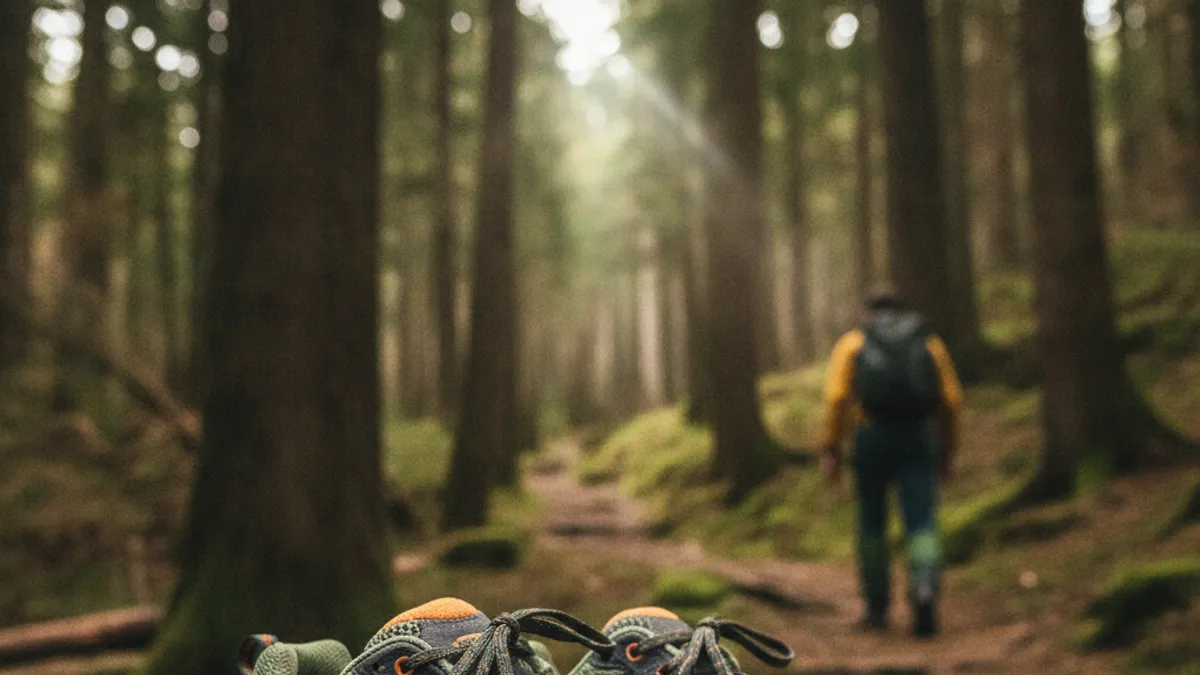
So, what are hiking shoes? In short, they’re footwear specifically designed for walking on uneven, natural terrain. They offer a smart balance of features that sets them apart from athletic shoes or casual wear. For many outdoor enthusiasts, they’re the go-to choice for day-long excursions and moderate backpacking trips where versatility is key.
They are built to provide enhanced stability, better traction on varied surfaces, and protection against trail hazards. Aggregate reviews consistently report that they’re a solid choice for hikers who value comfort and agility on trails that aren’t overly technical or demanding.
Core Explanation: Built for the Trail, Not the Pavement
Hiking shoes are fundamentally different from the shoes you might wear for running, walking around town, or even hitting the gym. Their design prioritizes your safety and comfort when you’re navigating natural landscapes. This means they’re constructed with materials and features intended to withstand the rigors of the outdoors, which are far more demanding than smooth sidewalks or athletic tracks.
The primary goal of a hiking shoe is to offer a secure and supportive platform for your feet. This allows you to focus on the scenery and the experience, rather than constantly worrying about your footing or discomfort. They’re engineered to be more robust than a typical running shoe, providing better underfoot protection and more reliable grip on loose dirt, gravel, and rocks. Manufacturer specifications from reputable brands routinely detail their use of specialized rubber compounds for outsoles, offering superior abrasion resistance and tackiness.
Features: What Makes a Shoe “Trail-Ready”?
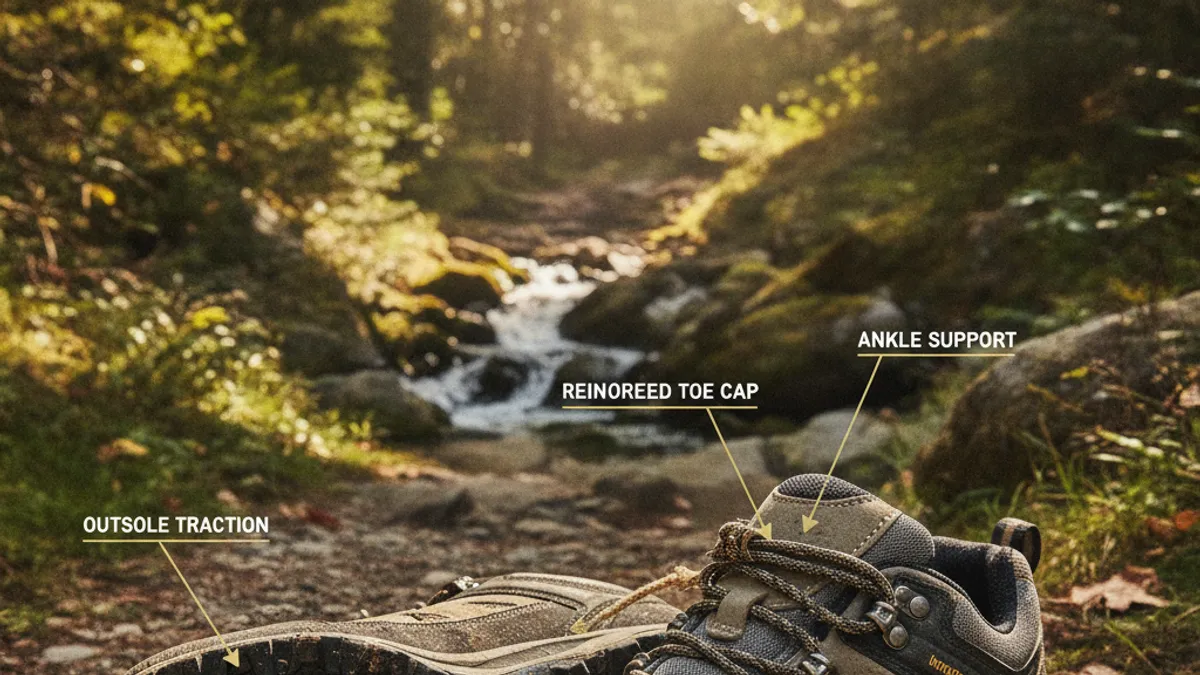
When you look closely, hiking shoes have several key features that make them stand out. These aren’t random design choices; each element serves a purpose to improve your experience on the trail.
- Outsole: This is the bottom of the shoe. Hiking shoe outsoles are usually made of durable rubber and feature aggressive, widely spaced lug patterns. These lugs are designed to dig into soft ground and provide excellent grip on both ascents and descents, preventing slips on mud, gravel, or wet rocks.
- Midsole: Sitting between the outsole and the insole (where your foot rests), the midsole provides cushioning and support. For hiking shoes, this layer is typically firmer than in running shoes, offering a balance of shock absorption and stability, especially when carrying a pack. Some models incorporate a shank, a stiffer insert between the midsole and outsole, to add rigidity and protect your foot from sharp objects.
- Upper: The upper is the part of the shoe that covers your foot. Hiking shoe uppers often use a combination of durable synthetic materials (like nylon or polyester) and leather. This mix aims to provide breathability to keep feet cool, water resistance to handle damp conditions, and toughness to resist abrasions from rocks and branches. Many also feature a reinforced toe cap for extra protection against impacts.
- Ankle Cuff: Unlike hiking boots, hiking shoes typically have a low-cut or mid-cut design. This offers more ankle flexibility than boots but greater support than standard athletic shoes. This design choice is intentional, balancing freedom of movement with necessary stability for varied terrain.
Benefits & Drawbacks: When Are They Your Best Bet?
Choosing hiking shoes means you’re weighing their specific advantages against their limitations. Our editorial analysis of user feedback and manufacturer data suggests they excel in certain scenarios but aren’t always the ultimate choice.
-
Benefits:
- Comfort for All-Day Hikes: They offer adequate cushioning and support, making them comfortable for long days on your feet during day hikes or shorter backpacking trips.
- Agility and Natural Movement: Their lighter weight and greater flexibility compared to hiking boots allow your feet to adapt more easily to uneven terrain, making you feel nimbler.
- Reduced Break-In Time: Most hiking shoes tend to be more comfortable straight out of the box or require very little break-in time compared to stiffer, more structured hiking boots.
- Good All-Rounder Performance: For many types of trails, from well-maintained paths to moderately rocky or root-filled routes, they provide a reliable balance of support and flexibility.
- Lighter Load: They contribute less to overall pack weight compared to traditional hiking boots, which can be a significant advantage on longer treks. This ties into proper hydration and nutrition; bringing along hiking meal prep ideas further reduces pack weight.
-
Drawbacks:
- Less Ankle Support: The lower cut means they offer minimal ankle protection and support compared to mid- or high-cut hiking boots. This can be a concern on very steep or loose terrain where ankle rolls are a higher risk.
- Limited Protection in Extreme Conditions: While durable, they may not offer the same level of protection against extreme weather (deep snow, heavy rain for days) or rough, off-trail environments as more robust hiking boots.
- Water Drainage: While some are water-repellent, if they do get fully submerged, they can take longer to dry out than lighter trail running shoes, and they don’t offer the same dry-time advantage as some non-waterproof boot designs. You might find waterproof hiking boots worth it in persistently wet conditions.
Hiking Shoes vs. Other Footwear: Spotting the Differences
To truly understand what hiking shoes are, it helps to compare them directly to other types of footwear you might already own or consider for outdoor activities. This helps clarify their unique purpose and when they are the most appropriate choice. Per ANSI Z41 Standard, the differences are primarily in protection, support, and intended use.
| Feature | Hiking Shoes | Running Shoes | Casual Sneakers | Hiking Boots |
|---|---|---|---|---|
| Primary Purpose | Trail walking, moderate backpacking | Running, road or light trail use, speed | Everyday wear, light activity, comfort | Rugged terrain, heavy backpacking, off-trail, ankle support |
| Ankle Support | Low- to mid-cut; provides moderate stability | Low-cut; maximum flexibility, minimal support | Low-cut; very minimal support | Mid- to high-cut; provides significant ankle protection and stability |
| Traction | Aggressive lug pattern for grip on varied natural surfaces (dirt, rock) | Designed for smooth surfaces, often less aggressive lugs | General-purpose tread, can be slippery on uneven/wet terrain | Deep, widely spaced lugs for maximum grip on extreme terrain (mud, scree) |
| Durability | Built with reinforced uppers and tougher sole compounds for trail abuse | Lightweight materials; not designed for abrasive trail encounters | Varies greatly; generally not built for outdoor wear and tear | Extremely robust construction for maximum longevity in harsh conditions |
| Cushioning | Moderate, balanced for trail feel and support | High density for impact absorption on hard surfaces | Varies, typically less specialized | Can be stiff but offers good support, often requires more break-in |
| Weight | Moderate; heavier than running shoes, lighter than hiking boots | Very lightweight | Generally lightweight | Can be heavy and stiff, adding to overall load |
| Water Resistance | Often available in water-repellent or waterproof versions, or breathable mesh | Rarely specialized for water; typically dry out quickly if they get wet | Typically not water-resistant | Frequently highly waterproof, ideal for extended wet conditions |
As you can see, each type of shoe has a distinct job. While you might be tempted to use running shoes on a trail, their lack of traction and durability can be a significant drawback. Similarly, casual sneakers are best left for urban adventures. If you’re heading into the backcountry with a heavy load, traditional hiking boots offer the most protection.
This leaves a clear niche for hiking shoes as a versatile option for many outdoor pursuits, fitting neatly in between trail runners vs hiking boots.
Best For: Who Should Choose Hiking Shoes?
Hiking shoes are the ideal choice for a broad spectrum of outdoor enthusiasts, particularly those who prioritize a balance of comfort, agility, and reliable performance on trails that aren’t excessively challenging. Our research indicates that as of 2026, they remain a top recommendation for specific user groups and activities.
- Day Hikers: If you typically go out for hikes lasting a few hours to a full day on established trails, hiking shoes provide the necessary cushioning and support without being overkill. They help prevent foot fatigue over distance. This is also helpful for beginners who are just starting to build stamina and learn what to wear hiking for beginners.
- Beginner Backpackers (with lighter loads): For those starting out with shorter overnight trips or those who pack incredibly light, hiking shoes can be a great alternative to bulkier boots. They offer more support than trail runners but are less cumbersome than full boots. A beginner might also find them easier to manage when learning how to use hiking poles, for example; understanding how to use hiking poles can further enhance stability.
- Anyone Seeking Versatility: If you enjoy a variety of outdoor activities, from light trail walking to scrambling over moderate rocky sections, hiking shoes offer the versatility to handle different terrains with confidence.
- Travelers: For trips that involve a mix of city exploration and light nature walks, hiking shoes can be a practical choice. They offer enough support for casual exploration but aren’t so specialized that they look out of place in less rugged environments.
- Warm-Weather Hikers: In warmer climates, the generally more breathable construction of hiking shoes compared to fully waterproof boots can be a significant comfort factor. Maintaining energy levels in heat is also important, so consider your electrolytes for hiking.
They are less ideal if you’re planning on off-trail bushwhacking, carrying extremely heavy expedition-style packs, or consistently traversing very steep, scree-covered slopes where high ankle support is paramount. For those scenarios, a dedicated hiking boot would be the stronger recommendation, particularly if you need to understand how to choose hiking boots.
Mistakes to Avoid: Common Pitfalls When Choosing
Picking the wrong footwear can turn a great hike into a miserable experience. Based on consistent user feedback and expert reviews, there are a few common mistakes people make when looking for or buying hiking shoes. Avoiding these will save you a lot of discomfort and potential injury.
- Assuming Any “Athletic” Shoe Will Do: This is probably the most frequent error. People often think their running shoes or cross-trainers are good enough for the trail. However, running shoes lack the protective features, underfoot support, and aggressive traction needed for uneven terrain. Their soles designed for impact absorption on hard surfaces don’t grip well on dirt or rocks, and their uppers aren’t built to withstand scraping against branches or sharp stones. For instance, aggregate reviews of trail running shoes show they are more suitable for light trails and less so for rocky, root-filled paths where a sturdier hiking shoe offers better protection.
- Prioritizing Looks Over Function: While no one wants to sacrifice style entirely, choosing hiking shoes purely based on their appearance is a mistake. The critical features, like the tread pattern, midsole support, and upper materials, are what provide safety and comfort. A shoe that looks great but lacks these elements will fail you on the trail.
- Ignoring the Fit: This is paramount. A shoe that doesn’t fit properly will cause blisters, hot spots, and general discomfort. It’s crucial to try on hiking shoes, ideally later in the day when your feet are a bit swollen, and to wear the type of socks you’ll use for hiking. You want enough room for your toes to wiggle, and your heel shouldn’t lift excessively when you walk. Manufacturer fit guidelines and trying them on are essential steps.
- Buying Without Considering the Terrain: Not all trails are the same. Buying a lightweight, breathable hiking shoe when you plan to hike in wet, muddy conditions might leave you with soggy feet. Conversely, buying a heavy, waterproof boot for hot, dry, and fast day hikes might be unnecessarily cumbersome. Understanding where you’ll be hiking most frequently is key to making the right choice. This is akin to choosing the right gear, like hiking gaiters: what are they for, based on trail conditions.
- Not Checking for a Reinforced Toe Cap: Many trails involve stumbling or stubbing your toes against roots and rocks. A reinforced toe cap on a hiking shoe provides a vital layer of protection, preventing injury and damage to both your foot and the shoe itself. Skipping this feature can lead to painful impacts.
Expert Tips: Getting the Fit and Feel Right
Getting the perfect fit for your hiking shoes is more art than exact science, but there are definitely some best practices derived from years of experience and manufacturer guidelines that make a big difference. Think of this as your pro checklist for finding that sweet spot of comfort and performance.
- Shop Later in the Day: Your feet naturally swell throughout the day, especially if you’ve been on them a lot. Trying on hiking shoes in the late afternoon or early evening will give you the most accurate representation of how they’ll feel during a hike when your feet have expanded.
- Wear Your Hiking Socks: Always try on shoes with the exact type of socks you plan to wear on the trail. Different sock thicknesses can drastically change the fit. Thicker wool hiking socks, for example, will take up more space than thin liner socks.
- Check for Proper Toe Room: With the shoe unlaced, slide your foot forward until your toes just touch the front. You should be able to comfortably slide one finger (your index finger) down between your heel and the back of the shoe. This ensures you have enough space to prevent your toes from jamming into the front when descending hills.
- Ensure Minimal Heel Lift: As you walk around (both on a flat surface and on an incline if possible), your heel should stay relatively locked in place. Some very minor lift might be acceptable, but significant heel slippage means the shoe is too big or not the right shape for your foot, leading to blisters.
- Feel for Hot Spots: Pay attention to any areas that feel like they are rubbing, pinching, or creating pressure points (often called “hot spots”). These will only get worse on a long hike and can quickly become painful blisters.
- Consider the Arch Support: While most hiking shoes offer decent arch support due to their structured midsoles, if you have specific arch needs (e.g., very high arches or flat feet), you might need to consider aftermarket insoles. Proper foot support is crucial for sustained comfort and can impact your overall hiking workout plan for beginners.
- Don’t Be Afraid to Ask for Help: Staff in reputable outdoor gear stores are trained to help you with fitting. They can measure your feet, assess your gait, and recommend styles based on your intended use. Trust their expertise, but always trust your own feel in the shoe.
