
Figuring out where to go hiking can feel like a puzzle, especially when you’re not sure what to look for. We’ve all been there, staring at a map or a website, wondering which trail actually fits what we need. This guide breaks down how to find that perfect trail, whether you’re looking for a quick escape or a serious adventure.
Our research shows that the best hiking experiences come from matching the trail to your current situation and desired outcome. For instance, a trail rated “moderate” by the American Hiking Society could mean a gentle 5-mile walk for some, but a challenging outing for others, depending on elevation gain and surface. Let’s cut through the noise and get you on the right path.
Finding Your Perfect Hike: Start Here
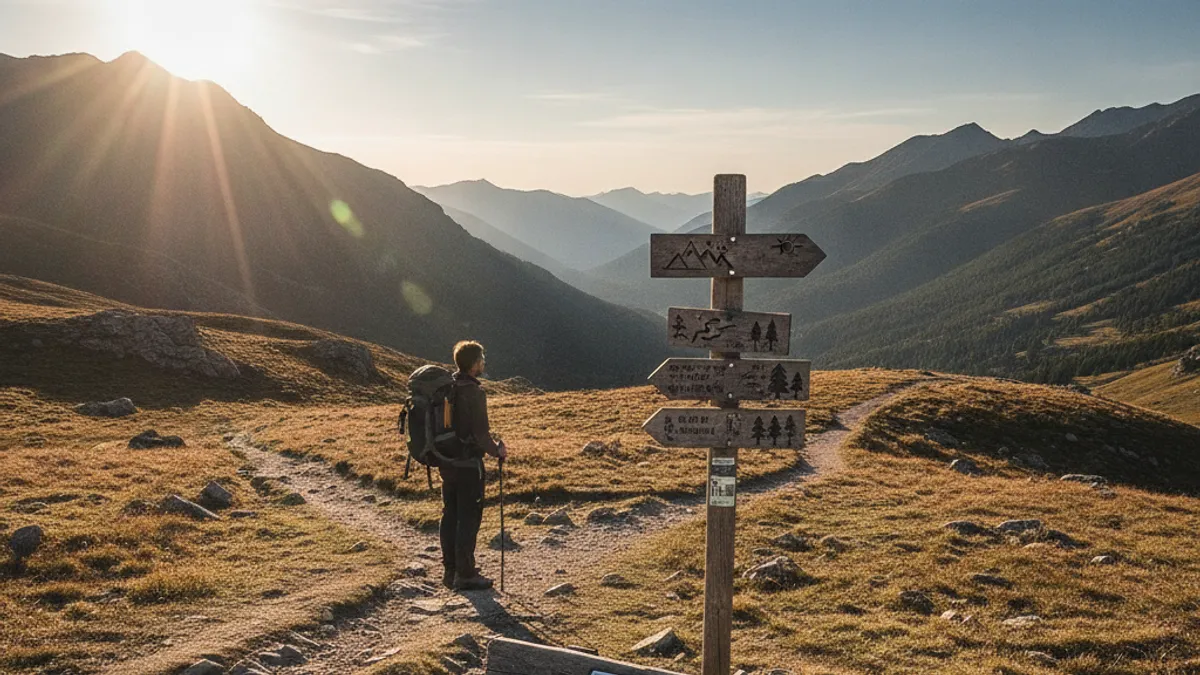
Understanding the variables that make a hike right for you is the first step. It’s not just about finding a path; it’s about finding your path. This involves a few key questions about your location, your fitness, and what you hope to get out of the experience. Think of it like building a custom trip, tailored just for you.
What Kind of Hike Are You Looking For Today?
This section is your starting point for narrowing down your options. We’ll work through a series of questions, and your answers will help us direct you to the most suitable types of trails and destinations.
1. Where are you right now?
Your current location is the biggest factor in determining accessible hiking. If you’re in a bustling city, your options might focus on local parks or nearby nature preserves. Living in a more rural setting often opens up access to larger state or national forests with more extensive trail networks.
- Near a major city: Look for city parks, county park systems, or regional trails managed by local conservancies. These often offer well-maintained paths suitable for shorter outings.
- In a rural area: You might have direct access to state parks, national forests, or even designated wilderness areas that offer more remote and rugged experiences.
- Traveling to a specific region: If you’re planning a trip, research the national and state parks, as well as local land management agencies, in that destination. Websites for places like the National Park Service or Bureau of Land Management are invaluable.
2. What’s your activity level or experience?
Be honest with yourself here; it’ll make the hike much more enjoyable. Trails are often rated for difficulty, but these ratings can be subjective. Considering your fitness level, recent activity, and comfort with varied terrain is key. You can even build up to tougher hikes with a good plan; check out our hiking workout plan for beginners to get started.
- Just starting out / Easy stroll: Look for trails rated “easy” or “flat,” typically with minimal elevation gain and a well-maintained, even surface. Paved paths or short, smooth dirt trails are ideal.
- Want a moderate workout: Trails rated “moderate” often have some elevation gain, uneven terrain, and might be a few miles long. These are great for building endurance and enjoying a good stretch of time outdoors.
- Ready for a challenge: “Strenuous” or “difficult” trails usually involve significant elevation gain, steep ascents and descents, rocky or technical footing, and can be quite long. Make sure you’re prepared with the right gear and fitness.
3. What do you want to see or do?
Beyond just walking, what kind of experience are you seeking? Different trails offer distinct rewards. Understanding your priorities helps tailor the search significantly.
- Great views / Scenery: Look for trails that lead to mountain summits, scenic overlooks, coastal cliffs, or expansive meadows. Trail descriptions often highlight “panoramic views” or “spectacular vistas.”
- Water features (lakes, rivers, waterfalls): Many people enjoy hikes near water. Search for trails specifically mentioning lakes, rivers, streams, or waterfalls in their descriptions.
- Forests or specific habitats: If you love the feeling of being immersed in nature, look for trails through dense forests, old-growth trees, or areas known for unique flora and fauna.
- Peace and quiet / Solitude: Longer trails, those with significant elevation gain, or trails located further from urban centers tend to be less crowded. Wilderness areas are often your best bet for true solitude.
- Bring my dog: Many parks and trails welcome dogs, but always check the specific regulations. Look for “pet-friendly” or “dog-friendly” labels, and be prepared to use a leash as required.
4. How much time do you have?
The duration of your hike influences everything from the trail you choose to the supplies you need to carry. Longer hikes require more planning, more water, and more food.
- A few hours (day hike): Most people can tackle a trail that takes 2-4 hours round trip. These are perfect for an afternoon outing and require less preparation. Remember to pack what to bring on a day hike essentials.
- A full day (longer hike): These hikes can last 6-8 hours or more. You’ll need to pack more substantial food and water. This is where checking hiking meal prep ideas becomes really important.
- Overnight or multiple days (backpacking): This is a significant commitment requiring specialized gear like tents, sleeping bags, and cooking equipment. It’s a different ballgame than a day hike; learn what is thru hiking to understand a related, even more extensive, form of this.
Picking the Right Trail Type
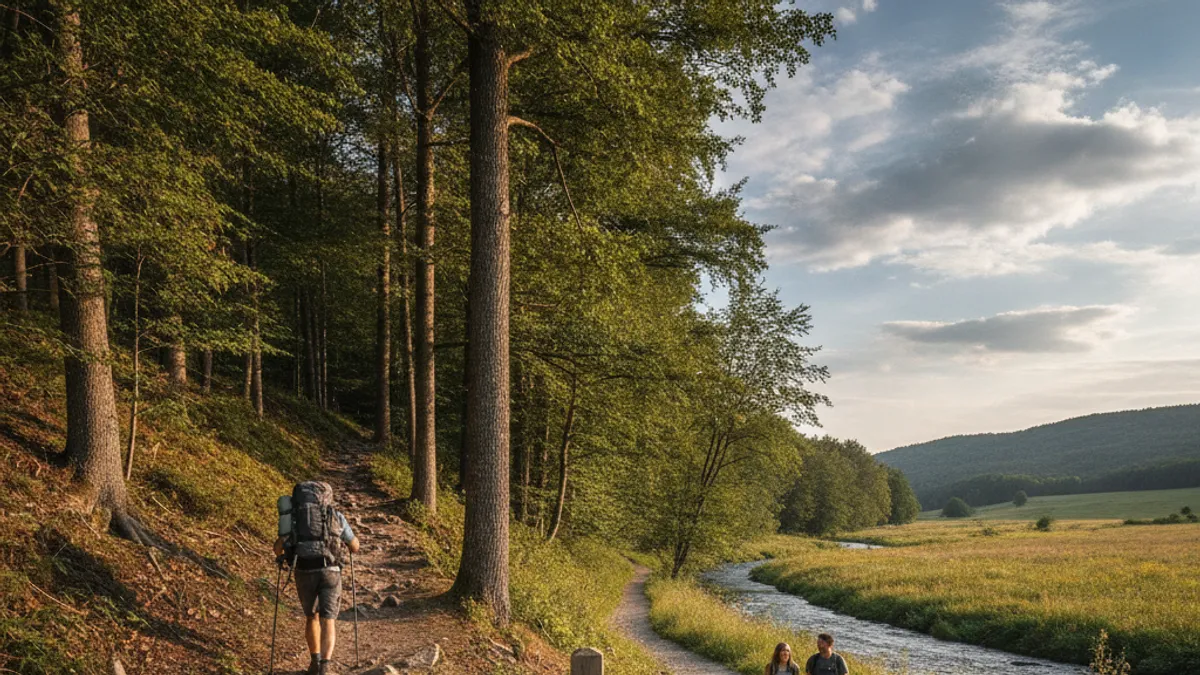
Once you’ve considered the general factors, it’s time to look at the specific categories of trails and what makes them distinct. This is where we start matching your needs to the terrain itself.
Easy Trails for Beginners and Families
Trails categorized as “easy” are typically designed for accessibility and general enjoyment. These are your welcoming gateway into the world of hiking. They’re generally short, flat or with very gentle inclines, and have a smooth, well-trodden surface that’s easy on the feet. You won’t typically encounter challenging obstacles like large rocks, tree roots, or steep drop-offs.
Think of a paved path through a local park, a gentle loop around a lake, or a well-maintained forest service road.
- Key Features:
- Smooth terrain: Often paved, fine gravel, or packed dirt.
- Minimal elevation: Gradual to no discernible slope.
- Clear signage: Well-marked junctions and directional indicators.
- Proximity: Frequently located in urban or suburban parks, making them highly accessible.
- Who They’re For:
- Families with toddlers or young children: Easy to manage strollers and keep little legs from getting too tired.
- Individuals new to hiking: A low-risk way to experience nature and build confidence.
- Anyone seeking a leisurely walk: Perfect for a relaxed outing or a gentle way to get some fresh air.
- Dog owners: Many of these trails are dog-friendly, though leash laws usually apply.
For instance, a common “easy” trail might be a 1.5-mile loop around a pond in a city park. The total elevation gain could be under 50 feet, and you can expect to encounter other walkers, joggers, and families. Local park websites offer specific trail maps and regulations.
Moderate Hikes for A Good Workout
Ready to step it up a bit? Moderate trails offer a satisfying blend of exercise and scenery, usually taking a couple of hours to complete. You’ll encounter more varied terrain, including packed earth, loose gravel, and the occasional tree root or rock to navigate. Elevation gain will be more noticeable, meaning you’ll be working your leg muscles and cardiovascular system more actively.
These hikes are a logical next step for beginner hikers looking to progress.
- Key Features:
- Varied terrain: Can include dirt, gravel, roots, and rocks.
- Noticeable elevation changes: Some ascents and descents that require effort.
- Slightly longer distances: Typically 2 to 5 miles (3.2 to 8 km).
- Potential for moderate challenges: May include stream crossings or steeper sections.
- Who They’re For:
- Those seeking a moderate cardio workout: A great way to improve fitness without extreme exertion.
- People with regular physical activity: Anyone who walks or exercises a few times a week.
- Enjoying a half-day outdoors: Perfect for a Saturday or Sunday adventure that leaves you feeling accomplished.
A typical moderate hike might be a 4-mile out-and-back trail to a scenic viewpoint in a state park. You could expect around 500 feet of elevation gain, with some uphill sections that make you breathe a little heavier, and descents that require a bit more care. Carrying a small backpack with water, snacks, and a basic first-aid kit becomes advisable. You can find specific workout advice to prepare for these hikes in our hiking workout plan for beginners.
Strenuous Trails for the Serious Adventurer
These trails are for those seeking a significant physical and mental challenge. Strenuous hikes often involve steep inclines, long distances, significant elevation gain, and potentially technical terrain like scrambling over rocks or crossing streams without bridges. They demand a good level of fitness, endurance, and preparation. These hikes can last a full day or even multiple days if backpacking, offering a true test of your capabilities.
- Typical Length: 5+ miles (8+ km)
- Elevation Gain: 1000+ feet (300+ meters)
- Surface: Steep, rocky, loose scree, stream crossings, uneven and technical footing.
- Best For: Experienced hikers, dedicated fitness enthusiasts, those looking for a significant challenge and summit rewards.
If you’re aiming for these types of treks, proper gear, ample hydration, and calorie-dense food are non-negotiable. Pack accordingly for extended effort and variable conditions. Resources like best food to bring on a long hike and how to stay hydrated on a hike are essential reading.
Local Parks and Nature Preserves
When you’re short on time or just need a quick dose of nature close to home, your local park or a nearby nature preserve is often the best and most convenient option. These areas are designed for community access and offer a variety of trails, usually ranging from easy to moderate in difficulty. They’re perfect for an afternoon stroll, a family outing, or even a lunchtime escape from work. You’ll find these well-maintained and accessible, offering a refreshing break without a long drive.
- What to Expect:
- Varied trail lengths: From short loops of less than a mile to longer circuits up to 5 miles.
- Focus on accessibility: Many feature paved or smoothed paths suitable for strollers and wheelchairs.
- Educational opportunities: Often include interpretive signs about local flora, fauna, and history.
- Amenities: Typically have restrooms, picnic areas, and parking lots.
- Who They Benefit:
- Urban and suburban residents: Easy access for daily or weekly outdoor activity.
- Families: Safe and engaging environments for children to explore.
- Casual walkers: Someone looking for a pleasant stroll rather than a strenuous workout.
- Pet owners: Commonly allow dogs, usually on leash.
These spaces are crucial for urban well-being, providing accessible green spaces. Research your local city or county parks department website for trail maps and information.
State Parks: Nature’s Backyard
State parks are often vast areas offering a more extensive and immersive outdoor experience than local parks. They typically preserve significant natural landscapes, historical sites, or recreational opportunities. While some trails might be easy, state parks are more likely to feature a good mix of moderate and strenuous options, allowing you to challenge yourself and explore diverse environments. They are your quintessential “backyard” for nature exploration, providing a step up in scale and wildness from municipal parks.
- Key Attributes:
- Diverse ecosystems: Can range from forests and mountains to coastlines and deserts.
- Broader trail networks: Often have more miles of interconnected trails, including those suitable for day hikes and longer backpacking trips.
- Camping facilities: Many offer campgrounds for overnight stays, turning a day hike into a longer adventure.
- Natural hazards: Increased likelihood of encountering uneven terrain, wildlife, and changing weather.
- When to Choose Them:
- Seeking a fuller day of outdoor activity: Ideal for dedicating half to a full day to hiking.
- Planning a weekend getaway: A great option for a short trip with varied recreational possibilities.
- Exploring different natural environments: Experience forests, lakes, rivers, or scenic vistas within a single park.
For example, a state park might offer a 3-mile loop trail to a waterfall (moderate) and a separate 8-mile strenuous trail to a mountain summit. Their websites are excellent resources for downloading trail maps and understanding any permit requirements or seasonal advisories. Many also connect to larger regional trail systems.
