
Planning a hike and wondering if you need crampons or why your hands might be swelling up? These are practical questions for any outdoor enthusiast. Getting the right gear and understanding your body’s responses can make a huge difference in your comfort and safety on the trail.
Our research shows that preparation is key for enjoying your time outdoors. Knowing the conditions and how your body reacts ensures you’re not caught off guard. Let’s take a look at when those spiky boots are essential and what’s behind that puffy hand feeling. As of 2026, proper trail assessment and understanding physiological responses remain critical for hikers.
Crampons: When Traction Becomes Essential
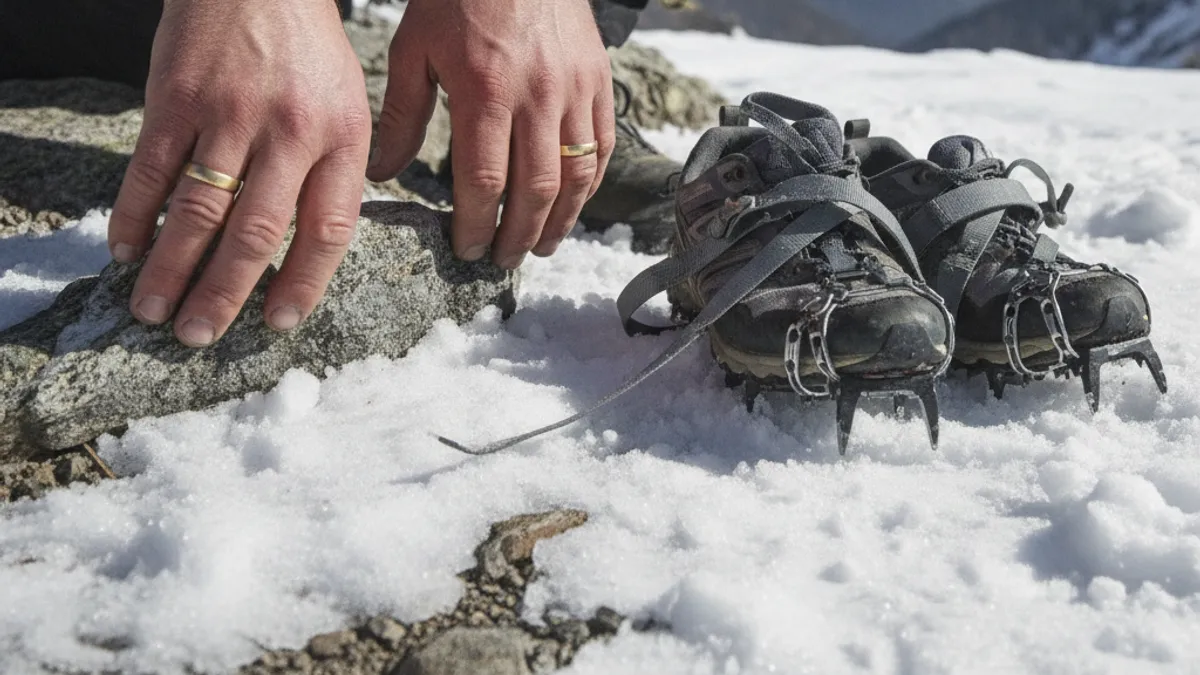
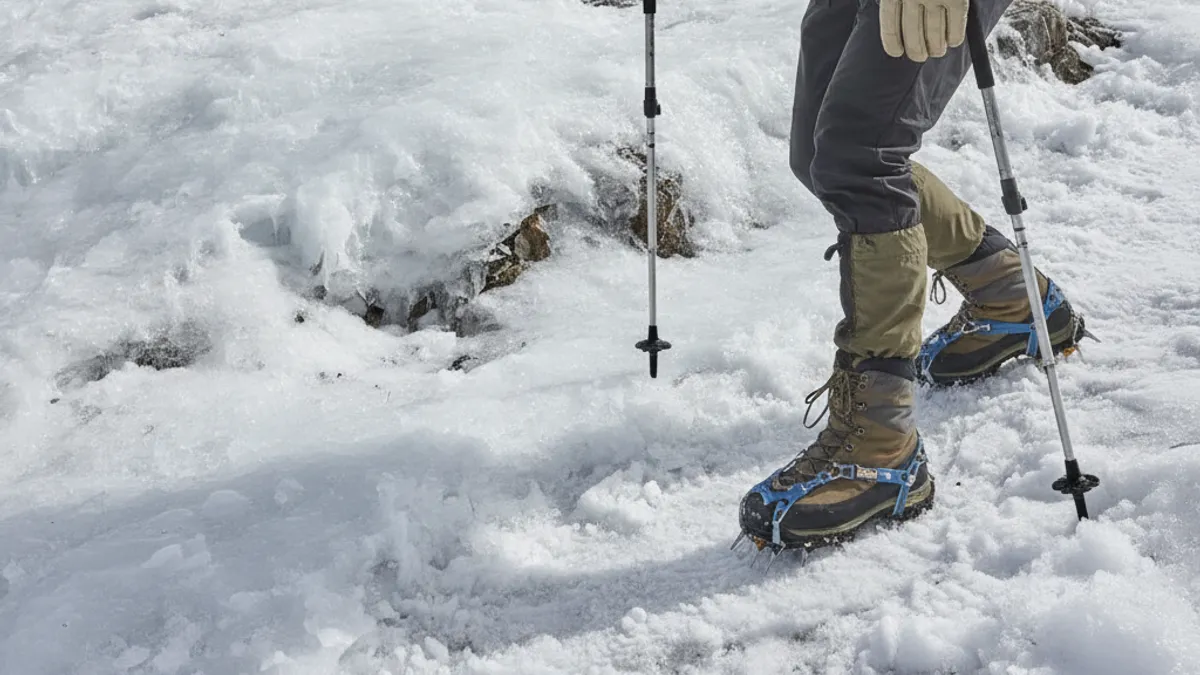
Crampons are specialized footwear attachments designed to provide serious grip on icy or hard-packed snow surfaces. They feature metal spikes, or points, that dig into the terrain, offering much-needed stability when regular hiking boots would slip. Think of them as essential safety equipment for challenging winter or high-altitude conditions.
Assessing Trail Conditions: Ice, Snow, and Steepness
Deciding whether to pack crampons isn’t a guessing game; it’s about understanding the environment you’ll be encountering. The primary factors are the presence of snow and ice, and the steepness of the terrain.
- Ice: If the trail is visibly covered in ice, whether it’s a solid sheet from freezing rain or hard-packed, slippery snow, crampons are highly recommended. This includes icy bridges, frozen stream crossings, or steep slopes where ice has formed.
- Hard-Packed Snow: Trails with deep, consolidated snow can be just as treacherous as ice. When snow compresses over time, it can become slick and offer very little purchase for the lugs on your hiking boots. Crampons excel here, biting into the compacted surface to prevent slips.
- Steep Slopes: Even if the snow or ice isn’t everywhere, if you’re facing steep ascents or descents where a slip could lead to a dangerous fall, crampons add a critical layer of security for your feet. They help you maintain upward momentum and control your descent.
- Trail vs. Off-Trail: Generally, if you’re sticking to a well-maintained trail that’s known to be icy, crampons are a good call. If you’re venturing off-trail into deeper, softer snow, snowshoes might be more appropriate.
Do You Need Crampons? A Decision Guide
If you answered “yes” to any of the following, crampons are likely a good idea for your hike:
- Will you be walking on surfaces that are clearly icy or covered in hard-packed, slippery snow?
- Is the trail extremely steep, and could a fall on snow or ice have serious consequences?
- Are you hiking in conditions where falling is a significant risk due to extremely slick terrain?
If your hike is on dry dirt, mud, gravel, or even slushy snow where your boots have good grip, you can probably leave the crampons at home. Manufacturer specifications for many general-purpose crampons recommend their use for winter mountaineering and ice climbing, highlighting their strength on extreme terrain.
Crampon Alternatives: When Not to Bring Them
While crampons offer superior grip, they’re not always necessary or even ideal. For less extreme conditions, other options or just your regular boots might suffice.
- Microspikes/Traction Devices: These are lighter, more flexible, and have smaller spikes or coils than full crampons. They’re excellent for packed snow, ice, and slippery surfaces without the aggressive bite (or bulk) of crampons. They’re often a better choice for less technical hikes where ice is present but it isn’t consistently steep or severe.
- Hiking Boots with Aggressive Lugs: Many sturdy hiking boots, especially winter models, come with deep, widely spaced lugs designed to shed mud and provide grip on varied terrain. For trails with only a dusting of snow or light ice patches, these might be enough. Our research into how to choose hiking boots covers lug patterns designed for traction.
- Snowshoes: If you’re plowing through deep, soft powder, snowshoes spread your weight and are the appropriate tool. Crampons offer zero benefit in powder and can actually hinder movement.
The key is to match your footwear’s traction and protection to the specific conditions you anticipate. Bringing crampons on a dry trail can be cumbersome and even damage the trail surface.
Understanding Hand Swelling on the Trail
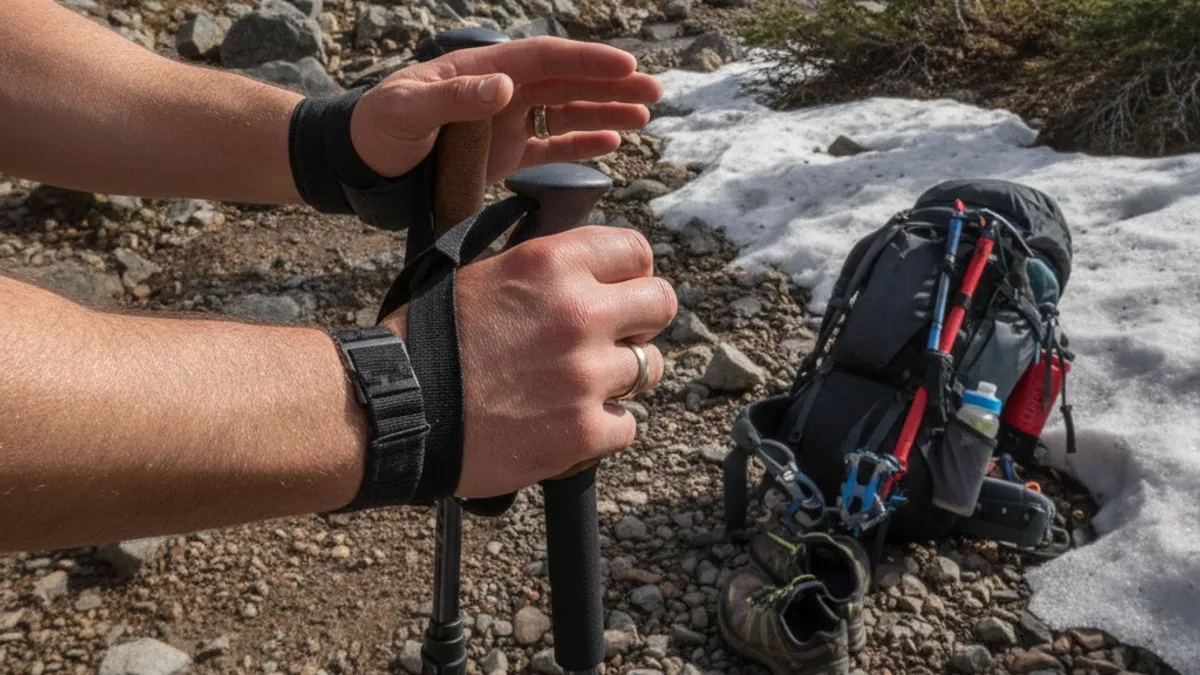
Seeing your hands puff up during or after a hike can be a bit alarming, but it’s a common physiological response for many people. It usually isn’t a sign of a serious problem, but it’s good to know why it happens and how to manage it.
The Science Behind Swollen Hands: Fluid Shifts and Circulation
When you hike, your body undergoes several changes to meet the demands of physical exertion. One of these is how it manages fluids and blood flow, particularly in your extremities like your hands.
When you’re exercising, your body’s core temperature rises. To cool down, your blood vessels near the skin’s surface, especially in your hands and feet, tend to dilate. This increased blood flow helps dissipate heat. This dilation can also make blood vessels slightly more permeable, allowing some of the fluid component of blood to seep into the surrounding tissues, causing that puffy, swollen feeling.
Gravity also plays a role. When you hold your arms down for extended periods, gravity can cause blood and interstitial fluid (fluid between cells) to pool in your hands. This is more noticeable when your blood vessels are already dilated from exertion.
Hydration and Electrolytes: Your Key Partners
Staying properly hydrated is crucial for regulating body temperature and blood volume, both of which influence fluid distribution. Dehydration can paradoxically lead to increased fluid retention as your body tries to conserve water. Conversely, drinking excessive amounts of plain water without replenishing essential salts can dilute your body’s existing electrolytes.
Electrolytes, such as sodium and potassium, are vital for maintaining the balance of fluids inside and outside your cells. When this balance is disrupted, it can contribute to fluid shifts and swelling. Our editorial analysis from electrolytes for hiking reviews indicates that maintaining proper electrolyte levels is key to managing hydration and preventing muscle cramps, and can indirectly help with fluid balance.
Simple Fixes for Swollen Hands
Fortunately, managing mild hand swelling usually involves straightforward adjustments you can make on the trail.
- Consistent Hydration: Sip water regularly throughout your hike instead of gulping large amounts at once. Aim to stay ahead of thirst. For longer hikes, especially in hot weather, consider carrying a beverage that includes electrolytes. How much water to drink hiking provides helpful guidelines.
- Arm Movement: Periodically swing your arms, shake out your hands, or gently massage them. This encourages blood flow to return towards your core and helps redistribute the fluid. If you use hiking poles, integrating them into your gait naturally promotes arm movement. Check out how to use hiking poles for more on this.
- Elevation Changes: When you stop for a break, try raising your hands above your heart for a minute or two. This uses gravity to your advantage, helping to drain excess fluid from your extremities.
- Avoid Tight Items: Ensure any rings or bracelets you wear are not too constricting before your hike, as they can exacerbate swelling and become uncomfortable or even hazardous.
When Hand Swelling Means More Serious Concerns
While most instances of hand swelling during hiking are benign, it’s important to recognize when it might be a sign of something more serious. This type of swelling is usually mild and resolves quickly once you rest and rehydrate properly. However, seek immediate medical attention if your hand swelling is:
- Sudden and Severe: A rapid, significant increase in swelling.
- Accompanied by Other Symptoms: Such as shortness of breath, chest pain or tightness, dizziness, or numbness in other parts of your body. These could indicate heat exhaustion, a cardiac issue, or a more significant circulatory problem.
- Persistent: If the swelling doesn’t go down after a reasonable period of rest and recovery even after the hike, or if it occurs frequently and without clear cause.
In these cases, the swelling could be related to underlying health conditions, heat-related illnesses, or other systemic issues that require professional medical evaluation.
Common Mistakes to Avoid
Navigating the trail safely and comfortably often comes down to avoiding missteps in preparation and on the go. For both crampons and managing your body’s responses, a few common errors can lead to discomfort or even risk.
Crampon Pitfalls: Overkill and Under-Preparation
One of the biggest mistakes hikers make regarding crampons is either bringing them when they’re entirely unnecessary or failing to bring them when conditions clearly demand them.
- Bringing Crampons on Dry Trails: Hiking with crampons on dry rock, packed dirt, or pavement is not only inefficient and uncomfortable, it can also damage the trail surface. Their sharp points can tear up vegetation and soil, contributing to erosion. Stick to their intended use on ice and hard snow.
- Underestimating Ice: Conversely, assuming your hiking boots will be “good enough” on a patch of black ice or a steep, icy incline is a recipe for disaster. Our research into waterproof hiking boots worth it shows that even the best boots have limits when it comes to sheer ice traction.
- Incorrect Fit: Not ensuring crampons are properly secured to your boots before heading out can lead to them shifting, coming loose, or even falling off mid-hike. This can be a tripping hazard. Always double-check the fit and the straps.
- Using the Wrong Type: Bringing aggressive mountaineering crampons for a casual winter walk, or light microspikes for an ice climb, can be less effective than the appropriate tool. Understanding the different types of traction devices is vital.
Hydration Harms: Too Little, Too Much, or Just Wrong
When it comes to staying hydrated on the trail, balance is everything. Many hikers fall into common traps that can negatively affect their performance and comfort.
- Under-Hydration: This is pervasive. Many people don’t drink enough water before, during, or after a hike, leading to fatigue, reduced cognitive function, and increased risk of heat-related issues. Not drinking enough water is a leading cause of many hiking discomforts.
- Over-Hydration with Plain Water: Drinking excessive amounts of just plain water, especially on very long hikes, can lead to hyponatremia, a dangerous condition where sodium levels in your blood become too diluted. This is why electrolyte balance is so important.
- Ignoring Electrolytes: For hikes exceeding a couple of hours, or in hot weather where you sweat a lot, relying solely on plain water might not be enough. Replenishing lost electrolytes from sweat is key for proper bodily function and can help prevent muscles from cramping. Hiking meal prep ideas can include electrolyte-rich foods.
- Inconsistent Sipping: Waiting until you feel thirsty is often too late. Thirst is a sign that you are already starting to dehydrate. Taking small, regular sips of water throughout your hike is a much more effective strategy.
Expert Hiking Tips for Comfort and Safety
Beyond the specific gear and physiological responses, seasoned hikers often share a few golden rules that enhance any outing. These tips focus on proactive preparation and being attuned to your environment and your body.
- Layer Up Smart: Proper clothing is your first line of defense against the elements. Our guide on what to wear hiking for beginners details the importance of moisture-wicking base layers, insulating mid-layers, and a waterproof/windproof outer shell. This layering system allows you to adjust to changing temperatures and activity levels, which in turn can help regulate body temperature and reduce excessive sweating or chilling.
- Know Before You Go: Always check the weather forecast and trail conditions before you depart. Websites and apps that provide real-time trail reports, avalanche forecasts (if applicable), and hour-by-hour weather predictions are invaluable. This information directly informs your gear choices, including whether crampons are needed or if an alternative like microspikes is more suitable.
- Pace Yourself: Whether you’re on a strenuous climb or a long trek, maintaining a sustainable pace is crucial for energy management and preventing overexertion. A good hike, especially for beginners, might involve taking short breaks to rest, rehydrate, and assess your surroundings. A hiking workout plan for beginners can help build your stamina.
- Listen to Your Body: Pay attention to signals like fatigue, thirst, or the initial stages of hand swelling. Addressing minor discomforts early can prevent them from escalating into bigger problems. Don’t push through significant pain or dizziness.
- Carry Essentials: A well-packed hiking backpack essentials list ensures you have what you need for varying conditions. This includes sufficient water and food, a first-aid kit, navigation tools, sun protection, and appropriate layers. For winter hikes, elements like a hiking headlamp reviews guide become important for early departures or late returns.
