
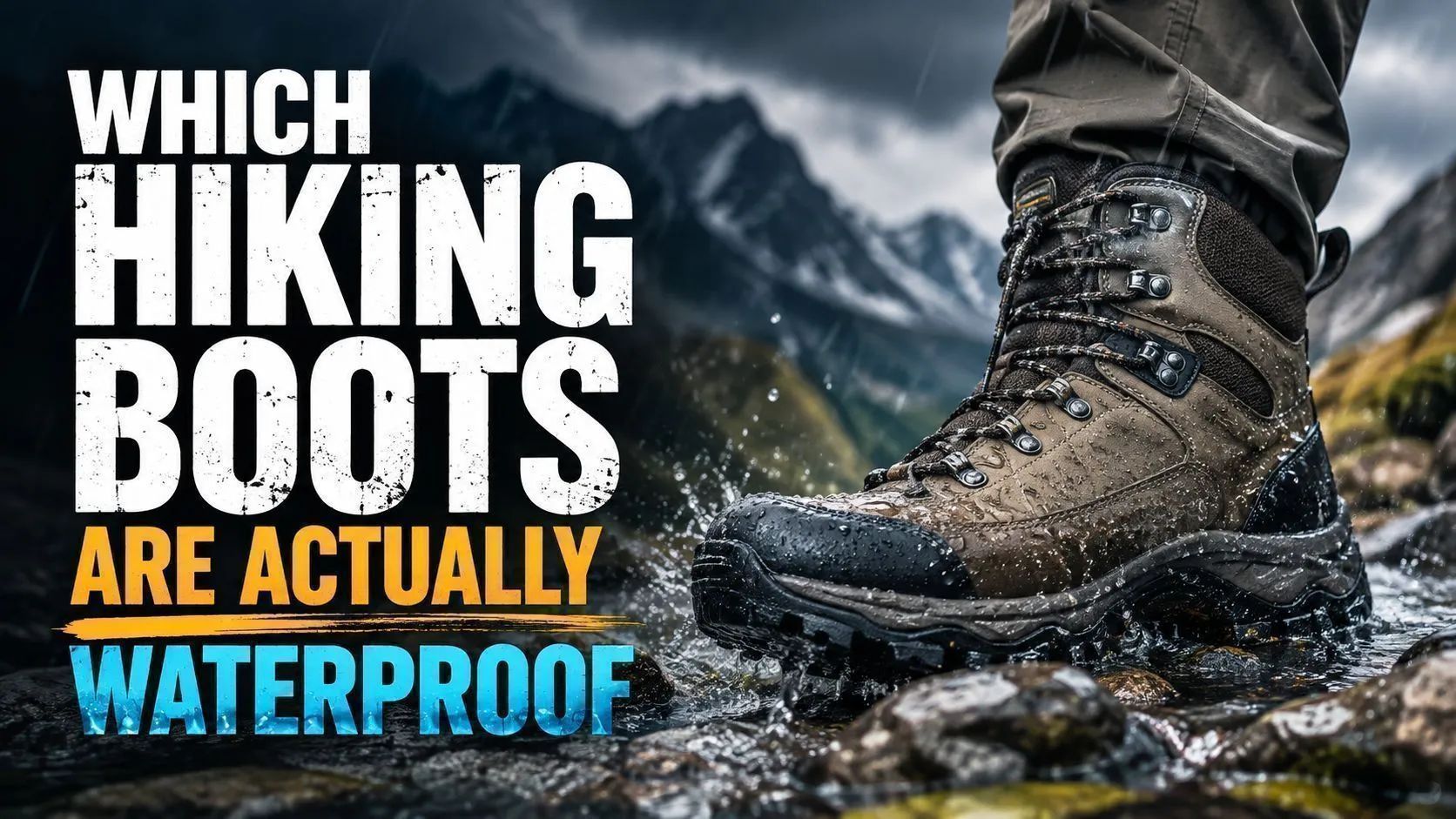
Truly waterproof hiking boots use a sealed membrane, taped seams, and water-resistant materials—but only if the fit and care are right.
If you have ever stepped into a wet trail and felt water creep in, you already know the difference between “water-resistant” and actually waterproof. In my years of testing hiking footwear on muddy paths, rainy climbs, and stream crossings, I have learned that the label is only the start. The real story of which hiking boots are actually waterproof comes down to construction, materials, fit, and how long they stay protective in the real world.
What “waterproof” really means in hiking boots
Waterproof hiking boots are designed to keep liquid water out for a set amount of time under normal trail use. That usually means a waterproof membrane, a sealed boot upper, and a tongue and seam design that limits entry points. But waterproof does not mean invincible, and it does not mean your feet will stay dry forever if water goes over the collar.
The biggest mistake hikers make is assuming all “waterproof” boots work the same way. They do not. Some boots handle puddles and light rain well, while others are built for long wet hikes and rough weather. When people ask which hiking boots are actually waterproof, I always say the answer starts with how the boot is built, not just what the box says.
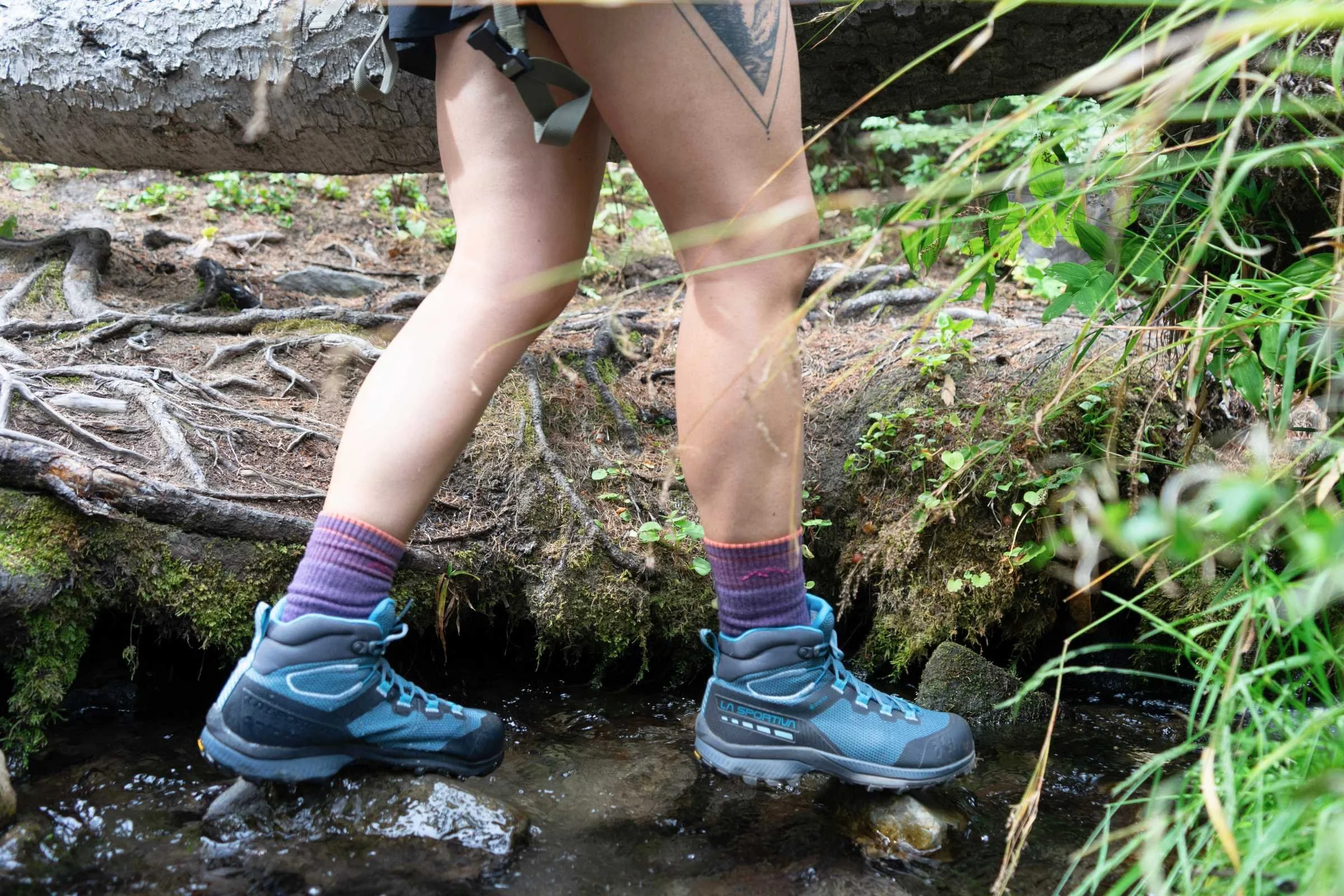
How to tell if a hiking boot is actually waterproof
There are a few signs that a boot is truly built to resist water. The more of these features a boot has, the better its odds in the field. Still, no boot is perfect for every condition, so it helps to know what each part does.
Waterproof membranes
Most real waterproof hiking boots use a membrane such as GORE-TEX, eVent, or a brand’s own waterproof layer. This thin barrier blocks water from getting in while still letting some moisture vapor escape. In plain terms, it helps keep rain and puddles out, but it can still feel warm inside on hot days.
Sealed or taped seams
Even the best membrane fails if water sneaks through stitching. That is why taped seams matter so much. On a good waterproof boot, the weak points around the seams are sealed, which helps prevent leaks during heavy rain or wet brush.
Gusseted tongues
A gusseted tongue is attached to the boot higher up the sides, which helps stop water and debris from entering through the lace area. This is one of those small features that makes a big difference on sloppy trails. I have found that boots without a gusseted tongue often let in water faster than expected.
Waterproof lower material
Leather, synthetic overlays, and coated fabrics can all help with water resistance. Full-grain leather can handle wet conditions well if treated properly, while synthetics often dry faster. The best boot uses the right material mix for the kind of hiking you do most.
Raised rand and protective overlays
A rubber rand or tough overlay around the toe and sides helps water splash less directly into the boot. It also protects the upper from rocks and roots. This does not make a boot waterproof on its own, but it adds a useful layer of defense.
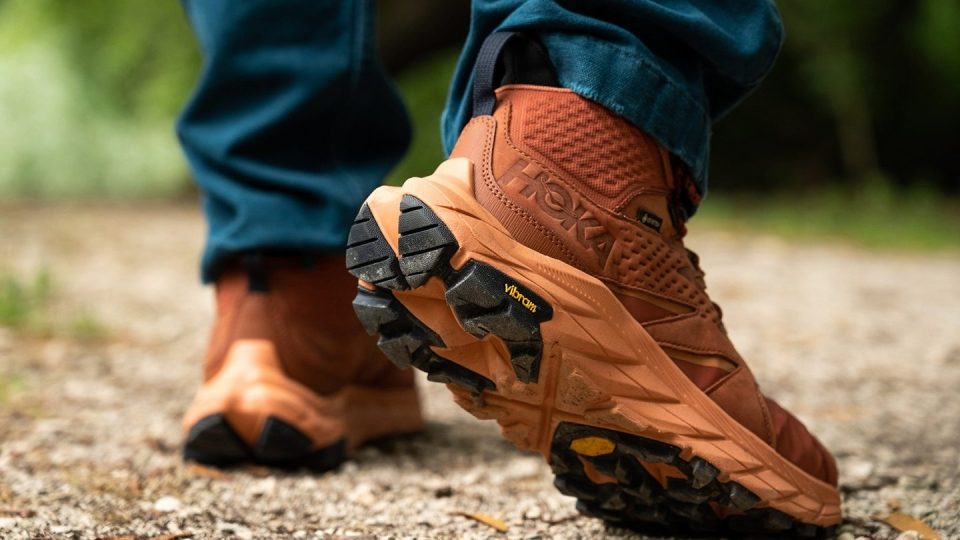
Which hiking boots are actually waterproof in real trail use
The boots that are actually waterproof are the ones that combine smart design with reliable materials and hold up after repeated use. In my own experience, the brands and models that perform best usually share the same basics: a recognized waterproof membrane, quality seam sealing, and a snug but comfortable fit.
Here is what tends to work best in the field:
- Waterproof hiking boots with GORE-TEX or similar membranes are often the most dependable for mixed weather.
- Full-grain leather boots usually offer strong protection in wet and cold conditions when maintained well.
- Mid-height waterproof boots tend to keep out splash and shallow water better than low-cut shoes.
- Boots with quality lacing and tongue design help reduce leak points around the ankle and instep.
- Boots from trusted outdoor brands often undergo better waterproof testing and quality control.
That said, I have also seen expensive boots fail because they fit poorly or were never re-treated after months of hard use. Waterproofing is not just a feature. It is a system. If one part breaks down, the whole boot can feel wet fast.
Materials that affect waterproof performance
The outer material matters more than many hikers think. A boot can have a strong membrane, but if the upper soaks through and stays saturated, your feet can still feel cold and clammy. That is why material choice matters for comfort, durability, and long-term waterproofing.
Leather
Leather boots are often the best choice for rough, wet, and cold conditions. They usually provide excellent durability and can resist water very well when cared for properly. The tradeoff is that they are heavier and often need regular conditioning.
Synthetic fabrics
Synthetic boots are lighter and dry faster, which many hikers like. They can be very good in wet weather if the membrane and seam work is solid. The downside is that they often wear out faster than leather in harsh terrain.
Waterproof-coated textiles
Some boots use coated nylon or polyester to improve water resistance. These boots can perform well for shorter hikes and frequent rain. They are usually more flexible, but they may not match leather for long-term abuse.
The limits of waterproof hiking boots
This is the part people often miss. Waterproof hiking boots can keep out rain, mud, and shallow puddles, but they still have limits. If water gets over the top of the boot, it can enter fast, and once that happens, the boot may hold moisture for a long time.
Common limits include:
- Water above the ankle can flood the boot.
- Heat and sweat can build up inside during warm hikes.
- Worn-out membranes lose their protection over time.
- Dirty boots can stop breathing well and feel damp inside.
- Cracked leather or damaged seams can create leak points.
I learned this the hard way on a long wet hike where my boots were “waterproof” but I kept stepping into deeper water than I realized. The membrane did its job for a while, but once water poured over the collar, it was game over. Since then, I treat waterproof boots like rain jackets for your feet: great protection, but not magic.
How to test if your hiking boots are actually waterproof
If you want to check whether your boots are holding up, a simple home test can help. It will not replace real trail use, but it can show obvious leaks before a trip. Make sure the boots are clean before testing, because dirt can hide weak spots.
Try this:
- Fill a sink, tub, or shallow basin with a little water.
- Place the boot in water up to the lower upper, not over the collar.
- Press gently on the sides and toe area.
- Watch for bubbles or damp spots inside.
- Let the boot sit for several minutes and check the insole and lining.
You can also wear the boots outside in wet grass for a short walk. That is often more useful than a quick splash test because trail conditions are more realistic. If your socks stay dry after that, the boot is likely doing its job.
Best uses for waterproof hiking boots
Waterproof hiking boots make the most sense in certain conditions. They are not always the best choice, but they are often the smartest one when the trail is wet and the weather is unpredictable. If your hikes often include rain, snowmelt, mud, or cool mornings, waterproof boots can be a real comfort boost.
They are especially useful for:
- Spring hikes with muddy trails
- Rainy mountain trips
- Cold-weather day hikes
- Wet forest paths
- Backpacking in changing weather
On the other hand, in hot and dry climates, waterproof boots can trap heat. I have worn waterproof boots on summer hikes and wished I had chosen a more breathable pair instead. That is why the best boot is the one that matches your weather, not just the one with the most features.
How to care for waterproof hiking boots
A waterproof boot only stays waterproof if you take care of it. Dirt, salt, and wear can all shorten its life. The good news is that a simple care routine can make a big difference.
Follow these steps:
- Clean boots after muddy hikes with lukewarm water and a soft brush.
- Let them air dry at room temperature.
- Avoid direct heat like a stove, dryer, or heater.
- Reapply a DWR treatment if the outer fabric stops beading water.
- Condition leather boots when the maker recommends it.
One thing I have noticed over time is that many people think the membrane failed when the real issue was dirt on the surface fabric. Once the outer layer wets out, the boot feels heavy and damp even if the inside barrier is still working. Regular cleaning helps prevent that false alarm.
Signs your waterproof boots are wearing out
Even good boots eventually stop working as well as they used to. Waterproofing fades slowly, so it can be easy to miss. If you pay attention, you can spot the warning signs before your next big hike.
Look for:
- Water soaking into the outer material faster than before
- Dampness near seams or the toe box
- Peeling lining or cracked overlays
- Reduced breathability and more internal sweat
- Soft, broken-down midsoles that change the fit
When I see these signs, I do not wait for a full failure. I either re-treat the boot or retire it for easier, drier hikes. That is usually cheaper and safer than getting caught in the rain with dead boots.
What to look for when buying waterproof hiking boots
If you are shopping for a pair, focus on the things that affect real trail performance. Marketing words can be vague, but the build details tell the truth. Think of it like checking the foundation of a house before you move in.
Here is a practical buying checklist:
- Choose a known waterproof membrane or proven waterproof design.
- Check for taped seams and a gusseted tongue.
- Look at the material: leather for durability, synthetics for lighter weight.
- Make sure the boot fits with hiking socks and leaves enough toe room.
- Walk in them before buying, if possible, to check heel slip and comfort.
- Read how the boot handles wet weather after a few months of use, not just on day one.
The fit matters as much as the label. A boot that is technically waterproof but rubs, slips, or pinches will make every wet hike feel worse. Comfort is part of performance.
Alternatives to Fully Waterproof Boots
Not every hike or every hiker needs the absolute highest level of waterproofing. In many situations, boots designed for water resistance or even those that drain quickly might be a better fit. Considering alternatives can often lead to more comfort, especially in warmer conditions.
- Water-Resistant Boots: These boots use DWR-treated uppers and tightly woven materials but may lack a dedicated waterproof membrane. They’ll shed light rain and dew but will eventually soak through in heavy downpours or prolonged wet conditions. Their big advantage is significantly better breathability.
- Quick-Drying Boots: Some boots are intentionally designed to absorb water and then drain and dry very quickly. This is common in hiking sandals or very lightweight, low-cut hiking shoes. They offer minimal protection from initial splashes but are ideal for hot weather where you might cross shallow streams frequently, as they won’t stay saturated.
- Waterproof Socks: For some hikers, a pair of high-quality waterproof socks can be a good supplement to non-waterproof boots. These socks have a membrane integrated into them. They can keep your feet dry from external moisture while allowing your boots to breathe more freely. This combo can be particularly useful for those who tend to overheat easily in waterproof boots. Our research indicates this is a popular strategy for thru-hikers looking to balance protection and comfort over long distances.
Comparing Waterproof Boot Options: Technology vs. Price
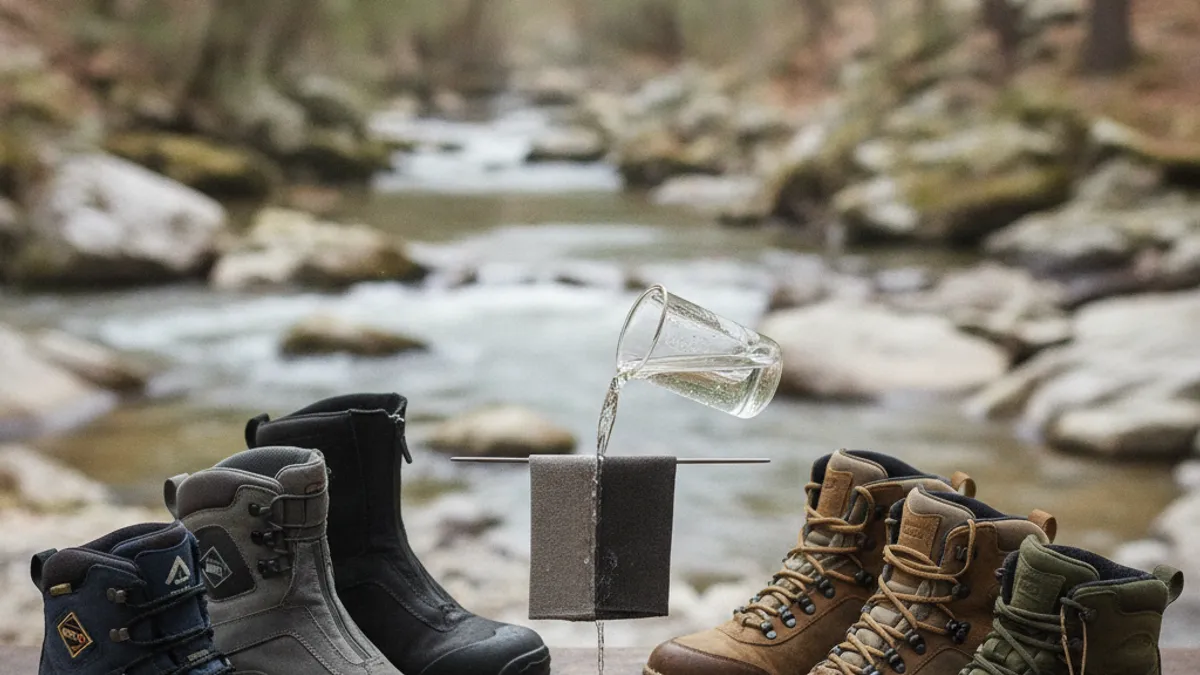
When you’re shopping, you’ll quickly notice that waterproof hiking boots span a wide range of prices and technologies. Understanding this spectrum helps you find the right boot for your budget and your needs. Deciding between a budget-friendly option and a premium model often comes down to the specific waterproof technology and material quality.
Budget-Friendly vs. Premium: What’s the Difference?
| Feature | Budget-Friendly Options | Mid-Range Options | Premium Options |
|---|---|---|---|
| Waterproof Membrane | Often proprietary, varying effectiveness. May lack DWR. | Reputable proprietary membranes or basic GORE-TEX. Good DWR. | Top-tier GORE-TEX (e.g., Pro), eVent, or equivalent. Robust DWR. |
| Upper Materials | Split leather with PU coating, basic synthetics. | Nubuck leather, durable synthetics. | Full-grain leather, high-denier synthetics. |
| Construction | May have fewer sealed seams; gussets might be partial. | Well-constructed, with sealed seams and full gussets. | Meticulously constructed, reinforced seams, superior gussets. |
| Durability & Longevity | Moderate; waterproofing may diminish sooner. | Good; designed for extended use with proper care. | Excellent; built to withstand rigorous conditions. |
| Price Range (Approx. 2026) | $100 – $175 USD | $175 – $250 USD | $250+ USD |
Who is each best for?
- Budget-Friendly: Occasional hikers, fair-weather trekkers, or those who don’t often encounter significant wet conditions. They offer basic protection but might not withstand heavy, prolonged use.
- Mid-Range: The sweet spot for many hikers. These offer a great balance of performance, durability, and price, suitable for regular day hikes and moderate backpacking trips.
- Premium: Serious backpackers, thru-hikers, or anyone who invests heavily in their gear and regularly faces challenging, wet environments. They offer superior materials and construction for maximum reliability.
How to Test and Maintain Your Boot’s Waterproofing
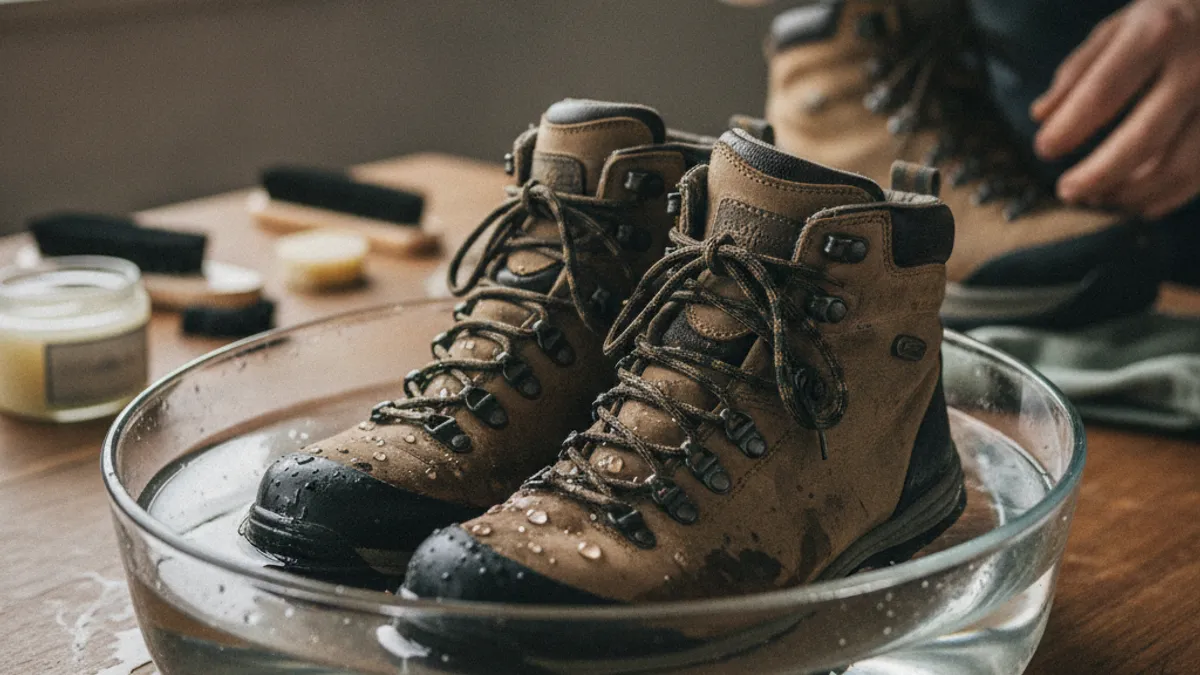
Once you’ve chosen your boots, ensuring they stay waterproof involves a few proactive steps. It’s not just about buying them; it’s about caring for them. This includes initial testing and ongoing maintenance to keep that protective system working its best.
Pre-Hike Waterproofing Checks
Before you head out on a significant trek, especially if the boots are new or haven’t been used in a while, it’s wise to do a quick check.
- Visual Inspection: Look for any obvious damage, loose threads, or peeling seams.
- DWR Water Beading Test: Splash a little water on the boot uppers. If the water beads up and rolls off, the DWR is working well. If it soaks in and darkens the material, the DWR needs reapplication.
- Gentle Soak Test (Optional): For new boots, you can fill a sink with a few inches of water and stand the boots in it for 10-15 minutes. Check the inside for any signs of moisture. Note: This is not a substitute for real-world testing and should not be done on heavily worn boots as it can potentially degrade them.
Ongoing Maintenance for Longevity
Proper cleaning and re-waterproofing are key to extending the life of your boot’s waterproof capabilities.
- Cleaning: After each hike, especially if you’ve encountered mud or dirt, clean your boots. Use a soft brush and mild soap to remove debris from the uppers and soles. This prevents grit from abrading the materials and clogging membranes.
- Drying: Always air dry your boots. Never put them near direct heat sources like radiators or campfires, as this can damage adhesives and materials. Stuffing them with newspaper can help absorb interior moisture.
- Reapplying DWR: When the water-beading test shows DWR has worn off, apply a new DWR treatment following the product instructions. Look for sprays or wash-in treatments specifically designed for outdoor footwear.
- Membrane Protection: While you can’t “re-waterproof” the membrane itself once it’s compromised, maintaining the outer layers and seams helps protect it. For boots with leather uppers, occasional conditioning (using products compatible with waterproof membranes) can help keep the leather supple and prevent drying or cracking. For heavily used boots, sometimes professional re-soling or repair can salvage them.
Expert Tips for Choosing and Caring for Waterproof Hiking Boots
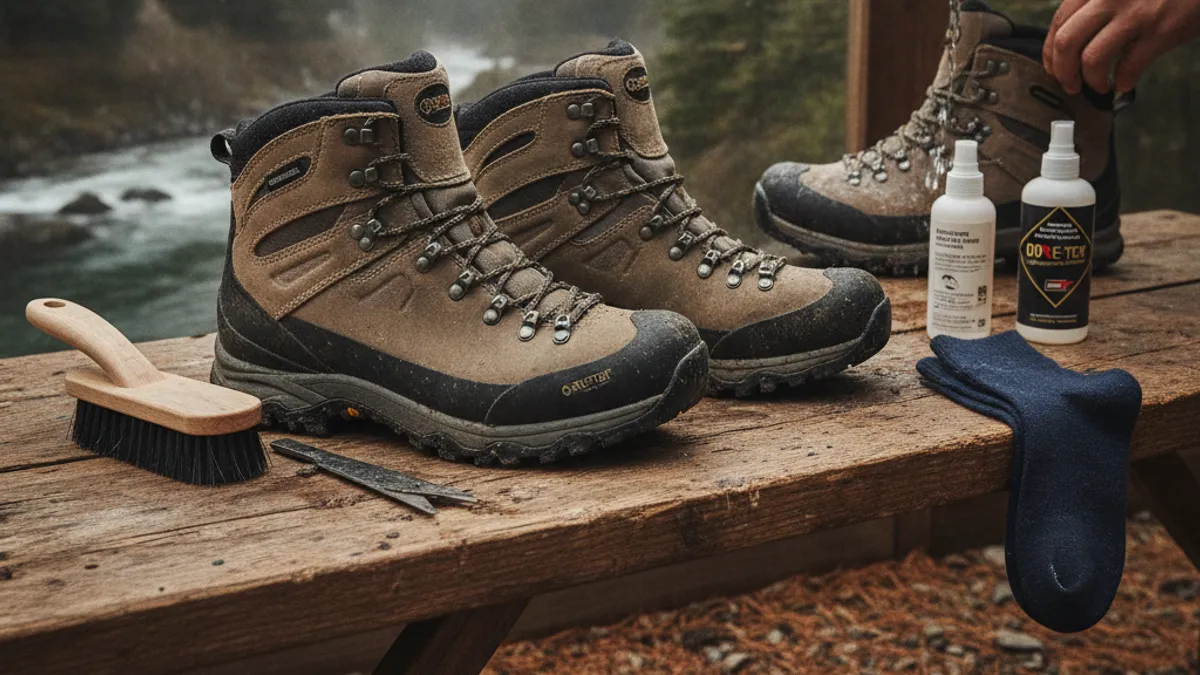
Beyond the technical specifications, a few practical insights can help you make the best choice and ensure your boots serve you well for years. These tips come from years of experience analyzing gear performance and user feedback, helping you avoid common pitfalls.
Here are some things to keep in mind:
- Consider Your Climate First: Don’t automatically assume waterproof is best. If you hike primarily in dry, hot environments, highly breathable, non-waterproof boots or trail runners might offer superior comfort. For example, the best hiking sandals review might be a more suitable option for desert treks than a bulky waterproof boot.
- Breathability is Key in Warm Weather: Waterproof membranes inherently reduce breathability. If you plan on hiking in summer or warm climates, look for boots with the most breathable waterproof technologies available, or consider water-resistant alternatives. Excessive sweat build-up can cause as many problems as external water.
- Break Them In Properly: Whether waterproof or not, most hiking boots require a break-in period. For waterproof boots, this allows the membrane and materials to conform to your foot’s shape and ensures seals are flexing correctly. Start with short walks and gradually increase distance. A beginner hiking workout plan can also help you better prepare your feet and body for longer hikes.
- Lacing Matters: Proper lacing can significantly improve fit, support, and even help keep debris out. Experiment with different lacing techniques to find what works best for your foot shape and the demands of the trail. Mastering how to use hiking poles can also complement your footwear choice by reducing impact on your feet and joints.
- Don’t Forget Your Socks: The best waterproof boots can be undermined by poor sock choices. Invest in merino wool or synthetic blend socks designed for hiking. They wick moisture away from your skin and provide cushioning, which is crucial for blister prevention, especially when combined with waterproof footwear.
- When in Doubt, Go Lighter: For day hikes or less demanding trails, lighter hiking shoes or trail runners might offer sufficient protection and a more comfortable experience than heavier, full-height waterproof boots. The choice between trail runners and hiking boots is a common one, and understanding the differences is key.
Real Scenarios: When Waterproof Boots Made a Difference
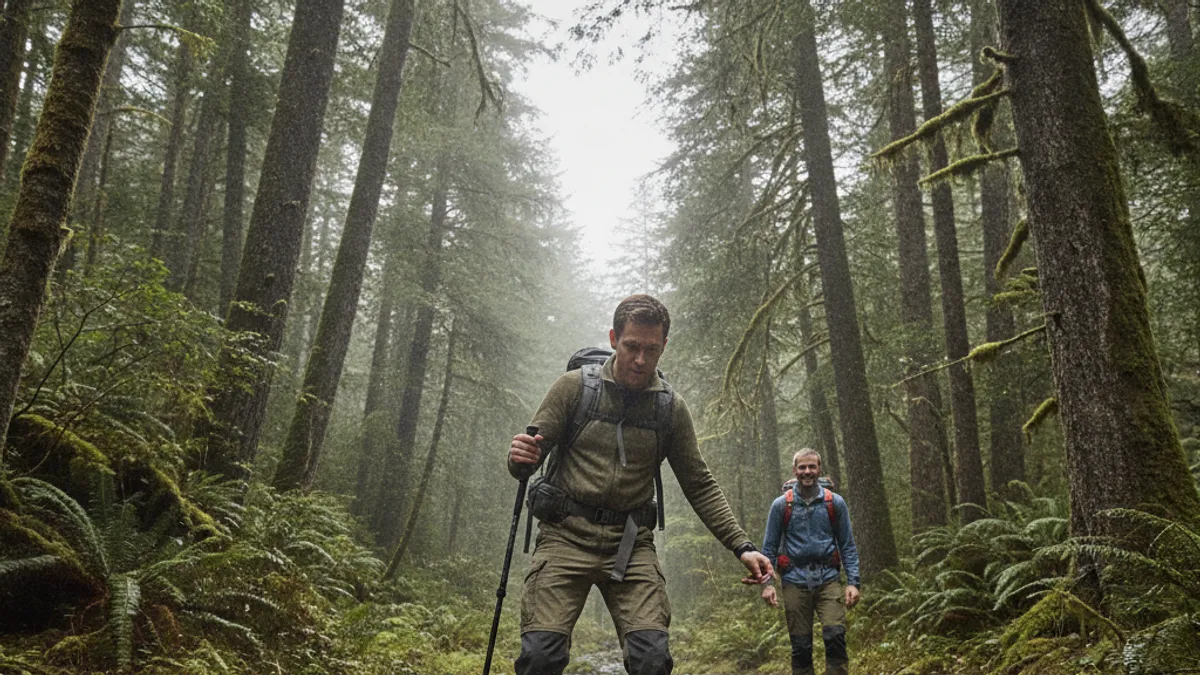
Seeing how waterproof boots perform in actual hiking situations can be incredibly helpful when making your own decision. It’s one thing to read about membranes, quite another to see how they hold up on a challenging trek. These practical examples highlight the benefits and sometimes the limitations encountered by hikers.
Case Study: The Pacific Northwest Deluge
Consider a multi-day backpacking trip in the Olympic National Park in Washington state. This region is known for its incredibly wet climate, with rain being a frequent, almost daily occurrence. A hiker equipped with full-grain leather boots featuring a GORE-TEX membrane and properly sealed seams navigated days of continuous drizzle and muddy trails.
- Outcome: Their feet remained dry throughout the soggy journey. While the outer leather did get saturated (as expected without constant DWR reapplication), the internal membrane successfully blocked all external moisture. This comfort allowed them to maintain energy and morale, even when the weather was grim. They reported that allowing the boots to air dry fully each night, along with periodic cleaning, was crucial for continued performance.
Scenario: Unexpected Alpine Stream Crossing
Imagine a day hiker on a well-established trail in the Rocky Mountains during late spring. The trail is mostly dry, but a recent warm spell has caused significant snowmelt, resulting in several knee-deep stream crossings. The hiker is wearing mid-weight hiking boots with a proprietary brand’s waterproof membrane technology.
- Outcome: The boots provided adequate protection for some shallower crossings, allowing the hiker to step through without immediate soaking. However, during a deeper, faster-moving crossing, water inevitably breached the boot’s cuff and overwhelmed the membrane’s capacity for that level of submersion. While the boots didn’t fill instantly, they did get wet. The quick-drying nature of the boot’s materials, however, meant they were less waterlogged than non-waterproof alternatives and could be mostly dried during a lunch break. This highlights that “waterproof” doesn’t always mean “submersible.”
FAQs
It’s common to have lingering questions about waterproof hiking boots, especially when you’re investing in gear that can significantly impact your comfort on the trail. Here are answers to some frequently asked questions.
How long does waterproofing typically last on hiking boots?
The lifespan of a boot’s waterproofing varies greatly depending on the quality of the membrane, the materials used, the DWR treatment, and how often and in what conditions you use them. Higher-end boots with durable membranes and quality construction can maintain their waterproof integrity for several seasons of regular use. However, both the membrane and DWR coatings will degrade over time due to abrasion, UV exposure, and chemical breakdown. Expect to see a noticeable decrease in performance after 2-3 years of consistent hiking, with reapplication of DWR being a key maintenance task.
Can I make my non-waterproof boots waterproof?
You can improve the water resistance of non-waterproof boots by applying sprays or waxes. These treatments create a barrier that helps repel water. However, they won’t make the boots truly waterproof. They lack the integral membrane that blocks water while allowing vapor to escape.
Also, some treatments can reduce the boot’s breathability. For true waterproofing, a boot designed with a waterproof membrane is necessary.
My waterproof boots feel hot. Is that normal?
Yes, it’s quite normal for waterproof boots to feel warmer and less breathable than their non-waterproof counterparts. This is because the waterproof membrane, while allowing some vapor to escape, is still a barrier. In warmer weather, or during strenuous activity that generates a lot of sweat, you may notice this extra warmth. Choosing boots with highly breathable membranes and pairing them with moisture-wicking socks can help mitigate this.
If the heat is due to external factors like direct sun, it’s worth considering a quick stop in the shade.
How does temperature affect waterproof boot performance?
Very cold temperatures can make waterproof membranes more brittle and less flexible, potentially leading to cracking if the boots are flexed sharply. Conversely, in very hot weather, the reduced breathability of waterproof boots can lead to excessive sweating, making feet feel damp and uncomfortable from the inside. Water can also freeze within the material layers in extreme cold, potentially causing damage. It’s beneficial to have footwear suited to the expected temperature range of your hikes.
Are all hiking boot waterproof membranes the same?
No, not at all. While GORE-TEX is the most recognized, brands like eVent and many proprietary technologies from manufacturers offer different performance characteristics in terms of waterproofing and breathability. Some newer membranes focus on enhanced ventilation, while others prioritize absolute water blockage. The effectiveness also depends heavily on the sub-layers and overall construction of the boot.
Researching the specific membrane technology used by a brand is advisable.
