
Heading up in elevation for a hike is an incredible experience, but the sun’s intensity there means how you choose sunscreen for high-altitude hiking is critical. You might think a basic SPF 15 is enough, but at higher altitudes, the thinner atmosphere offers less protection, cranking up the UV danger significantly.
Our research shows that without proper protection, you risk more than just a painful sunburn; prolonged exposure can lead to premature skin aging and increase your risk of skin cancer. That’s why picking a sunscreen isn’t just about convenience, it’s a key part of your safety gear, especially when you’re miles from anywhere.
Why Sunscreen is Different Up High
You feel it when you step out of the car, the air is thinner, crisper, and the sun feels more direct. This isn’t your imagination. At higher altitudes, the atmosphere is literally thinner, meaning there’s less ozone and other atmospheric particles acting as natural filters for harmful ultraviolet (UV) radiation. Think of it like a weaker shield between you and the sun’s most potent rays.
Manufacturer specifications and dermatological research confirm that UV radiation intensity increases significantly with altitude. For every 1,000 feet you climb, UV exposure can increase by about 10-12%. Furthermore, surfaces like snow and ice can reflect up to 80% of UV rays, meaning you’re getting blasted from above and below without even realizing it. This heightened exposure makes your choice of sunscreen more important than ever.
Your Skin Type: The Starting Point for Sunscreen Choice
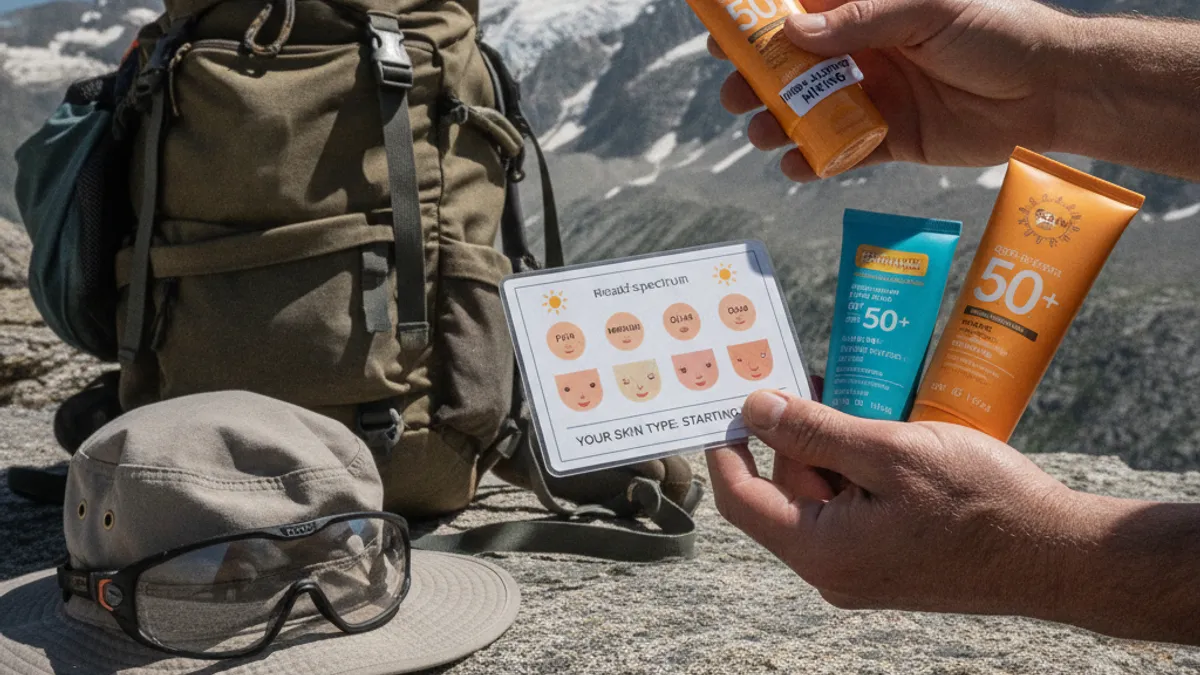
When we talk about how to choose sunscreen for high-altitude hiking, your own skin type is the very first thing to consider. What works wonderfully for one person might not be quite enough for another, and that’s perfectly normal. Think of it as personalized trail fuel, you need what’s right for your body.
Fair Skin
If your skin burns easily, turns red quickly after sun exposure, and rarely tans, you fall into the fair skin category. This means you have less natural melanin to protect you from UV damage. For high-altitude activities, fair-skinned individuals need to be exceptionally diligent. They should always aim for broad-spectrum sunscreens with an SPF of 50 or higher.
Mineral-based sunscreens, which use zinc oxide and titanium dioxide as active ingredients, often provide excellent, immediate protection and can be gentler for sensitive skin prone to burning.
Medium Skin
Those with medium skin typically burn sometimes but also tan gradually. You might get a bit flushed after prolonged sun exposure, but you can usually develop a tan. Sunscreens with an SPF of 30 are often a good baseline, but for extended periods, especially with snow reflection, bumping up to SPF 50 offers more robust protection. It’s important to remember that even though you might not burn as readily as someone with fair skin, your skin is still accumulating UV damage, which contributes to aging and increases long-term risks.
Darker Skin
People with darker skin tones have more melanin, which provides a higher natural SPF and means they rarely burn. However, this doesn’t make them immune to sun damage at altitude. Darker skin can still suffer from UV-induced aging, hyperpigmentation, and yes, even skin cancer, though these risks might manifest differently or over a longer timeframe. While you might not need SPF 50+ for moderate sun exposure, using a broad-spectrum sunscreen of SPF 15 or 30 is still a prudent choice for any significant time outdoors in the mountains.
How Exposure Time Shapes Your SPF Needs
Beyond your skin type, the amount of time you’ll be out in the alpine sun is a massive factor in deciding which sunscreen to pack. It’s common sense: the longer you’re exposed, the more protection you need. This isn’t just about preventing a pink nose at the end of the day; it’s about mitigating cumulative UV damage.
Short Hikes
For shorter excursions, say a few hours on a well-trekked trail without significant snow cover, an SPF 30 broad-spectrum sunscreen can be adequate, provided you still commit to reapplication. When your plan is for a hike lasting only 1-3 hours, and you’re not expecting intense reflection from snow or glaciers, this level of protection offers a good balance. However, always keep the altitude in mind, even a short hike at 10,000 feet can pack a punch from the sun.
Long Days on the Trail
If your hiking plans involve spending a significant chunk of the day outdoors, think 4+ hours, or summiting peaks where snowfields are likely, you need to step up your game. In these scenarios, a broad-spectrum sunscreen with an SPF of 50 or higher is the smart choice. This is especially true if you’ll be hiking above the tree line for extended periods or traversing areas with significant snow or ice reflection. For these longer, more intense days, religiously reapplying your sunscreen every two hours, or more often if you’re sweating heavily, becomes non-negotiable.
Understanding Sunscreen Protection: Broad-Spectrum and SPF
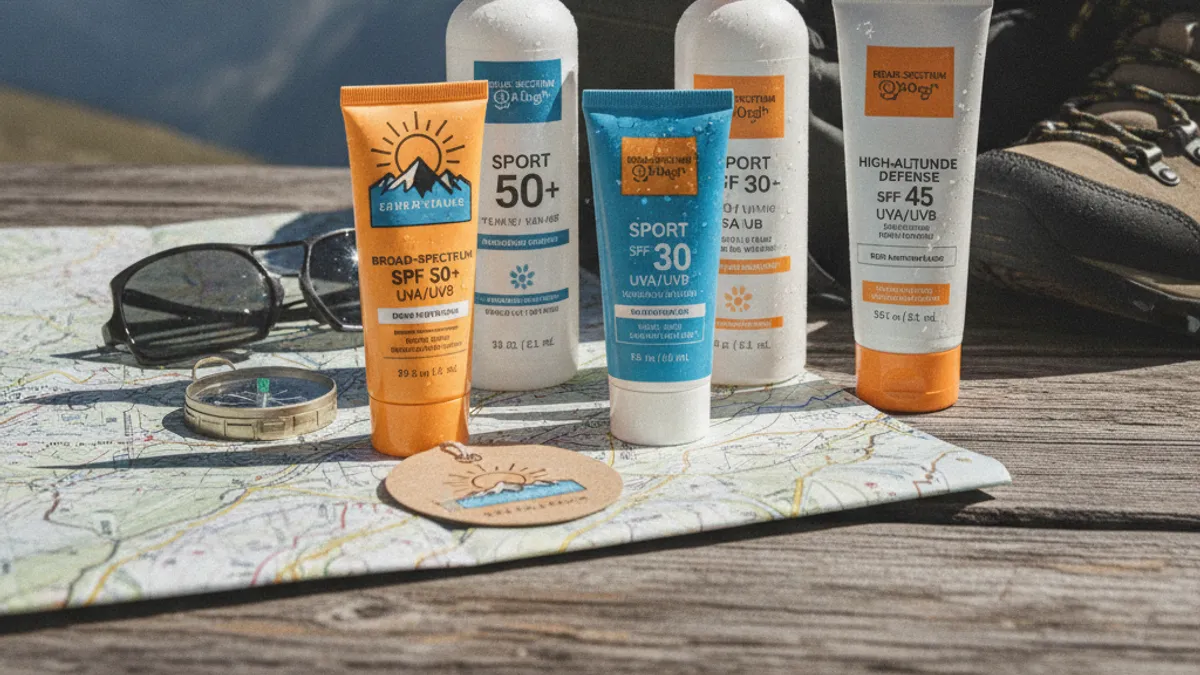
When you look at sunscreen bottles, you’ll see terms like “Broad-Spectrum” and “SPF.” These aren’t just marketing jargon; they are the core indicators of how well a product will protect your skin from the sun’s damaging rays, especially at high altitudes where UV intensity is magnified. Understanding what these mean is fundamental to making an informed decision.
What “Broad-Spectrum” Really Means
Broad-spectrum protection is a non-negotiable feature for any sunscreen you take on a high-altitude hike. It signifies that the product protects against both types of harmful ultraviolet rays: UVA and UVB. UVA rays penetrate deeper into the skin and are primarily responsible for premature aging, wrinkles, and contributing to skin cancer. UVB rays are the main culprits behind sunburn.
At higher altitudes, both UVA and UVB rays are more potent, making broad-spectrum coverage essential for comprehensive protection against immediate burns and long-term skin damage.
Decoding SPF Numbers for Altitude
SPF, or Sun Protection Factor, is a measure of how well a sunscreen protects your skin from UVB rays, the ones that cause sunburn. The numbers, like SPF 15, 30, or 50, indicate how much longer it takes for skin to redden compared to unprotected skin. Manufacturer data and dermatological studies show:
- SPF 15 blocks approximately 93% of UVB rays.
- SPF 30 blocks about 97% of UVB rays.
- SPF 50 blocks around 98% of UVB rays.
- SPF 100 blocks about 99% of UVB rays.
While the difference between SPF 30 and 50 might seem small (only a 1% increase in UVB blocking), each incremental step offers valuable added insurance against intense high-altitude sun. For prolonged exposure at elevation, especially with reflective surfaces, opting for SPF 50+ provides that extra layer of defense. As of 2026, these SPF ratings are standardized for reliable comparison.
Chemical vs. Mineral Sunscreens: Which is Best for Mountains?
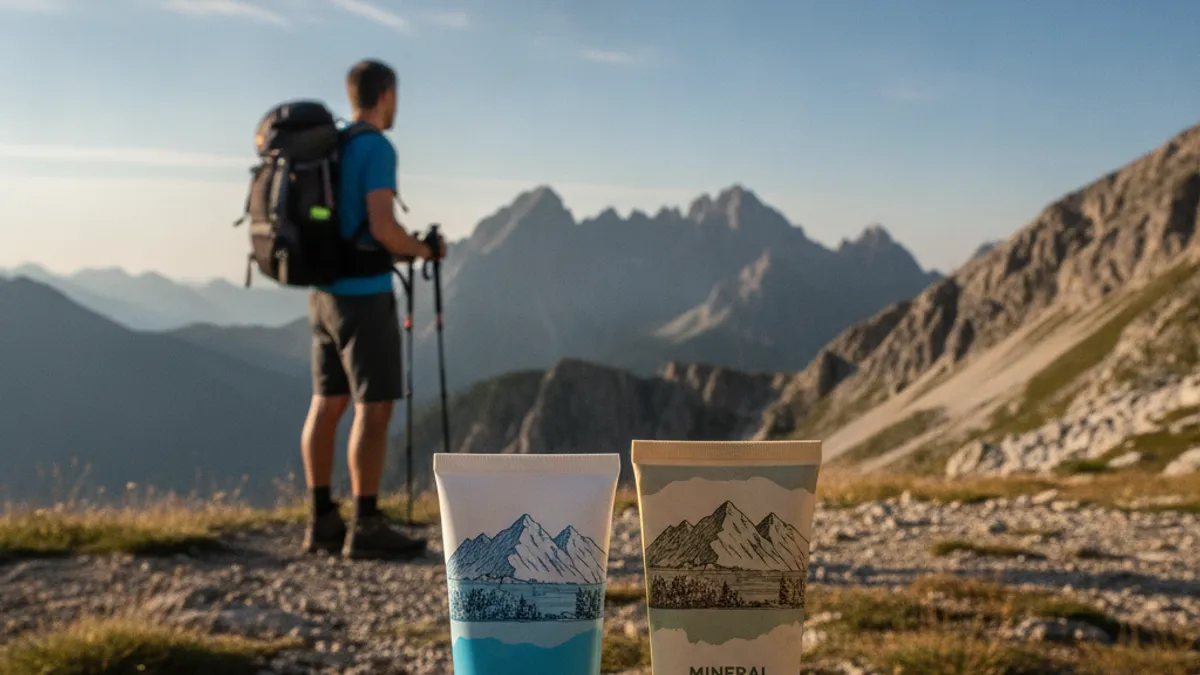
Deciding between chemical and mineral sunscreens is a common point of confusion, but understanding how they work can help you pick the right one for your high-altitude hikes. Both offer effective protection when used properly, but they achieve it through different mechanisms, which can matter depending on your skin and activity level.
How Chemical Sunscreens Work
Chemical sunscreens work by absorbing UV rays, which then get converted into heat. This heat is released from your skin. Common active ingredients you’ll find in chemical sunscreens include oxybenzone, avobenzone, octinoxate, and octisalate. These formulations are often preferred because they tend to be lighter in texture, spread easily, and don’t typically leave a visible residue on the skin.
They need to be applied about 15-20 minutes before sun exposure to allow the ingredients to bind to your skin and become effective.
How Mineral Sunscreens Work
Mineral sunscreens, also known as physical blockers, create a barrier on the surface of your skin. They use active mineral ingredients, primarily zinc oxide and titanium dioxide, to physically block and scatter UV rays away from your skin. Manufacturer specifications indicate that these ingredients provide immediate protection as soon as they are applied. Mineral sunscreens are often recommended for sensitive skin because they are less likely to cause irritation.
While historically they could leave a noticeable white cast, newer formulations have significantly improved their aesthetic appeal and spreadability. For high-altitude hiking, their immediate and physical blocking action can be particularly reassuring.
Key Sunscreen Features for High-Altitude Adventures
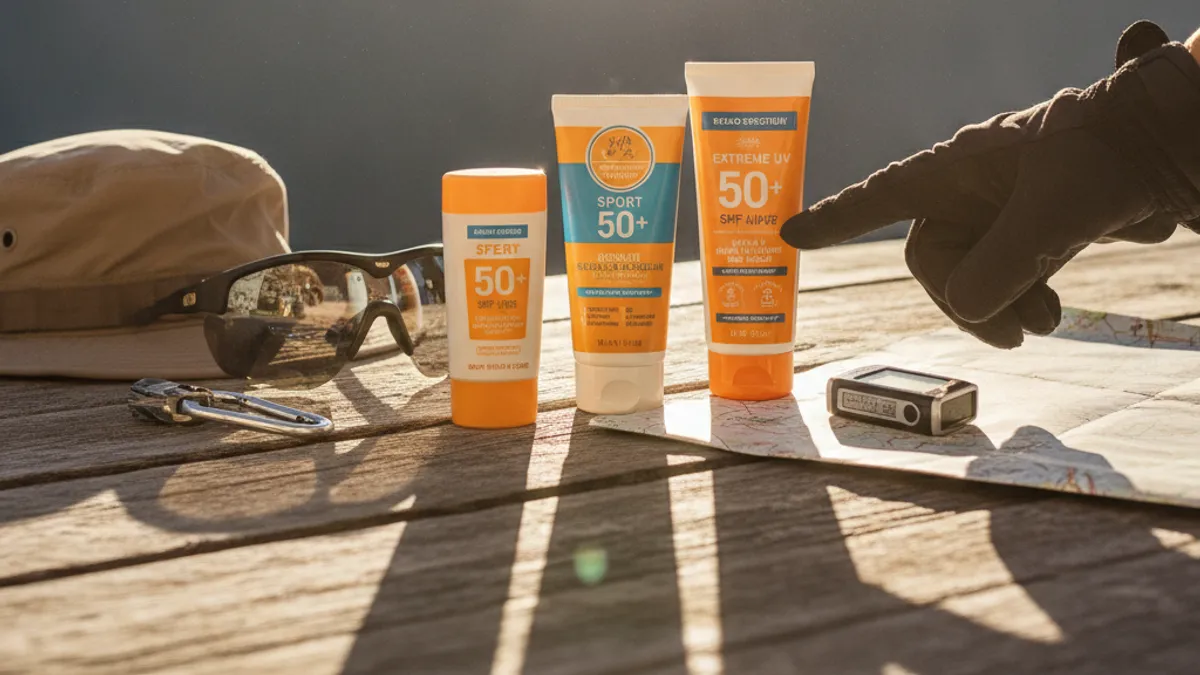
Beyond just broad-spectrum coverage and SPF, certain features make a sunscreen truly trail-worthy for high elevations. Think of these as the performance upgrades that keep your skin protected when you’re pushing your limits outdoors. These aren’t luxuries; they’re essential components for any serious high-altitude hiker.
Water and Sweat Resistance on the Move
When you’re hiking, especially at altitude where the sun intensifies, you’re going to sweat. If you’re also in an area with potential for rain or creek crossings, water resistance becomes crucial. Most sunscreens that offer this will be labeled as “water resistant” or “very water resistant.” According to industry standards, “water resistant” generally means the SPF protection remains effective for up to 40 minutes in water, while “very water resistant” holds up for up to 80 minutes.
This doesn’t mean the sunscreen is waterproof. You still absolutely need to reapply after swimming, toweling off, or after prolonged sweating. For extended hikes, an SPF 50+ that is also very water resistant will offer the most reliable protection through changing conditions.
Beyond Protection: Moisturizing and Non-Comedogenic
The dry, thin air at high altitudes can do a number on your skin, often leaving it feeling tight and parched. Some sunscreens go a step further by including moisturizing ingredients like hyaluronic acid or glycerin. This can be a welcome addition, especially if you have dry skin, allowing you to potentially streamline your pack by combining sun care with basic skin hydration.
Additionally, if you’re prone to breakouts, look for sunscreens labeled “non-comedogenic.” This means the formula is designed not to clog your pores, which is a common concern with thicker lotions or creams, particularly when mixed with sweat and dirt during a strenuous hike. This specification is confirmed by testing designed to assess pore-clogging potential.
Your Sunscreen Decision Guide: Putting It All Together
So, you’ve got the breakdown of SPF, protection types, and features. Now, let’s put it into a practical decision-making format. Think of this as your personal flowchart for selecting the right sunscreen for your next mountain adventure. This approach ensures you’re not just grabbing the first bottle you see, but making an informed choice based on your specific needs.
Quick Sunscreen Selection Chart
This chart distills the key considerations into quick reference points. If you’re short on time before hitting the trail, this is your go-to guide.
| Your Situation | Recommended SPF | Key Features to Prioritize | Notes for High Altitude |
|---|---|---|---|
| Skin Type: Fair; Exposure: Long days; Conditions: Snow reflection | 50+ | Broad-Spectrum, Very Water-Resistant, Mineral-based | Reapply every 2 hours or sooner if sweating heavily. |
| Skin Type: Medium; Exposure: Moderate days (4 hrs); Conditions: Clear skies | 30-50 | Broad-Spectrum, Water-Resistant | Reapply every 2 hours. Consider mineral if skin is sensitive. |
| Skin Type: Darker; Exposure: Short days (1-3 hrs); Conditions: No snow | 15-30 | Broad-Spectrum | Still essential for preventing UV damage and premature aging. |
| Skin Type: Sensitive; Exposure: Any; Conditions: Any | 30+ | Broad-Spectrum, Mineral-based, Fragrance-Free | Focus on gentle, non-irritating formulas. |
| Exposure: Multi-day trek; Conditions: Intense sun, varied terrain | 50+ | Broad-Spectrum, Very Water-Resistant, Durable | Pack extra for reapplication. A stick form for face is convenient. |
This chart simplifies the process, guiding you based on the most crucial factors we’ve discussed. The specific needs of high-altitude hiking mean leaning towards higher SPFs and robust water resistance is generally a safer bet.
Essential Sun Protection Habits for High-Altitude Adventures
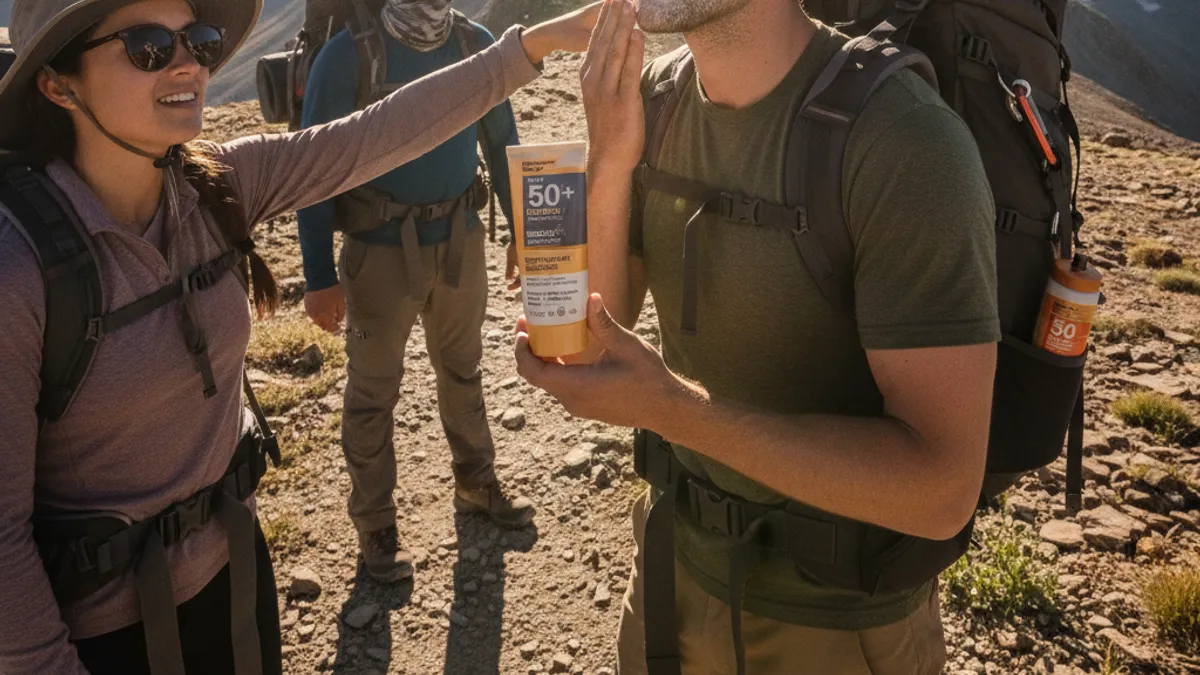
Choosing the right sunscreen is only half the battle. Knowing how and when to apply it, and remembering those often-forgotten spots, is just as critical for effective sun protection at elevation. Even the best sunscreen won’t work if it’s not applied correctly or if you miss key areas.
Applying Sunscreen Correctly
For optimal protection, apply sunscreen liberally to all exposed skin at least 15 to 20 minutes before you head outdoors. This allows chemical sunscreens time to bind to your skin and become fully effective. Don’t skimp; a good rule of thumb is about one ounce (roughly a shot glass full) for your entire body. Our research indicates that many people don’t use enough sunscreen, significantly reducing its stated SPF protection.
For areas like the face, a sunscreen stick or a dedicated face lotion can be easier to apply evenly without getting it into your eyes, which is particularly helpful when you’re wearing sunglasses or need to maintain your vision. Remember, reapplying every two hours is key, and you’ll need to do it more often if you’re sweating profusely or have been in the water.
Never Forget These Easily Burned Spots
It’s easy to remember your face and arms, but some areas are frequently overlooked and can become painfully sunburned during high-altitude hikes. These include:
- Ears: The tops and backs of your ears are prime targets, especially if you have shorter hair or wear hats that leave them exposed.
- Neck: The back of your neck can burn easily, particularly if your shirt collar is low or you’re wearing a backpack with straps that leave it bare.
- Tops of Feet: If you wear open-toed sandals or your socks have a gap, the tops of your feet are vulnerable.
- Back of Knees: When hiking, your legs are often bent, exposing the backs of your knees to direct sun.
- Scalp: If you have thinning hair or a visible part in your hair, your scalp can get severely burned. Wearing a hat is essential, but consider a sunscreen specifically for your scalp if needed.
Paying attention to these details ensures comprehensive protection from the intense solar radiation encountered at elevation.
Common Sunscreen Mistakes Hikers Make
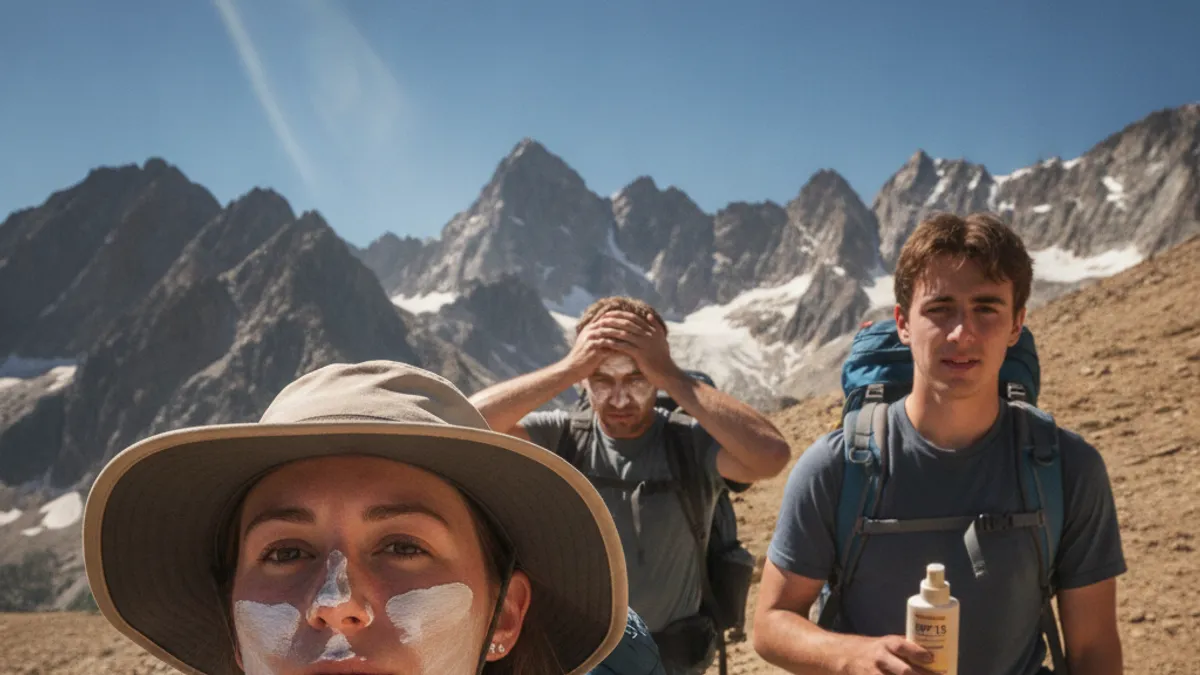
Even with the best intentions, hikers sometimes make mistakes that compromise their sun protection at high altitudes. Understanding these common pitfalls can help you avoid them and ensure you stay safe on the trail. These errors often stem from underestimating the sun’s power or relying on outdated notions of sun safety.
- Not applying enough sunscreen: As mentioned, insufficient amounts drastically reduce the stated SPF value. Verified buyer feedback reports often highlight users reapplying less than they should.
- Forgetting to reapply: Sunscreen wears off, especially with sweat and friction from clothing or backpacks. Skipping reapplication, particularly after the two-hour mark, leaves your skin vulnerable.
- Relying solely on “SPF 30 is enough”: While SPF 30 offers good protection, the amplified sun at altitude and reflective surfaces warrant higher SPFs for extended periods. It’s about choosing the best protection, not just adequate.
- Using expired sunscreen: Sunscreen ingredients degrade over time, losing their effectiveness. Always check the expiration date, usually printed on the bottle. Per industry guidelines, most sunscreens are effective for about three years if stored properly.
- Ignoring UV index: While altitude automatically increases UV, checking the local UV index for the day can provide an extra layer of awareness, especially if weather conditions vary.
- Skipping sunscreen on cloudy days: UV rays can penetrate cloud cover, and at high altitudes, they can still cause significant damage.
Avoiding these missteps will greatly enhance the effectiveness of your sun protection strategy on the mountain.
Expert Trail Tips for Sun-Kissed Safety
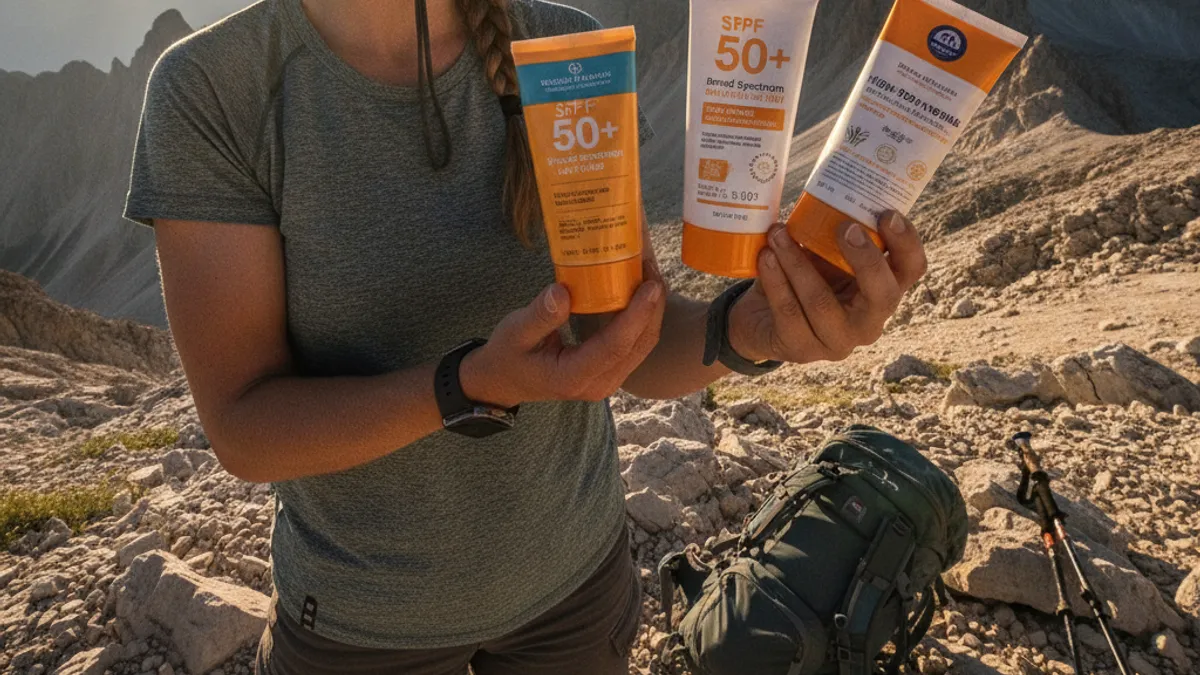
Beyond selecting the right sunscreen and applying it diligently, adopting a few key habits can significantly boost your sun protection strategy on high-altitude hikes. These are the small but mighty additions that seasoned hikers integrate into their routine after learning from experience. They’re about layering your defenses so you can focus on the amazing views.
Always pack sun protection, even if the forecast is cloudy. UV rays can penetrate cloud cover, and at altitudes above 8,000 feet, they become considerably stronger. Aggregate reports from outdoor enthusiasts confirm that sunburns on overcast days are surprisingly common. Think of your sunscreen, hat, and sunglasses as essential parts of your core hiking gear, just like water and a first-aid kit.
Don’t underestimate the power of physical barriers. A wide-brimmed hat offers shade for your face, neck, and ears, reducing the amount of sunscreen you need to apply to those areas. Likewise, high-quality sunglasses that block 100% of UVA and UVB rays are crucial for protecting your eyes from sun damage, which can lead to conditions like cataracts over time. These accessories work in tandem with sunscreen for the most robust protection.
