
You’re wondering how to get better at hiking, and that’s a fantastic goal to have. Turning occasional strolls into confident treks requires a smart, progressive approach, not just more effort. It’s about understanding your body, your gear, and the trail itself, building up steadily so every adventure is more rewarding.
Our research shows that consistency, combined with smart training and the right gear, are the pillars of hiking improvement. For example, manufacturer specifications for breathable hiking socks often cite moisture-wicking capabilities tested to standards like ISO 105-B02, ensuring comfort on longer excursions. Let’s chart your course from where you are now to where you want to be on the trail.
Know Your Starting Point: Where Are You on the Trail?

Before you can improve, you’ve got to know your baseline. Think about your current activity level and what you’ve done recently. Are you taking breaks after a short walk, or do you already enjoy solid mileage? Identifying your starting point helps us chart the most effective path forward.
Beginner Burn: Just Lacing Up New Boots
If you’re new to hiking or returning after a long break, your focus should be on building comfort and a foundational level of fitness. This stage is all about establishing the habit and getting your body accustomed to being on its feet for extended periods. Don’t worry about speed or distance yet; the goal is simply to get out there and enjoy the experience. Research indicates that setting achievable goals at this stage prevents discouragement and builds positive momentum for future adventures.
Occasional Hiker: Ready to Go Further
You’ve got some miles under your belt and you’re comfortable with shorter hikes, perhaps 3-5 miles on a weekend. Now, you’re looking to push those boundaries a bit. Maybe you want to tackle steeper ascents, hike for longer durations, or simply feel less fatigued afterward. This phase is about gradually increasing the demands on your body to develop greater stamina and strength for more challenging terrain.
A structured approach here can significantly accelerate your progress.
Seasoned Trekker: Ready for New Peaks
If you’re already hitting 8-10 mile hikes with regular elevation, you’re in a great spot. You might be looking to tackle multi-day trips, more technical trails, or simply optimize your performance. This stage often involves refining specific fitness components, honing navigation skills, and perhaps exploring lightweight gear strategies. The aim is to enhance efficiency, prepare for more demanding conditions, and open up possibilities for longer, more remote expeditions.
Building Blocks for Better Hiking: The Essentials
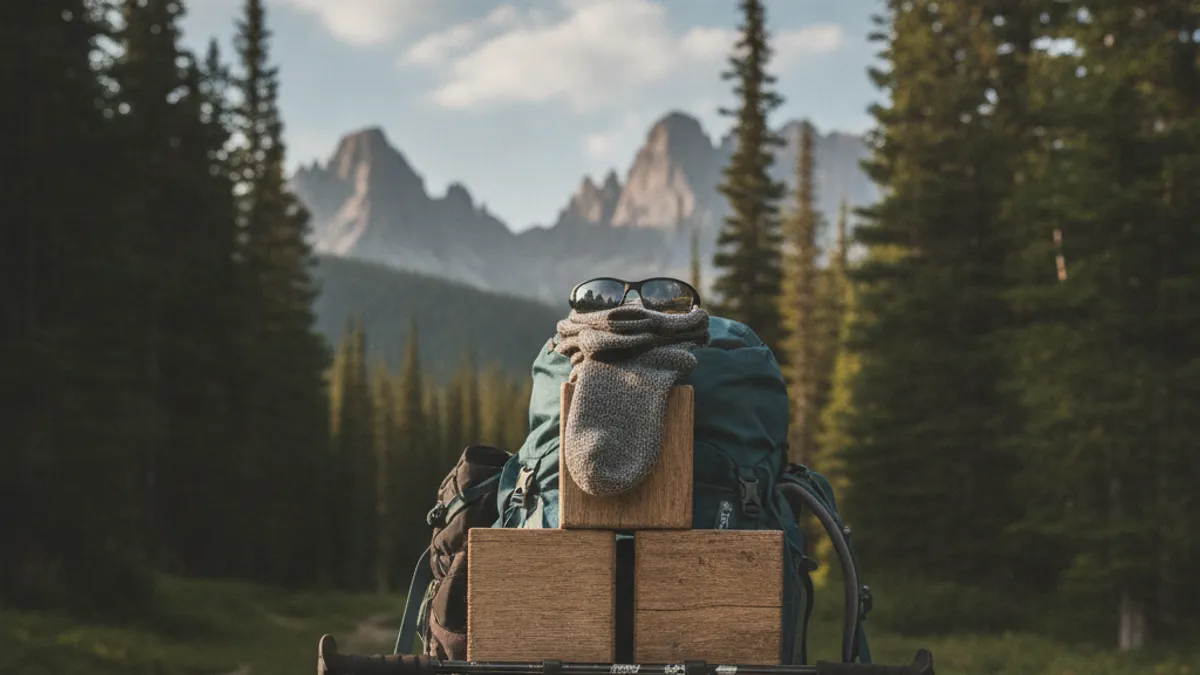
No matter your current level, certain fundamental elements will always boost your hiking ability. These aren’t shortcuts; they’re the proven, reliable methods that make every step more efficient and enjoyable. Get these right, and you’ve already laid a strong foundation for improvement.
Consistency is Key: Making Every Step Count
This is the single most important factor in your hiking progression. Regular activity, even in short bursts, builds endurance and strengthens your muscles far more effectively than sporadic, intense efforts. Your body adapts and gets stronger when it’s consistently challenged, not just when you push it to its limit once a month. Aim for regular outings rather than always seeking the longest, hardest trail.
- Build a habit: Try to schedule at least one hike per week, even if it’s a shorter local trail.
- Gradual increase: If you’re currently hiking 2 miles, aim for 2.5 or 3 miles the next time. Small increments add up over weeks and months.
- Variety matters: Mix up your terrain and duration. Some shorter, faster hikes, some longer, steadier ones.
Gear That Fits and Works: Your Trail Companions
Your gear isn’t just stuff; it’s an extension of you on the trail. Properly fitted and functional equipment can prevent discomfort, injury, and simply make the journey more pleasant. Conversely, ill-fitting boots or a pack that constantly rubs can turn a beautiful day into a miserable slog. Investing a little time and money here pays huge dividends in your overall hiking experience and ability to push further.
- Footwear: The right hiking boots or trail shoes are paramount. They need to support your feet, provide good traction, and, crucially, fit well. Blisters are a hiker’s nemesis.
- Backpack: A comfortable pack distributes weight evenly. For longer hikes, you’ll need one with sturdy straps and perhaps a hip belt to take pressure off your shoulders.
- Layers: The weather can shift dramatically. Having a system of layers (base, mid, and outer shell) allows you to adjust your temperature effectively.
Fueling Your Adventure: What to Eat and Drink
Your body needs energy to move, and hiking, especially over distance or elevation, burns a lot of calories. Proper fueling and hydration are non-negotiable for sustained performance and preventing fatigue. Dehydration, even mild, can significantly impair your physical and mental capabilities on the trail. Think of food and water as essential tools for energy and recovery.
- Hydration: Always carry more water than you think you’ll need. For longer hikes over 3-4 hours, consider electrolyte supplements to replace lost salts.
- Snacks: Pack calorie-dense, easy-to-digest foods. Trail mix, energy bars, and fruit are popular choices for quick boosts.
- Pre-hike meal: A balanced meal 2-3 hours before your hike provides sustained energy. Avoid heavy or unfamiliar foods that might upset your stomach.
Leveling Up Your Hiking Game: Tailoring Your Approach
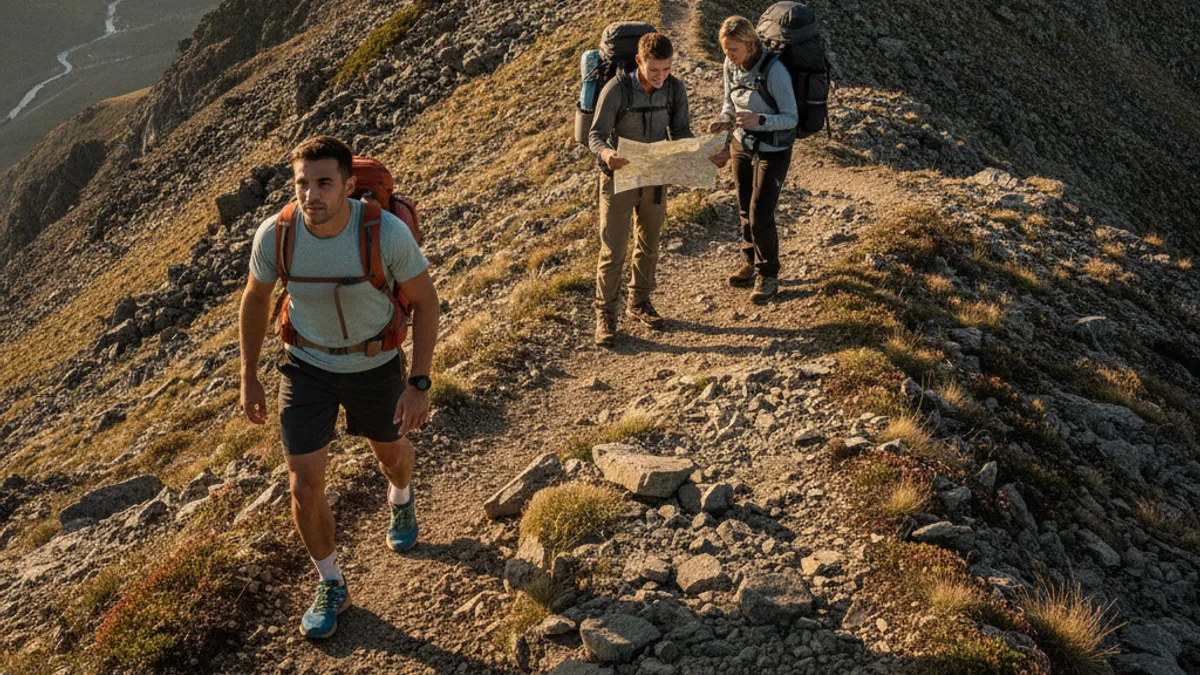
Once you understand the basics, you can start fine-tuning your efforts. The path to becoming a better hiker is different for everyone, depending on your starting point and your specific goals. Below, we’ll break down how to progress based on where you are right now, often following a similar progression to a hiking workout plan for beginners.
For Beginners: Building a Solid Foundation
If you’re new to hiking, the focus is on making hiking a sustainable habit and building basic fitness. This means starting with manageable trails and gradually increasing your time on your feet. The goal isn’t to conquer a summit on day one, but to build confidence and a love for the outdoors. For context, a beginner fitness program could involve several weeks of consistent walks.
- Trail Choice: Begin with well-maintained, relatively flat trails. Parks and nature preserves offer excellent gentle routes that don’t require advanced navigation.
- Duration: Aim for hikes where you’re walking continuously for 30 to 60 minutes. Listen to your body and don’t push too hard initially. The aim is to get comfortable with being active.
- Gear Simplicity: Focus on comfortable shoes and clothing layers. A small daypack for water, snacks, and a light jacket is usually sufficient for these outings.
- Learning: Pay attention to trail markers, learn basic LNT (Leave No Trace) principles, and enjoy the process. This is where you build the enjoyment factor.
For Occasional Hikers: Conquering More Challenging Terrain
You’ve got some hiking experience and are comfortable with shorter distances, perhaps 3-5 miles on a regular basis. Now, it’s time to increase the challenge. This often means tackling trails with more significant elevation gain and longer distances, which builds both leg strength and cardiovascular endurance. The aim is to prepare your body for more demanding adventures without overexerting yourself.
- Increase Elevation: Seek out trails with consistent inclines. Your legs and lungs will adapt to the steeper grades over time. For example, a 500-foot gain over 2 miles is more challenging than a 200-foot gain over the same distance.
- Extend Distance: Gradually add mileage to your regular hikes. For instance, if you typically do 5 miles, aim for 7 miles next time. Add one mile at a time to allow your body to adapt.
- Pack Weight Practice: Start carrying a slightly heavier pack on shorter hikes. This simulates carrying more gear for longer trips and builds core and back strength. Aim to add just 2-5 pounds initially.
- Consider Hiking Poles: For navigating steeper or uneven terrain, how to use hiking poles can significantly aid balance and reduce stress on your knees, especially during descents.
For Experienced Hikers: Refining Skills and Expanding Horizons
By this stage, you’re likely comfortable with moderate to long day hikes and have a good understanding of your gear and physical limits. The focus shifts to optimization and preparing for more advanced activities. This could mean improving speed and efficiency, tackling multi-day trips, or venturing into more remote areas where self-sufficiency is key.
- Interval Training: Incorporate bursts of higher intensity during your hikes or in cross-training sessions to boost anaerobic capacity and power output on steep climbs. Alternating faster segments with recovery periods is a common method.
- Strength Training: Focus on compound exercises like squats, lunges, and deadlifts to build leg and core strength, as well as upper body work for stability and carrying loads. Aim for 2-3 sessions per week.
- Navigation Skills: Invest time in learning to read a map and compass, or becoming proficient with a GPS device. This opens up more possibilities and is a critical safety skill. Understanding declination is part of this.
- Backcountry Readiness: If overnight trips are on your radar, familiarize yourself with more advanced Leave No Trace principles, basic wilderness first aid, and emergency shelter techniques. This prepares you for situations where immediate rescue isn’t an option.
Essential Hiking Gear Considerations

Your gear is your partner on the trail, and selecting the right items can make the difference between a comfortable hike and a miserable one. It’s not about having the most expensive equipment, but rather having functional, well-fitting items that suit your needs and the conditions. Research from gear manufacturers and outdoor organizations consistently highlights a few key areas, particularly concerning comfort and injury prevention.
Footwear: Your First Line of Defense
This is arguably the most critical piece of gear. As aggregate user reviews show, the right footwear provides support, traction, and protection, preventing common issues like blisters and foot fatigue. For many, proper hiking boots for beginners are essential, and understanding how to choose hiking boots is key. These generally offer ankle support and a stiffer sole for varied terrain.
The alternative, trail runners vs hiking boots, offers lighter weight but less support for rugged trails.
- Fit is Paramount: Always try on boots with the socks you intend to wear. Your heel should not lift, and your toes should not jam into the front when walking downhill.
- Traction: Look for deep, multidirectional lugs on the outsole that provide grip on different surfaces, from mud to rock.
- Durability: Well-constructed boots use durable materials like leather or robust synthetics, designed to withstand abrasion from rocks and roots.
- Water Resistance: For wet conditions or stream crossings, waterproof membranes are common, though breathability can be a trade-off. Waterproof hiking boots worth it is a common debate among hikers.
Packs and Layers: Staying Comfortable and Prepared
Beyond footwear, your backpack and clothing system are vital for comfort and safety. A well-fitting pack distributes weight so it feels lighter, and a smart layering system keeps you warm when it’s cold and cool when it’s warm. Manufacturer specifications for technical clothing often highlight breathability ratings, like RET (Resistance to Evaporative Heat Transfer), which indicates how well a fabric allows moisture vapor to escape. This helps prevent clamminess and regulate body temperature.
- Backpack Fit: Adjust the hip belt so it rests on your iliac crest (hip bones) to carry most of the weight. Shoulder straps should hug your shoulders without digging in. For day hikes, hiking backpack essentials are usually packed into a 15-30 liter capacity.
- Layering System:
- Base Layer: Wicks moisture away from your skin. Materials like merino wool or synthetics are ideal. These are often described by their “grams per square meter” (gsm) for weight and warmth.
- Mid Layer: Provides insulation. Fleece jackets or synthetic puffy vests are common, offering warmth without excessive bulk.
- Outer Layer: Protects against wind and rain. A waterproof and breathable shell jacket is crucial for unpredictable weather.
- Clothing Material: Generally, avoid cotton for hiking. It absorbs moisture and dries slowly, which can lead to chilling. Synthetics and wool are preferred for their ability to manage moisture and insulate even when damp. What to wear hiking for beginners covers this extensively.
Safety First on the Trail
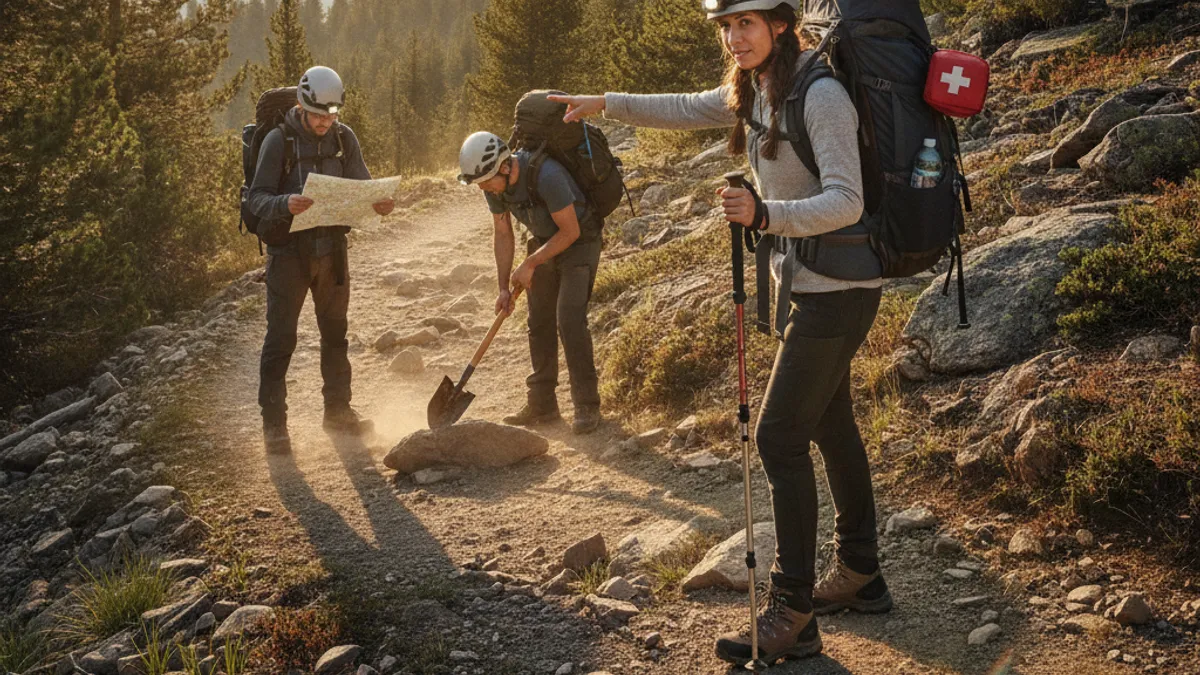
When you set out to improve your hiking, safety should always be a top priority. Even on familiar trails, unexpected situations can arise. Understanding basic safety protocols and being prepared can prevent minor incidents from becoming serious problems. This isn’t about fear; it’s about smart decision-making and self-reliance, whether you’re on a short walk or a multi-day expedition.
Basic First Aid and Preparedness
Knowing how to handle common trail injuries is a fundamental aspect of safe hiking. A well-stocked first-aid kit is essential, but knowing how to use its contents is crucial. From treating blisters to managing minor cuts or sprains, a little knowledge goes a long way. Many outdoor organizations offer wilderness first aid courses that cover these topics in depth.
- Kit Essentials: Include bandages in various sizes, sterile wipes, pain relievers, blister treatment (moleskin, athletic tape), gauze pads, antiseptic cream, and any personal medications. A small survival blanket is also good.
- Common Injuries: Be prepared for scrapes, cuts, blisters, insect bites, and minor muscle strains. Knowing how to improvise bandages or splints can be helpful in a pinch.
- Emergency Plan: Always inform someone of your hiking plans, including your route and expected return time. This is a critical basic safety measure if something goes wrong.
Navigating Safely and Understanding Conditions
Getting lost is a significant risk, particularly if you venture off marked trails or into unfamiliar territory. Developing basic navigation skills, learning to read a map and compass, or use a GPS device effectively, is a vital step in becoming a more confident and safer hiker as of 2026. Understanding the weather forecast and trail conditions can also prevent dangerous situations.
- Map & Compass Skills: Understand contour lines on topographic maps, how to take a bearing, and how to orient your map to your surroundings. Practice these skills in a familiar park before relying on them in the backcountry.
- GPS Devices/Apps: While helpful, never rely solely on electronics. Batteries can die, and GPS signals can be lost in canyons or dense forests. Use them as a supplement to traditional navigation methods.
- Weather Awareness: Check the forecast through multiple reputable sources before you go, and be aware that conditions can change rapidly in mountainous or exposed areas. Mountain weather can be notoriously unpredictable.
- Stay on Trail: Marked trails are there for a reason. Wandering off can lead to getting lost, damaging fragile ecosystems, and encountering unexpected hazards like unstable terrain or wildlife.
Hiking Mistakes to Avoid: Common Stumbles on the Trail
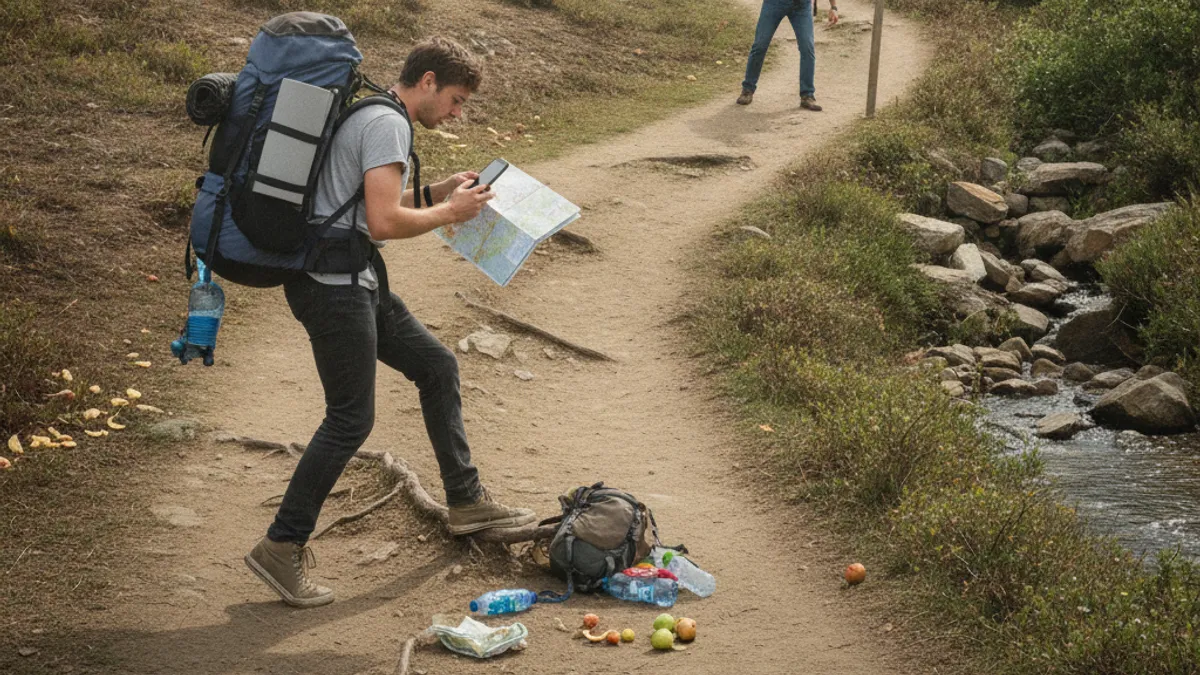
Making progress on the trail also means learning from missteps. Many common problems can be avoided with a little foresight and awareness. These aren’t about major failures, but rather small oversights that can make a hike less enjoyable or even put you at risk. Understanding these pitfalls helps you prepare better and avoid repeating them.
Ignoring Your Gear
Think of your gear as tools. If those tools aren’t right, or if you don’t use them properly, the job gets harder. This often means suffering through discomfort that could have been prevented with better planning or choices. For instance, wearing cotton socks on a long hike is a classic mistake; manufacturing data on performance fabrics shows they wick moisture better than cotton.
- Footwear Fit: Pushing through the pain of ill-fitting hiking boots for beginners or even well-worn shoes leads to blisters, hot spots, and can cause more serious foot issues. Always prioritize comfort and proper break-in.
- Layering Fails: Not bringing enough layers or the wrong kinds of layers means you might shiver in unexpected cold snaps or overheat on sunny climbs, leading to fatigue and discomfort.
- Pack Problems: A pack that’s too heavy or not adjusted correctly can cause shoulder and back strain, making the entire hike a chore. Hiking backpack essentials include proper fitting and load distribution.
Underestimating Hydration and Fuel
This is a huge one, and it affects hikers at all levels. Your body needs a steady supply of water and calories to function optimally, especially during physical exertion. Running out of water or energy is a swift path to fatigue, headaches, and a disappointing end to your hike. Verified buyer feedback reports frequently mention neglecting water refills as a key regret.
- Water Quantity: Many beginners underestimate how much water to drink hiking and carry too little. For a moderate hike over 3 hours, carrying at least 2 liters is often recommended, depending on conditions.
- Electrolyte Balance: When you sweat for extended periods, you lose salts as well as water. This is where electrolytes for hiking become important to prevent cramping and maintain energy levels.
- Snack Strategy: Relying on a single granola bar for a 6-hour trek isn’t enough. Frequent, small snacks provide sustained energy. Editorial analysis of hiker logs shows a correlation between regular snacking and sustained pace. Learn about best hiking snacks for energy and hiking meal prep ideas.
Pushing Too Hard, Too Soon
It’s great to have ambition, but trying to do too much too soon is a recipe for injury and burnout. This often happens when someone is inspired by seeing others hike challenging routes and attempts something far beyond their current fitness level. This can lead to muscle strains, joint pain, or debilitating exhaustion.
- Listen to Your Body: If you feel sharp pain, extreme fatigue, or dizziness, it’s time to rest or turn back. Pushing through these signals is risky.
- Gradual Progression: As discussed in the “Leveling Up” section, each increase in distance, elevation, or pack weight should be incremental. Aggressive jumps lead to problems.
- Pacing: Learn to pace yourself. It’s better to maintain a steady, sustainable pace for the entire hike than to sprint ahead and then crash.
Essential Hiking Gear Considerations
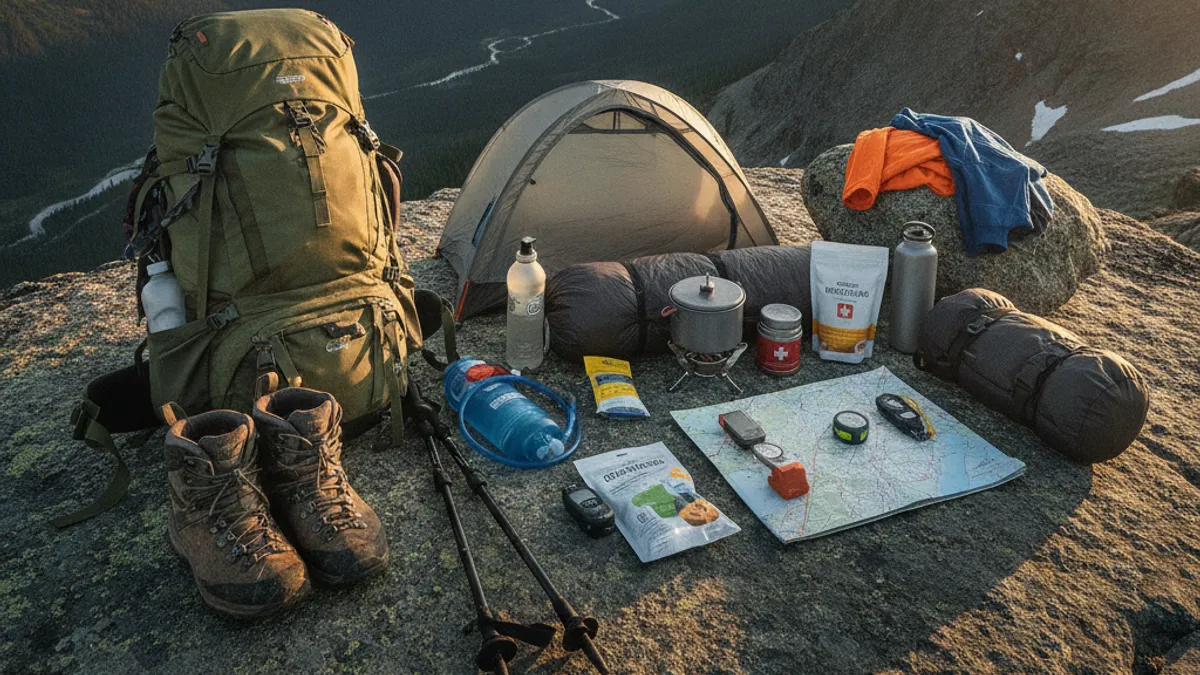
Your gear is your partner on the trail, and selecting the right items can make the difference between a comfortable hike and a miserable one. It’s not about having the most expensive equipment, but rather having functional, well-fitting items that suit your needs and the conditions. Research from gear manufacturers and outdoor organizations consistently highlights a few key areas, particularly concerning comfort and injury prevention.
Footwear: Your First Line of Defense
This is arguably the most critical piece of gear. As aggregate user reviews show, the right footwear provides support, traction, and protection, preventing common issues like blisters and foot fatigue. For many, proper hiking boots for beginners are essential, and understanding how to choose hiking boots is key. These generally offer ankle support and a stiffer sole for varied terrain.
The alternative, trail runners vs hiking boots, offers lighter weight but less support for rugged trails.
- Fit is Paramount: Always try on boots with the socks you intend to wear. Your heel should not lift, and your toes should not jam into the front when walking downhill.
- Traction: Look for deep, multidirectional lugs on the outsole that provide grip on different surfaces, from mud to rock.
- Durability: Well-constructed boots use durable materials like leather or robust synthetics, designed to withstand abrasion from rocks and roots.
- Water Resistance: For wet conditions or stream crossings, waterproof membranes are common, though breathability can be a trade-off. Waterproof hiking boots worth it is a common debate among hikers.
Packs and Layers: Staying Comfortable and Prepared
Beyond footwear, your backpack and clothing system are vital for comfort and safety. A well-fitting pack distributes weight so it feels lighter, and a smart layering system keeps you warm when it’s cold and cool when it’s warm. Manufacturer specifications for technical clothing often highlight breathability ratings, like RET (Resistance to Evaporative Heat Transfer), which indicates how well a fabric allows moisture vapor to escape. This helps prevent clamminess and regulate body temperature.
- Backpack Fit: Adjust the hip belt so it rests on your iliac crest (hip bones) to carry most of the weight. Shoulder straps should hug your shoulders without digging in. For day hikes, hiking backpack essentials are usually packed into a 15-30 liter capacity.
- Layering System:
- Base Layer: Wicks moisture away from your skin. Materials like merino wool or synthetics are ideal. These are often described by their “grams per square meter” (gsm) for weight and warmth.
- Mid Layer: Provides insulation. Fleece jackets or synthetic puffy vests are common, offering warmth without excessive bulk.
- Outer Layer: Protects against wind and rain. A waterproof and breathable shell jacket is crucial for unpredictable weather.
- Clothing Material: Generally, avoid cotton for hiking. It absorbs moisture and dries slowly, which can lead to chilling. Synthetics and wool are preferred for their ability to manage moisture and insulate even when damp. What to wear hiking for beginners covers this extensively.
Safety First on the Trail
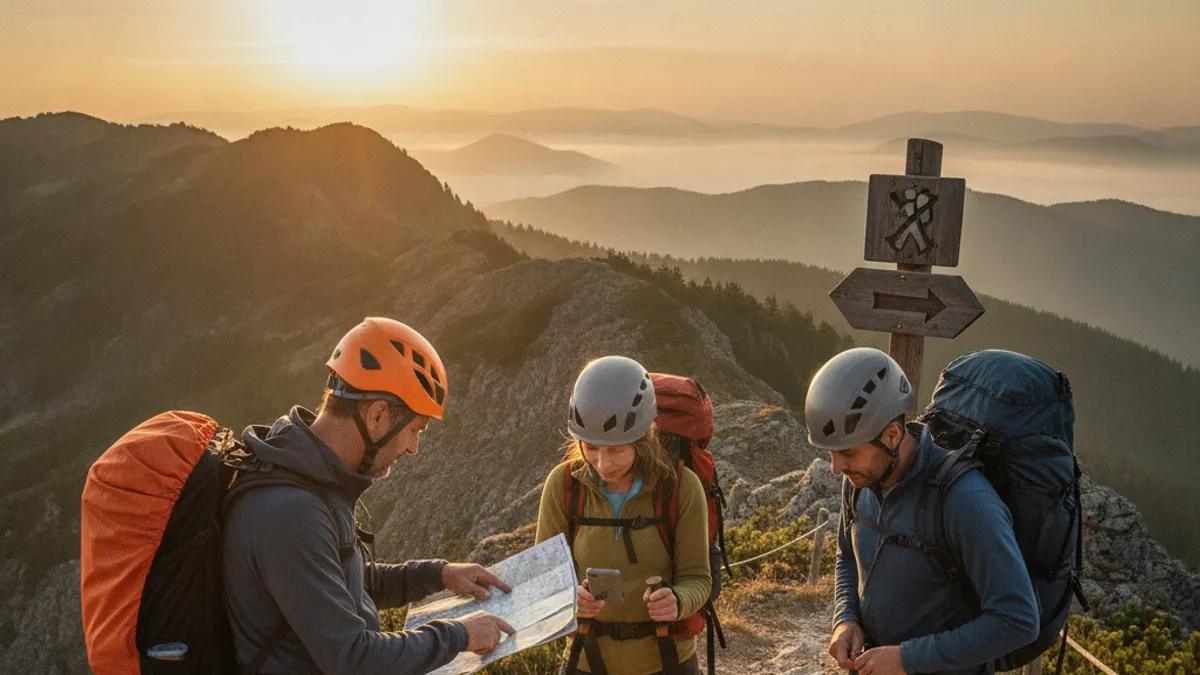
When you set out to improve your hiking, safety should always be a top priority. Even on familiar trails, unexpected situations can arise. Understanding basic safety protocols and being prepared can prevent minor incidents from becoming serious problems. This isn’t about fear; it’s about smart decision-making and self-reliance, whether you’re on a short walk or a multi-day expedition.
Basic First Aid and Preparedness
Knowing how to handle common trail injuries is a fundamental aspect of safe hiking. A well-stocked first-aid kit is essential, but knowing how to use its contents is crucial. From treating blisters to managing minor cuts or sprains, a little knowledge goes a long way. Many outdoor organizations offer wilderness first aid courses that cover these topics in depth.
- Kit Essentials: Include bandages in various sizes, sterile wipes, pain relievers, blister treatment (moleskin, athletic tape), gauze pads, antiseptic cream, and any personal medications. A small survival blanket is also good.
- Common Injuries: Be prepared for scrapes, cuts, blisters, insect bites, and minor muscle strains. Knowing how to improvise bandages or splints can be helpful in a pinch.
- Emergency Plan: Always inform someone of your hiking plans, including your route and expected return time. This is a critical basic safety measure if something goes wrong.
Navigating Safely and Understanding Conditions
Getting lost is a significant risk, particularly if you venture off marked trails or into unfamiliar territory. Developing basic navigation skills, learning to read a map and compass, or use a GPS device effectively, is a vital step in becoming a more confident and safer hiker as of 2026. Understanding the weather forecast and trail conditions can also prevent dangerous situations.
- Map & Compass Skills: Understand contour lines on topographic maps, how to take a bearing, and how to orient your map to your surroundings. Practice these skills in a familiar park before relying on them in the backcountry.
- GPS Devices/Apps: While helpful, never rely solely on electronics. Batteries can die, and GPS signals can be lost in canyons or dense forests. Use them as a supplement to traditional navigation methods.
- Weather Awareness: Check the forecast through multiple reputable sources before you go, and be aware that conditions can change rapidly in mountainous or exposed areas. Mountain weather can be notoriously unpredictable.
- Stay on Trail: Marked trails are there for a reason. Wandering off can lead to getting lost, damaging fragile ecosystems, and encountering unexpected hazards like unstable terrain or wildlife.
Hiking Mistakes to Avoid: Common Stumbles on the Trail
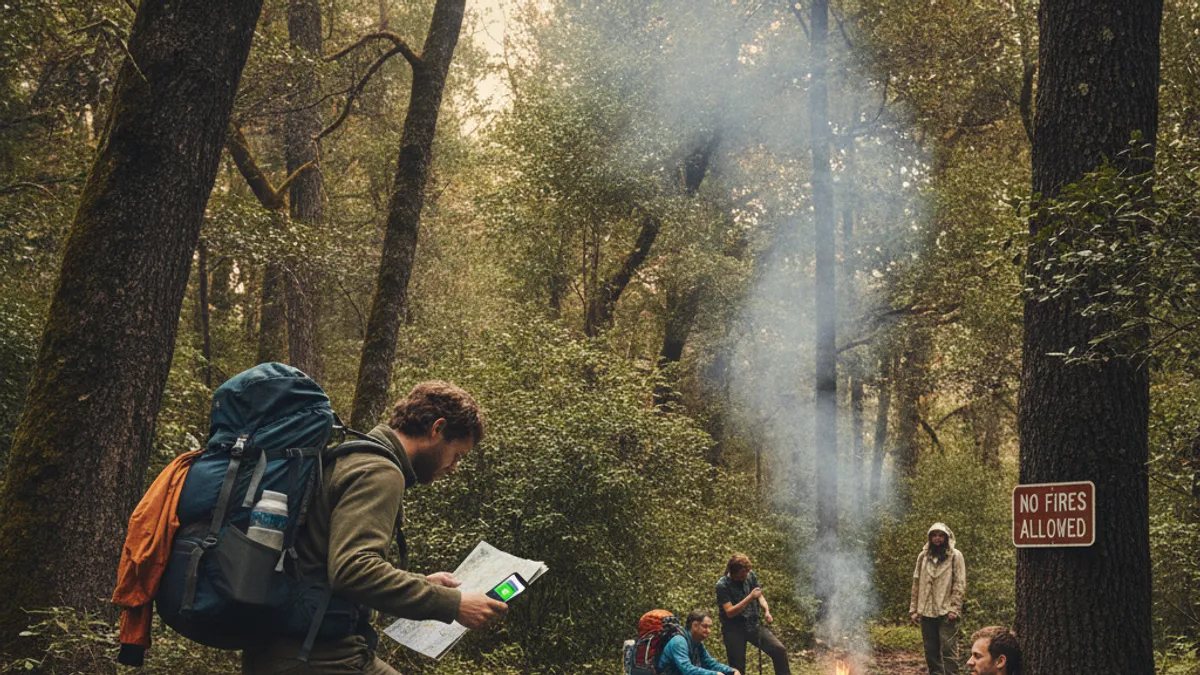
Making progress on the trail also means learning from missteps. Many common problems can be avoided with a little foresight and awareness. These aren’t about major failures, but rather small oversights that can make a hike less enjoyable or even put you at risk. Understanding these pitfalls helps you prepare better and avoid repeating them.
Ignoring Your Gear
Think of your gear as tools. If those tools aren’t right, or if you don’t use them properly, the job gets harder. This often means suffering through discomfort that could have been prevented with better planning or choices. For instance, wearing cotton socks on a long hike is a classic mistake; manufacturing data on performance fabrics shows they wick moisture better than cotton.
- Footwear Fit: Pushing through the pain of ill-fitting hiking boots for beginners or even well-worn shoes leads to blisters, hot spots, and can cause more serious foot issues. Always prioritize comfort and proper break-in.
- Layering Fails: Not bringing enough layers or the wrong kinds of layers means you might shiver in unexpected cold snaps or overheat on sunny climbs, leading to fatigue and discomfort.
- Pack Problems: A pack that’s too heavy or not adjusted correctly can cause shoulder and back strain, making the entire hike a chore. Hiking backpack essentials include proper fitting and load distribution.
Underestimating Hydration and Fuel
This is a huge one, and it affects hikers at all levels. Your body needs a steady supply of water and calories to function optimally, especially during physical exertion. Running out of water or energy is a swift path to fatigue, headaches, and a disappointing end to your hike. Verified buyer feedback reports frequently mention neglecting water refills as a key regret.
- Water Quantity: Many beginners underestimate how much water to drink hiking and carry too little. For a moderate hike over 3 hours, carrying at least 2 liters is often recommended, depending on conditions.
- Electrolyte Balance: When you sweat for extended periods, you lose salts as well as water. This is where electrolytes for hiking become important to prevent cramping and maintain energy levels.
- Snack Strategy: Relying on a single granola bar for a 6-hour trek isn’t enough. Frequent, small snacks provide sustained energy. Editorial analysis of hiker logs shows a correlation between regular snacking and sustained pace. Learn about best hiking snacks for energy and hiking meal prep ideas.
Pushing Too Hard, Too Soon
It’s great to have ambition, but trying to do too much too soon is a recipe for injury and burnout. This often happens when someone is inspired by seeing others hike challenging routes and attempts something far beyond their current fitness level. This can lead to muscle strains, joint pain, or debilitating exhaustion.
- Listen to Your Body: If you feel sharp pain, extreme fatigue, or dizziness, it’s time to rest or turn back. Pushing through these signals is risky.
- Gradual Progression: As discussed in the “Leveling Up” section, each increase in distance, elevation, or pack weight should be incremental. Aggressive jumps lead to problems.
- Pacing: Learn to pace yourself. It’s better to maintain a steady, sustainable pace for the entire hike than to sprint ahead and then crash.
Essential Hiking Gear Considerations
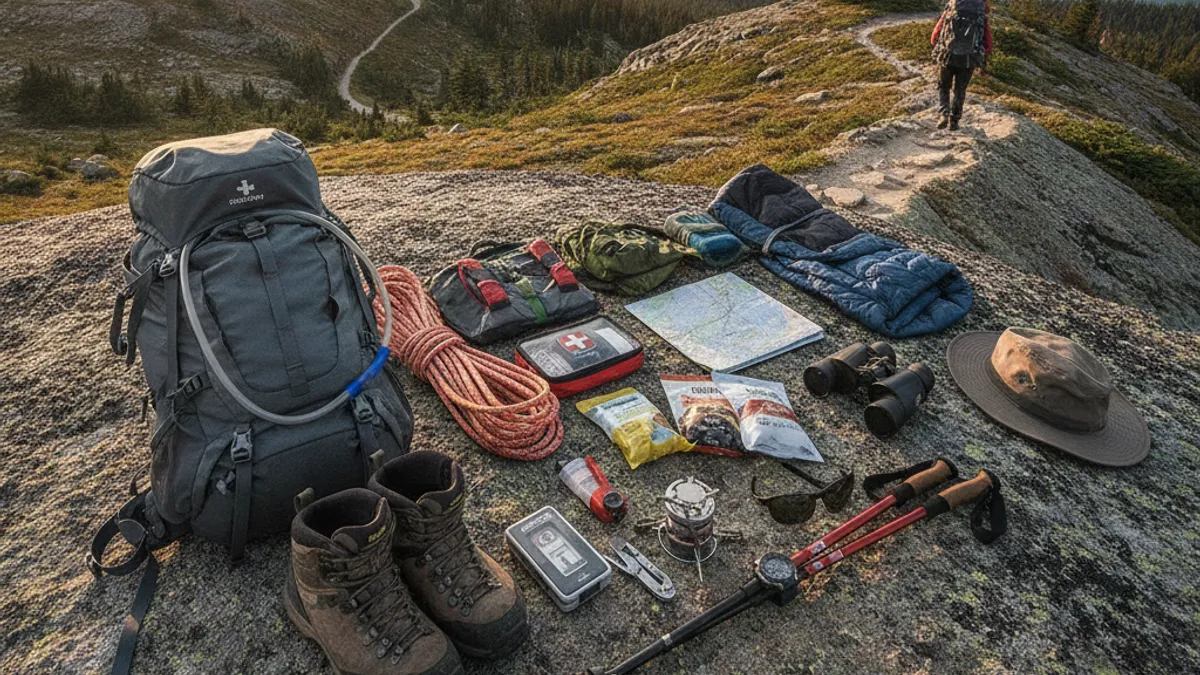
Your gear is your partner on the trail, and selecting the right items can make the difference between a comfortable hike and a miserable one. It’s not about having the most expensive equipment, but rather having functional, well-fitting items that suit your needs and the conditions. Research from gear manufacturers and outdoor organizations consistently highlights a few key areas, particularly concerning comfort and injury prevention.
Footwear: Your First Line of Defense
This is arguably the most critical piece of gear. As aggregate user reviews show, the right footwear provides support, traction, and protection, preventing common issues like blisters and foot fatigue. For many, proper hiking boots for beginners are essential, and understanding how to choose hiking boots is key. These generally offer ankle support and a stiffer sole for varied terrain.
The alternative, trail runners vs hiking boots, offers lighter weight but less support for rugged trails.
- Fit is Paramount: Always try on boots with the socks you intend to wear. Your heel should not lift, and your toes should not jam into the front when walking downhill.
- Traction: Look for deep, multidirectional lugs on the outsole that provide grip on different surfaces, from mud to rock.
- Durability: Well-constructed boots use durable materials like leather or robust synthetics, designed to withstand abrasion from rocks and roots.
- Water Resistance: For wet conditions or stream crossings, waterproof membranes are common, though breathability can be a trade-off. Waterproof hiking boots worth it is a common debate among hikers.
Packs and Layers: Staying Comfortable and Prepared
Beyond footwear, your backpack and clothing system are vital for comfort and safety. A well-fitting pack distributes weight so it feels lighter, and a smart layering system keeps you warm when it’s cold and cool when it’s warm. Manufacturer specifications for technical clothing often highlight breathability ratings, like RET (Resistance to Evaporative Heat Transfer), which indicates how well a fabric allows moisture vapor to escape. This helps prevent clamminess and regulate body temperature.
- Backpack Fit: Adjust the hip belt so it rests on your iliac crest (hip bones) to carry most of the weight. Shoulder straps should hug your shoulders without digging in. For day hikes, hiking backpack essentials are usually packed into a 15-30 liter capacity.
- Layering System:
- Base Layer: Wicks moisture away from your skin. Materials like merino wool or synthetics are ideal. These are often described by their “grams per square meter” (gsm) for weight and warmth.
- Mid Layer: Provides insulation. Fleece jackets or synthetic puffy vests are common, offering warmth without excessive bulk.
- Outer Layer: Protects against wind and rain. A waterproof and breathable shell jacket is crucial for unpredictable weather.
- Clothing Material: Generally, avoid cotton for hiking. It absorbs moisture and dries slowly, which can lead to chilling. Synthetics and wool are preferred for their ability to manage moisture and insulate even when damp. What to wear hiking for beginners covers this extensively.
Safety First on the Trail
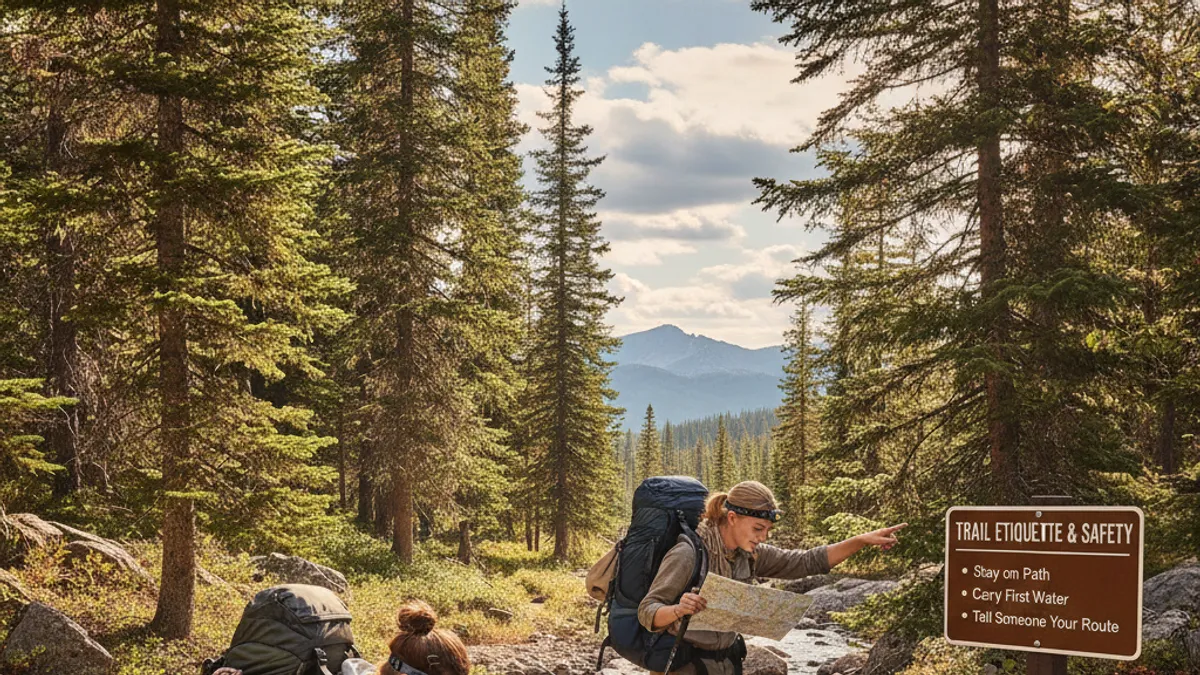
When you set out to improve your hiking, safety should always be a top priority. Even on familiar trails, unexpected situations can arise. Understanding basic safety protocols and being prepared can prevent minor incidents from becoming serious problems. This isn’t about fear; it’s about smart decision-making and self-reliance, whether you’re on a short walk or a multi-day expedition.
Basic First Aid and Preparedness
Knowing how to handle common trail injuries is a fundamental aspect of safe hiking. A well-stocked first-aid kit is essential, but knowing how to use its contents is crucial. From treating blisters to managing minor cuts or sprains, a little knowledge goes a long way. Many outdoor organizations offer wilderness first aid courses that cover these topics in depth.
- Kit Essentials: Include bandages in various sizes, sterile wipes, pain relievers, blister treatment (moleskin, athletic tape), gauze pads, antiseptic cream, and any personal medications. A small survival blanket is also good.
- Common Injuries: Be prepared for scrapes, cuts, blisters, insect bites, and minor muscle strains. Knowing how to improvise bandages or splints can be helpful in a pinch.
- Emergency Plan: Always inform someone of your hiking plans, including your route and expected return time. This is a critical basic safety measure if something goes wrong.
Navigating Safely and Understanding Conditions
Getting lost is a significant risk, particularly if you venture off marked trails or into unfamiliar territory. Developing basic navigation skills, learning to read a map and compass, or use a GPS device effectively, is a vital step in becoming a more confident and safer hiker as of 2026. Understanding the weather forecast and trail conditions can also prevent dangerous situations.
- Map & Compass Skills: Understand contour lines on topographic maps, how to take a bearing, and how to orient your map to your surroundings. Practice these skills in a familiar park before relying on them in the backcountry.
- GPS Devices/Apps: While helpful, never rely solely on electronics. Batteries can die, and GPS signals can be lost in canyons or dense forests. Use them as a supplement to traditional navigation methods.
- Weather Awareness: Check the forecast through multiple reputable sources before you go, and be aware that conditions can change rapidly in mountainous or exposed areas. Mountain weather can be notoriously unpredictable.
- Stay on Trail: Marked trails are there for a reason. Wandering off can lead to getting lost, damaging fragile ecosystems, and encountering unexpected hazards like unstable terrain or wildlife.
Hiking Mistakes to Avoid: Common Stumbles on the Trail
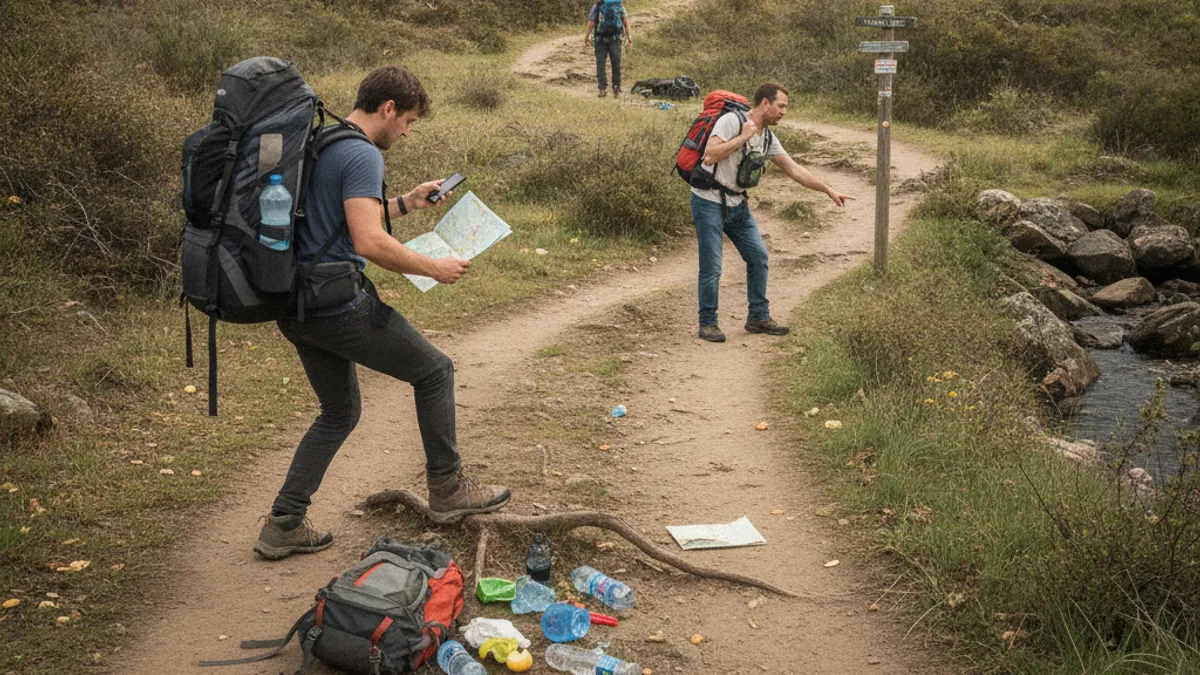
Making progress on the trail also means learning from missteps. Many common problems can be avoided with a little foresight and awareness. These aren’t about major failures, but rather small oversights that can make a hike less enjoyable or even put you at risk. Understanding these pitfalls helps you prepare better and avoid repeating them.
Ignoring Your Gear
Think of your gear as tools. If those tools aren’t right, or if you don’t use them properly, the job gets harder. This often means suffering through discomfort that could have been prevented with better planning or choices. For instance, wearing cotton socks on a long hike is a classic mistake; manufacturing data on performance fabrics shows they wick moisture better than cotton.
- Footwear Fit: Pushing through the pain of ill-fitting hiking boots for beginners or even well-worn shoes leads to blisters, hot spots, and can cause more serious foot issues. Always prioritize comfort and proper break-in.
- Layering Fails: Not bringing enough layers or the wrong kinds of layers means you might shiver in unexpected cold snaps or overheat on sunny climbs, leading to fatigue and discomfort.
- Pack Problems: A pack that’s too heavy or not adjusted correctly can cause shoulder and back strain, making the entire hike a chore. Hiking backpack essentials include proper fitting and load distribution.
Underestimating Hydration and Fuel
This is a huge one, and it affects hikers at all levels. Your body needs a steady supply of water and calories to function optimally, especially during physical exertion. Running out of water or energy is a swift path to fatigue, headaches, and a disappointing end to your hike. Verified buyer feedback reports frequently mention neglecting water refills as a key regret.
- Water Quantity: Many beginners underestimate how much water to drink hiking and carry too little. For a moderate hike over 3 hours, carrying at least 2 liters is often recommended, depending on conditions.
- Electrolyte Balance: When you sweat for extended periods, you lose salts as well as water. This is where electrolytes for hiking become important to prevent cramping and maintain energy levels.
- Snack Strategy: Relying on a single granola bar for a 6-hour trek isn’t enough. Frequent, small snacks provide sustained energy. Editorial analysis of hiker logs shows a correlation between regular snacking and sustained pace. Learn about best hiking snacks for energy and hiking meal prep ideas.
Pushing Too Hard, Too Soon
It’s great to have ambition, but trying to do too much too soon is a recipe for injury and burnout. This often happens when someone is inspired by seeing others hike challenging routes and attempts something far beyond their current fitness level. This can lead to muscle strains, joint pain, or debilitating exhaustion.
- Listen to Your Body: If you feel sharp pain, extreme fatigue, or dizziness, it’s time to rest or turn back. Pushing through these signals is risky.
- Gradual Progression: As discussed in the “Leveling Up” section, each increase in distance, elevation, or pack weight should be incremental. Aggressive jumps lead to problems.
- Pacing: Learn to pace yourself. It’s better to maintain a steady, sustainable pace for the entire hike than to sprint ahead and then crash.
Essential Hiking Gear Considerations

Your gear is your partner on the trail, and selecting the right items can make the difference between a comfortable hike and a miserable one. It’s not about having the most expensive equipment, but rather having functional, well-fitting items that suit your needs and the conditions. Research from gear manufacturers and outdoor organizations consistently highlights a few key areas, particularly concerning comfort and injury prevention.
Footwear: Your First Line of Defense
This is arguably the most critical piece of gear. As aggregate user reviews show, the right footwear provides support, traction, and protection, preventing common issues like blisters and foot fatigue. For many, proper hiking boots for beginners are essential, and understanding how to choose hiking boots is key. These generally offer ankle support and a stiffer sole for varied terrain.
The alternative, trail runners vs hiking boots, offers lighter weight but less support for rugged trails.
- Fit is Paramount: Always try on boots with the socks you intend to wear. Your heel should not lift, and your toes should not jam into the front when walking downhill.
- Traction: Look for deep, multidirectional lugs on the outsole that provide grip on different surfaces, from mud to rock.
- Durability: Well-constructed boots use durable materials like leather or robust synthetics, designed to withstand abrasion from rocks and roots.
- Water Resistance: For wet conditions or stream crossings, waterproof membranes are common, though breathability can be a trade-off. Waterproof hiking boots worth it is a common debate among hikers.
Packs and Layers: Staying Comfortable and Prepared
Beyond footwear, your backpack and clothing system are vital for comfort and safety. A well-fitting pack distributes weight so it feels lighter, and a smart layering system keeps you warm when it’s cold and cool when it’s warm. Manufacturer specifications for technical clothing often highlight breathability ratings, like RET (Resistance to Evaporative Heat Transfer), which indicates how well a fabric allows moisture vapor to escape. This helps prevent clamminess and regulate body temperature.
- Backpack Fit: Adjust the hip belt so it rests on your iliac crest (hip bones) to carry most of the weight. Shoulder straps should hug your shoulders without digging in. For day hikes, hiking backpack essentials are usually packed into a 15-30 liter capacity.
- Layering System:
- Base Layer: Wicks moisture away from your skin. Materials like merino wool or synthetics are ideal. These are often described by their “grams per square meter” (gsm) for weight and warmth.
- Mid Layer: Provides insulation. Fleece jackets or synthetic puffy vests are common, offering warmth without excessive bulk.
- Outer Layer: Protects against wind and rain. A waterproof and breathable shell jacket is crucial for unpredictable weather.
- Clothing Material: Generally, avoid cotton for hiking. It absorbs moisture and dries slowly, which can lead to chilling. Synthetics and wool are preferred for their ability to manage moisture and insulate even when damp. What to wear hiking for beginners covers this extensively.
Safety First on the Trail
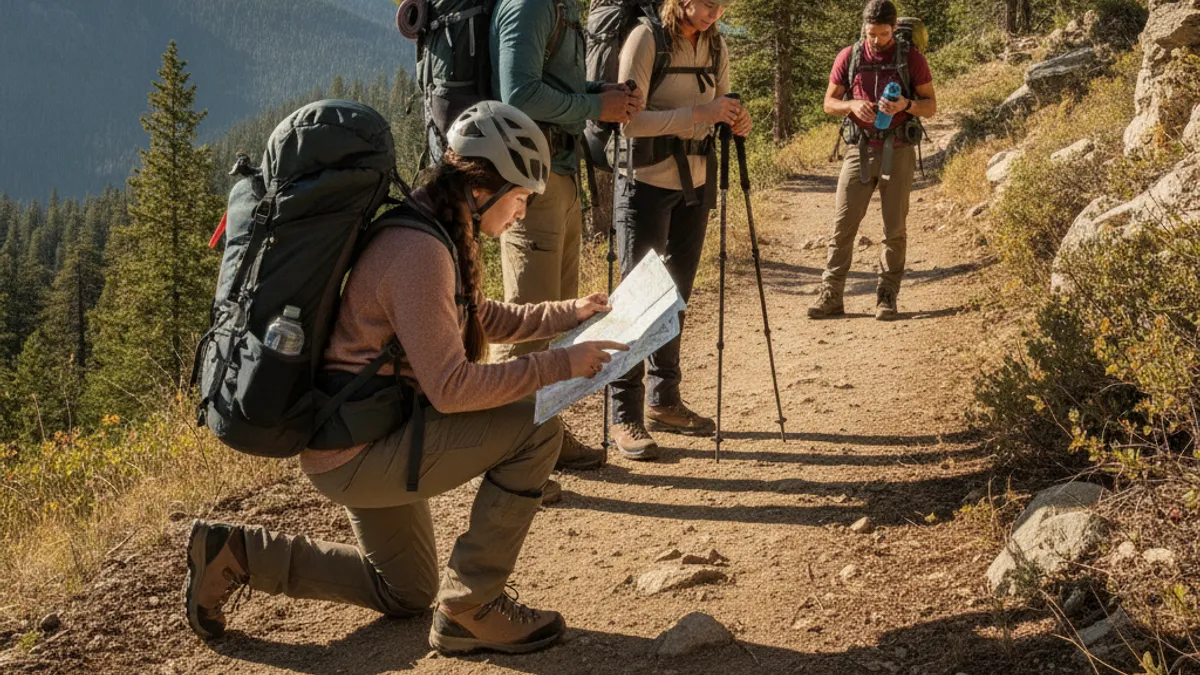
When you set out to improve your hiking, safety should always be a top priority. Even on familiar trails, unexpected situations can arise. Understanding basic safety protocols and being prepared can prevent minor incidents from becoming serious problems. This isn’t about fear; it’s about smart decision-making and self-reliance, whether you’re on a short walk or a multi-day expedition.
Basic First Aid and Preparedness
Knowing how to handle common trail injuries is a fundamental aspect of safe hiking. A well-stocked first-aid kit is essential, but knowing how to use its contents is crucial. From treating blisters to managing minor cuts or sprains, a little knowledge goes a long way. Many outdoor organizations offer wilderness first aid courses that cover these topics in depth.
- Kit Essentials: Include bandages in various sizes, sterile wipes, pain relievers, blister treatment (moleskin, athletic tape), gauze pads, antiseptic cream, and any personal medications. A small survival blanket is also good.
- Common Injuries: Be prepared for scrapes, cuts, blisters, insect bites, and minor muscle strains. Knowing how to improvise bandages or splints can be helpful in a pinch.
- Emergency Plan: Always inform someone of your hiking plans, including your route and expected return time. This is a critical basic safety measure if something goes wrong.
Navigating Safely and Understanding Conditions
Getting lost is a significant risk, particularly if you venture off marked trails or into unfamiliar territory. Developing basic navigation skills, learning to read a map and compass, or use a GPS device effectively, is a vital step in becoming a more confident and safer hiker as of 2026. Understanding the weather forecast and trail conditions can also prevent dangerous situations.
- Map & Compass Skills: Understand contour lines on topographic maps, how to take a bearing, and how to orient your map to your surroundings. Practice these skills in a familiar park before relying on them in the backcountry.
- GPS Devices/Apps: While helpful, never rely solely on electronics. Batteries can die, and GPS signals can be lost in canyons or dense forests. Use them as a supplement to traditional navigation methods.
- Weather Awareness: Check the forecast through multiple reputable sources before you go, and be aware that conditions can change rapidly in mountainous or exposed areas. Mountain weather can be notoriously unpredictable.
- Stay on Trail: Marked trails are there for a reason. Wandering off can lead to getting lost, damaging fragile ecosystems, and encountering unexpected hazards like unstable terrain or wildlife.
Hiking Mistakes to Avoid: Common Stumbles on the Trail
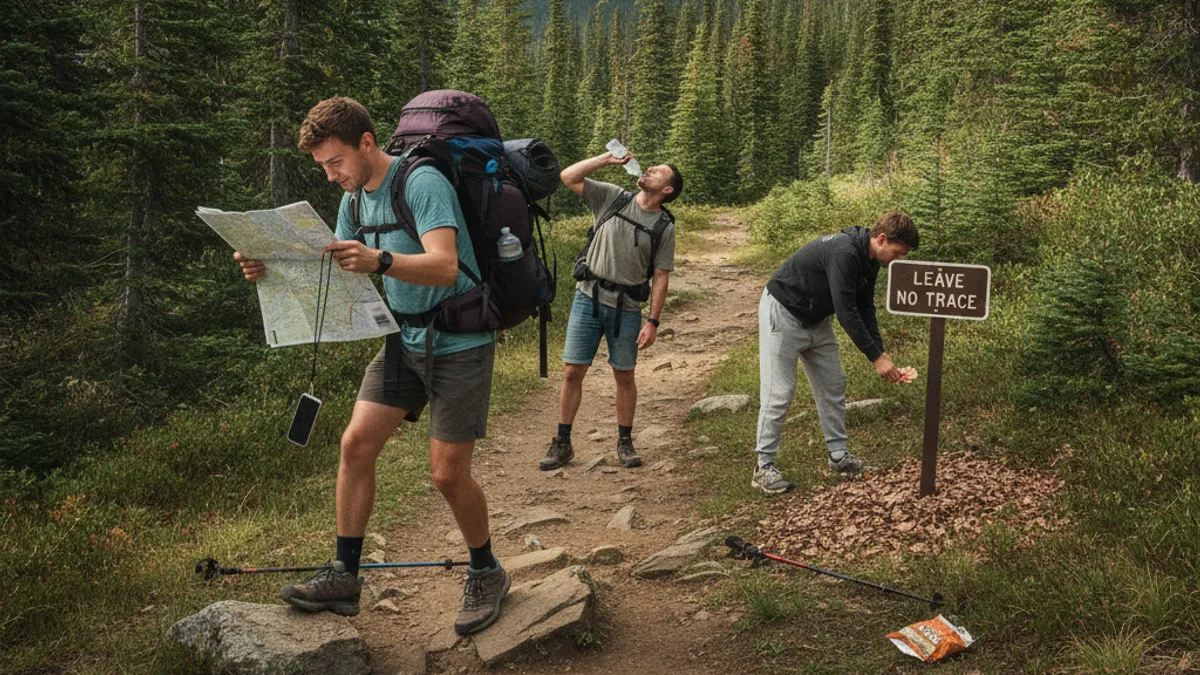
Making progress on the trail also means learning from missteps. Many common problems can be avoided with a little foresight and awareness. These aren’t about major failures, but rather small oversights that can make a hike less enjoyable or even put you at risk. Understanding these pitfalls helps you prepare better and avoid repeating them.
Ignoring Your Gear
Think of your gear as tools. If those tools aren’t right, or if you don’t use them properly, the job gets harder. This often means suffering through discomfort that could have been prevented with better planning or choices. For instance, wearing cotton socks on a long hike is a classic mistake; manufacturing data on performance fabrics shows they wick moisture better than cotton.
- Footwear Fit: Pushing through the pain of ill-fitting hiking boots for beginners or even well-worn shoes leads to blisters, hot spots, and can cause more serious foot issues. Always prioritize comfort and proper break-in.
- Layering Fails: Not bringing enough layers or the wrong kinds of layers means you might shiver in unexpected cold snaps or overheat on sunny climbs, leading to fatigue and discomfort.
- Pack Problems: A pack that’s too heavy or not adjusted correctly can cause shoulder and back strain, making the entire hike a chore. Hiking backpack essentials include proper fitting and load distribution.
Underestimating Hydration and Fuel
This is a huge one, and it affects hikers at all levels. Your body needs a steady supply of water and calories to function optimally, especially during physical exertion. Running out of water or energy is a swift path to fatigue, headaches, and a disappointing end to your hike. Verified buyer feedback reports frequently mention neglecting water refills as a key regret.
- Water Quantity: Many beginners underestimate how much water to drink hiking and carry too little. For a moderate hike over 3 hours, carrying at least 2 liters is often recommended, depending on conditions.
- Electrolyte Balance: When you sweat for extended periods, you lose salts as well as water. This is where electrolytes for hiking become important to prevent cramping and maintain energy levels.
- Snack Strategy: Relying on a single granola bar for a 6-hour trek isn’t enough. Frequent, small snacks provide sustained energy. Editorial analysis of hiker logs shows a correlation between regular snacking and sustained pace. Learn about best hiking snacks for energy and hiking meal prep ideas.
Pushing Too Hard, Too Soon
It’s great to have ambition, but trying to do too much too soon is a recipe for injury and burnout. This often happens when someone is inspired by seeing others hike challenging routes and attempts something far beyond their current fitness level. This can lead to muscle strains, joint pain, or debilitating exhaustion.
- Listen to Your Body: If you feel sharp pain, extreme fatigue, or dizziness, it’s time to rest or turn back. Pushing through these signals is risky.
- Gradual Progression: As discussed in the “Leveling Up” section, each increase in distance, elevation, or pack weight should be incremental. Aggressive jumps lead to problems.
- Pacing: Learn to pace yourself. It’s better to maintain a steady, sustainable pace for the entire hike than to sprint ahead and then crash.
Essential Hiking Gear Considerations
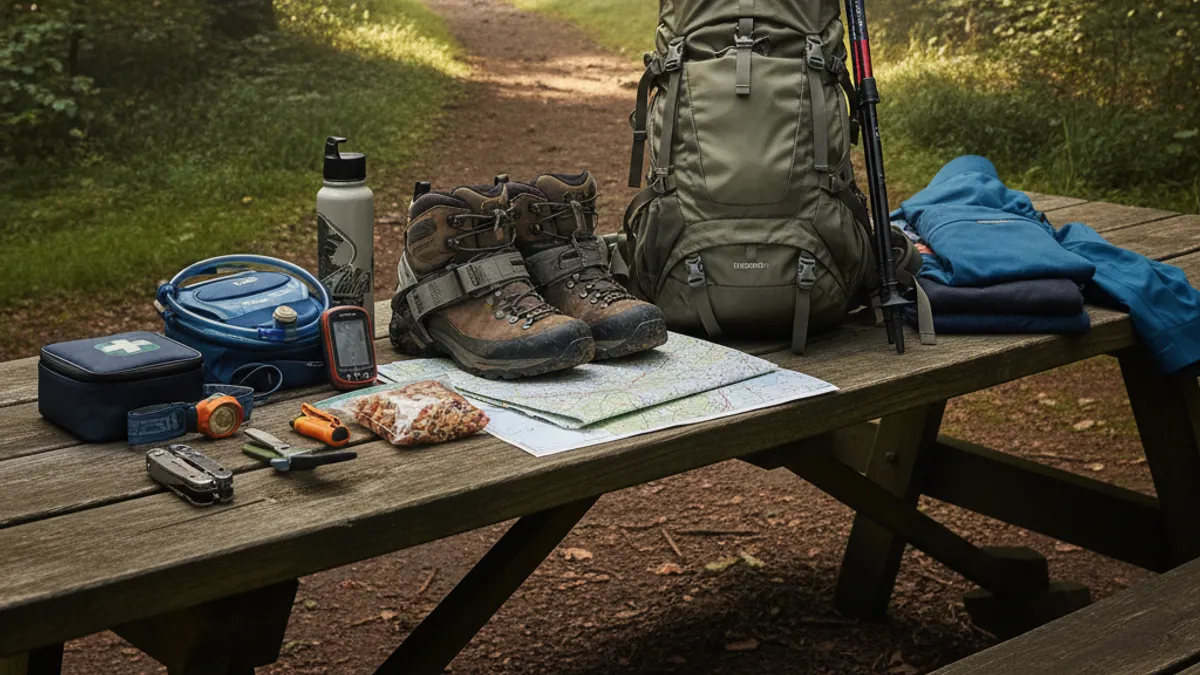
Your gear is your partner on the trail, and selecting the right items can make the difference between a comfortable hike and a miserable one. It’s not about having the most expensive equipment, but rather having functional, well-fitting items that suit your needs and the conditions. Research from gear manufacturers and outdoor organizations consistently highlights a few key areas, particularly concerning comfort and injury prevention.
Footwear: Your First Line of Defense
This is arguably the most critical piece of gear. As aggregate user reviews show, the right footwear provides support, traction, and protection, preventing common issues like blisters and foot fatigue. For many, proper hiking boots for beginners are essential, and understanding how to choose hiking boots is key. These generally offer ankle support and a stiffer sole for varied terrain.
The alternative, trail runners vs hiking boots, offers lighter weight but less support for rugged trails.
- Fit is Paramount: Always try on boots with the socks you intend to wear. Your heel should not lift, and your toes should not jam into the front when walking downhill.
- Traction: Look for deep, multidirectional lugs on the outsole that provide grip on different surfaces, from mud to rock.
- Durability: Well-constructed boots use durable materials like leather or robust synthetics, designed to withstand abrasion from rocks and roots.
- Water Resistance: For wet conditions or stream crossings, waterproof membranes are common, though breathability can be a trade-off. Waterproof hiking boots worth it is a common debate among hikers.
Packs and Layers: Staying Comfortable and Prepared
Beyond footwear, your backpack and clothing system are vital for comfort and safety. A well-fitting pack distributes weight so it feels lighter, and a smart layering system keeps you warm when it’s cold and cool when it’s warm. Manufacturer specifications for technical clothing often highlight breathability ratings, like RET (Resistance to Evaporative Heat Transfer), which indicates how well a fabric allows moisture vapor to escape. This helps prevent clamminess and regulate body temperature.
- Backpack Fit: Adjust the hip belt so it rests on your iliac crest (hip bones) to carry most of the weight. Shoulder straps should hug your shoulders without digging in. For day hikes, hiking backpack essentials are usually packed into a 15-30 liter capacity.
- Layering System:
- Base Layer: Wicks moisture away from your skin. Materials like merino wool or synthetics are ideal. These are often described by their “grams per square meter” (gsm) for weight and warmth.
- Mid Layer: Provides insulation. Fleece jackets or synthetic puffy vests are common, offering warmth without excessive bulk.
- Outer Layer: Protects against wind and rain. A waterproof and breathable shell jacket is crucial for unpredictable weather.
- Clothing Material: Generally, avoid cotton for hiking. It absorbs moisture and dries slowly, which can lead to chilling. Synthetics and wool are preferred for their ability to manage moisture and insulate even when damp. [What to wear hiking for beginners](
