
Exploring the great outdoors offers unparalleled freedom, but it also means sharing the trail with its natural inhabitants. Knowing how to avoid snakes while hiking is a critical skill that boosts your safety and confidence. This isn’t about living in fear, but about smart preparation and practicing responsible outdoor habits.
Our research indicates that many hiking-related incidents could be prevented with a greater understanding of wildlife and trail awareness. For instance, per standards set by the U.S. Forest Service, maintaining a minimum distance of 10 feet from any visible wildlife significantly reduces the chance of a negative encounter. Understanding the simple steps that prevent unwanted meetings allows you to focus on the beauty of your surroundings.
Understanding Snake Behavior and Their Habits on Trails
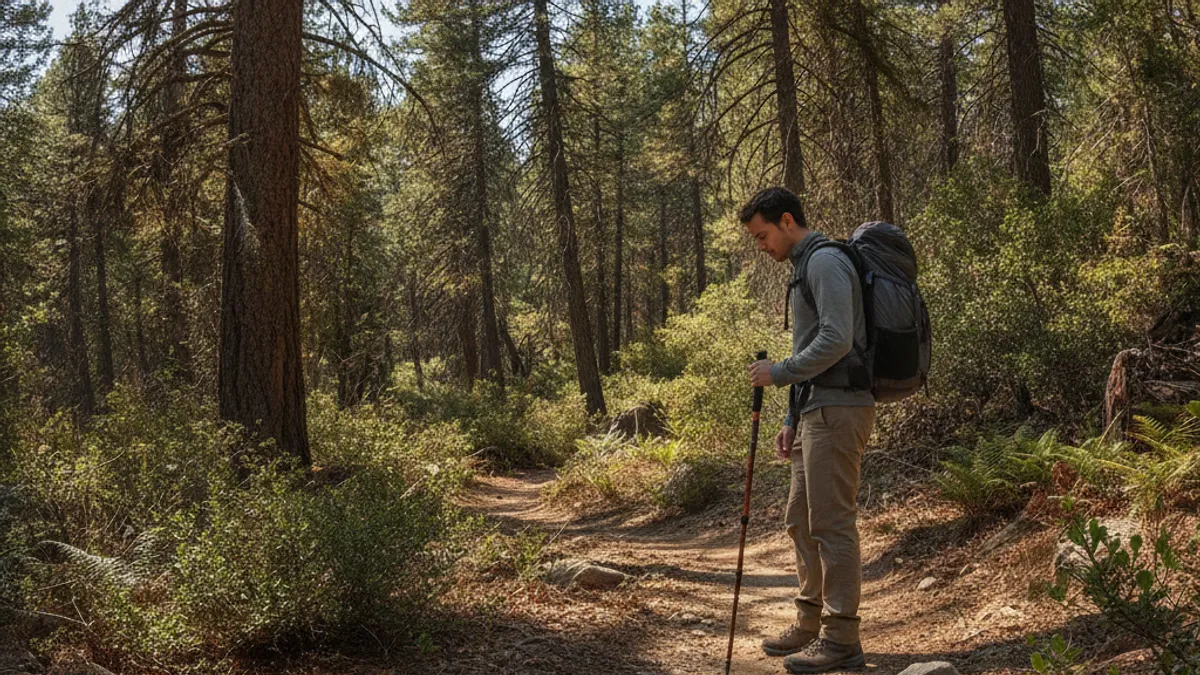
Snakes aren’t actively seeking out hikers to start trouble. Most of the time, they want to be left alone. Their behavior is largely driven by instinct, temperature, and the need to find food or shelter. Understanding these drivers is key to predicting where you might encounter them and how to act accordingly.
Trails Snakes Love (and Why)
Certain trail conditions and locations just seem to attract snakes, especially during warmer months. They often seek out areas where they can warm up, find easy prey, or hide from predators. Knowing these hot spots means you can increase your vigilance in those areas.
- Sun-drenched areas: Snakes are cold-blooded and need external heat to regulate their body temperature. You’ll often find them basking on rocks, logs, or cleared patches of trail where the sun hits directly.
- Rocky outcrops and talus slopes: These provide warm surfaces and plenty of nooks and crannies for snakes to hide, ambush prey, or escape danger.
- Near water sources: Streams, lakes, and even marshy areas can attract small prey animals, which in turn attract snakes.
- Overgrown vegetation: Tall grass, brush, and fallen leaves can offer excellent camouflage and hiding places for snakes. Stick to well-maintained trails whenever possible.
- Pathways and game trails: Snakes, like many animals, will use existing pathways. This is one reason they are often found on or near hiking trails.
When Snakes Are Most Active
Your chances of encountering a snake often depend on the time of day and the season. From an observational standpoint, their activity levels change significantly based on ambient temperature.
- Seasonal Peaks: Snake activity generally ramps up in the spring as temperatures rise after hibernation and continues through the fall. During the hottest parts of summer, they might become less active during midday and more active during cooler mornings and evenings.
- Daily Activity: In cooler weather, you’re more likely to see snakes basking in the sun during the warmest parts of the day. In very hot weather, they may seek shade and become more active at dawn and dusk. Understanding this thermal dependence helps predict their presence.
Recognizing Snake Signs You Might Miss
Sometimes, you might not see the snake itself, but you can spot clues that one has been nearby. These subtle indicators can serve as a warning to be extra aware of your surroundings and to proceed with caution.
- Shed Skins: Snakes shed their skin as they grow. Finding a snake’s shed skin, sometimes intact, is a strong sign that a snake has passed through the area recently.
- Tracks and Trails: In soft soil or mud, you might see the distinct S-shaped trail left by a snake.
- Disturbed Vegetation: Look for matted grass or leaves that suggest something has moved through.
- Sounds: While not a visual sign, be alert for a rustling sound in leaves or grass that could indicate a snake moving away from you.
Your Game Plan: Staying Snake-Aware While Hiking
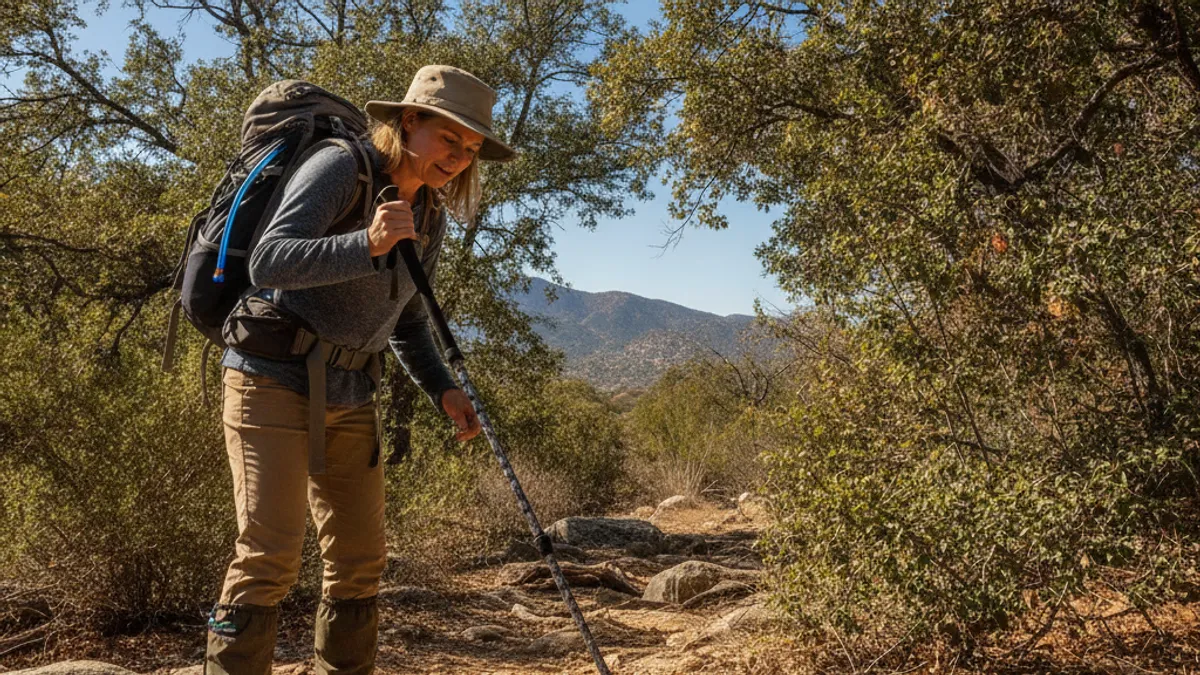
Simply knowing about snakes isn’t enough; you need a proactive strategy. Implementing a consistent awareness routine while you hike dramatically reduces your risk of an unwanted encounter. This approach blends preparation before you leave and mindfulness while you’re on the trail.
Picking the Right Trail and Time to Hike
Trail selection plays a big role in your potential for snake encounters. Some trails are inherently riskier than others, and your timing can make a difference. Our research indicates that certain conditions correlate with higher wildlife activity.
- Daytime Preferred: For general snake avoidance, hiking during daylight hours is usually best. Many venomous species are crepuscular (active at dawn and dusk) or nocturnal, but they also bask during the day. Avoiding hiking in very dim light conditions can help you spot them.
- Check Local Advisories: Before heading out, give a quick check to local park websites or call ranger stations. They often post warnings about increased wildlife activity, including snakes.
- Trail Maintenance Matters: Trails that are well-maintained and regularly cleared of brush offer fewer hiding places for snakes. Overgrown paths or trails that cut through dense underbrush naturally present a higher risk. Consider trails with open, visible pathways when possible.
- Vary Your Route: If you hike the same trails frequently, snakes may become accustomed to human presence, but they can also establish territories. Varying your usual routes can expose you to different environments.
What to Wear for Snake Protection
Your choice of footwear and clothing can offer a surprising amount of protection. It’s not just about comfort; it’s about creating a physical barrier between you and a potential bite. This is a practical application of defensive layering.
- Sturdy Boots are Key: Opt for high-top boots that cover your ankles. This provides a tough barrier against snake fangs. Research suggests that boots made of thick leather, especially those designed for hiking, offer good protection. For example, many hiking boots adhere to standards for puncture resistance in their sole and upper construction. Always check product specifications.
- Recommendation: Look for boots with durable materials like full-grain leather or robust synthetic uppers that extend at least 4-6 inches above your ankle.
- Link: If you’re curious about boot types, check out trail runners vs hiking boots or guides on how to choose hiking boots.
- Avoid Sandals and Low-Cut Shoes: Open-toed shoes or low-cut sneakers offer almost no protection against a snake strike. They leave your ankles, feet, and lower legs completely exposed.
- Consider Gaiters: For an extra layer of defense, especially in areas known for snakes or when hiking through dense bushes, consider wearing hiking gaiters. These fabric coverings extend from your boot top up your calf, adding another protective layer. Information on their use can be found in hiking gaiters what are they for.
- Loose vs. Tight Clothing: While not a primary defense, wearing looser-fitting long pants can offer a slight additional buffer compared to very tight-fitting clothing. However, the primary defense remains sturdy footwear and vigilance.
- Color Doesn’t Matter Much: The color of your clothing is less important than its thickness and coverage. Snakes often rely on camouflage rather than color-matching their environment perfectly.
On the Trail: Practical Steps to Avoid Encounters
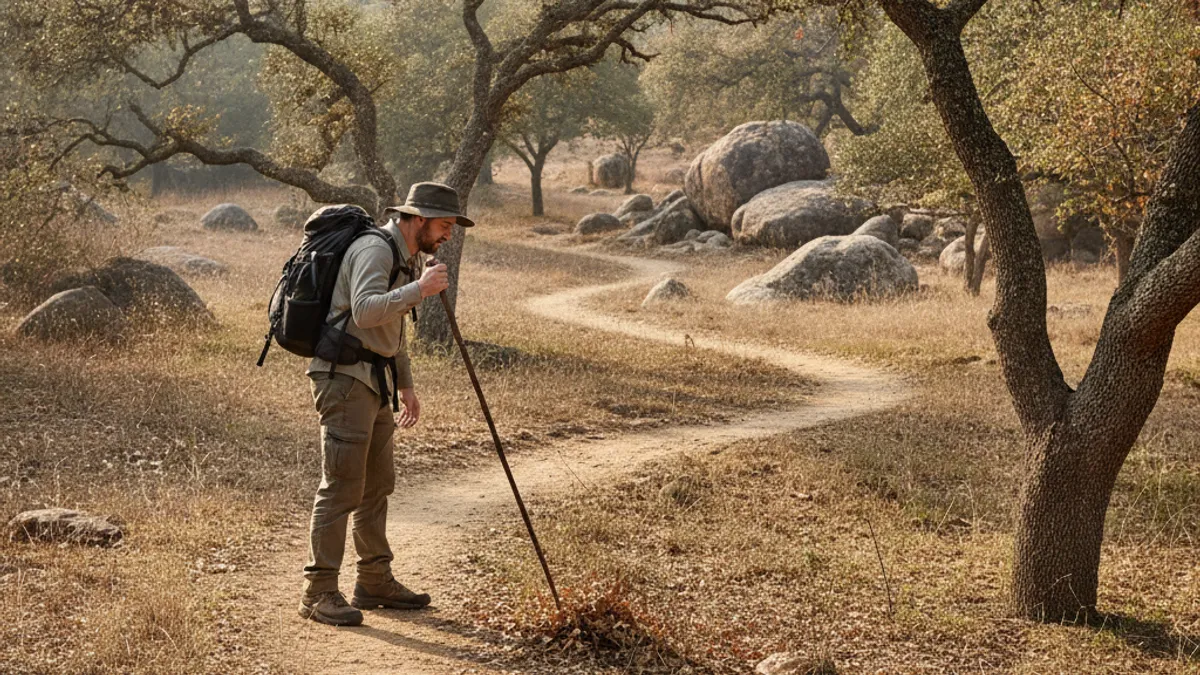
Once you’re out on the trail, your focus shifts to active awareness. This isn’t about being paranoid; it’s about integrating safe practices into your natural hiking rhythm. These are the habits that make all the difference.
Looking Before You Step: Scans and Sound
This is arguably the most critical habit for snake avoidance. Most snake bites occur when people accidentally step on or startle a snake. By being deliberate about where you place your feet and what’s around you, you drastically cut down the surprise element.
- Scan the Path Ahead: Regularly, and especially before taking a step, visually scan the trail directly in front of you and several feet ahead. Pay attention to any movement, shadows, or disturbances in the underbrush.
- Don’t Stare at Your Feet: While it’s important to see where you’re going, don’t fall into the trap of staring down at your feet exclusively. Keep your head up and your gaze sweeping the area.
- Probe with a Stick or Pole: If you’re using trekking poles, as recommended for many hikes, use them to gently probe the ground ahead of you, especially in areas with reduced visibility like tall grass or around blind corners. This can alert a hidden snake to your presence and allow it to move away. For guidance on using poles effectively, check out how to use hiking poles.
- Listen Actively: Beyond just the sound of your own footsteps, listen for rustling in leaves, twigs snapping, or other subtle sounds that could indicate wildlife movement.
- Be Extra Cautious When:
- Climbing over logs or rocks.
- Reaching into dark crevices or under ledges.
- Stopping to rest, especially in sunny or brushy areas.
- Hiking on narrow trails with dense vegetation on either side.
Respecting Their Space: What to Do If You See a Snake
Spotting a snake is not an automatic cause for panic. In most cases, the snake will try to get away from you as quickly as possible. Your best course of action is to remain calm and give it plenty of room to depart.
- Freeze: The very first reaction should be to stop moving immediately. This prevents you from accidentally stepping on or closer to the snake.
- Observe: Take a moment to see where the snake is and if it has already started moving away. Identify if it appears to be venomous or non-venomous, although always err on the side of caution if unsure.
- Back Away Slowly: Once you’ve assessed the situation and the snake is not in immediate proximity or appears to be moving off the trail, slowly and deliberately back away. Give it a wide berth, at least 10 feet, preferably more.
- Do Not Provoke: Never attempt to touch, catch, or throw anything at a snake. Agitating a snake significantly increases the risk of a defensive strike. This includes trying to get a closer look or a “better photo.”
- Circling Around: If the snake is on the trail and not moving, and you must pass, try to find a detour well away from it. If that’s impossible, and you feel it’s safe to do so, give it the maximum possible space by stepping widely off the trail, but be aware of your surroundings for roots, holes, or other hazards before stepping off-trail.
Keeping Pets and Kids Safe
Our furry friends and little ones are often more at risk because they may not have the same awareness or restraint as an adult. Their natural curiosity can lead them into trouble, so extra precautions are essential when they’re along for the hike. Keeping them safe is a top priority.
- Leash Your Pets: Always keep dogs on a leash when hiking, especially in areas with snakes. This prevents them from chasing or investigating snakes, which can lead to bites. A leashed dog is much easier to control and pull away from a dangerous situation.
- Insight: For dog owners, ensuring your pet is fit for the hike is also important. Consider a plan discussed in Hiking Workout Plan For Beginners.
- Supervise Children Closely: Keep a watchful eye on children. Instruct them never to approach or touch any animal they see, including snakes. Teach them to tell an adult immediately if they see a snake.
- Choose Pet-Friendly Trails: If you’re concerned about snakes, research trails known to be less prone to snake activity or where wildlife sightings are less common.
- Know Your Pet’s Vulnerabilities: Some breeds or individual pets might be more curious or prone to investigation. Adjust your vigilance accordingly.
- Educate Your Kids: Talk to your children in an age-appropriate way about respecting wildlife. You can explain that snakes are important parts of the ecosystem and that the best way to interact with them is from a distance.
What If the Unthinkable Happens? Snake Bite Preparedness
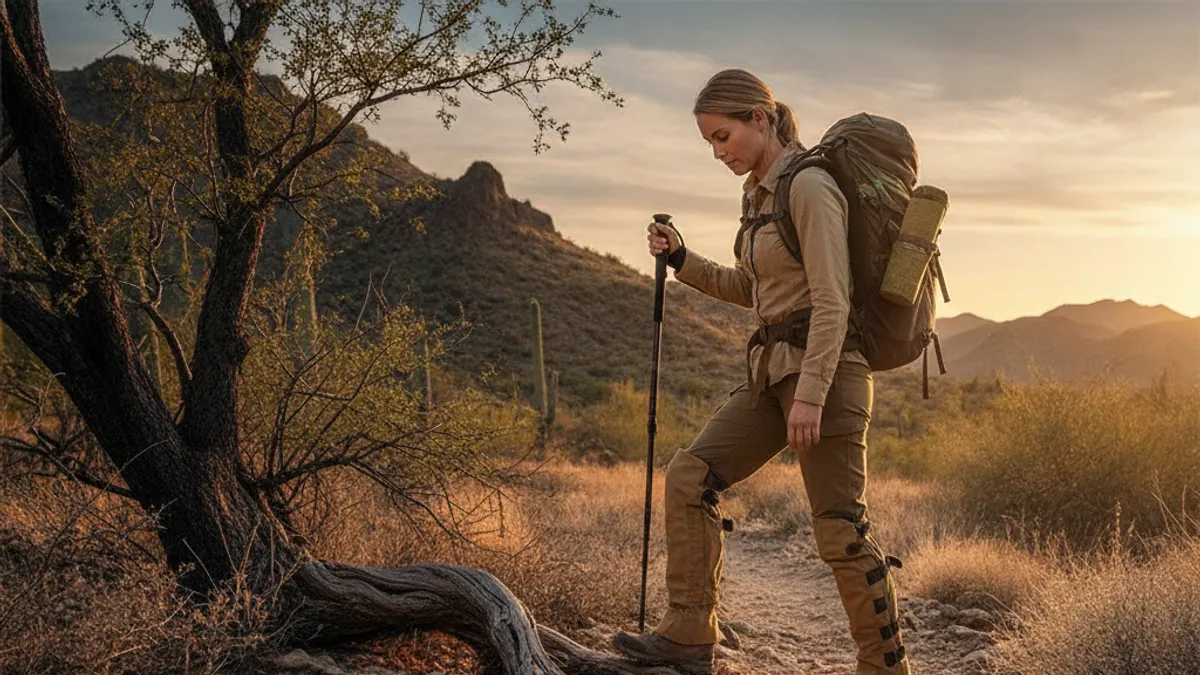
While the goal is always to avoid snake bites, being prepared for the possibility is part of responsible hiking. Knowing what to do and what not to do can make a critical difference in an emergency situation. This knowledge is as important as your first-aid kit.
Recognizing Snake Bite Symptoms
A snake bite can manifest in various ways, depending on whether the snake was venomous and whether it injected venom. It’s crucial to be aware of the signs, as prompt recognition aids in receiving appropriate medical care.
- Immediate Pain: Bites from venomous snakes often cause sharp, immediate pain at the bite site.
- Swelling and Redness: The area around the bite will likely begin to swell, turn red, and may feel warm to the touch. This can spread up the limb over time.
- Discoloration: Bruising or discoloration of the skin may appear at and around the bite mark.
- Puncture Marks: You will typically see one or two distinct puncture marks from the snake’s fangs. However, a “dry bite” (where no venom is injected) may still leave these marks.
- Systemic Symptoms: With venomous bites, you might also experience:
- Nausea or vomiting
- Dizziness or weakness
- Difficulty breathing
- An increased heart rate
- Metallic taste in the mouth
- Numbness or tingling
Immediate Steps: When Every Second Counts
If you or someone you are with is bitten by a snake, a calm, methodical approach is vital. The primary goal is immediate medical attention. Do not attempt to treat the bite yourself beyond these essential steps.
- Call for Emergency Help: The absolute first step is to call emergency services immediately (e.g., 911 in the US). Provide your location as precisely as possible, describe the situation, and mention a snake bite.
- Stay Calm and Still: Try to keep the bitten person as calm and still as possible. Movement increases blood flow, which can speed the spread of venom. Have them lie down if possible.
- Position the Bite Below Heart Level: If practical, try to position the bitten area lower than the person’s heart. This can help slow the venom’s spread.
- Remove Constricting Items: Remove any tight clothing, jewelry, or watches from the affected limb. Swelling can make these items dangerous and constrict blood flow.
- Clean the Wound Gently: If possible, gently clean the bite area with soap and water. Do not scrub vigorously.
- Do NOT:
- Cut the wound.
- Try to suck out the venom.
- Apply a tourniquet.
- Apply ice or heat.
- Give the person alcohol or caffeine.
- Try to catch the snake (if you can describe it without further risk, that’s helpful for medical professionals, but do not endanger yourself).
Common Mistakes That Put You at Risk
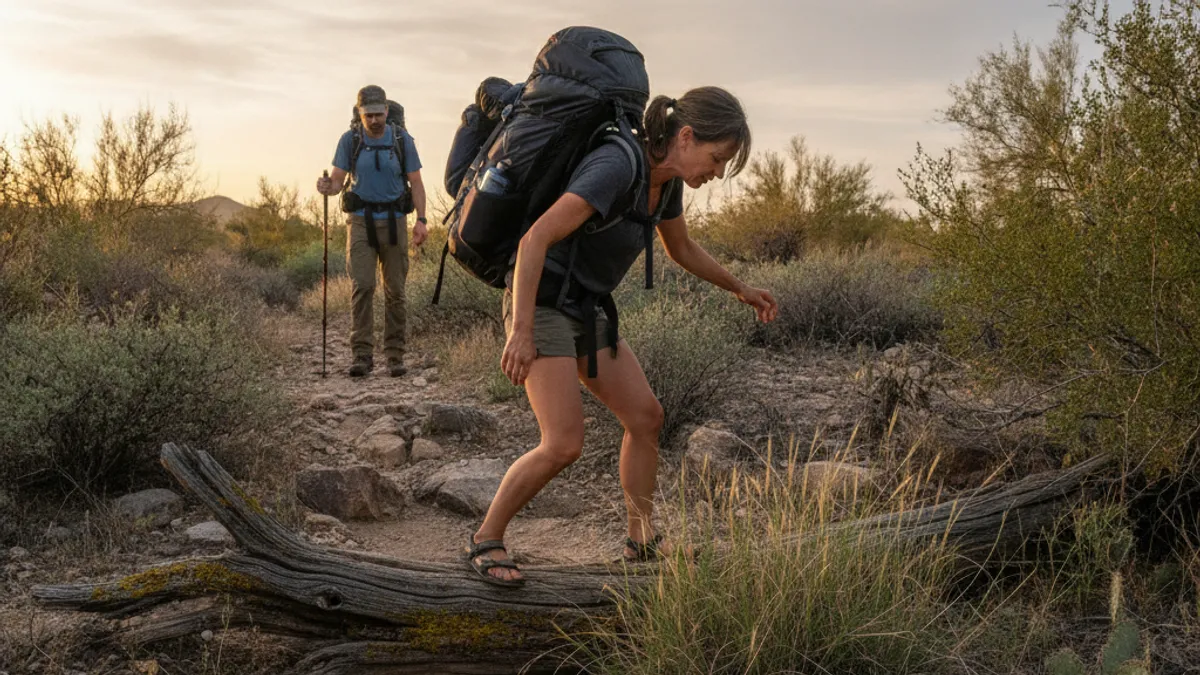
Even with the best intentions, hikers sometimes make errors that increase their chances of a snake encounter or a bite. Being aware of these common pitfalls can help you avoid them and hike more safely.
- Ignoring Your Surroundings: The most frequent mistake is a lack of constant, mindful observation. Tunnel vision on your feet or your conversation leads to you missing critical visual cues.
- Reaching into Unseen Areas: Whether you’re grabbing something from your backpack, reaching under a log for a lost item, or stepping behind dense brush, blindly reaching into unknown spaces is a prime way to encounter a snake unprepared.
- Walking Off-Trail Carelessly: Venturing off established paths without carefully checking your footing and surroundings brings you into direct contact with more potential hiding spots for snakes.
- Underestimating Snake Speed and Aggression: While most snakes flee, a cornered or surprised snake can strike with surprising speed. Assuming they will always move away might lead to getting too close.
- Not Wearing Proper Footwear: Opting for sandals, lightweight sneakers, or even low-cut shoes on a trail known or suspected to have snakes is a significant oversight in personal protection.
- Panicking: If a snake is spotted, panicking can lead to erratic movements that might startle the animal or cause you to stumble, potentially onto it. A calm, measured response is always best.
- Dehydration and Fatigue: When you’re tired and dehydrated, your awareness often dips. This makes you less likely to spot potential hazards. Ensure you’re adequately fueled and hydrated, like following guidance on how much water to drink hiking or looking into electrolytes for hiking.
Expert Advice for Confident Hiking
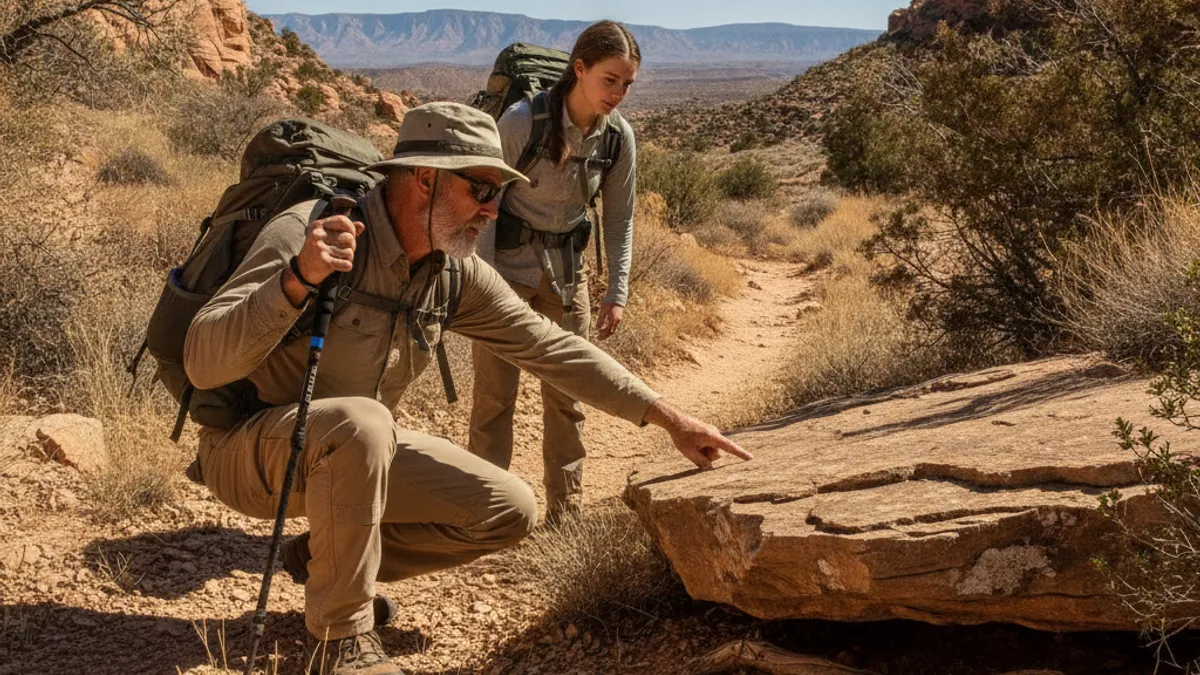
Seasoned hikers and wildlife experts often share a common set of principles for staying safe around snakes. These aren’t complex strategies, but rather ingrained habits that become second nature with practice. Incorporating these points can significantly enhance your peace of mind.
- Embrace the “See and Be Seen” Principle: This applies beyond just visibility in low light. Make yourself “visible” as a human presence. Make noise, use trekking poles to create consistent sounds, and generally signal your passage, allowing wildlife to retreat before you arrive.
- Familiarize Yourself with Local Dangers: Before you hike in a new area, do a quick search for the common venomous snakes in that region. Knowing what a Copperhead looks like versus a Rattlesnake, for example, can inform your visual search. State wildlife agency websites are excellent resources for this.
- Hike with a Buddy: There’s safety in numbers. Having another person with you means an extra set of eyes for spotting potential hazards and immediate assistance in case of an emergency.
- Carry a Basic First-Aid Kit: Beyond bandages, ensure your kit includes items for snake bite protocols if recommended by local emergency services or wildlife agencies. More importantly, knowing how to use them is key. Reviewing a beginner hiking checklist can help ensure you’re packed appropriately.
- Respect All Wildlife: Treat every animal you encounter with respect and curiosity from a distance. A snake is just one of many creatures you might meet; maintaining a wide berth for all contributes to a safer experience.
Verified Information Sources for Trail Safety
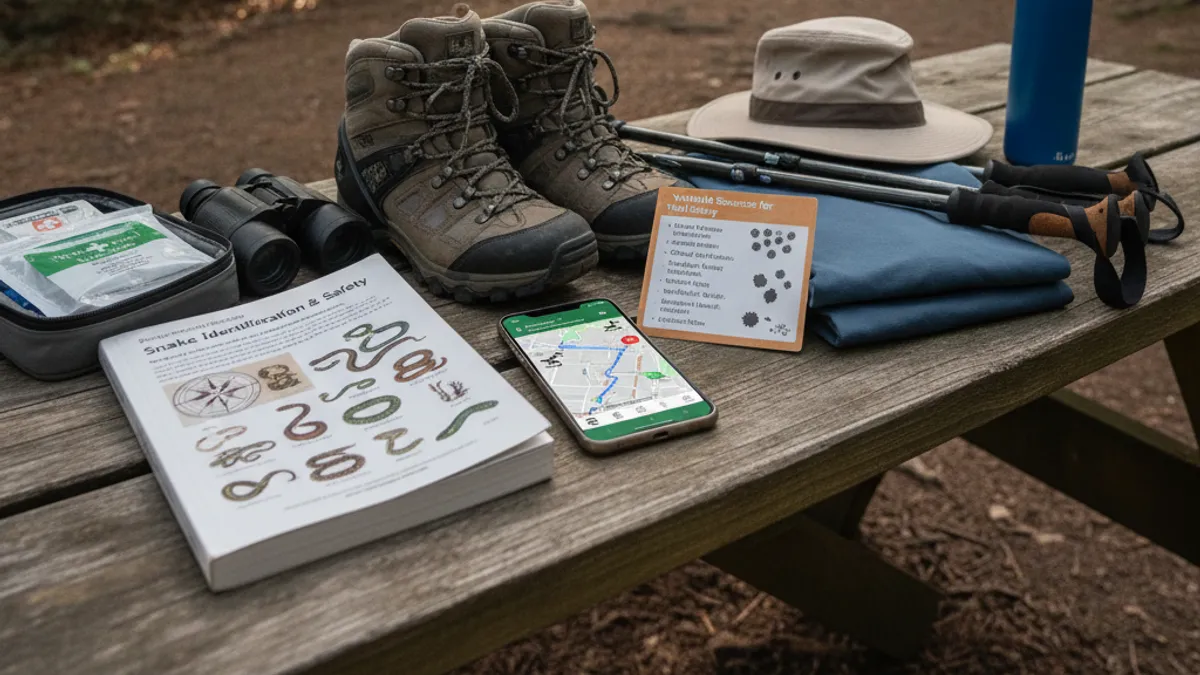
When it comes to wildlife safety, especially concerning potential dangers like venomous snakes, relying on credible sources is paramount. Misinformation can be as dangerous as the hazard itself. Always seek advice from organizations that have a mandate for public safety and wildlife management.
- State Wildlife Agencies: These government bodies (e.g., California Department of Fish and Wildlife, Texas Parks and Wildlife Department) are official sources for information on local wildlife, including snake identification, behavior, and safety recommendations. Their websites (.gov) are invaluable.
- University Extension Programs: Many universities offer wildlife and outdoor safety resources through their extension services (.edu). These are often research-backed and provide practical advice.
- National and State Parks Services: Organizations like the National Park Service (.gov) and state park systems provide visitor guidelines and safety information specific to the areas they manage.
- Reputable Herpetological Societies: While some organizations might be more informal, official, non-profit herpetological societies dedicated to the study and conservation of reptiles can be excellent sources for accurate identification and behavior details. Look for those with clear scientific affiliations or governmental partnerships.
What If the Unthinkable Happens? Snake Bite Preparedness
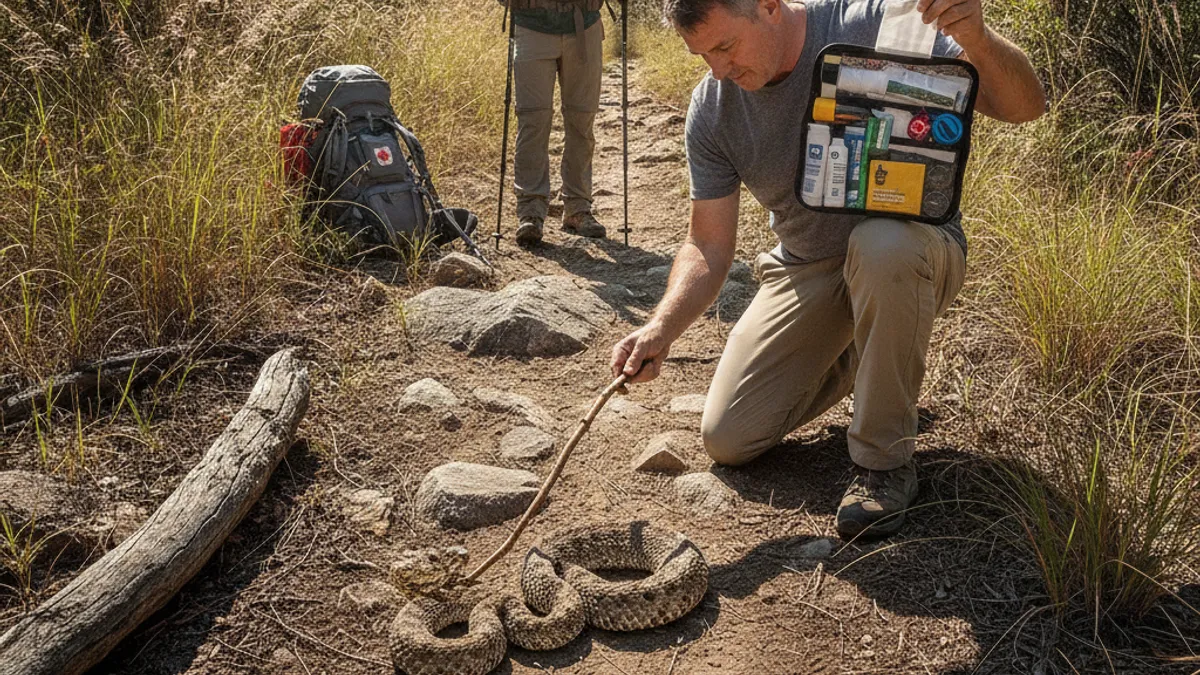
While the goal is always to avoid snake bites, being prepared for the possibility is part of responsible hiking. Knowing what to do and what not to do can make a critical difference in an emergency situation. This knowledge is as important as your first-aid kit.
Recognizing Snake Bite Symptoms
A snake bite can manifest in various ways, depending on whether the snake was venomous and whether it injected venom. It’s crucial to be aware of the signs, as prompt recognition aids in receiving appropriate medical care.
- Immediate Pain: Bites from venomous snakes often cause sharp, immediate pain at the bite site.
- Swelling and Redness: The area around the bite will likely begin to swell, turn red, and may feel warm to the touch. This can spread up the limb over time.
- Discoloration: Bruising or discoloration of the skin may appear at and around the bite mark.
- Puncture Marks: You will typically see one or two distinct puncture marks from the snake’s fangs. However, a “dry bite” (where no venom is injected) may still leave these marks.
- Systemic Symptoms: With venomous bites, you might also experience:
- Nausea or vomiting
- Dizziness or weakness
- Difficulty breathing
- An increased heart rate
- Metallic taste in the mouth
- Numbness or tingling
Immediate Steps: When Every Second Counts
If you or someone you are with is bitten by a snake, a calm, methodical approach is vital. The primary goal is immediate medical attention. Do not attempt to treat the bite yourself beyond these essential steps.
- Call for Emergency Help: The absolute first step is to call emergency services immediately (e.g., 911 in the US). Provide your location as precisely as possible, describe the situation, and mention a snake bite.
- Stay Calm and Still: Try to keep the bitten person as calm and still as possible. Movement increases blood flow, which can speed the spread of venom. Have them lie down if possible.
- Position the Bite Below Heart Level: If practical, try to position the bitten area lower than the person’s heart. This can help slow the venom’s spread.
- Remove Constricting Items: Remove any tight clothing, jewelry, or watches from the affected limb. Swelling can make these items dangerous and constrict blood flow.
- Clean the Wound Gently: If possible, gently clean the bite area with soap and water. Do not scrub vigorously.
- Do NOT:
- Cut the wound.
- Try to suck out the venom.
- Apply a tourniquet.
- Apply ice or heat.
- Give the person alcohol or caffeine.
- Try to catch the snake (if you can describe it without further risk, that’s helpful for medical professionals, but do not endanger yourself).
Common Mistakes That Put You at Risk
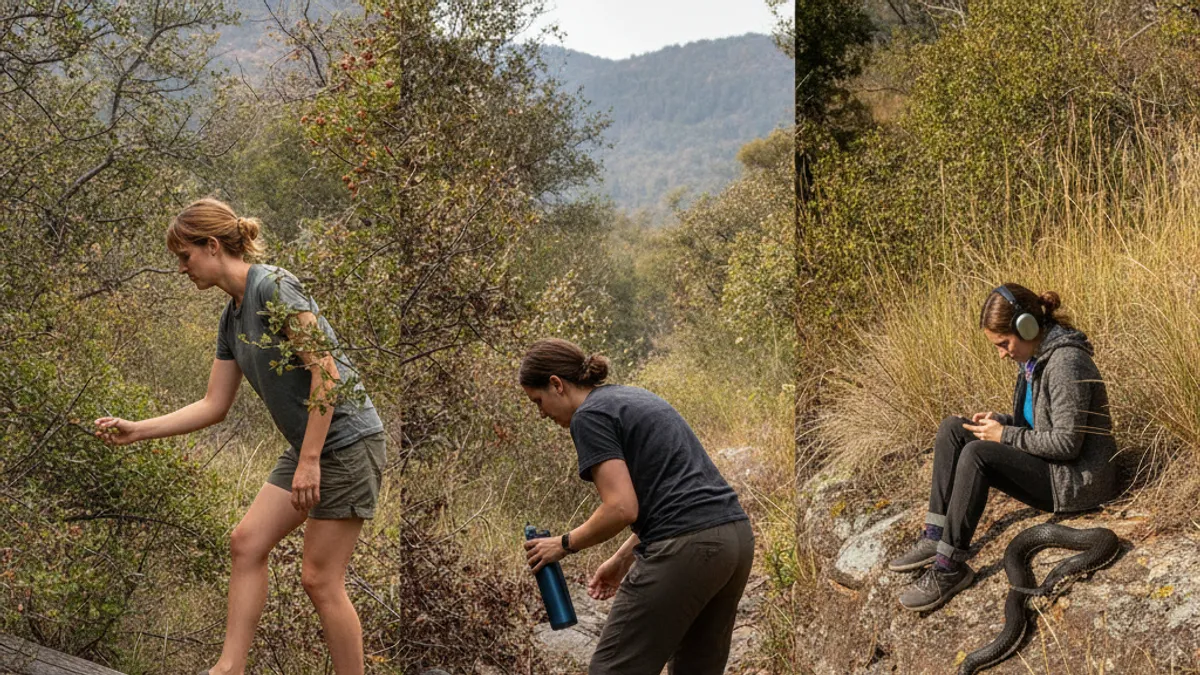
Even with the best intentions, hikers sometimes make errors that increase their chances of a snake encounter or a bite. Being aware of these common pitfalls can help you avoid them and hike more safely.
- Ignoring Your Surroundings: The most frequent mistake is a lack of constant, mindful observation. Tunnel vision on your feet or your conversation leads to you missing critical visual cues.
- Reaching into Unseen Areas: Whether you’re grabbing something from your backpack, reaching under a log for a lost item, or stepping behind dense brush, blindly reaching into unknown spaces is a prime way to encounter a snake unprepared.
- Walking Off-Trail Carelessly: Venturing off established paths without carefully checking your footing and surroundings brings you into direct contact with more potential hiding spots for snakes.
- Underestimating Snake Speed and Aggression: While most snakes flee, a cornered or surprised snake can strike with surprising speed. Assuming they will always move away might lead to getting too close.
- Not Wearing Proper Footwear: Opting for sandals, lightweight sneakers, or even low-cut shoes on a trail known or suspected to have snakes is a significant oversight in personal protection.
- Panicking: If a snake is spotted, panicking can lead to erratic movements that might startle the animal or cause you to stumble, potentially onto it. A calm, measured response is always best.
- Dehydration and Fatigue: When you’re tired and dehydrated, your awareness often dips. This makes you less likely to spot potential hazards. Ensure you’re adequately fueled and hydrated, like following guidance on how much water to drink hiking or looking into electrolytes for hiking.
Expert Advice for Confident Hiking
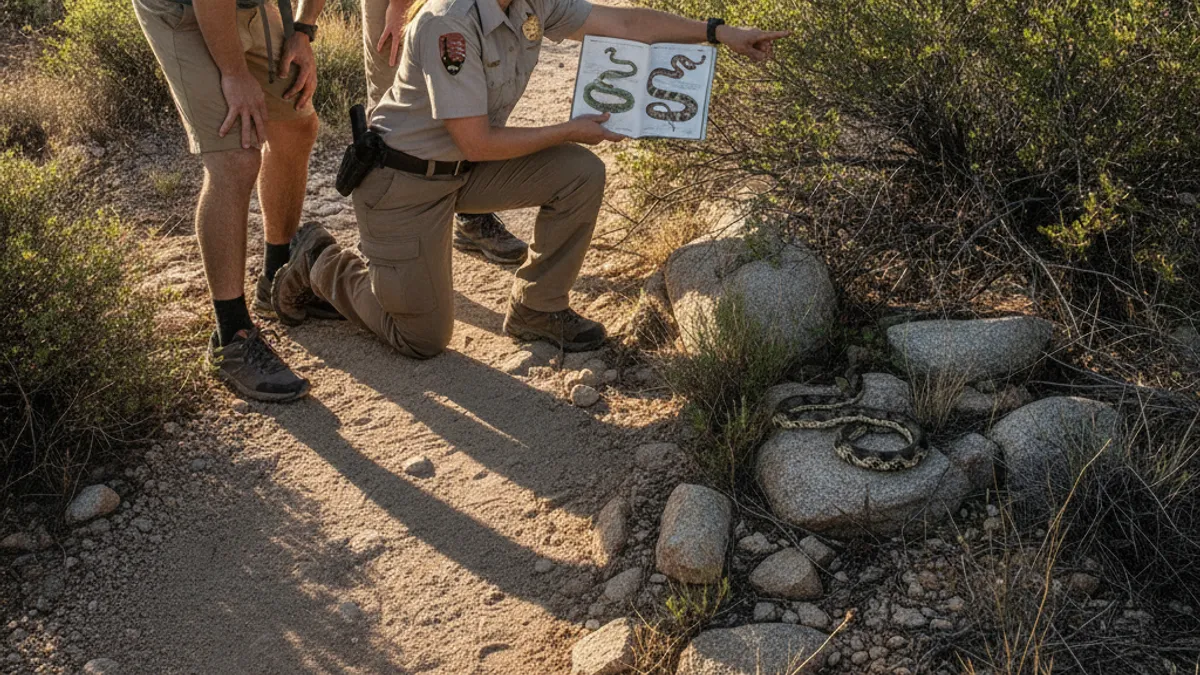
Seasoned hikers and wildlife experts often share a common set of principles for staying safe around snakes. These aren’t complex strategies, but rather ingrained habits that become second nature with practice. Incorporating these points can significantly enhance your peace of mind.
- Embrace the “See and Be Seen” Principle: This applies beyond just visibility in low light. Make yourself “visible” as a human presence. Make noise, use trekking poles to create consistent sounds, and generally signal your passage, allowing wildlife to retreat before you arrive.
- Familiarize Yourself with Local Dangers: Before you hike in a new area, do a quick search for the common venomous snakes in that region. Knowing what a Copperhead looks like versus a Rattlesnake, for example, can inform your visual search. State wildlife agency websites are excellent resources for this.
- Hike with a Buddy: There’s safety in numbers. Having another person with you means an extra set of eyes for spotting potential hazards and immediate assistance in case of an emergency.
- Carry a Basic First-Aid Kit: Beyond bandages, ensure your kit includes items for snake bite protocols if recommended by local emergency services or wildlife agencies. More importantly, knowing how to use them is key. Reviewing a beginner hiking checklist can help ensure you’re packed appropriately.
- Respect All Wildlife: Treat every animal you encounter with respect and curiosity from a distance. A snake is just one of many creatures you might meet; maintaining a wide berth for all contributes to a safer experience.
Verified Information Sources for Trail Safety
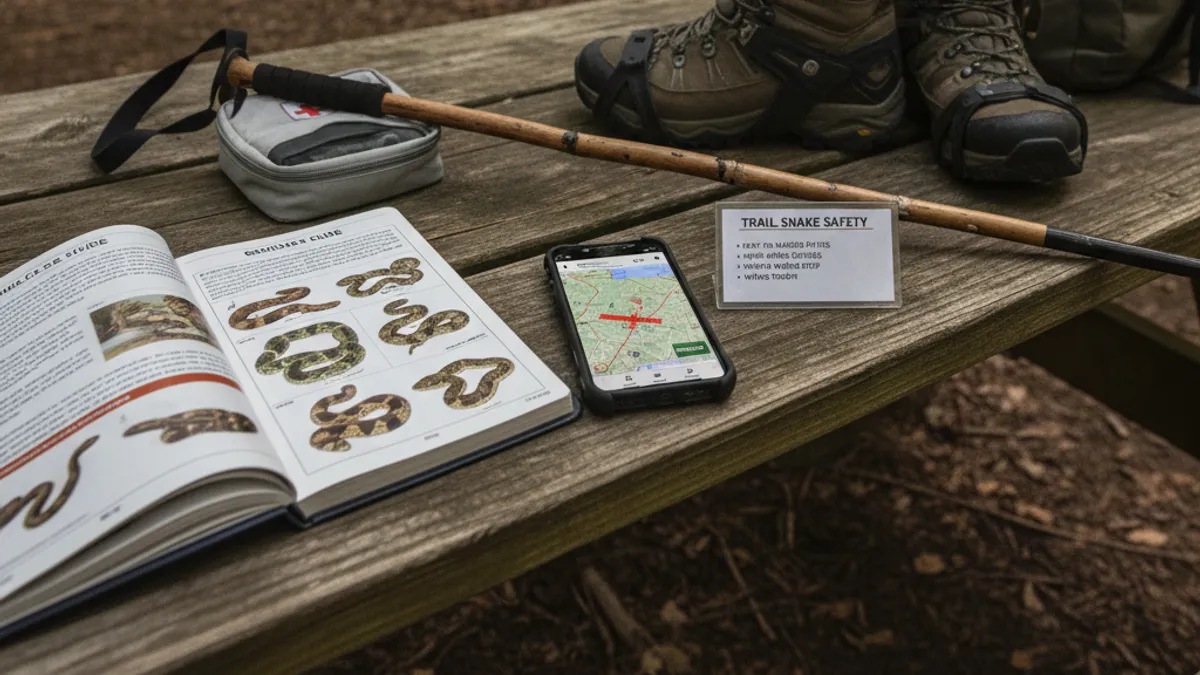
When it comes to wildlife safety, especially concerning potential dangers like venomous snakes, relying on credible sources is paramount. Misinformation can be as dangerous as the hazard itself. Always seek advice from organizations that have a mandate for public safety and wildlife management.
- State Wildlife Agencies: These government bodies (e.g., California Department of Fish and Wildlife, Texas Parks and Wildlife Department) are official sources for information on local wildlife, including snake identification, behavior, and safety recommendations. Their websites (.gov) are invaluable.
- University Extension Programs: Many universities offer wildlife and outdoor safety resources through their extension services (.edu). These are often research-backed and provide practical advice.
- National and State Parks Services: Organizations like the National Park Service (.gov) and state park systems provide visitor guidelines and safety information specific to the areas they manage.
- Reputable Herpetological Societies: While some organizations might be more informal, official, non-profit herpetological societies dedicated to the study and conservation of reptiles can be excellent sources for accurate identification and behavior details. Look for those with clear scientific affiliations or governmental partnerships.
What If the Unthinkable Happens? Snake Bite Preparedness
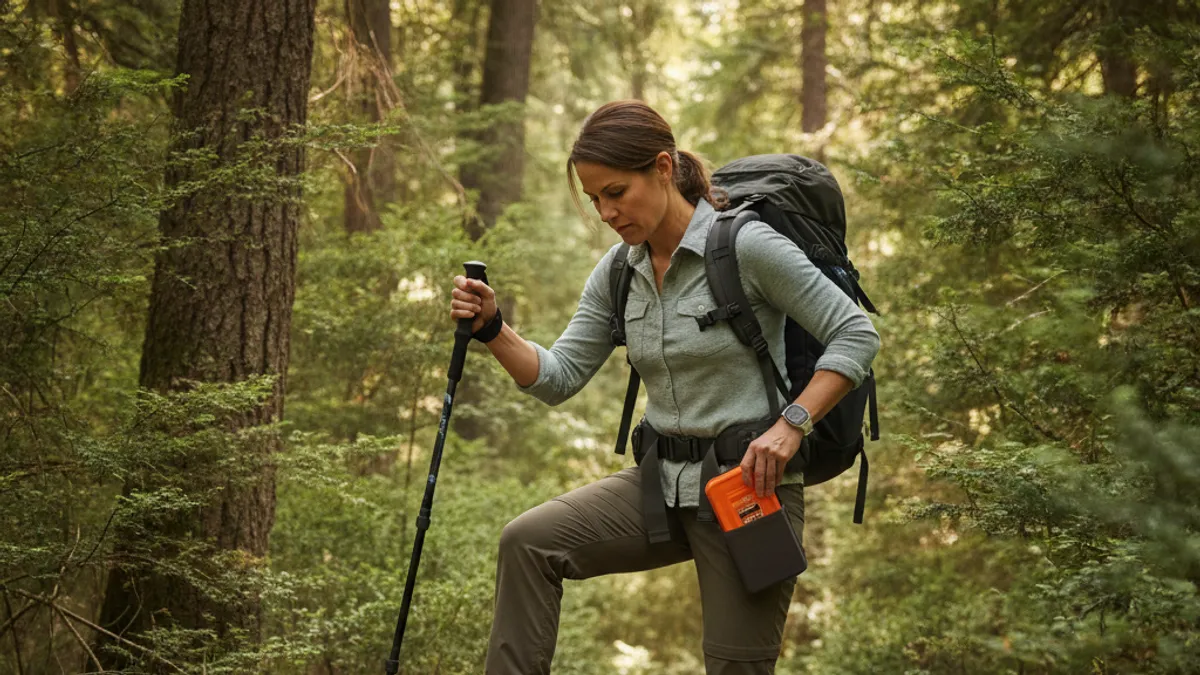
While the goal is always to avoid snake bites, being prepared for the possibility is part of responsible hiking. Knowing what to do and what not to do can make a critical difference in an emergency situation. This knowledge is as important as your first-aid kit.
Recognizing Snake Bite Symptoms
A snake bite can manifest in various ways, depending on whether the snake was venomous and whether it injected venom. It’s crucial to be aware of the signs, as prompt recognition aids in receiving appropriate medical care.
- Immediate Pain: Bites from venomous snakes often cause sharp, immediate pain at the bite site.
- Swelling and Redness: The area around the bite will likely begin to swell, turn red, and may feel warm to the touch. This can spread up the limb over time.
- Discoloration: Bruising or discoloration of the skin may appear at and around the bite mark.
- Puncture Marks: You will typically see one or two distinct puncture marks from the snake’s fangs. However, a “dry bite” (where no venom is injected) may still leave these marks.
- Systemic Symptoms: With venomous bites, you might also experience:
- Nausea or vomiting
- Dizziness or weakness
- Difficulty breathing
- An increased heart rate
- Metallic taste in the mouth
- Numbness or tingling
Immediate Steps: When Every Second Counts
If you or someone you are with is bitten by a snake, a calm, methodical approach is vital. The primary goal is immediate medical attention. Do not attempt to treat the bite yourself beyond these essential steps.
- Call for Emergency Help: The absolute first step is to call emergency services immediately (e.g., 911 in the US). Provide your location as precisely as possible, describe the situation, and mention a snake bite.
- Stay Calm and Still: Try to keep the bitten person as calm and still as possible. Movement increases blood flow, which can speed the spread of venom. Have them lie down if possible.
- Position the Bite Below Heart Level: If practical, try to position the bitten area lower than the person’s heart. This can help slow the venom’s spread.
- Remove Constricting Items: Remove any tight clothing, jewelry, or watches from the affected limb. Swelling can make these items dangerous and constrict blood flow.
- Clean the Wound Gently: If possible, gently clean the bite area with soap and water. Do not scrub vigorously.
- Do NOT:
- Cut the wound.
- Try to suck out the venom.
- Apply a tourniquet.
- Apply ice or heat.
- Give the person alcohol or caffeine.
- Try to catch the snake (if you can describe it without further risk, that’s helpful for medical professionals, but do not endanger yourself).
Common Mistakes That Put You at Risk
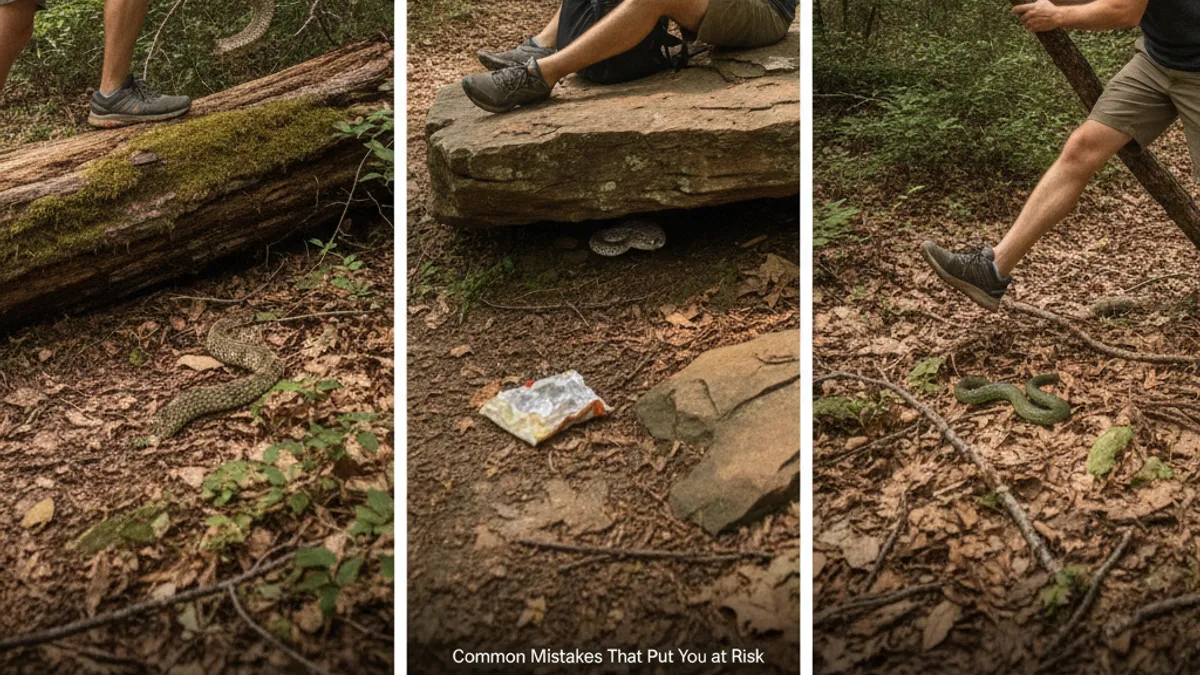
Even with the best intentions, hikers sometimes make errors that increase their chances of a snake encounter or a bite. Being aware of these common pitfalls can help you avoid them and hike more safely.
- Ignoring Your Surroundings: The most frequent mistake is a lack of constant, mindful observation. Tunnel vision on your feet or your conversation leads to you missing critical visual cues.
- Reaching into Unseen Areas: Whether you’re grabbing something from your backpack, reaching under a log for a lost item, or stepping behind dense brush, blindly reaching into unknown spaces is a prime way to encounter a snake unprepared.
- Walking Off-Trail Carelessly: Venturing off established paths without carefully checking your footing and surroundings brings you into direct contact with more potential hiding spots for snakes.
- Underestimating Snake Speed and Aggression: While most snakes flee, a cornered or surprised snake can strike with surprising speed. Assuming they will always move away might lead to getting too close.
- Not Wearing Proper Footwear: Opting for sandals, lightweight sneakers, or even low-cut shoes on a trail known or suspected to have snakes is a significant oversight in personal protection.
- Panicking: If a snake is spotted, panicking can lead to erratic movements that might startle the animal or cause you to stumble, potentially onto it. A calm, measured response is always best.
- Dehydration and Fatigue: When you’re tired and dehydrated, your awareness often dips. This makes you less likely to spot potential hazards. Ensure you’re adequately fueled and hydrated, like following guidance on how much water to drink hiking or looking into electrolytes for hiking.
Expert Advice for Confident Hiking
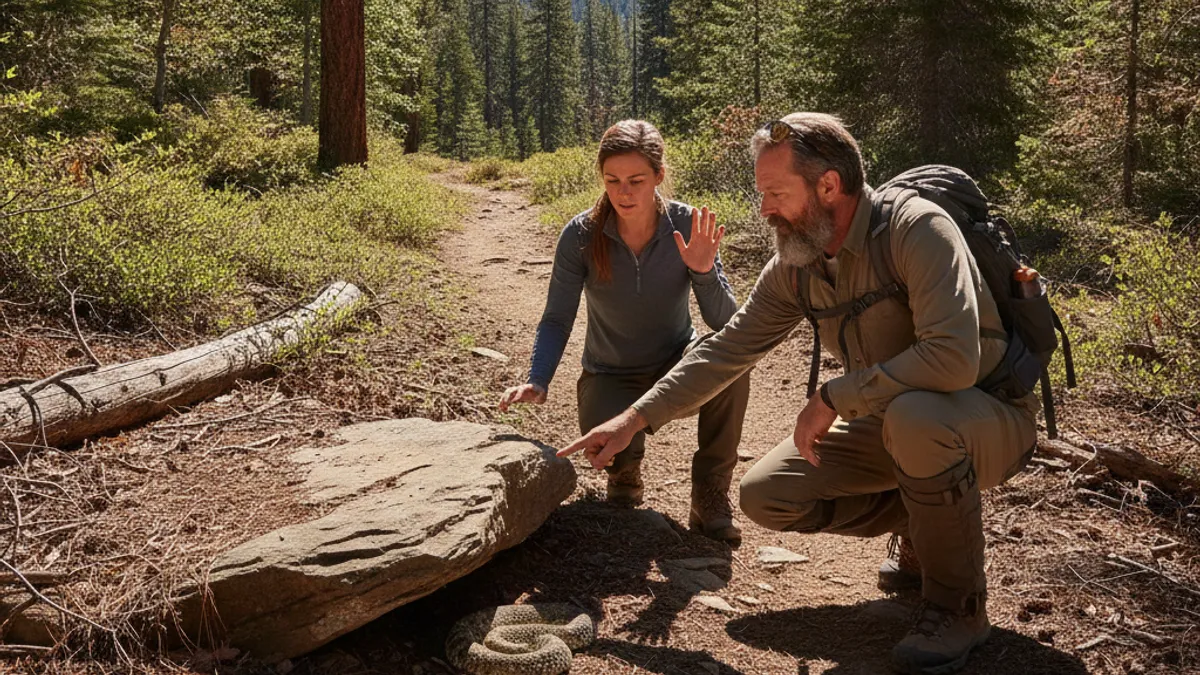
Seasoned hikers and wildlife experts often share a common set of principles for staying safe around snakes. These aren’t complex strategies, but rather ingrained habits that become second nature with practice. Incorporating these points can significantly enhance your peace of mind.
- Embrace the “See and Be Seen” Principle: This applies beyond just visibility in low light. Make yourself “visible” as a human presence. Make noise, use trekking poles to create consistent sounds, and generally signal your passage, allowing wildlife to retreat before you arrive.
- Familiarize Yourself with Local Dangers: Before you hike in a new area, do a quick search for the common venomous snakes in that region. Knowing what a Copperhead looks like versus a Rattlesnake, for example, can inform your visual search. State wildlife agency websites are excellent resources for this.
- Hike with a Buddy: There’s safety in numbers. Having another person with you means an extra set of eyes for spotting potential hazards and immediate assistance in case of an emergency.
- Carry a Basic First-Aid Kit: Beyond bandages, ensure your kit includes items for snake bite protocols if recommended by local emergency services or wildlife agencies. More importantly, knowing how to use them is key. Reviewing a beginner hiking checklist can help ensure you’re packed appropriately.
- Respect All Wildlife: Treat every animal you encounter with respect and curiosity from a distance. A snake is just one of many creatures you might meet; maintaining a wide berth for all contributes to a safer experience.
Verified Information Sources for Trail Safety
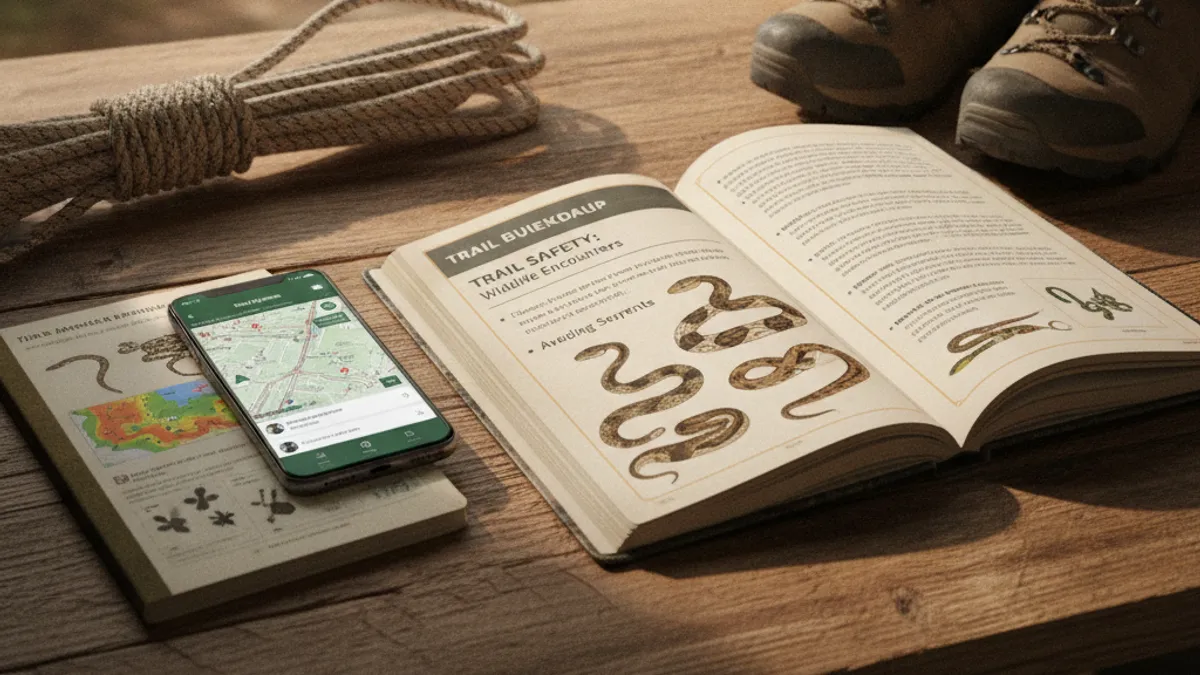
When it comes to wildlife safety, especially concerning potential dangers like venomous snakes, relying on credible sources is paramount. Misinformation can be as dangerous as the hazard itself. Always seek advice from organizations that have a mandate for public safety and wildlife management.
- State Wildlife Agencies: These government bodies (e.g., California Department of Fish and Wildlife, Texas Parks and Wildlife Department) are official sources for information on local wildlife, including snake identification, behavior, and safety recommendations. Their websites (.gov) are invaluable.
- University Extension Programs: Many universities offer wildlife and outdoor safety resources through their extension services (.edu). These are often research-backed and provide practical advice.
- National and State Parks Services: Organizations like the National Park Service (.gov) and state park systems provide visitor guidelines and safety information specific to the areas they manage.
- Reputable Herpetological Societies: While some organizations might be more informal, official, non-profit herpetological societies dedicated to the study and conservation of reptiles can be excellent sources for accurate identification and behavior details. Look for those with clear scientific affiliations or governmental partnerships.
What If the Unthinkable Happens? Snake Bite Preparedness
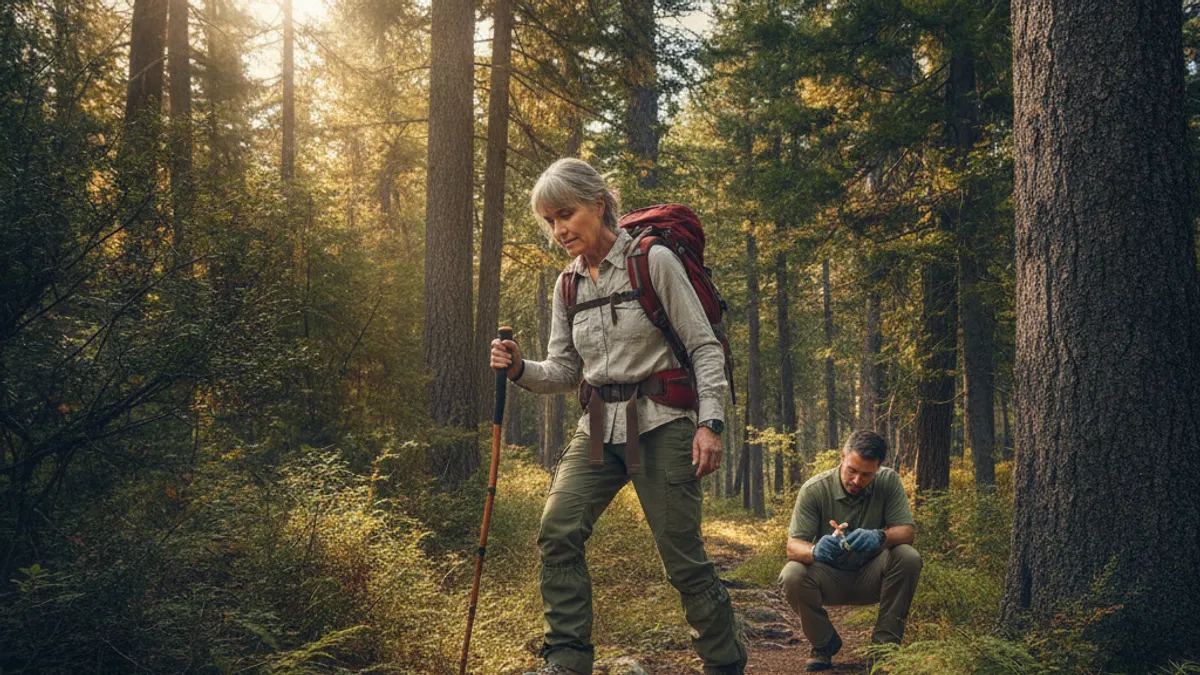
While the goal is always to avoid snake bites, being prepared for the possibility is part of responsible hiking. Knowing what to do and what not to do can make a critical difference in an emergency situation. This knowledge is as important as your first-aid kit.
Recognizing Snake Bite Symptoms
A snake bite can manifest in various ways, depending on whether the snake was venomous and whether it injected venom. It’s crucial to be aware of the signs, as prompt recognition aids in receiving appropriate medical care.
- Immediate Pain: Bites from venomous snakes often cause sharp, immediate pain at the bite site.
- Swelling and Redness: The area around the bite will likely begin to swell, turn red, and may feel warm to the touch. This can spread up the limb over time.
- Discoloration: Bruising or discoloration of the skin may appear at and around the bite mark.
- Puncture Marks: You will typically see one or two distinct puncture marks from the snake’s fangs. However, a “dry bite” (where no venom is injected) may still leave these marks.
- Systemic Symptoms: With venomous bites, you might also experience:
- Nausea or vomiting
- Dizziness or weakness
- Difficulty breathing
- An increased heart rate
- Metallic taste in the mouth
- Numbness or tingling
Immediate Steps: When Every Second Counts
If you or someone you are with is bitten by a snake, a calm, methodical approach is vital. The primary goal is immediate medical attention. Do not attempt to treat the bite yourself beyond these essential steps.
- Call for Emergency Help: The absolute first step is to call emergency services immediately (e.g., 911 in the US). Provide your location as precisely as possible, describe the situation, and mention a snake bite.
- Stay Calm and Still: Try to keep the bitten person as calm and still as possible. Movement increases blood flow, which can speed the spread of venom. Have them lie down if possible.
- Position the Bite Below Heart Level: If practical, try to position the bitten area lower than the person’s heart. This can help slow the venom’s spread.
- Remove Constricting Items: Remove any tight clothing, jewelry, or watches from the affected limb. Swelling can make these items dangerous and constrict blood flow.
- Clean the Wound Gently: If possible, gently clean the bite area with soap and water. Do not scrub vigorously.
- Do NOT:
- Cut the wound.
- Try to suck out the venom.
- Apply a tourniquet.
- Apply ice or heat.
- Give the person alcohol or caffeine.
- Try to catch the snake (if you can describe it without further risk, that’s helpful for medical professionals, but do not endanger yourself).
