
Picking out the right hiking shoes can feel a bit overwhelming, but getting this step right is key to enjoying your time on the trail. Getting it wrong means blisters, sore feet, and a generally miserable experience that can put you off before you’ve even really started. This guide breaks down how to pick hiking shoes that will be your best companion, no matter where you’re headed.
Our research indicates that the best hiking footwear provides a blend of support, protection, and comfort tailored to your specific activity, with many leading manufacturer specifications suggesting a rugged outsole offering superior traction according to ASNI Z359.18 standards for footwear slip resistance. We’ll walk through the different types of footwear, what features really matter, and the essential steps to ensure you make a confident choice.
What Kind of Hiker Are You, Really?
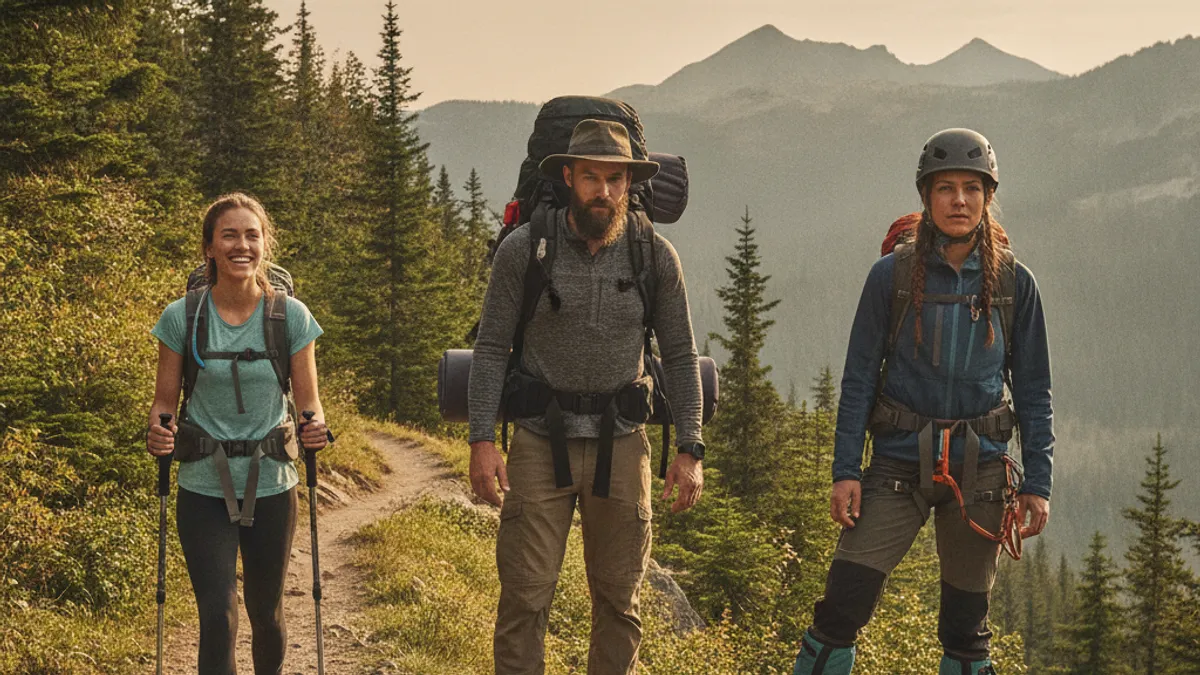
To figure out the best shoes for you, we first need to get clear on your hiking habits. It’s not about picking the most expensive or the most technical shoe; it’s about matching the footwear to the demands of your adventures. Think about where you usually go, how far you typically hike, and the conditions you encounter most often.
- What kind of trails will you be hitting? Are we talking easy, well-worn paths in your local park, or are you planning some serious mountain ascents with rocky, uneven terrain?
- How long are your typical hikes? A quick two-hour stroll is way different from an all-day trek.
- What’s the weather usually like where you hike? Do you need something that can handle wet conditions, or is it mostly dry and dusty?
- Are you carrying a heavy pack? If you’re backpacking, you’ll need more support than if you’re just doing day hikes with a light water bottle.
Answering these will steer us in the right direction, helping us narrow down the options to what truly suits your needs.
The Main Players: A Quick Look
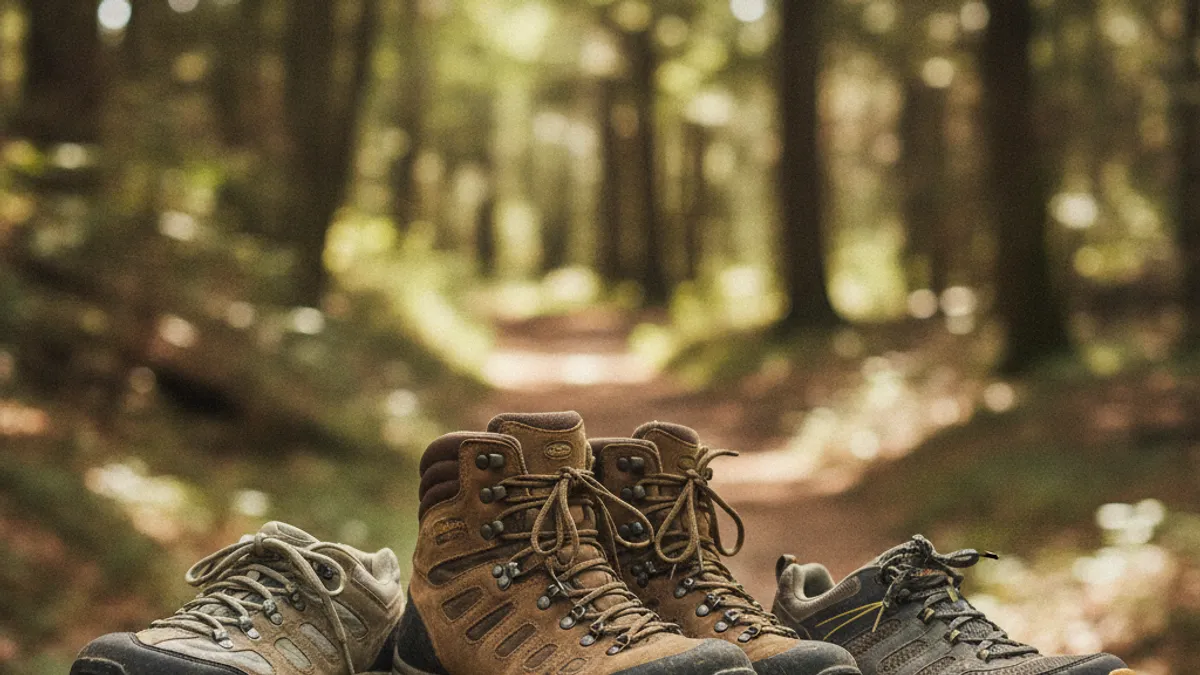
When you’re browsing for hiking footwear, you’ll generally see a few main categories. Each is designed with different types of trails and activities in mind. Understanding these distinctions is the first big step in finding your perfect match.
| Footwear Type | Best For | Key Characteristics |
|---|---|---|
| Hiking Shoes | Day hikes, well-maintained trails, light loads. | Lightweight, flexible, low-cut (don’t cover ankles), feel like a reinforced sneaker. |
| Hiking Boots | Longer day hikes, backpacking, uneven terrain, moderate loads. | Offer more ankle support, better protection, generally more durable than shoes. |
| Trail Runners | Fast-paced hiking, well-maintained trails, minimalist approach. | Extremely lightweight, highly flexible, designed for agility and speed. |
| Backpacking Boots | Multi-day trips, heavy loads, rugged off-trail terrain, serious expeditions. | Maximum ankle support, exceptional protection, built for extreme durability. |
Deep Dive: Finding Your Fit
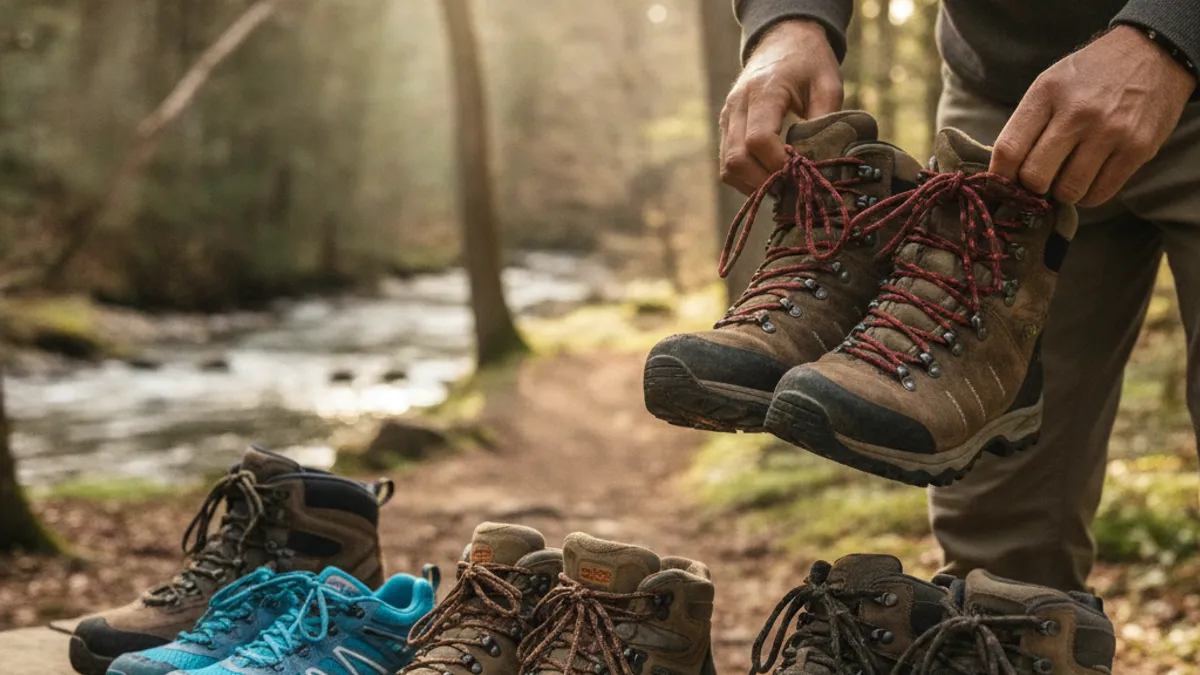
Now, let’s get a bit more specific so you can see which category calls to you. This is where you start matching the shoe’s purpose to your own hiking style and preferred terrain. It’s a decision point: the more rugged your adventures, the more support and protection you’ll likely need.
Hiking Shoes (Think “Sturdy Sneakers”)
These are your go-to for shorter trips or trails that are pretty forgiving. They’re low-cut, meaning they don’t go up over your ankle, so they feel more like a really robust sneaker. Their design prioritizes flexibility and a lighter feel, making them ideal for less demanding excursions.
- Why they’re cool: They’re lightweight and flexible, so your feet can move naturally. This makes them genuinely comfy for just cruising along easy trails. You won’t feel bogged down, and they often require less break-in time compared to heavier boots.
- When to pick ’em: If most of your hikes are under 5-10 miles and on paths that aren’t too gnarly, a good pair of hiking shoes is probably perfect. They’re great with a daypack, too. For instance, if you’re primarily sticking to well-maintained state park trails or gentle fire roads, these should be high on your list for comfort and agility. You can learn more about what to bring on a day hike to pair with your new footwear.
Hiking Boots (The All-Rounder)
These are the classic choice for a reason. They typically come up higher on your ankle, offering more support and protection. This mid-cut design is what really sets them apart from hiking shoes and makes them a popular option for a wide range of activities.
- Why they’re cool: That extra bit of ankle coverage is a game-changer when you’re stepping over rocks or roots. It provides stability and can help prevent ankle rolls, especially on uneven terrain. They also tend to be a bit tougher and can handle more abuse than low-cut shoes.
- When to pick ’em: If you’re going on longer day hikes, doing some light backpacking, or tackling trails with more varied terrain like moderate hills and rocky patches, hiking boots are a solid bet. They’ll give you the confidence to push a little further and feel more secure step after step. If you’re just starting out and aren’t sure what terrain you’ll face, best hiking boots for beginners can offer a great balance.
Trail Runners (The Speedsters)
If you’re all about moving fast and light, trail runners are worth a look. They’re basically road running shoes but with better traction and durability for off-road use. Their design philosophy is simple: get you from point A to point B as quickly and efficiently as possible.
- Why they’re cool: You barely feel them on your feet! They’re super flexible and let your feet do their thing. Great for “fastpacking” or when you just want to feel nimble on the trail. They often feature more aggressive lugs on the outsole than road shoes, providing better grip on dirt, mud, and gravel.
- When to pick ’em: Best for well-maintained trails where you won’t be kicking a lot of rocks or roots, or for those who prioritize speed above all else. If you carry a very light pack and want to feel like you’re floating over the path, these can be awesome. They are also a popular choice for participants in ultramarathons or timed trail races. For a perspective on their differences, consider this comparison: Trail Runners Vs Hiking Boots.
Backpacking Boots (The Heavy-Duty Warriors)
These are for the serious adventurers and thru-hikers. They’re built for carrying heavy loads over multiple days and tackling the most challenging terrain you can find. These boots are constructed for maximum durability and support, ensuring your feet are protected mile after mile.
- Why they’re cool: They offer maximum support for your ankles and feet, protecting you from miles of rough ground and heavy weight. They’re usually made with really tough materials and a stiffer sole that provides excellent stability when you’re carrying a full backpack, which can often weigh 30-50 pounds or more.
- When to pick ’em: If you plan on multi-day treks with a fully loaded backpack, or if you’re heading into the backcountry where every step counts and the terrain is unforgiving, these are your best bet. For example, embarking on a week-long trip in a national park with significant elevation changes would strongly favor this type of footwear. If you’re curious about long-distance travel, understanding What Is Thru Hiking can highlight why these boots are essential.
Key Features to Consider When Picking Your Pair
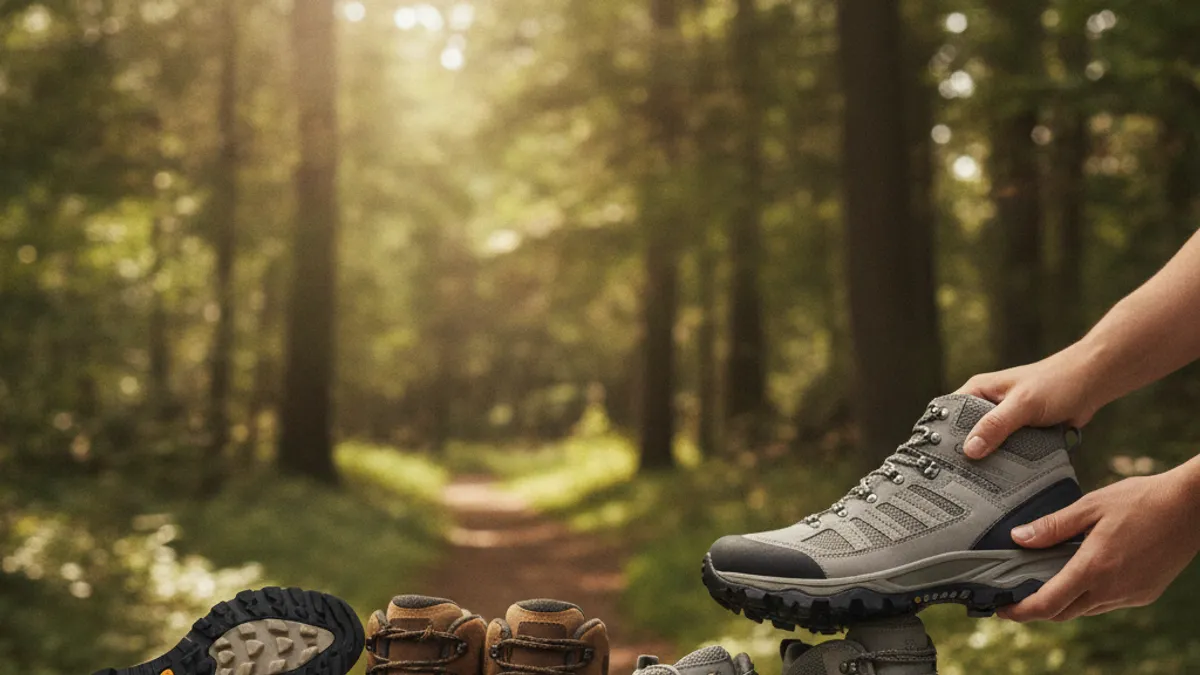
Once you’ve got a general idea of what type of footwear suits your adventures, it’s time to zoom in on the specific features that will make or break your comfort and performance on the trail. It’s not just about the silhouette; it’s about the technology and materials engineered into these shoes.
Waterproofing vs. Breathability
This is a common trade-off. Most hiking shoes and boots come with a waterproof membrane, such as those made by Gore-Tex. This is fantastic for keeping your feet dry when you step in puddles, cross shallow streams, or encounter light rain. However, these membranes can also trap heat and moisture from your own sweat, making your feet feel warm and potentially damp on hot days or during strenuous activity.
- If you hike in wet climates: Prioritize waterproof options. For example, if you live in a region with frequent rain or hike near coastal areas where fog is common, non-waterproof shoes will likely leave your feet soaked from the inside out.
- If you hike in hot, dry climates: Consider non-waterproof shoes or those with enhanced breathability. These will allow more air circulation, helping to keep your feet cooler and reduce the risk of blisters caused by excess moisture. Some models feature very open mesh uppers for maximum ventilation.
Manufacturer specifications often detail the specific waterproof technology used and its breathability ratings, which should be a key factor in your decision as you consider waterproof hiking boots worth it.
Grip and Traction: Staying Upright
The outsole, or the bottom part of your shoe, is what keeps you connected to the ground. Aggressive tread patterns with deep, widely spaced lugs are crucial for providing reliable grip on a variety of surfaces. These lugs are designed to dig into soft ground, channel away mud and water, and provide purchase on rocky or slippery terrain.
- Look for durable rubber compounds: Different rubber compounds offer varying levels of grip and wear resistance. Softer rubbers generally offer better traction, especially on smooth rock, but may wear down faster. Harder rubbers are more durable but can be slicker on wet surfaces.
- Consider the lug design: V-shaped or multi-directional lugs are often effective for helping you climb uphill and descend safely. Some outsoles incorporate a “heel brake”, a distinct backward-facing edge at the heel, to help prevent sliding on steep descents.
Brands often highlight their proprietary outsole technology, promising enhanced grip and durability. For instance, Vibram outsoles are widely recognized in the footwear industry for their performance and longevity.
Support and Cushioning: Your Feet’s Best Friends
The midsole, sandwiched between the outsole and the upper, is where most of the cushioning and support comes from. This layer is critical for absorbing shock with each step, reducing fatigue, and providing a stable platform for your feet.
- Midsole materials: Common materials include EVA (ethylene vinyl acetate) and polyurethane. EVA is lighter and more flexible, offering good shock absorption. Polyurethane is denser, more durable, and offers better support for heavy loads, often found in more robust backpacking boots.
- Arch support: The shape of the footbed and the built-in arch support are vital, especially if you have specific foot types (e.g., flat feet or high arches). Most shoes offer a general level of support, but some allow for aftermarket insoles if you need more specialized arch support.
The amount of cushioning can also vary significantly. A highly cushioned shoe will feel more comfortable on hard surfaces and for long distances, while a less cushioned shoe might offer more ground feel and responsiveness. As of 2026, manufacturers continue to innovate with advanced cushioning technologies designed to reduce impact without sacrificing stability.
Materials: What’s Holding It All Together?
The “upper” of your shoe is the part that wraps around your foot. The materials used here impact durability, breathability, weight, and how quickly the shoe dries.
- Full-grain leather: This is the most durable and water-resistant material. It’s often used in rugged backpacking boots. However, it’s heavier, less breathable, and requires a significant break-in period.
- Split-grain leather with nylon/mesh: This is a common combination. The leather offers some durability and water resistance, while the nylon or mesh inserts enhance breathability and reduce weight. This is a good middle ground for many hiking boots and shoes.
- Synthetics (polyester, nylon): These materials are lightweight, dry quickly, and require minimal break-in. They are often found in trail runners and lighter hiking shoes. Durability can sometimes be a concern compared to leather.
If you’re curious about different types of footwear, you might wonder Are Army Boots Good For Hiking, as they typically use very robust leather uppers.
Collar and Lacing: The Critical Fit Factors
Even the best materials and sole technology won’t matter if the shoe doesn’t fit your foot properly. The collar height and the lacing system play huge roles in how secure and comfortable your footwear feels. Collars come in low-cut (like shoes), mid-cut (like many boots), and high-cut (for maximum ankle support).
- Collar height: Higher collars offer more ankle protection and support, which is beneficial on rough terrain or when carrying a load. Lower collars offer more freedom of movement but less stability.
- Lacing systems: Look for a lacing system that allows for adjustability. Gusseted tongues (where the tongue is attached to the upper along the sides) help keep out water and debris, which is a small but significant detail for comfort. Locking eyelets near the ankle can help you adjust the tightness in different parts of the shoe.
The way a shoe laces up and how the collar hugs your ankle can be the difference between happy feet and sore, chafed skin. If you’re looking to optimize your comfort, consider how your hiking workout plan for beginners might be impacted by foot fatigue and how proper footwear can help.
Mistakes to Avoid When Choosing Hiking Footwear
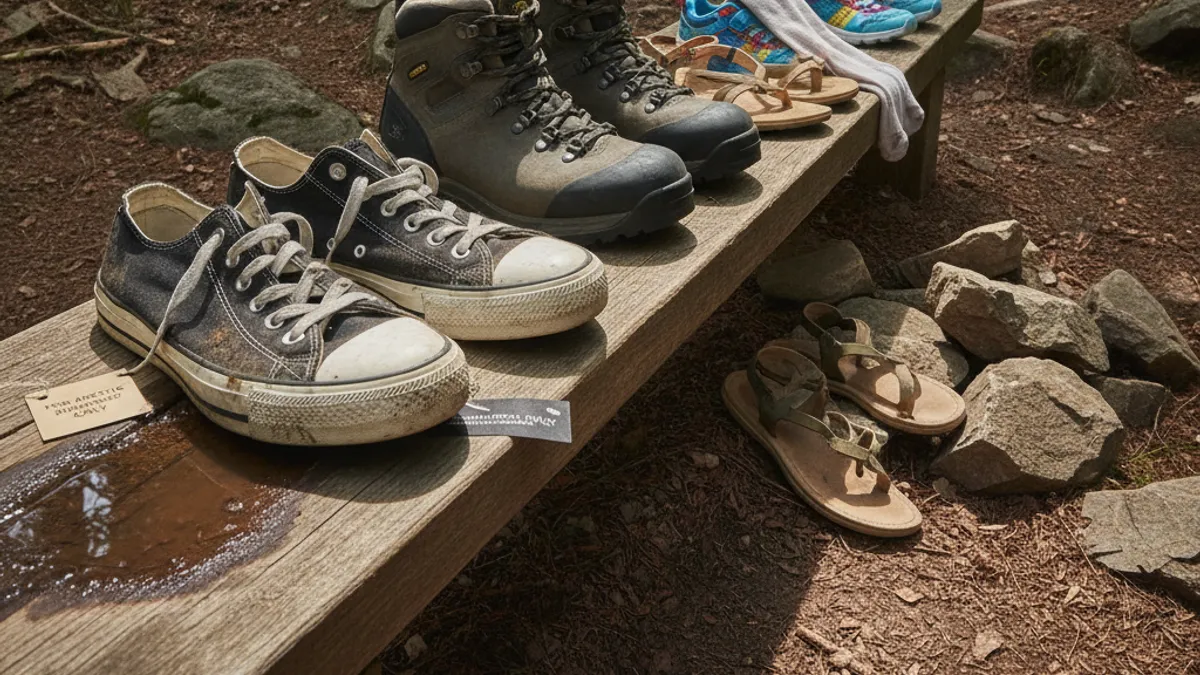
Most hikers have made a wrong shoe choice at some point. Learning from common errors can save you a lot of pain and wasted money. Avoiding these pitfalls means prioritizing function and fit over trends or price alone.
- Buying based on looks alone: Just because a shoe looks rugged doesn’t mean it’s right for your needs. A shoe designed for mountaineering might be overkill or uncomfortable for a gentle trail walk. Always consider the intended use and terrain.
- Not trying them on properly: This is the most crucial step many people rush or skip. Trying on shoes for just a minute in the store isn’t enough. You need to walk around, feel for hot spots, and assess how they flex with your foot.
- Assuming they’ll “break in”: While some break-in is normal, especially for leather boots, significant discomfort or pinching isn’t. If they feel wrong out of the box, they’re unlikely to magically become comfortable. Minor adjustments might be needed, but major changes are a red flag.
- Ignoring the sock factor: Your hiking socks are part of your footwear system. Wearing thin dress socks to try on thick wool hiking socks will give you an inaccurate fit. Always try shoes on with the socks you intend to hike in. The thickness of your socks can add up to a full size.
- Purchasing the wrong size: This is surprisingly common. Shoestrings are designed to control how snugly the shoe fits. Over-tightening to compensate for a shoe that’s too short or too narrow, or leaving them too loose because the shoe is too big, is a recipe for trouble.
Your First Step: Trying Them On Right
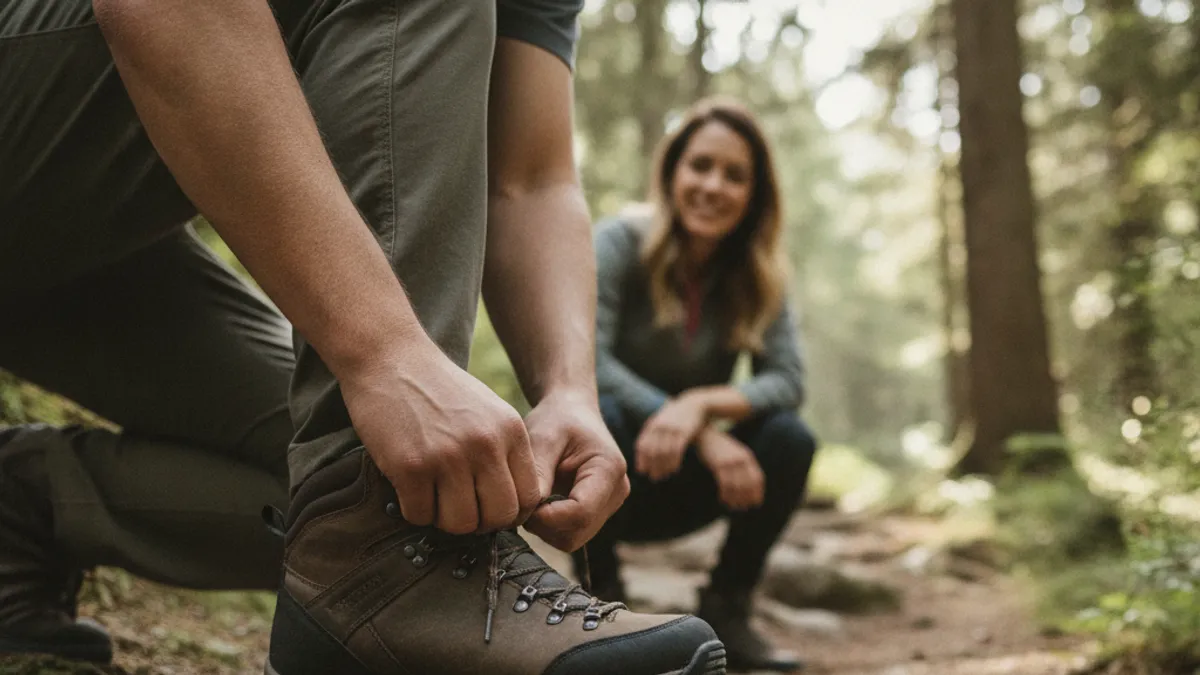
The act of trying on hiking footwear is more than just slipping them on; it’s an assessment process. This is where you truly connect with the shoe and determine if it’s a good match for your feet and planned adventures. As you stand in the store, make sure you’ve got your hiking socks on.
- Go in the afternoon: Your feet naturally swell throughout the day. Trying on shoes late in the afternoon or early evening will give you a more accurate sense of fit, as your feet will be at their largest.
- Check for heel lift: When you walk, your heel should stay put. If it lifts significantly with each step, the shoe’s heel cup might be too big or the wrong shape for your foot, which can lead to blisters.
- Wiggle your toes: You should have enough room to wiggle your toes freely. However, you don’t want so much space that your foot slides forward when walking downhill. A little bit of forward movement is acceptable, but your toes shouldn’t be jamming into the front of the shoe.
- Assess pressure points: Pay attention to any areas that feel tight, pinch, or rub. Walk up and down stairs or on an incline ramp if the store has one. Uphill walking can reveal if your toes are hitting the front, while downhill can highlight heel slip or pressure on the top of your foot.
If you’re considering investing in new gear, remember that proper hydration is just as critical on the trail. Learning How To Stay Hydrated On A Hike and the importance of Electrolytes For Hiking can significantly enhance your overall experience.
Final Recommendation: Match the Shoe to Your Adventure
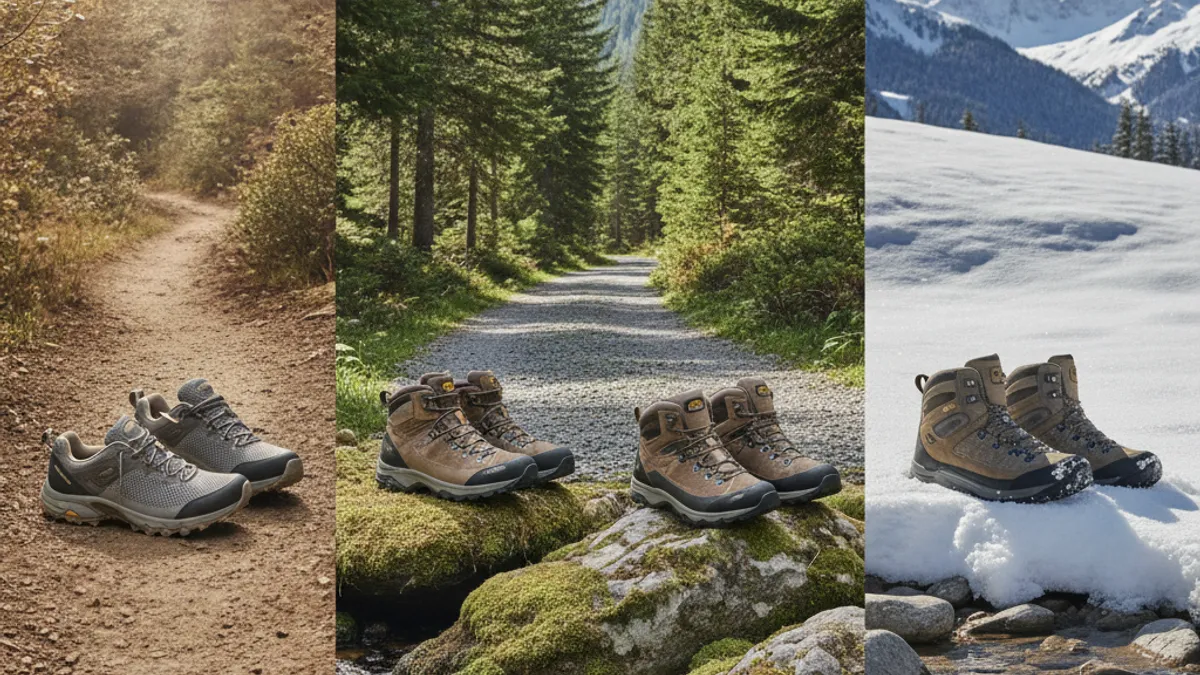
After considering the types of footwear, key features, and how to properly try them on, the best choice for you becomes clearer. It’s not about finding a single “best” shoe, but the best shoe for your specific hiking activities, foot shape, and personal preferences.
- For casual day hikes on well-groomed paths: Lightweight hiking shoes or nimble trail runners will likely provide the most comfort and flexibility.
- For longer day hikes or moderate backpacking with a lighter pack: Mid-weight hiking boots offer a good balance of support, protection, and durability.
- For multi-day treks with heavy loads and challenging terrain: Sturdy backpacking boots are essential for providing the necessary ankle support and underfoot protection.
Ultimately, the goal is to find footwear that feels like an extension of your own body, allowing you to focus on the trail ahead rather than on your feet. Investing time in the selection process is an investment in your comfort, safety, and enjoyment of the outdoors.
