
Figuring out how to plan a sustainable hiking trip is becoming less of a niche concern and more of a common sense approach for enjoying the outdoors responsibly. It’s about maximizing your adventure while minimizing your footprint, ensuring these wild places stay pristine for everyone, now and in the future. This isn’t about ditching your favorite gear or becoming a wilderness hermit.
It’s about making informed choices, from the fuel you use to get to the trailhead to the way you pack out what you pack in. For instance, adhering to the seven Leave No Trace principles, a framework developed by the Leave No Trace Center for Outdoor Ethics, is a proven way to reduce your impact on natural environments. As of 2026, these principles remain the gold standard for responsible outdoor recreation.
Why Sustainable Hiking Matters

At its heart, sustainable hiking is about acknowledging that we are guests in nature’s home. Every time we step onto a trail, we interact with delicate ecosystems. Our goal is to make that interaction as positive and unobtrusive as possible. This means more than just picking up litter; it’s a comprehensive approach to how we play outside.
The Core Problem: Our Impact on Trails
Let’s be candid: even the most well-intentioned hiker can leave behind unintended consequences. Think about widespread issues like trail erosion, which can alter water flow and habitat. Then there’s the challenge of litter, from food wrappers to discarded gear, which not only spoils the view but can harm wildlife. Our cumulative actions, whether intentional or not, can degrade the very places we seek to enjoy.
Leaving a Lighter Footprint: The Goal of Sustainable Hiking
The aim of sustainable hiking is straightforward: to enjoy the outdoors in a way that minimizes negative effects and, where possible, even contributes positively. This involves understanding the environmental, social, and even economic dimensions of our trips. It’s about making choices that preserve the natural beauty and ecological integrity of the places we visit.
1. Before You Go: The Big Picture Decisions
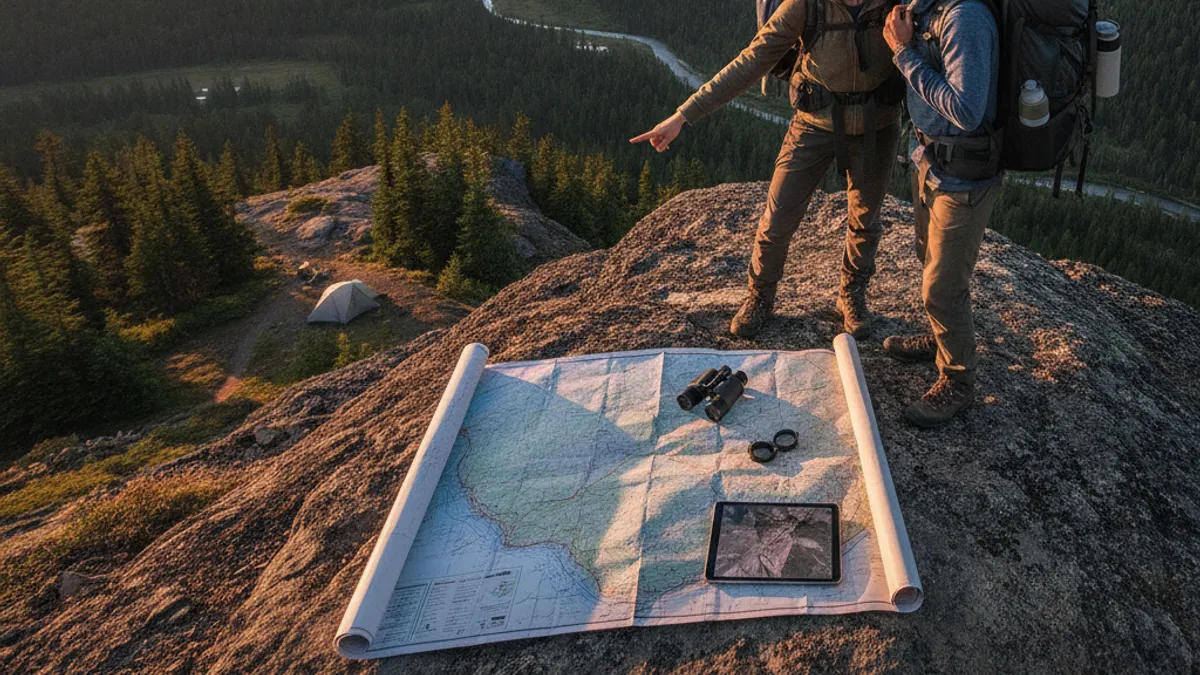
The most impactful sustainability choices happen long before you tie your boots. Thinking critically about where you’ll go and how you’ll get there sets the stage for a truly low-impact adventure. This upfront planning is where you can make some of the biggest differences.
Choosing Your Destination Wisely
Not all trails or parks are created equal when it comes to their ability to handle visitor traffic. Some areas are more resilient than others, while others are already experiencing the strain of overuse. Making an informed choice here can significantly reduce your environmental footprint.
Assessing Trail Impact and Seasonality
When selecting a destination, consider its remoteness and the type of terrain. High-traffic, easily accessible areas might be more prone to erosion and habitat disturbance. Our research indicates that trails experiencing over 500 visitor-days per mile annually are at higher risk of degradation. Conversely, less popular or more rugged trails might require a higher level of preparedness but often have a lower collective impact.
Seasonality plays a huge role too; hiking during shoulder seasons can reduce pressure on popular spots. It’s wise to check park service websites for current conditions and any advisories.
Understanding Local Regulations and Permits
Different regions and protected areas have specific rules designed to manage visitor impact. This could include requirements for permits for overnight stays, restrictions on campfires, or guidelines for waste disposal. For example, many national parks require backcountry permits months in advance, especially for popular overnight routes. Failing to secure necessary permits can lead to fines.
Always check the official website for the specific park or wilderness area you plan to visit well ahead of your departure date to ensure you’re compliant and prepared.
Planning Your Transportation Ethically
How you get to the trailhead often represents a significant portion of your trip’s carbon footprint. Thinking creatively about transportation can make a big difference for the planet. Even small adjustments here add up.
Carpooling and Public Transit Options
If you’re traveling with friends or family, carpooling is a fantastic way to reduce the number of vehicles on the road. Sharing rides not only cuts down on emissions but also helps alleviate parking congestion at popular trailheads. For some destinations, public transportation options, like buses or trains, might be available. While this can sometimes require more planning, it’s often the most eco-friendly way to reach your starting point.
Look into local transit schedules or shuttle services that might serve popular hiking areas.
Minimizing Carbon Emissions
Beyond carpooling, consider other ways to lower your transportation emissions. If driving is your only option, ensure your vehicle is well-maintained for optimal fuel efficiency. For instance, properly inflated tires can improve gas mileage by up to 3%. If your trip involves flying, look for direct flights where possible, as takeoffs and landings consume the most fuel.
Some individuals even factor in the carbon cost of their travel and opt to offset it through reputable environmental organizations, though this is an additional step beyond planning.
2. Gear Up the Green Way

The gear we carry has a direct environmental impact, from its production to its disposal. Choosing products made with sustainability in mind is a key part of planning a responsible outdoor adventure. This means looking beyond just price and performance.
Selecting Eco-Friendly Hiking Essentials
Many outdoor brands are now offering lines of products designed with environmental impact at the forefront. This often involves using more sustainable materials and manufacturing processes. Keep an eye out for these options when you’re shopping.
Gear Materials: Recycled vs. Virgin
When researching hiking apparel and equipment, pay attention to the materials used. Products made from recycled fabrics, such as recycled polyester or nylon, divert waste from landfills and reduce the need for virgin resource extraction. For example, many sleeping bags and jackets now feature insulation or shell materials made from post-consumer plastic bottles. While recycled content is excellent, also consider the durability and longevity of the item; a well-made item that lasts for years is more sustainable than a cheaper one that needs frequent replacement.
Durable vs. Disposable: Making Smart Choices
The principle here is simple: buy items that are built to last. Investing in high-quality, durable gear means you’ll replace it less often. This reduces consumption and waste over the long term. Think about items like sturdy hiking boots, reliable water bottles, and well-constructed backpacks.
While these may have a higher upfront cost, their extended lifespan makes them a more sustainable choice financially and environmentally. Avoid single-use or disposable items whenever a reusable alternative exists.
Footwear and Clothing Considerations
Your feet and the layers you wear are critical for comfort and safety, but they also have an environmental story. Choosing appropriate, long-lasting options can make a real difference.
Low-Impact Footwear Choices
The foundation of any hiking trip is your footwear. When selecting hiking boots or trail runners, look for brands that prioritize sustainable materials and ethical manufacturing. Some manufacturers are incorporating recycled rubber into outsoles or using PFC-free water repellents. For instance, research indicates certain shoe adhesives can significantly reduce volatile organic compound (VOC) emissions during production.
The longevity of the footwear is also key; boots that can be resoled or repaired will outlast those that are quickly discarded. We’ve explored how to choose hiking boots to help you make informed decisions.
Breathable, Durable Clothing
Similar to footwear, the fabric of your clothing impacts both your comfort and the environment. Look for options made from natural, renewable fibers like organic cotton or merino wool, or from recycled synthetics. Merino wool, for example, is naturally odor-resistant, meaning you can wear it for several days without washing, which saves water and energy. Synthetic fabrics made from recycled materials are also a good choice.
The key is to choose layers that are breathable, moisture-wicking, and durable enough to withstand the rigors of the trail without needing constant replacement.
Essential Tools for a Cleaner Trip
Beyond the obvious clothing and footwear, several other pieces of gear play a vital role in a sustainable trip, particularly concerning waste and personal hygiene.
Water Filtration and Purification
Carrying large amounts of bottled water is both heavy and generates significant plastic waste. Investing in a reliable water filter or purifier is a game-changer for sustainable hiking. Portable filters, like Sawyer Squeeze or Katadyn BeFree, can treat thousands of liters of water from natural sources, eliminating the need for single-use bottles. Our research shows that using a filter can prevent up to 2,000 plastic bottles per person per year from entering waste streams.
Always ensure you know how to stay hydrated on a hike and how to use your filtration system correctly.
Non-Toxic Toiletries and Personal Care
The products you use on your body can end up in the environment. Opt for biodegradable soaps, shampoos, and sunscreens formulated without harmful chemicals like oxybenzone and octinoxate, which can damage aquatic ecosystems. Even toothpaste can contain microplastics. When choosing personal care items, look for products labeled as “eco-friendly” or “biodegradable.” For example, many wilderness-first aid kits now include biodegradable wet wipes and hand sanitizers that are gentler on the environment.
Remember to always pack out used toiletries and dental floss, as these do not break down quickly in nature.
3. Packing Smart for Minimal Impact
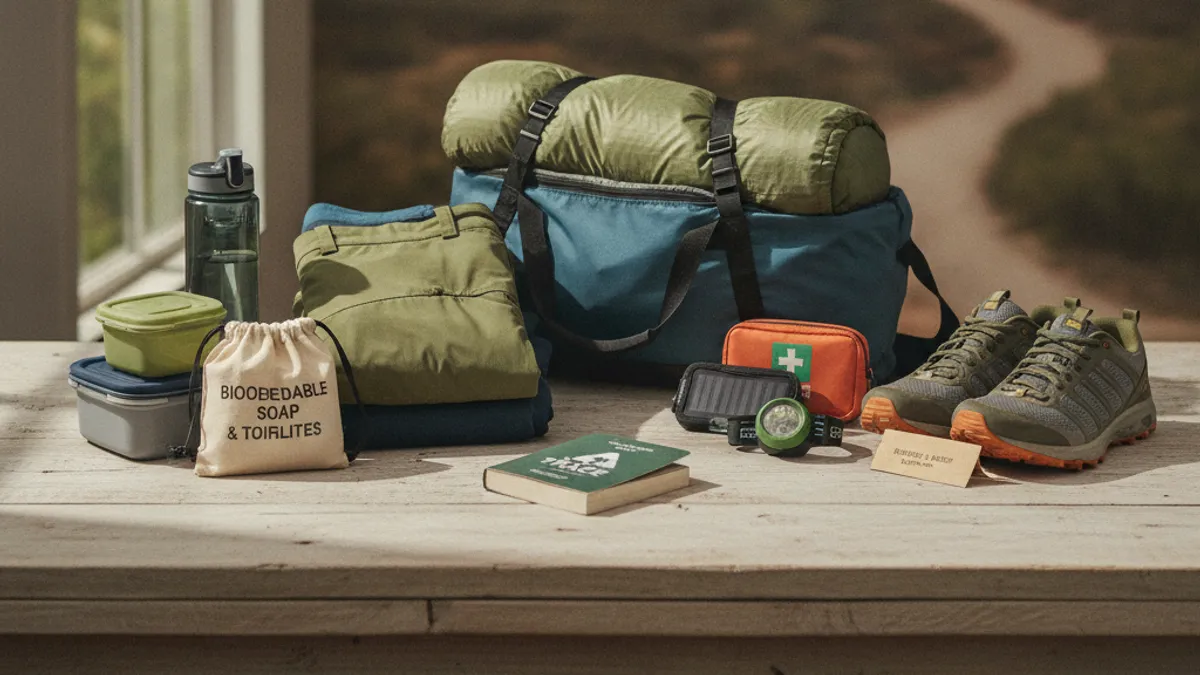
Once your destination and gear are chosen, the next critical step is how you pack. Smart packing isn’t just about fitting everything into your backpack; it’s about optimizing weight and ensuring you can easily manage your waste. A well-packed bag contributes directly to a more comfortable and sustainable hike.
The Art of Efficient Packing
Efficient packing means bringing only what you truly need and arranging it logically. This reduces overall pack weight, making your hike less strenuous and decreasing the energy expended on carrying unnecessary items. This focus on lightness is central to many ultralight backpacking philosophies.
Lightweight Gear Strategies
The pursuit of lightweight gear is a cornerstone of sustainable hiking. Many manufacturers now offer ultralight trekking poles made from carbon fiber, which can weigh as little as 5 ounces per pair, and tents designed for single occupants that come in under 2 pounds. When selecting items, always check the weight specifications. For example, a traditional multi-tool might weigh 12 ounces, while a specialized, lighter version designed for backpacking might weigh only 4 ounces.
Your overall pack weight can often be reduced by 20-30% with careful selection. Consider using resources like a hiking calorie calculator to understand energy needs related to pack weight.
Multi-Use Items: Less is More
Consider every item you pack: can it serve more than one purpose? For instance, a trekking pole can be used for stability on uneven terrain, to poke holes for tent stakes, or even as a brace for a makeshift splint. A bandana can function as a pot holder, a sweat rag, or a signal flag. Packing fewer, more versatile items reduces redundancy and overall bulk.
Think about how your hiking backpack essentials can serve multiple functions on the trail. This is also crucial for what to bring on a day hike.
Your Waste Management Plan
A crucial element of sustainable hiking is managing the waste you generate. This includes everything from food scraps to hygiene products. Having a clear plan ensures you leave absolutely nothing behind.
What to Pack Out, Everything
The fundamental rule of Leave No Trace regarding waste is simple: pack it in, pack it out. This means carrying out all your trash, including food scraps, wrappers, and even things like fruit peels. While organic matter might seem harmless, it can take a surprisingly long time to decompose in some environments, attract wildlife to unnatural food sources, and look unsightly. This practice is non-negotiable for maintaining trail aesthetics and ecological health.
Biodegradable vs. Compostable
It’s a common misconception that all biodegradable items are instantly safe to leave in nature. While biodegradable means something will break down over time, the process can vary greatly depending on temperature, moisture, and microbial activity. Many items classified as biodegradable, like conventionally grown fruit peels, can take weeks or months to decompose and alter the local soil. For true sustainability, aim to pack out everything.
If an item is advertised as compostable, it’s generally intended for industrial composting facilities, not wilderness environments.
4. On the Trail: Putting Principles into Practice
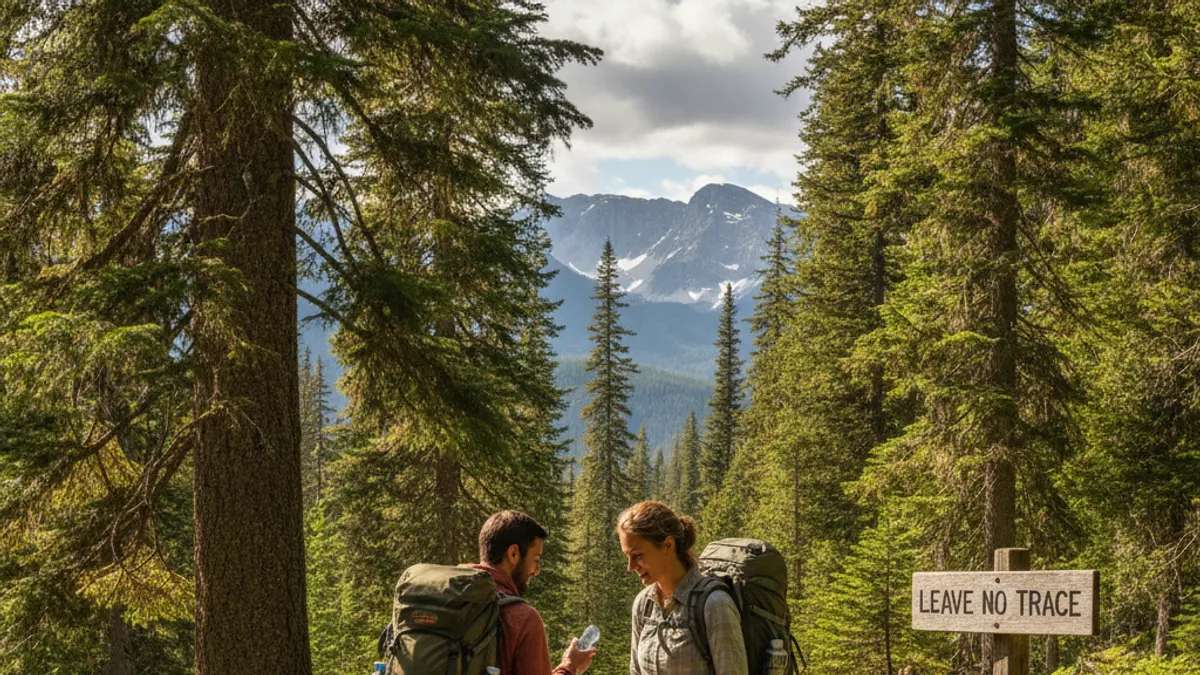
Once you’re out adventuring, the sustainability choices you made during planning come into play. This is where mindful action is key. Following established principles ensures your presence contributes positively, or at least neutrally, to the environment.
Navigating with Leave No Trace Principles
The seven principles of Leave No Trace provide a comprehensive guide. They’re built on experience and research, offering practical steps to minimize your impact. Adhering to these is the bedrock of sustainable trail use.
Staying on Marked Trails
Designated trails are created to channel foot traffic, protecting fragile vegetation and preventing erosion. When you step off-trail, you risk damaging plants, disturbing wildlife, and contributing to the formation of new, unwanted paths. This can accelerate erosion, especially on steep slopes. If a trail is muddy, it’s better to walk through the mud than to go around it, as going around widens the trail and spreads the impact.
This practice is also reinforced by what to wear hiking for beginners.
Minimizing Campfire Impacts
Campfires can have significant impacts: they can scar the landscape, destroy vegetation, and potentially cause wildfires. If you’re camping, always use established fire rings where available and permitted. If fires are not allowed, or if you want to be extra cautious, use a backpacking stove for cooking. These stoves are efficient, clean, and much less impactful than campfires.
If a fire is permitted and you choose to have one, keep it small and contained, and ensure it is completely out and cold before leaving it.
Respecting Wildlife and Nature
Observing wildlife in their natural habitat is a privilege. Doing so responsibly ensures their well-being and preserves their natural behaviors, which is crucial for ecosystem health.
Observing from a Distance
It’s vital to maintain a safe and respectful distance from all wildlife. Feeding wild animals can lead to dependency, disease, and aggressive behavior. For instance, bear encounters are often attributed to improper food storage by campers. Keep your binoculars handy for closer views without disturbing the animals.
If an animal changes its behavior because of your presence, like it stops feeding or moves away, you are too close. Federal guidelines recommend maintaining at least 100 yards from bears and wolves, and 25 yards from most other animals.
Proper Food Storage
Proper food storage is critical, especially in bear country, but important everywhere to prevent attracting rodents and other scavengers. Use bear-resistant canisters or bags where required, or hang your food properly from a tree using the PCT method (at least 10-12 feet off the ground and 4-6 feet from the trunk). Never store food or scented items in your tent while camping. This prevents unwanted nocturnal visitors and protects both your food supply and the animals from potential harm.
Water Source Protection
Natural water sources are vital for both wildlife and hikers. Protecting them from contamination ensures their continued health and usability. This is a key aspect of maintaining pristine hiking environments.
Using Water Filters Correctly
As mentioned earlier, water filters are essential for safe drinking water, but using them improperly can still contaminate sources. Always set up your filtration system downstream from where you are collecting water, and scoop water into a clean container rather than dipping the filter directly into the source. This prevents dirt and debris from clogging the filter and from potentially introducing contaminants back into the water body. Knowing how much water to drink hiking also helps you plan your filtration needs.
Avoiding Contamination
Beyond direct water collection, be mindful of other ways you might contaminate water sources. This includes properly disposing of greywater from washing dishes or yourself. Never wash directly in a lake or stream; instead, carry water at least 200 feet away before dispersing it widely. Use biodegradable soaps sparingly, and pack out any food particles from washing.
Even human waste needs careful management. Aim to dig catholes at least 200 feet from water sources, and pack out all toilet paper and hygiene products.
5. Common Pitfalls and How to Dodge Them
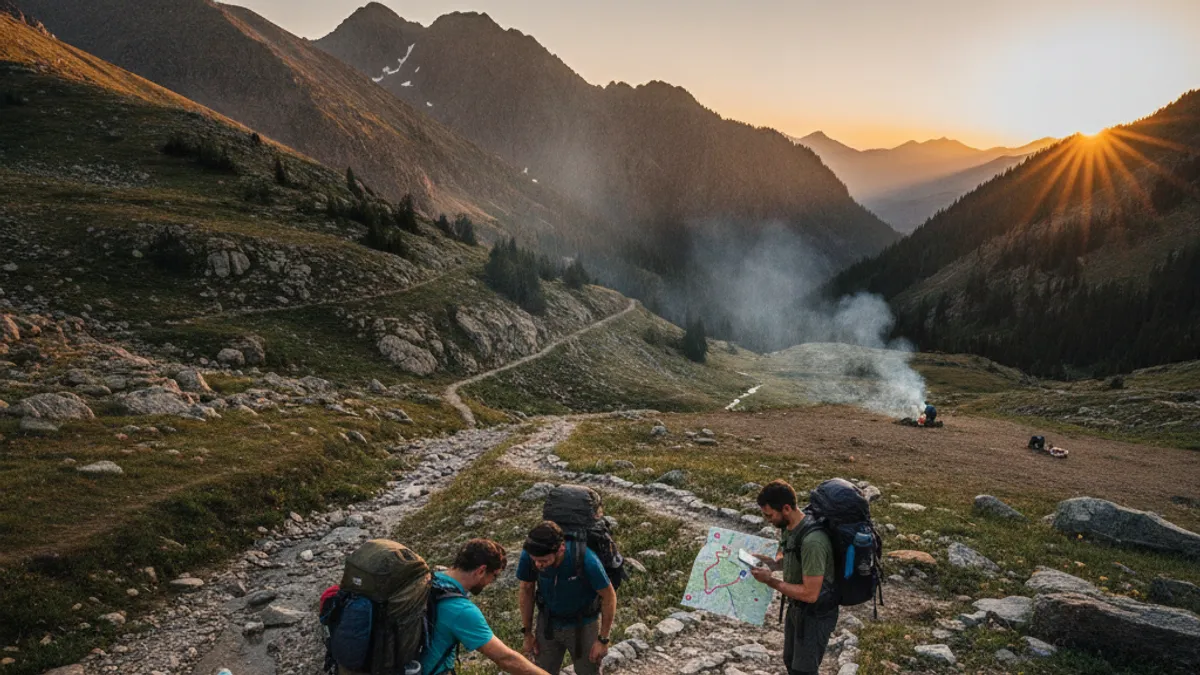
Even with the best intentions, it’s easy to make mistakes that undermine your sustainable hiking efforts. Recognizing these common errors is the first step to avoiding them. Being aware helps you anticipate challenges and make better decisions on the go.
Trail Erosion and Foot Traffic Mistakes
One of the most visible impacts of hikers is erosion, often caused by concentrated foot traffic and improper trail use. When trails become muddy or damaged, hikers tend to forge new paths to bypass the obstacle. This creates braided trails, which widen the impact area and can permanently alter the landscape. If you encounter a muddy section, it’s better to walk straight through it in a single file line with your group, rather than circumventing it and creating new tracks.
This is a core principle for protecting sensitive soils and vegetation.
Littering and Improper Waste Disposal
Leaving trash behind, even small items like organic wrappers or apple cores, directly harms the environment. While organic materials might decompose, they can attract wildlife to human food sources and disrupt natural ecological processes. Non-organic litter, such as plastic bags or foil wrappers, can persist for hundreds of years, posing a threat to wildlife through ingestion or entanglement. Always carry a designated trash bag for all your waste, ensuring you pack out everything you pack in, including food scraps and even fruit peels.
Disturbing Wildlife and Habitats
Human presence can cause stress to wildlife, affecting their feeding, mating, and nesting behaviors. Feeding animals, intentionally or unintentionally, is particularly detrimental. Animals that become accustomed to human food can become aggressive, lose their natural foraging instincts, and be more susceptible to disease. Even getting too close for a photograph can cause an animal to expend critical energy reserves or abandon its young.
Maintaining a significant distance and never feeding wildlife are paramount to protecting their well-being and natural behaviors.
