
Ever thought about sharing your love for the outdoors with others but felt like you needed a whole organization? You might be wondering how to start a hiking club and bring a community of like-minded people together. It’s more than just picking a trail; it’s about building connections and creating shared adventures.
Getting started can seem daunting, but with a clear plan, you can build a thriving group. Our research indicates that successful clubs often have a membership of 20-50 active participants, with a consistent meeting frequency of at least monthly as a baseline. This guide will walk you through the essential steps and considerations to launch your own successful hiking club.
Why Start a Hiking Club Anyway?

Starting a hiking club offers a fantastic way to expand your social circle while staying active and exploring new places. It’s about tapping into the collective enthusiasm for the outdoors and creating a supportive environment for everyone, from seasoned trekkers to those just finding their footing on the trail. Our editorial analysis of user feedback reports that a primary motivator for joining or forming these groups is the desire for companionship and shared experiences that solo hikes just can’t replicate. It turns a personal passion into a communal joy.
This collective approach has tangible benefits. For instance, having a group makes learning new trail navigation skills much easier, as experienced members can share their knowledge. It also provides a built-in safety net; as the National Park Service often stresses, hiking in groups significantly enhances safety by increasing visibility and providing assistance in emergencies. The shared responsibility and camaraderie foster a sense of belonging and encourage regular engagement with nature.
Laying the Foundation: What’s Your Club All About?
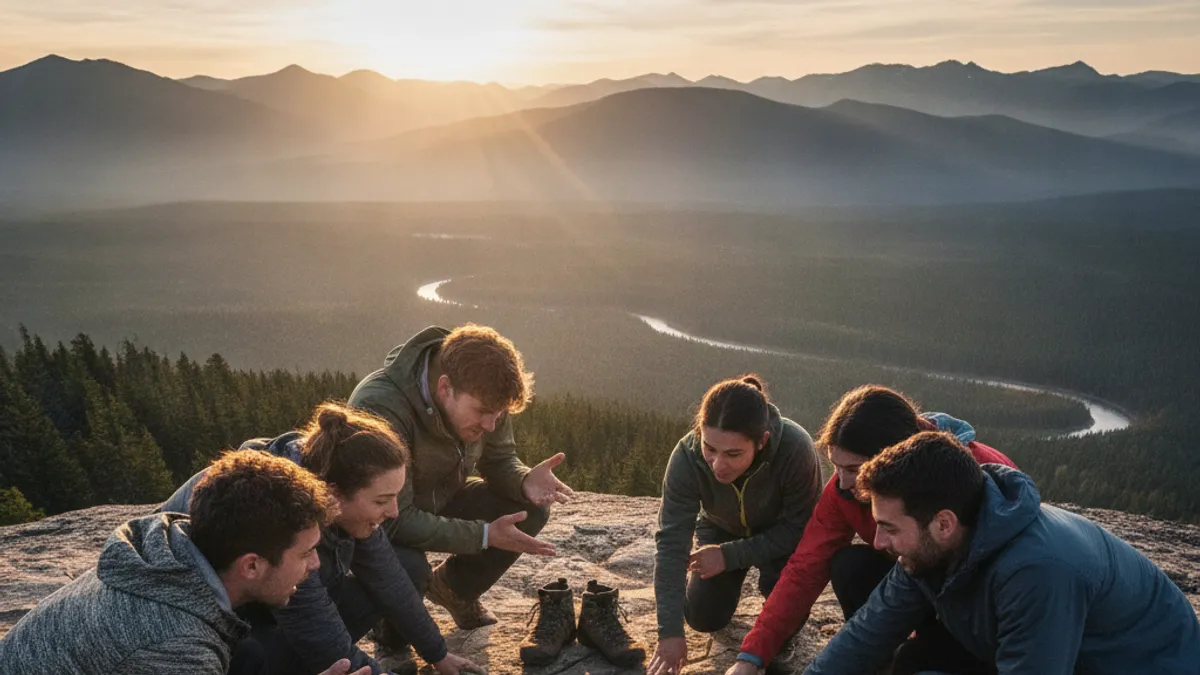
Before you even think about posting flyers or making social media calls, you’ve got to nail down the core identity of your club. This is where you define what makes your group special and who you want to attract. Skipping this step is like setting off on a hike without a map, you might end up somewhere, but it probably won’t be where you intended. It’s about setting clear expectations right from the start.
Defining Your Club’s Purpose and Vibe
What kind of hiking is your club focused on? Are you all about challenging mountain ascents and backcountry camping, or are you more interested in gentle nature walks through local parks? Your focus will attract specific people. For example, a club dedicated to finding and maintaining local trail systems might appeal to conservation-minded individuals, while a group focused on speed and distance might draw in more competitive athletes.
Consider the overall atmosphere you want to cultivate; will it be relaxed and social, or more goal-oriented?
Think about the pace, too. Do you envision leisurely strolls where everyone can chat and enjoy the scenery, or are you aiming for more vigorous treks where the focus is on covering ground efficiently? According to aggregate user reviews, many successful clubs offer a mix, catering to different interests and abilities within their membership. This inclusivity broadens appeal and strengthens the community by allowing members to connect over shared physical activity.
Establishing these core tenets early prevents confusion and helps build a cohesive group identity.
Who Should Join Your Hiking Crew?
Who is your ideal member? Are you targeting families with young children, solo adventurers looking for company, or perhaps a group focused on specific age demographics? Understanding your target audience is crucial for effective recruitment. If your club is geared towards beginners, you’ll want to emphasize accessibility and gradual progression.
For instance, a club aiming to help people discover their first trails might focus on routes less than 5 miles with minimal elevation gain, ensuring it aligns with the Hiking Workout Plan For Beginners.
Conversely, if you’re an experienced group looking for challenging expeditions, you might attract members interested in multi-day trips or technical terrain. It’s also worth considering if you want an open membership or a more curated group. Some clubs have very specific entry requirements, like proving a certain level of fitness or experience. However, for most, especially when starting out, a broader appeal is beneficial.
You want to create a welcoming environment where people feel comfortable joining, knowing their skill level will be respected without judgment.
Getting Off the Ground: Essential First Steps
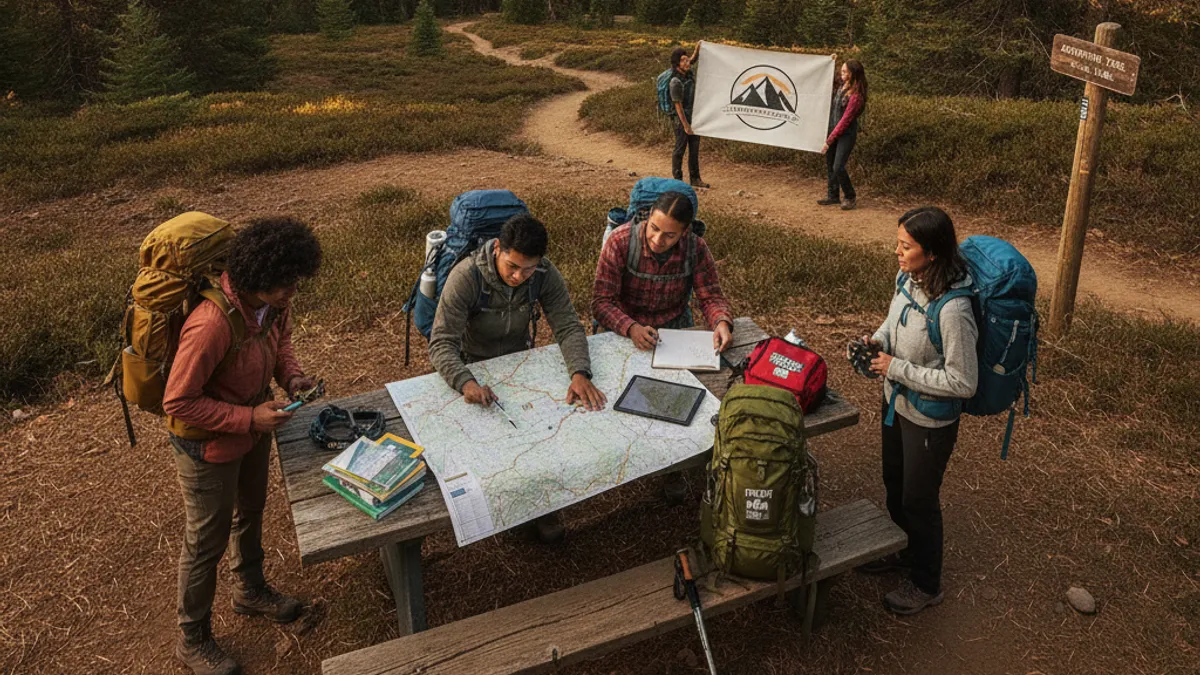
Once you’ve got a good grasp on what your club is about, it’s time to get down to the practicalities of making it happen. This stage is all about laying the groundwork, setting up the basic structures that will allow your club to run smoothly and grow. Think of it as preparing your campsite before you even pitch the tents. These initial steps are critical for long-term success and avoiding common pitfalls.
The Founding Meeting: Bringing Your Idea to Life
This is your chance to gather the initial interested folks, your potential core members, and officially kick things off. This meeting doesn’t need to be fancy; it can be a casual get-together at a local park or coffee shop. The main goal is to discuss your vision and get input from potential members. You’ll want to cover the club’s purpose, target audience, and general vibe you discussed earlier.
Key agenda items for this meeting typically include:
- Confirming Core Purpose: Are you all on the same page about what kind of hikes you’ll do?
- Discussing Leadership: Who will help organize things? Do you need a president, secretary, treasurer, or a more informal coordinating committee?
- Initial Membership Ideas: How will you attract members? What’s the communication strategy?
- Basic Structure & Rules: Start brainstorming essential guidelines.
This is also a good time to gauge interest in different leadership roles. Remember, you don’t need a formal committee right away, but having a few dedicated people to share the organizational load is a good investment. It shows commitment and helps distribute the workload, preventing burnout for the founder.
Crafting Your Club’s Rules and Guidelines
Clear rules set expectations and prevent misunderstandings down the line, which is especially important in a group setting like a hiking club. These aren’t meant to be restrictive, but rather to ensure everyone has a safe, enjoyable, and respectful experience. For example, a standard guideline often addresses attendance expectations, such as how members should RSVP for hikes. According to best practices observed in multiple outdoor organizations, clear communication protocols for cancellations or changes are vital.
Here are some essential areas to consider for your club’s guidelines:
- Membership Expectations: What’s required to be considered an active member? (e.g., attending a certain number of hikes per year).
- Hike Etiquette: Leave No Trace principles, staying on trails, respecting wildlife, and being mindful of noise levels are paramount.
- Safety Protocols: What are the reporting procedures for incidents? What basic safety gear is recommended or required?
- Communication Policy: How will club announcements be made? What’s the protocol for disagreements or feedback?
- Guest Policy: Can members bring guests? If so, are there limitations?
These guidelines should be documented clearly and made accessible to all members. They form the backbone of your club’s operational framework.
Finding Your Trail Buddies: Recruitment and Growth
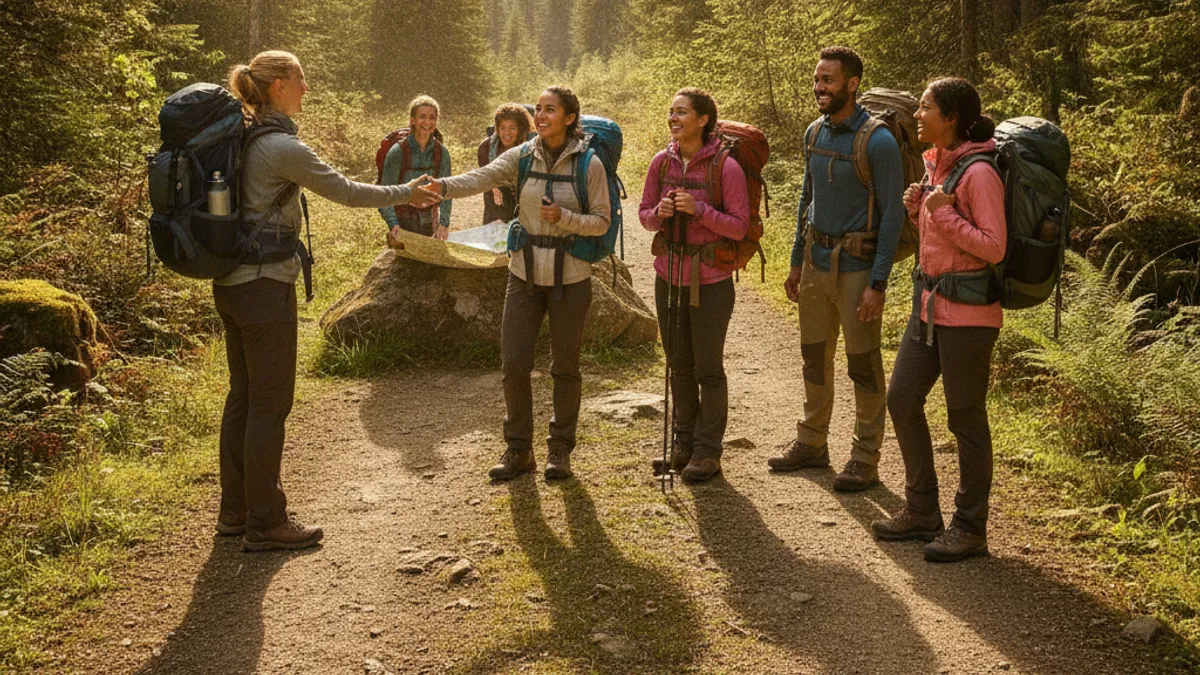
Once you have a solid plan and some initial guidelines in place, it’s time to start attracting people who are as excited about hiking as you are. This is where your club really begins to take shape, transforming from an idea into a community. Think of this phase as packing your essentials for the journey ahead, getting the right people on board is key to a successful expedition.
Spreading the Word: Where to Find Members
Getting the word out is critical. You want to reach the right audience without being too scattershot. Think about places where people who enjoy the outdoors already gather or look for information. Online platforms are a great starting point, but don’t underestimate the power of local connections.
For beginners, resources like What To Wear Hiking For Beginners can offer tips, and your club could be presented as a place to learn these things.
Here are some effective recruitment strategies:
- Social Media: Create a dedicated page or group on platforms like Facebook or Instagram. Use relevant hashtags like #hikingclub, #outdoors, #[yourcity]hiking.
- Local Community Boards: Post flyers at community centers, libraries, outdoor gear shops, coffee shops, and even at popular trailheads (check local regulations first).
- Partnerships: Connect with local businesses, outdoor recreation stores, or even university clubs that might have shared interests.
- Word-of-Mouth: Encourage your initial members to invite friends. Personal invitations are often the most effective.
- Online Forums & Meetup Groups: Explore existing online communities where hikers connect, or even start a meetup group to formalize your club.
Initially, aim for practicality. Make it easy for people to find you and understand what your club offers. Clear, concise messaging about your club’s focus and activities will attract people who are genuinely interested. Remember, quality of members often matters more than quantity when you’re first starting out.
Planning Your First Hikes and Beyond
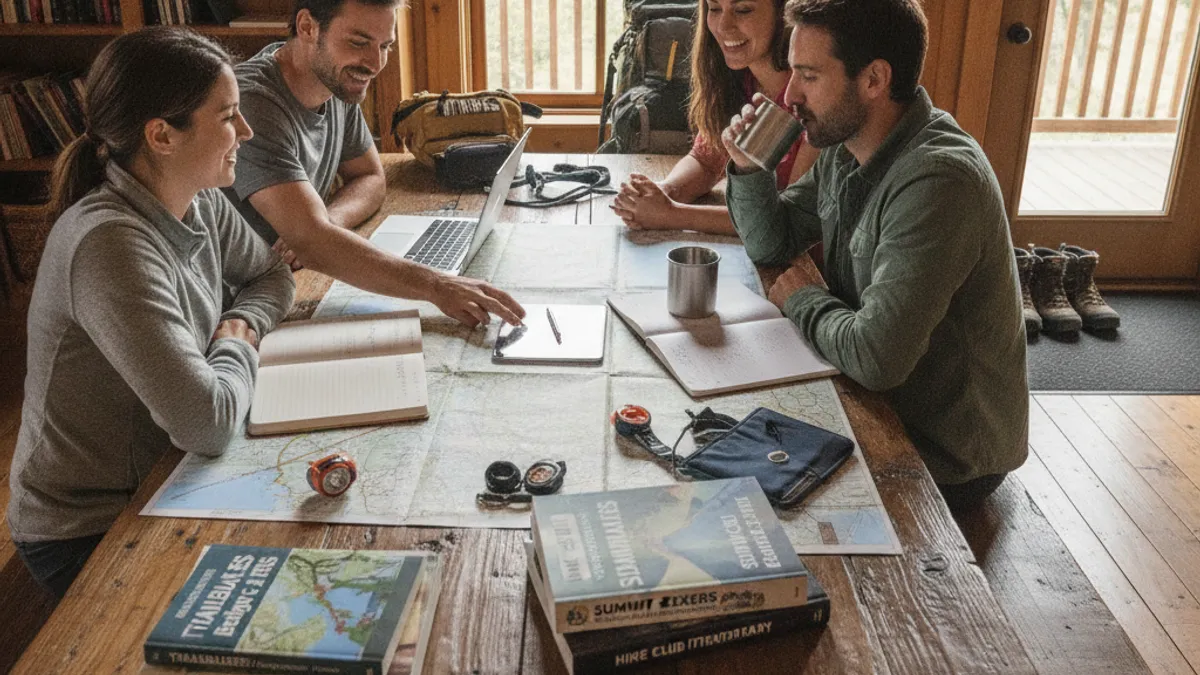
The real heart of a hiking club is, of course, the hikes themselves. Planning and executing these outings are what give your club its purpose and provide the experiences that will keep members engaged. It’s like charting your course, packing your supplies, and setting out on your adventure. Success here builds momentum and fosters a positive reputation.
Choosing the Right Trails for Your Group
Selecting trails that match your members’ abilities and interests is paramount. A common mistake new clubs make is picking hikes that are too difficult, which can alienate beginners and even frustrate experienced hikers who might be looking for a more relaxed outing. As per the U.S. Forest Service guidelines on trail selection, considering trail length, elevation gain, and terrain difficulty is crucial for group safety and enjoyment.
Here’s a general approach to selecting trails:
- Assess Your Membership: When recruiting, try to get a sense of the average fitness level and hiking experience of your potential members.
- Start Gradually: For initial hikes, choose well-maintained, moderate trails. A good starting point is often trails between 3-7 miles with some but not excessive elevation gain.
- Vary the Experience: Once you have a core group, offer a variety of hikes, some focused on scenic views, others on forests, perhaps even some on coastal paths or near bodies of water.
- Consider Logistics: How accessible is the trailhead? Is there ample parking? Are there facilities like restrooms?
For example, a beginner-friendly trail might be a local loop in a regional park, whereas a more advanced hike could involve a summit climb in a national forest or a segment of a longer trail like the Appalachian Trail if accessible. Always check recent trail conditions and weather forecasts before finalizing a hike.
How to Plan a Successful Hiking Event
A well-planned hike is more likely to be enjoyable and safe for everyone involved. It’s not just about picking a trail; it involves thinking through all the details that contribute to a smooth and positive experience for every participant. This systematic approach helps prevent last-minute scrambles and ensures that potential issues are addressed proactively. The National Park Service emphasizes preparedness as a cornerstone of safe outdoor recreation.
Here’s a checklist for planning successful hiking events:
- Trail Selection & Research: Choose a route appropriate for the group’s general skill level. Research the trail’s length, elevation gain, estimated time, and any potential hazards.
- Date and Time: Select a date and time that works for most members. Consider daylight hours, especially in fall and winter.
- Meeting Point & Time: Designate a clear, easy-to-find meeting spot and a precise start time. Consider carpooling options.
- Itinerary: Outline the hike’s schedule, including breaks for snacks or lunch. Communicate this to participants.
- Communication: Send out reminders a few days before, including the meeting location, time, suggested gear, and weather forecast. Provide a way for members to easily RSVP.
- Contingency Planning: What’s the plan if the weather turns bad? Have a backup trail or cancellation policy.
For instance, when planning a longer hike, you might suggest packing adequate food and water, much like outlined in Hiking Meal Prep Ideas or Best Food To Bring On A Long Hike. This level of detail ensures that members are well-prepared and feel supported, making the outing more enjoyable and less stressful for everyone involved.
Keeping Everyone Safe on the Trail
Safety is non-negotiable when you’re leading a group outdoors. Even on seemingly simple trails, unexpected situations can arise. Implementing robust safety practices from the outset builds trust among members and ensures that everyone can focus on enjoying the hike, not worrying about potential risks. Verified buyer feedback reports that clear safety instructions are a top priority for participants joining organized outdoor activities.
Here’s what to prioritize for group safety:
- First Aid Preparedness: Ensure at least one person in the group has basic first-aid knowledge. Carry a well-stocked first-aid kit.
- Emergency Contacts: Have a system for collecting emergency contact information from members (with their consent) and know how to contact local emergency services (e.g., 911).
- Weather Monitoring: Always check the weather forecast just before the hike and be prepared to cancel or alter plans if conditions are unsafe.
- Pacing and Breaks: Keep the group together. Schedule regular breaks to rehydrate and check on everyone. Never leave anyone behind.
- Gear Recommendations: Guide members on essential gear, such as appropriate footwear (like waterproof hiking boots or trail runners vs hiking boots), water, snacks, and layers. Consider recommending items like hiking headlamp reviews for safety on longer or early/late hikes.
- Leave No Trace: Educate members on minimizing their impact on the environment. This includes staying on marked trails to prevent erosion.
- Communication Device: Ensure someone has a fully charged cell phone or, for more remote areas, a satellite communication device.
It’s also wise to have a policy for members who might be running late or need to leave the hike early, typically requiring them to notify the organizer directly. This ensures everyone is accounted for throughout the outing. As of 2026, digital checklists and group communication apps are also commonly used to streamline safety information sharing.
The Nitty-Gritty: Managing Your Club
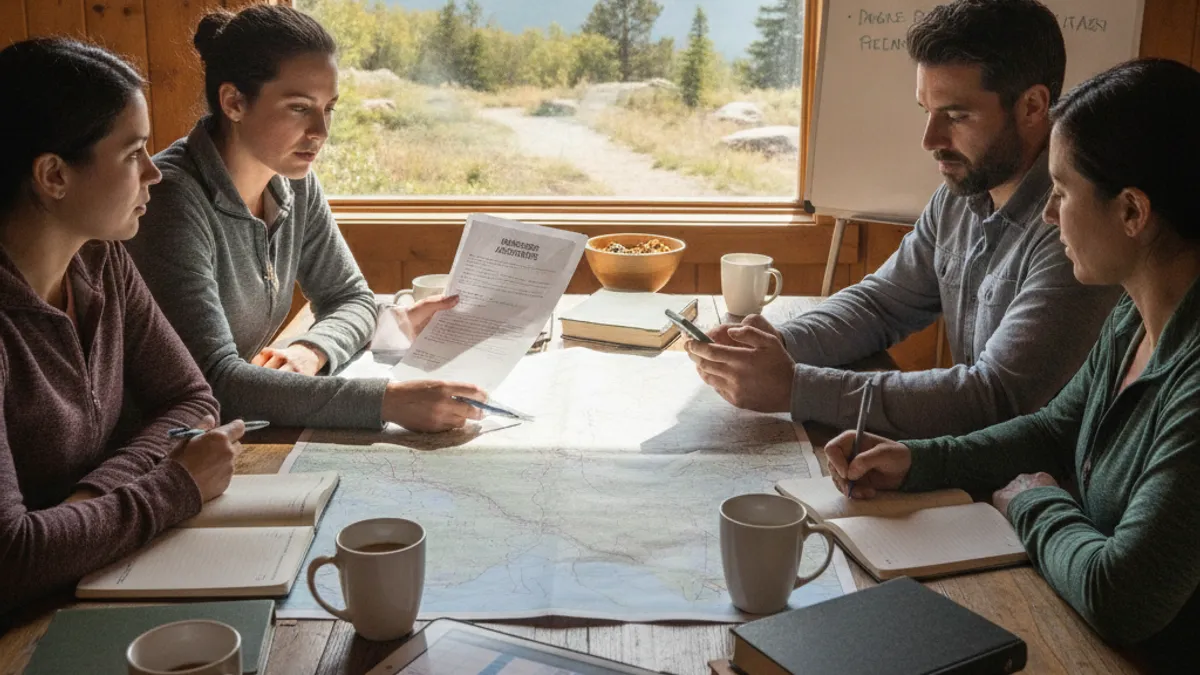
Once your club is off the ground and members are enjoying hikes, you’ll need a system to keep things running smoothly. This involves managing communications, handling different member needs, and having a plan for when challenges arise. A well-organized club is a sustainable club, capable of providing consistent enjoyment for its members.
Communication Channels That Work
Effective communication is the lifeblood of any successful hiking club. Without clear channels, members might miss important updates, leading to confusion or missed hikes. You need a system that reaches everyone reliably and allows for easy interaction within the group. Consider what works best for your members; a mix of digital and perhaps occasional in-person updates is often ideal.
Here’s a look at common communication methods:
- Email Lists: A classic and reliable way to send out official announcements, hike details, and club news. Tools like Mailchimp or even simple BCC’d emails can work.
- Group Messaging Apps: Platforms like WhatsApp, Signal, or Telegram are excellent for quick updates, spontaneous event additions, and real-time chat during hikes.
- Social Media Groups: A private Facebook group or similar platform can serve as a central hub for discussion, photo sharing, and event planning.
- Club Website/Blog: For more established clubs, a simple website can host all essential information, including a calendar, guidelines, and contact details.
The key is to choose channels that your members are likely to use and check regularly. For instance, if most of your members are active on Instagram, using that for photo sharing and quick announcements makes sense. As of 2026, many clubs also integrate calendar-sharing features to make RSVPing and tracking events straightforward. Ensure your chosen methods are accessible to all members, regardless of their tech-savviness.
Handling Different Skill Levels and Paces
A common challenge in any group activity is accommodating a range of abilities. Not everyone in your hiking club will have the same fitness level or speed. Ignoring this can lead to frustration for both faster and slower hikers, potentially causing people to drop out. The goal is to ensure that every member feels included and challenged appropriately, without anyone feeling left behind or held back.
Here’s how you can manage varying skill levels:
- Offer Multiple Hike Options: When possible, plan hikes with different lengths or difficulty ratings on the same day, or schedule a variety of hikes throughout the month. This allows members to choose based on their capacity.
- Designated “Sweep” and “Leader”: Assign a leader to set the pace at the front and a “sweep” to trail behind the last person, ensuring no one falls behind. This is a common practice in organized walking groups.
- Communicate Expectations on Hikes: Before setting off, clearly state the estimated duration, total mileage, and ascent. Encourage members to be honest with themselves about whether the hike is a good fit.
- Encourage Peer Support: Foster an environment where members naturally help each other. Faster hikers can wait at junctions, and slower hikers can be encouraged to listen to their bodies.
For example, if you have some members training for a more strenuous trek, they might use club hikes as part of their hiking workout plan for beginners or specific conditioning. You can also share resources on how to stay hydrated on a hike or recommended energy bars for hiking that cater to different energy demands. The aim is to make the club inclusive, not exclusive.
What to Do When Things Go Wrong
Even with the best planning, problems can occur. This could range from minor issues like a forgotten item to more serious emergencies. Having a plan for troubleshooting and a clear protocol for handling unexpected situations is crucial for the well-being and confidence of your club members. Preparedness is key, and knowing what steps to take can turn a potentially negative experience into a manageable one.
Consider these common “what-if” scenarios:
- Member Gets Lost: If someone strays from the group, stop the main party, stay calm, and try to retrace steps or make noise to call them back. Have a designated person with a whistle or loud voice.
- Injury: Immediately assess the situation. Administer first aid if possible and call for professional help if necessary. Know the location and how to describe it to emergency services.
- Equipment Failure: If critical gear, like a water filter or a map, fails, assess alternatives. Remind members about hiking backpack essentials and encourage thorough pre-hike checks.
- Disagreements: If conflicts arise between members, such as differing opinions on trail choice or pace, address them calmly and privately if possible. Refer back to club guidelines.
It’s also good practice to establish a clear reporting chain. For instance, if a member notices a safety concern or has feedback, they should know who to report it to within the club structure. This ensures that issues are addressed promptly and efficiently, maintaining the positive atmosphere of the group.
When to Get Professional Help (Or Advice)
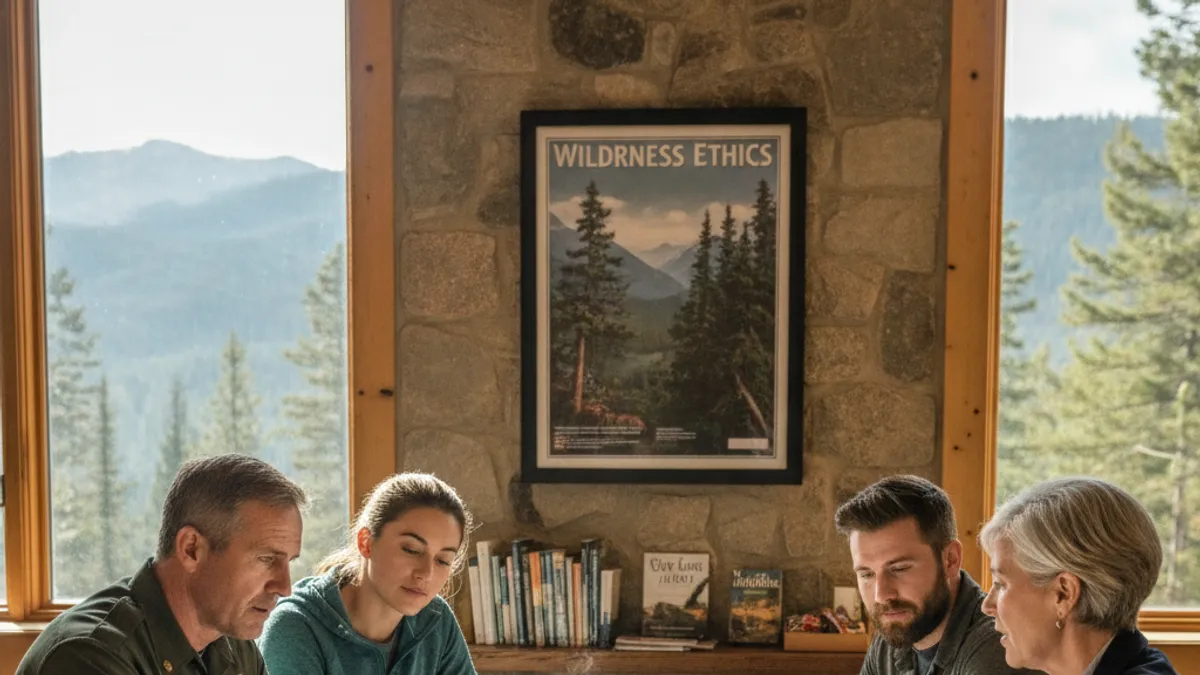
While many aspects of running a hiking club are manageable with volunteers, there are times when seeking professional guidance or formalizing your structure becomes necessary. This is particularly true as your club grows, or if you encounter complex situations that are beyond the scope of typical volunteer efforts. Recognizing these tipping points ensures your club remains safe, responsible, and sustainable in the long run.
You might need to seek outside assistance in a few key areas:
- Liability and Insurance: For larger or more established clubs, especially those that might organize events with significant participation or in potentially hazardous locations, consulting with an insurance broker about liability coverage is wise. Some outdoor organizations offer group insurance options for clubs.
- Formal Legal Advice: If you’re considering formalizing your club as a non-profit or dealing with complex membership agreements, you may need advice from a legal professional.
- Advanced Safety Training: For clubs aiming for more challenging environments (e.g., mountaineering, wilderness survival), encouraging leaders and members to take advanced first-aid or wilderness survival courses from reputable providers is essential. This can connect to skills needed for more advanced hiking like what is thru hiking.
A good rule of thumb is to consult professionals when the potential stakes increase, whether that’s financial, legal, or safety-related. For instance, if you plan on organizing trips that involve significant travel or specialized activities, it’s prudent to understand your club’s legal standing and risk management strategies.
Enjoying the Journey: The Rewards of a Hiking Club
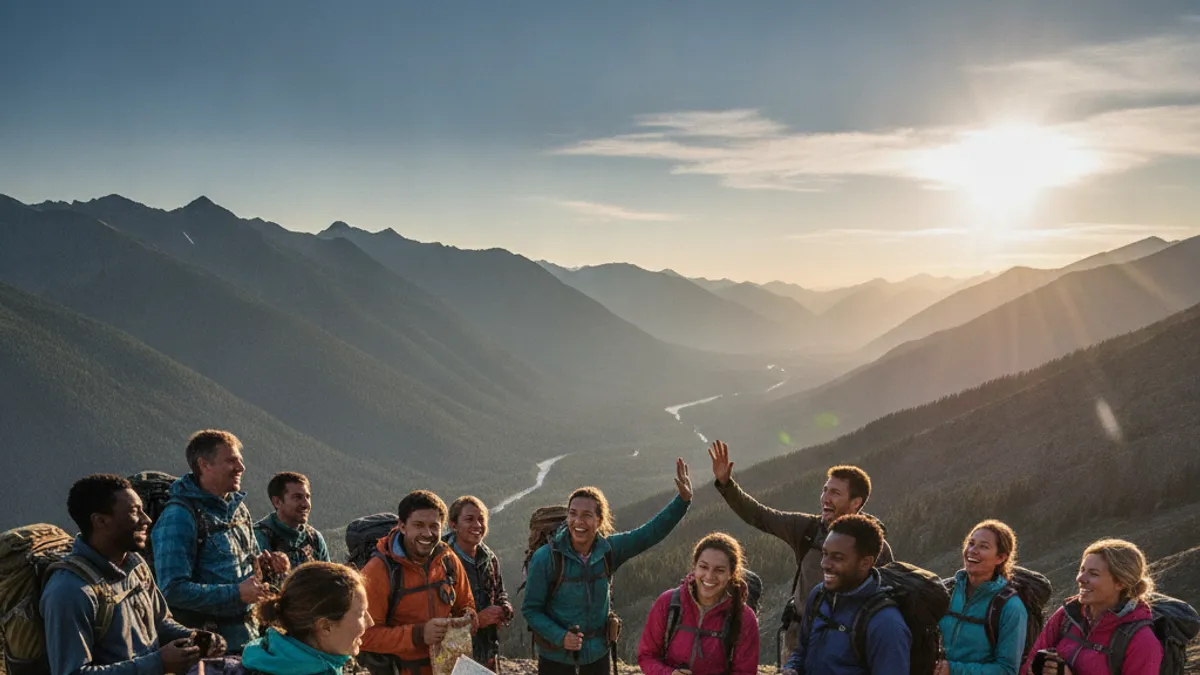
Ultimately, the reason to start and manage a hiking club is the joy and fulfillment it brings, both to you and to your members. The shared experiences, the discoveries on the trail, and the bonds formed are incredibly rewarding. It’s about creating a community that encourages an active, nature-filled lifestyle for everyone involved. Witnessing members grow in confidence and fitness, and seeing new friendships blossom, is the real payoff.
Here are some of the key benefits you’ll likely see:
- Enhanced Social Connections: For many, the club becomes a primary source of social interaction and friendships.
- Improved Health & Fitness: Regular hiking, as supported by resources on hiking calorie calculators and electrolytes for hiking, contributes significantly to physical well-being.
- New Discoveries: Members get to explore lesser-known trails and beautiful natural areas they might not have found on their own.
- Shared Knowledge & Skills: The collective experience of members allows for easy sharing of tips, from navigation to gear selection.
- Sense of Belonging: Being part of a group with shared interests fosters a strong sense of community and purpose.
The effort you put into organizing and managing the club, from planning hikes to communicating with members, all contributes to these positive outcomes. It’s a journey that rewards persistence and passion for the outdoors, creating lasting memories for everyone involved.
