
So, you’re wondering, does TSA allow hiking poles on a plane? It’s a super common question for anyone planning a trip that involves hitting the trails shortly after landing. The straightforward answer is yes, but your packing strategy is key to avoiding any issues at the security checkpoint.
The Transportation Security Administration (TSA) has clear guidelines, and for the most part, hiking poles aren’t prohibited items. However, their classification can change based on how they’re packed, influencing whether they make it through carry-on screening or need to be stowed in checked luggage. As of 2026, these core rules remain consistent.
Checked Luggage: Your Go-To for Hiking Poles
When it comes to stowing your gear in checked baggage, you’ve got a lot of freedom. The TSA doesn’t have specific restrictions against hiking poles in checked bags. This means you can confidently pack them alongside your other essentials without worrying about them being flagged.
- No TSA Restrictions: Checked luggage is the safest bet for your hiking poles. You won’t find them on the TSA’s prohibited items list for this category of baggage.
- Protection is Key: To ensure your poles arrive in good condition, it’s wise to protect them. Consider putting them in a sturdy bag, wrapping them in clothing, or using a dedicated trekking pole carrying case. This helps prevent nicks, dents, or damage from other items in your suitcase during transit.
Carry-On Luggage: Why Poles Usually Have to Stay Behind
Bringing hiking poles in your carry-on bag is generally where travelers run into a snag. The TSA classifies items based on their potential to be used as weapons, and while your poles are great for balance on the trail, they can be perceived differently by security personnel. They aren’t on the list of items specifically permitted in carry-on luggage.
- Security Officer Discretion: Even if your poles are collapsible, if they appear rigid when assembled or are longer than what might be considered a personal item, they are likely to be red-flagged. This is because the TSA prioritizes the safety and security of all passengers.
- The “Potential Weapon” Factor: The TSA’s guidelines often err on the side of caution. Items that could be used to threaten the safety of the aircraft or passengers are frequently restricted in the cabin. This is why rigid poles, regardless of material (carbon fiber, aluminum), are typically not allowed in carry-on.
When Might Foldable Poles Be Okay for Carry-On?
This is a bit of a gray area, and it really comes down to the specific TSA officer at the screening checkpoint and the exact design of your poles. Very compact, multi-section foldable poles that pack down to a small size, perhaps no longer than a standard ruler, might be allowed. These are often designed more like adjustable walking sticks than traditional, rigid hiking aids.
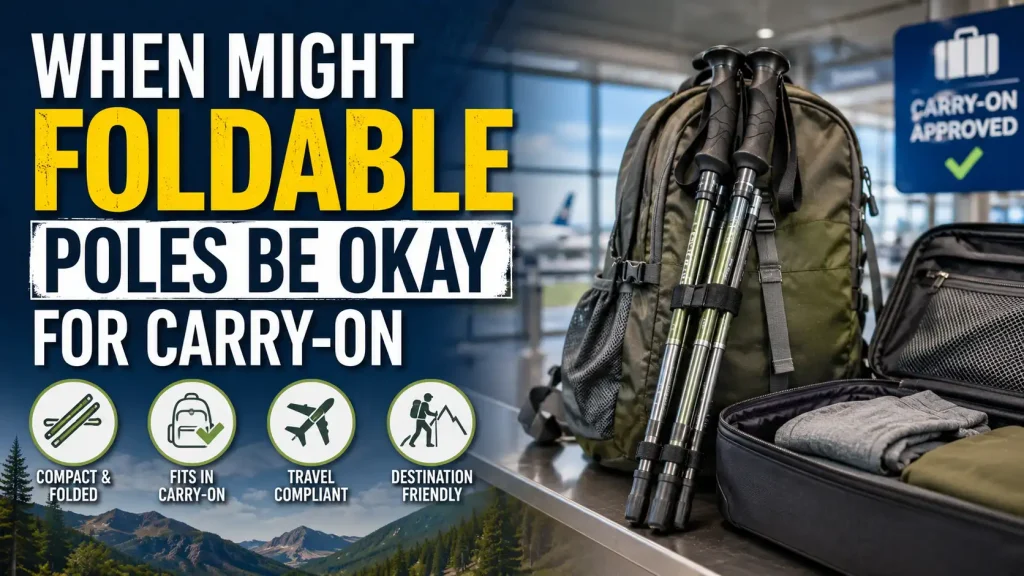
- Size Matters Most: If your poles collapse into a bundle that’s about 1, 2 feet long, and they don’t have any sharp or pointed protrusions when packed, you have a better chance. However, there’s no guarantee. Manufacturer specifications for some compact travel poles indicate lengths as short as 15 inches when folded.
- Be Prepared to Check Them: Even with a compact design, it’s wise to be mentally prepared to have your foldable poles checked at the gate or at security if they are questioned. It’s about minimizing surprises and potential delays.
How to Pack Hiking Poles for Air Travel
To ensure your hiking poles make it to your destination without any hiccups, the best strategy is to pack them correctly. This involves understanding the difference between checked and carry-on luggage and acting accordingly. Adhering to these simple steps can save you considerable stress and potential delays at the airport.
Here’s how to pack them:
For Checked Luggage:
- Group Them: Gather your poles together. If they have adjustable straps, use them to keep them from unfurling or separating.
- Protect Them: Place them in a protective bag or sleeve. This could be a dedicated trekking pole bag, a piece of luggage like a ski bag if you have one that fits, or even wrapped in towels.
- Stow Securely: Place the protected poles inside your checked suitcase. Position them so they won’t get bent or damaged by other items. Avoid placing heavy objects directly on top of them if possible.
For Carry-On Luggage (Proceed with Caution):
- Assess Packability: Honestly evaluate how small your poles collapse. If they are very compact, like under 2 feet when fully collapsed and no sharp components exposed, you might consider carrying them on.
- Keep Them Accessible: If you decide to try carrying them on, keep them easily accessible within your carry-on bag. This allows you to quickly remove them if security asks.
- Be Ready to Re-Pack: If they are flagged, you’ll need to be prepared to either check them at the gate or, if possible, re-check them with your main luggage. This might incur additional fees.
Ultimately, saving yourself potential aggravation means prioritizing checked luggage for your poles.
What to Do If You’re Unsure About Your Poles
If you’re staring at your hiking poles and your boarding pass, and you’re still not sure whether they’ll fly in your carry-on, the best course of action is proactive. Don’t wait until you’re at the security checkpoint to find out. There are a couple of reliable ways to get a definitive answer before you even leave for the airport.
Check the Official TSA Website
The TSA maintains a comprehensive list of prohibited and permitted items on its website. You can often search for specific items like “hiking poles” or “trekking poles.” This resource is frequently updated, providing the most current guidelines. While the site generally states poles are prohibited in carry-on, it’s always good to double-check for any nuances or specific collapsible exceptions.
Contact the Specific Airport or TSA
For the most tailored advice, consider contacting the TSA directly. You can often find a customer service line or a social media outreach channel that answers passenger questions. Reaching out can clarify any regional differences or specific officer interpretations you might encounter.
Packing Your Poles for a Stress-Free Trip
The goal here is simple: get your poles to your hiking destination without any drama. By following a few key steps, you can ensure they arrive safe and sound, ready for your adventures. It boils down to making smart choices about where they go and how you protect them.
Here’s a quick run-through to keep things smooth:
- Prioritize Checked Luggage: This is the easiest way to guarantee your poles get on the plane. Skip the worry and pack them in your checked bag.
- Protect Them Well: No matter where you pack them, use a protective sleeve or bag. This prevents damage and keeps them from snagging other items.
- Consider Shipping: For longer trips or if you’re flying extremely light, consider shipping your poles to your destination ahead of time. Many hotels or rental companies can hold packages for you.
- Opt for Expendable Poles: If you frequently fly and always want poles in your carry-on, look for models designed to fold extremely compact, like some lightweight, multi-section travel poles. Even then, be prepared for them to be potentially flagged.
- Travel Without Them: Sometimes, the simplest solution is to rent poles at your destination or purchase an inexpensive pair upon arrival if your budget allows. This avoids all the travel hassle.
By making an informed packing decision before you head to the airport, you’ll start your trip on the right foot, ready to explore. Check out our guide on how to use hiking poles if you’re looking to get the most out of them once you arrive!
