
When you’re dreaming of hitting the trails, the last thing you want is to be distracted by aching feet. Finding out what are the most comfortable hiking boots is a common quest, because comfort directly impacts enjoyment and endurance on any adventure. Without the right support and cushioning, even the most beautiful scenery can feel like a chore.
Our research shows that boot comfort isn’t a one-size-fits-all answer; it’s deeply personal and depends on your unique foot shape, the terrain you’ll be tackling, and how much weight you’ll carry. For context, many mid-cut hiking boots designed for general use fall within a weight range of 18 to 30 ounces (approximately 510 to 850 grams) per boot, providing a balance of support and nimbleness. Let’s break down your options so you can step out in confidence.
Why “Comfortable” Hiking Boots Are So Personal
The idea of “comfortable” footwear is subjective, but when it comes to hiking boots, this subjectivity is amplified by the demands of the trail. What feels amazing after a short stroll in a shop can turn into agony after five miles on uneven ground. Comfort isn’t just about a soft feel; it’s about preventing pain, fatigue, and injury over extended periods of physical activity.
Your foot’s unique anatomy plays a massive role. Factors like your arch height (whether you have high arches, flat feet, or a neutral arch), the width of your foot (wide or narrow), and even how your toes are shaped can dramatically influence how a boot fits and feels. What one person finds supportive and accommodating, another might find constricting or unsupportive.
What Makes a Hiking Boot Feel Comfortable?
Essentially, a comfortable hiking boot is one that disappears on your foot, allowing you to focus on the hike itself. This means it should provide adequate support to prevent strain, enough cushioning to absorb impact, and a fit that doesn’t pinch, rub, or create pressure points. Comfort is achieved through a synergy of design elements working together with your individual foot.
This includes proper arch support to keep your foot aligned, a well-cushioned midsole to attenuate shock from impact, and a secure lacing system that holds your heel without restricting circulation. When these components work in harmony, you significantly reduce the risk of common hiking discomforts like blisters, hot spots, and foot fatigue.
Hiking Boot Types: The Comfort Breakdown
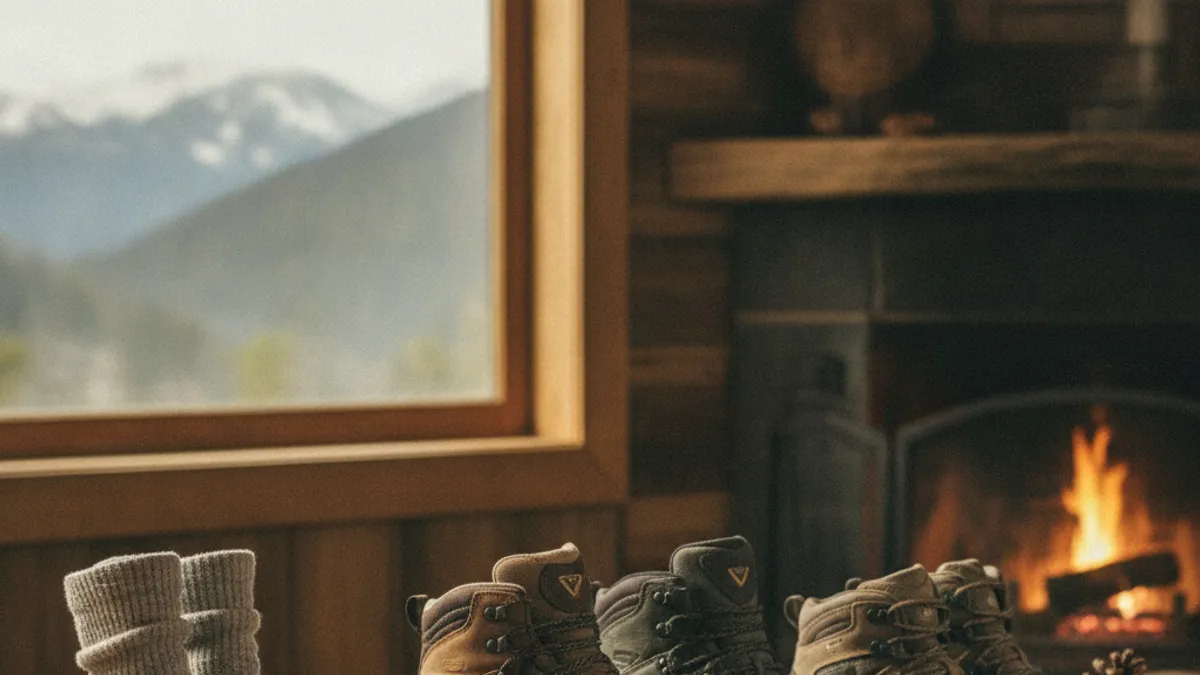
When you’re shopping, you’ll notice hiking boots come in different cuts and styles, each designed for specific demands. Understanding these categories helps narrow down what might offer you the best comfort for your intended use. We’ve grouped them by their typical height and purpose.
Low-Cut Hiking Shoes: Lightweight Freedom
These are essentially sturdy athletic shoes designed for the trail. They don’t extend above your ankle.
- Comfort Aspects: Their primary comfort advantage is their low weight, which means less energy expenditure and less fatigue over the course of a hike. They generally flex more naturally with your foot’s movement, feeling less restrictive than taller boots. Many are made with breathable mesh uppers, which is a big plus for keeping your feet cool and dry on warmer days.
- Who They’re Best For: These are ideal for day hikes on well-maintained trails, light backpacking trips where you’re not carrying a heavy load, or for hikers who prefer a less restrictive feel. If ankle support isn’t a primary concern and your focus is on agility and a lighter load, these can provide excellent comfort.
Mid-Cut Day Hiking Boots: Your All-Around Comfort Zone
These are probably what most people picture when they think of a hiking boot. They rise to about the level of your ankle bone, offering a bit more protection and support.
- Comfort Aspects: The key comfort feature here is the increased ankle support. This helps stabilize your foot and ankle on uneven terrain, reducing the incidence of twists and strains, which directly translates to less pain and worry. They usually have more substantial cushioning than hiking shoes, offering better shock absorption. The padded collar around the ankle cuff is designed to provide support without digging in.
- Who They’re Best For: Mid-cut boots hit a sweet spot for many hikers. They’re excellent for day hikes, especially on more challenging terrain, and are suitable for shorter to moderate backpacking trips. They offer a good balance of support, flexibility, and protection, making them a versatile choice for a wide range of trail conditions.
High-Cut Backpacking Boots: Support for the Long Haul
These are the most robust option, coming up higher on the ankle, often several inches above the ankle bone. They are built for serious mileage and heavy loads.
- Comfort Aspects: For extended trips, the comfort of these boots comes from their superior support and stability. When you’re carrying a heavy backpack (say, 30-50 pounds or more), your feet and ankles are under immense pressure. High-cut boots are designed to minimize this strain by offering maximum support and preventing excessive foot movement. Their stiffer construction distributes weight more evenly, reducing foot fatigue over long distances.
- Who They’re Best For: These are the go-to for thru-hikers, serious backpackers on multi-day expeditions, or anyone consistently carrying a heavy load over challenging and rugged terrain. While they might feel a bit stiffer and heavier initially compared to lighter boots, their long-term comfort is derived from their ability to handle sustained load and exposure to tough conditions without undue stress on your feet and joints.
Key Features That Make or Break Comfort
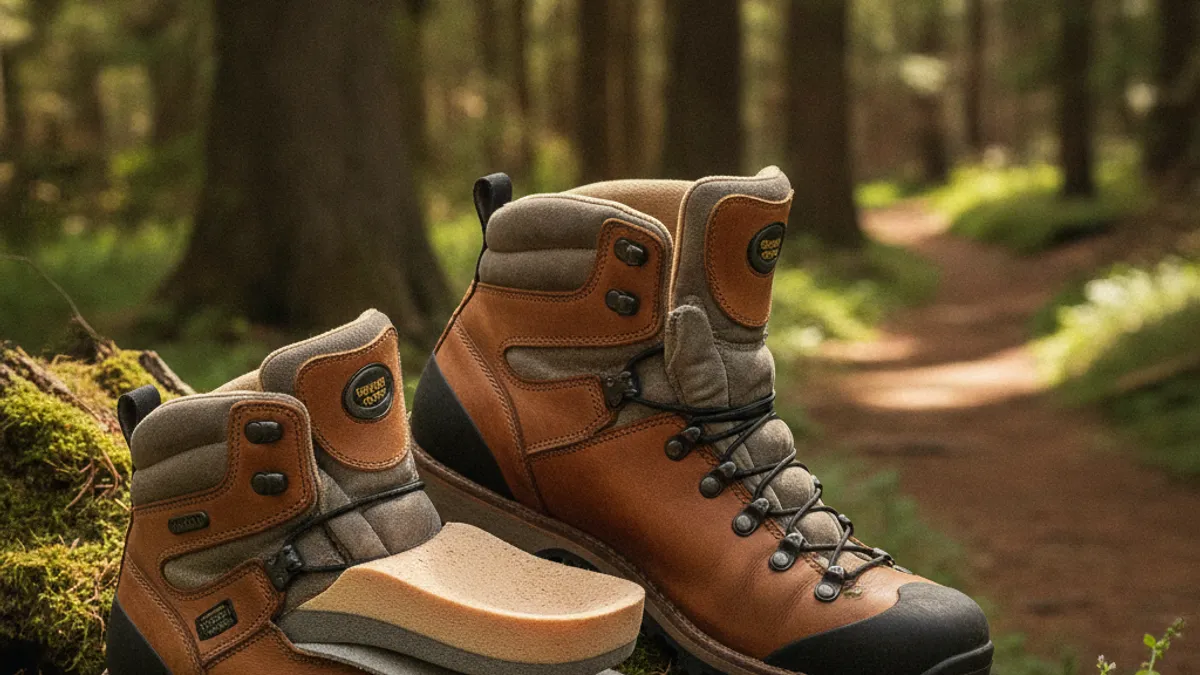
Beyond the general boot type, specific components and materials within a boot are what truly dictate how comfortable it will be on your feet. Pay close attention to these details.
Midsoles: Cushioning vs. Support (EVA vs. PU)
The midsole is the shock-absorbing layer between the outsole (the part that touches the ground) and the insole (where your foot rests). It’s a critical component for comfort.
- EVA (Ethylene Vinyl Acetate): EVA is a foam-like material that’s lightweight and offers excellent cushioning. It feels soft and plush, providing superior shock absorption, which is great for reducing impact on your joints.
- Comfort Factor: Great for immediate comfort and absorbing hard impacts.
- Considerations: EVA is less dense than PU, so it can compress and lose some of its cushioning over time, especially under heavy use or weight.
- Polyurethane (PU): PU is denser and more durable than EVA. It provides robust support and stability, making it ideal for carrying heavy loads.
- Comfort Factor: Offers long-lasting support and resilience, preventing your foot from sinking too much.
- Considerations: It can feel firmer initially than EVA and might require a longer break-in period. It’s also heavier.
Which is better for comfort? It depends on your needs. For hikers prioritizing a soft, cushiony feel and not carrying heavy loads, EVA is often preferred. For those needing maximum support and durability for long treks with heavy packs, PU midsoles are generally more comfortable in the long run by preventing foot fatigue. Many manufacturers blend EVA and PU or use different densities to achieve a balance.
Outsole Grip and Flexibility
The outsole is the very bottom of the boot, the part that grips the trail. Its design profoundly affects both stability and comfort.
- Grip: Deep lugs (the aggressive patterns on the sole) provide traction on various surfaces like mud, rock, and loose gravel. Good grip means you’re less likely to slip, which prevents jarring movements and potential injuries, thus contributing to overall comfort and confidence.
- Flexibility: While rigidity is needed for support on rough terrain, a boot that’s too stiff can be uncomfortable on smoother paths or when walking. A well-designed outsole offers enough flexibility to allow for a natural heel-to-toe roll as you walk.
- Testing Flexibility: Try bending the boot upwards. You should feel resistance, but it should yield somewhat. The flex point should ideally be around the ball of your foot, not in the arch. If it bends in the middle of the arch, it might not offer enough support.
Upper Materials: Leather vs. Synthetics for Feel
The material your boot is made from directly impacts its breathability, water resistance, and how it feels against your foot, especially as it breaks in.
-
Full-Grain Leather: This is the toughest and most durable type of leather, made from a single piece of hide with the natural grain intact.
- Comfort Factor: It molds to the unique shape of your foot over time, creating a highly personalized and comfortable fit. It’s also highly water-resistant and protective.
- Considerations: Leather is heavier, less breathable than synthetics, and typically requires a longer break-in period before it feels truly comfortable. It can also absorb water and take longer to dry if submerged.
-
Split-Grain Leather & Synthetics (Nylon, Polyester): These often feature leather in combination with synthetic fabrics like nylon or polyester. Split-grain leather is the layer left after the coarser outer layer is removed, making it lighter but less water-resistant than full-grain.
- Comfort Factor: Synthetic materials and split-grain leather significantly reduce weight and increase breathability. They tend to feel lighter and more flexible from the start, requiring less break-in time. They also dry out much faster.
- Considerations: They generally offer less durability and water resistance compared to full-grain leather. Stitching points or mesh panels can sometimes be areas where water can seep in.
Our research indicates that as of 2026, manufacturers continue to innovate with hybrid materials, aiming to combine the durability and molding properties of leather with the lightweight, breathable aspects of synthetics to maximize comfort for a wider range of users and conditions.
The Little Things: Lacing and Fit
You might not think much about laces, but the lacing system is crucial for a secure and comfortable fit. A good system allows you to customize the snugness around your foot and ankle.
- Secure Heel Lock: The lacing should allow you to cinch down the heel area to prevent it from lifting out of the boot as you walk. Excessive heel lift is a major cause of blisters and discomfort. You can achieve this by using the top eyelets to create a loop that secures your heel.
- No Pinching: Conversely, the lacing shouldn’t create pressure points or pinch your instep or ankle bones. Some boots have locking eyelets that let you create different tension zones, tighter at the ankle, looser at the forefoot, for example.
- Tongue Design: The tongue should be padded and gusseted (attached to the sides of the boot) to keep out debris and prevent it from slipping inside, which can cause irritation. A well-designed tongue ensures a snug, debris-free fit.
Finding Your Perfect Fit: Tried and Tested
The most comfortable hiking boots in the world won’t do you any good if they don’t fit your feet correctly. This isn’t a process to rush; it requires a bit of strategy and patience.
When to Shop: Your Feet Know Best
Your feet naturally swell throughout the day, just as they will during a long hike. Shopping for boots towards the end of the day, or after some physical activity, ensures you’re fitting them when your feet are at their largest. This helps prevent buying boots that feel okay in the morning but become painfully tight miles into your trek.
This simple step is often overlooked but is critical for ensuring the boots you choose will remain comfortable throughout your hike. It’s a key piece of practical advice our editorial team consistently gathers from experienced hikers and footwear specialists. This ensures you’re accounting for your foot’s natural expansion during exertion.
What to Wear: Bring Your Hiking Socks
Never go boot shopping without the exact socks you plan to wear on the trail. Hiking socks are typically thicker than everyday socks and can significantly alter the fit of a boot. Wearing them during your try-on ensures you get an accurate feel for the space inside the boot, how the upper hugs your foot, and if there’s enough room for your toes.
For example, a boot that feels perfectly snug with a thin dress sock might feel uncomfortably tight with a thick, cushioned wool hiking sock. The right socks also help prevent friction, which is a primary cause of blisters. You want to simulate your actual hiking conditions as closely as possible. Wearing those specific socks provides a true measure of interior volume and pressure points.
Test Walk: More Than Just Standing
Once you have the boots on with your hiking socks, don’t just stand there. Walk around the store for at least ten to fifteen minutes. If the store has an incline or ramp, use it to simulate uphill and downhill walking.
- Uphill: Feel for your heel lifting significantly. A little bit of movement is okay, but excessive lifting can lead to blisters and increased fatigue. You’re looking for a secure heel lock without tightness.
- Downhill: Push your toes forward and see if they jam into the front of the boot. You should have about a finger’s width of space between your longest toe and the front of the boot when standing. This toe-room prevents bruised toenails (black toenails) on descents.
- General Feel: Pay attention to any pinching, rubbing, or pressure points on the sides of your feet, the top of your foot, or around your ankle. If you feel any discomfort during this initial walk, it’s highly unlikely to disappear on the trail. In fact, it will likely get worse with continued use and foot fatigue.
Common Comfort Pitfalls to Sidestep
Even with the best intentions, hikers often make mistakes that lead to uncomfortable boots and painful outings. Recognizing these common errors can save you a lot of grief on the trail.
The Mistake of Ignoring Your Foot Shape
One of the biggest comfort killers is buying a boot that doesn’t match your foot’s specific anatomy. Manufacturers often design boots for a “medium” or “average” foot. If you have distinctly wide feet, narrow heels, or very high arches, a standard boot might never feel truly comfortable.
- Wide Feet: You’ll feel pressure on the sides, especially around the ball of the foot. Look for brands that offer wide (2E or 4E for men, D or 2E for women) sizing. This extra volume prevents painful compression.
- Narrow Heels: Your heel will slip excessively, leading to blisters. Some boots allow for heel-specific lacing adjustments, or you might need to consider inserts designed to take up volume in the heel cup. This slip indicates potential for chafing.
- High Arches: You might feel a lack of support under the midfoot, leading to arch strain. Ensure the boot’s internal structure provides good arch contouring, or plan to use after-market insoles designed for high arches. You’re seeking cradle-like support.
Over-Reliance on Brands, Not Fit
It’s easy to be swayed by a popular brand name or a friend’s recommendation. However, even the best brands make boots that won’t suit everyone. A boot that’s perfect for one person often isn’t for another because of the unique fit factors mentioned above.
Our research shows that while brand reputation can be an indicator of quality, it’s a poor substitute for a proper fit. The most comfortable boot is the one that fits your foot, regardless of the logo on the side. Don’t be afraid to try on multiple brands and models with an open mind.
What to Do About Heel Slippage
Heel slippage is a common problem that leads to blisters and instability. It happens when your heel lifts up and down inside the boot with each step. This is often due to the boot being too large, the wrong shape for your foot, or improper lacing.
- Check Boot Size: Ensure you have adequate length and width. A boot that’s too long can cause your foot to slide forward downhill and your heel to lift uphill. The toe box should offer space but not be vast.
- Lacing Techniques: Experiment with different lacing patterns. A “heel lock” or “ankle lock” lacing technique, using an extra eyelet near the ankle, can help secure your heel in place. This method creates a snuger hug around the ankle bone.
- Insoles: Sometimes, a volume-reducing insole can help take up extra space in the boot and prevent the heel from lifting. This is a common fix for slightly oversized boots or those with a naturally deep heel cup.
Who Needs Which Boot for Maximum Comfort?
When we talk about comfort, it’s always in relation to the anticipated use. A boot that feels incredibly comfortable for a short, easy walk might be torture on a strenuous multi-day trip with a heavy pack. Matching the boot type to your activity is paramount.
Best for Day Hikes and Light Trails
For casual day hikes on well-maintained paths or easy terrain, low-cut hiking shoes often provide the most comfort. Their lightweight construction means less fatigue, and their flexibility allows for a natural stride. They typically offer good cushioning for shock absorption, making them ideal for users who prioritize agility and a feel similar to athletic footwear.
If the trails are a bit more uneven or you prefer a bit more ankle security for peace of mind, mid-cut day hiking boots are also an excellent choice. The key here is to find a pair that offers a comfortable, yet supportive, ankle cuff that doesn’t dig in and ample cushioning for the duration of your walk. This hybrid approach offers a versatile comfort solution.
Best for Versatile Trails and Shorter Trips
When you venture onto varied terrain with some elevation changes, or for overnight trips where you’re carrying a moderate pack (around 15-30 pounds), mid-cut day hiking boots are typically the most comfortable option. They provide that crucial ankle support needed for stability on rocks and roots, along with enough cushioning to prevent foot fatigue from repeated impacts.
The comfort in this category comes from the balance. You get protection and support without the bulk and stiffness that can sometimes accompany heavier backpacking boots. If you’re unsure which category to start with, a well-fitting mid-cut boot is often the most versatile and comfortable choice for a wide array of hiking scenarios. They represent a good middle ground for comfort and capability.
Best for Extended Backpacking and Heavy Loads
For serious multi-day expeditions, thru-hiking, or anyone consistently carrying a heavy backpack (30 pounds or more), high-cut backpacking boots are engineered for optimal comfort under load. Their primary comfort factor is their robust support, which distributes weight effectively and minimizes strain on your feet, ankles, and knees over long distances.
While they might feel stiffer initially, the sustained support prevents the excessive foot motion and fatigue that can make shorter boots agonizing on extended trips. They provide a stable platform, protecting your feet from trail hazards and allowing you to maintain a steady pace without constant discomfort. Their durability also contributes to long-term comfort, as they are built to withstand thousands of miles of rigorous use.
The Verdict: Your Trail-Ready Comfort Companion
Ultimately, the hunt for the most comfortable hiking boots boils down to a personalized equation. It’s a blend of matching boot type to your intended use, understanding key features like midsoles and materials, and critically, ensuring a proper fit for your unique foot shape. Our advice remains consistent: never underestimate the power of trying on multiple pairs with your hiking socks.
Pay close attention to how the boot flexes, where it applies pressure, and how your heel feels as you walk. By considering the different cuts, low-cut for nimble days, mid-cut for versatile adventures, and high-cut for heavy loads, you can zero in on the boot that will make your feet feel like they’re barely there, letting you fully soak in the beauty of the trail.
