
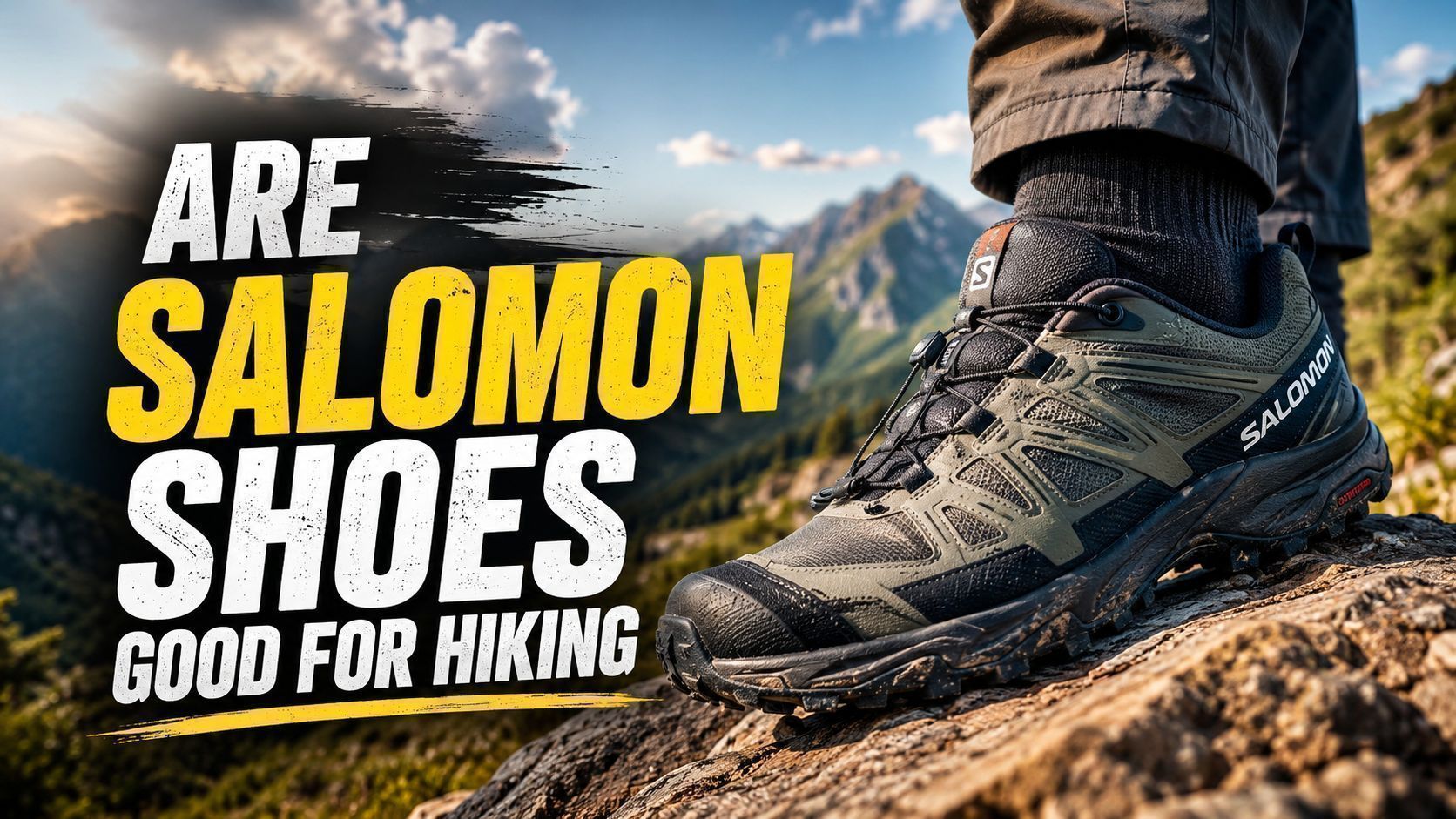
I hear this question all the time from folks planning their first big trip or looking to upgrade from their old everyday sneakers: are Salomon shoes good for hiking? Finding the right trail footwear can be confusing. When you are staring at a wall of boots and trail runners, it is hard to know which brand will actually keep your feet happy on a dirt path.
Here is the thing. Your feet are your transportation out in the woods. If your shoes are heavy, slippery, or cause painful blisters, your outdoor adventure can quickly turn into a miserable march. I have tested plenty of boots over the years, and I know how important it is to trust what you are wearing when you are miles away from the trailhead.
In this guide, we are going to look at why this brand is so popular among outdoor lovers. I will walk you through what to look for, how to choose the right pair for your trail plans, and how to avoid the common mistakes beginners make with hiking footwear. Let’s get into it.
Quick Answer
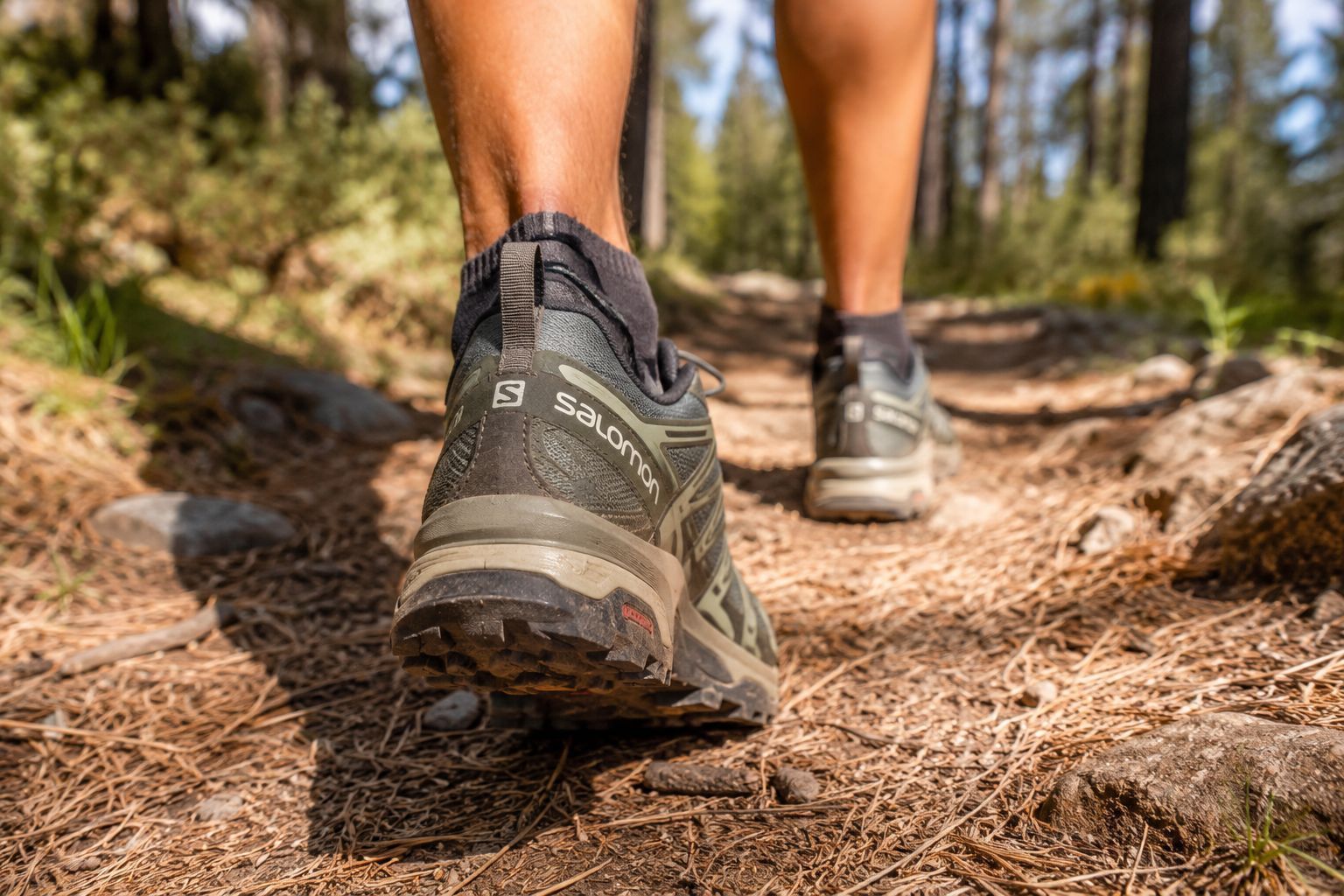
Are Salomon shoes good for hiking? Yes, Salomon makes some of the most popular and reliable hiking shoes and boots on the market today. They are highly respected for their excellent grip, lightweight design, and out-of-the-box comfort. Whether you need a sturdy boot for rocky, uneven terrain or a breathable trail runner for fast-paced day hikes, Salomon offers practical, high-quality options built specifically for the trail.
What Hikers Should Know About Salomon Shoes
Before you grab a pair of hiking shoes, it helps to understand what makes them different from your standard gym sneakers. Hiking footwear needs to handle mud, rocks, roots, and changing weather conditions safely.
Salomon has been building outdoor gear for decades. They started in the French Alps, and they know a thing or two about steep, rugged trails. For beginner and intermediate hikers, their shoes offer a great balance of protection and comfort without feeling like heavy concrete blocks on your feet.
Here are a few key features that make Salomon shoes a great choice for hiking:
- Contagrip Outsoles: This is Salomon’s special rubber tread. It is designed to grip dirt, wet rocks, and loose gravel so you do not slip easily.
- Quicklace System: Many of their trail runners use a pull-cord lace system instead of traditional tie laces. It is fast, stays tight, and tucks away safely so you do not trip over loose loops.
- Lightweight Build: Traditional leather hiking boots can be exhausting to wear. Salomon uses modern synthetic materials that protect your feet while keeping the shoe very light.
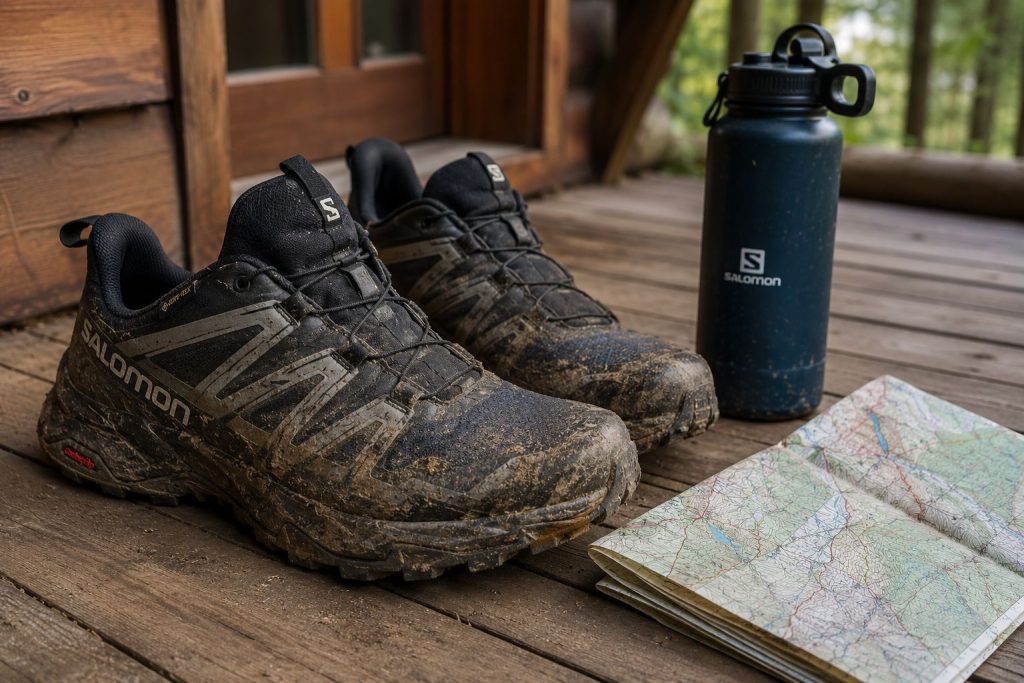
- Gore-Tex (GTX) Options: If you hike in the rain or cross shallow streams, their GTX models have a waterproof lining to keep your socks dry.
- Great Ankle Support: Their mid-height boots offer a soft but firm collar around the ankle, helping you stay stable on wobbly rocks.
No shoe can guarantee you will never slip or roll an ankle, but wearing footwear built for the woods gives you a massive advantage. If you want to learn more about the basic categories of trail footwear, the American Hiking Society has excellent resources on choosing the right hiking shoes.
Signs You Should Adjust Your Hiking Plan, Gear, or Trail Choice
Even with the best shoes in the world, trail conditions and foot health can change fast. One of the most important skills you can learn as a hiker is knowing when to stop, adjust your gear, or turn around entirely. Ignoring early warning signs usually leads to painful injuries or unsafe situations.
Always listen to your body. If you feel a hot spot forming on your heel, stop and put a bandage on it immediately. A hot spot will turn into a blister in less than a mile if you ignore it. Likewise, pay attention to the trail. If a sudden rainstorm turns a steep dirt path into slick mud, your shoes might pack with mud and lose their grip. That is a clear sign to slow down or head back.
Here is a simple table to help you recognize when your hiking plan is going well, and when you need to make a change.
| The Situation | Sign It Is Safe to Continue | Sign You Should Adjust or Turn Back |
|---|---|---|
| Foot Comfort | Feet feel warm but not painful. Toes have room to wiggle. | Sharp pain, rubbing on the heel, or toes smashing into the front of the shoe. |
| Trail Traction | Shoes grip the dirt well. You feel stable on minor inclines. | Sliding backwards on dirt, or slipping dangerously on wet rocks. |
| Weather Changes | Light drizzle, but you have waterproof shoes and a rain jacket. | Heavy downpour flooding the trail, or dark clouds with thunder. |
| Fatigue Levels | Legs feel tired but you can walk with a normal, steady stride. | Stumbling, dragging your feet, or feeling dizzy. Time to rest or head home. |
Always check the local weather using a trusted source like NOAA Weather before you drive to the trailhead. A good pair of shoes cannot save you from a dangerous flash flood or a lightning storm.
How to Pick and Test Your Hiking Shoes Step by Step
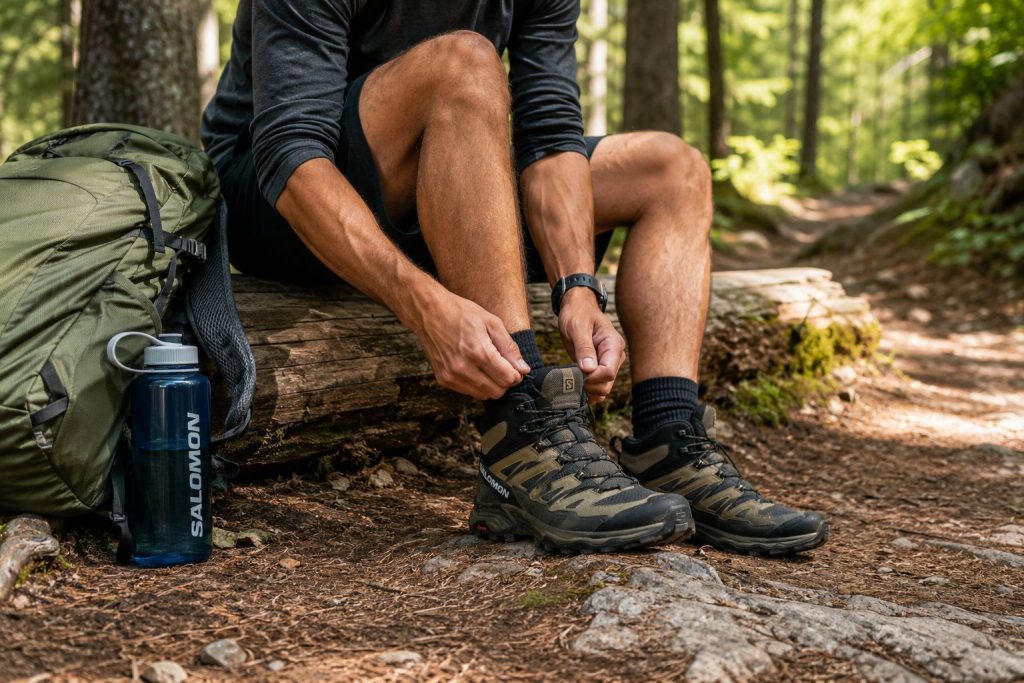
Buying hiking shoes is not like buying casual sneakers. You need to make sure they can handle hours of walking while carrying a backpack. If you are leaning toward Salomon (or any good outdoor brand), follow these practical steps to get the right fit.
- Shop in the afternoon. Your feet naturally swell during the day, just like they do on a hike. Try on shoes later in the day so you do not accidentally buy a pair that is too small.
- Bring your hiking socks. Never try on hiking boots with thin cotton dress socks. Bring the exact wool or synthetic hiking socks you plan to wear on the trail to get a true fit.
- Decide between boots and trail runners. If you carry a heavy backpack or hike on very rocky trails, look at a mid-height boot like the Salomon X Ultra. If you hike fast on smooth dirt paths with a light daypack, a trail runner like the Speedcross might be better.
- Test for toe room. Kick the floor gently or walk down a ramp if the store has one. Your toes should never hit the front of the shoe. If they do, you will lose your toenails on a steep downhill hike. Size up a half size if needed.
- Break them in safely. Salomon shoes are known for feeling great right out of the box, but do not take them on a 10-mile hike on day one. Wear them around your neighborhood or on a short 1-mile dirt path to make sure no hidden blisters pop up.
Support and Stability: Key for Foot Health
Beyond just keeping your feet from slipping, the support and stability a shoe provides are critical for comfort and preventing injuries over longer distances or on challenging terrain. Salomon achieves this in a few ways. Many of their hiking footwear models incorporate what they call the SensiFit™ system, which is designed to securely wrap and hold your foot, particularly the midfoot. This provides a snug, locked-in feel.
Manufacturer specifications often highlight a more structured midsole in their hiking-specific models compared to their pure running shoes. This structure helps to absorb shock and evenly distribute pressure across the sole of your foot. For you, this translates into less foot fatigue during a long day of hiking. The stability aspect is also crucial; a shoe that offers good torsional rigidity (resists twisting) and a stable heel cup can help prevent your foot from rolling unnaturally, which is a common cause of ankle sprains, especially when navigating uneven surfaces or carrying a load.
This focus on stability is a key reason why many hikers turn to brands like Salomon.
Durability and Protection on Rough Terrain
When you’re out on the trail, your footwear takes a beating. Rocks, roots, thorns, and general abrasion can quickly wear down lesser shoes. Salomon generally uses robust materials and construction methods in their hiking-oriented footwear to combat this. You’ll often see elements like reinforced toe caps, which are a lifesaver when your foot inevitably connects with a solid obstacle.
These protect your toes from impact and prevent the shoe’s upper material from tearing.
Mudguards, which are essentially tough rubber or synthetic strips that wrap around the lower part of the shoe, also contribute significantly to durability. They defend the more flexible upper materials from scuffs and tears caused by brushing against rocks and abrasive surfaces. The overall construction, from stitching to adhesives, is typically designed with trail use in mind, meaning they are built to withstand the constant flexing, twisting, and impact that hiking entails. This focus on longevity means you can often expect a pair of well-maintained Salomon trail shoes or boots to last for a good number of miles, offering good value over time.
Who Are Salomon Hiking Shoes Best For?
This is where the rubber meets the trail, so to speak. Determining if Salomon shoes are right for your hiking depends heavily on what kind of trails you frequent and your personal hiking style. They excel in certain areas, making them phenomenal choices for specific activities, but they might not be the universal best fit for everyone. It’s about matching the shoe’s design philosophy to your intended use.
Day Hikes and Trail Running Scenarios
If your adventures typically involve day hikes or you identify more as a trail runner who occasionally tackles longer treks, a Salomon shoe could be an excellent match. Many of their models, particularly those geared towards trail running, offer a lighter weight and a more flexible feel. This translates to greater agility and responsiveness, which is fantastic when you’re navigating technical terrain with lots of roots, rocks, and uneven surfaces. The focus here is on speed, nimbleness, and direct ground feel.
For these activities, Salomon’s aggressive lug patterns on their Contagrip™ outsoles provide the necessary bite. Combined with their often snug SensiFit™ cradling system, these shoes allow you to feel connected to the ground. This connection means you can react quickly to changing conditions, a huge advantage when you’re moving fast. If your hiking checklist includes covering ground efficiently and confidently on trails that demand precise footwork, then a Salomon trail shoe is definitely worth a serious look.
When to Consider Other Options: Backpacking & Heavy Loads
While Salomon makes some more robust models, their core strength often lies in lighter, more agile footwear. If your hiking plans involve multi-day backpacking trips where you’ll be carrying a significant load (think 30-50 pounds or more), you might need footwear that offers exceptional ankle support and a stiffer sole. A heavier pack puts immense pressure on your feet and ankles. In these situations, a Salomon trail runner or even their lighter hiking shoes might not provide enough rigid support.
A stiffer sole helps to distribute the weight more evenly and reduces the strain on your feet and lower legs during long days trekking with a heavy pack. Trail runners vs hiking boots is a common comparison here, and boots generally offer more dedicated support for load-bearing. Similarly, higher-cut hiking boots offer more substantial ankle support, which can help prevent sprains on uneven terrain when you’re fatigued. If your primary hiking objective is ambitious, long-distance backpacking with a heavy pack, it’s wise to explore models specifically designed for that purpose.
Salomon vs. The Competition: What to Compare
When you’re trying to figure out if Salomon is the right brand for your hiking needs, it’s helpful to see how they stack up against other options. The outdoor footwear landscape is broad, with many brands offering excellent products for various pursuits. Salomon often competes directly with brands known for their trail running shoes and lighter approach hiking footwear.
When comparing, look at the specific features that matter most to you. Some brands might lean into softer, more cushioned midsoles, while others, like Salomon, often prioritize a responsive feel with excellent traction. Consider the terrain you’ll be on most. If it’s mostly dry, packed earth, many shoes will perform adequately.
But if you encounter mud, loose gravel, or wet rock frequently, the specific outsole compound and lug design become critical differentiators. Manufacturer specifications will often detail these differences, allowing for a more informed comparison.
Fit: The Most Crucial Factor
No matter how great the grip or how durable the materials, if a shoe doesn’t fit your foot properly, it’s not going to be good for hiking. This is where Salomon’s fit can be a distinct characteristic, and it’s often a point of discussion. Many of their models tend to have a narrower heel and midfoot, which contributes to that secure, locked-in feel SensiFit™ aims for. This is fantastic for people with slender feet or those who prefer a snug, precise fit.
However, if you have wider feet, you might find that even Salomon’s wider models can feel restrictive, especially after a few hours of hiking when your feet naturally swell. This can lead to discomfort, blisters, or even nerve compression. It’s why trying shoes on, preferably later in the day when your feet are a bit larger, is so important. Walking around the store, even on an incline if possible, to simulate hiking motion can reveal fit issues before you hit the trail.
Verified buyer feedback consistently emphasizes that fit is paramount, regardless of brand, and choosing the right hiking boot or shoe can prevent many common problems.
Why Doesn’t “One Size Fits All” Work?
- Terrain Variation: A shoe designed for smooth forest paths won’t perform well on steep, rocky scree.
- Load Bearing: Carrying a light daypack requires different support than hauling a 40-pound backpack.
- Foot Anatomy: Everyone’s feet are shaped differently; what works for one person won’t necessarily work for another.
- Activity Nuance: Trail running demands agility and ground feel, while serious backpacking requires robust support and protection.
Common Mistakes to Avoid
I have seen plenty of beginner hikers struggle on the trail simply because of a footwear mistake. The good news is that these are very easy to avoid once you know what to look out for.
- Wearing cotton socks. Cotton holds onto sweat and stays wet, which creates friction and causes blisters. Always pair your good hiking shoes with merino wool or synthetic socks.
- Buying shoes too tight. Hiking shoes should be a little roomier than your street shoes. Your feet need space to swell when you walk long distances.
- Assuming waterproof is always better. Waterproof (GTX) shoes are great for rain and shallow mud. But in hot, dry summer weather, they trap foot sweat. Sometimes a breathable, non-waterproof shoe is much better for summer hiking.
- Tying laces too tight. If your feet feel numb or tingly, your laces are cutting off your circulation. Loosen them up, especially across the top of your foot.
- Ignoring the tread wear. Just like car tires, shoe tread wears down over time. If the rubber on the bottom of your shoe looks smooth and flat, it is time for a new pair before you slip and fall.
Practical Tips from Oscar
Over the years, I have learned a few tricks that make managing footwear on the trail much easier. Whether you choose Salomon boots or another trusted brand, keep these tips in your back pocket.
Key Takeaways
- Salomon shoes are excellent for hiking due to their grippy Contagrip soles, comfortable fit, and lightweight design.
- Always choose footwear based on the terrain you hike most often (sturdy boots for rocky trails, trail runners for smooth paths).
- Size up slightly so your toes do not smash into the front of the shoe when hiking downhill.
- Pair your hiking shoes with quality wool or synthetic socks to prevent painful blisters.
- Test your gear and break in your shoes on short, familiar walks before tackling a massive day hike.
Frequently Asked Questions
Do Salomon shoes run true to size?
Generally, yes, Salomon shoes run true to size for most people. However, they are known to have a slightly narrow fit in the midfoot. If you have wide feet, you may want to look specifically for their “Wide” size options to ensure a comfortable fit on the trail.
Are Salomon trail runners good for backpacking?
Yes, many experienced backpackers love using Salomon trail runners because they are lightweight and dry quickly. However, if you are carrying a very heavy backpack (over 35 pounds) or have weak ankles, a mid-height boot will offer better support and stability.
What does GTX mean on Salomon hiking shoes?
GTX stands for Gore-Tex. It means the shoe has a special waterproof and breathable membrane built inside. It keeps rain and puddle water out, making it a great choice for hiking in wet or muddy conditions.
How long do Salomon hiking shoes last?
Most quality hiking shoes, including Salomons, will last between 300 and 500 miles of trail use. The exact lifespan depends on your weight, the roughness of the trails you hike, and how well you clean them after muddy trips.
Are Salomon shoes waterproof?
Not all of them are waterproof. Salomon makes both waterproof (GTX) models and highly breathable, non-waterproof models. Be sure to read the label carefully based on the weather conditions you plan to hike in.
Wrapping Up Your Footwear Choice
So, are Salomon shoes good for hiking? Absolutely. They are a fantastic, reliable choice for anyone looking to get out on the trails comfortably. The most important thing is finding a shoe that fits your unique foot shape and matches the type of hiking you actually do. Do not stress about buying the most expensive, heavy-duty boot if you are just planning to walk flat dirt paths in your local state park.
Take your time at the store, wear the right socks, and remember that breaking in your gear slowly is the smartest way to start. A comfortable hiker is a safe hiker. If you treat your feet right, they will take you to some incredibly beautiful places.
If you are getting your gear together for your first big trip, be sure to check out our beginner hiking gear checklist to make sure your backpack is packed with all the safety essentials you need. See you out on the trail!
