Hey there, I’m Oscar. If you are planning your next outdoor adventure, you might be looking at your footwear and asking a very common question: are tactical boots good for hiking? Maybe you already own a pair for work, or maybe you just like the rugged, durable look they offer. Footwear is easily the most important gear choice you will make before hitting the trail, so it is a smart question to ask.
Here is the thing. When you are miles away from your car, your boots become your best friends or your worst enemies. A bad pair can ruin a beautiful weekend in the woods with blisters, heavy legs, and sore arches. A good pair will carry you safely over rocks, roots, and mud.
In this guide, we are going to look closely at tactical boots. I will share what makes them different from standard hiking boots, when they work well, and when you might want to leave them at home. Whether you are planning a short day hike or a weekend backpacking trip, this guide will help you make a safe, comfortable choice for your feet.
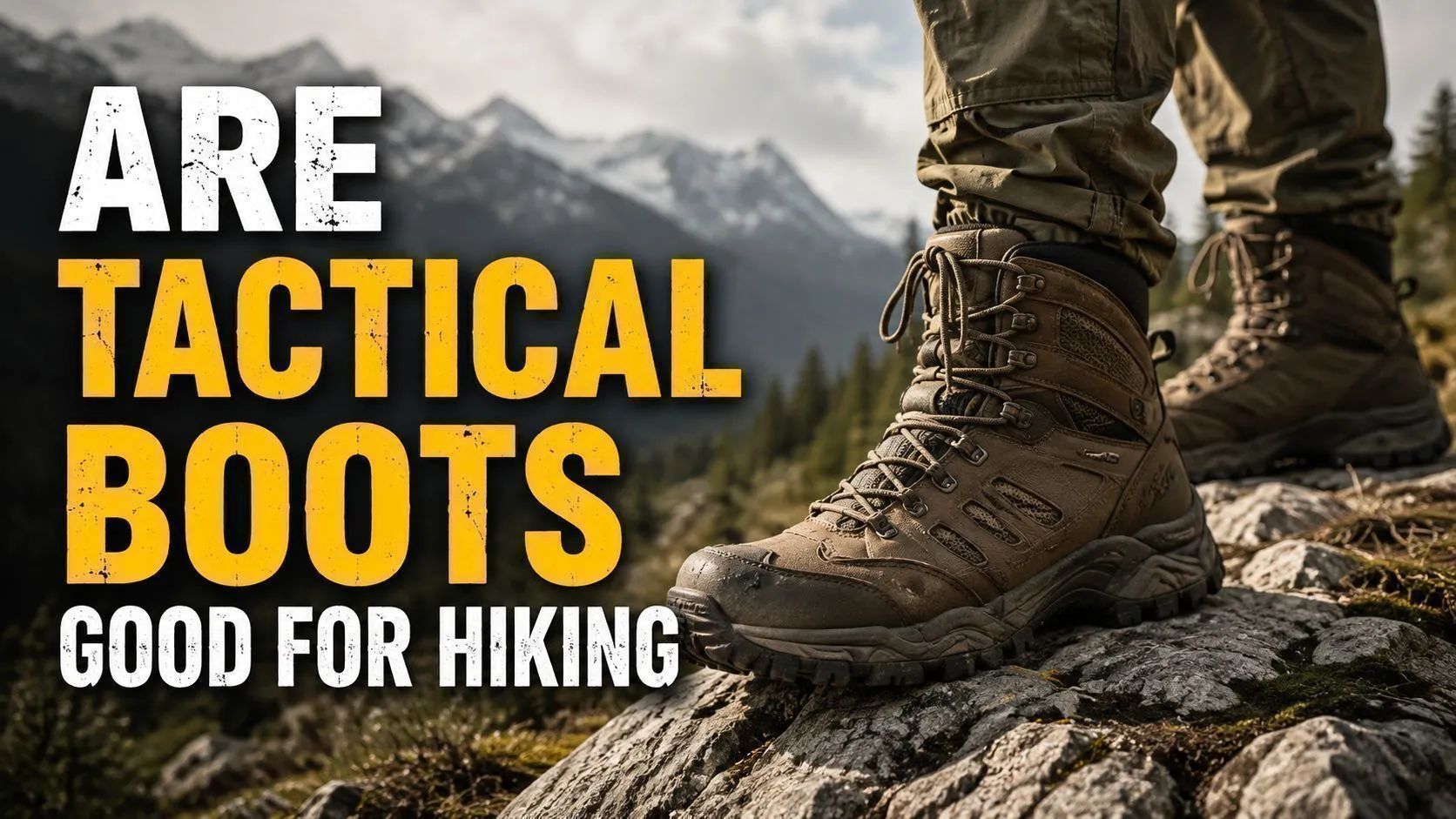
Yes, tactical boots can be good for hiking, especially if you are carrying a heavy backpack, navigating off-trail brush, or walking in wet, muddy conditions. They offer excellent ankle support, puncture resistance, and long-lasting durability. However, tactical boots are usually heavier, stiffer, and less breathable than dedicated hiking boots or trail running shoes. For fast, lightweight day hikes on well-groomed trails, they might feel too heavy and warm. If you choose to hike in them, make sure they are fully broken in and paired with high-quality wool hiking socks.
Tactical Boots vs. Hiking Boots for the Trail
For most hiking scenarios, dedicated hiking boots or trail shoes are the superior choice over tactical boots. Tactical boots excel in providing robust protection, ankle stability, and aggressive traction, making them ideal for environments demanding immediate response and rugged durability, such as law enforcement or certain military operations. However, they often sacrifice comfort for miles, breathability, and natural foot flex that is crucial for enjoyable, blister-free hiking. Aggregate user reviews and comparative analyses consistently point to hiking-specific footwear as offering a better balance of support, cushioning, and ventilation for sustained trail use.
What Hikers Should Know About Tactical Boots
To understand if your boots will work on the trail, it helps to know how they were built. Tactical boots are designed for law enforcement, military personnel, and first responders. They are built for extreme durability, standing on hard surfaces for long shifts, and protecting the feet from hazards. Standard hiking boots, on the other hand, are built specifically for walking long distances over uneven natural terrain.
When you take a tactical boot on a hiking trail, you get a mix of benefits and drawbacks. Let me explain the key differences.
Durability and Protection
Tactical boots are incredibly tough. They are usually made from thick leather, heavy-duty nylon, or a mix of both. They often feature reinforced toes and thick side panels. If you are hiking off-trail through thick brush, snake country, or sharp rocks, this protection is fantastic. You do not have to worry about sticks poking through your shoes.
Ankle Support
Most tactical boots sit high on the ankle, often 6 to 8 inches high. This tall shaft provides a stiff, supportive brace around your ankle. If you are carrying a heavy 40-pound backpack, this support can help prevent a rolled ankle if you step on a loose rock. But for a simple day hike with a light daypack, this level of support is often overkill and can limit your foot’s natural movement.
Weight and Breathability
This is where tactical boots struggle on the trail. They are heavy. Lifting a heavy boot thousands of times over a five-mile hike takes a lot of energy. Additionally, because they are built with thick protective materials, they do not breathe very well. On a hot summer day, your feet will sweat. Trapped sweat softens your skin, and soft skin leads to painful blisters.
Here are the core features you can usually expect from tactical footwear:
High Ankle Collars: Built for maximum stability and bracing.
Deep Lacing Systems: Allow for a very tight, secure, and custom fit.
Slip-Resistant Soles: Designed to grip oil and wet concrete, though they may not grip wet mossy rocks as well as hiking rubber.
Thick Uppers: Excellent for resisting tears, cuts, and scrapes.
Heel and Toe Bumpers: Great for kicking away debris or protecting toes from drops.
Tactical Boots on the Trail: The Pros
In specific circumstances, tactical boots can offer certain advantages for outdoor excursions. Their inherent toughness means they can stand up to abrasive trail conditions, like scrambling over sharp rocks or navigating through dense underbrush, with less risk of damage compared to some lighter hiking footwear. The substantial ankle support is another significant plus, particularly if you’re carrying a heavier load, such as for multi-day backpacking trips where a weighted hiking backpack essentials can put extra strain on your ankles. Some tactical boots also feature very aggressive outsole lug patterns, designed to bite into loose dirt, mud, or scree, potentially offering superior grip in challenging, off-trail situations.
This robust construction and support can provide a heightened sense of security and stability when moving through unpredictable environments.
Tactical Boots on the Trail: The Cons
However, tactical boots present several significant drawbacks when you’re looking to log serious miles on a hiking trail. Their inherent stiffness, while great for support, often translates to a lack of forefoot flexibility. This can make your stride feel less natural and more taxing over long distances, potentially leading to foot fatigue and discomfort. Furthermore, breathability is frequently a secondary concern in tactical boot design.
Many are constructed with materials that don’t allow air to circulate as freely as in dedicated hiking boots, which can lead to overheated feet and an increased risk of blisters, especially during warmer weather or on strenuous climbs. These boots can also be considerably heavier than their hiking counterparts, and that extra weight adds up, contributing to quicker fatigue on extended treks. For instance, a typical tactical boot might weigh around 1.5 to 2 pounds per boot, whereas many popular hiking boots fall within the 1 to 1.5 pound range.
Signs You Should Adjust Your Hiking Plan, Gear, or Trail Choice
A big part of outdoor safety is knowing when to change your plans. Sometimes, the gear you brought simply does not match the trail conditions. Tactical boots are great in certain environments, but they can be a liability in others. You need to listen to your body and look at the trail ahead.
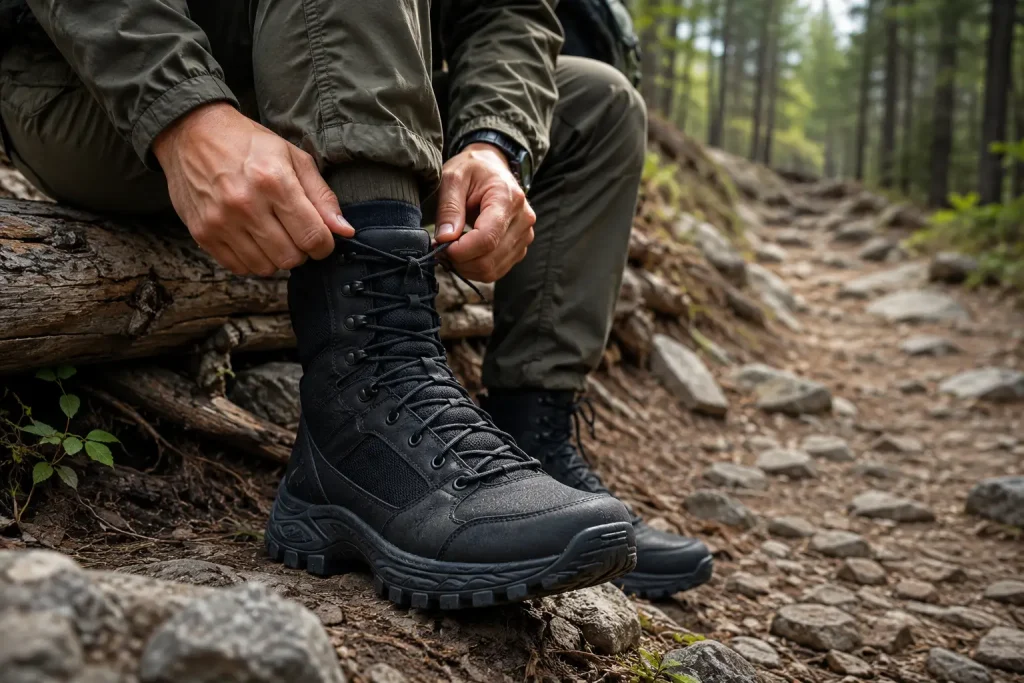
adjusting the laces of a tall
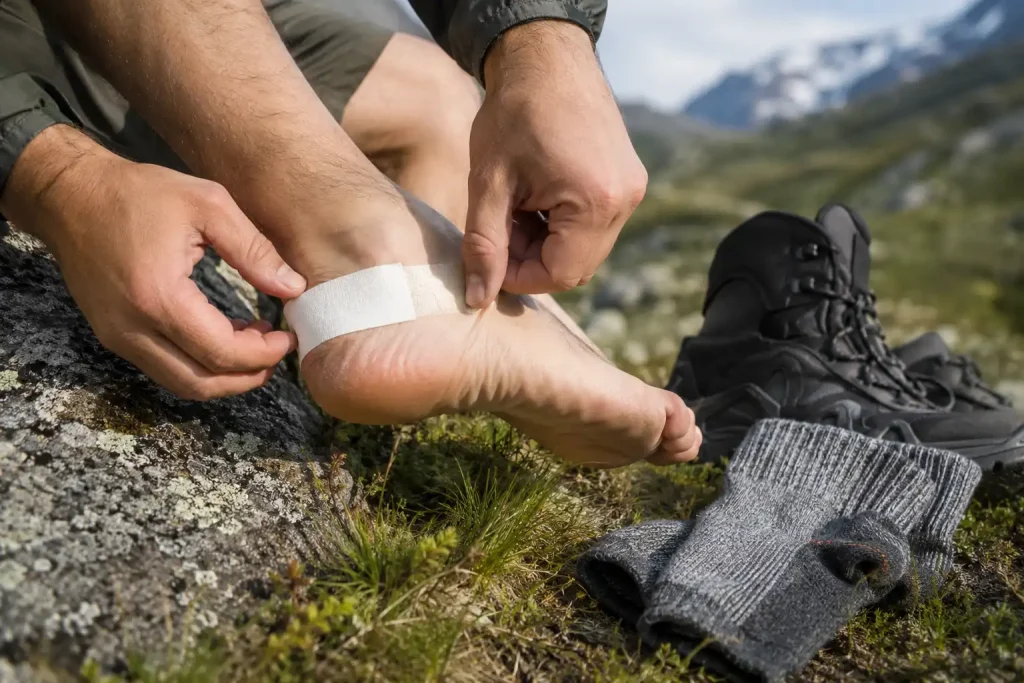
If you are wearing heavy boots and start feeling deep “hot spots” on your heels or toes, stop immediately. A hot spot is a warning sign that a blister is about to form. Continuing to hike without applying blister tape or adjusting your socks will only make the injury worse. Remember, it is always okay to turn around and head back to the trailhead if your footwear is causing severe pain.
You also need to adjust based on the weather and terrain. If a trail involves multiple deep river crossings, wearing tall, non-waterproof tactical boots might be a mistake. Once heavy leather boots get soaked inside, they can take days to dry. Walking in soaking wet boots is a fast track to foot injuries.
To help you decide what footwear makes sense for your trip, I put together this simple comparison table.
Trail & Trip Type
Best Footwear Choice
Why It Works
Short Day Hike (Flat, paved, or groomed dirt)
Trail Running Shoes
Lightweight, highly breathable, flexible, and comfortable right out of the box.
If you have decided that tactical boots are the right choice for your upcoming hike, you need to prepare them properly. You cannot just pull them out of the box and hike ten miles. Proper preparation will save your feet and keep you safe on the trail. Here is my step-by-step method for getting tactical boots trail-ready.
Break Them In Slowly: Tactical boots are stiff. Start by wearing them around the house for a few days. Then, wear them on short neighborhood walks, or to the grocery store. Do this for at least two weeks before your hike so the stiff materials can bend and mold to the shape of your foot.
Upgrade the Insoles: Many tactical boots come with flat, basic foam insoles meant for standing, not hiking. Remove the factory insoles and replace them with supportive hiking insoles. Look for insoles with a strong plastic arch and deep heel cups. This single change can completely transform the comfort of the boot.
Choose the Right Socks: Never wear cotton socks on a hike. Cotton absorbs sweat, stays wet, and causes massive friction. Pair your boots with medium-weight Merino wool socks. Wool wicks moisture away from your skin, regulates temperature, and provides natural padding.
Practice the Heel Lock Lace: Because tactical boots are tall, your heel can easily slip up and down inside the boot, causing friction. Use a “heel lock” lacing technique at the ankle flex point. This locks your heel firmly into the back of the boot while leaving the toe box roomy enough for your toes to swell safely.
Test the Tread on Dirt: Before committing to a hard trail, test the boots on a local dirt path. Some tactical boots have outsoles meant for flat pavement and oil resistance, which might slide on loose dirt, wet leaves, or muddy rocks. Make sure you trust the grip before hiking a steep incline.
Common Mistakes to Avoid
Over the years, I have seen a lot of hikers struggle on the trail because of simple footwear mistakes. If you are using tactical boots, the margin for error is a bit smaller due to their heavy-duty nature. Here are a few common mistakes you should avoid:
Ignoring Hot Spots: Never push through foot pain. If you feel rubbing, stop immediately, take off the boot, and apply moleskin or athletic tape to the area.
Tying the Boots Too Tight: While a snug fit is good, cranking the laces too hard on a tall tactical boot can restrict blood flow and irritate the tendons on top of your foot. Keep the lower laces comfortable and lock the ankle.
Forgetting to Trim Toenails: Hiking downhill pushes your foot forward. If your toenails are long, they will slam into the stiff toe box of the tactical boot. This is incredibly painful and can cause you to lose a toenail. Trim them short and straight across before your hike.
Assuming Waterproof Means Better: Waterproof tactical boots are great for snow or shallow puddles, but they trap sweat inside. If you are hiking in the summer heat, a non-waterproof boot with drainage vents is almost always a better, blister-free choice.
Practical Tips from Oscar
When you spend enough time outdoors, you pick up little tricks to make things easier. While I am not a wilderness medical expert, I have learned how to manage heavy footwear on long trail days. Here are a few practical tips I use when breaking out heavy-duty boots.
athletic tape to the heel of their foot
Remember to follow the principles of the Leave No Trace Center for Outdoor Ethics. Heavy boots with deep treads can tear up fragile trail edges. Stick to the center of the established path, even if it is muddy, to protect the surrounding environment.
Key Takeaways
Tactical boots provide unmatched durability, puncture protection, and heavy-load ankle support.
They are heavier, stiffer, and run hotter than standard hiking boots, which can lead to foot fatigue and blisters if you are not careful.
Never hike in brand-new tactical boots. Always break them in slowly over a few weeks.
Pair them with moisture-wicking Merino wool socks and supportive aftermarket insoles for the best trail experience.
For fast, light, hot-weather day hikes, dedicated trail running shoes or lightweight hiking shoes are usually a better choice.
Frequently Asked Questions
Are military boots the same as tactical boots?They are very similar, but not exactly the same. Military boots are built to meet specific strict government standards for uniform wear and combat environments. Tactical boots are a broader category made for law enforcement, security, and civilian outdoor use, often focusing a bit more on daily comfort and lighter materials.
Can you backpack in tactical boots?Yes, tactical boots actually excel in backpacking scenarios where you are carrying a heavy load. The stiff ankle collar helps support the extra weight of the pack, and the durable materials can handle the rough off-trail conditions often found in the backcountry.
Do tactical boots have good grip on the trail?It depends on the specific outsole. Many tactical boots are designed for urban environments, meaning they grip wet pavement well but might slip on muddy roots or mossy river rocks. Always check if the boot has deep, multi-directional lugs suited for dirt and loose gravel.
Are tactical boots waterproof?Some are, but not all. Waterproof tactical boots usually feature a Gore-Tex or similar breathable membrane. Keep in mind that waterproof boots trap more body heat. If you are hiking in dry, hot weather, non-waterproof tactical boots with drainage vents are a much better choice.
Should beginner hikers wear tactical boots?Generally, I recommend beginners start with lightweight hiking shoes or trail runners. Tactical boots are heavy and require a solid break-in period. Beginners are often better served by footwear that is instantly comfortable and light, which helps prevent early fatigue and blisters while they build their trail legs.
Conclusion
So, are tactical boots good for hiking? The simple truth is that they can be an excellent choice if you need serious protection, ankle support for a heavy backpack, or durability in rough terrain. They are tough, dependable, and built to take a beating. But that toughness comes with a cost: they are heavy, stiff, and can trap heat on warm days.
If you decide to wear them, take the time to break them in, buy some quality wool socks, and listen to your feet on the trail. Comfort is everything when you are out exploring. If you are just starting out and want to look at lighter options, check out my beginner’s guide to choosing hiking footwear to see how hiking boots and trail runners compare.
Stay safe, pack smart, and I will see you on the trail!
To provide the best experiences, we use technologies like cookies to store and/or access device information. Consenting to these technologies will allow us to process data such as browsing behavior or unique IDs on this site. Not consenting or withdrawing consent, may adversely affect certain features and functions.
Functional
Always active
The technical storage or access is strictly necessary for the legitimate purpose of enabling the use of a specific service explicitly requested by the subscriber or user, or for the sole purpose of carrying out the transmission of a communication over an electronic communications network.
Preferences
The technical storage or access is necessary for the legitimate purpose of storing preferences that are not requested by the subscriber or user.
Statistics
The technical storage or access that is used exclusively for statistical purposes.The technical storage or access that is used exclusively for anonymous statistical purposes. Without a subpoena, voluntary compliance on the part of your Internet Service Provider, or additional records from a third party, information stored or retrieved for this purpose alone cannot usually be used to identify you.
Marketing
The technical storage or access is required to create user profiles to send advertising, or to track the user on a website or across several websites for similar marketing purposes.

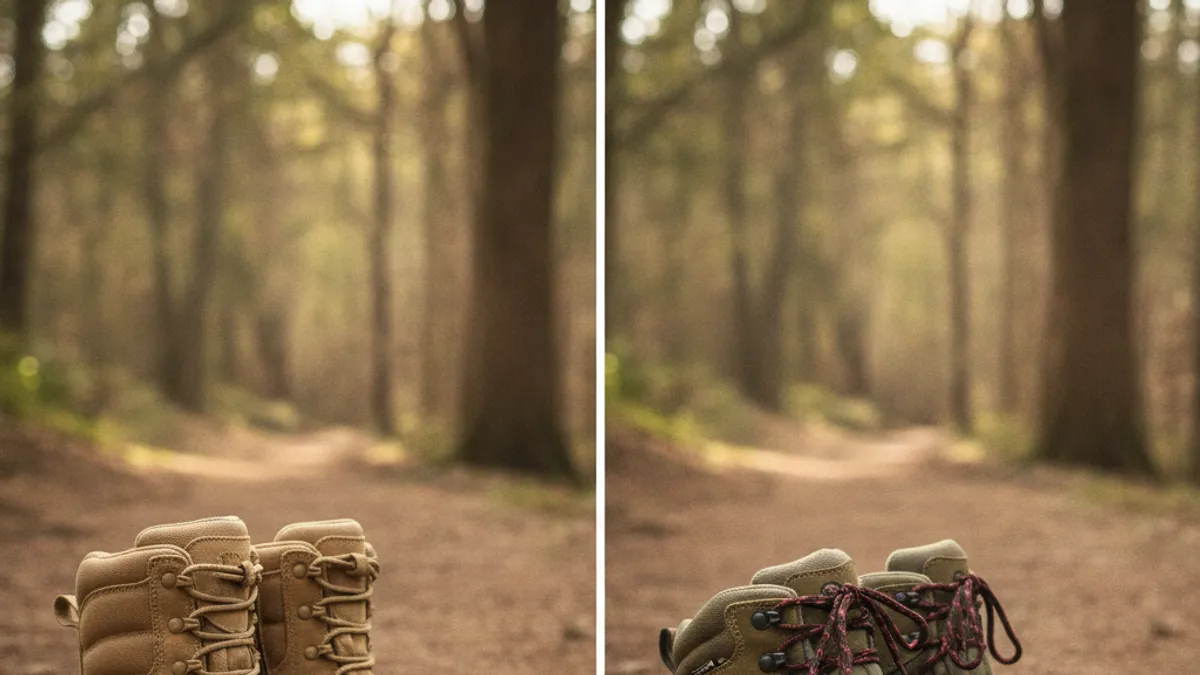 For most hiking scenarios, dedicated hiking boots or trail shoes are the superior choice over tactical boots. Tactical boots excel in providing robust protection, ankle stability, and aggressive traction, making them ideal for environments demanding immediate response and rugged durability, such as law enforcement or certain military operations. However, they often sacrifice comfort for miles, breathability, and natural foot flex that is crucial for enjoyable, blister-free hiking. Aggregate user reviews and comparative analyses consistently point to hiking-specific footwear as offering a better balance of support, cushioning, and ventilation for sustained trail use.
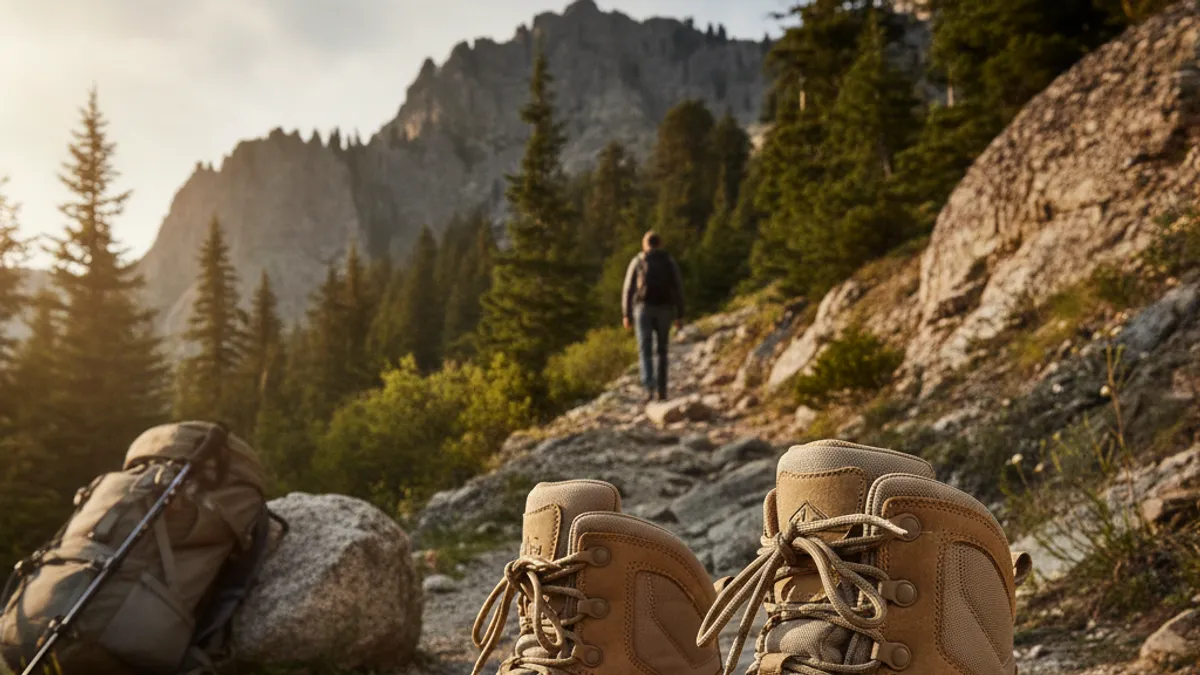 When you take a tactical boot on a hiking trail, you get a mix of benefits and drawbacks. Let me explain the key differences.