

The question “can you die from hiking” brings up a lot of images, but it’s rarely as dramatic as you might think. While hiking is one of the most accessible and rewarding ways to enjoy the outdoors, like any activity, it carries inherent risks that could lead to serious harm. It’s not the trail itself that’s trying to get you, but rather a combination of environmental factors and human decisions.
Our research indicates that fatalities on hiking trails are almost always the result of a cascade of events, rather than a single, unavoidable accident. By understanding these potential dangers and preparing effectively, you significantly reduce your risk, allowing you to focus on the enjoyment and benefits of exploring the wild. As of 2026, official reports from various park services consistently highlight preventable human errors as leading contributing factors in serious incidents.
The Real Dangers: What Hikers Face
Let’s get this straight: hiking itself isn’t inherently deadly. Most people hike for miles upon miles without incident. However, the wilderness is a powerful environment. When things go wrong, they can go wrong fast, and the consequences can be severe.
The dangers you face are less about sudden attacks and more about the slow creep of environmental forces and the critical impact of your own choices on the trail.
Environmental Threats Beyond Your Control
The wilderness presents a constant set of challenges that demand respect and preparation. Weather, for example, can shift dramatically and without much warning, turning a pleasant day into a dangerous situation. Factors like extreme temperatures, sudden downpours, or unexpected snow can quickly lead to hazardous conditions, even on seemingly familiar trails. Think about how quickly a light rain can make rocks slippery or how a heatwave can drain your energy if you’re not careful.
Human Factors: Where Mistakes Happen
This is where most of the serious incidents occur. Misjudgments, lack of knowledge, or simply bad luck when unprepared can turn a fun outing into a critical situation. These are the factors we can control through education and diligent preparation. For instance, underestimating the distance or difficulty of a trail, failing to check the forecast, or not carrying adequate supplies are all common threads in incidents that could be prevented.
Knowing your own limits and the environment’s potential is paramount.
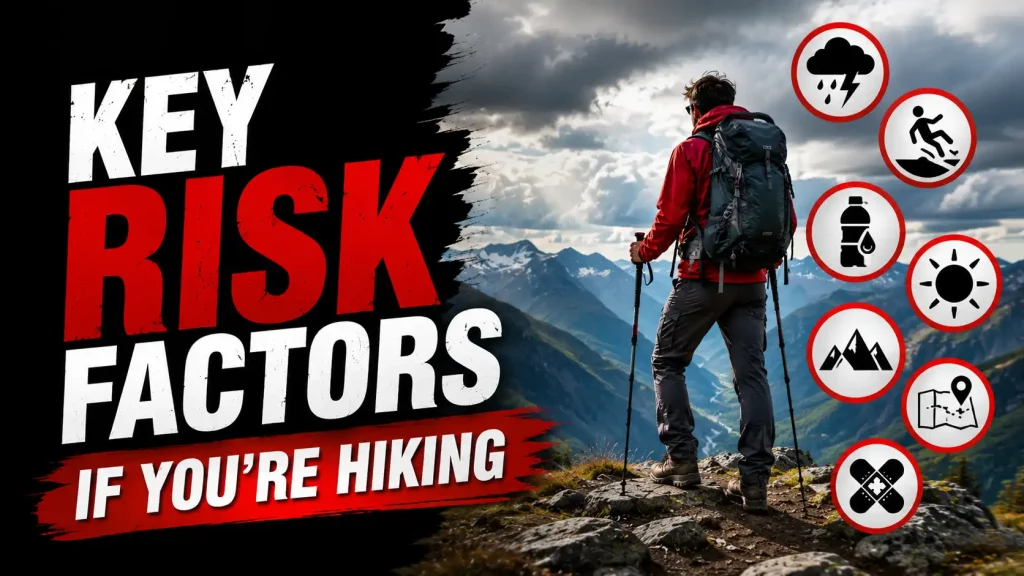
Key Risk Factors If You’re Hiking
When we talk about hiking and potentially life-threatening situations, it’s usually rooted in specific scenarios. These aren’t random acts of nature; they are often connected to well-documented hazards that hikers need to be aware of. Understanding these common risk factors is the first, most crucial step in staying safe out there.
Navigation Failures: Getting Lost
Getting lost is a primary concern for hikers, especially on less maintained or remote trails. Without proper navigation skills, a clear understanding of your route, or reliable tools like a map and compass, it’s surprisingly easy to stray off course. This can happen even on short day hikes if you’re not paying attention or if trail markers are missing or unclear. Once disoriented, panic can set in, making it harder to regain your bearings, and leading to extended exposure to the elements or the exhaustion of searching for a way out.
Dehydration and Heat-Related Illnesses
Your body needs water to function, and strenuous activity in warm or hot weather rapidly depletes your fluid reserves. Dehydration is a serious risk that can incapacitate a hiker relatively quickly. As dehydration worsens, it can escalate into heat exhaustion and, in the most severe cases, heatstroke. Heatstroke is a medical emergency where the body’s temperature regulation fails, leading to organ damage and potentially death if not treated immediately.
Consistent hydration is non-negotiable for safe hiking.
Cold Survival: The Threat of Hypothermia
Hypothermia is the dangerous drop in your body’s core temperature, and it’s a significant threat even when temperatures aren’t freezing. Getting wet from rain, sweat, or falling into water, combined with wind, can rapidly lower your body temperature. As your core temperature drops, your body’s functions slow down, leading to confusion, impaired judgment, loss of coordination, and eventual unconsciousness. This is why proper layering and carrying emergency insulation, like those best hiking gloves for cold weather or a waterproof shell, are vital, as detailed in our beginner hiking checklist.
Falls and Traumatic Injuries
Trails can be uneven, rocky, and steep. A simple misstep, a slippery patch of mud, or a loose rock can send a hiker tumbling. These falls can result in a range of traumatic injuries, from minor sprains and fractures to severe head injuries or spinal cord damage. If an injury occurs far from help, it can quickly become a survival situation, as evacuating an injured person from rugged terrain is extremely difficult and time-consuming.
Unpredictable Wildlife Encounters
While most wildlife prefers to avoid humans, encounters can happen, and some animals may act defensively or aggressively if surprised or threatened. This can range from a startling encounter with a large mammal like a bear or mountain lion to a venomous snakebite. Knowing how to react safely, making noise on the trail to alert animals to your presence, and understanding local wildlife behavior are critical for minimizing this risk. Standard safety protocols advise always carrying bear spray in known bear habitats.
Essential Safety Practices for Every Hike
Knowing the risks is only half the battle. The real strength comes from actively implementing safety practices that mitigate these dangers. These aren’t just suggestions; they are the cornerstone of responsible hiking and wilderness exploration. Think of them as your essential toolkit for a safe and enjoyable adventure.
Step-by-Step: Planning Your Trip Right
Effective trip planning is the bedrock of any safe hike. It starts well before you even put on your boots.
- Choose Your Trail Wisely: Select a hike that matches your current fitness level and experience. Don’t overreach, especially when you’re starting out. As the Hiking Workout Plan For Beginners suggests, build up your stamina gradually.
- Research the Route: Understand the trail’s length, elevation gain, terrain type, and any potential hazards specific to that area. Look for recent trail reports if available.
- Check the Weather Forecast: Get the most up-to-date forecast for your specific hiking location. Mountain weather can change rapidly, so be prepared for a variety of conditions.
- Inform Someone of Your Plans: This is non-negotiable. Leave a detailed itinerary with a reliable friend or family member. This should include where you’re going, your planned route, who is with you, and when you expect to return.
Packing for Survival: The Ten Essentials
The “Ten Essentials” are a standard list of backcountry gear considered crucial for survival and safety. Even on a short day hike, having these items can make a critical difference if something goes unexpectedly wrong. Think of them as your insurance policy against the unpredictable.
- Navigation: Map, compass, and/or GPS device. Know how to use them!
- Headlamp/Illumination: Plus extra batteries. Essential if your hike takes longer than expected.
- Sun Protection: Sunglasses, sunscreen, hat.
- First Aid: A well-stocked first-aid kit, and know how to use it.
- Knife/Multi-tool: For repairs and emergencies.
- Fire: Waterproof matches, lighter, fire starter.
- Shelter: Emergency bivy sack or space blanket.
- Extra Food: More than you think you’ll need. Packed lunches and snacks are always a good idea; explore hiking meal prep ideas.
- Extra Water: Carry more water than you anticipate using; consider electrolytes for hiking if it’s a strenuous outing or hot.
- Extra Clothes: Layers to cope with changing temperatures or wet conditions.
Staying Visible and Communicating Your Plans
Beyond leaving your itinerary, being visible and able to communicate is key in emergencies. A bright-colored jacket or vest, even on a clear day, can make you easier to spot. For remote hikes where cell service is unlikely, consider carrying a satellite messenger or a Personal Locator Beacon (PLB). These devices can send your location and an emergency signal to rescue services when your phone can’t.
Mastering Navigation: Don’t Rely on Luck
Relying solely on phone GPS apps is a common mistake. Batteries die, phones break, and signals can be spotty. True navigation skills involve understanding how to read a topographic map and use a compass. Practice these skills in familiar areas before attempting a complex route.
Understanding your location relative to contour lines and identifying landmarks can save you in a situation where your electronic devices fail.
Hydration and Fueling: Your Energy Source
Your body is your primary tool on a hike, and it needs consistent fuel and fluid to perform. Dehydration and lack of energy are significant contributors to poor decision-making and fatigue, which can lead to accidents. Drink water regularly, even if you don’t feel thirsty; it’s often too late by then. Carry a variety of best energy bars for hiking and snacks to maintain your energy levels throughout the trek.
Roughly, aim to drink at least a liter of water for every two hours of moderate hiking, but this can vary greatly based on temperature and exertion. Our guide on how much water to drink hiking offers more detailed advice.
When to Turn Back or Seek Help
Knowing when to change your plans is one of the most critical survival skills a hiker can possess. Pushing forward when conditions are deteriorating or when you or a member of your group is injured or ill is a fast track to a serious incident. Your judgment on the trail is your most important safety tool. Learn to read the signs your body and the environment are giving you.
Recognizing Early Warning Signs
- Physical Distress: Symptoms like severe fatigue, dizziness, nausea, persistent headache, or excruciating pain are clear indicators that you should stop. Ignoring these can lead to worse conditions like severe dehydration or heatstroke.
- Environmental Changes: Sudden drops in temperature, increasing winds, darkening skies with the threat of lightning, or rapidly rising water levels in stream crossings are all signals to reassess your situation. If you’re already pushing your physical limits, these changes can quickly become insurmountable.
- Mental Impairment: Confusion, irrational decision-making, or extreme irritability can be signs of hypothermia or severe dehydration. This is a critical point where you need to stop, assess, and potentially seek immediate help if you are with others who can assist.
Emergency Procedures in the Backcountry
If you find yourself in a situation where you need help, staying calm and acting decisively is key.
- Assess the Situation: Is it an injury, getting lost, or a weather emergency? What resources do you have available?
- Administer First Aid: If there’s an injury, provide immediate care within your capabilities.
- Seek Shelter: If exposed to harsh elements, find or create a safe shelter.
- Signal for Help: If you have a PLB or satellite messenger, activate it. If not, try to make yourself visible (bright clothing, signal mirror) or create audible signals (whistle blasts in threes).
- Stay Put (if lost): Unless you are absolutely certain of the way out, it’s often safer to stay in one place, especially if you’ve informed someone of your itinerary, so rescuers can find you.
Expert Tips for Safer Hiking Adventures
Drawing on years of experience and accumulated knowledge, here are some insights that go beyond the basic checklist. These tips are about developing a deeper awareness and a more proactive approach to your hiking safety. They’re the kind of advice seasoned hikers share around the campfire.

Understanding Trail Conditions and Weather
The trail isn’t always a clear, dry path. Ice, snow, mud, and loose scree can dramatically alter difficulty and increase risk. Always research trail conditions before you go and be prepared for the worst-case scenario within reason for the season. For example, even in late spring, high-altitude trails might still hold snow and ice, requiring specialized gear like hiking gaiters or traction devices.
Weather is another dynamic factor. A forecast predicting a slight chance of rain can mean a torrential downpour in the mountains. Always pack rain gear, even if the skies look clear when you leave. When assessing weather, look at multiple sources and consider the elevation you’ll be hiking at, as temperatures drop significantly with altitude.
This is especially true when considering waterproof hiking boots worth it for your planned excursions.
Respecting Wildlife: Coexistence is Key
Wildlife is a beautiful part of the hiking experience, but it requires respect. Most animals want to avoid you as much as you want to avoid them. Making noise on the trail is crucial. Singing, talking, or even clapping your hands periodically can alert animals to your presence, especially bears.
This prevents surprise encounters, which are often when incidents occur.
Never feed wildlife; it habituates them to humans and can lead to aggressive behavior or disease transmission between animals. If you see an animal, admire it from a distance and never approach it. Giving them space is the best way to ensure both your safety and theirs. This principle applies to everything from a curious squirrel to a majestic elk.
Verified Safety Resources for Hikers
While personal experience and common sense are vital, relying on credible organizations for safety information adds a layer of assurance. These sources provide guidelines, data, and recommendations that are often based on extensive research and real-world incident analysis. They are the authorities you can trust for definitive advice.
Official Guidance and Where to Find It
Government agencies responsible for managing public lands, like the National Park Service and the U.S. Forest Service, provide invaluable resources. Their websites often detail specific hazards for popular hiking areas, recommended safety practices, and emergency contact information. They also publish statistics on incidents, offering a data-driven perspective on what leading causes of accidents are.
Educational institutions and established outdoor recreation organizations also offer excellent safety training and information. Organizations like the National Outdoor Leadership School (NOLS) and Wilderness Medical Associates provide certifications and resources on wilderness safety, first aid, and survival skills. These groups are dedicated to promoting safe practices in the outdoors and are excellent go-to points for in-depth knowledge.
Making Smart Hiking Choices: A Final Word
The risks associated with hiking are real, but they are far from insurmountable. By understanding the potential dangers, from environmental threats like extreme weather and dehydration to human factors like poor navigation or lack of preparation, you can make informed decisions that keep you safe.
It’s about more than just having the right gear, though that’s certainly important; it’s about developing a mindset of respect for the wilderness and a commitment to preparedness. This means planning thoroughly, packing essentials, knowing your limits, and always being ready to turn back when conditions demand it. Hiking can be an incredibly fulfilling and life-enriching activity when approached with the right knowledge and a cautious, considered attitude.
