
Finding how to choose a hiking backpack is crucial for comfortable and enjoyable adventures. The right pack distributes weight effectively, preventing common issues like back pain and shoulder strain that can quickly turn a great hike into a miserable experience. It’s about finding a piece of gear that feels like an extension of yourself, not a burden.
Your backpack’s capacity, measured in liters, is a primary driver for selection, and manufacturer specifications often range from 15 liters for day trips all the way up to 75 liters or more for extended expeditions. Getting this and the fit right means you’ll be eager for your next trail.
What Kind of Hikes Are You Planning?
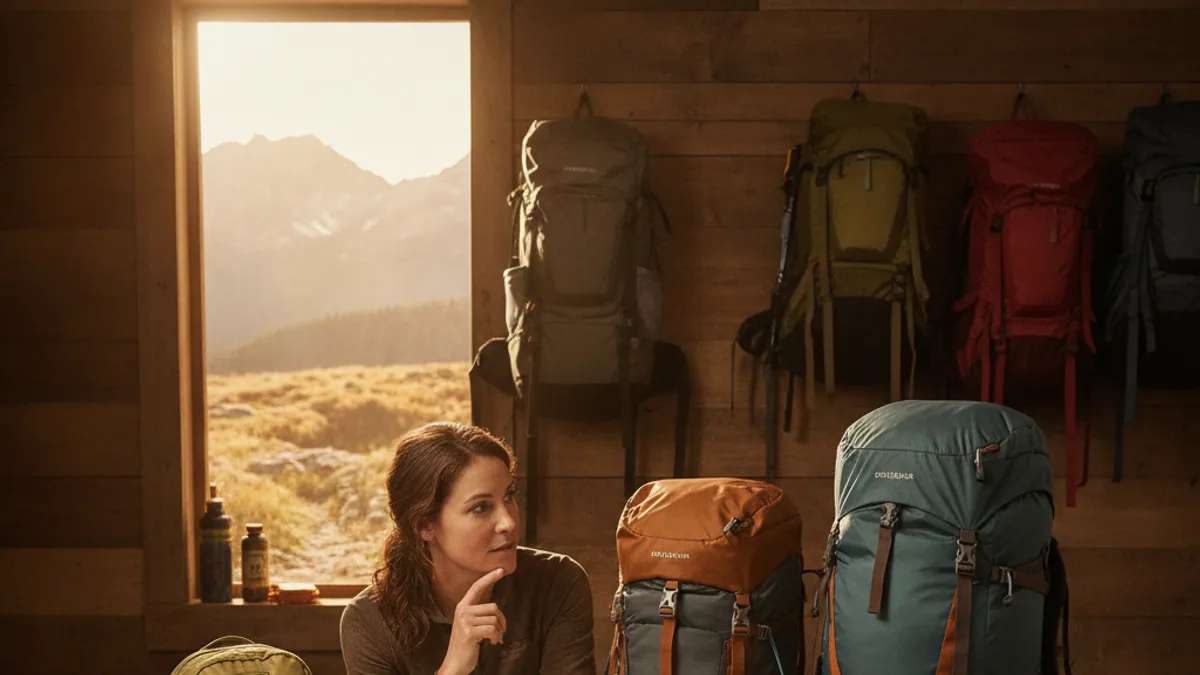
The type of hiking you intend to do is the single most important factor when selecting a backpack. Your planned duration, the amount of gear you’ll need to carry, and the terrain all play a role. Think about your typical outings to start narrowing down the options. A pack designed for a quick day hike won’t cut it for an overnight trip, and vice-versa.
Day Hikes (15-30 Liters)
For day hikes, you’re primarily focused on carrying essentials like water, snacks, a basic first-aid kit, and perhaps a light rain layer. You don’t need much volume, so a smaller pack keeps you nimble and light. These packs are designed to be comfortable for several hours of wear without feeling cumbersome. Aggregate reviews report that packs in the 15-30 liter range are ideal for carrying What To Bring On A Day Hike items.
Overnight / Weekend Trips (30-50 Liters)
When you’re planning to head out for one or two nights, you’ll need a bit more space. This typically means packing a sleeping bag, a small tent or hammock, a sleeping pad, cooking supplies, and extra clothing. A pack in the 30-50 liter range is generally sufficient for most weekend warriors, offering a good balance between carrying capacity and manageable weight. Our research indicates this capacity is also suitable for carrying Hiking Meal Prep Ideas.
Multi-Day Trips (50 Liters and Up)
If your adventures stretch to three days or more, you’ll need a significantly larger backpack to accommodate more food, fuel, and potentially different weather gear. Thru-hiking, a continuous long-distance trek, often requires packs of 50-75 liters or even larger depending on resupply points and seasonal conditions. For these longer journeys, optimizing weight and pack organization becomes even more critical. What Is Thru Hiking involves carrying enough supplies for extended periods between resupplies.
Fit is King: Getting the Right Feel on Your Back
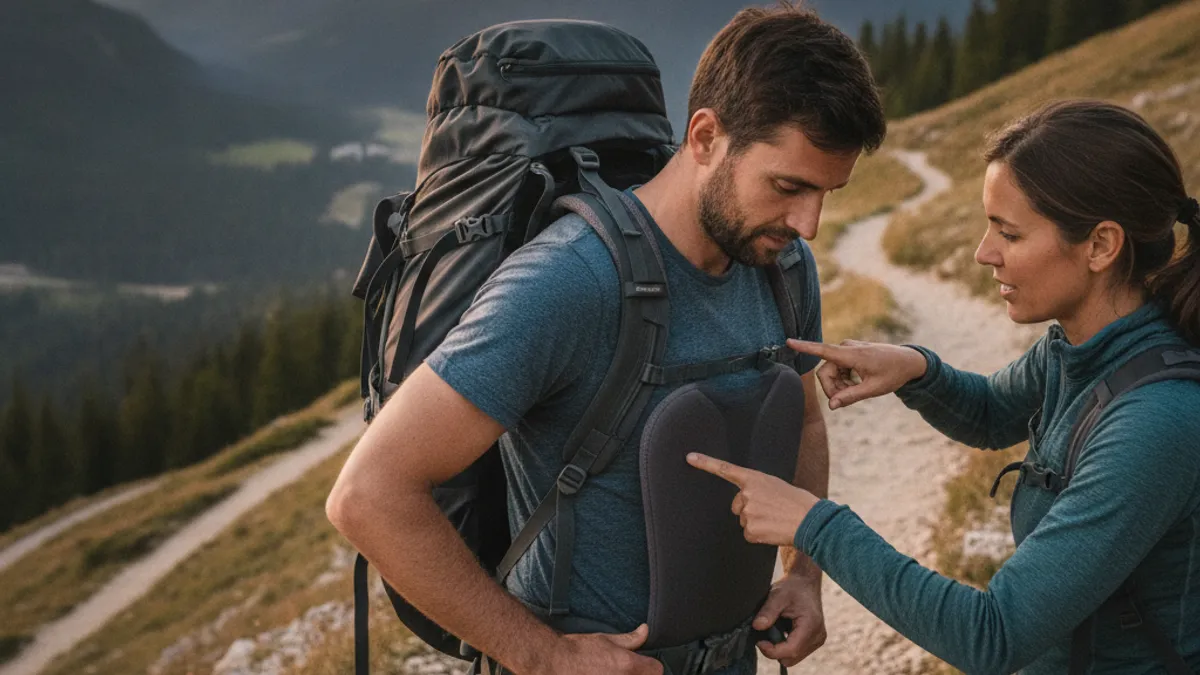
Even the most feature-packed backpack is useless if it doesn’t fit you properly. In our research, an ill-fitting pack is consistently cited as a primary source of discomfort and can lead to serious ergonomic issues. The goal is to have the pack feel like a natural extension of your body, with most of the weight resting comfortably on your hips. This requires understanding a few key measurements and adjustment points.
Understanding Torso Length Measurement
Torso length is the most critical measurement for ensuring a good backpack fit, and it’s distinct from your overall height. It refers to the distance from your C7 vertebra, that prominent bone at the base of your neck, down to your iliac crest, which is the top ridge of your hip bone. Manufacturer specifications often provide sizing charts based on torso length, with common ranges for adult men and women. For example, many adult torso lengths fall between 16-21 inches, but this varies widely.
Getting this measurement accurate is the first step to selecting a pack that will properly support your load.
The Crucial Role of the Hip Belt
The hip belt is where about 80% of your backpack’s weight should rest, taking the load off your shoulders and back. For this to happen effectively, the padded sections of the hip belt must sit directly on top of your iliac crest. If the belt sits too high or too low, the weight won’t transfer correctly, leading to discomfort and strain. You’ll likely feel the pack digging into your waist rather than resting on your sturdy hip bones.
Shoulder Straps and Load Lifters: The Support System
While the hip belt does the heavy lifting, shoulder straps are essential for stabilizing the load and carrying the remaining percentage of the weight. They should curve comfortably over your shoulders without significant gaps or digging. Load lifter straps, which connect the top of the shoulder straps to the pack’s frame, are key for bringing the top of the pack closer to your body, improving stability and balance and preventing the pack from pulling away from your back. Getting these adjustments right means the pack moves with you as a cohesive unit.
Capacity Explained: How Much Gear Do You Really Need?
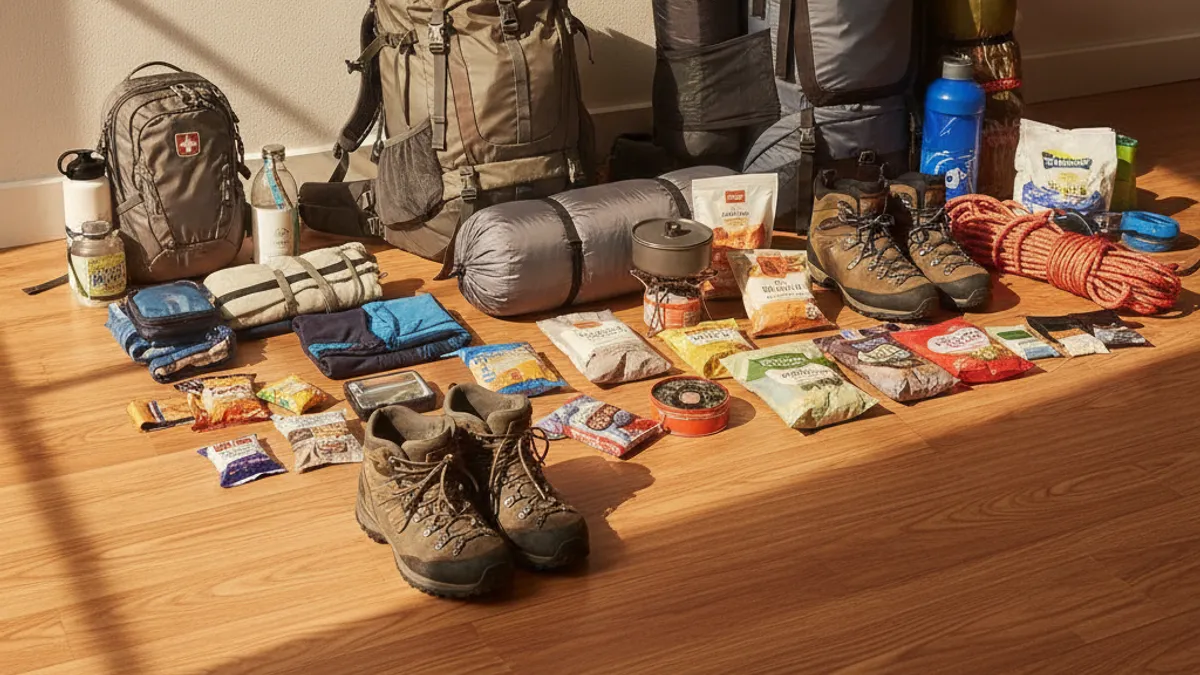
Backpack capacity is almost always measured in liters, a volume metric that gives you a general idea of how much gear the pack can hold. It’s more of a guideline than a strict rule, as pack shapes and internal designs can affect usable space. However, it’s your primary indicator for matching a pack to your trip length and needs.
- Daypack (15-30 Liters): Ideal for carrying just essentials for a few hours or a full day out. Think of items like How Much Water To Drink Hiking, a few snacks, and a lightweight jacket.
- Weekend Pack (30-50 Liters): Suited for one or two nights away. This allows for carrying a sleeping bag, small tent, cookset, and extra layers.
- Multi-day Pack (50-75 Liters): Designed for trips lasting three days or longer. You must carry more food, fuel, and clothing for extended periods.
- Extended Trip Pack (75+ Liters): For very long expeditions, winter camping, or scenarios where you need to carry significant amounts of specialized gear or supplies for prolonged periods off-grid.
Manufacturer specifications will list the liter capacity for each pack. It’s tempting to buy a larger pack “just in case,” but this often leads to overpacking, which adds unnecessary weight and can make your hike much more difficult.
Key Features to Look For
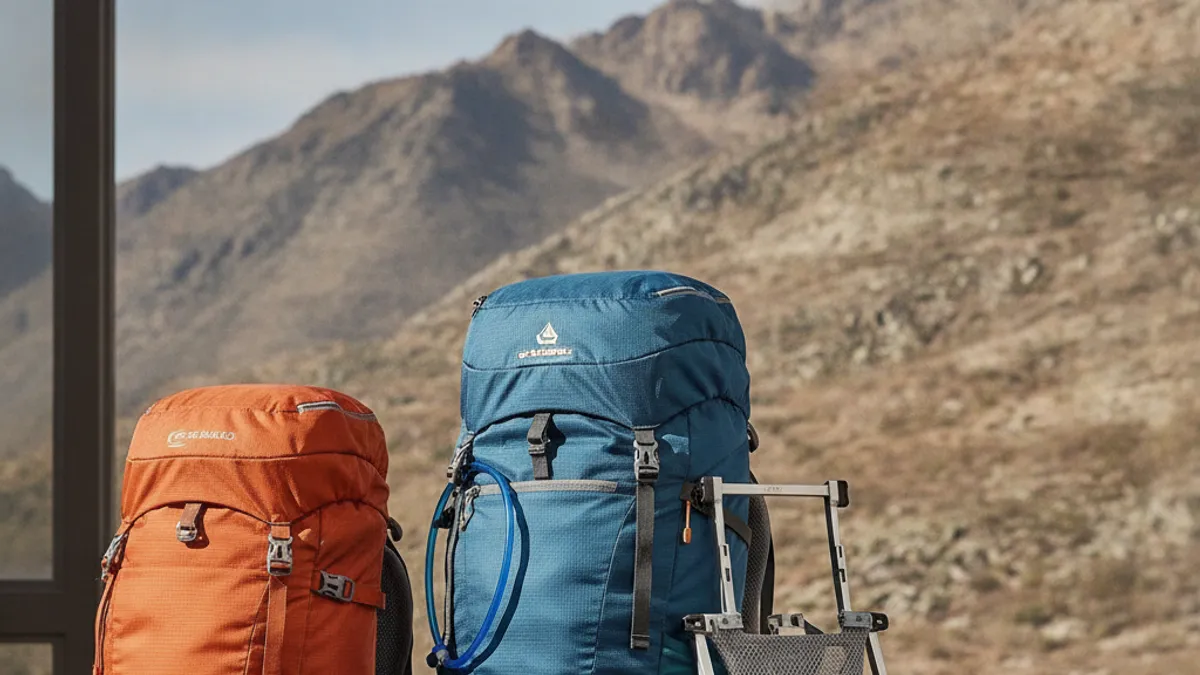
Beyond fit and capacity, a hiking backpack comes with various features that can impact your overall experience. Our research shows that certain features, like the frame type and access points, significantly influence a pack’s performance and comfort in different situations. Understanding these components can help you make a more informed choice.
Frame Types: Internal vs. External vs. Frameless
The frame of a backpack is its backbone, providing structure and transferring weight to your hips.
- Internal Frame: This is the most common type found in modern hiking packs. The frame is integrated within the pack’s fabric, offering a streamlined profile that moves well with your body. They are great for general hiking and backpacking.
- External Frame: Less common today, these packs have a visible frame structure extending outside the bag. They can be excellent for carrying very heavy or irregularly shaped loads and often provide superior ventilation, though they can be bulkier and less agile on uneven terrain.
- Frameless: Primarily for ultralight hikers, these packs rely on the rigidity of the gear packed inside for structure. They require a disciplined packing approach and a minimalist mindset, offering the absolute lowest weight but demanding careful load management.
Pockets and Access: Getting to Your Gear
How you access your gear is often as important as how much you can carry.
- Top-Loading: This is the traditional design, where the main compartment is accessed from the top. It’s simple and effective.
- Panel Access / Front Access: Many modern packs feature a U-shaped zipper on the front that opens the main compartment like a suitcase. This makes it much easier to find and retrieve items buried deep in the pack without having to unpack everything.
- Specific Pockets: Look for features like easily accessible side pockets for water bottles you can reach while walking (crucial for How To Stay Hydrated On A Hike), hip belt pockets for snacks and small essentials like a phone or Best Hiking Snacks For Energy, and a lid pocket for items you need quick access to, such as sunscreen or a headlamp.
Ventilation for Comfort
In warm weather or during strenuous climbs, your back can quickly become a source of discomfort due to sweat. Packs designed with ventilation in mind can make a significant difference. Many feature trampoline-style mesh back panels that create a gap between your back and the pack, allowing air to circulate freely. Others use channeled foam or specific cut-outs to promote airflow.
This feature is particularly valuable for anyone who tends to sweat heavily or hikes in warmer climates.
Material Matters: Durability and Weight
Backpacks are typically constructed from durable synthetic fabrics like nylon, often with a ripstop weave to prevent tears from spreading. The denier (D) rating indicates the fabric’s thickness and durability, higher numbers generally mean a tougher, but heavier, fabric. Some ultralight packs opt for thinner, lighter materials, which can be less resistant to abrasion and punctures. Balancing durability with weight is a key consideration, especially for longer trips where every ounce counts.
From our analysis of materials used by major manufacturers, ripstop nylon offers a strong combination of tear resistance and water repellency.
Trying It On for Size: The Essential Test
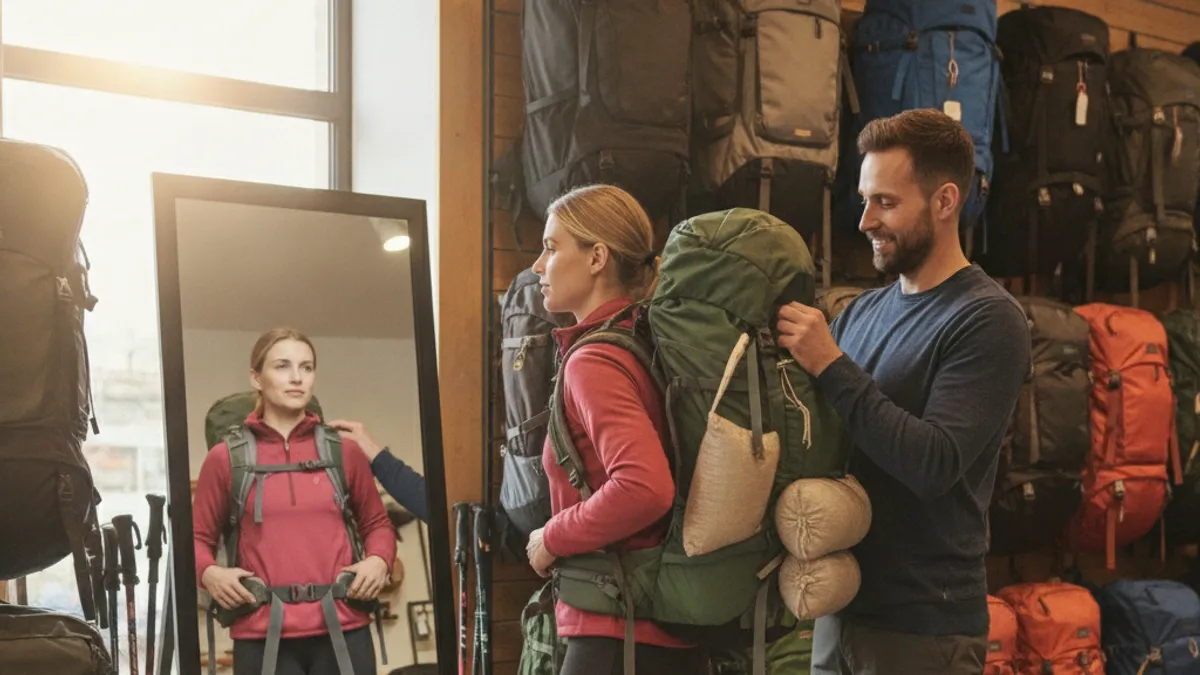
You absolutely must try a backpack on, loaded with weight, before you buy it. Manufacturer specifications and expert advice all point to this being the most critical step in preventing discomfort on the trail. A new pack will feel very different once it’s actually carrying the load you intend to bring on your hikes. Don’t skip this phase; it’s where you’ll confirm if a pack is truly a good match for you.
Loading Your Pack for a Realistic Feel
When you’re in a store or have a pack at home, ask the salesperson to load it with around 15-20 pounds of weight, or use items like sleeping bags, extra clothing, or even weight bags if available. A pack that feels light and comfortable when empty can quickly become a burden when loaded. This initial weight test is non-negotiable for ensuring the pack’s suspension system and fit points will perform under real-world conditions. This weight is a good starting point, aligning with the typical load for Beginner Hiking Checklist items and light day trips.
Adjusting Every Strap
Once loaded, take at least 10-15 minutes to properly adjust all the straps. Start with the hip belt, ensuring it sits squarely on your iliac crest and is comfortably snugged. Next, adjust the shoulder straps so they curve smoothly over your shoulders without significant gaps. Finally, gently tighten the load lifter straps to pull the top of the pack closer to your upper back, which enhances stability and balance.
A knowledgeable store associate can guide you through this process, ensuring you understand how each adjustment affects the overall fit.
Walking the Walk: Assessing Comfort
With the pack fully adjusted and loaded, take it for a test walk around the store. Go up and down stairs if possible. Bend over, twist your torso, and move around as you would on a trail. Pay attention to any points of pressure, pinching, or rubbing.
Does the hip belt stay in place? Do the shoulder straps dig in? Does the pack feel balanced, or is it pulling you backward? These initial movements will reveal potential issues that might not be apparent when just standing still.
If you have a local outfitter, this process is invaluable.
Common Questions About Hiking Backpacks
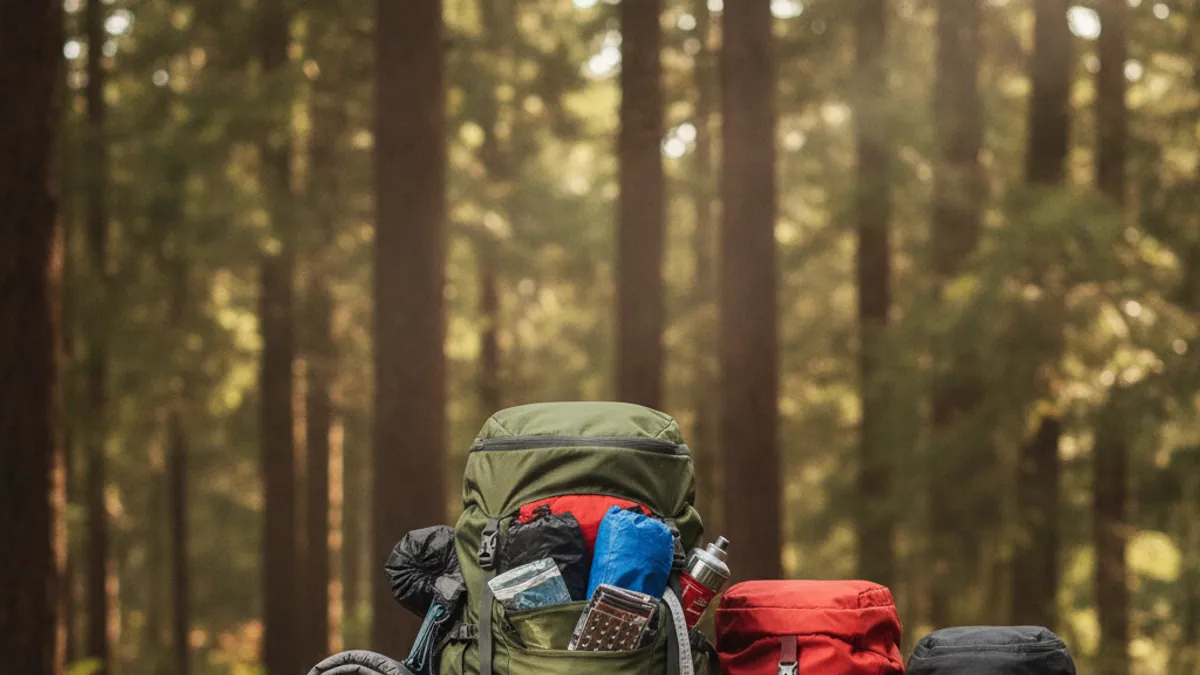
When you’re in the market for a new hiking backpack, a few questions tend to come up repeatedly among hikers, from beginners to those with years of experience. Understanding these common points can help you make a more confident decision and avoid potential pitfalls. We’ve gathered insights from various sources to address these points clearly.
Rain Covers and Water Resistance
Most hiking backpacks are made from water-resistant materials, meaning they can handle light rain or splashes without your gear getting immediately soaked. However, they are not typically fully waterproof. Prolonged heavy rain can eventually seep through seams and zippers. For this reason, many hikers opt for a separate rain cover that fits over their pack.
Some packs come with an integrated rain cover, while others offer it as an optional accessory. Consider your typical hiking climate and the importance of keeping your gear absolutely dry when deciding if a rain cover is a necessity for your trips.
Unisex vs. Women’s Specific Packs
While many backpack manufacturers offer unisex models, there’s a growing selection of women’s-specific packs. These are designed with anatomical differences in mind. They typically feature shorter torso lengths, narrower shoulder straps that are often S-curved to avoid pressure on the chest, and hip belts that are contoured and shaped to better fit women’s wider, more angled iliac crests. Aggregate reviews and manufacturer specifications confirm that for many women, a women’s-specific pack offers a superior and more comfortable fit.
If you’re unsure, trying on both styles is highly recommended to see what works best for your body. This mirrors the differences seen in How To Choose Hiking Boots where gender-specific designs enhance comfort and performance.
Making Your Final Choice
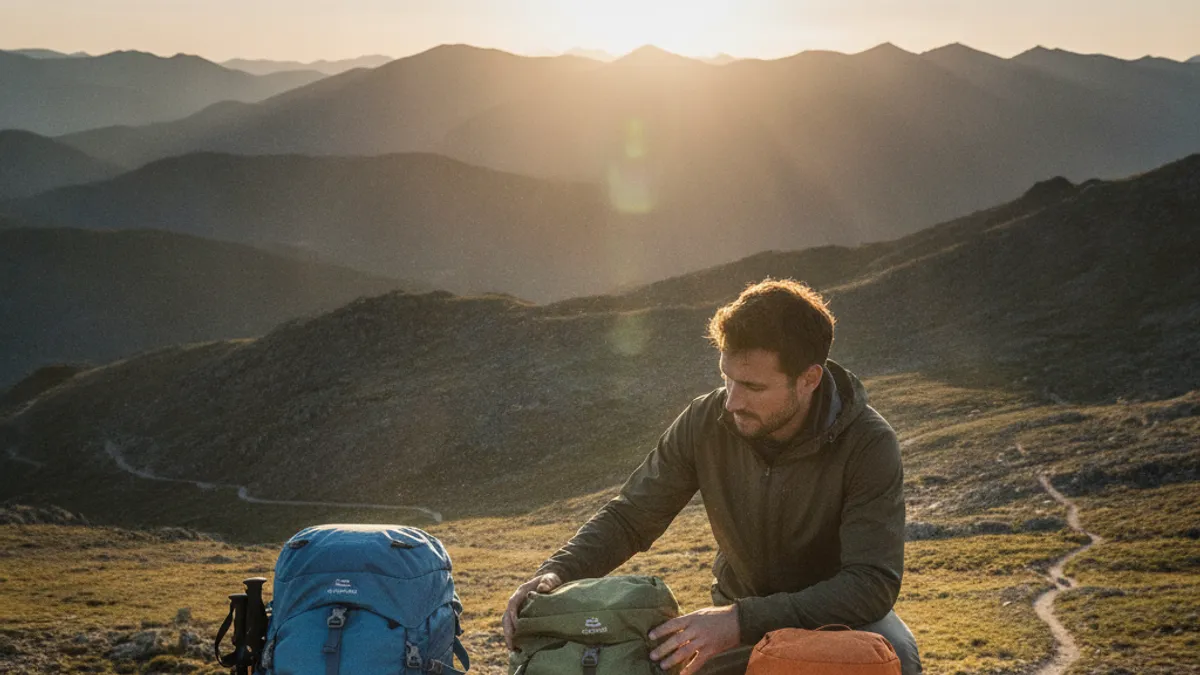
Now that you’ve considered your trip type, understand the critical importance of fit and capacity, and learned about key features, it’s time to pull it all together. Remember, the best hiking backpack is the one that feels comfortable and works for your specific needs on the trail. Don’t be swayed solely by trendy brands or the lightest weight if it compromises on fit or durability for your intended use. Take your time, try on several options if possible, and trust how the pack feels when it’s loaded and on your body.
A well-chosen pack can make all the difference on your adventures.
