
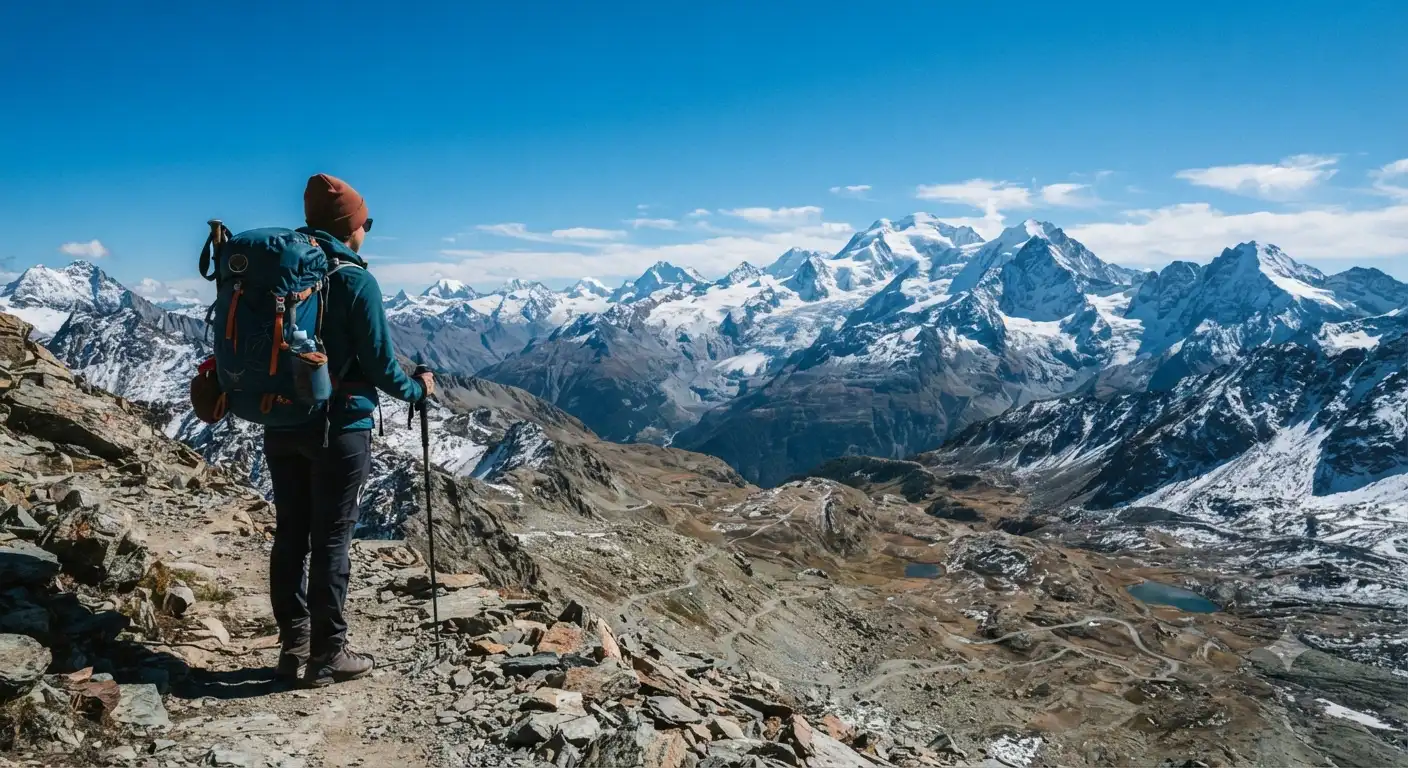
You just booked a dream trip to a mountain trail. The pictures look absolutely amazing. But then you look at the elevation map, and you start to worry. You ask yourself, how do I prepare my body for that much thin air? I get this question all the time from people planning their first big mountain trip. It is a very normal thing to worry about.
I remember my first time hiking above 10,000 feet. I thought I was in great shape. But after just twenty minutes on the trail, my legs felt like heavy lead blocks. I was breathing like I had just run a fast sprint. It was a huge wake-up call for me. What feels like an easy walk near the beach can feel like a grueling workout up in the clouds.
Here is the thing. You do not need to be an Olympic athlete or a professional mountaineer to enjoy high-elevation trails. Normal, everyday hikers can absolutely safely tackle these beautiful routes. You just need to prepare your body before you leave home. Let me explain how you can build up your lungs and legs so you can actually enjoy the views instead of just staring at your boots.
Quick Answer
To train for high altitude hiking, you need to focus on building cardiovascular endurance and leg strength at least four to six weeks before your trip. The best way to do this is through steady, long cardio workouts like running, cycling, or climbing stairs while wearing a loaded backpack. Once you reach the mountains, you must spend one or two days resting at a moderate elevation to let your body adjust to the thinner air. Always remember to walk much slower than your normal pace and drink lots of water to help your body adapt safely.
What Hikers Should Know About Altitude
Before we talk about working out, let us talk about what actually happens to your body up high. Altitude changes the rules of hiking. At higher elevations, the air pressure is simply lower. This means the air is spread out more. Every time you take a breath, you pull in less oxygen than you would at sea level.
Because there is less oxygen, your heart has to pump faster to get enough fuel to your muscles. Your lungs have to work harder. This is why you feel out of breath so quickly. The good news is that your body is incredibly smart. It can adjust to this lower oxygen environment. This adjustment process is called acclimatization.
Acclimatization is a natural process, but it takes time. You cannot force it, and you cannot rush it. When you train at home, you are not actually changing how your body handles thin air. Instead, you are building a strong, efficient engine. A strong heart and strong lungs will simply handle the extra stress of the mountain much better.
When preparing for a big mountain trip, keep these focus areas in mind:
- Cardio health: Making your heart and lungs as strong as possible.
- Leg power: Preparing your muscles to lift your body weight up steep rocks.
- Mental patience: Learning to accept a very slow walking pace.
- Hydration habits: Practicing drinking water long before you actually feel thirsty.
For official medical advice on how your body reacts to high elevation, always review the guidance from the CDC on altitude illness or talk to your personal doctor before your trip.
Signs You Should Adjust Your Hiking Plan or Turn Back
Even if you train perfectly, high elevation can still sneak up on you. You have to listen to your body closely. Altitude sickness, also known as Acute Mountain Sickness (AMS), is very real. It can happen to anyone, no matter how young or fit they are. Your fitness level does not make you immune to the thin air.
When you are hiking, you need to know the difference between normal tiredness and a real altitude problem. A little bit of heavy breathing is normal. A slight feeling of fatigue is normal. But if you start feeling dizzy, sick to your stomach, or get a pounding headache that will not go away, you must stop walking higher.
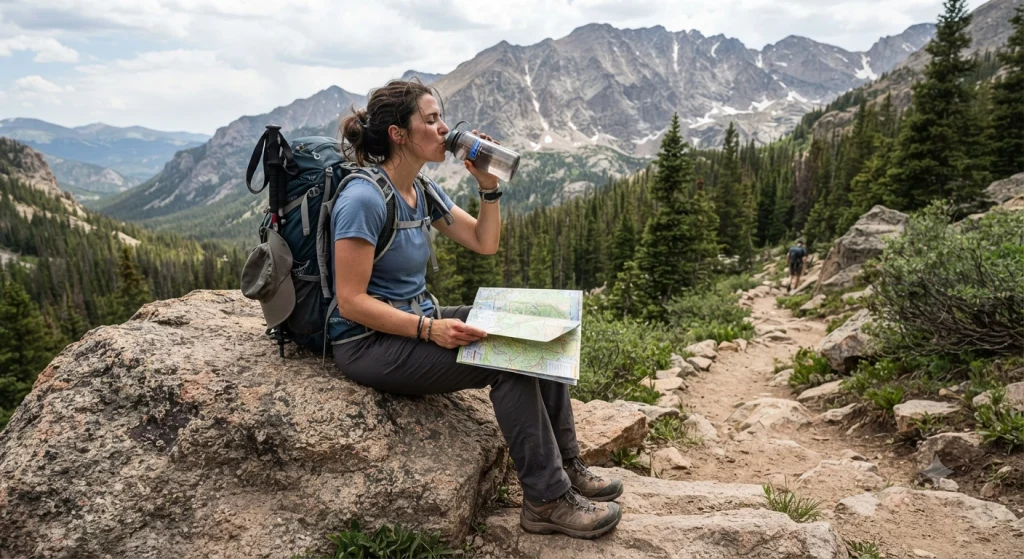
Many beginners make the terrible mistake of pushing through the pain. Up high in the mountains, pushing through is dangerous. If your body is struggling, going higher will only make things much worse. Sometimes, the bravest and smartest thing you can do on a trail is simply turn around and walk down.
Here is a guide to help you understand what you might feel on the trail.
| How You Feel | What It Means | What You Should Do |
|---|---|---|
| Breathing heavily on small hills | Normal response to thin air | Slow down, take smaller steps, and keep moving safely. |
| Mild tiredness and needing breaks | Normal muscle fatigue | Take short standing breaks. Drink water and eat a snack. |
| Mild headache that goes away with water | Mild dehydration or early altitude adjustment | Rest, drink a lot of water, and see if it clears up before going higher. |
| Dizziness, severe nausea, or vomiting | Moderate to severe altitude sickness | Stop ascending immediately. Turn around and hike down to a lower elevation. |
| Confusion, stumbling, or extreme weakness | Severe medical emergency (HACE or HAPE) | Descend immediately and seek professional emergency medical help. |
How to Train for High Altitude Hiking Step by Step
So what should you do if you live at sea level but want to hike up high? You need a solid, simple plan. You do not need an expensive gym membership. You just need consistency. Start this plan at least four to six weeks before your hiking trip.
- Start steady cardio training. You need to build your aerobic base. Go for long, slow runs, bike rides, or fast walks at least three times a week. You want to exercise at a pace where you are breathing hard but can still hold a conversation. Keep these sessions between 45 minutes and an hour.
- Build your leg strength. Mountains are rarely flat. You will be stepping up on tall rocks all day. Find a local stadium, a tall office building stairwell, or a steep local hill. Walk up and down the stairs for 30 minutes twice a week. This builds the exact muscles you need for climbing.
- Train with your hiking backpack. This is the secret weapon for trail training. Two weeks before your trip, put all your hiking gear in your backpack. Add a full hydration bladder and water bottles. Wear this heavy pack while you walk your local trails or climb stairs. Your body needs to get used to carrying the extra weight before you hit the real mountains.
- Plan an early arrival. You cannot train for acclimatization at home. You have to do it on the trip. Plan to arrive at a moderate elevation (like a mountain town at 5,000 to 7,000 feet) and spend at least 24 to 48 hours there before driving up to the high trailheads. Sleep, eat, and take very easy walks to let your body adjust.
- Pack the right mountain gear. High altitude means thinner air, which also means less protection from the sun and crazy weather swings. Pack a warm clothing layer, a reliable rain jacket, strong sunscreen, a wide-brimmed hat, and plenty of high-energy snacks. Check out the National Park Service guide to the Ten Essentials to make sure your bag is fully stocked.
Common Mistakes to Avoid
I have seen a lot of hikers ruin their trips because they rushed the process. The mountains are not going anywhere. Take your time and avoid these common traps.
- Flying in and hiking the same day. Going from sea level straight to a 10,000-foot trailhead in one day is a recipe for severe headaches and nausea. Give yourself an adjustment day in town.
- Drinking alcohol before your hike. A cold beer sounds great on vacation, but alcohol dehydrates you and makes it much harder for your body to adjust to the altitude. Save the drinks for after the trip.
- Hiking at your normal sea-level pace. If you try to walk as fast as you do at home, you will burn out in twenty minutes. Cut your speed in half right from the start.
- Forgetting sun protection. The sun is incredibly strong up high because there is less atmosphere to block the UV rays. You can get a severe sunburn even on a cold, cloudy day.
- Not drinking enough water. Mountain air is very dry. Every time you breathe, you lose moisture. You need to drink twice as much water as you normally do just to stay even.
Practical Tips from Oscar
Over the years, I have learned a few tricks that make high-elevation days much easier. The first thing I always tell my friends is to use the “rest step.” When the trail gets really steep, do not just march up it. Take a step, lock your back knee straight for a split second, and let your skeleton hold your weight instead of your muscles. Then take the next step. It sounds silly, but it saves a massive amount of energy over a long day.
Next, let us talk about food. Altitude can do strange things to your stomach. You might lose your appetite completely. But your body is burning massive amounts of calories trying to stay warm and move through thin air. You have to force yourself to eat. Bring snacks that are very easy to chew and swallow. I love packing gummy candies, simple crackers, and easy-to-eat fruit bars. Avoid heavy, greasy foods that are hard to digest.
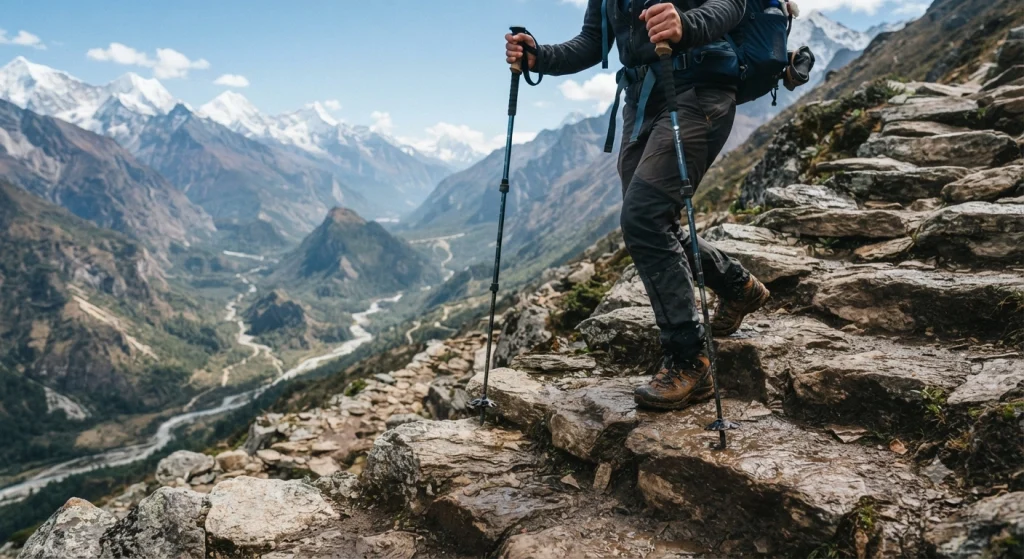
Finally, protect your eyes. Snow blindness is real, but even without snow, the high altitude glare can give you a terrible headache. Always wear dark, polarized sunglasses. Even if the trail starts in a dark, shady forest, you will need them once you climb above the tree line.
Key Takeaways
- Build your heart and lung strength with steady cardio at least a month before your hike.
- Train your legs by climbing stairs while wearing your loaded hiking backpack.
- Give your body at least one full day to adjust at a moderate elevation before hitting the high trails.
- Walk much slower than you normally do, and take frequent standing breaks to catch your breath.
- Drink water constantly, even if you do not feel thirsty, and protect yourself from the intense mountain sun.
Frequently Asked Questions
How long does it take to train for high altitude hiking?
You should start training at least four to six weeks before your trip. This gives your body enough time to build the cardiovascular endurance and leg strength needed for steep mountain trails.
Can you train for altitude if you live at sea level?
Yes, you can. While you cannot simulate the thin air, you can build a very strong cardiovascular system. Running, cycling, and stair climbing at sea level will make your heart and lungs efficient enough to handle mountain conditions better.
Does being physically fit prevent altitude sickness?
No, physical fitness does not prevent altitude sickness. Anyone can get altitude sickness, regardless of their age or fitness level. However, being fit makes the physical act of hiking much easier, which reduces overall stress on your body.
What is the best way to breathe at high altitudes?
Try to take deep, rhythmic breaths. Focus on breathing in deeply through your nose and exhaling fully through your mouth. If you feel out of breath, stop walking, stand still, and take a few deep, intentional breaths until your heart rate slows down.
How much water should I drink when hiking up high?
You should aim to drink about half a liter (16 ounces) of water every hour of hiking. Mountain air is very dry, and you lose moisture quickly through heavy breathing. Drink small sips frequently rather than chugging large amounts all at once.
Final Thoughts on Mountain Preparation
Do not let the thin air scare you away from exploring the mountains. Yes, hiking up high is difficult. Yes, your lungs will burn a little bit. But the views from above the tree line are absolutely worth the effort. With a few weeks of simple training, a smart plan for acclimatizing, and a slow pace on the trail, you can safely enjoy the high country.
Remember, the goal is to have fun and make it back to the car safely, not to set a speed record. Take your time, drink your water, and enjoy the journey. If you need more help getting your pack ready for the big day, take a look at my beginner hiking tips to make sure you have everything you need for a safe adventure.
Stay safe, respect the mountains, and I will see you out on the trail.
