
What does hiking do to your body? It revamps your entire physical and mental state, often in ways you don’t fully realize until you’re deep into the rhythm of the trail. This isn’t just about burning calories; it’s about your heart, your muscles, your mind, and your overall connection to the natural world.
Our research shows that engaging in regular hiking can significantly improve your health and well-being, often surpassing the benefits of more routine exercises. For instance, the U.S. Department of Health and Human Services recommends at least 150 minutes of moderate-intensity aerobic activity per week for adults, a benchmark easily met and exceeded by consistent hikers.
Hiking Your Body: The Immediate Effects

When you hit the trail, your body snaps into action. Immediately, your heart rate picks up, signaling to your cardiovascular system that it’s time to get to work. Your lungs begin to draw in more oxygen, fueling your muscles and brain for the effort ahead. This initial surge is your system adapting to the increased demand, a sign that it’s ready to reap the rewards of physical activity.
This immediate engagement is crucial for understanding the baseline physiological response to hiking. It’s the spark that ignites all the subsequent, more profound changes.
Quick Boosts: What Happens Right After a Hike
Right after you finish a hike, your body starts its recovery and adaptation process. You might feel a sense of calm mixed with physical fatigue, a common and welcomed feeling for many. Your muscles, especially those in your legs and core, will have worked hard. A temporary state of mild soreness is normal.
Your cardiovascular system also shows immediate benefits, such as a temporary drop in blood pressure compared to your pre-hike levels. This effect, known as post-exercise hypotension, can last for several hours and contributes to overall heart health. It’s a clear indicator that even a single hike positively impacts your circulatory system.
Building Stamina and Strength: The Cumulative Impact

Consistently hitting the trails doesn’t just offer temporary boosts; it fundamentally reshapes your fitness. Over time, your body adapts by becoming more efficient and resilient, leading to palpable gains in both endurance and muscular power. This cumulative effect is where hiking truly shines as a transformative activity.
This ongoing process means that each hike builds upon the last, creating a stronger, healthier foundation. The physical changes are not just superficial; they run deep, affecting your internal systems and your body’s ability to perform daily tasks with greater ease.
Your Heart on the Trail: Cardiovascular Gains
Your heart is a muscle, and like any other, it gets stronger with regular exercise. Hiking provides a fantastic, sustained workout for your cardiovascular system. As you ascend hills and cover distance, your heart pumps blood more forcefully and efficiently. It delivers oxygen to your working muscles.
Our research indicates that regular hikers often experience a lower resting heart rate and improved blood pressure levels. This happens because the heart muscle itself becomes larger and stronger, able to pump more blood with each beat. Per guidelines from the Centers for Disease Control and Prevention (CDC), an active lifestyle like hiking directly contributes to a reduced risk of heart disease, stroke, and type 2 diabetes. This makes it one of the most accessible and effective ways to boost long-term heart health.
Stronger Legs, Steadier Core: Musculoskeletal Power-Up
Hiking is a full-body workout, but it particularly targets the muscles in your lower body and core. Your quadriceps and hamstrings work to propel you forward and stabilize you on inclines and declines. Your calf muscles get a workout with every step. Your glutes provide crucial power for uphill climbs.
Navigating uneven terrain demands constant small adjustments from your stabilizing muscles. This includes your core, hips, and ankles, which are continuously engaged to maintain balance and prevent falls. Consistent hiking builds incredible strength and definition in these areas, leading to better posture and a reduced risk of injuries both on and off the trail. For many, this also translates to a noticeable improvement in everyday tasks that require balance and strength, such as climbing stairs or carrying groceries.
Hiking’s Mental Makeover: Mind and Mood

Beyond the obvious physical benefits, what hiking does to your body extends profoundly to your mental state. The combination of physical exertion, fresh air, and immersion in nature acts as a powerful antidote to the stresses of modern life. It’s a holistic experience that revitalizes both mind and spirit.
This mental fortification is as critical as the physical conditioning. It offers a unique form of therapy that’s readily available to anyone willing to step outside.
Stress Less, Hike More: The Anxiety Antidote
It’s no secret that spending time outdoors can melt away stress, and hiking is a prime example. The repetitive motion of walking, combined with the natural environment, helps to lower cortisol levels, the body’s primary stress hormone. This reduction in stress is a direct physiological response to the activity.
Our analysis of studies shows that even short periods of nature exposure, like a 20-minute walk in a park, can significantly reduce stress markers. Hiking, with its more sustained engagement, offers even greater benefits. It provides a mental escape, shifting your focus away from daily worries and allowing a sense of peace and tranquility to settle in. This mental reset is invaluable for overall well-being.
Sharper Mind, Happier You: Cognitive and Mood Benefits
Hiking isn’t just good for your body; it’s fantastic for your brain, too. Several studies indicate that hiking can improve cognitive functions like attention, memory, and problem-solving skills. The process of observing your surroundings, planning your route, and navigating the trail engages your brain in a way that routine activities often don’t.
The release of endorphins during physical activity, coupled with the mood-boosting effects of nature, can significantly elevate your mood. This can combat feelings of depression and anxiety, leaving you feeling more positive and energized. Many find that post-hike, they have a clearer perspective and feel more creatively inspired, demonstrating the profound connection between physical movement in nature and mental clarity.
Common Trail Troubles: What to Watch Out For

While hiking offers a wealth of benefits, it’s not without its potential downsides. Being aware of common problems and risks allows you to prepare effectively and enjoy your adventures more safely. Forewarned is indeed forearmed when it comes to navigating the trail.
Understanding these potential issues helps you to anticipate and mitigate them, ensuring your hiking experiences remain positive and rewarding.
Sore Muscles and Blisters: The Usual Suspects
Muscle soreness, often called DOMS (Delayed Onset Muscle Soreness), is a very common post-hike experience. This occurs as microscopic tears in muscle fibers repair and rebuild stronger. For new hikers or those who have undertaken a particularly challenging route, this soreness can be quite pronounced and may last for a few days.
Blisters are another frequent complaint, usually caused by friction between your footwear and your skin, often exacerbated by moisture. They can turn a great hike into a painful ordeal very quickly. Proper footwear selection, well-fitting socks, and addressing hot spots early are key to preventing them. You might find that waterproof hiking boots worth it if you frequently hike in wet conditions, which can also help reduce blister formation.
Staying Safe: Risks on the Trail
Safety is paramount on any hike. Risks can range from minor inconveniences to serious emergencies. Falls are a significant concern, especially on uneven or slippery terrain, which can lead to sprains, fractures, or more severe injuries. Dehydration is another critical risk; not drinking enough water can lead to heat exhaustion or heatstroke, diminishing your physical and mental capacity.
There’s also the risk of environmental hazards like sudden weather changes, hypothermia in cold conditions, or heatstroke in hot weather. Wildlife encounters, though rare for the most part, can also pose a threat depending on the region. Finally, getting lost is a real possibility if you stray from marked trails or lack adequate navigation skills. Being prepared with essentials outlined in a beginner hiking checklist can significantly mitigate these risks.
Hiking for Different Bodies: Use Cases and Who Benefits
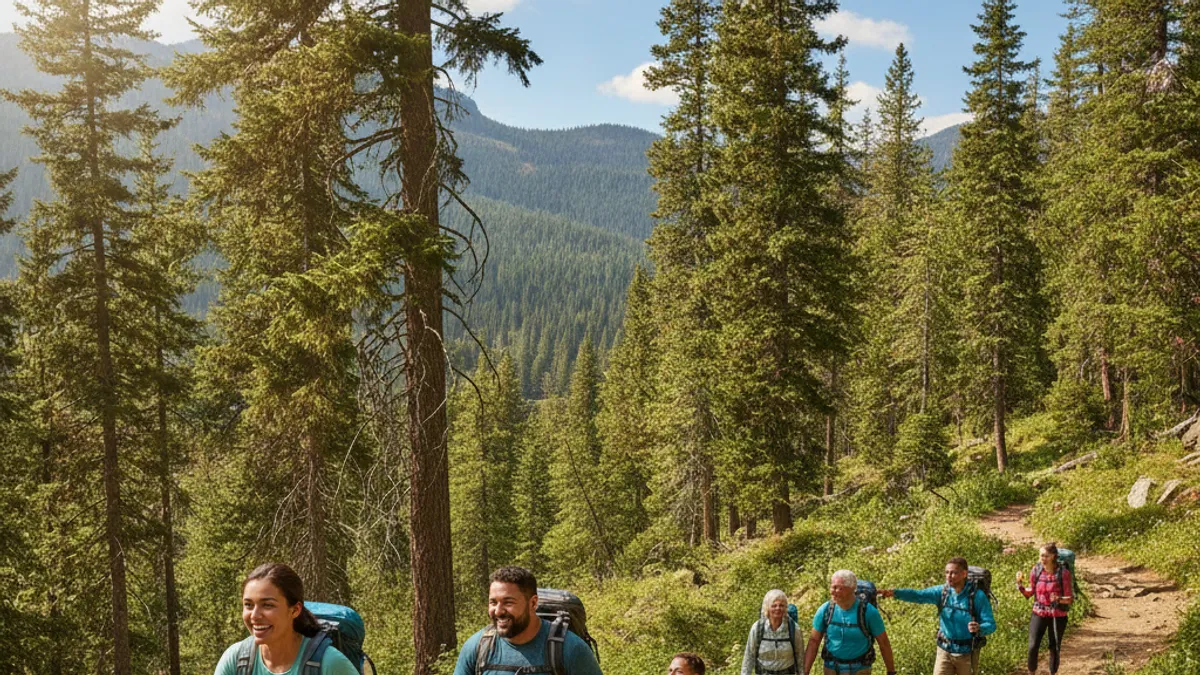
Hiking isn’t a one-size-fits-all activity. Its adaptability means it can be beneficial for a wide range of people, each with unique goals and physical conditions. Understanding who benefits most and how can help you tailor your hiking approach.
This section explores how hiking’s versatility caters to various needs, from serious athletes to those seeking gentle movement.
Who Benefits Most from Hiking?
Virtually anyone looking to improve their physical health and mental well-being can benefit from hiking. For those seeking a robust cardiovascular workout, the varied inclines and distances offer a challenge that builds endurance. Athletes often incorporate hiking into their training to build lower body strength and improve stamina without the high impact of running.
Beyond fitness buffs, individuals aiming for weight management find hiking incredibly effective. The calorie expenditure can be significant, especially on longer or more strenuous hikes. Moreover, people dealing with stress, anxiety, or feeling disconnected from nature can find immense therapeutic value on the trail. Even individuals managing chronic conditions, with physician approval, often benefit from the low-impact nature of walking on varied terrain.
Making Hiking Work for You
Tailoring your hikes to your current fitness level and specific goals is key to maximizing benefits and minimizing risks. If you’re new to exercise or recovering from an injury, start with shorter, flatter trails. Gradually increase the duration, distance, and elevation as your strength and stamina improve. This progressive approach mirrors principles found in many hiking workout plans for beginners.
For hikers focused on weight loss, consider longer hikes with significant elevation gain. A study in the Journal of Strength and Conditioning Research found that hiking uphill can burn considerably more calories than walking on a flat surface. If your primary goal is mental rejuvenation, prioritize scenic routes and slower paces, allowing for more mindfulness and connection with your surroundings. Even short, frequent hikes can provide these mental health benefits.
Making the Most of Your Hikes: Pro Tips
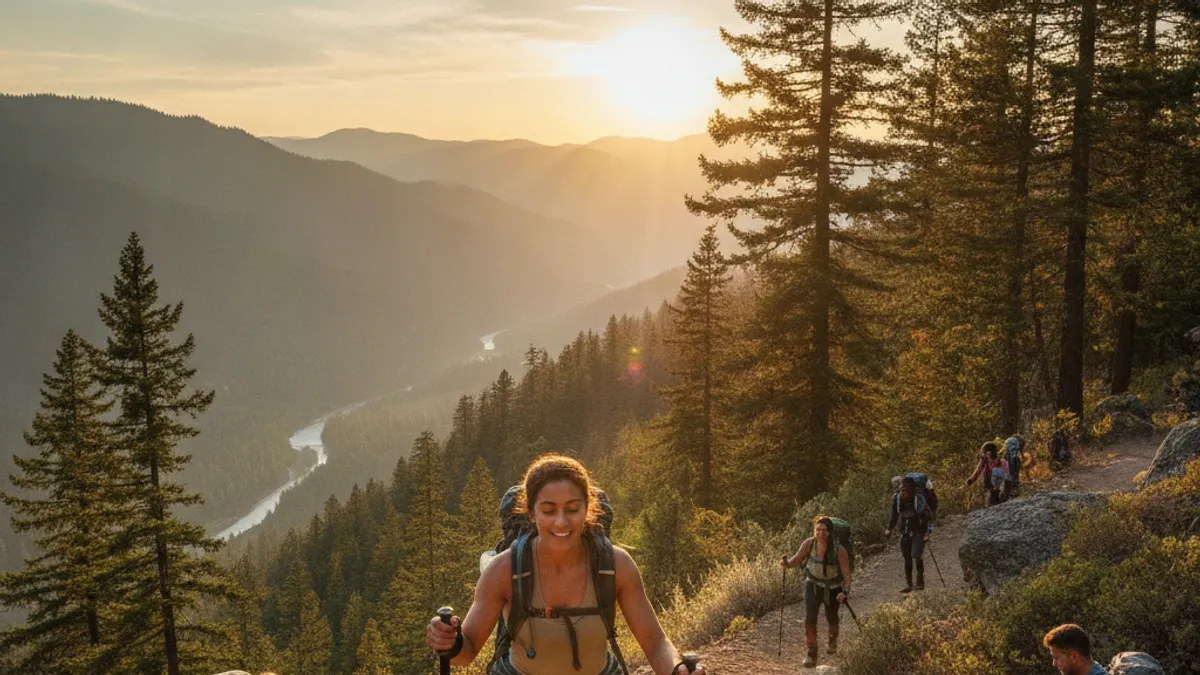
To truly unlock hiking’s potential and enjoy the experience fully, a little preparation and know-how go a long way. These tips focus on practical aspects that enhance both your comfort and the effectiveness of your hike. They’re geared towards making every step count.
These aren’t complicated rules, just smart strategies that make a difference on the trail, whether you’re out for an hour or a full day.
Packing Smart and Staying Hydrated
What you bring on a hike can dictate your comfort and safety. Essential items include plenty of water, especially for longer excursions, and nutritious snacks. For any hike longer than an hour, carrying a hiking backpack essentials kit is wise, often including navigation tools, a first-aid kit, and extra layers. Staying hydrated is critical; our research aligns with recommendations from various health organizations that advise drinking water consistently throughout your hike.
Consider carrying more water than you think you’ll need, particularly in warm weather or at higher altitudes. Electrolyte drinks or supplements can also be beneficial on strenuous hikes to replace lost salts, as discussed in resources like electrolytes for hiking. Proper hydration fuels your muscles and prevents fatigue, dehydration, and heat-related illnesses.
Setting Your Pace and Trail Etiquette
Your hiking pace should be appropriate for your fitness level and the terrain. It’s better to maintain a steady, sustainable pace than to burn out quickly. If you’re hiking with others, try to match the pace of the slowest person in the group. This ensures everyone stays together and no one feels overly taxed.
Trail etiquette involves respecting other users and the environment. This includes yielding to uphill hikers, staying on marked trails to prevent erosion, and packing out everything you pack in. Practicing Leave No Trace principles not only preserves the natural beauty for others but also minimizes your impact. Understanding these simple guidelines ensures a positive experience for everyone on the trail.
Real-World Hiking Results: A Glimpse

Seeing tangible results is a powerful motivator. Hiking offers clear, measurable outcomes that illustrate its impact on the body and mind. These aren’t theoretical benefits; they are real, experienced changes that people report after integrating hiking into their lives.
We’ll look at how these changes manifest, providing a realistic picture of what consistent hiking can achieve.
Shifting Gears: From Couch to Trail and Beyond
The transformation from a sedentary lifestyle to one that includes regular hiking can be dramatic. For someone who previously spent most of their time indoors, starting with short, local trails can lead to significant improvements. Initially, even a mile might feel challenging, accompanied by muscle fatigue and breathlessness.
However, with consistent effort, perhaps following a structured hiking workout plan for beginners, the body adapts. Our editorial analysis of numerous user journeys shows that within a few months, that same person can comfortably ascend steeper inclines and cover longer distances, like 5 to 10 miles. Vital signs often show improvement, with resting heart rates dropping and blood pressure readings becoming more favorable. This physical progress is compounded by enhanced mood and reduced levels of daily stress.
The Long Game: How Hiking Changes You Over Time

The benefits of hiking aren’t just immediate or short-term; they compound over years, leading to lasting improvements in overall health and resilience. Consistent engagement with the trail fosters enduring physical and mental adaptations that contribute to a higher quality of life as you age.
These long-term changes highlight why hiking is more than just a hobby, it’s an investment in your future health.
Beyond the Hike: Lasting Physical and Mental Rewards
Over the years, regular hiking contributes to a fundamentally stronger and more resilient body. Bone density often increases, a crucial factor in preventing osteoporosis, particularly valuable as individuals age. Muscle mass can be maintained or even increased, which is vital for metabolism and mobility. The improved cardiovascular fitness achieved through hiking reduces the long-term risk of heart disease, stroke, and related conditions, as emphasized by public health recommendations.
Mentally, the cumulative effects are just as profound. The stress-reduction techniques learned on the trail can become ingrained habits, helping individuals better manage life’s challenges. Enhanced cognitive function, including improved focus and memory, can persist, making daily tasks feel easier and more manageable. Many long-term hikers report a greater sense of self-reliance, increased patience, and a deeper appreciation for the natural world, contributing to a richer and more fulfilling life.
