
Figuring out what should I wear hiking can feel like a puzzle, especially if you’re new to the trails or heading somewhere with unpredictable weather. Your clothing choices directly impact your comfort, safety, and overall enjoyment of the outdoors. The wrong gear can quickly turn a beautiful day into a miserable, even dangerous, experience.
Our research consistently shows that proper layering and material selection are the cornerstones of effective hiking attire. For example, technical fabrics, unlike cotton, wick moisture away from your body, preventing dangerous drops in core temperature. Per ASTM F1868 testing standards, a good base layer should have a high thermal resistance and moisture vapor transmission rate for optimal performance. This approach to dressing is central to navigating the outdoors comfortably, and we’ll dive right into understanding why.
Hiking Attire: Why Your Closet Isn’t Ready (Yet!)
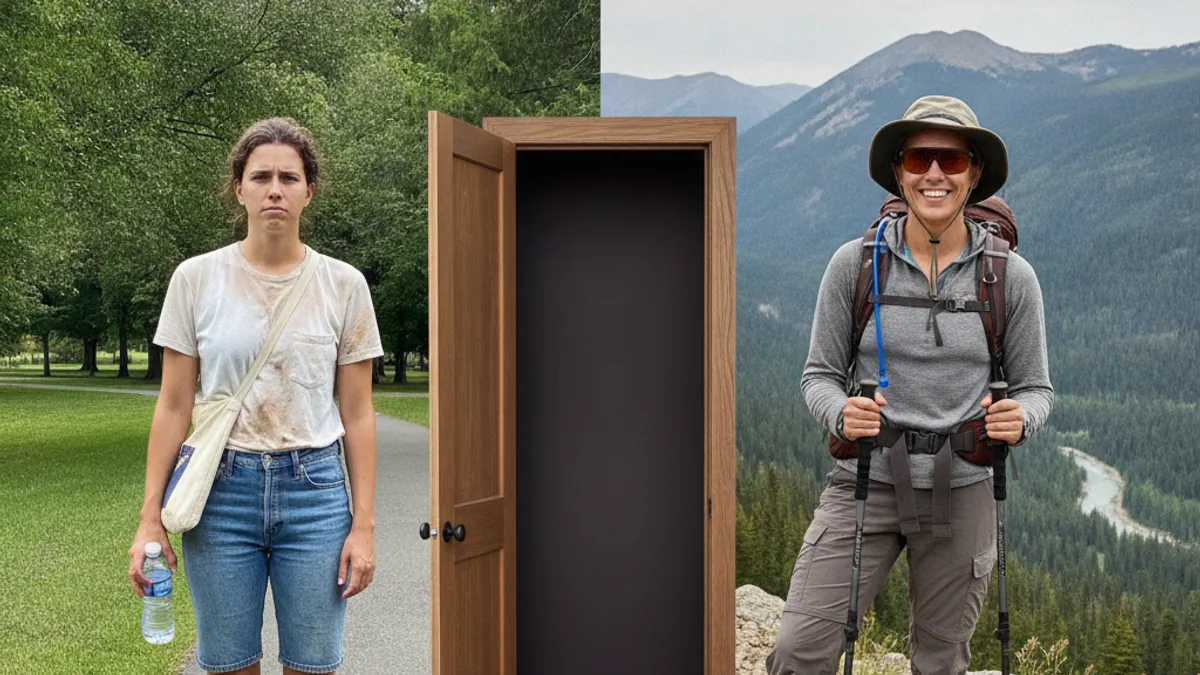
Your everyday clothes, as comfortable as they are on the couch, often fall short when you hit the trail. They’re usually not designed for the unique challenges of hiking. You’re exposed to sun, wind, rain, and fluctuating temperatures.
You’re also engaged in physical activity that makes you sweat. Standard cotton t-shirts and jeans simply can’t handle these conditions effectively. They absorb moisture, stay wet, and can make you cold in cool weather. They can also chafe terribly in warm weather.
Successfully adapting your closet for hiking means understanding specific fabric properties and layering techniques. It’s a complete shift in mindset from fashion to function. We’re talking about clothes that manage moisture, regulate temperature, and protect against the elements. You’ll need durable items that can withstand snags and scrapes.
The Golden Rule of Hiking Clothes: Layering for the Trail
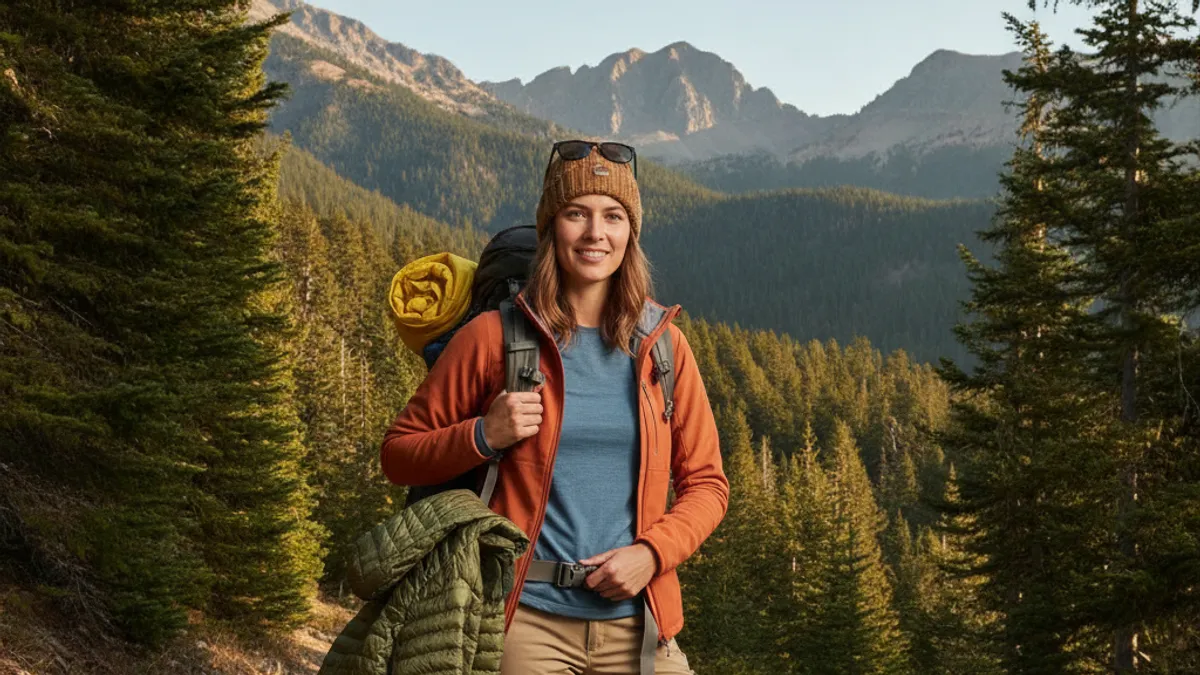
Layering isn’t just a suggestion for hiking; it’s the fundamental principle of outdoor dressing. It allows you to adapt to changing conditions by adding or removing clothing as needed. This system manages your core body temperature very efficiently. You can stay comfortable whether you’re climbing a steep ascent, resting at a viewpoint, or facing an unexpected gust of wind.
Think of it as having individual controls for your personal thermostat. Each layer serves a specific purpose, working together to keep you dry and warm without overheating. We don’t just throw on a jacket; we strategically build an outfit. This strategic approach ensures you’re prepared for whatever the trail throws your way, from a chilly morning start to a sunny afternoon.
Deciding Your Layers: Key Questions to Ask Before You Hike
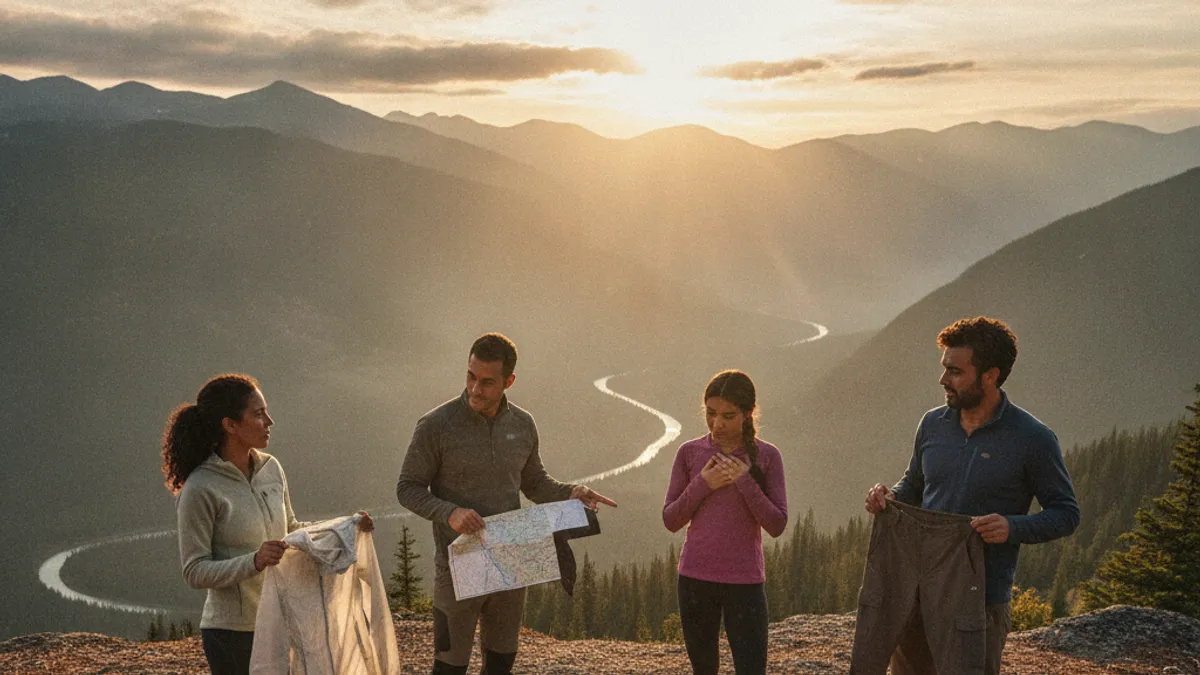
Before you even think about grabbing specific items, you need to play weather detective and trail analyst. The conditions of your hike will be the biggest determinant of what layers you need. Skipping this step is like baking without a recipe, you might end up with something, but it probably won’t be what you wanted.
This pre-hike assessment is crucial for selecting appropriate hiking clothing. It helps prevent overpacking or, worse, underdressing for potential hazards. Let’s break down the key questions that will guide your clothing choices for any hike you’re planning.
How Warm or Cold Will It Be? (Temperature Ranges)
Determining the temperature range for your hike is foundational to choosing the right insulation. A sunny 70°F (21°C) day calls for vastly different gear than a damp 40°F (4°C) morning. Always check the forecast for both the high and low temperatures, especially if you’re starting early or finishing late. Mountain weather can change quickly.
Mountains often drop several degrees for every thousand feet of elevation.
- Warm Weather (above 60°F / 15°C): Focus on single, breathable layers, sun protection, and moisture-wicking fabrics to prevent overheating.
- Mild Weather (40-60°F / 4-15°C): A solid base layer and a light mid-layer are usually sufficient. Keep a lightweight outer shell handy.
- Cold Weather (below 40°F / 4°C): You’ll need a full layering system: warm base, insulating mid-layer, and a protective outer shell. Add accessories like gloves and a beanie.
What’s the Chance of Rain or Wind? (Weather Forecast)
Rain and wind can significantly lower your effective temperature, even if the air isn’t that cold. A good weather forecast should tell you precipitation chances and wind speeds. Remember that wind chill factors can make mild temperatures feel much colder. A 50°F (10°C) day with a 20 mph wind can feel like 40°F (4°C) or less to your skin.
- No Rain, Light Wind: A standard layering system with breathable exterior fabrics works fine.
- Chance of Rain: A waterproof or highly water-resistant outer shell is non-negotiable. Look for jackets with a hydrostatic head rating of at least 10,000mm, indicating good waterproofness.
- Strong Winds: A windproof outer layer is essential to prevent heat loss through convection. Many waterproof shells are also windproof.
- Heavy Rain/Sustained Wet: Your outer shell should be fully waterproof, with taped seams. Consider waterproof hiking pants as well.
How Long and Hard is the Hike? (Duration & Intensity)
The length and intensity of your hike directly affect how much energy you’ll exert and how much you’ll sweat. A short, easy stroll requires less technical clothing than an all-day strenuous climb. Longer and harder hikes demand more from your gear in terms of moisture management and durability. You’ll generate more body heat on a strenuous uphill.
You might dress lighter initially, knowing you’ll warm up quickly.
- Short, Easy Day Hike (1-3 hours): You can often get away with fewer layers, but still prioritize good footwear and one insulating layer.
- Moderate Day Hike (3-6 hours): A full layering system is important, as conditions can change over several hours.
- Strenuous or Multi-Day Hike: Every layer must be highly functional, durable, and lightweight. You’ll need excellent moisture management to stay comfortable over extended periods. For any multi-day trips as of 2026, ultralight and packable options are highly recommended.
What’s the Terrain Like? (Trail Conditions)
The type of terrain you’ll encounter impacts your footwear and the ruggedness of your clothing. Rocky trails, muddy paths, or thick brush all have different demands. You’ll want clothing that won’t tear easily and shoes that offer appropriate traction and ankle support. Consider if you’ll be bushwhacking or sticking to well-maintained paths.
- Well-Maintained Trails: You might opt for lighter hiking pants or shorts and trail running shoes for comfort and breathability.
- Rocky or Uneven Terrain: Sturdy hiking boots that support your ankles and a more durable pant fabric are advisable for protection against scrapes.
- Muddy or Wet Trails: Waterproof footwear and gaiters become essential to keep your feet dry and mud out of your shoes. This also protects your lower pant legs.
- Overgrown Areas: Long pants and sleeves, made from abrasion-resistant materials, will protect you from scratches and insects.
Your Hiking Wardrobe, Layer by Layer
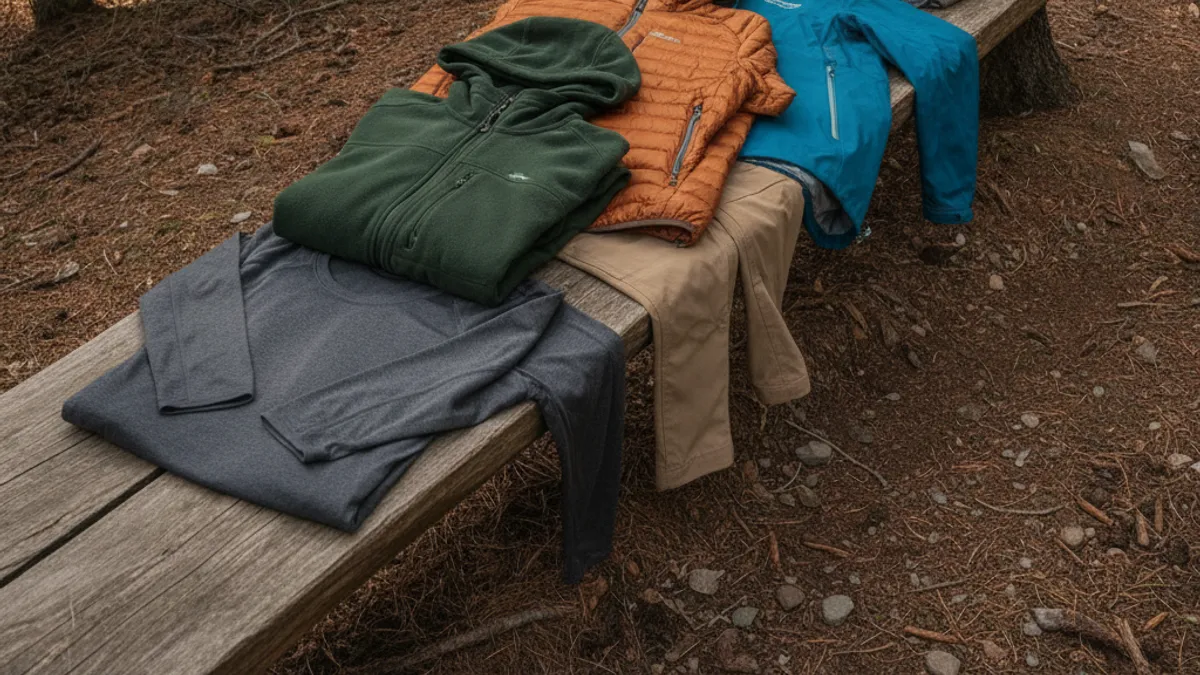
Once you’ve assessed the conditions, it’s time to build your outfit using the fundamental layering system. This isn’t just about putting clothes on, it’s about deliberately choosing each piece for its specific function. We typically break it down into three main categories: the base layer, the mid-layer, and the outer layer. Each one plays a vital role in keeping you comfortable and protected.
Base Layer: Your Skin’s Best Friend
The base layer is the first layer of clothing directly against your skin. Its primary job is to manage moisture, pulling sweat away from your body to keep you dry. This is called moisture-wicking and it’s incredibly important. If sweat stays on your skin, it cools down and can make you feel very cold, especially when you stop moving.
This wicking action helps regulate your body temperature, whether it’s hot or cold outside.
- Merino Wool: This natural fiber is excellent at wicking moisture, naturally odor-resistant, and provides warmth even when damp. It’s comfortable against the skin and known for its softness.
- Synthetics (Polyester, Nylon Blends): These materials are often more affordable, very fast-drying, and durable. They excel at wicking and can be found in various weights for different temperatures. However, they can sometimes retain odor more easily than wool.
- What to Avoid: Cotton. As we’ll discuss later, cotton absorbs sweat and holds onto it, making you wet and cold. This can lead to hypothermia in cooler weather and chafing in warmer conditions.
A good base layer should be relatively snug but not restrictive, allowing for efficient moisture transfer. When checking manufacturer specifications, look for terms like “wicking,” “quick-dry,” and material compositions.
Mid-Layer: The Warmth Provider
The mid-layer’s main purpose is to provide insulation. It traps air close to your body, creating a warm barrier against the cold. You’ll choose the thickness and type of your mid-layer based on how cold it’s expected to be. This is where you adjust your primary warmth level.
If it’s a chilly morning that promises to warm up, a lighter mid-layer is perfect.
- Fleece: A popular choice, fleece is lightweight, breathable, and provides excellent warmth for its weight. It dries relatively quickly but isn’t windproof or waterproof on its own. It comes in different weights, from microfleece to heavier thermal fleece.
- Down Insulation: Provides superior warmth-to-weight ratio and is highly compressible. Down jackets are fantastic for cold, dry conditions. Their warmth is measured in “fill power,” with higher numbers (e.g., 800-fill) indicating better insulation for less weight. However, down loses insulating properties when wet.
- Synthetic Insulation: Mimics down’s insulating power but performs better when wet. It’s often bulkier and heavier than down for the same warmth but is a more affordable and animal-friendly alternative. Primaloft and Thinsulate are common types.
You might carry multiple mid-layers if conditions are highly variable, or just one thicker one for consistently cold weather. The trick is to have options you can easily add or remove.
Outer Layer: Your Shield Against the Elements
The outer layer, or shell, is your primary defense against wind, rain, and snow. Its job is to protect your inner layers and keep the elements out. This layer needs to be both protective and breathable enough to let some moisture escape from your inner layers. If it’s too stifling, you’ll sweat more and get just as wet from the inside.
- Rain Jackets (Waterproof/Breathable Shells): These are essential for wet conditions. They’re typically made with a waterproof membrane (like Gore-Tex or similar proprietary technologies) that allows some water vapor (sweat) to escape while blocking liquid water (rain). Look for features like taped seams and adjustable hoods.
- Windbreakers: Lightweight jackets designed to block wind. They usually offer some water resistance but aren’t fully waterproof. They’re great for mild, windy days when full rain protection isn’t needed.
- Softshells: Offer a balance of weather protection, breathability, and flexibility. They’re often water-resistant and wind-resistant, providing some warmth. They’re generally not fully waterproof but excel in dry, cold, or intermittently drizzly conditions.
- Hardshells: The more rugged, fully waterproof, and windproof outer layers, often less flexible but offer maximum protection in severe weather.
When choosing your outer layer, think about the worst weather you realistically expect to encounter. It’s better to have too much protection and not need it than to be caught unprepared.
Beneath the Layers: Essential Hiking Specifics
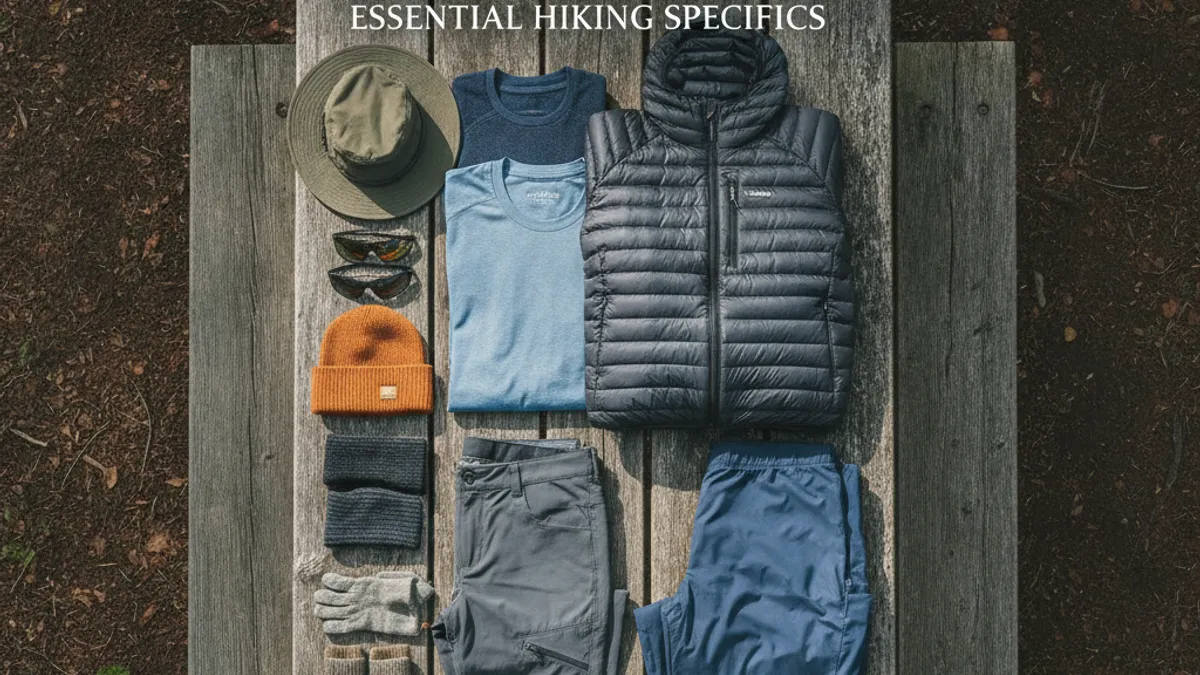
Beyond your core layering system, several other clothing items are crucial for comfort and safety on the trail. These might seem like minor details, but they can make a huge difference in your overall experience. Getting these right can prevent common issues like blisters, chafing, and sunburn. It’s about optimizing every contact point between your body and the environment.
Hiking Bottoms: Pants, Shorts, or Both?
Your choice of hiking bottoms depends heavily on the weather, terrain, and vegetation you expect to encounter. What’s comfortable for an open, sunny trail might be impractical for dense, brushy areas. You need mobility, comfort, and protection.
- Hiking Pants: Typically made from durable, quick-drying synthetic materials like nylon or a nylon-spandex blend. Many feature articulated knees, a gusseted crotch for freedom of movement, and sometimes zippered pockets. Some hiking pants are convertible, with zippers that allow them to transform into shorts, offering versatility for changing conditions. Research indicates these are invaluable for hikes with significant temperature shifts or varied terrain.
- Hiking Shorts: Best for warm weather and well-maintained trails without much overgrowth. Look for quick-drying fabrics and a comfortable fit that doesn’t chafe. Avoid shorts with stiff seams or heavy denim.
- Zip-Off Pants: These offer a fantastic middle-ground, allowing you to adapt on the fly. You start with pants for a cool morning, then convert to shorts as the day heats up. This versatility minimizes what you need to pack.
When evaluating hiking bottoms, prioritize a comfortable waistband that won’t dig in, especially when wearing a backpack. Flatlock seams are also a plus for preventing chafing.
The Critical Choice: Hiking Footwear
Your feet are your foundation on any hike, so choosing the right footwear is paramount. This decision impacts everything from comfort and stability to injury prevention. The ideal choice balances support, protection, and the specific demands of your hike.
- Hiking Boots: These offer the most ankle support and protection, making them ideal for rugged, rocky, or uneven terrain, and for carrying heavier loads during multi-day trips. They usually feature stiff midsoles for stability and aggressive outsoles for traction. Many are waterproof, often incorporating technologies like Gore-Tex.
- Hiking Shoes: A lighter-weight option than boots, general hiking shoes provide good support but often lack the full ankle coverage. They’re great for day hikes on moderate trails where less ankle stability is required. They typically offer more flexibility than boots.
- Trail Running Shoes: The lightest and most flexible option, designed for speed and agility on less technical trails. They prioritize cushioning and grip. While popular for many day hikers, they offer minimal ankle support and are less protective against sharp rocks or roots. Our research indicates a trade-off between weight savings and terrain protection here.
Regardless of type, look for a good fit, ample toe room, and a sole with appropriate traction for the expected conditions. Break in new footwear gradually before a long hike to prevent blisters.
Socks: Don’t Underestimate Their Power
Good hiking socks are just as important as your shoes, they’re your primary defense against blisters and discomfort. They manage moisture, provide cushioning, and help maintain foot temperature. Cotton socks are a definite no-go here, as they trap moisture, leading to friction and eventual blisters.
- Merino Wool Socks: Excellent for temperature regulation, keeping feet warm in winter and cool in summer. They’re highly breathable, naturally odor-resistant, and wick moisture effectively.
- Synthetic Socks (Polyester, Nylon Blends): Offer superb moisture-wicking properties and are quick-drying. They are durable, often more affordable, and come in various thicknesses.
- Blister Prevention Features: Many hiking socks are designed with targeted cushioning in high-impact areas and seamless toe constructions to minimize friction. Some hikers wear thin liner socks made of silk or synthetic material under their main hiking socks for an extra friction-reducing layer.
Always choose socks made from moisture-wicking materials. Their thickness should match your footwear and the expected temperatures. A thicker sock adds cushioning and warmth but can make shoes feel too tight. Conversely, thin socks might not offer enough insulation or padding for rugged trails.
Headwear, Gloves, and Sun Protection
These often-overlooked accessories play vital roles in regulating body temperature and protecting you from the elements. Ignoring them can lead to sunburn, heatstroke, or uncomfortable cold hands and head.
- Headwear:
- Sun Hats: A wide-brimmed hat is crucial for sun protection, shielding your face, ears, and neck from harmful UV rays. Look for hats with UPF (Ultraviolet Protection Factor) ratings, a UPF 50+ rating blocks 98% of UV radiation, according to manufacturer specifications.
- Beanies/Warm Hats: Essential for cold weather. Your head loses a significant amount of heat, so a warm hat helps retain body core temperature. Materials like wool or fleece are ideal.
- Visors: Offer sun protection for the face but leave the scalp exposed. Only recommended if scalp protection isn’t a concern.
- Gloves:
- Cold Weather Gloves: Fleece or wool gloves are excellent for insulating your hands in chilly temperatures. Waterproof or windproof outer gloves are needed for snowy or very windy conditions.
- Liner Gloves: Thin, moisture-wicking gloves you can wear alone in cool weather or under heavier gloves for added warmth.
- Sun Gloves: Lightweight, breathable gloves that protect the back of your hands from sun exposure. Useful in arid, high-altitude environments.
- Sun Protection (Clothing): Beyond hats, consider long-sleeved shirts made from UPF-rated fabric. These offer chemical-free, reliable sun protection, especially helpful for extended sun exposure at higher altitudes.
These small additions complete your protective gear. They are easy to pack and provide significant comfort and safety advantages as conditions change.
What NOT to Wear Hiking (And Why It Matters)
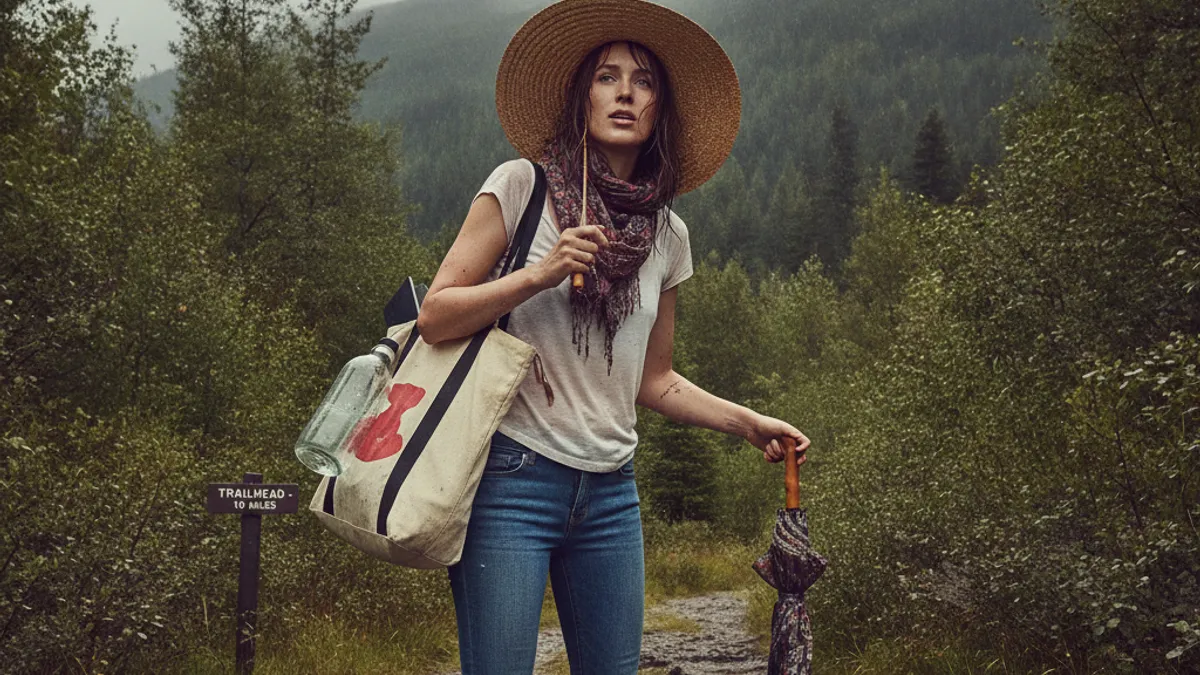
Just as there are optimal choices for hiking attire, there are also materials and garments you should actively avoid. Wearing the wrong clothes can quickly turn a pleasant hike into a miserable experience, posing real risks to your health and enjoyment. This isn’t just about looking uncomfortable, it’s about staying safe.
The Cotton Conundrum: Just Say No
Cotton is your enemy on the trail, especially in cooler conditions or if there’s any chance of rain. Here’s why.
- Terrible at Moisture Management: Cotton absorbs sweat and water like a sponge. Once wet, it doesn’t wick moisture away from your skin. Instead, it holds onto it.
- Slow to Dry: Wet cotton takes a very long time to dry, leading to prolonged contact with damp fabric.
- Poor Insulator When Wet: When wet, cotton loses almost all its insulating properties. This can rapidly chill your body, putting you at risk of hypothermia, even in relatively mild temperatures. As the old saying goes, “cotton kills” in the backcountry due to this effect.
- Chafing Risk: Wet fabric against skin increases friction, which can lead to chafing, particularly in areas like armpits, inner thighs, and feet (if wearing cotton socks).
This applies to cotton t-shirts, jeans, hoodies, and especially socks. Always opt for synthetics or merino wool performance fabrics instead.
Denim: A Hiker’s Downfall
Denim jeans present similar problems to other cotton products, but often in a more extreme fashion. Their heavy construction makes them even worse than a light cotton t-shirt.
- Bulk and Weight: Denim is heavy to begin with, and once wet, it becomes exceptionally heavy and cumbersome. This adds unnecessary weight to your legs, making hiking more strenuous.
- No Freedom of Movement: Denim is inherently stiff and restrictive, limiting your range of motion. This can make climbing over obstacles or stepping high awkward and uncomfortable.
- Moisture Retention Nightmare: Like all cotton, denim absorbs massive amounts of water and dries incredibly slowly. This leads to the same risks of hypothermia and severe chafing mentioned earlier.
For comfortable and safe hiking, leave the denim at home. Look for dedicated hiking pants made from flexible, quick-drying synthetics.
Everyday Shoes: A Recipe for Disaster
Wearing your everyday sneakers, trainers, or fashion shoes on the trail is a common mistake that can lead to pain, injury, and a ruined hike. They simply aren’t built for the rigors of natural terrain.
- Lack of Support: Most everyday shoes lack the ankle support, torsional rigidity, and cushioning needed to protect your feet and ankles on uneven ground. This increases your risk of sprains and strains.
- Poor Traction: Their outsoles are designed for pavement or indoor surfaces, not dirt, mud, rocks, or loose gravel. They’ll slip, slide, and fail to grip when you need them most, leading to falls.
- Inadequate Protection: Everyday shoes offer little protection against sharp rocks, roots, or trail debris. Their materials are often not durable enough for abrasive outdoor environments.
- Not Water Resistant: Most casual shoes will soak through instantly in wet conditions, leaving your feet cold and soggy.
Investing in proper hiking footwear is one of the best decisions you can make for your comfort and safety on the trails. Prioritize trail-specific shoes or boots that provide the necessary support, traction, and protection for your chosen terrain.
Practical Planning: Preparing Your Hiking Outfit
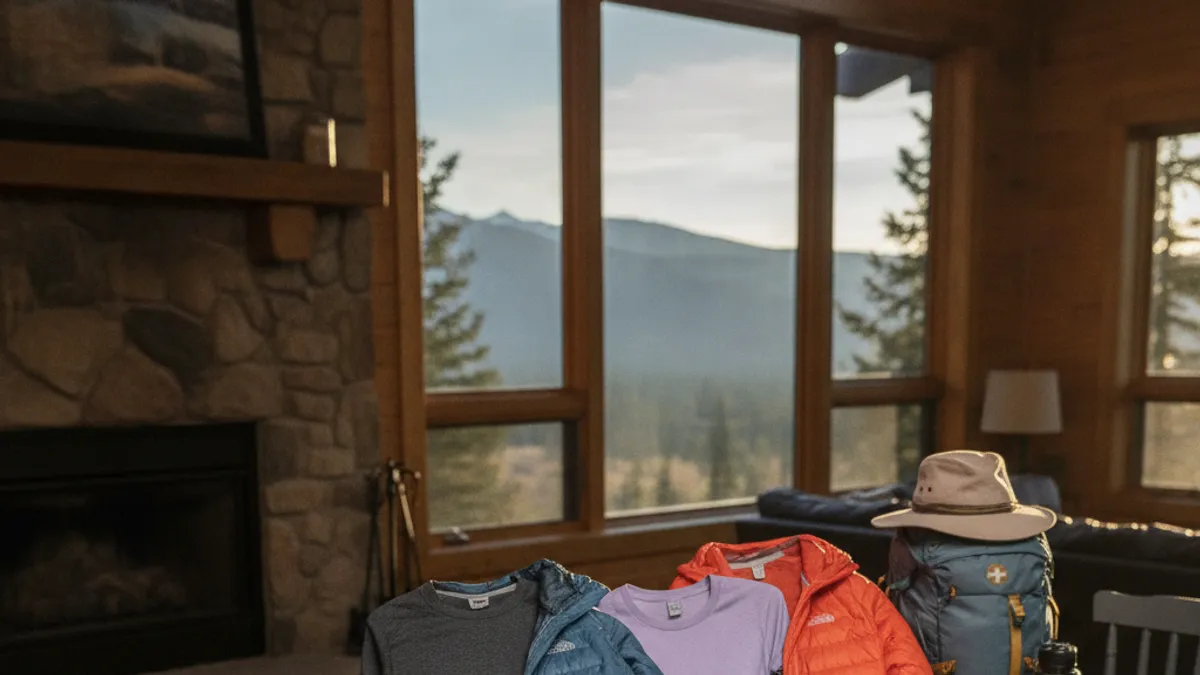
Once you understand the principles of layering and what materials to use, it’s time to put that knowledge into action. Practical planning involves more than just picking out clothes, it’s about anticipating conditions and making smart decisions before you even leave home. This preparation sets you up for a successful and comfortable hike. It’s truly a critical step in ensuring optimum outdoor experience.
Checking the Forecast Like a Pro
A professional approach to checking the weather goes beyond simply glancing at the current temperature. You need to gather specific details that impact your clothing choices. Focus on the forecast for your exact hiking location, as conditions can vary significantly even a few miles away.
- Hourly Forecasts: Pay attention to hourly predictions for temperature, wind speed, and precipitation. This helps you plan your layers throughout the day, removing or adding as needed.
- Mountain Weather Specifics: If you’re hiking in mountainous regions, seek out specialized mountain forecasts. These often account for elevation changes, which can drastically alter temperature and wind. A good rule of thumb is a temperature drop of about 3.5°F (2°C) for every 1,000 feet (300 meters) of elevation gained.
- Chance of Precipitation: Look for specific percentages. A 20% chance of rain might mean a light drizzle, while 80% warrants full waterproof gear. Consider not just rain, but also the possibility of snow or hail in colder conditions.
- Wind Speed and Direction: Strong winds amplify cold and can make even moderate temperatures feel frigid due to wind chill. Wind can also make certain trails more exposed or dangerous.
Packing for Unexpected Changes
Even with the most meticulous forecast, weather can be unpredictable, especially in the backcountry. Always pack for conditions slightly worse than what’s predicted. This small contingency can save you from a lot of discomfort or worse.
- Extra Layers: Always bring at least one extra insulating layer, even on warm days. A lightweight fleece or puffy jacket is easy to stash in your pack. Manufacturer specifications confirm that modern synthetic insulation maintains warmth even when slightly damp.
- Rain Gear: Regardless of the forecast, a lightweight rain jacket is a non-negotiable item for any hike longer than an hour. A pair of rain pants can also be a game-changer if consistent wet weather rolls in.
- Sun Protection: Even on cloudy days, UV rays can penetrate. Carry sunscreen, sunglasses, and a wide-brimmed hat.
- Change of Clothes (for the car): Not part of your hiking outfit, but a dry change of clothes for after your hike will greatly improve your mood, especially if you get wet or muddy.
Thinking of your pack as a mobile changing room helps you prepare for any sudden shift. It ensures you remain comfortable and safe throughout your adventure.
Dressing for Different Seasons: A Quick Guide
Each season presents its own unique challenges and opportunities for hikers, demanding specific adjustments to your clothing strategy. Adapting your layers for seasonal changes is key to maximizing comfort and safety. Here’s a basic overview of how your approach should shift.
- Spring: Characterized by unpredictable weather, from warm sun to sudden showers and cool breezes. Layering is crucial. A light base layer, fleece mid-layer, and a waterproof/windproof outer shell are standard. Footwear should be water-resistant for muddy trails.
- Summer: Often hot and sunny, but don’t forget thunderstorms are common in many regions. Focus on moisture-wicking, breathable fabrics for your base layer. Prioritize sun protection, UPF-rated clothing, hats, and sunglasses are vital. Carry a lightweight rain jacket for pop-up storms.
- Autumn (Fall): Similar to spring, but often with crisper air and wider temperature swings between day and night. A versatile layering system, including an insulating mid-layer, is important. You’ll likely need warmer gloves and headwear as temperatures drop.
- Winter: Coldest temperatures, snow, and ice require maximum insulation and protection. A heavy base layer (merino wool is excellent), warm mid-layers (down or heavy fleece), and a robust waterproof and windproof hardshell are essential. Insulated winter boots, warm gloves, and a balaclava or neck gaiter are also crucial.
Your personal comfort level and the specific microclimate of your hiking area should always factor into these seasonal guidelines.
Common Hiking Wardrobe Mistakes to Avoid
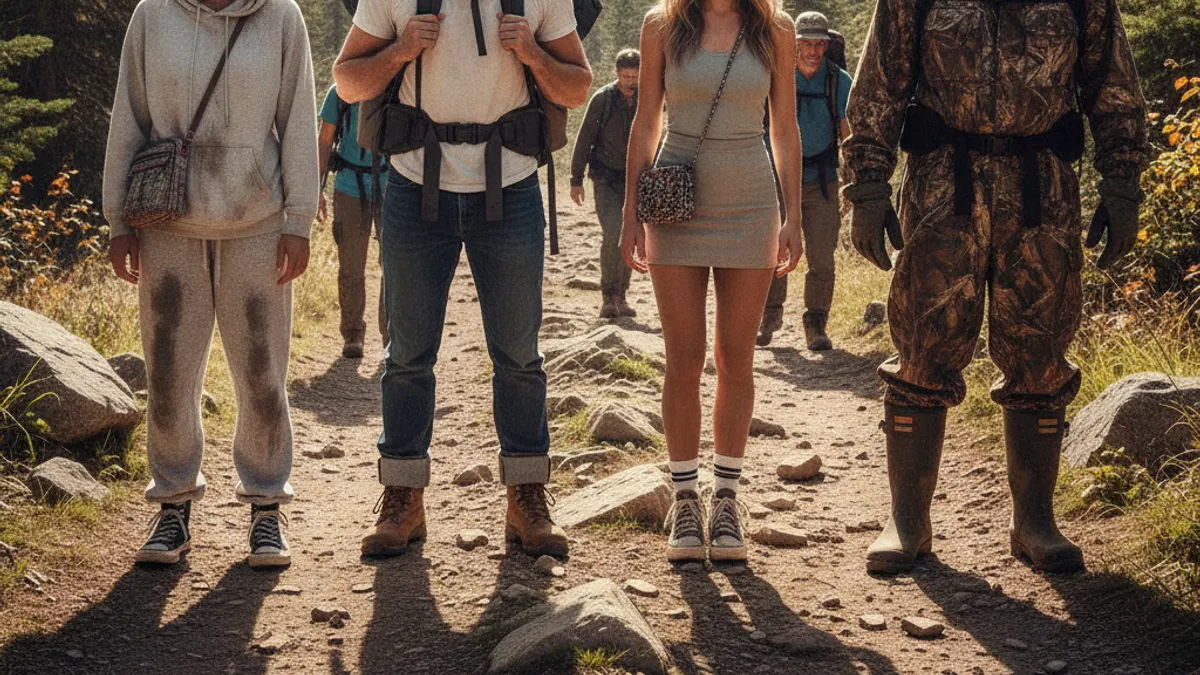
Even with the best intentions, hikers often make common mistakes when choosing their wardrobe. These errors can range from minor annoyances to serious safety concerns, highlighting the importance of understanding appropriate gear. Avoiding these pitfalls will significantly improve your hiking experience. Paying attention to these details helps ensure you’re prepared rather than just dressed.
- Wearing Cotton Anywhere: We’ve covered this, but it bears repeating, cotton is a major mistake. It sops up sweat and rain, doesn’t dry, and robs your body of warmth. You’ll get cold when it’s cool and chafe when it’s warm. Always opt for synthetics or merino wool.
- Over-Layering: It’s tempting to bundle up, especially on a cold morning, but starting too warm will lead to sweating. Excess sweat then cools on your skin, making you colder later. Start cool, your body will generate heat once you start moving. You should feel slightly chilly at the trailhead.
- Neglecting Sun Protection: Sunburn isn’t just uncomfortable, it’s a health risk. Forgetting hats, sunglasses, or UPF clothing, especially at higher altitudes or in open areas, is a common error. Remember to apply sunscreen to any exposed skin.
- Ignoring Socks and Footwear: Wearing inappropriate socks (like cotton) or unsupportive shoes leads to blisters, foot pain, and potential injury. Your feet are your primary mode of transport, protect them with diligence.
- Forgetting Rain Gear on a Clear Day: Weather can change rapidly, particularly in mountains. Leaving your rain jacket and possibly rain pants at home just because the sky looks clear is a risky gamble. Always carry at least a lightweight shell.
- Buying the Wrong Fit: Clothes that are too tight restrict movement and can cause chafing. Clothes that are too loose can snag, allow drafts, and don’t insulate effectively. Your gear should allow full range of motion.
- Choosing Fashion Over Function: High-performance hiking gear often prioritizes utility over aesthetics. While looking good is nice, staying safe and comfortable is far more important on the trail.
Expert Tips for Smart Hiking Wear
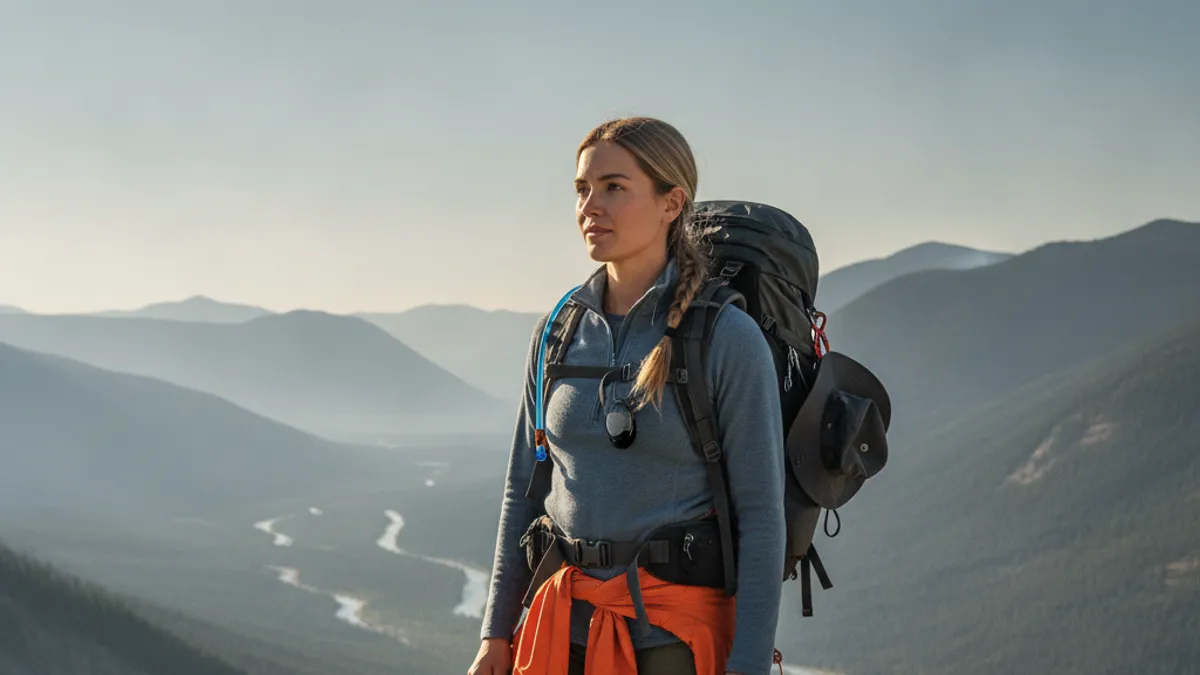
Drawing on years of experience and observing countless hikers, we’ve gathered some expert tips that go beyond the basic layering principles. These insights help you fine-tune your hiking wardrobe for maximum efficiency and enjoyment. They’re about making your gear work smarter for you.
- Test Your Gear: Never wear brand-new shoes or an untested layering system on a long or challenging hike. Break in your boots, wear your new socks on a shorter walk, and try out your rain jacket in a sprinkle. This identifies problems before they become critical.
- Invest in Quality Where It Counts: While not everything needs to be top-of-the-line, prioritize quality for your base layer, outer shell, and footwear. These items are your primary protection and comfort providers. Manufacturer warranties often reflect this higher quality and durability.
- Pack an Emergency Layer: Beyond your planned layers, a small, ultralight emergency insulation piece (like a thin puffy jacket) or an emergency bivvy can be a lifesaver if you get stuck or conditions worsen dramatically. It’s a low-weight, high-reward item.
- Consider Odor Control: Merino wool naturally resists odor, which is great for multi-day trips. Many synthetic fabrics now incorporate antimicrobial treatments (like silver-ion technology) to minimize smell over extended wear. This helps with hygiene on longer treks.
- Learn to Ventilate: Don’t wait until you’re drenched in sweat to remove a layer. Many modern jackets and pants feature zippers (like pit zips or thigh vents) to allow for quick ventilation. Open these proactively to prevent overheating.
- Think Neutral Colors (Leave No Trace): While bright colors can be good for visibility in emergencies, for general hiking, consider more natural and subdued tones for your outer layers, especially when observing wildlife. This aligns with Leave No Trace principles.
- Check for SPF/UPF Ratings: For sun protection, clothing with an Ultraviolet Protection Factor (UPF) rating is super effective. As of 2026, many brands prominently display these ratings, with UPF 30+ and 50+ being common and highly effective.
Applying these nuanced tips will make you a much more capable and comfortable hiker. It’s the difference between merely being dressed and being truly prepared.
