
Finding what pants to wear when hiking can feel surprisingly tricky, right? You want comfort, protection, and something that won’t hold you back on the trail. The right pair of hiking pants makes all the difference. It shields you from harsh weather, prickly plants, and even annoying insects.
You can then focus on the journey.
Choosing wisely means considering everything from sun exposure to unexpected downpours. Manufacturer specifications for quality hiking pants often highlight a UPF rating of 30+ for effective sun protection. This shows it isn’t just about fabric type. Let’s dig into why your choice of hiking pants truly matters.
Why Your Hiking Pants Matter More Than You Think
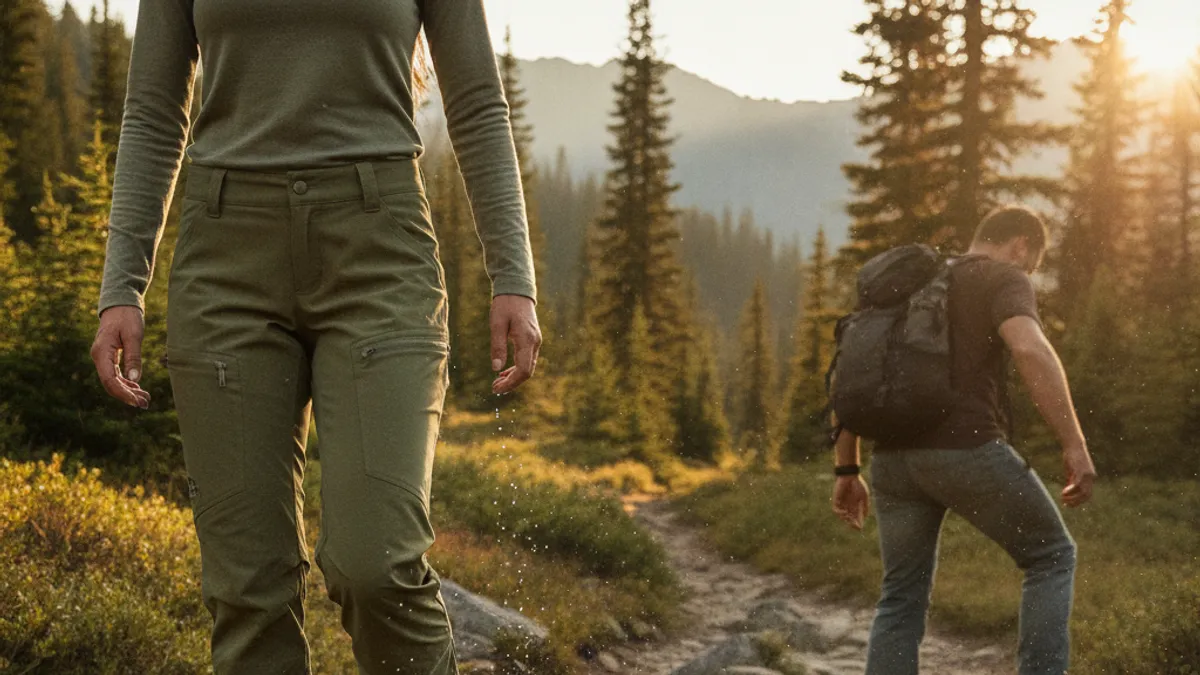
Hiking isn’t just a walk in the park. It’s an adventure where your gear directly impacts your comfort and safety. Your pants are more than just clothing. They’re a crucial piece of equipment that protects you from the elements.
Ignoring their importance can lead to anything from annoying chafing to serious hypothermia.
Think about overgrown trails. A good pair of durable pants means you won’t come home covered in scratches and tick bites. In unpredictable mountain weather, pants that wick moisture and dry quickly can prevent your legs from getting cold and clammy. They’re a barrier against sharp rocks, thorny bushes, and even venomous insects in some regions.
Quick Guide: Matching Pants to Your Hike
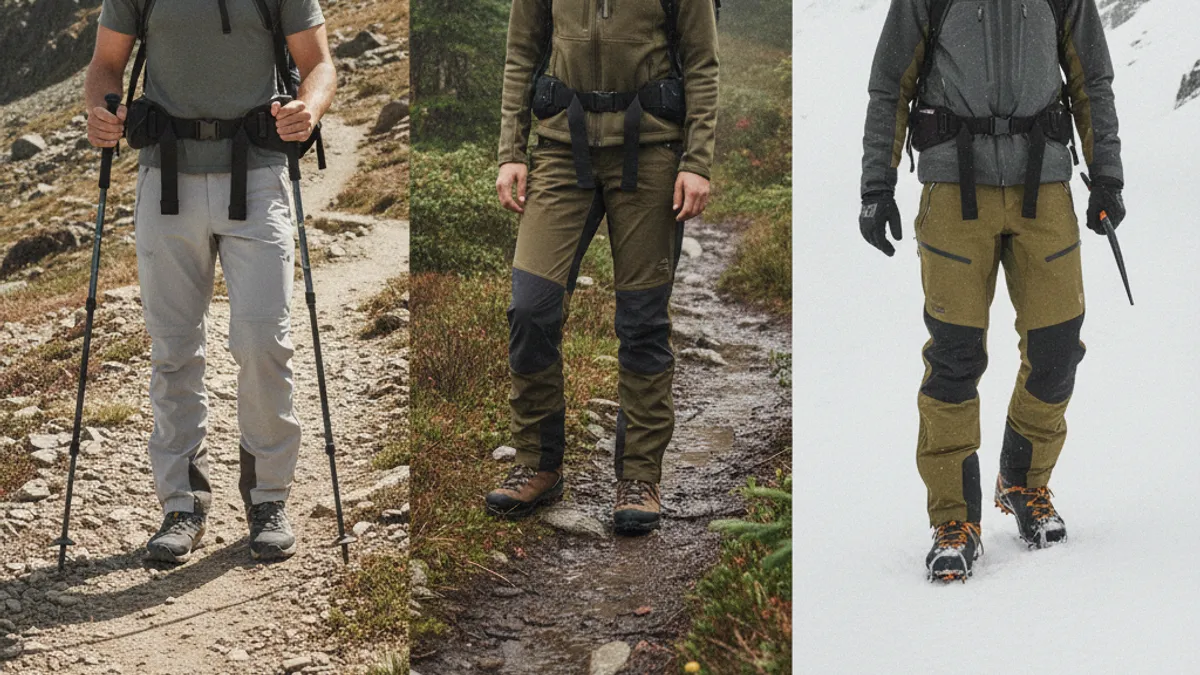
Matching your hiking pants to the specific conditions you’ll face is key to a comfortable outdoor experience. It’s not about one-size-fits-all. Instead, it’s about making smart choices based on your unique situation. This practical approach helps you stay prepared for whatever the trail throws your way.
Consider the trail’s terrain, the forecast, and the anticipated effort level. A short, easy path in mild weather needs different considerations than a multi-day trek through varying altitudes. The right match ensures you’re neither underdressed nor overdressed. This prevents discomfort and allows for optimal performance on your hike.
The “It Depends” Factor: Your Hiking Conditions
The reality of choosing hiking pants boils down to a few core “it depends” questions. Your personal preferences also play a role, but the environment usually dictates the major design points. Let’s break down the main variables.
Is it hot and sunny, or cold and potentially wet? Are you doing a casual day hike on a well-maintained path, or tackling a remote, overgrown trail for several days? Knowing these details helps narrow down your options significantly.
Here’s a quick checklist to help guide your decision:
- Weather Forecast: Sunny, cloudy, rain, snow? What are the high and low temperatures?
- Trail Type: Paved, dirt, rocky, overgrown, muddy, stream crossings?
- Activity Level: Casual walk, strenuous climb, trail running, backpacking?
- Duration: A few hours, full day, multi-day trip?
- Season: Summer, winter, spring, fall?
Answering these questions will lead you directly to the best pant choices.
Understanding Hiking Pant Materials: The Good, The Bad, and The Must-Avoid
The fabric your hiking pants are made from is probably the most critical factor in their performance. Different materials offer different properties. They influence everything from breathability and water resistance to durability and drying time. Choosing the right textile is foundational for comfort and protection.
Most modern hiking pants use synthetic blends. These often incorporate nylon, polyester, and spandex. Nylon is known for its excellent durability and abrasion resistance. Polyester offers good moisture-wicking properties and resistance to UV damage.
Spandex provides that crucial stretch for unrestricted movement. Merino wool, a natural fiber, also plays a role in some baselayers for its temperature regulation and odor resistance.
Why Cotton is Your Enemy on the Trail
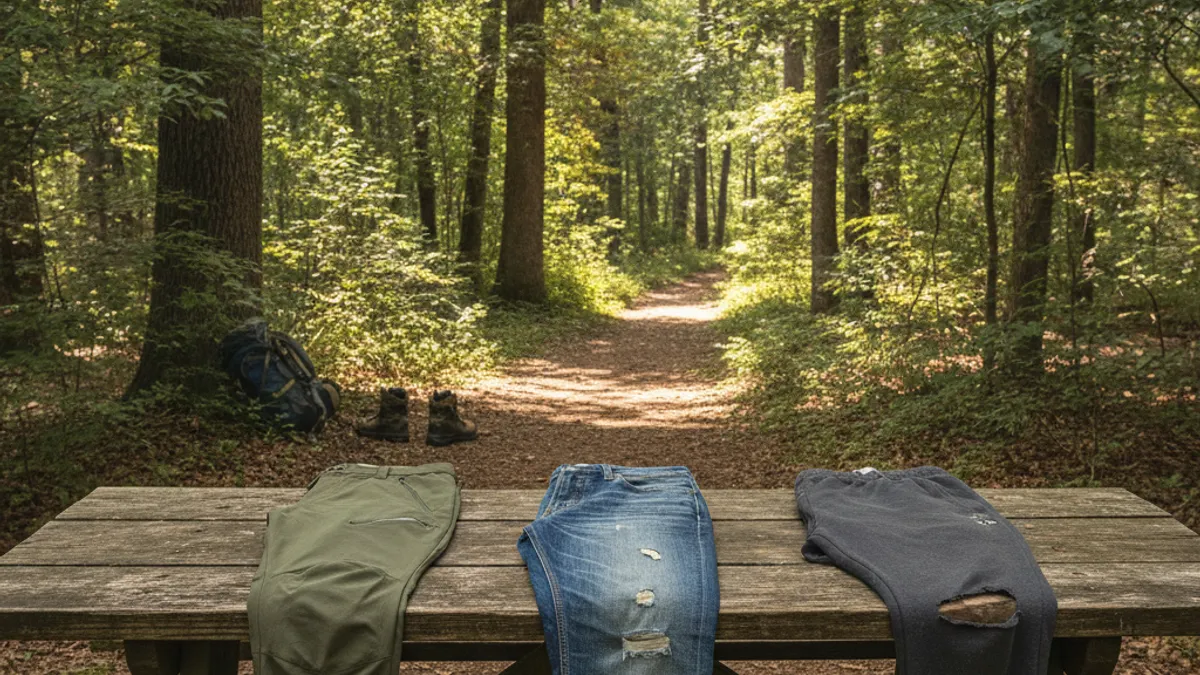
Here’s a golden rule for hiking: avoid cotton in almost all circumstances, especially as a primary layer. Cotton absorbs moisture like a sponge, whether from sweat or rain. Once wet, it loses all its insulating properties. It also takes an incredibly long time to dry.
This can lead to significant problems. In cool weather, wet cotton will quickly chill you, greatly increasing the risk of hypothermia. In warm or hot weather, wet cotton causes chafing and irritation, which can make every step painful. So, leave your jeans and cotton sweatpants for the couch, not the trail.
Key Features of Great Hiking Pants
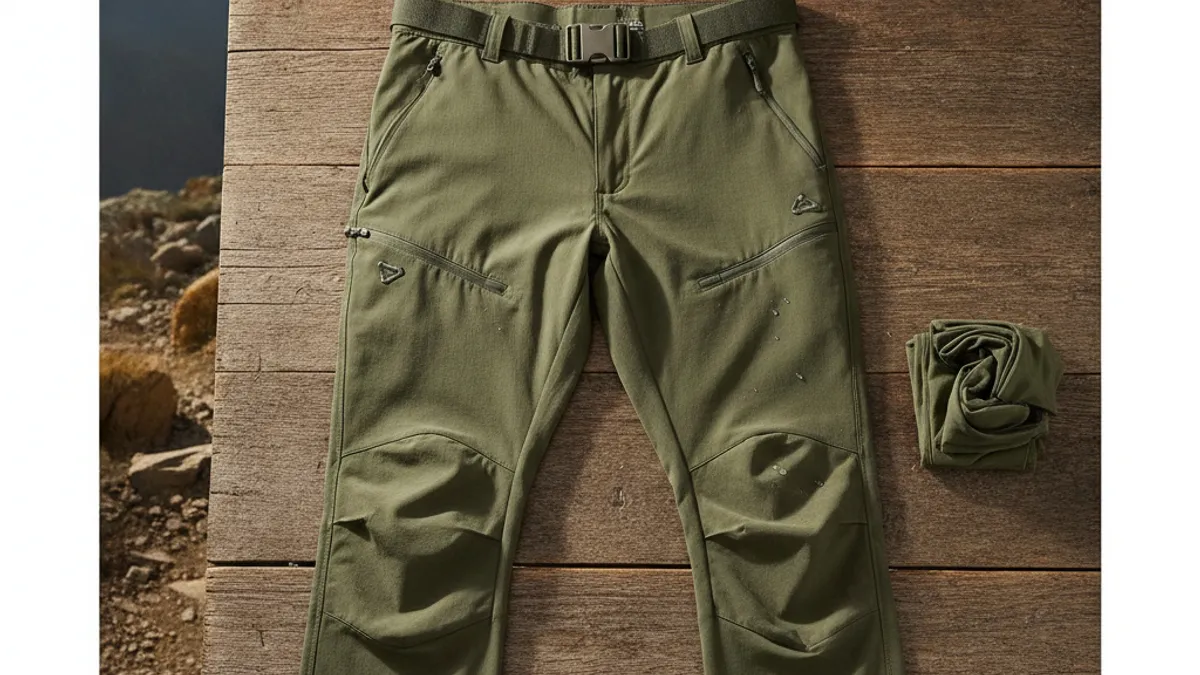
Beyond just material, several critical features make hiking pants truly functional and comfortable. These aren’t just bells and whistles. They’re design elements that enhance your experience. Knowing what to look for helps you evaluate different options more effectively.
Consider how these features align with your specific hiking needs. A pant with articulated knees, for example, makes a huge difference on steep ascents or descents. Pockets can be surprisingly vital for carrying small essentials safely.
Water Resistance, Breathability, and Durability
These three features often work in tension, creating a balance depending on the pant’s intended use. Water resistance, often achieved through a Durable Water Repellent (DWR) coating, helps shed light rain and splashes. Truly waterproof pants, like hardshells, have membranes that stop water entirely. However, they can sometimes reduce breathability.
Breathability allows sweat vapor to escape, keeping you from getting clammy. Highly breathable fabrics are essential for active hikes, especially in warmer conditions. Durability refers to the fabric’s ability to withstand abrasions, tears, and snags. This is particularly important when bushwhacking or navigating rugged terrain.
Manufacturers often quote fabric denier ratings as a measure of durability.
Stretch, Mobility, and Comfort
Unrestricted movement is non-negotiable on the trail. Hiking involves climbing over obstacles, stepping up steep inclines, and bending in all sorts of ways. Pants with a good amount of stretch, usually from spandex woven into the fabric, keep you nimble. Look for articulated knees and a gusseted crotch.
Articulated knees are pre-shaped to mimic the natural bend of your leg, while a gusseted crotch adds a diamond-shaped panel of fabric that improves range of motion and prevents seam tearing.
A comfortable waistband is also key. It shouldn’t dig in or chafe, especially when you’re wearing a backpack. Adjustable waistbands or integrated belts can help you find a perfect, secure fit. As of 2026, many brands are focusing on ergonomic designs to maximize comfort during long treks.
Sun Protection (UPF)
Sun protection is a silent hero in many hiking pants. Extended sun exposure can lead to sunburn and increase your risk of skin damage. Many performance fabrics come with a Ultraviolet Protection Factor (UPF) rating. This rating indicates how much of the sun’s UV radiation a fabric blocks.
A shirt labeled UPF 50, for instance, blocks 98% of the sun’s rays. For hiking pants, look for a minimum of UPF 30+, which blocks 97% of UV radiation. This is particularly important for hiking in exposed areas like alpine regions or deserts, providing a layer of defense against harsh rays.
Different Types of Hiking Pants for Different Adventures
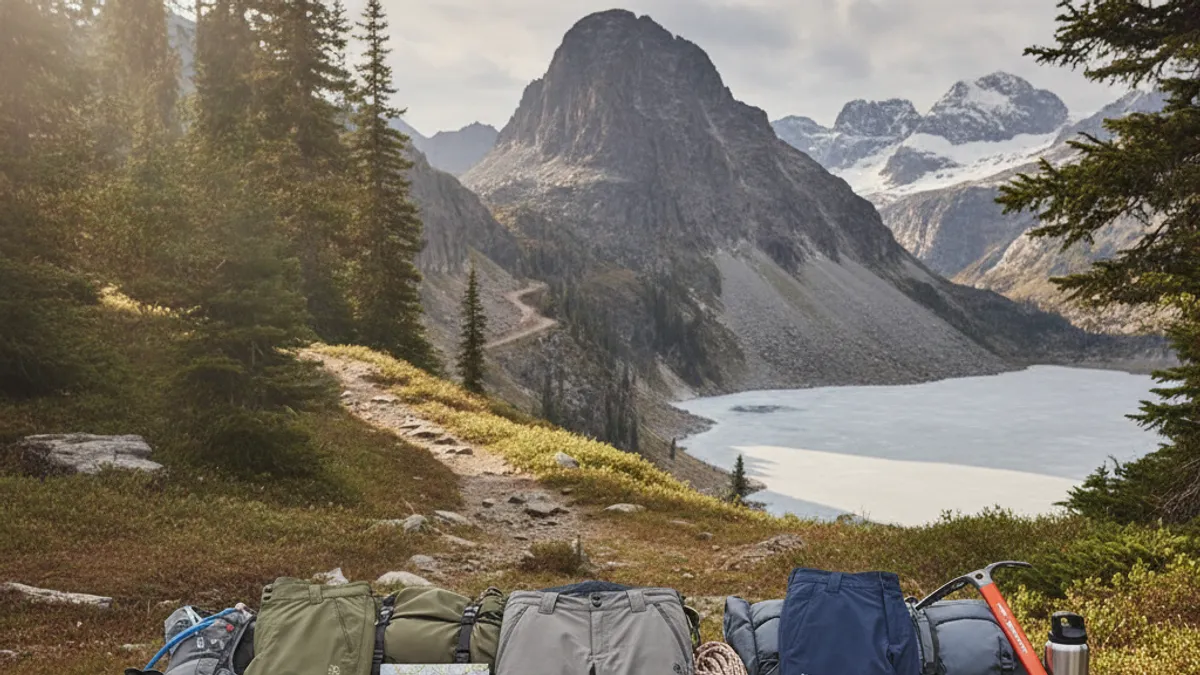
Just like there isn’t one perfect shoe for every sport, there isn’t one universal hiking pant. Your specific adventure dictates the best type. From quick day hikes to multi-day alpine expeditions, understanding the different categories helps you pick smart.
Each type offers a unique balance of features. They are designed to excel in particular conditions. Thinking about where and when you’ll hike most will steer you towards the right choice.
Lightweight Trekking Pants
These are your everyday workhorses for general hiking in mild to warm conditions. Lightweight trekking pants typically use durable nylon or polyester blends with some spandex for stretch. They’re super breathable and quick-drying, making them ideal for summer day hikes or warm-weather backpacking trips.
They often feature cargo pockets for easy access to small items. Their main benefit is comfort and versatility across a broad range of temperatures. They don’t offer much insulation. However, they dry fast if you get caught in a light rain shower.
Convertible Zip-Off Pants
Need versatility? Convertible zip-off pants are a classic solution, especially for shoulder seasons or hikes with significant temperature swings. These pants have zippers usually at or just below the knee. This allows you to quickly transform them into hiking shorts.
This feature is fantastic when you start a hike in cool morning air and the afternoon heats up.
While incredibly practical, some hikers find the zippers can be a bit bulky or cause minor chafing. Aggregate reviews indicate that the convenience often outweighs this small trade-off. This is especially true for travelers or long-distance hikers who want to pack light. Look for smooth, covered zippers to minimize discomfort.
Rain Pants and Hardshells
When the forecast clearly calls for precipitation, or you’re heading into notoriously wet climates, dedicated rain pants are non-negotiable. These are waterproof. They are designed to be worn over your base layers or regular hiking pants. They usually feature full-length or ankle zippers for easy on-and-off without removing your boots.
Hardshell pants offer serious protection against heavy rain and snow. They use advanced waterproof-breathable membranes, such as Gore-Tex or similar proprietary technologies. These keep water out while allowing sweat vapor to escape. While highly protective, they can feel less breathable than standard trekking pants in milder conditions.
Insulated Pants for Cold Weather
For winter hiking, snowshoeing, or mountaineering, you’ll need specialized warmth. Insulated pants are designed to provide significant thermal protection in cold environments. They often feature a durable outer shell, usually water-resistant, with a synthetic or down insulation layer inside.
These pants aren’t typically worn for highly aerobic activity in moderate cold. They can cause overheating instead. They’re perfect for stationary activities in extreme cold, or lower-output winter treks. You might wear them as an outer layer over a merino wool base layer for optimal warmth and moisture management.
When Leggings Might Work (and When They Won’t)
Athletic leggings or yoga pants have gained popularity for some types of hiking, but they come with caveats. For low-impact, well-maintained trails in mild weather, high-quality athletic leggings made from moisture-wicking synthetic fabrics can be comfortable and offer excellent mobility. They’re also great for layering under other pants.
However, they typically lack durability against abrasions and tears on rough trails. They offer minimal protection against thorny bushes or insect bites. They also usually provide less sun protection than dedicated hiking pants. For serious trekking, especially off-trail, dedicated hiking pants remain a far superior choice for protection and functionality.
Choosing the Right Pants for Your Hike: A Decision Workflow
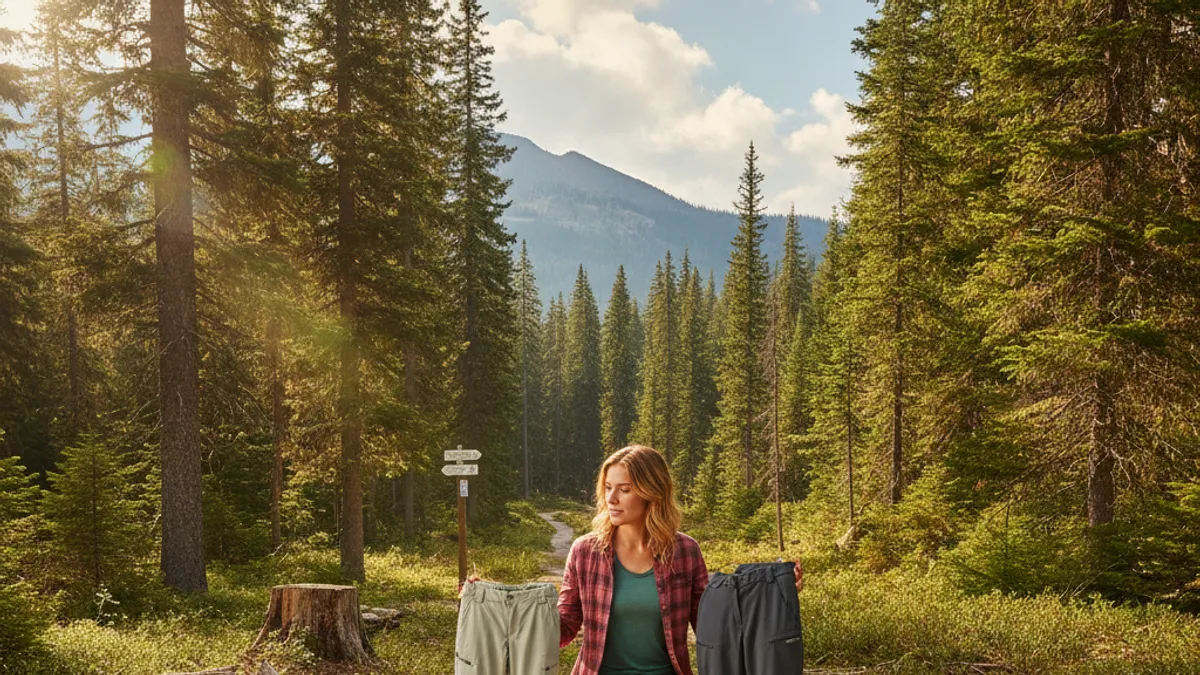
Making the right choice really boils down to anticipating your conditions and matching the pant type accordingly. It’s about a systematic approach. It’s not just grabbing the first pair you see. Use this workflow to guide your selection, ensuring you’re prepared for your next adventure.
Start with the most impactful variables: temperature, precipitation, and terrain. Then, refine your choice based on activity level and personal comfort.
For Hot & Humid Climates
If you’re hiking in scorching, damp conditions, prioritizing breathability, quick-drying properties, and sun protection is paramount. You need pants that won’t trap heat and will dry fast if you sweat or encounter humidity.
- Recommendation: Lightweight trekking pants or convertible zip-offs.
- Key Features to Look For: High UPF rating (30+ or 50+), maximum breathability, minimal fabric weight, excellent moisture-wicking, adjustable waist/cuffs, and good ventilation options like mesh pockets.
- Avoid: Anything heavy, insulated, or with thick DWR coatings that might hinder breathability.
For Cold & Snowy Conditions
When the mercury drops and snow is a factor, warmth, waterproofing, and durability become most important. Layering is usually the best strategy here.
- Recommendation: Insulated pants or hardshell pants worn over a synthetic or merino wool base layer.
- Key Features to Look For: Waterproof-breathable membrane (e.g., Gore-Tex), synthetic insulation, durable outer shell, articulated knees for comfort, full-length side zippers for venting and easy removal over boots.
- Avoid: Lightweight, non-insulated pants without significant water resistance. Cotton is a definite no-go as a base layer.
For Wet & Rainy Weather
Expect rain? Then you need reliable waterproof protection that can handle prolonged exposure. This often means a dedicated outer layer.
- Recommendation: Hardshell rain pants.
- Key Features to Look For: Durable waterproof-breathable fabric, taped seams (crucial for true waterproofing), adjustable cuffs to seal out splashes, full-length side zips for quick donning and doffing, lightweight and packable design.
- Best Worn Over: Your regular quick-drying trekking pants or a moisture-wicking base layer.
For Mild, Multi-Day Backpacking
Multi-day trips require versatility and durability in a single pair of pants, often with weight-saving benefits. You need something that can handle varying conditions.
- Recommendation: Durable lightweight trekking pants or convertible zip-off pants.
- Key Features to Look For: Excellent durability (abrasion resistance), quick-drying fabric, multiple secure pockets (especially zippered), integrated belt or adjustable waistband, good stretch for mobility, and a reasonable UPF rating.
- Consider: Packing a lightweight pair of rain pants as an emergency overlay for unexpected downpours.
For Overgrown Trails & Bushwhacking
When you’re pushing through dense brush, thorns, and sharp branches, protection from punctures and tears is paramount. Durability can’t be sacrificed.
- Recommendation: Heavy-duty trekking pants or softshell pants with reinforced panels.
- Key Features to Look For: Thick, tightly woven nylon fabric (high denier count), reinforced knees and seat, excellent abrasion resistance, good stretch for movement, and potentially a DWR treatment to shed dew.
- Avoid: Lightweight, thin fabrics like those used in some trail running pants or basic leggings, which will quickly tear.
Mistakes to Avoid When Picking Hiking Pants
Even with all the great options, it’s easy to make a wrong turn when choosing hiking pants. Steer clear of these common missteps. They can quickly turn a pleasant hike into an uncomfortable ordeal.
Understanding what not to do is just as important as knowing what to look for. This helps you avoid common pitfalls.
Common Pant-Picking Mistakes
- Wearing Cotton: As discussed, cotton is a major no-no. It absorbs moisture, dries slowly, and compromises insulation. This leads to chafing in warm weather and hypothermia risk in cold.
- Opting for Excessive Bulk or Weight: Heavy, overly thick pants can restrict movement and cause overheating, especially on ascents. Remember, every ounce matters over miles.
- Ignoring Fit and Mobility: Pants that are too tight will restrict your range of motion. Pants that are too baggy can snag on brush. A good fit ensures articulation and comfort.
- Underestimating Weather Changes: Even on a sunny day, an unpredicted storm or sudden temperature drop can leave you vulnerable if your pants aren’t prepared for changes. Always check the forecast and plan for contingencies, especially in mountainous regions.
- Forgetting Bug and Sun Protection: Not considering UPF ratings or the need for insect repellent-treated fabrics can lead to uncomfortable sunburns or itchy bites.
- Prioritizing Style Over Function: While everyone likes to look good, hiking gear needs to perform. Functionality, durability, and comfort should always come before appearances on the trail.
Expert Tips for Maximizing Comfort and Performance
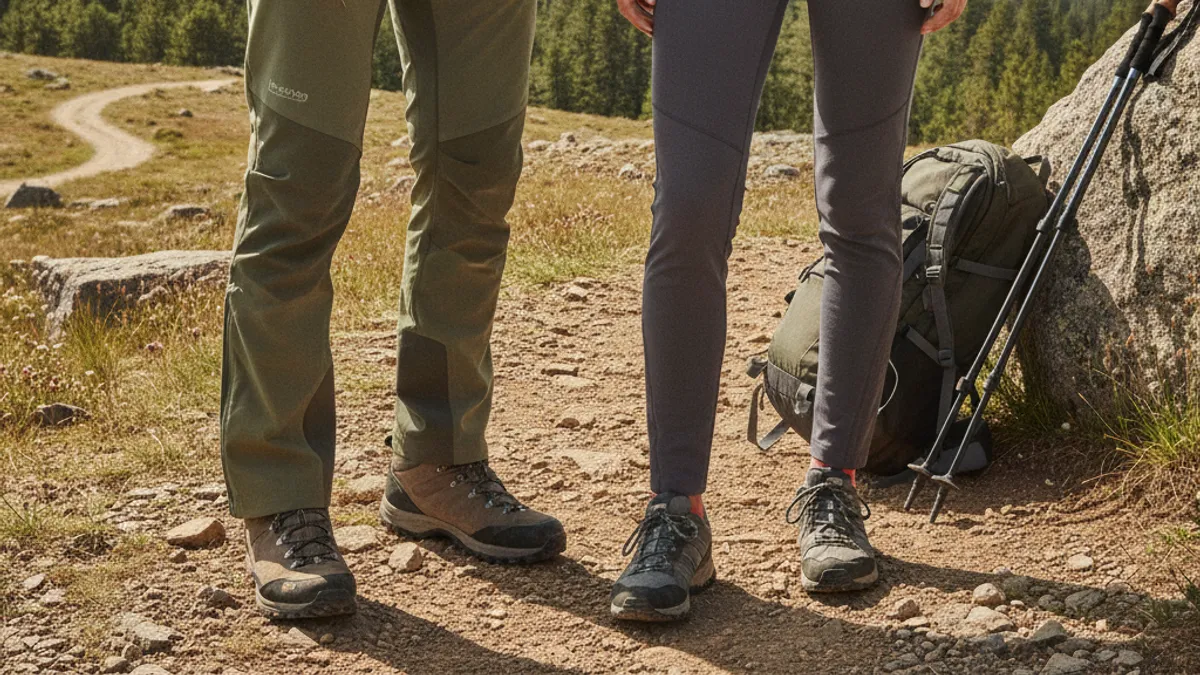
Beyond just choosing the right pair, how you use and integrate your hiking pants into your overall gear system can significantly boost your comfort and efficiency. These pro tips address nuances that make a big difference. They come from years of practical trail experience.
These small adjustments can transform your hiking experience. They ensure your pants are always performing at their best.
- Layering for Versatility. Even with the right main pair, carrying a lightweight base layer (like merino wool or synthetic long johns) in your pack expands the temperature range your pants can handle. In cold weather, wear them underneath. In mild conditions, they stay in your pack until needed.
- Check for Articulated Knees and Gusseted Crotches. These design elements are crucial for unrestricted movement, particularly on steep or technical terrain. They allow the fabric to move with you. This prevents pulling and enhances comfort during high steps.
- Test Before Your Trip. Don’t wear brand-new pants on a multi-day trek without trying them out first. Go for a shorter hike. Sit, squat, and move around to ensure there are no uncomfortable seams or odd fits that will become irritating over time.
- Consider an Integrated Belt or Adjustable Waist. These features help customize the fit. They ensure your pants stay put without needing an external belt that can chafe under a hip belt. This also allows for minor adjustments if your weight fluctuates on longer trips.
- Mind the Cuffs. Pants with adjustable or zippered cuffs are great. They allow you to tighten them to keep debris out of your boots, or loosen them for better airflow. Zippered cuffs also make it easier to pull pants on or off over hiking boots.
Caring for Your Hiking Pants: Extending Their Life
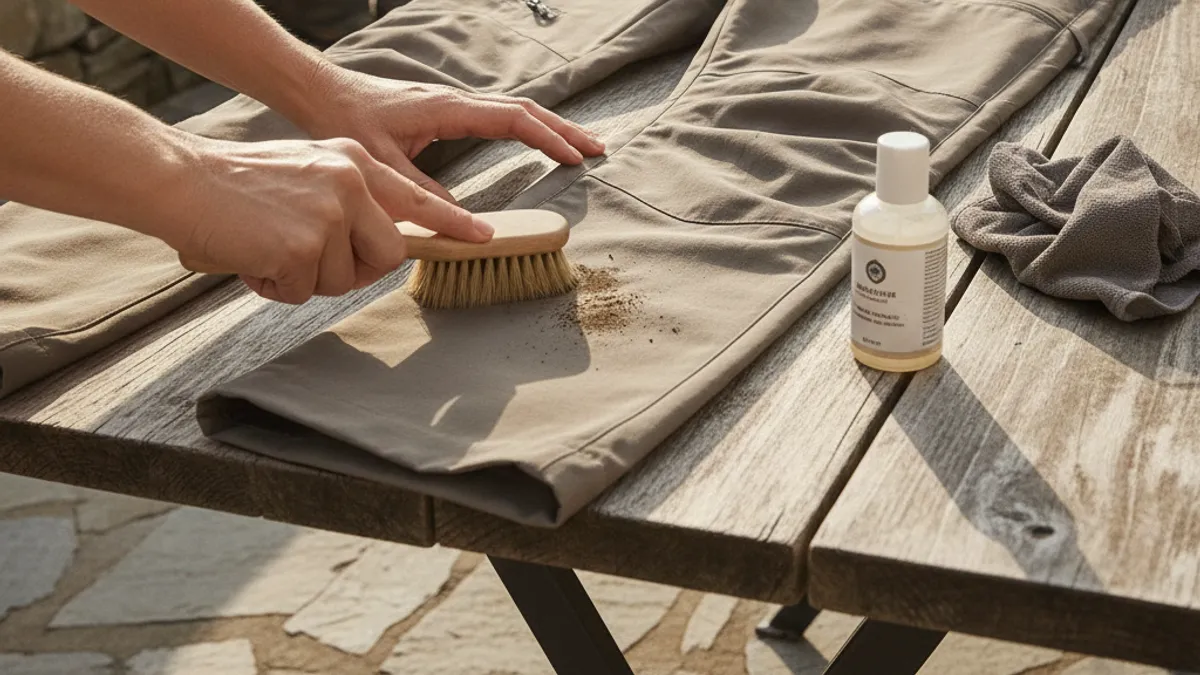
Proper maintenance isn’t just about keeping your gear clean. It’s about preserving its protective qualities and durability. Your technical hiking pants are an investment. Caring for them correctly ensures they last many seasons.
It also helps them continue to perform as intended.
Understanding basic care extends the lifespan of the fabrics, especially those with DWR finishes. Incorrect washing can strip these treatments. This reduces water repellency and potentially damages the fabric’s integrity.
- Read the Care Label: Manufacturers provide specific instructions for a reason. Always check the tag for temperature recommendations, bleach warnings, and drying instructions.
- Use Technical Wash: For fabrics with DWR coatings or waterproof membranes, use a technical fabric wash designed for outdoor gear, such as Nikwax Tech Wash or Grangers Performance Wash. Regular detergents can clog pores and strip DWR.
- Wash Cold and Gentle: Use a cold water cycle on a gentle setting to protect the fabric and any specialized coatings.
- Air Dry or Low Heat Tumble: Air drying is best for most hiking pants. If tumble-drying, use the lowest heat setting. High heat can damage synthetic fibers and DWR treatments.
- Reapply DWR: Over time, the Durable Water Repellent (DWR) coating will wear off. If water no longer beads up on the fabric surface, it’s time to reapply. Follow the instructions for spray-on or wash-in DWR products.
FAQs About Hiking Pants
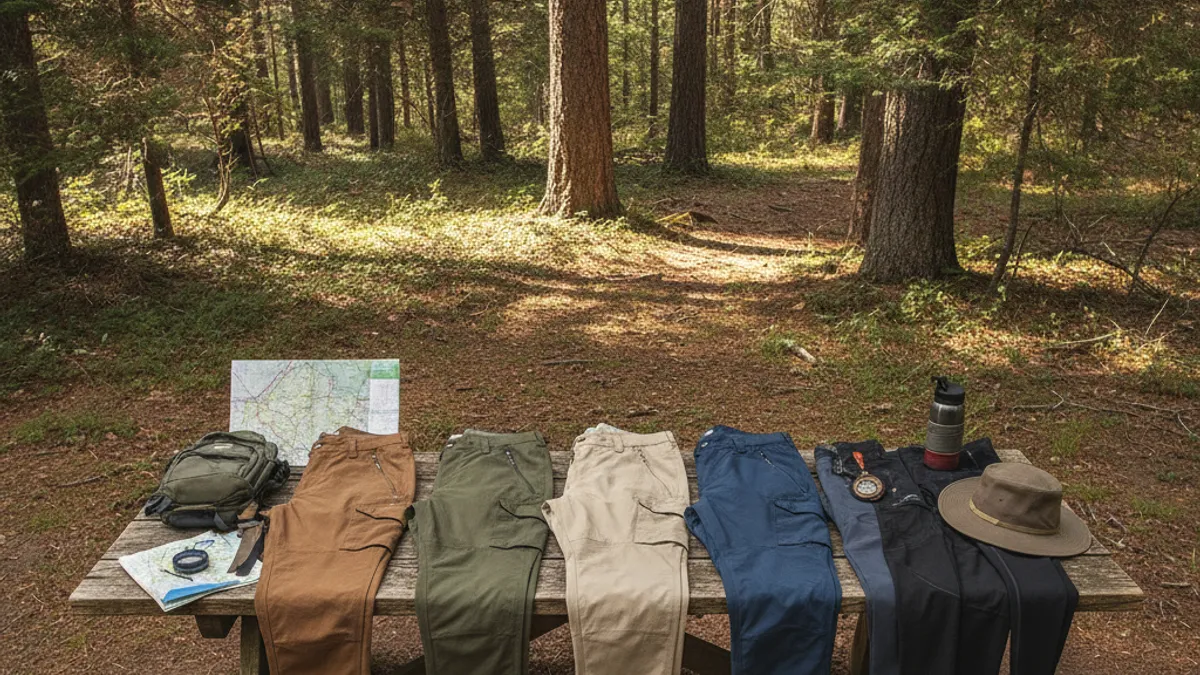
It’s natural to have questions, given the variety and technical aspects of hiking pants. We’ll tackle some of the most common ones here. These insights aim to clarify any lingering doubts.
Helping you navigate the choices means answering the specific questions that come up. Here are some of the most frequent queries we encounter.
Are hiking leggings good for hiking?
Hiking leggings can be good for hiking, especially for low-impact activities on well-maintained trails or as a base layer under other pants. They excel in comfort and mobility within mild temperatures. However, they generally lack the durability, protection from abrasions, and features like pockets that traditional hiking pants offer for more rugged conditions.
Can I wear shorts for hiking?
Yes, you can wear shorts for hiking, particularly on hot days or well-maintained trails. They offer excellent ventilation and freedom of movement. But be aware they provide no protection against insect bites, sun exposure, or scratches from brush. Always consider the trail conditions and potential hazards before opting for shorts.
What is the difference between soft shell and hardshell pants?
Softshell pants are breathable, flexible, and offer some water and wind resistance. This makes them great for active use in changeable conditions. Hardshell pants are fully waterproof and windproof, designed for serious protection against rain and snow. However, they are typically less breathable and more rigid.
How many pairs of hiking pants do I need for a multi-day trip?
For a multi-day trip, two pairs of hiking pants are usually sufficient: one to wear and one backup. A quick-drying pair is crucial. If you anticipate drastically different weather, you might bring a third pair like a lightweight rain pant or an insulated option.
What about a hiking skirt or kilt?
Hiking skirts or kilts are a niche but viable option for some hikers. They offer incredible ventilation and freedom of movement, especially in hot weather or for activities like stream crossings. They provide less protection than pants from brush, sun, and insects. They often feature built-in shorts for modesty and comfort.
Your Personalized Hiking Pant Decision Guide
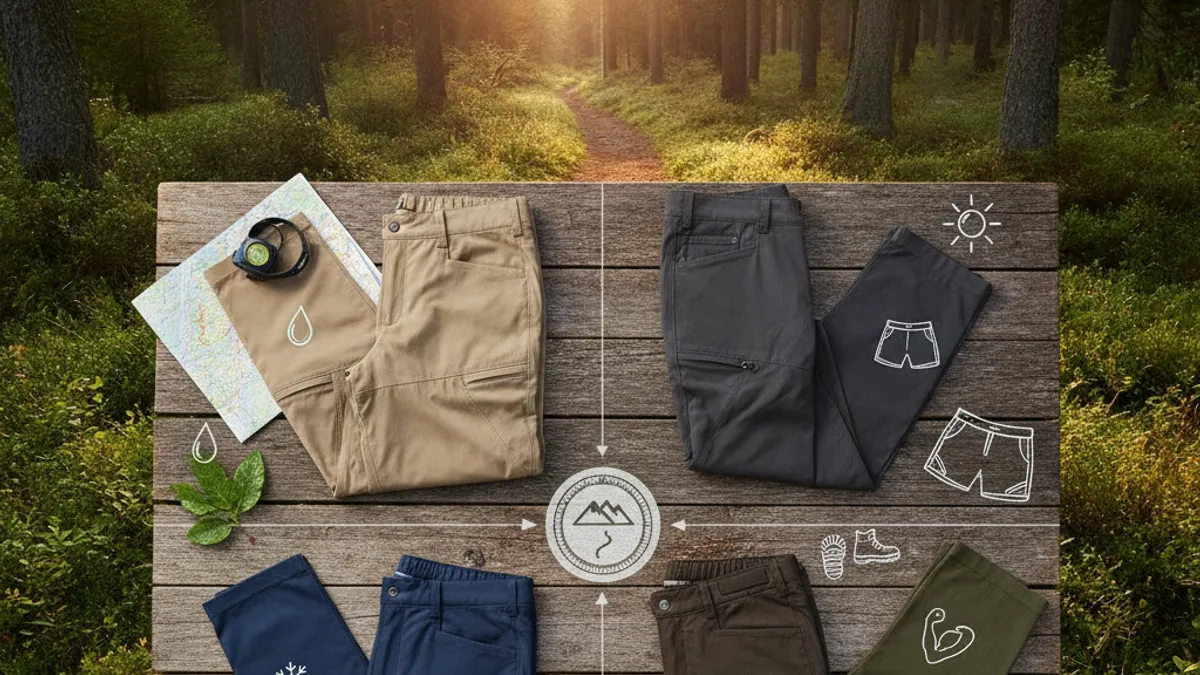
Ultimately, the best hiking pants for you come down to a personalized decision based on your unique needs. We’ve covered a lot of ground. Now, let’s put it all together into a clear, actionable framework.
This guide acts as a final checklist. It helps you make sure you haven’t missed any critical considerations.
